Bank Fishing Techniques for Alberta Lakes
It's a familiar scenario for many of us: you're itching to get out fishing in Alberta, but you don't own a boat. Maybe it's the cost, the storage, or simply the logistics of launching and retrieving. Whatever the reason, the feeling of being "stuck on shore" while others motor out to prime spots can be incredibly frustrating. But here's the good news: you don't need a fancy rig to have an amazing day of fishing. This comprehensive guide is all about empowering you to hit your favorite Alberta lakes with confidence, armed with effective bank fishing techniques that will help you find and land fish right from the shoreline.
The Beauty and Challenge of Bank Fishing in Alberta
There's a unique charm to bank fishing, a simplicity that connects you directly to the water and its surroundings. It's often the entry point for many anglers, myself included, before the allure of boats and big water takes hold. But even for seasoned pros, casting from shore offers a different kind of satisfaction and challenge.
Why Bank Fishing Appeals to Many
First off, let's talk about accessibility. Not everyone has the luxury of owning a boat, a truck to tow it, or the time to maintain it. Bank fishing eliminates those barriers entirely. You can simply grab your rod and tackle box, find a public access point, and you're ready to go. This makes it incredibly cost-effective – no gas for the boat, no launch fees, no expensive repairs. It's just you, your gear, and the water, which frankly, is a beautiful thing. The simplicity allows you to really focus on the act of fishing, observing nature, and soaking in the peaceful atmosphere of Alberta's stunning landscapes. Whether you're a beginner just starting out or an experienced angler looking for a relaxing day, bank fishing offers a low-stress, high-reward way to enjoy our province's abundant fisheries. It’s also often a fantastic way to introduce kids to fishing, with plenty of safe and accessible spots perfect for a family outing.
Beyond the practical benefits, there's a certain connection you forge with the environment when you're literally standing on solid ground, feeling the wind on your face and the earth beneath your feet. You become more attuned to the subtle shifts in the water, the sounds of wildlife, and the overall rhythm of the lake. It's a grounding experience, a chance to slow down and truly appreciate the natural beauty that surrounds us in Alberta, from the tranquil prairie lakes to the dramatic mountain reservoirs.
Common Frustrations for Bank Anglers
While the appeal is strong, it's also true that bank fishing comes with its own set of frustrations, and it’s important to acknowledge them. One of the biggest hurdles is often limited access to those "prime" fishing spots. Boaters can motor out to deep weed lines, submerged humps, or offshore structures that bank anglers can only dream about. You might find yourself casting repeatedly into seemingly barren water, knowing that the best action is just out of reach. This can lead to a lot of wasted time and effort, and even make you feel like you're missing out on the real fishing.
Another common pain point is casting distance. Sometimes, the fish are simply holding further out than you can comfortably reach, even with a long casting rod. Then there are the notorious weed snags, especially in shallower areas close to shore, which can quickly strip you of your precious lures and lead to endless re-tying. Fluctuating water levels can also be a nightmare. A spot that was fantastic last week might be bone dry or completely inundated this week, making it difficult to find consistent success. It’s a real bummer when you scout out what looks like a perfect bank fishing spot, only to find the water is either too low to hold fish or too high to safely access. These challenges can definitely test your patience, but with the right techniques and a bit of persistence, they are far from insurmountable.
Essential Gear for Successful Alberta Bank Fishing
You don't need to break the bank to be a successful bank angler, but having the right tools for the job can make a world of difference. Think versatile, durable, and comfortable.
Rod and Reel Setups for Shore
When you're casting from the bank, distance is often key, so a longer rod is generally your best friend. I'd recommend an 8 to 10-foot medium-heavy spinning rod. This length gives you excellent casting leverage to reach those further-out spots and helps keep your line elevated over shoreline obstacles like tall grass or reeds. The medium-heavy power provides enough backbone to cast heavier lures or bait rigs, yet still has enough tip sensitivity to detect subtle bites. For example, if you're chasing walleye, a sturdy 8'6" rod can significantly improve your reach. You can find some excellent options that are perfect for this style of fishing, often discussed in guides like Best Spinning Rods for Walleye.
Pair that rod with a quality spinning reel in a 3000 or 4000 series size. This size offers a good balance of line capacity for longer casts and cranking power for retrieving fish, without being overly heavy. For line, a 15-20 lb braided main line is fantastic because it's super strong, has no stretch for better bite detection, and casts incredibly far. Since braid is highly visible, I always recommend tying on a 6-10 lb fluorocarbon leader (about 2-3 feet long) with a knot like the FG knot or a double uni. Fluorocarbon is nearly invisible underwater and is more abrasion-resistant, which is perfect for wary fish or snaggy bottoms. For beginners, a good Best Rod and Reel Combo for Beginners found on Amazon can get you started without the guesswork of matching components, offering a balanced setup ready for action.
Tackle Box Essentials for Bank Anglers
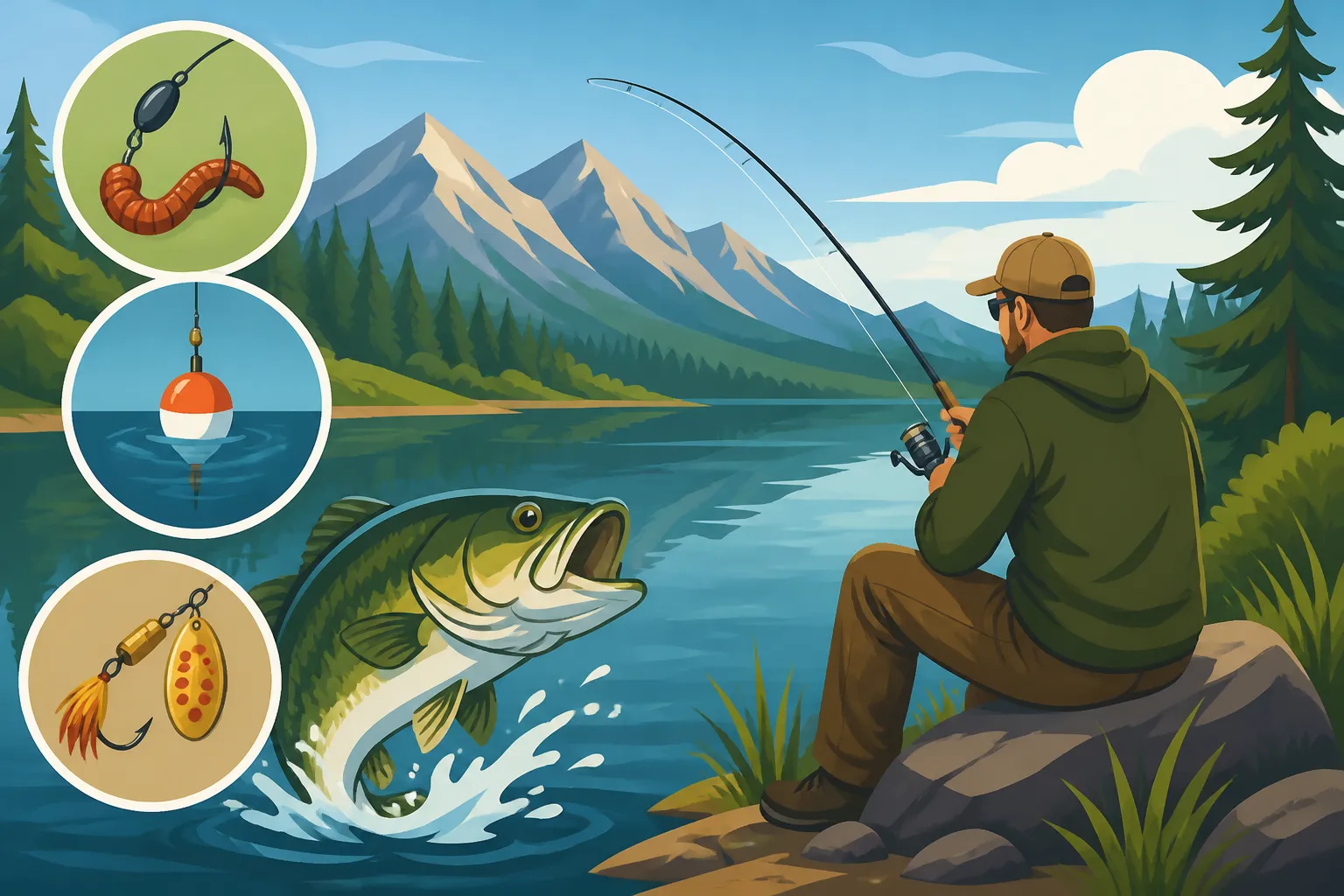
Your tackle box for bank fishing needs to be versatile. You can't change spots as easily as a boater, so you need lures and baits that can cover various depths and situations from one location. Start with a selection of spoons (like Dardevles or Five of Diamonds for pike, or smaller "Little Cleos" for trout), inline spinners (Mepps, Rooster Tails), and jigs (1/8 oz to 1/2 oz ball head or stand-up jigs with soft plastics like grubs or swimbaits). These are highly effective for a wide range of Alberta species. For walleye, consider slip bobber rigs with leeches or live minnows (where legal) – it's a classic and deadly technique from shore.
Don't forget your terminal tackle: a variety of hooks (Aberdeen, Octopus, Worm hooks in sizes 4 to 2/0), sinkers (split shot, bullet weights, bell sinkers), swivels (barrel or snap swivels to prevent line twist), and steel leaders if you're targeting pike (essential to prevent bite-offs). A good pair of needle-nose pliers or hemostats for hook removal, line cutters or small scissors, and a measuring tape are also non-negotiable. And always carry some extra line or leader material. Many anglers swear by the convenience of picking up these diverse essentials, including a wide array of Best Tackle for Alberta Walleye or Best Tackle for Panfish, from large online retailers like Amazon, ensuring you’re well-stocked before your next trip.
Comfort and Safety Gear
Being comfortable on the bank makes a huge difference to your enjoyment and endurance. Invest in good, waterproof footwear, especially if you plan to explore muddy or wet shorelines. Layered clothing is crucial in Alberta, as the weather can change in an instant – a sunny morning can quickly turn into a chilly, windy afternoon. A wide-brimmed hat and polarized sunglasses will protect you from the sun and help you spot fish or underwater structure.
Don't forget the practical items: bug spray (essential during spring and summer, especially near calm water), a small backpack to carry your gear, snacks, and plenty of water. A compact first-aid kit is always a smart addition, just in case of minor cuts or scrapes. If you're going to be landing larger fish, a small, collapsible landing net can be invaluable, like those often considered among the Best Landing Net for Trout or if targeting larger species, even options geared towards Best Landing Net for Pike. This helps protect both you and the fish during the landing process, especially when you can't easily wade out to retrieve a fish. Finally, for those longer sessions, a lightweight, portable fishing chair can be a true game-changer, allowing you to relax while you wait for the bite.
Mastering Bank Fishing Techniques for Different Species
Different fish species hold in different areas and respond to various presentations. Understanding these nuances will significantly increase your success from the bank.
Targeting Walleye from Shore
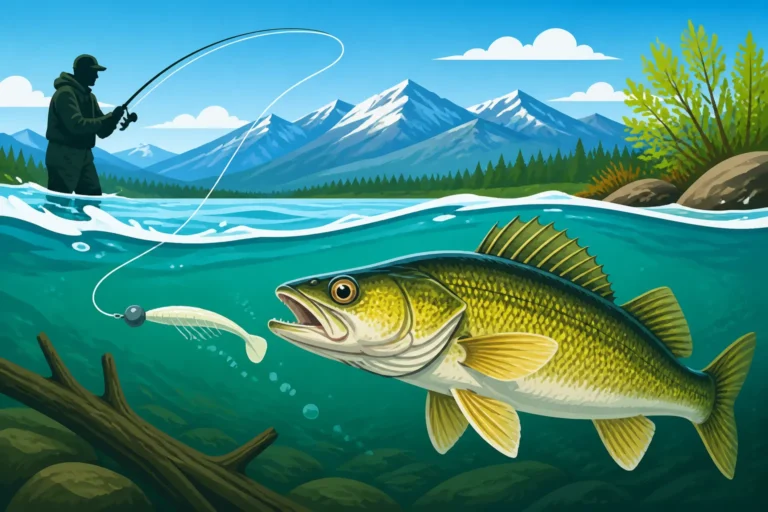
Walleye are a prized catch in many Alberta lakes, and you absolutely can catch them from shore. The key is to think like a walleye: they love structure, low light, and often stick to deeper areas. From the bank, look for points that extend into the lake, areas with sharp drop-offs, or the edges of prominent weed beds. These features provide ambush points and cover for walleye. The best times to target them are often during low-light conditions – dawn, dusk, or even into the night if regulations allow. Overcast days can also be productive.
One of the most effective bank techniques for walleye is a slip bobber rig. This allows you to present a bait (like a leech, minnow, or a piece of nightcrawler) at a precise depth, suspending it just above the bottom or a weed line. Cast it out, let it settle, and watch that bobber like a hawk! Another great option is jigging. Use a 1/4 to 1/2 oz jig head tipped with a soft plastic grub, a small swimbait, or live bait. Cast it out, let it sink to the bottom, and then work it back with a series of hops, drags, and pauses. Casting crankbaits or swimbaits that imitate baitfish can also be very effective, especially during active feeding periods. Remember that walleye often hug the bottom, so ensure your lure or bait is getting down to their strike zone. Understanding when and how to approach these fish can be a game-changer, as detailed in guides like How to Catch Walleye in Alberta and specifically for timing, Best Time of Day to Catch Walleye.
Landing Northern Pike from the Bank
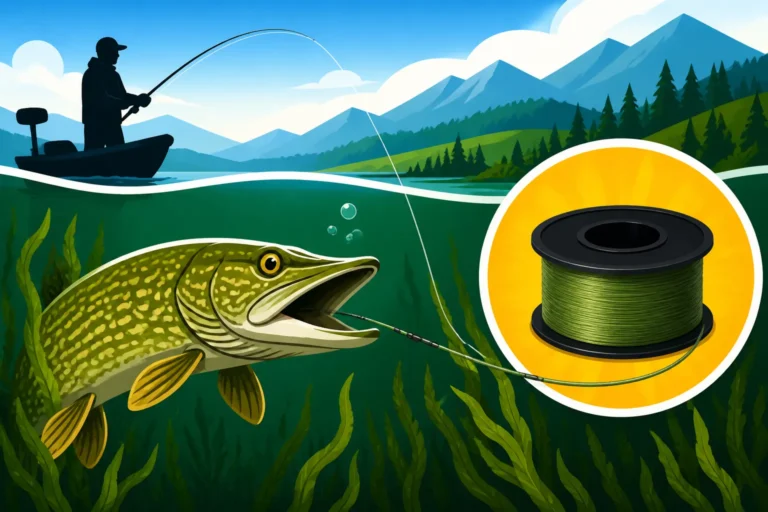
Northern Pike are aggressive predators that are often very accessible from shore in Alberta lakes. They love to ambush prey from cover, so when you're bank fishing, focus your efforts on areas with heavy weed growth, lily pad fields, fallen trees, or rocky points. Shallow bays and marshy areas are pike magnets, especially in the spring and early summer when the water is warmer and baitfish are abundant.
Large spoons are classic pike lures that cast well from shore and are irresistible to these toothy predators. Think brightly colored Dardevles, Five of Diamonds, or Len Thompson spoons. Cast them out, let them flutter on the sink, and retrieve with a varied, erratic action. Large spinnerbaits with big blades (like willow or Colorado blades) are also fantastic, as they push a lot of water and can be retrieved through weeds without snagging as easily. Don't shy away from topwater lures like poppers or walk-the-dog baits during calm, warm conditions – watching a pike blow up on a topwater lure is an adrenaline rush! Just be absolutely sure to use a steel leader (at least 6-9 inches long) when targeting pike, as their razor-sharp teeth will easily sever monofilament or fluorocarbon. These tips are crucial for success, echoing advice found in How to Catch Northern Pike in Alberta and Best Lures for Northern Pike in Alberta.
Pursuing Trout and Panfish from Shore
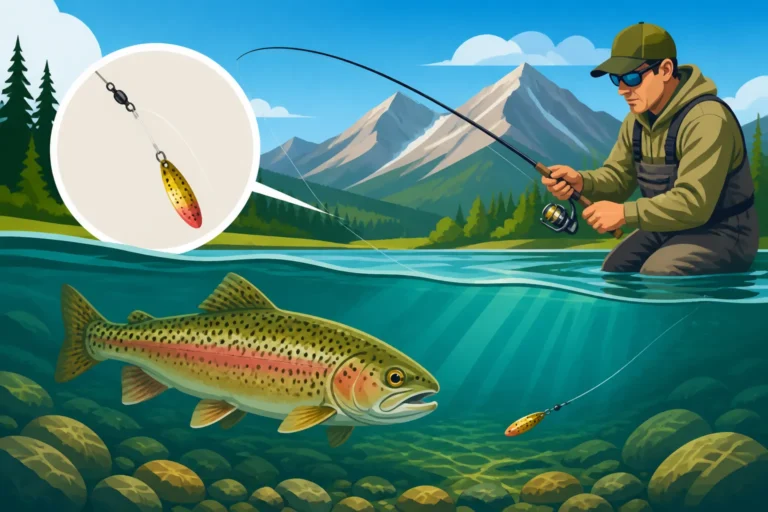
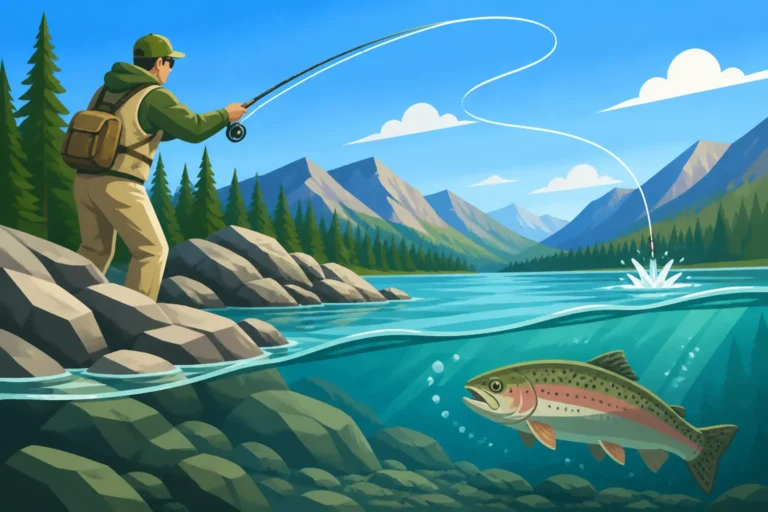
For trout and panfish, bank fishing can be incredibly productive, especially in Alberta's numerous stocked ponds and smaller lakes. These waters are often specifically managed to provide easy access for shore anglers. For rainbow trout, powerbait (in various colors and forms like dough or nuggets) fished off the bottom with a small hook and a light sinker is a perennial favorite. Alternatively, a small worm under a bobber can be deadly. Small spoons (like Thomas Buoyants or Kastmasters) and inline spinners (Mepps, Rooster Tails) cast and retrieved slowly are also highly effective, especially for more active trout. Think about areas where new stock might be released, or aerators are present, as trout will often congregate there. While river specific, techniques for targeting trout found in resources such as Rainbow Trout Fishing on the Bow River can offer valuable insights into trout behavior and effective presentations, adaptable to lake environments.
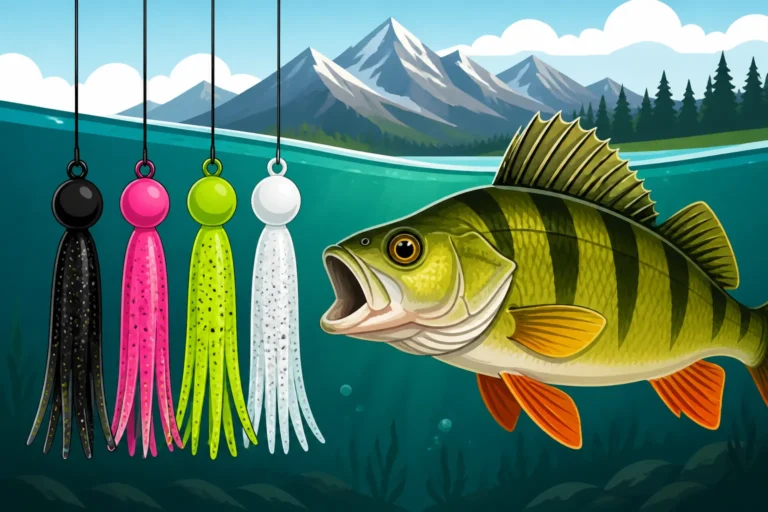
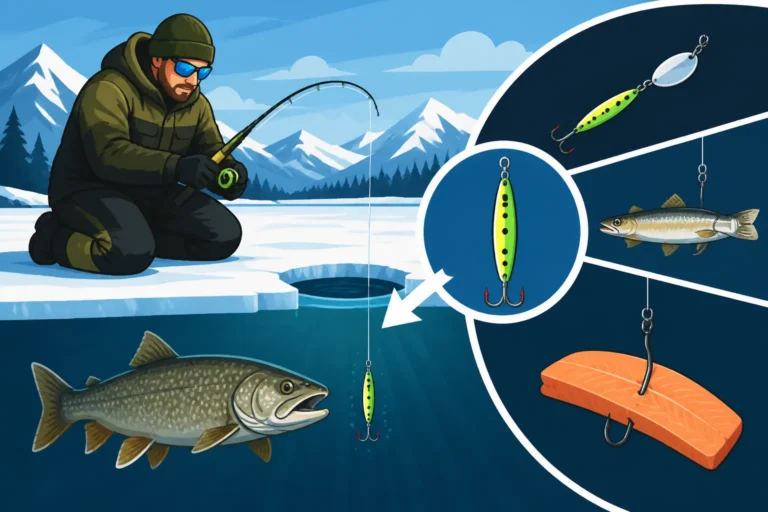
When it comes to panfish like yellow perch, which are abundant in many Alberta lakes, bank fishing is a blast! They're often found in schools, hanging around weed lines, docks, or submerged brush in relatively shallow water. The key to perch is small presentations. Tiny jigs (1/32 to 1/8 oz) tipped with a small grub, a piece of worm, or even a specialized ice fishing panfish jig can be incredibly effective. A small bobber rig with a worm or maggot is another classic approach. These fish are generally less spooky than trout or walleye, making them perfect for beginners or a relaxed day of fishing from shore. For more detailed insights, check out Panfish Fishing in Alberta.
Strategic Approach to Alberta Lake Bank Fishing
Successful bank fishing isn't just about the gear; it's about observation, strategy, and understanding the environment around you.
Reading the Water and Choosing Your Spot
One of the biggest advantages boaters have is mobility. As a bank angler, you have to make your chosen spot count. This means learning to "read the water" – observing subtle clues that indicate where fish might be holding. First, look for any kind of structure. Rocky points that extend into the lake, fallen trees or log jams, prominent weed lines (especially those with pockets or edges), and the mouths of creeks or inlets are all prime locations. These areas provide cover, food, and ambush points for fish.
Observe the surface for any signs of baitfish activity – ripples, splashes, or schools of small fish jumping. Where there's bait, predators are usually not far behind. Pay attention to wind direction; a steady wind pushing towards a bank can concentrate baitfish and warm surface waters, attracting game fish. Walk the bank if possible, looking for changes in depth, variations in bottom composition, or anything that breaks up the uniformity of the shoreline. While you're limited to casting distance, finding the right "slice" of water can make all the difference. Always be mindful of local regulations and access points, often outlined in publications like Reading the Alberta Guide to Sportfishing Regulations, to ensure you're fishing legally and responsibly.
Effective Casting and Retrieval Techniques
Since you're stationary, your casting and retrieval game needs to be on point. Instead of just casting straight out, try "fan casting." This involves making several casts, fanning them out like spokes on a wheel, covering a wider area from your position. Start with a short cast, then gradually increase your distance with each subsequent cast until you're reaching your maximum. This systematic approach ensures you're exploring the water thoroughly.
Vary your retrieval speed and incorporate pauses. Fish are often triggered by erratic movements or when a lure "falls" naturally. For example, when jigging, let your jig hit the bottom, lift it, let it fall again. For crankbaits or spoons, try a "stop-and-go" retrieve. If you feel any resistance or a tap, set the hook! The limited casting angles from shore mean you need to make the most of every cast. Work your lure slowly around any visible cover – a submerged log, a patch of lily pads, or a rocky outcrop. Fish will often hug these features, waiting for an easy meal. Think about how the lure looks from the fish's perspective, trying to make it appear as natural and enticing as possible.
Understanding Fish Behavior Near Shore
Fish behavior, especially when influenced by factors like time of day, season, and weather, is critical for bank anglers to understand. Predatory species like walleye and pike are often most active during low-light periods – dawn, dusk, and even at night. This is when they move into shallower areas to feed. During bright daytime hours, they tend to retreat to deeper, cooler water or dense cover. Panfish, on the other hand, might be more active throughout the day, especially in warmer shallows.
Seasonally, fish movements change dramatically. In spring, many species will move into shallow, warmer waters near the shore for spawning or to feed on abundant baitfish. This can be an excellent time for bank fishing. As summer progresses, larger fish often move deeper to find cooler water, making them harder to reach from shore, but they might still come into the shallows during low light. In fall, fish often return to shallower areas for aggressive feeding before winter sets in. Understanding these patterns, even generally, can help you predict when and where you'll have the best chances of success from the bank. For example, if it's a hot summer day, focus on early morning or late evening, or target areas with deeper drop-offs close to shore.
Maximizing Your Bank Fishing Experience in Alberta
Beyond the core techniques, there are several ways to enhance your bank fishing outings, from leveraging modern tools to upholding ethical practices.
Utilizing Technology and Resources
Even without a boat, technology can be a huge asset for bank anglers. Before you even leave home, spend some time exploring online maps like Google Maps or satellite imagery. Look for public land access points, parking areas, and topographical features that might indicate good fishing spots from shore – points, coves, inlets, or any sudden changes in the shoreline. The MyWildAlberta portal is an invaluable resource for checking regulations, understanding zone-specific rules, and even finding information about stocked lakes. Many anglers also find the How to use the Alberta sportfishing regulations app incredibly helpful for on-the-go access to crucial information.
Don't underestimate the power of local knowledge. Visit local tackle shops, browse online fishing forums, or simply strike up a conversation with other anglers you meet on the bank. They might share invaluable tips about current conditions, productive lures, or hidden gems of accessible shoreline. While a full-sized fish finder isn't practical, portable, castable fish finders (like those from Deeper or Humminbird) can actually be quite useful for bank anglers. You can cast these small, buoyant devices out, reel them back in, and get a read on depth, water temperature, and even fish presence in front of you, giving you a better understanding of the underwater landscape you're casting into.
Practicing Ethical Angling from Shore
As bank anglers, we share the responsibility of protecting our fisheries for future generations. This means adhering strictly to ethical angling practices. Always be aware of and abide by the current Alberta Bag and Possession Limits by Species for the specific water body you're fishing. If you're practicing catch and release, ensure you're doing so responsibly. Use barbless hooks (or pinch down the barbs on your hooks) to minimize harm to the fish. Handle fish gently with wet hands, support their weight properly, and return them to the water quickly. Avoid dragging fish on the ground or over rocks.
Beyond the fish, remember to leave no trace. Pack out everything you pack in, and perhaps even pick up any litter you find. Respect private property and avoid trespassing. If you're fishing in a popular spot, be considerate of other anglers and give them ample space. By being responsible stewards of our natural resources, we help ensure that Alberta's beautiful lakes remain healthy and vibrant for everyone to enjoy.
Finding Accessible Bank Fishing Spots
Finding good bank fishing spots in Alberta is often about knowing where to look and being willing to explore a little. Many of Alberta's Provincial Parks offer excellent shoreline access and amenities, making them ideal for a day of bank fishing. Places like Beauvais Lake Provincial Park, Muir Lake, or even parts of Pigeon Lake provide great public access points. For a broader overview, checking a guide like Alberta Provincial Park Fishing Guide can help you discover numerous opportunities.
Municipal parks around towns and cities often have ponds or lakes specifically stocked for angling, providing easy, family-friendly access. Always look for areas with designated public access points, such as boat launches (even if you're not launching a boat, they often have good shoreline to cast from), day-use areas, or picnic spots along the water. Bridge crossings can also provide good access to rivers or larger creeks that connect to lakes. Don't be afraid to use satellite maps to scout out potential areas with promising shoreline features and accessible roads or trails. While some of the more remote, pristine spots might require a boat, there are countless rewarding bank fishing opportunities scattered across our province if you know where to search.
| Gear Category | Recommended for Bank Fishing | Why It's Important | Species Targeted | Where to Find It (Example) |
|---|---|---|---|---|
| Rod | 8-10 ft Medium-Heavy Spinning | Longer casts, better line control over obstacles | Walleye, Pike, Larger Trout | Sporting goods stores, Amazon |
| Reel | 3000-4000 Series Spinning | Good line capacity, retrieve power | Walleye, Pike, Larger Trout | Local tackle shops, Amazon |
| Main Line | 15-20 lb Braided Line | Strength, castability, sensitivity | All species | Amazon, Canadian Tire |
| Leader | 6-10 lb Fluorocarbon | Low visibility, abrasion resistance | Walleye, Trout, Perch | Fishing specialty stores |
| Pike Leader | 6-9 inch Steel/Heavy Mono | Bite-proof protection | Northern Pike | Online retailers, Walmart |
| Lures – Walleye | Jigs (1/4-1/2 oz), Soft Plastics, Crankbaits, Slip Bobber Rigs | Covers various depths, mimics baitfish | Walleye | Amazon, Cabela's |
| Lures – Pike | Spoons (1/2-1 oz), Spinnerbaits, Topwater | Flash, vibration, aggressive presentation | Northern Pike | Bass Pro Shops, Local shops |
| Lures – Trout/Panfish | Small Spoons/Spinners (1/8-1/4 oz), Powerbait, Worms | Appealing to smaller species, scent | Trout, Perch | Walmart, Small tackle stores |
| Tools | Needle-nose pliers, Line cutters, Measuring tape | Essential for safe fish handling, gear management | All species | Any outdoor gear retailer |
| Comfort/Safety | Waterproof boots, Layers, Hat, Sunglasses, Bug spray, Water | Protection from elements, personal well-being | Angler | MEC, Mark's Work Warehouse |
| Landing Net | Collapsible, Rubberized Mesh Net | Safe landing and release of fish | All species | Amazon, Fishing Outfitters |
Disclaimer
The information provided in this guide is for general informational purposes only and is not a substitute for official regulations. Fishing rules and regulations in Alberta can change frequently. Always consult the most current Alberta Guide to Sportfishing Regulations before heading out to fish. It is your responsibility to know and follow all applicable laws.