Best Tackle for Panfish
There’s nothing quite like a day spent chasing panfish in Alberta. Maybe you're looking for a relaxing afternoon on the lake, or perhaps you're trying to introduce a new angler to the joys of fishing without the pressure of landing a trophy walleye. But then you get to the tackle shop, and the sheer volume of tiny lures, bobbers, and hooks can be overwhelming. It's tough to know what's truly essential versus what's just going to clutter your tackle box. This guide is here to cut through that confusion, helping you pick the absolute best tackle for panfish so you can spend less time guessing and more time catching.
Understanding Panfish in Alberta
Panfish in Alberta are a fantastic gateway to fishing, offering consistent action and a great way to hone your skills. They might not be the giants of the deep, but what they lack in size, they more than make up for in sheer enthusiasm and delicious table fare.
Common Panfish Species
When we talk about panfish here in Alberta, we're primarily focused on a few key species that are abundant and readily available across many of our lakes and ponds. The most popular by far are yellow perch. These feisty little fish are easily recognizable with their distinctive vertical stripes and often bright orange fins. They school up, which means when you find one, you've likely found a whole bunch, making for some truly exciting fishing. Another common panfish you might encounter, especially in our warmer prairie lakes, are various types of sunfish, though yellow perch tend to be the dominant panfish throughout much of the province. Understanding which species you're targeting can help you fine-tune your approach, as some prefer slightly different depths or cover. You can learn more about Yellow Perch in Alberta Lakes and other species.
These fish are truly the backbone of family-friendly angling in Alberta. They're often found in accessible waters, don't require overly complex gear, and are usually quite willing to bite, which is perfect for keeping kids engaged or for enjoying a peaceful solo outing without the pressure of a big catch. They're also often quite tasty, making them a popular choice for a fresh fish fry.
Why Panfish are Great for Anglers
For many, panfish represent the true spirit of fishing: simple, fun, and often very rewarding. They're an excellent target for beginners, young anglers, or anyone looking to enjoy consistent action. Unlike some larger, more elusive species, panfish are generally abundant and less finicky. This means you’re more likely to get bites, which is fantastic for building confidence and developing fundamental fishing skills like casting, setting the hook, and battling a fish. There's a certain satisfaction that comes from filling a bucket with a mess of eager perch.
Beyond the sheer enjoyment, targeting panfish can also be incredibly educational. You'll learn about fish behavior, how to locate structure, and the subtle art of presenting a small bait. They offer a low-stakes environment to experiment with different lures and techniques before you tackle more challenging species. Plus, many panfish fisheries are close to urban centers, making them easily accessible for a quick trip after work or school.
Where Panfish Thrive
Alberta is blessed with countless lakes, ponds, and even slow-moving river sections where panfish, especially yellow perch, absolutely thrive. These fish prefer waters with plenty of aquatic vegetation, submerged logs, docks, or other structures that offer both cover from predators and ambush points for their prey. Think about those shallower, weedier bays in larger lakes like Lesser Slave Lake or Pigeon Lake, or many of the smaller stocked ponds managed by Alberta Environment and Protected Areas. They particularly love areas where the bottom transitions from soft mud to gravel or where there's an abundance of insect larvae and small minnows.
In the warmer months, you'll often find them congregating in these shallower, protected areas. As the water cools in the fall, they might move to slightly deeper edges of weed lines or drop-offs, preparing for winter. During ice fishing season, they’ll often be found near the deepest parts of these structures, but still relating to cover or food sources. Knowing these patterns will dramatically increase your success, allowing you to focus your efforts in the most productive spots.
Essential Rod and Reel Setups for Panfish
When it comes to panfish, you don't need heavy-duty gear. In fact, using lighter tackle is not just preferred, it's often the key to maximizing your fun and success. The subtle bites of a perch can be easily missed on a stout rod, and fighting even a decent-sized panfish on ultra-light gear feels like battling a much larger adversary.
The Ultralight Advantage
For panfish, the phrase "less is more" truly applies, especially to your rod and reel. An ultralight spinning combo is the absolute gold standard. These rods are incredibly sensitive, allowing you to feel even the faintest nibble – which is crucial when perch are just gently mouthing your bait. Typically, an ultralight rod will be between 5 to 6.5 feet long with a very flexible tip (light or ultra-light power) and a fast action that bends mostly at the tip. This setup allows for casting tiny jigs and baits that heavier gear would struggle with, making for a more accurate and delicate presentation. Think of it as a finely tuned instrument that amplifies the subtle tugs and taps of smaller fish.
Using an ultralight rod isn't just about sensitivity; it also makes the fight incredibly enjoyable. Even a six-inch perch can put a respectable bend in a lightweight rod, offering a thrilling experience. Many entry-level ultralight combos are quite affordable and widely available at outdoor retailers like Bass Pro Shops or even through online marketplaces such as Amazon. Investing in a dedicated ultralight setup will drastically improve your panfish success and overall enjoyment.
Line Selection for Panfish
Choosing the right fishing line is just as critical as your rod and reel, especially for panfish. You need something thin, sensitive, and subtle to avoid spooking these smaller, often wary fish. Monofilament line in the 2 to 6-pound test range is usually the top choice. It’s incredibly forgiving, has a nice stretch that acts as a shock absorber, and its clear or low-visibility colors blend well with the water. The lighter the line, the more natural your bait presentation will be, allowing tiny jigs to fall slowly and enticingly.
Fluorocarbon line in similar weights (2-6 lb test) is another excellent option, especially if you're fishing in very clear water or for particularly finicky fish. Fluorocarbon is almost invisible underwater, sinks faster than mono, and offers even greater sensitivity due to its low stretch. However, it's generally a bit more expensive and can be a bit stiffer, making it slightly harder to tie knots with. Some anglers prefer to use a braided main line (4-8 lb test) for its incredible sensitivity and lack of stretch, then tie on a 2-4 foot fluorocarbon leader with a small swivel. This gives you the best of both worlds: strong, sensitive braid to feel everything, and an invisible leader to fool the fish. Experiment to see what works best for you and your local conditions.
Recommended Reel Types
For panfish, a small, lightweight spinning reel is almost universally recommended. Look for reels in the 500 to 1000 size range. These reels are designed to balance perfectly with ultralight rods and handle the lighter lines we just discussed. A good panfish reel should have a smooth drag system, which is crucial for protecting light lines when a surprisingly large fish decides to bite or when a feisty perch makes a sudden run. Without a smooth drag, a sudden surge can easily snap your line.
Key features to look for in a panfish reel include a decent retrieve ratio (allowing you to reel in line efficiently), anti-reverse (to prevent the handle from spinning backward), and a comfortable handle. You don't need dozens of bearings for panfish, but a few quality bearings will ensure a smooth retrieve. Brands often offer excellent value in their smaller reel sizes, and you can find great options that will serve you well for years without costing a fortune. Pairing the right reel with your ultralight rod creates a balanced system that makes casting effortless and detecting bites incredibly easy, turning every outing into a joy.
Top Baits and Lures for Alberta Panfish
Panfish are generally not too picky, which is great news! However, having a variety of baits and lures in your tackle box will definitely increase your chances of success, allowing you to adapt to whatever mood the fish are in.
Natural Baits That Get Bites
Sometimes, nothing beats the real thing. Natural baits are often irresistible to panfish, especially when they're a bit sluggish or when you're targeting them through the ice. Worms are probably the most classic and effective natural bait. A small piece of a nightcrawler or a full red wiggler threaded onto a tiny hook is usually deadly for perch and other panfish. The natural wiggling action and scent are hard to beat. Maggots (sometimes called "spikes") and wax worms are other fantastic choices, particularly for ice fishing or when fishing with tiny jigs. Their small size and high protein content make them a perfect snack for panfish.
When fishing with natural baits, presentation is key. Use just enough bait to cover the hook, leaving the point exposed for a good hookset. A small split shot a foot or so above the hook will help get your bait down to the desired depth. Consider where you're fishing – if there are lots of small minnows in the area, a tiny live minnow (where legal) can also be incredibly effective for larger perch. Always check local regulations regarding bait use.
Artificial Lures: Tiny but Mighty
Don't underestimate the power of tiny artificial lures for panfish! These can often outfish natural bait, especially when fish are actively feeding or when you want to cover more water. Small jigs are probably the most versatile artificial lure for panfish. Think 1/32 to 1/16 ounce jig heads tipped with a tiny plastic grub, tube, or even a piece of scented soft plastic. Colors like chartreuse, white, pink, and motor oil are often very effective. The key is to impart a subtle jigging motion, mimicking a small insect or baitfish. For specific advice on these lures, check out Best Panfish Jig Colors for Winter.
Tiny spinnerbaits or inline spinners are also excellent choices, especially in slightly warmer water when panfish are more aggressive. Their flash and vibration can draw fish from a distance. Again, think small – sizes 0 or 1 are usually perfect. Micro crankbaits that imitate small minnows or insects can also be surprisingly effective, particularly for targeting larger panfish near structure. The great thing about artificials is their durability; one lure can catch dozens of fish, and you don't have to worry about them wiggling off the hook.
Specialty Ice Fishing Baits
Ice fishing for panfish is a cherished Alberta tradition, and it often calls for some specific tackle. Tiny tungsten jigs are a game-changer for ice anglers. Tungsten is much denser than lead, allowing a tiny jig to sink quickly, which is crucial for getting back down to schooling fish after you've caught one. These jigs are often fished naked or tipped with a single maggot, wax worm, or a small piece of plastic. The Best Spoons for Ice Fishing Panfish are also excellent, especially small flutter spoons or Swedish pimples. These lures have a wobbling action on the fall that drives panfish wild.
The key to ice fishing tackle for panfish is often bright, contrasting colors and subtle movements. Panfish in winter are often looking for an easy meal, and a slowly jigged, brightly colored bait presented right in front of their nose can be irresistible. Many anglers also use small, scented soft plastics designed specifically for ice fishing, often called "plastics" or "micro plastics," which come in a variety of shapes like worms, larvae, or small creatures. These can be incredibly effective when paired with a tungsten jig.
Terminal Tackle You Can't Do Without
Beyond your rod, reel, and primary lures, a few essential pieces of terminal tackle will ensure you're ready for anything the panfish can throw at you. These small but mighty components often make all the difference between a good day and a great day on the water.
Hooks, Sinkers, and Swivels
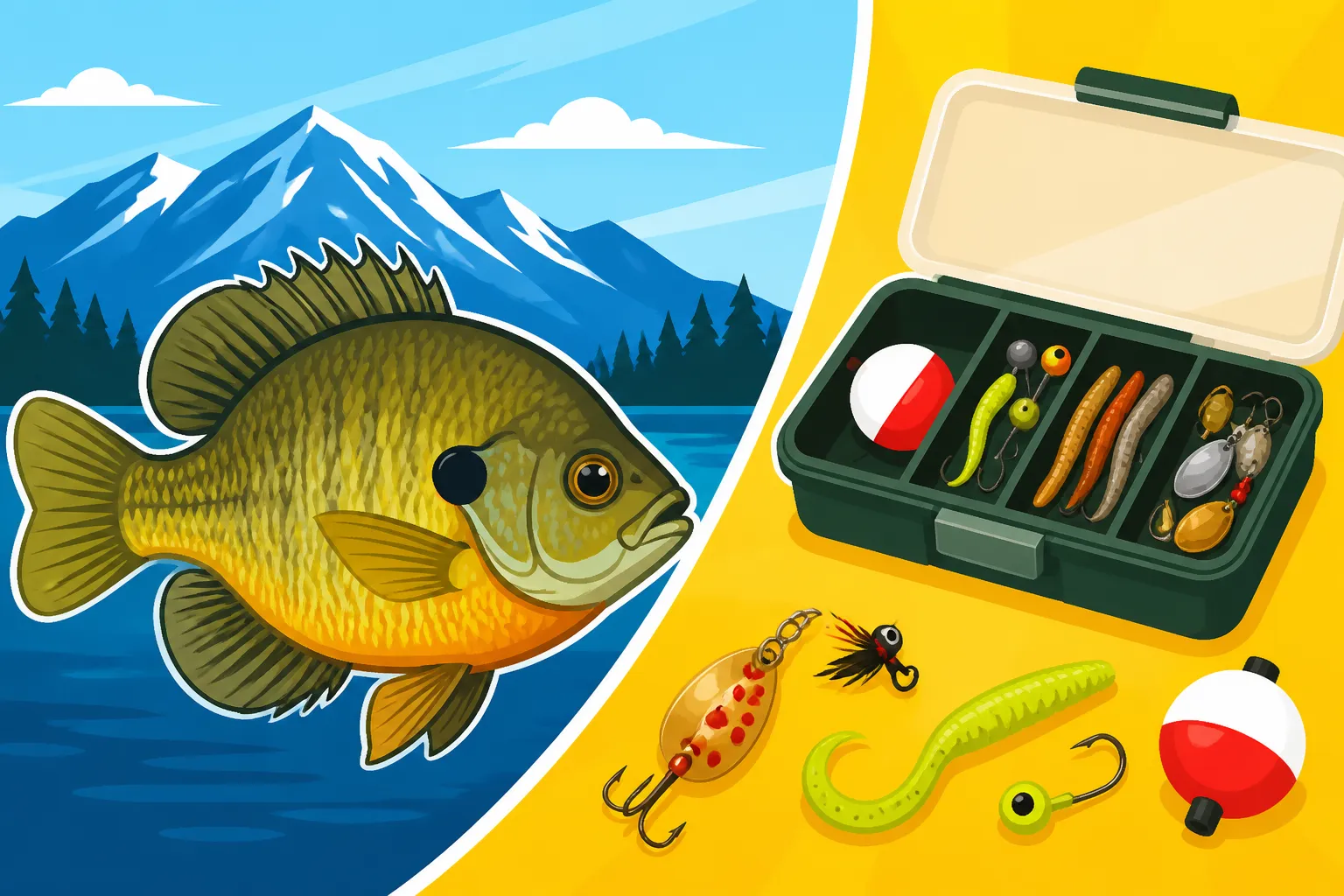
When targeting panfish, tiny hooks are absolutely paramount. You'll want to stock up on small, sharp hooks in sizes ranging from 8 down to 14, depending on the size of your bait and the typical size of the panfish you're catching. Aberdeen hooks are a popular choice due to their long shank, which makes them easier to remove from a panfish's mouth, and their fine wire, which causes less damage to the bait. Always opt for sharp hooks; a dull hook can lead to missed bites.
For sinkers, keep it light. Small split shot weights are perfect for adding just enough weight to your line to get your bait down without inhibiting its natural movement. You might use one or two small split shot, placed 6-12 inches above your hook. Barrel swivels or tiny crane swivels are useful if you’re experiencing line twist, especially when using inline spinners. They connect your main line to your leader (if using one) and allow the lure to spin freely without twisting your entire line. These items are readily available in bulk at any sporting goods store or online through Amazon.
Bobbers and Strike Indicators
For many panfish anglers, a bobber is an indispensable tool, especially when fishing with natural bait. The classic red and white plastic bobber is still effective, but for more sensitive bite detection, consider slip bobbers. These allow your line to slide through the bobber, controlled by a small bobber stop knot on your main line, which means you can fish at any depth, even in very deep water, and still cast easily. Small foam or balsa wood floats also offer excellent sensitivity. The key is to use the smallest bobber possible that will still float your bait and any added split shot. A large, buoyant bobber will make it harder to detect subtle bites.
When fly fishing for panfish (yes, it's a blast!), strike indicators play the same role as bobbers. These small pieces of yarn, foam, or plastic are attached to your leader and help you detect the slightest take from a fish. A quick dip or pause in the indicator means it's time to set the hook! The more sensitive your strike indicator, the more bites you'll translate into fish landed.
Essential Tools and Accessories
Beyond the basics, a few extra tools will make your panfish adventures much smoother. A small pair of needle-nose pliers or hemostats is invaluable for safely removing hooks from panfish, especially when they've swallowed the hook deep. Their small mouths can make it tricky to get a good grip otherwise. A pair of small line clippers or sharp scissors should always be on hand for tying knots and cutting line neatly. A small measuring tape is also useful for checking regulations on minimum sizes, though for panfish, catch and release is often practiced.
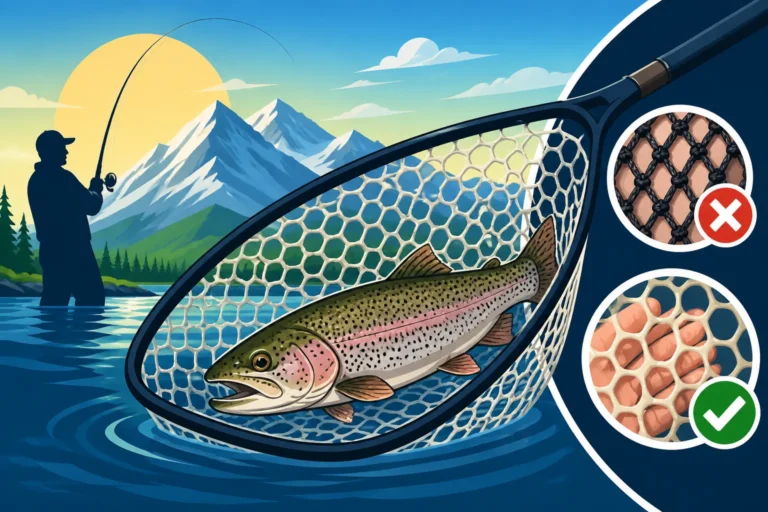
For the ethically minded angler, a small, soft-mesh landing net can be beneficial for protecting fish you intend to release, minimizing their contact with dry hands or rough surfaces. A small tackle box or bag with multiple compartments will help you keep all your tiny hooks, jigs, and weights organized so you’re not fumbling around when the bite is hot. Finally, don't forget a small rag or towel to wipe your hands – panfish can be quite slimy! These are small investments that significantly improve your day on the water.
Adapting Your Tackle for Different Seasons
Alberta's seasons bring dramatic changes to our landscapes, and fishing for panfish is no exception. Understanding how these changes influence fish behavior and adapting your tackle accordingly will make you a much more successful angler throughout the year.
Spring and Summer Strategies
As the ice melts and water temperatures rise in spring, panfish become incredibly active, feeding aggressively after a long winter. This is often when they move into shallower, warmer waters to spawn. In early spring, you’ll want to focus on casting small jigs tipped with plastic or natural bait near emerging weed beds or submerged timber. The fish are often concentrated in these areas. As summer progresses, panfish will disperse more but still relate to structure and cover – think lily pads, docks, and deeper weed lines.
During summer, consider employing small inline spinners or micro crankbaits to cover more water and entice active fish. When the fish are less aggressive, suspending a small jig or a worm under a slip bobber near structure can be deadly. Early mornings and late evenings are often the most productive times in summer, as the fish move into shallower water to feed before retreating to deeper, cooler areas during the midday heat. Remember to apply the principles of ultralight gear and light lines, which remain crucial year-round. You can discover more about Best Time of Year to Fish in Alberta and other seasonal patterns.
Fall Transition Tactics
As the days shorten and water temperatures begin to drop in the fall, panfish undergo a significant change in behavior. They enter a pre-winter feeding frenzy, trying to pack on as much weight as possible before the lean months under the ice. This often means they’ll move out of the very shallow, dense weed beds and position themselves along deeper weed edges, drop-offs, and main lake points where baitfish congregate. They're still active, but they might require a slightly different presentation.
In the fall, vertical jigging with small spoons or larger profile jigs can be very effective as fish are often found deeper and in tighter schools. Slow presentations, allowing your lure to spend more time in the strike zone, are often key. While they'll still hit small artificials, sometimes adding a piece of natural bait like a maggot or a small minnow to your jig can seal the deal. Focus your efforts on those deeper transitions, using your fish finder to locate schools of baitfish, which will often have panfish lurking nearby.
Ice Fishing Specifics
Alberta's winter landscape transforms many lakes into prime ice fishing destinations for panfish. The approach here is quite different from open water. You'll need specialized ice fishing rods – short, sensitive rods (24-36 inches) that allow you to effectively jig in a small hole. Paired with a small spinning reel, this setup is perfect. The key is getting your bait right to the fish, which are often suspended at specific depths or hugging the bottom.
Tiny tungsten jigs, tipped with wax worms, maggots, or small soft plastics, are the undisputed champions of ice fishing for panfish. Small spoons, like the Best Spoons for Ice Fishing Panfish, also excel at attracting fish with their flash and flutter. A portable fish finder (flasher) becomes almost essential, allowing you to see your lure and any fish that come into the zone, drastically improving your success rate. Pay close attention to subtle rod tip movements or vibrations, as panfish bites through the ice can be incredibly light. You'll also want to consider a comfortable ice fishing hut and a reliable ice auger for those cold days on the ice.
Budget-Friendly Panfish Tackle Options
Getting into panfish fishing doesn't have to break the bank. In fact, it's one of the most accessible forms of angling, and there are plenty of ways to equip yourself without emptying your wallet.
Getting Started Without Breaking the Bank
For beginners or those looking to try panfish fishing on a tight budget, there are excellent entry-level options that will still provide a great experience. Many sporting goods stores, including those operated by Bass Pro Shops, offer starter rod and reel combos specifically designed for ultralight fishing at very reasonable prices. These combos often come pre-spooled with monofilament line, meaning you can literally walk out of the store and head straight to the lake. Look for combos in the 5 to 6-foot range with an ultralight or light action.
When it comes to terminal tackle, start with the essentials: a pack of small Aberdeen hooks (sizes 8-12), a variety pack of split shot weights, and a few small bobbers. For lures, a handful of 1/32 or 1/16 ounce jig heads in various colors (chartreuse, white, black) paired with a small pack of plastic grubs or tubes will cover most situations. You can often find these items in multi-packs, which further reduces the initial cost. Don't feel pressured to buy everything at once; build your tackle box incrementally as you gain experience and learn what you truly need.
When to Invest in Higher Quality Gear
While budget gear is perfectly adequate to get started, there comes a point when investing in higher quality tackle can genuinely enhance your fishing experience. As you become more experienced, you'll start to appreciate the subtleties of a more sensitive rod that transmits every bump and tap, or the silky smooth drag of a better reel that prevents lost fish on light line. This usually happens when you find yourself fishing more frequently, encountering different conditions, or wanting to refine your technique.
Higher quality rods often use better graphite or composite materials, making them lighter, more sensitive, and more durable. Reels might feature more precision engineering, additional bearings, or better sealing against the elements. Upgrading to premium fluorocarbon lines or specific braided lines for advanced techniques can also make a noticeable difference. Consider upgrading individual components as needed. For example, you might keep your budget rod but upgrade to a nicer reel, or vice-versa. Think about what aspect of your current setup is holding you back most, and then invest there. The good news is that even top-tier panfish gear is generally more affordable than comparable gear for large game fish.
Smart Shopping Tips
Being a savvy shopper can save you a lot of money when building your panfish tackle collection. Keep an eye out for sales, especially during off-peak seasons or around major holidays. Retailers like Bass Pro Shops and online giants like Amazon frequently run promotions on fishing gear. Subscribing to email newsletters from these stores can give you early access to deals. Don't be afraid to compare prices between different retailers, both brick-and-mortar and online, to ensure you're getting the best value.
Consider buying in bulk for consumable items like hooks, weights, and soft plastics. Multi-packs are often significantly cheaper per unit than buying individual items. Also, explore starter kits or combo deals, as these often bundle essential items at a reduced price. Finally, don't overlook used gear. Local online marketplaces can sometimes yield fantastic deals on lightly used rods, reels, or even entire tackle boxes. Just be sure to inspect items carefully for damage before purchasing. By being strategic, you can build a comprehensive and effective panfish tackle arsenal without overspending.
| Tackle Component | Recommended Spec for Panfish | Primary Purpose | Best Season for Use |
|---|---|---|---|
| Rod | Ultralight, 5-6.5 ft, Fast Action | Maximize sensitivity and fight enjoyment | All seasons (ice rod shorter) |
| Reel | Spinning, 500-1000 size | Smooth drag, balances ultralight rod | All seasons |
| Main Line | Monofilament or Fluorocarbon, 2-6 lb | Low visibility, good knot strength | All seasons |
| Hooks | Aberdeen, sizes #8 to #14 | Small mouths, easy bait removal | All seasons |
| Sinkers | Small Split Shot | Get bait to desired depth, subtle | All seasons |
| Bobbers | Small Slip or Fixed Floats | Strike indication, depth control | Open water |
| Jigs | 1/32 to 1/16 oz (Tungsten for ice) | Versatile, mimics small prey | All seasons |
| Soft Plastics | Tiny grubs, tubes, worms | Adds action and profile to jigs | All seasons |
| Natural Bait | Worms, Maggots, Wax Worms | Irresistible scent and movement | All seasons (esp. cold water) |
| Pliers | Small Needle-Nose/Hemostats | Safe hook removal | All seasons |
Disclaimer
This article is for general informational purposes only and does not constitute professional advice. Laws, prices and regulations vary by location and change over time. Consult a qualified professional for guidance on your specific situation.