How to fish rocky points for trout
It can be incredibly frustrating to hit a prime fishing spot, only to find the trout tight-lipped and hiding. You know they're there, but how do you coax them out? One of the most consistently productive, yet often overlooked, areas for targeting trout in Alberta is the rocky point. This guide will walk you through exactly why these geological features are trout magnets and how to effectively fish them, turning those frustrating days into memorable ones.
Why Rocky Points are Trout Magnets
Rocky points, whether on a lake or river, create a complex micro-environment that trout absolutely love. They aren't just random chunks of rock; they're dynamic habitats that offer everything a trout needs to thrive: shelter, concentrated food sources, and optimal water conditions. Understanding these underlying reasons is the first step to becoming a more successful angler.
Cover and Shelter from Predators and Current
Think of a rocky point as a natural fortress for trout. These formations provide excellent hiding spots from predatory birds and larger fish, allowing trout to feel secure. The irregular shapes and crevices offer countless nooks and crannies where a trout can tuck away, feeling protected. This sense of security is vital, especially for larger, more wary trout.
Beyond predator evasion, rocky points are masters at breaking up current. In rivers and streams, trout are constantly expending energy swimming against the flow. A large boulder or a cluster of rocks on a point creates a "current break," forming an eddy or a seam where the water slows down significantly. Here, trout can hold with minimal effort, conserving their energy for feeding bursts. Even in lakes, strong winds can create currents, and rocky points offer a similar reprieve. Imagine a smart trout, nestled behind a submerged rock, watching as the current brings food right to its mouth without having to fight the main flow. These strategic positions are prime real estate, and often hold the biggest, most opportunistic fish.
Food Source Concentration
Rocky points aren't just shelter; they're bustling cafeterias for trout. The rough surfaces of rocks provide an ideal substrate for aquatic insects like caddis larvae, stonefly nymphs, and mayfly nymphs to cling to and grow. Algae also colonizes these surfaces, forming the base of a diverse food chain. Small crustaceans and baitfish are drawn to these areas, either to feed on the insects and algae or to hide within the rocky labyrinth themselves.
As water flows past these points, it dislodges these organisms, creating a conveyor belt of food for the waiting trout. In lakes, wave action against a rocky shoreline can stir up invertebrates and attract baitfish, drawing in hungry trout from deeper waters. This constant availability of diverse food sources makes rocky points incredibly attractive. Anglers who understand this will focus their efforts not just on the rocks, but in the seams and eddies immediately downstream or down-current where food naturally collects. It's a feeding frenzy waiting to happen, and trout are experts at finding the best seats at the table.
Temperature and Oxygen Refuges
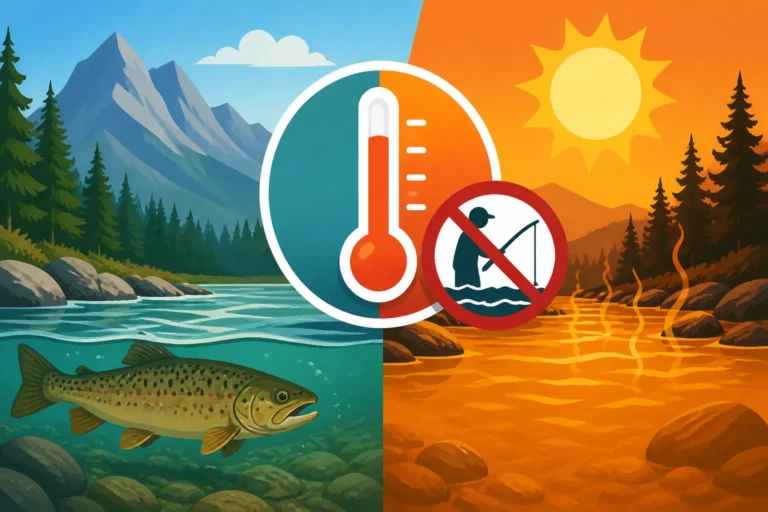
Water temperature and oxygen levels are critical factors influencing where trout will be found. Rocky points, especially those with deeper drop-offs or shaded areas, can offer crucial thermal refuge during periods of extreme heat or cold. In summer, direct sunlight can warm shallow water to uncomfortable levels for trout. Deeper pockets around rocky points, or areas where springs might seep into the main body of water, offer cooler, more oxygenated sanctuary.
Conversely, in winter, large rock formations can absorb some solar radiation, providing slightly warmer micro-climates beneath the ice or in deeper pools adjacent to the point. The turbulence created by water flowing over and around rocks also helps to oxygenate the water, which is particularly important in slower-moving or warmer sections of rivers and lakes where oxygen can become depleted. These points become vital havens, concentrating trout even when conditions elsewhere are less than ideal. Best Time of Year to Fish in Alberta often highlights these nuances of seasonal movements.
Reading the Water: Identifying Productive Rocky Points
Not all rocky points are created equal. To consistently find trout, you need to develop an eye for the subtle clues that indicate a truly productive spot. This involves looking beyond just the visible rocks and understanding the underwater landscape, current dynamics, and depth changes.
Submerged Structure and Eddies
The visible rocks of a point are just the tip of the iceberg. What lies beneath the surface is often far more important. Look for signs of submerged structure like dark patches in clear water, ripples that indicate underwater obstacles, or areas where the current seems to "boil" or change direction abruptly. These are often indicators of larger boulders, ledges, or shelves that create ideal ambush points.
Eddies are swirling pockets of water often found directly behind a prominent rock or cluster of rocks in a river. The water here moves slower, sometimes even upstream, creating a perfect low-energy zone where trout can hold. The "seam" where the fast water meets the slow water of the eddy is a prime feeding lane, as it acts like a buffet conveyor belt, delivering food items that drift down the main current. Understanding how to cast into these seams and work your lure or fly through the eddy current is crucial. Similarly, on lakes, look for points that extend far out, creating underwater humps or fingers where structure-loving trout will hold. A good pair of polarized sunglasses, available from retailers like Amazon, can make a world of difference in spotting these submerged features.
Current Breaks and Depth Transitions
As mentioned, current breaks are gold mines. In rivers, this could be anything from a large boulder splitting the flow to an entire rock bar that diverts the main channel. Trout will position themselves just out of the main current, often right in the "cushion" of slower water directly in front of or behind the obstruction. Their goal is to intercept food with minimal effort. You'll often see them dart out from cover to grab a passing morsel before slipping back into their sheltered spot.
Depth transitions, or "drop-offs," are another key feature of productive rocky points. A point that extends from a shallow flat and abruptly plunges into deeper water creates a natural highway for trout to move between feeding areas and deeper, safer lies. They can cruise the drop-off edge, ambushing prey that moves between the two zones. These transitions are especially effective during changing light conditions (dawn/dusk) or when weather patterns shift, prompting trout to move into different depths. Think about casting along these edges, allowing your presentation to follow the contour of the bottom. This is where you'll often find the more substantial fish.
Essential Gear for Fishing Rocky Points
Having the right equipment can make all the difference when tackling rocky points. These areas can be challenging, demanding durable gear and specific lure choices. Don't show up unprepared, or you'll quickly find yourself losing tackle or missing opportunities.
Rod, Reel, and Line Choices
For fishing rocky points, versatility and durability are key. A medium-light to medium power spinning rod, typically 6'6" to 7'6" in length, will offer the casting distance needed to reach distant seams and eddies, while still having enough backbone to control a hooked fish near abrasive rocks. Graphite rods tend to be lighter and more sensitive, which is excellent for detecting subtle bites. Pair this with a reliable spinning reel in the 2000-3000 size range, spooled with 6-8 lb test monofilament or fluorocarbon. Braided line in a 10-15 lb test is also an excellent choice, especially in snaggy areas, as its low stretch provides superior sensitivity and knot strength. Just be sure to add a fluorocarbon leader for stealth, as trout in clear water can be very line-shy. Many anglers buy their trusted brands of fishing line and leaders on platforms like Amazon.
Fly anglers targeting rocky points on rivers will often opt for a 5 or 6-weight fly rod, 9 feet in length. This setup offers enough power to cast weighted nymphs or streamers effectively, yet retains the delicacy needed for precise presentations. A floating line is standard, but having a sinking tip or a sink-tip leader can be incredibly useful for getting flies down quickly in turbulent, deeper water around rocks. For more details on rod selections, check out Best Fishing Rods for Alberta Rivers.
Lure and Bait Selection
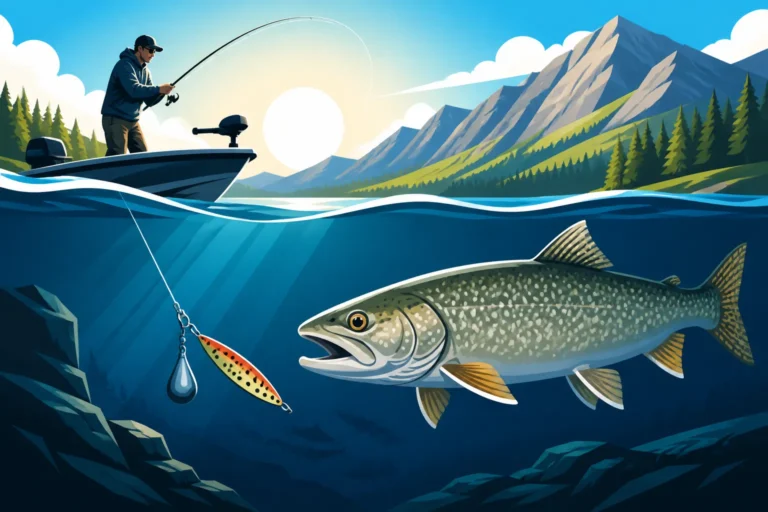
When it comes to lures for rocky points, you want presentations that mimic natural forage and can be worked effectively in varied depths and currents. Small spinners (like Mepps Aglias or Blue Fox Vibrax), spoons (such as Little Cleos or Five of Diamonds), and small jerkbaits or crankbaits are highly effective for aggressive trout. Focus on natural colours like silver, gold, black, or brown, but don't shy away from brighter colours on overcast days or in stained water. Soft plastic swimbaits or grubs rigged on a jig head can also be deadly when bounced along the bottom.
For bait fishing, a simple worm or maggot drifted naturally through current breaks or suspended under a bobber near submerged rocks can be incredibly effective. PowerBait is another popular choice for stocked trout, often fished on a small treble hook with a sliding sinker, allowing it to float just off the bottom. Remember that Alberta Fishing Regulations Explained will dictate what kind of bait is legal in certain waters, so always double-check your local rules.
Wading and Safety Gear
Fishing rocky points, especially in rivers, often requires getting wet. High-quality chest waders and wading boots with good ankle support and felt or rubber soles with studs are essential for navigating slippery, uneven terrain. Safety should always be your top priority. A wading staff is not optional; it's a lifesaver, providing stability and helping you probe depths before stepping. A personal flotation device (PFD) is highly recommended, even in seemingly calm waters, especially if you're alone or fishing in swift currents.
Beyond wading gear, consider a landing net – a rubberized net is best for trout, as it's gentler on their scales and slime coat, making for healthier releases. If you catch a bull trout, knowing How to Catch Bull Trout and Release Them Safely is paramount. A small tackle bag or vest, a pair of forceps or pliers for hook removal, a small first-aid kit, and plenty of water are also crucial. You can find excellent selections of durable wading gear and safety equipment on Amazon. Don't forget to protect your eyes with polarized sunglasses and your skin with sunscreen, as glare off the water and rocks can be intense. For more on staying safe, review Best Waders for Alberta Trout Rivers.
Top Techniques for Rocky Point Trout
Now that you know why trout love rocky points and what gear to use, let's talk about how to fish them effectively. The key is often patience, precise casting, and adapting your presentation to the specific conditions of the point.
Casting and Retrieving Lures
Accuracy is paramount when casting to rocky points. You want your lure to land precisely where the trout are holding – in the current seam, just behind a large rock, or along a drop-off. Start by casting slightly upstream or up-current of your target, allowing the lure to sink and drift naturally into the strike zone. Vary your retrieve speed. Sometimes a fast, erratic retrieve triggers a reaction strike, while other times a slow, methodical retrieve, barely ticking the bottom, is more effective.
Experiment with different retrieve depths. Trout might be holding shallow early in the morning or deep during midday. Count your lure down after casting to understand its sink rate, helping you target specific depths. When fishing spoons or jig-heads, try a "lift and drop" technique, allowing the lure to flutter down, mimicking an injured baitfish. Be prepared for strikes as the lure falls. For active fish, a consistent retrieve with a spinner or crankbait can be deadly, covering more water and enticing chases. Remember that Rainbow Trout Fishing on the Bow River often involves similar techniques near its many rocky banks.
Drifting with Bait or Indicators
Drifting natural bait, like worms or roe, through current breaks around rocky points can be incredibly effective, especially for wary trout that might be hesitant to chase a lure. Use just enough weight to get your bait down to the desired depth, allowing it to tumble naturally with the current. This presents a very realistic, easy meal for a trout. In lakes, suspending a worm or PowerBait under a bobber near submerged structure allows your bait to hover tantalizingly in the trout's strike zone. Pay close attention to your bobber; even a slight twitch can indicate a bite.
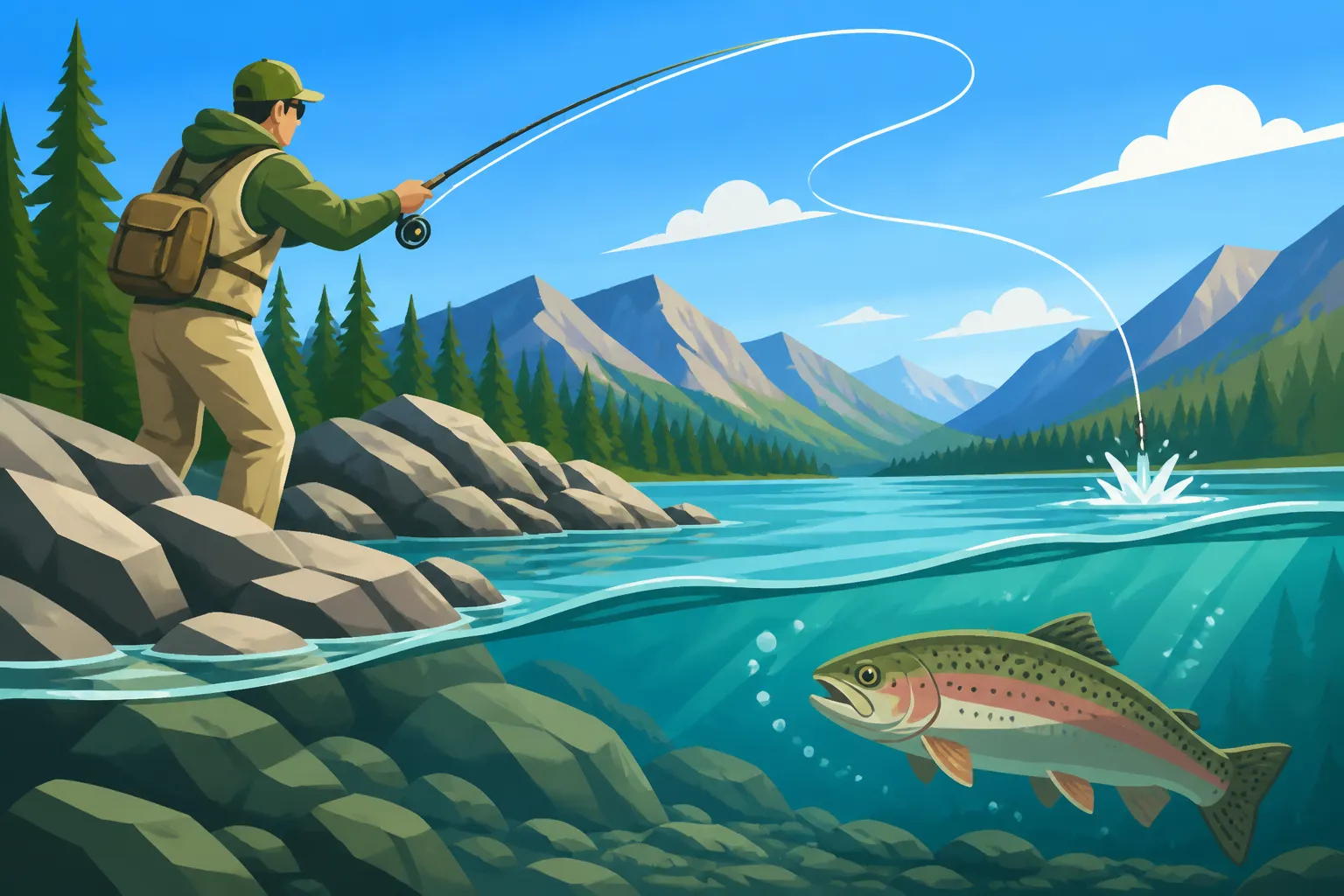
For fly anglers, nymphing under an indicator is a highly productive technique for rocky points. Cast your weighted nymph rig upstream of a current seam or eddy, allowing it to drift naturally. The indicator (a small float) helps you detect subtle strikes as the trout mouth the fly. Make sure your drift is "drag-free," meaning the fly line is not pulling the indicator unnaturally, which can spook trout. This often involves mending your line upstream as the rig drifts. For tips on specific fly patterns, you might check guides like Fly Fishing for Trout on the Bow River.
Fly Fishing Approaches for Rocky Structure
Fly fishing rocky points offers a rewarding challenge. When trout are actively feeding on surface insects, dry flies can be incredibly exciting. Cast your dry fly into the eddies or along the current seams, looking for subtle rises. A precise, delicate presentation is crucial, especially in clear, calm water.
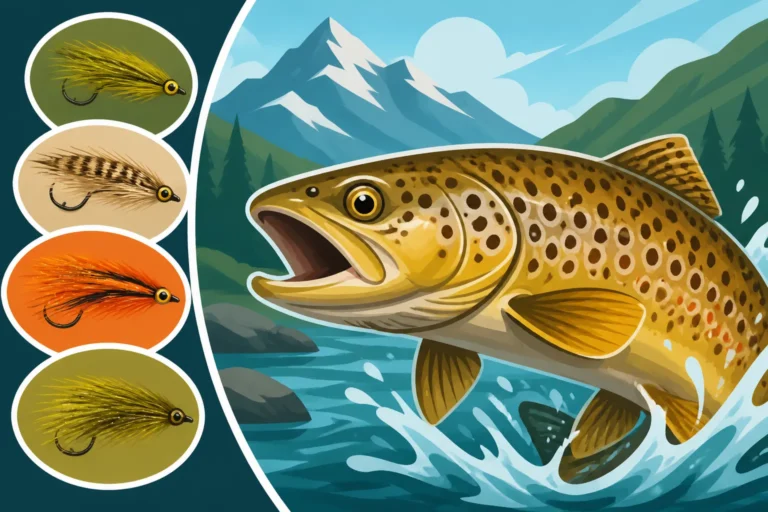
When trout are holding deeper, streamers and nymphs are your best bet. Streamers, which imitate baitfish, can be cast into deeper pockets and retrieved with short, sharp strips to trigger aggressive strikes. Nymphing, as mentioned, allows you to present subsurface imitations of aquatic insects right where the trout are feeding on the bottom. Consider using a Euro-nymphing setup for ultimate sensitivity and depth control in complex rocky areas. This technique eliminates the indicator, allowing you to feel even the slightest tap. Always be mindful of your back cast when fishing near boulders or bankside vegetation. Spring Trout Fishing Techniques for Alberta Streams will often detail similar fly fishing methods when the water is cold and fish are holding tight to structure.
| Technique | Best for Conditions | Lure/Bait Type | Key Action |
|---|---|---|---|
| Casting Spinners/Spoons | Active fish, varied depths, searching | Small inline spinners, casting spoons, jigs | Cast upstream, vary retrieve speed/depth, lift-drop motion for spoons |
| Drifting Bait | Wary trout, slower currents, clear water | Worms, maggots, PowerBait | Light weight, natural drift, use bobber for suspension |
| Nymphing (Fly) | Subsurface feeding, moderate currents, all seasons | Weighted nymphs (caddis, stonefly, mayfly) | Drag-free drift under indicator, precise depth control |
| Streamer Fishing (Fly) | Aggressive trout, baitfish imitations, faster water | Woolly Buggers, Sculpins, Clouser Minnows | Cast across/downstream, strip retrieve, target ambush points |
| Dry Fly Fishing (Fly) | Surface activity, insect hatches, calm water | Mayfly, caddis, stonefly imitations | Delicate presentation, cast to rising fish or likely holding spots |
Remember, the trout in Alberta's diverse waters, from the Bow River to smaller mountain streams, can be particular. Don't be afraid to change lures, baits, or techniques until you find what they're hitting. Keep an eye on Alberta Bag and Possession Limits by Species and local regulations, and always practice safe wading and ethical angling.
Disclaimer
This article is for general informational purposes only and does not constitute professional advice. Laws, prices and regulations vary by location and change over time. Consult a qualified professional for guidance on your specific situation.