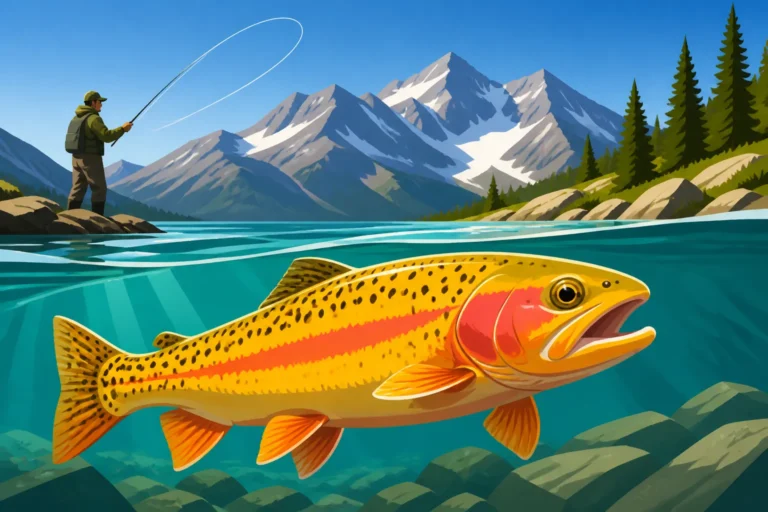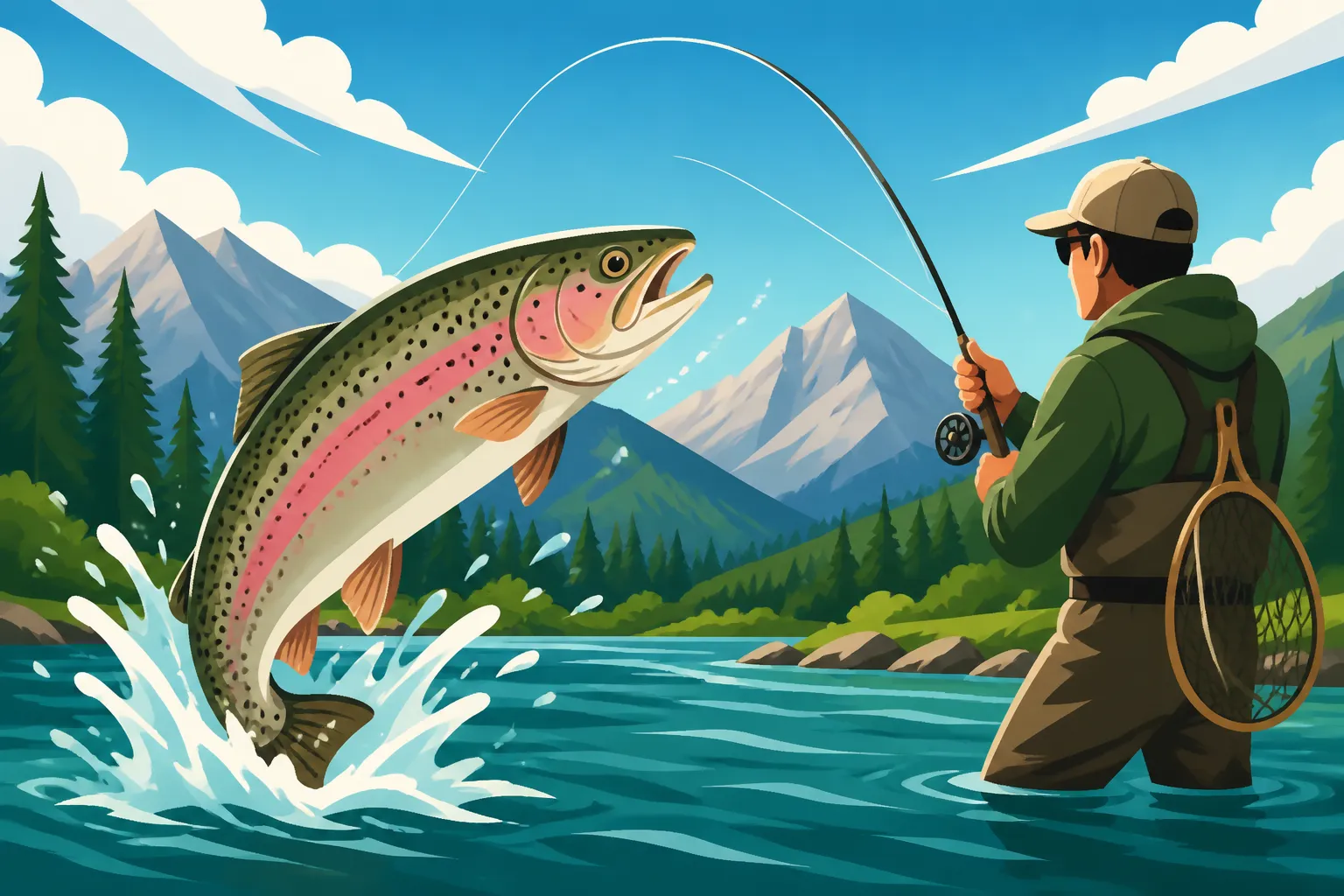
Rainbow Trout Fishing on the Bow River
For many anglers, the Bow River is both a dream and a bit of a mystery. Its reputation as a world-class trout fishery is undeniable, but knowing where to start, what gear to use, and how to approach its diverse waters can feel overwhelming. This comprehensive guide is designed to demystify rainbow trout fishing on the legendary Bow River, offering practical advice and insights to help you land those beautiful, vibrant fish that call this incredible river home.
The Allure of the Bow River for Rainbow Trout
There’s a reason why the Bow River consistently tops lists of the best trout fisheries in North America, and it's particularly renowned for its rainbow trout. Anglers come from all over, driven by stories of magnificent, hard-fighting fish that seem to grow to incredible sizes in these waters. It’s not just the size, though; it’s the sheer vitality and beauty of a Bow River rainbow, often displaying vivid colours and acrobatic leaps that make every catch memorable.
Why the Bow is a World-Class Fishery
The secret to the Bow's success lies in a perfect storm of environmental factors. Firstly, the river benefits from a consistent flow of nutrient-rich water thanks to the upstream dam systems near Calgary, which maintain stable water temperatures even during harsh winters and hot summers. This steady flow also minimizes severe drought conditions that can plague other rivers. The outflows from the city's wastewater treatment plant, surprisingly, also contribute to the river's richness, acting as a veritable buffet for aquatic invertebrates, which in turn feed the fish. These factors combine to create an unbelievably fertile environment that allows trout to grow quickly and to impressive sizes.
What sets the Bow apart from many other trout rivers is this incredible productivity. It's an aquatic superhighway of food. From the tiniest midges to larger stoneflies and caddis, the river teems with the invertebrates that form the base of the trout's diet. These abundant food sources mean the rainbow trout here are well-fed and robust, presenting a thrilling challenge for any angler. When you hook into a Bow River rainbow, you're not just fighting a fish; you're battling a perfectly honed predator that thrives in one of the most productive river ecosystems imaginable.
Understanding the Bow River's Unique Ecosystem
The Bow River’s journey, especially the section below the Calgary weir, is a masterclass in riverine ecology. The cold, clear, oxygenated water flowing from the foothills through Calgary creates an ideal habitat. This urban stretch of river, often underestimated, is actually where some of the biggest and most numerous trout reside. The gravel beds are ideal for insect hatches and for trout spawning, and the varied structure of the river—from deep runs to riffles and undercut banks—provides ample holding water and ambush points for fish.
The ecosystem is particularly famous for its prolific insect life. You'll find dense populations of caddisflies, mayflies, stoneflies, and midges, providing a consistent food supply year-round. These insects are the primary reason for the incredible growth rates of the trout. Beyond insects, the river also supports sculpins and various baitfish, adding another layer to the trout's diet. This rich and varied larder means that Bow River rainbows are strong, healthy, and always looking for their next meal, making them a joy to target. Understanding this intricate food web is key to successful fishing, as "matching the hatch" becomes a fundamental strategy, particularly for fly anglers.
Essential Regulations and Conservation for Bow River Anglers
Fishing on the Bow River, like any prized fishery, comes with a responsibility to understand and adhere to its specific regulations. These rules are not just bureaucratic hurdles; they are vital for protecting the delicate ecosystem and ensuring that future generations can enjoy the same incredible fishing experiences we do today. Ignoring them can lead to significant penalties and, more importantly, can harm the very resource we cherish.
Key Regulations You Need to Know
Before even casting a line, ensure you have an Alberta Fishing License Guide for 2026. This is non-negotiable for anyone over the age of 16. Beyond that, the Bow River, particularly the stretch through and below Calgary, has specific regulations that often differ from general provincial rules. For instance, much of the Bow River is designated as a "Trout Stream" which often comes with unique daily catch limits and bait restrictions. It's absolutely crucial to consult the current Reading the Alberta Guide to Sportfishing Regulations before each season, or even each trip, as rules can change.
Common rules often include specific bait bans, such as no bait fishing on certain stretches, or barbless hook requirements. You might also encounter special harvest regulations or catch-and-release only sections for certain species, even for rainbow trout, to protect specific spawning populations or vulnerable age classes. Understanding Alberta Bag and Possession Limits by Species is also critical. While rainbows are often catch-and-release on the Bow, it’s important to know if any keep limits apply to other species you might encounter. Always carry your license and be ready to present it to a Fish and Wildlife Officer.
Practicing Responsible Catch and Release
Given the incredible health and productivity of the Bow River's rainbow trout population, catch and release is not just a common practice, but a vital conservation tool, especially for the larger, reproductively valuable fish. The stress of being caught can be significant, so minimizing harm is paramount. Always use barbless hooks, or pinch down the barbs on your hooks, as this greatly reduces tissue damage and makes hook removal much quicker. Keep the fish in the water as much as possible; avoiding exposing them to air for extended periods, especially when temperatures are warm, can dramatically increase their survival rate.
When handling a fish, wet your hands thoroughly first to protect its protective slime coat. Support the fish horizontally, cradling its belly, and avoid squeezing its internal organs. If you need a photo, do it quickly with the fish barely out of the water, then gently revive it by holding it upright in a calm current, allowing water to flow over its gills until it swims away under its own power. These simple practices ensure that the fish you release can continue to thrive, grow, and reproduce, contributing to the river's ongoing abundance. Remember, our actions on the river today directly impact its health and the quality of fishing for tomorrow.
Prime Seasons and When to Hit the Water
Knowing when to fish the Bow River for rainbow trout is almost as important as knowing how. Each season offers unique opportunities and challenges, influenced by water temperatures, flow rates, and the life cycles of the aquatic insects and fish themselves. Timing your trip to coincide with peak conditions or specific hatches can dramatically increase your chances of success and make for a truly unforgettable angling experience.
Spring Opportunities: Waking Up the River
Spring on the Bow River is a time of awakening, both for the river and its fish. As the ice recedes (often by late March or early April in the main stem), the water temperatures slowly begin to rise, and with them, the metabolism of the rainbow trout. Early spring can offer some fantastic fishing, particularly on warmer days, as the fish become more active after a sluggish winter. This is a great time to focus on subsurface techniques like nymphing, as trout are often still holding in deeper runs and feeding on emerging insects or small baitfish.
However, spring also brings the challenge of runoff, typically peaking in late May or early June. Meltwater from the mountains can swell the river, making it high and often muddy. While this can make fishing difficult, it's not impossible. During runoff, fish tend to move to slower seams, eddies, and side channels where they can escape the main current. Larger, more visible nymphs or streamers can be effective, as the fish rely more on scent and vibration in stained water. Keep an eye on local conditions and river reports, and remember that even during runoff, there are always fish to be found in the right spots. For more specific tactics, check out Spring Trout Fishing Techniques for Alberta Streams.
Summer Gold: Hatches and Dry Fly Action
Summer is arguably the most popular time to fish the Bow, and for good reason: it's synonymous with prolific insect hatches and exciting dry fly fishing. From late June through August, the river bursts with life. Caddisflies, mayflies (like Pale Morning Duns and Tricos), and even some stoneflies hatch in waves, bringing trout to the surface in eager feeding frenzies. This is when the sight of a rising trout to your perfectly presented dry fly becomes a reality, offering some of the most thrilling angling experiences.
During the warmer summer months, rainbow trout will spread out, utilizing more of the river's diverse structure. They'll be found in riffles, runs, and even shallower glides, wherever the food is most abundant. Early mornings and late evenings are often prime times, especially on hot days, as trout become more active when water temperatures are cooler. Floating the river in a drift boat or kayak is incredibly popular during this season, allowing anglers to cover vast stretches of water and encounter numerous fish. However, be mindful of water temperatures during prolonged heatwaves, as overly warm water can stress fish, making catch and release even more critical.
Fall Grandeur: Big Fish and Beautiful Scenery
As summer fades and the leaves begin to turn golden, the Bow River transforms into a breathtaking landscape, and the fishing often follows suit with some of the year's best opportunities. Fall, typically from September through November, is a favourite for many seasoned anglers. The crowds thin out, the weather becomes crisp, and the trout—especially the larger ones—become incredibly active, feeding aggressively in preparation for winter. This is also when the brown trout begin their spawning rituals, which can make rainbow trout even more opportunistic as they feed on dislodged eggs.
Nymphing continues to be highly effective in the fall, particularly with larger patterns that imitate stoneflies or egg patterns. Streamer fishing can also be phenomenal, as the aggressive nature of the fish makes them susceptible to bigger, more provocative flies or lures. The combination of stunning scenery and the chance at a truly trophy-sized rainbow makes fall an unforgettable time on the Bow. Just be prepared for colder temperatures and potentially fluctuating weather, as Alberta autumns can be notoriously unpredictable.
Winter Challenges: Ice-Out and Tougher Bites
Winter fishing on the main stem of the Bow River is a different beast entirely, but it certainly has its devoted followers. Once the river below Calgary is largely free of ice, usually after some consistent cold snaps create stable ice cover upstream, fishing can still be had. This is often a game of patience and finesse. Rainbow trout are still present and feeding, but their metabolism slows significantly, making them less active and more selective.
Deep nymphing with tiny midge patterns or small stoneflies is the primary technique during winter. Fish will often hold in the deepest, slowest pools and runs, conserving energy. The bites can be incredibly subtle, requiring keen focus and sensitive gear. While you might not catch as many fish as in other seasons, the satisfaction of landing a healthy rainbow in the dead of winter is immense. It's a peaceful time on the river, with fewer anglers and a serene, frosty beauty. Always prioritize safety, especially regarding ice conditions and cold weather exposure.
Gear Up for Success: Rods, Reels, and Lines
Having the right equipment can make all the difference between a frustrating day and a fantastic one on the Bow River. While you don't need the most expensive gear, investing in reliable, purpose-built rods, reels, and lines will enhance your experience and increase your chances of success. The Bow's powerful rainbows demand gear that can handle their fight and the varied conditions of the river.
Fly Fishing Essentials
For the dedicated fly angler, the Bow River is a canvas, and your rod, reel, and line are your brushes. A 9-foot, 5 or 6-weight fly rod is generally considered the workhorse for Bow River rainbow trout. A 5-weight offers a bit more finesse for dry fly presentations, while a 6-weight provides more backbone for casting larger streamers, fighting bigger fish, or punching through the notorious Bow River wind. Pair this with a reliable, smooth-dragging reel that can hold at least 100 yards of backing, as these rainbows can make strong, line-stripping runs. Look for a large arbor reel for quicker line retrieval.
Your fly line choice is equally critical. A weight-forward floating line is versatile for most situations, handling both dry flies and nymphing rigs effectively. For nymphing, especially indicator nymphing, some anglers prefer specialized nymphing lines or adding a bright-coloured indicator leader section. When it comes to leaders and tippet, a 9-foot tapered leader ending in 3X or 4X is a good starting point. You'll want spools of fluorocarbon tippet in 3X, 4X, and 5X. Fluorocarbon is less visible in the water and sinks faster, making it ideal for nymphing. For dry flies, a nylon tippet might be preferred for its buoyancy. For more specific recommendations, check out Best Gear for Bow River Fly Fishing. When purchasing fishing gear like durable fly boxes, many anglers find great selections on online retailers like Amazon.
Spin Fishing Setups for the Bow
While the Bow River is celebrated for its fly fishing, spin anglers can be incredibly successful as well, especially when targeting larger, more aggressive rainbow trout. A medium-light to medium power spinning rod, typically 6'6" to 7'6" in length, will provide the versatility needed. This range allows for accurate casting of smaller lures while having enough power to handle a strong fish. Pair this with a good quality spinning reel in the 2000 or 2500 size, known for its smooth drag and reliable operation.
For line, a 6 to 10-pound test braided line is an excellent choice for its sensitivity and casting distance. It’s thin, strong, and has virtually no stretch, allowing you to feel even the most subtle bites. To this, you'll want to add a 6-10 foot leader of 6 to 8-pound test fluorocarbon. This leader provides stealth in clear water and offers abrasion resistance. When it comes to lures, small inline spinners, spoons, and Rapala-style crankbaits are highly effective. Colours can vary with water clarity, but natural tones and bright, flashy options are good to have. Small jigs tipped with plastic worms or grubs can also entice hesitant fish.
Wading and Safety Gear
Wading the Bow River can be an incredibly rewarding experience, allowing you to access prime fishing spots that aren't reachable from shore or a boat. However, the Bow's strong currents and often slippery, rocky bottom demand appropriate wading gear and a focus on safety. A good pair of breathable chest waders is essential for comfort and staying dry in the cold water. Pair these with sturdy wading boots that have excellent grip. Felt soles used to be popular for their grip on slick rocks, but many areas now restrict them due to concerns about invasive species. Rubber soles with studs or cleated soles are often a better, more environmentally friendly choice.
A wading staff is not optional; it’s a critical piece of safety equipment. The Bow River can be deceptively deep and its current powerful, and a wading staff provides crucial stability and helps you test water depth before taking a step. Always be aware of your surroundings, understand the current, and never wade alone if possible. Even if you're not planning to wade deep, a PFD (Personal Flotation Device) is highly recommended, especially if you're fishing from a boat or kayak. A small first-aid kit, some basic repair items for your waders, and a whistle for emergencies are also wise additions to your gear bag.
| Gear Category | Fly Fishing Setup | Spin Fishing Setup | Common Essentials |
|---|---|---|---|
| Rod | 9-foot, 5 or 6-weight fly rod | 6'6" – 7'6" medium-light to medium spinning rod | Wading staff, PFD |
| Reel | Large arbor fly reel with smooth drag | 2000 or 2500 series spinning reel | Net (rubber mesh, for catch & release) |
| Line | Weight-forward floating fly line, 100yd backing | 6-10 lb braided main line | Pliers/hemostats, nippers |
| Leader/Tippet | 9-foot tapered leader (3X/4X), fluorocarbon tippet (3X-5X) | 6-10 ft fluorocarbon leader (6-8 lb test) | Polarized sunglasses, hat |
| Lures/Flies | Nymphs, Dry Flies, Streamers | Inline Spinners, Spoons, Small Crankbaits, Jigs | Bug spray, sunscreen, water bottle |
| Apparel | Breathable chest waders, sturdy wading boots | Waders (if wading), sturdy footwear | Rain gear, layered clothing |
Mastering Bow River Rainbow Trout Techniques
The Bow River is renowned for its challenging yet rewarding fishing. Rainbow trout here are intelligent and often wary, demanding a thoughtful approach and refined techniques. While matching the hatch is a common mantra for fly anglers, spin fishermen also need to understand the nuances of presentation and lure selection to consistently fool these fish. No matter your preference, continuous learning and adapting to river conditions are key.
The Art of Nymphing
Nymphing is arguably the most consistent and productive technique for catching rainbow trout on the Bow River, especially outside of major dry fly hatches. Trout spend the vast majority of their lives feeding subsurface on aquatic insect larvae and nymphs. Effective nymphing involves presenting artificial nymphs close to the river bottom, imitating these abundant food sources as they drift in the current. This can be done with an indicator, where a small float on your line signals strikes, allowing your flies to drift naturally at the trout's feeding depth. The key is setting up your rig so your flies are drifting just above the riverbed, where trout are actively foraging.
Another highly effective nymphing technique gaining popularity is Euro Nymphing, or Czech Nymphing. This method uses specialized longer, lighter rods and direct contact with the flies, eschewing an indicator. It requires a more active, hands-on approach, allowing for precise depth control and instant strike detection, even in faster currents. Regardless of the method, selecting the right nymph patterns is crucial. Imitations of sowbugs, caddis larvae, stoneflies (like San Juan Worms or Pat's Rubber Legs), and midge larvae are consistent producers. Adjusting your weight (split shot or weighted flies) and depth constantly is vital for success in varying water conditions. To master this, you might explore techniques like Euro Nymphing the Bow River.
Dry Fly Delights
For many fly anglers, there’s nothing quite like the thrill of seeing a rainbow trout rise to a well-presented dry fly. Dry fly fishing on the Bow River can be phenomenal, especially during the prolific hatches of summer. The challenge lies in accurately "matching the hatch" – choosing a fly pattern that closely imitates the size, shape, and colour of the natural insects emerging from the water. Common hatches include various mayflies (PMDs, Tricos, BWO's), caddisflies, and even terrestrials like grasshoppers or ants during the warmer months.
Presentation is paramount with dry flies. A drag-free drift is essential, meaning your fly should float naturally with the current, without any unnatural tugging from your line. This often requires careful mending of your line upstream to allow the fly to drift freely over feeding lanes. Targeting rising fish is the ultimate goal, but blind casting to likely holding water can also yield results. Pay close attention to where trout are rising, how they're rising, and the size of the naturals on the water. A good pair of polarized sunglasses will greatly aid in spotting subtle rises and understanding the water.
Streamer Success for Aggressive Rainbows
When rainbow trout are feeling aggressive, or when you're targeting the largest, most predatory fish, streamer fishing can be incredibly effective. Streamers imitate baitfish, sculpins, or leeches, which are a substantial part of a large trout's diet. This technique involves casting a larger, often weighted fly and stripping it back through the water in an erratic motion, mimicking a wounded baitfish. The visual strike can be absolutely electrifying, as powerful rainbows often smash streamers with ferocity.
Streamers are particularly productive during cooler water temperatures in spring and fall, or when the river is slightly off-colour from runoff. They are also a great option during periods of low insect activity or when you've exhausted other methods. Focus on casting streamers into deeper runs, undercut banks, woody debris, or anywhere larger fish might be ambushing prey. Vary your retrieve speed and depth until you find what triggers a strike. Colours like olive, black, brown, and white are perennial favourites.
Spin Fishing Lure Choices and Retrieves
Spin anglers have a fantastic arsenal of lures at their disposal for Bow River rainbows. The key is often in the retrieve and selecting the right lure for the conditions. Small inline spinners, like those made by Mepps or Rooster Tail, are excellent choices. Their flashing blades and vibrations attract fish from a distance. Experiment with different blade colours and sizes; silver, gold, and copper are good starting points, often in sizes #0 to #3. Cast upstream or across, allowing the spinner to drift down naturally, retrieving just fast enough to get the blade spinning.
Small spoons, such as the Little Cleo or a classic Five of Diamonds, are also highly effective, particularly when fish are holding in deeper water. Their wobbling action imitates injured baitfish. Work them with a varied retrieve, incorporating pauses and twitches. Rapala-style crankbaits, especially those with a natural minnow profile, can be deadly when retrieved in a darting, stop-and-go fashion. The small, lightweight models that dive only a few feet are ideal for the Bow. Consider soft plastic swimbaits or grubs rigged on small jig heads as well, which can be worked along the bottom or jigged through pools. Again, when seeking a variety of effective lures, online platforms like Amazon offer a vast selection, making it easy to experiment.
Navigating the Bow: Access Points and Hotspots
The Bow River flows through a varied landscape, offering diverse access opportunities from urban parks to rural stretches. Understanding where you can get on the water, whether by foot or by boat, and how to interpret the river's features to find fish, is fundamental to successful rainbow trout fishing. The sheer length of the fishable section can seem daunting, but breaking it down into manageable areas helps.
Popular Float Sections and Ramps
Floating the Bow River, typically in a drift boat or raft, is by far the most popular way to fish its prime stretches, especially for dedicated fly anglers. This allows you to cover many miles of productive water, drifting through riffles, runs, and pools that are otherwise inaccessible. The most famous float section is generally considered to be the approximately 30-kilometer stretch downstream from Calgary. Popular put-in points include locations like Fish Creek Park or the various boat ramps within Calgary, with common take-out points further downstream such as McKinnon Flats or Policeman's Flats. Another fantastic option is the Bow River Carseland Dam Fishing Access which is a bit further downstream from Calgary and often holds very large fish.
Floating allows for a continuous exploration of diverse habitats, from shallow gravel bars to deep, current-swept seams. It's often done with a guide, especially for those new to the river, as navigating the currents and understanding the best drifts can be challenging. If you’re self-guided, ensure you have a safe, river-worthy craft and a clear plan for your put-in and take-out points. Always be aware of hazards like submerged logs or shallow sections, especially during low water.
Shoreline Access and Wading Spots
While floating is popular, there are numerous excellent shoreline access points and wading opportunities on the Bow River, particularly within and just outside of Calgary. Parks like Fish Creek Provincial Park offer extensive public access with trails that follow the river, providing excellent spots for both fly and spin anglers to wade or cast from the bank. Other municipal parks within Calgary, such as those along Memorial Drive or downstream near Inglewood, also provide public access, often yielding surprisingly good fishing amidst an urban backdrop.
Outside the city, public land access points and bridges can provide entry, though these often require a bit more exploration to find prime spots. When wading, safety is paramount. The Bow River can be powerful and deceptively deep. Always use a wading staff, wear appropriate wading boots for grip, and be acutely aware of the current and slippery rocks. Look for shallower gravel bars adjacent to deeper runs, or areas with slower currents where fish might hold. Remember, How to wade the Bow River safely is a skill that takes practice, and it’s always better to be cautious than to take risks. Some of the Best Fishing Rivers in Alberta offer challenging wading, and the Bow is certainly one of them.
Reading the River: Where Rainbows Hold
Successfully fishing the Bow River, whether from shore or boat, hinges on your ability to "read the river" – understanding where rainbow trout are likely to hold and feed. Rainbows are creatures of current and structure. They seek out areas where food is delivered to them by the current, but also where they can expend minimal energy and find cover from predators. Look for classic trout holding water:
- Riffles: These are shallow, fast-moving sections where the water tumbles over rocks, oxygenating the water and dislodging insects. Trout will often hold at the bottom or sides of riffles, picking off dislodged food.
- Runs: Deeper, more uniform sections of current. Trout will position themselves along current seams, where fast water meets slow, allowing them to intercept food with less effort.
- Pools: Slower, deeper areas often found below rapids or bends in the river. Larger fish might hold here, especially in the deeper sections, moving into the heads or tails of the pool to feed.
- Undercut Banks and Structure: Overhanging vegetation, fallen trees, or large rocks provide crucial cover and ambush points. Trout feel secure here and will dart out to grab passing food.
- Eddies and Seams: These are areas of slower, swirling water, often behind obstructions or at the confluence of currents. Food often collects here, making them prime feeding lies.
By observing the river's flow and identifying these key features, you can significantly narrow down your search and present your flies or lures where rainbow trout are most likely to be actively feeding. Learning to read the river is a skill that develops with time and experience, but it’s a crucial one for any successful angler on the Bow. For a broader perspective on the river, refer to Bow River Fishing Guide.
Beyond the Catch: Appreciation and Local Wisdom
Fishing the Bow River is more than just catching fish; it's an immersive experience in one of Alberta's most cherished natural resources. To truly appreciate this fishery and ensure its longevity, it's vital to understand the intricate behaviours of its rainbow trout and engage responsibly with the local angling community and the environment itself. This holistic approach enriches your time on the water and contributes to the preservation of this incredible resource.
Understanding Bow River Rainbow Trout Behavior
Bow River rainbow trout, like all wild fish, exhibit complex behaviours influenced by seasons, water conditions, and food availability. Their feeding habits are largely dictated by the prolific insect hatches, leading to periods of intense surface feeding (the "hatch match") and other times where they are more focused on subsurface nymphs or baitfish. They are highly attuned to changes in water temperature and clarity, often moving to deeper, cooler water during heatwaves or seeking slower currents during high flows.
Spawning is a critical part of their life cycle, typically occurring in the spring when water temperatures rise. During this time, they move to shallower, gravelly areas to lay their eggs. It's crucial to avoid disturbing spawning fish or walking through active redds (spawning beds), as this can severely impact future generations. Observing their natural behaviour—how they feed, where they hold, how they react to pressure—will make you a more intuitive and ultimately more successful angler. Respecting their need for undisturbed spawning is a vital part of conservation, ensuring the continuation of Rainbow Trout Fishing on the Bow River.
Connecting with the Local Angling Community
The angling community around the Bow River is a vibrant and passionate group, and tapping into this collective knowledge can be incredibly beneficial. Local fly shops in Calgary, such as Fish Tales Fly Shop or Country Pleasures Fly Shop, are invaluable resources. The staff are often on the river daily and can provide up-to-the-minute information on hatches, water conditions, and effective patterns or lures. They're also great places to learn about local regulations and ethical angling practices specific to the Bow.
Consider hiring a local guide for your first few trips, especially if you're new to the river or fly fishing. A good guide not only puts you on fish but teaches you how to read the water, improve your casting, and understand the nuances of Bow River fishing. Beyond professional services, simply being friendly and respectful on the river can lead to conversations with other anglers who are often willing to share tips and insights. Joining local fishing forums or conservation groups can also deepen your connection to the river and its preservation efforts, fostering a sense of stewardship for this exceptional fishery. Best Fishing Rivers in Alberta are sustained by such engaged communities.
Disclaimer
This article is for general informational purposes only and does not constitute professional advice. Laws, prices and regulations vary by location and change over time. Consult a qualified professional for guidance on your specific situation.