Best technique for ice fishing lake trout
Ice fishing for lake trout in Alberta is an experience unlike any other, often filled with stunning winter landscapes, but it can also be incredibly frustrating when those big lakers just aren't cooperating beneath the hard water. Many anglers struggle to pinpoint where these elusive fish are hiding, what they're willing to bite, and how to effectively present a lure in depths that can feel like another world. This comprehensive guide is here to walk you through the very best techniques to target and hook those magnificent lake trout through the ice, helping you turn those challenging days into memorable catches.
Understanding Lake Trout Behavior Under the Ice
Before you even think about dropping a line, it's crucial to understand how lake trout behave once Alberta's lakes freeze over. These aren't your typical panfish schooling just under the ice. Lakers are powerful, predatory fish, and their patterns shift significantly with the seasons and ice conditions. Knowing their habits is your first step to success.
Where Lake Trout Hang Out in Winter
Lake trout are cold-water fish, and while they can be found in a variety of depths, they often relate to specific structures, even under the ice. Unlike warmer months where they might cruise the thermocline, in winter, the entire water column is generally cold. This means they'll often be found near steep drop-offs, underwater points, humps, and even suspended over deep basins where baitfish congregate. Don't be afraid to target deeper water, sometimes 50 to 100 feet or more, especially in lakes like Cold Lake, where they have vast expanses to roam.
Think of it like this: if you were a lake trout, where would you ambush your prey? Often, it's along the edges of structure, where you can rise quickly from depth to strike. They use these features as highways and hunting grounds. Sometimes they'll sit right on the bottom, hugging contours, while other times they're suspended, following schools of cisco, whitefish, or perch. Your electronics are absolutely vital here to interpret what's below.
Feeding Habits and Times Under Ice
Lake trout remain active predators throughout the winter, but their feeding windows can be more condensed. They are opportunistic feeders, meaning they'll hit what's available. Early ice can often be fantastic, as fish are still in aggressive feeding modes, transitioning from their fall patterns. As winter progresses, and especially during mid-season, their activity might slow, and they become more particular, often reacting to subtle presentations. However, don't let this discourage you; lakers can be caught throughout the entire ice fishing season.
They often feed in bursts, so if you mark a fish but it doesn't bite, keep working that area. These fish can be incredibly curious and will circle back for another look. Dawn and dusk are traditionally prime times for many species, and lake trout are no exception, but they can also surprise you with mid-day feeding frenzions, especially if there's a weather change or a strong barometer. It's not uncommon to experience a lull for hours only to have them suddenly turn on. Persistence and readiness are key.
Seasonal Shifts and Ice Conditions
The stage of the ice season also plays a role in lake trout behavior. Early ice, when the first safe layers form, can be some of the most productive fishing. Fish are often shallower and more aggressive, still utilizing areas they frequented in the late fall. As the ice thickens and winter sets in fully, trout tend to move to deeper, more stable environments, relating heavily to main lake structures and offshore humps.
Late ice, as the season begins to break up and snowmelt introduces oxygen, can see another surge of activity. Fish may move shallower again, exploring new feeding opportunities as the waters become more active. Always be mindful of ice conditions, though. Knowing How thick ice needs to be to fish safely in Alberta is paramount. Each phase requires a slightly different approach, but the core techniques remain largely similar, with adjustments in depth and aggressiveness.
Essential Gear for a Successful Lake Trout Ice Trip
Successfully targeting lake trout through the ice demands specific gear. You can't just show up with a panfish rod and expect to land a twenty-pound laker. These fish are powerful, and the right equipment makes all the difference, enhancing your chances and overall enjoyment.
Rods, Reels, and Line: Power and Sensitivity
For lake trout ice fishing, you need a rod with backbone. A medium-heavy to heavy power ice rod, typically 36 to 48 inches long, is ideal. This length gives you enough leverage without being cumbersome in an ice hut. Look for rods with a sensitive tip to detect subtle bites but a strong blank to handle the powerful runs of a big laker. Brands like St. Croix or Fenwick offer excellent options that balance sensitivity and brute strength.
Pair your rod with a sturdy spinning reel in the 2500-4000 size range. It needs a smooth drag system and a good line capacity. Don't skimp here; a cheap reel can cost you a trophy fish. As for line, many anglers prefer a braided main line (20-40 lb test) for its no-stretch sensitivity and strength, often with a 10-20 lb fluorocarbon leader. Fluorocarbon is nearly invisible underwater, which can be critical for wary lake trout, especially in clear lakes. Some even tie a short steel or heavy fluorocarbon bite leader to prevent bite-offs from sharp teeth, though this can sometimes deter bites in clear water.
Electronics: The Game Changer
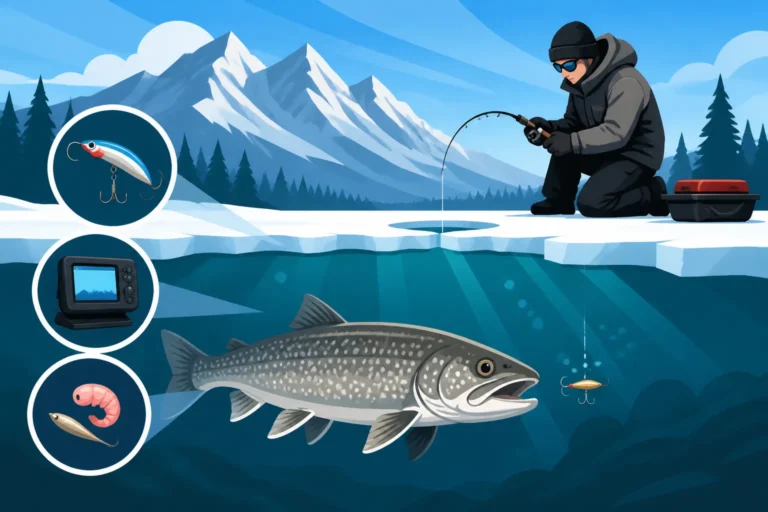
If there's one piece of gear that has revolutionized ice fishing for lake trout, it's electronics. A quality flasher or fish finder is almost non-negotiable. Units from Humminbird, Lowrance, or Garmin provide real-time information about fish below your hole, their depth, and how they're reacting to your lure. This allows you to adjust your presentation instantly. Observing a fish approach your lure, how it reacts to a jigging motion, or whether it's suspended, gives you an incredible edge.
For even more insight, an underwater camera can be a fascinating tool. Brands like Aqua-Vu allow you to actually see the fish, the structure, and how they interact with your bait. This visual confirmation is invaluable for understanding trout behavior and refining your technique, especially when you're trying to figure out why a fish is "looking" but not "hitting." You can find a wide range of options on platforms like Amazon, making it easier to compare features and read reviews before investing.
Shelter, Heat, and Safety
Ice fishing for lake trout, especially in the colder parts of Alberta, often means being out in the elements for extended periods. A portable ice hut, whether a flip-over or a pop-up style, is a wise investment. It provides protection from the wind and cold, making your time on the ice far more comfortable and allowing you to focus on fishing. Pair it with a propane heater, like those from Mr. Heater, to keep warm. These huts can be found among the Best Ice Hut for Alberta Lakes options available.
Safety is paramount when ice fishing. Always carry ice picks, a spud bar (for checking ice thickness), and a throw rope. Dress in layers, wear waterproof boots, and let someone know your plans and expected return time. The vastness of some Alberta lakes means conditions can change quickly, so being prepared for the unexpected is crucial. Always prioritize safety over catching a fish.
Lures and Bait: What Gets Their Attention
Lake trout are opportunistic, but they respond well to specific lure types. The key is to mimic their natural prey.
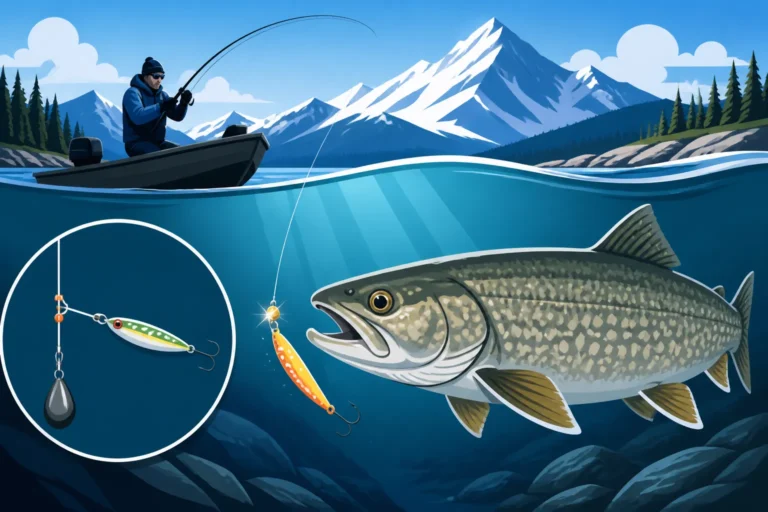
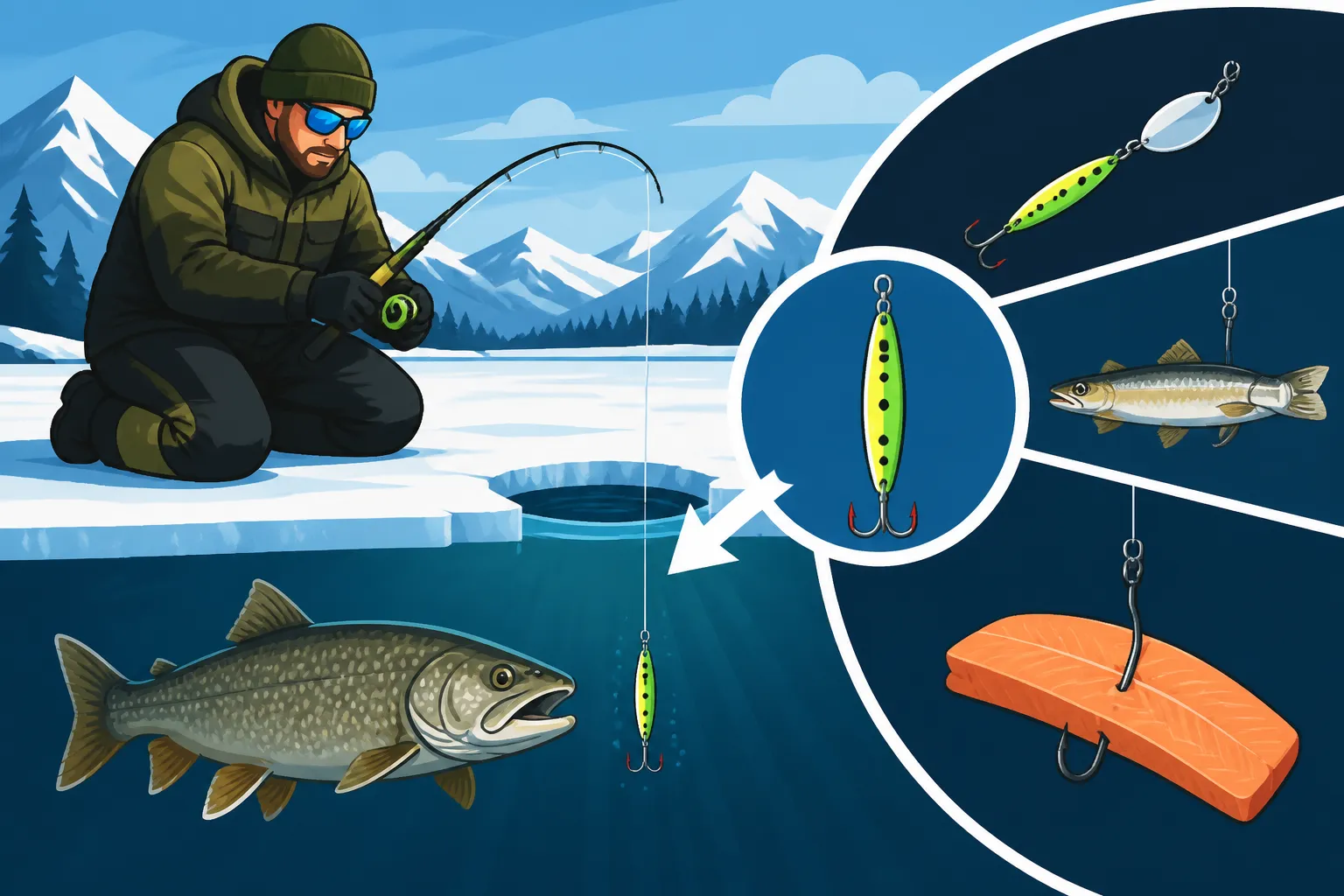
- Jigging Spoons: These are staples for lake trout. Heavy spoons in silver, gold, white, or glow patterns (e.g., Northland Buck-Shot Rattle Spoon, Luhr-Jensen Krokodile) are excellent for attracting fish from a distance with their flash and vibration. They sink quickly, which is important in deep water.
- Tube Jigs: White, pearl, or glow tubes in 3-6 inch sizes (e.g., Berkley PowerBait Tubes, Bass Pro Shops XPS tubes) can be deadly. Rigged on a heavy jig head, they mimic cisco or other baitfish.
- Lipless Crankbaits: These can be effective for aggressive fish, creating a lot of vibration and flash. Brands like Rapala Ice Jig or Salmo Chubby Darter are popular choices.
- Soft Swimbaits: Large soft plastic swimbaits, often rigged on a heavy jig head, can imitate larger baitfish and tempt trophy lakers.
- Dead Bait: A large smelt, herring, or cisco rigged on a quick-strike rig or a large jig head and fished beneath a tip-up or deadsticked can be irresistible to lake trout. This is often the go-to for really finicky fish or when you want to set out multiple lines.
It's wise to carry a variety of sizes and colours. Sometimes a subtle presentation works, other times an aggressive, flashy one is required. A good tackle box setup that can accommodate various weights and sizes of these lures will serve you well. Many anglers stock up on these essentials, checking out deals and bundles online through retailers like Amazon.
Proven Techniques for Ice Fishing Lake Trout
Now that you're geared up and understand their behavior, let's dive into the actual fishing techniques that will put lake trout on the ice. These strategies are all about attracting attention, presenting naturally, and covering water effectively.
Aggressive Jigging and Rip Jigging
This is arguably the most common and often most effective technique for active lake trout. The goal is to draw fish in from a distance and trigger a strike with an erratic, attention-grabbing presentation.
- Drop and Pound: Drop your jigging spoon or heavy tube jig all the way to the bottom. Once it hits, reel up a few feet. Then, violently rip the rod tip up a foot or two, letting the lure fall back on a semi-slack line. The idea is to make the lure flash, flutter, and create commotion.
- Vary the Retrieve: Don't be afraid to experiment. After a few aggressive rips, let it sit for 5-10 seconds. Then try a few shorter, sharper snaps. Sometimes a slow, methodical lift and fall is all it takes, especially when fish are suspended and appear on your flasher but aren't committing. The key is to constantly change your cadence until you find what triggers a bite.
- Baiting the Lure: Tipping your spoon or tube with a small piece of minnow, a minnow head, or even a specialized scent like Smelly Jelly can make a huge difference, especially on slower days. The added scent and subtle action can be the final trigger. This technique works wonders in deep open water or over structure like humps and ridges. You can find comprehensive tips on How to Catch Lake Trout in Alberta which often elaborates on this aggressive approach.
Deadsticking and Subtlety
While aggressive jigging is great for active fish, lake trout can sometimes be finicky. This is where deadsticking comes in. The idea is to present a natural bait or a subtle lure with minimal movement.
- The Setup: Typically, you'll have one rod dedicated to aggressive jigging, and another "deadstick" rod set up in a separate hole a few feet away. This rod will often have a plain hook with a minnow (live or dead) or a large soft plastic swimbait rigged on a light jig head.
- Minimal Movement: Place the deadstick rod in a rod holder, just above the water, with the bail open or a very loose drag. The goal is for the bait to sit still or move only with the subtle current, mimicking an easy meal.
- Strategic Baiting: Dead bait, such as a whole cisco or a large smelt, often excels on a deadstick. Rig it naturally, perhaps just above the bottom or at a depth where you've marked fish. The scent trail it puts out can draw in wary lakers that are reluctant to chase a fast-moving jig. This technique is particularly effective when you see fish on your flasher that approach your jigging lure but turn away. They might just want an easy, stationary meal.
Tip-Ups for Multiple Lines
In Alberta, you're allowed to fish with two lines, provided you have the necessary Alberta Fishing License Guide for 2026 and a WIN card. Utilizing a tip-up alongside a jigging rod is a fantastic way to cover more water and increase your chances.
- Strategic Placement: Set your tip-up a good distance from your jigging hole, perhaps 20-50 feet away, covering a different depth or structural element. For instance, if you're jigging a deep hole, set your tip-up shallower on a nearby point.
- Bait Selection: Tip-ups are most effective with natural bait. A large live minnow (where legal) or a dead cisco/smelt hooked through the back or lips is ideal. The natural movement and scent are hard for lake trout to resist.
- Depth Control: Adjust the depth of your bait on the tip-up based on your electronics readings or historical knowledge of the lake. Sometimes suspending a minnow 10-20 feet off the bottom works, other times placing it right on a structural break is best. Always keep an eye on your tip-up flags; a raised flag means action! For more on specific techniques, check out general advice for Ice Fishing in Alberta.
Understanding Depth and Structure
Finding lake trout is often more than half the battle. They are highly structure-oriented, even under the ice.
- Reading the Map: Before you even drill a hole, study a good contour map of the lake. Identify deep points, humps, sharp drop-offs, and main lake basins. These are prime areas where lake trout will congregate, follow baitfish, or ambush prey. Lakes like Cold Lake or Lesser Slave Lake have distinct structures that hold lakers.
- Drill Many Holes: Don't be afraid to be mobile, especially in the early morning. Drill a series of holes along a contour line or over a suspected structure. Drop your transducer down each hole to quickly scan for fish or promising structure. This is where a good Best Ice Auger for Alberta Lakes makes the job much easier. If you don't mark fish or get bites within 15-20 minutes, move to the next hole. This "hole hopping" strategy is extremely effective.
- Targeting Specific Depths: While lake trout are often deep, they will rise in the water column to strike. If your flasher shows fish at 60 feet, but you're only seeing them 20-30 feet off the bottom, adjust your lure to that depth. Conversely, if you see fish hugging the bottom, make sure your lure occasionally touches the bottom to kick up some sediment, mimicking a foraging baitfish. Understanding How deep lake trout go in summer can also give you clues to their winter haunts, as they often use similar thermal and structural preferences.
Strategic Considerations and Best Practices
Beyond the immediate techniques, a few strategic considerations and best practices can significantly boost your success rates and ensure a safe, enjoyable trip.
Hole Hopping vs. Staying Put
This is a classic ice fishing dilemma, and for lake trout, it often leans towards being mobile.
- When to Hole Hop: Early in the day, or on unfamiliar waters, aggressive hole hopping is key. You're searching for active fish. Drill a pattern of holes over likely structure – a series of holes along a break line, across a flat leading to a drop-off, or around a known hump. Spend 15-20 minutes at each, jigging aggressively, and if nothing shows up on the sonar or bites, move on. This is especially useful for covering large areas, and the physical activity helps keep you warm!
- When to Stay Put: Once you find active fish, or if you're fishing a highly localized, productive spot, it makes sense to stay put. If you're consistently marking fish and getting bites, or if you've landed a laker, chances are there are more in the area. Set up your ice hut, deploy your electronics, and work the zone thoroughly. Sometimes a brief lull can be followed by another surge of activity, so patience can pay off once you've located a productive area.
Reading the Lake and Conditions
Lake trout, like all fish, are influenced by environmental factors. Being attuned to these can give you an edge.
- Barometric Pressure: A stable or rising barometer often correlates with more active fish, while a rapidly falling barometer can shut them down. Pay attention to weather forecasts and fish accordingly.
- Light Conditions: Overcast days can sometimes keep lake trout active for longer periods, as the reduced light penetration makes them feel more secure. Bright, sunny days might push them deeper or make them more wary of presentations.
- Water Clarity: In clear lakes, lake trout can be incredibly sight-oriented. This means your line and lure presentation need to be impeccable. Fluorocarbon leaders become even more critical. In stained water, noise and vibration from rattling spoons or lipless crankbaits can be more effective.
Safe Ice Practices and Regulations
Nothing is more important than safety on the ice. Alberta's vast waters can be dangerous if not treated with respect.
- Always Check Ice Thickness: Never assume ice is safe. Use a spud bar or auger to check thickness as you go. A general rule of thumb is at least 4 inches of clear, new ice for walking, and more for ATVs or vehicles. Be extra cautious around inlets, outlets, points, or areas with current, as ice can be thinner there. Details about specific requirements can be found in resources like Alberta Fishing Regulations Explained.
- Go with a Buddy: Ice fishing is always safer with a partner. If someone falls through, having another person there to help can be life-saving.
- Know the Regulations: Always carry your fishing license and be familiar with the Alberta Bag and Possession Limits by Species and specific regulations for the water body you're fishing. Lake trout often have specific limits or seasons, and some lakes have unique rules. The official Alberta Guide to Sportfishing Regulations is your bible.
- Dress Appropriately: Layers, waterproof outerwear, and insulated boots are crucial. It's always easier to remove layers than to be cold.
Catch and Release for Future Generations
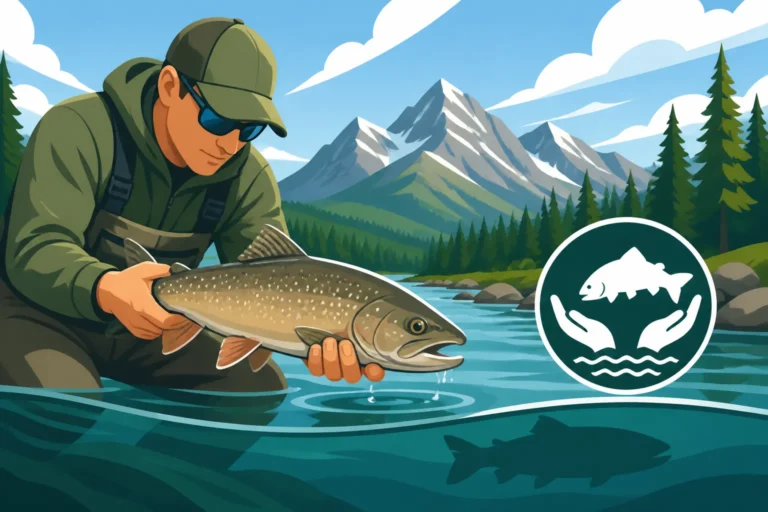
Lake trout are slow-growing and can live for many years, making them vulnerable to overfishing. Practicing responsible catch and release, especially for larger fish, helps ensure healthy populations for future generations of anglers.
- Minimize Fight Time: Use appropriate gear (heavy rod, strong line) to bring the fish in quickly, reducing exhaustion.
- Handle with Care: Wet your hands before touching the fish to protect its slime coat. Support its body horizontally, especially large fish, to avoid damaging internal organs.
- Quick Release: Use pliers to remove hooks quickly. If a fish is deeply hooked, cut the line as close to the hook as possible. Get the fish back in the water as soon as possible.
- Revive if Necessary: If a fish seems sluggish, hold it gently in the water, facing into any current, until it swims away under its own power. For more on proper handling, looking into Bull Trout Catch and Release Survival Tips can provide useful insights, as similar principles apply to all trout species.
Ice fishing for lake trout in Alberta is a rewarding pursuit that combines skill, patience, and a deep appreciation for the winter wilderness. By understanding their habits, equipping yourself with the right gear, mastering proven techniques, and always prioritizing safety and conservation, you'll be well on your way to experiencing the thrill of a big laker on the end of your line.
Lake Trout Ice Fishing Techniques Summary
To help summarize some of the key differences and applications, here's a table outlining the primary techniques:
| Technique | Primary Lure Types | Ideal Conditions | Advantages | Considerations |
|---|---|---|---|---|
| Aggressive Jigging | Jigging Spoons, Lipless Crankbaits, Heavy Tube Jigs | Active fish, Searching, Deeper water | Attracts fish from afar, Triggers reaction strikes | Can spook wary fish, Requires constant effort |
| Deadsticking | Whole Dead Bait (Cisco, Smelt), Large Swimbaits | Finicky fish, Stationary presentation | Natural presentation, Minimal effort once set | Less active search, Requires fish to be in the area |
| Tip-Up Fishing | Live/Dead Minnows, Large Dead Bait | Covering more water, Passive method | Excellent for attracting wary fish, Hands-off approach | Requires monitoring, Can be slower to react to bites |
| Hole Hopping | (Combined with Jigging) | Early search, Covering new water, No bites | Locates active fish quickly, Increases chances | Labor-intensive, Requires good mobility |
Disclaimer
This article is for general informational purposes only and does not constitute professional advice. Laws, prices and regulations vary by location and change over time. Consult a qualified professional for guidance on your specific situation.