When lake trout spawn on Cold Lake
Lake trout spawning on Cold Lake occurs during October and November, driven by falling water temperatures and decreasing daylight.
Know what’s on the line.
Gamefish and panfish profiles — identification, behavior, feeding habits, and species-specific strategies for every catch.
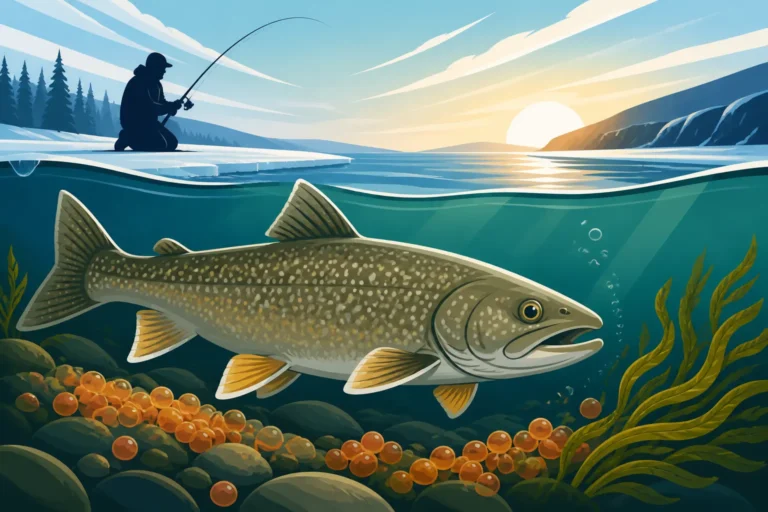
Lake trout spawning on Cold Lake occurs during October and November, driven by falling water temperatures and decreasing daylight.
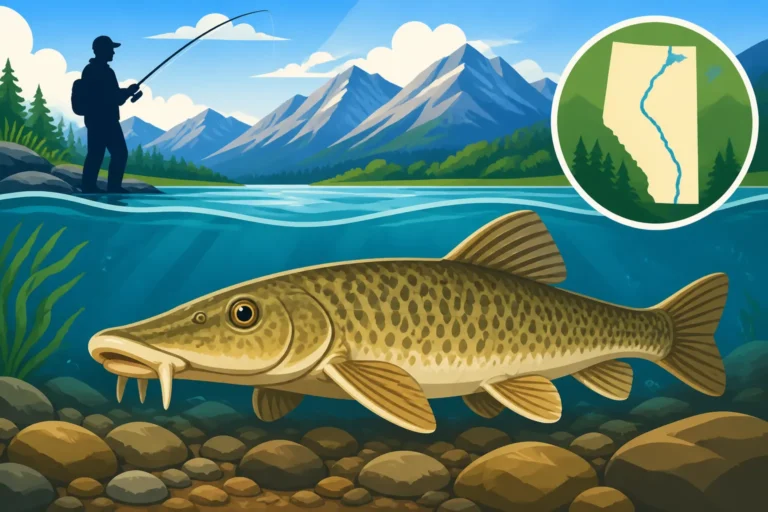
Longnose suckers are native Alberta bottom-dwelling fish that inhabit rivers and lakes, supporting local ecosystems and game fish populations.
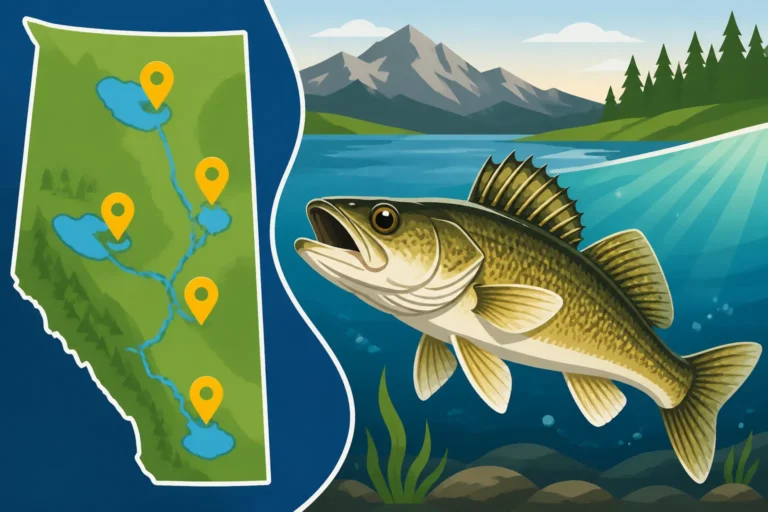
Sauger habitats in Alberta include the North and South Saskatchewan rivers, featuring identification tips to separate them from walleye.
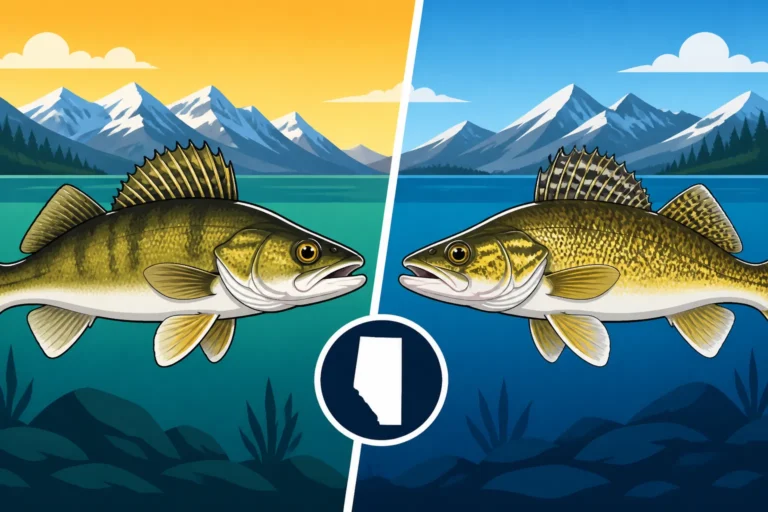
Walleye identification and sauger identification details, including dorsal fin spots and tail tips, help Alberta anglers prevent regulation mistakes.
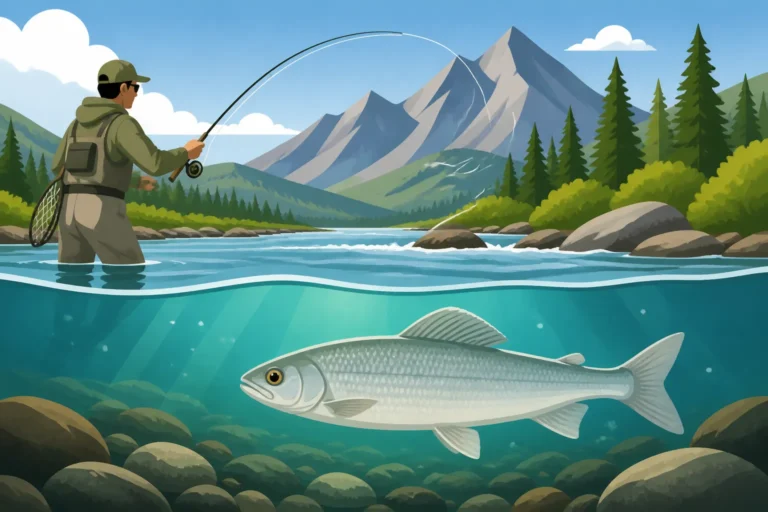
Mountain whitefish habitats in Alberta rivers include cold water, rocky bottoms, and moderate currents in the Bow and Oldman.
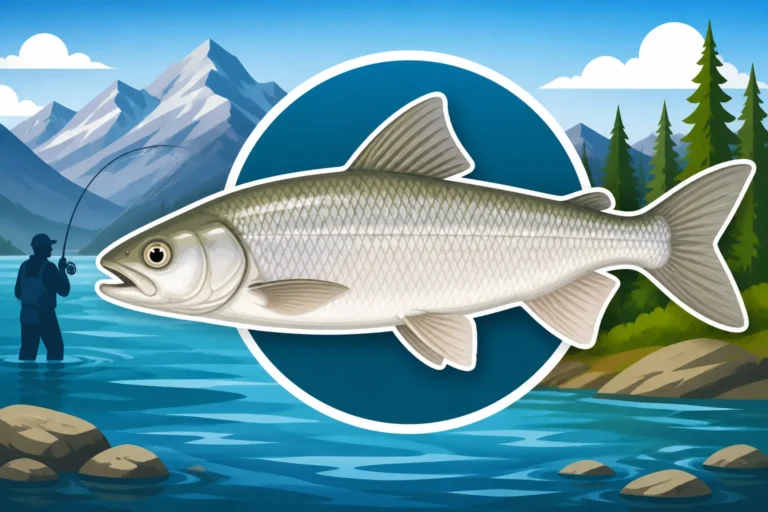
The Rocky Mountain whitefish features a torpedo shaped body, a small subterminal mouth, large scales, and an adipose fin.
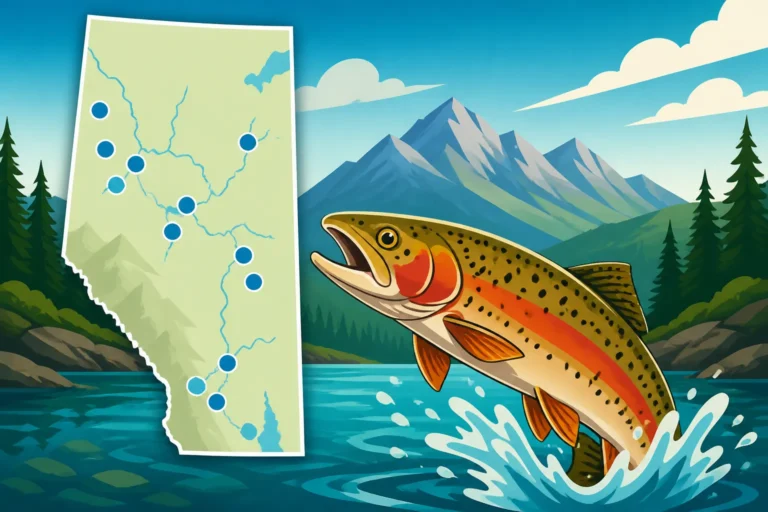
Westslope cutthroat trout in Alberta inhabit cold high-elevation headwater streams within the Oldman, Bow, and Crowsnest river basins.
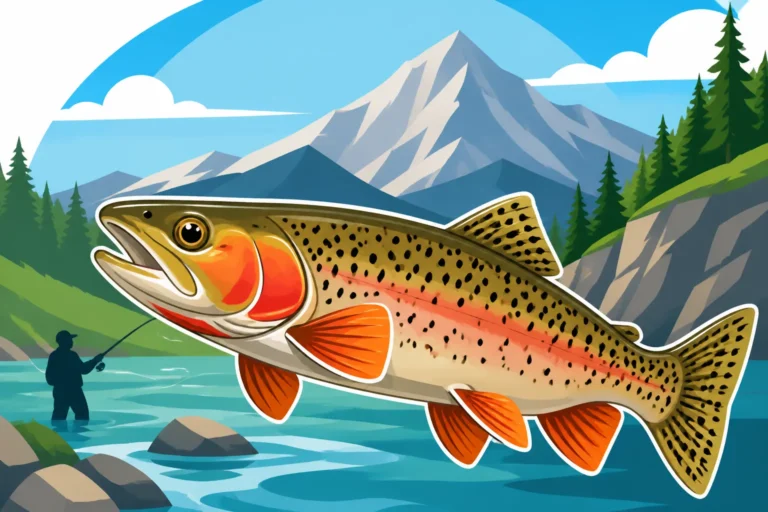
Westslope cutthroat trout identification requires recognizing their unique mandibular stripes, streamlined bodies, and tail-heavy spotting patterns.
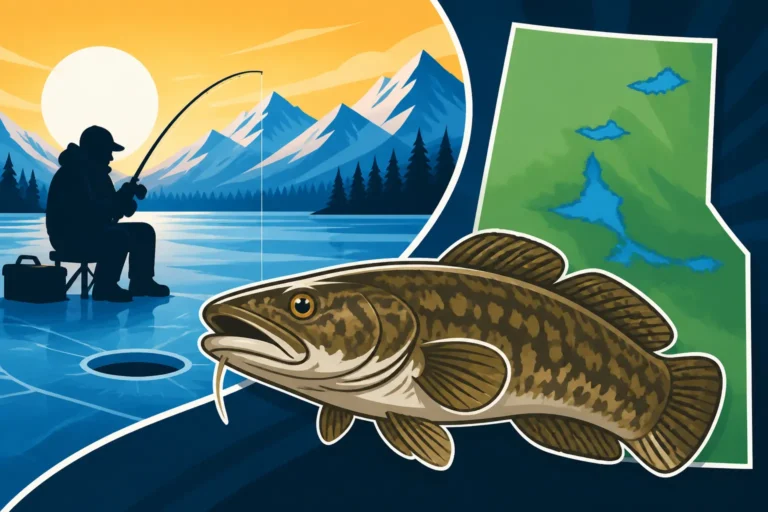
Lesser Slave Lake, Cold Lake, Lac La Biche, and Sylvan Lake provide productive winter ice fishing locations for burbot in Alberta.
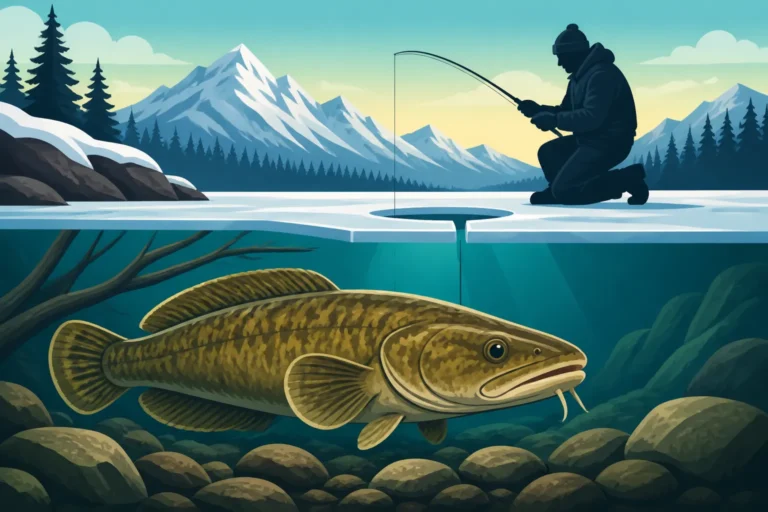
Alberta burbot live in cold lakes and rivers, growing up to twenty pounds with mottled skin, slime, and single chin barbels.