Best Time of Day to Catch Walleye
It's a familiar scenario for many of us: you've planned a day to chase those elusive walleye on one of Alberta's incredible lakes or rivers, only to find the bite completely shut off. This common frustration often isn't about where you're fishing, but when. Understanding the best time of day to catch walleye can transform a slow, frustrating outing into a memorable, fish-filled adventure. This guide dives deep into walleye behavior, helping you crack the code on their daily movements and feeding patterns.
Understanding Walleye Behavior Throughout the Day
Walleye are fascinating creatures, primarily recognized for their incredible low-light vision. This unique adaptation dictates much of their daily routine, making them behave quite differently from many other popular game fish. They're often most active when light levels are dim, giving them a distinct advantage over their prey.
The Low-Light Advantage: Dawn and Dusk
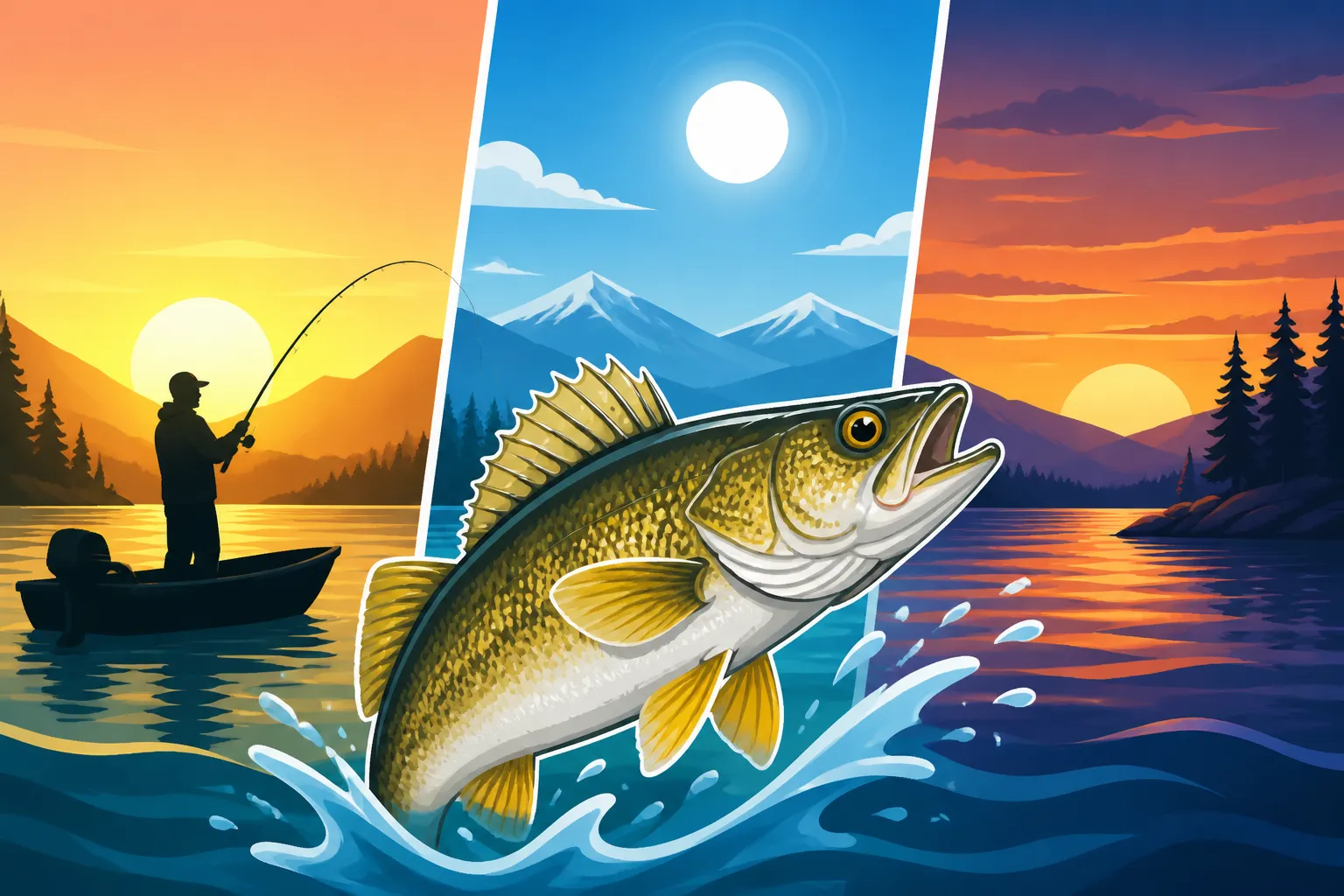
There's a reason why the crack of dawn and the twilight hours before complete darkness are considered prime time for walleye fishing. This isn't just angler folklore; it's rooted in biology. Walleye possess a special reflective layer in their eyes called the tapetum lucidum, which dramatically enhances their vision in low light conditions. This gives them a distinct hunting advantage over baitfish, which struggle to see as the sun dips or rises.
At dawn, as the first hints of light begin to paint the sky, walleye will often move from deeper, secure resting areas into shallower feeding grounds. They're on the prowl, ambushing unsuspecting minnows and insects that are just beginning their day. Similarly, as the sun sets and shadows lengthen, they transition from their daytime haunts to actively hunt in low-light conditions. This is when you'll often find them cruising shorelines, weed edges, and structure, ready to strike. It's a critical window, sometimes lasting only an hour or two, where their aggressive feeding instincts are at their peak. Being on the water during these transitions can make all the difference, and it's a key piece of information for anyone looking to master How to Catch Walleye in Alberta.
Daytime Challenges and Deepwater Strategies
Once the sun is high in the sky and light penetrates the water more intensely, walleye typically retreat. Their highly sensitive eyes, which are so advantageous in low light, become a hindrance in bright conditions. They'll seek refuge in deeper water, under thick weed beds, in the shade of overhanging banks, or nestled among complex structures like submerged trees or rock piles. This doesn't mean they stop feeding entirely, but their activity becomes much more subdued and localized.
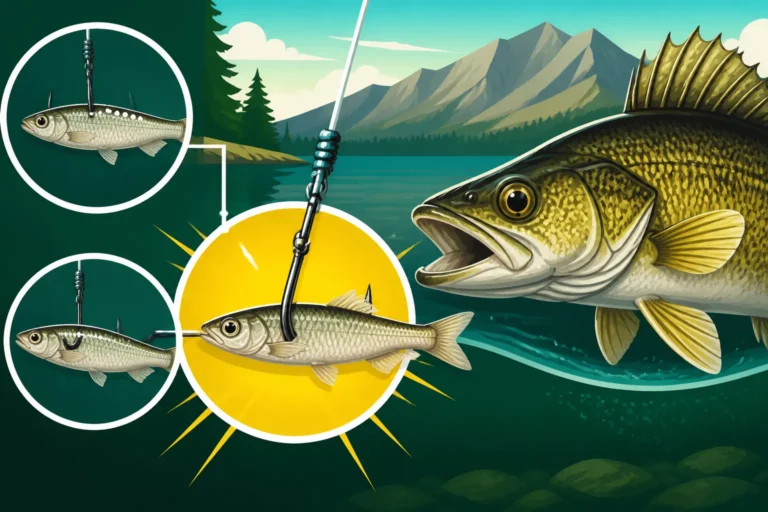
During midday, your strategy needs to shift dramatically. Forget shallow cranks and topwaters; it's time to go deep. Anglers often find success by focusing on known walleye structure in deeper basins, such as humps, points, and sudden drop-offs. Vertical jigging directly over these submerged features can be effective, as can slow-trolling deep-diving crankbaits or bottom-bouncing rigs with live bait like minnows or leeches. The key is to present your offering right in front of their faces, as they're less likely to chase aggressively. This is where patience and precise boat control, perhaps with the aid of a good fish finder you might pick up from Amazon, really pay off.
The Enigma of Night Fishing
While dawn and dusk are excellent, night fishing for walleye in Alberta adds another layer to the game, and for many, it's the most productive time of all, especially on heavily pressured waters. With no direct sunlight, walleye can roam freely and feed aggressively in areas they wouldn't dare visit during the day. This can lead to some incredible catches, especially for larger, more elusive fish.
During the darkest hours, walleye will often move right up into surprisingly shallow water, sometimes just a few feet deep, particularly if there's structure, current, or baitfish present. They use their superior night vision to hunt effectively. Techniques often involve slow presentations of glow-in-the-dark jigs, minnow-imitating crankbaits with rattles, or slip-bobber setups with live bait fished near shore or over shallow reefs. It's an entirely different experience, requiring specialized gear and a heightened sense of awareness, but the rewards can be substantial. For a deeper dive into this unique approach, check out our guide on Night Fishing for Walleye in Alberta. Remember to prioritize safety with proper lighting and communicate your plans if you're venturing out after dark.
Seasonal Shifts and Their Impact on Walleye Timing
Just like the daily light cycle, the changing seasons play a massive role in walleye behavior and, consequently, the best times to target them. Alberta's diverse climate, from cold, icy winters to warm, sunny summers, forces walleye to adapt their movements and feeding patterns constantly. Understanding these seasonal changes is crucial for consistent success.
Spring: Pre-Spawn and Post-Spawn Feeding Frenzies
Spring in Alberta is a dynamic time for walleye. As the ice melts and water temperatures begin to climb, walleye enter their pre-spawn phase, a period characterized by increased feeding as they bulk up for the upcoming spawning ritual. During this time, they're often found in river mouths, shallow bays, and near tributaries where water warms quickly. The best time to catch walleye often aligns with midday or afternoon warming trends, as the slightly warmer water can stimulate their metabolism and make them more active. You can learn more about this crucial period in our article on Walleye Spawning Season in Alberta.
Once spawning is complete, usually when water temperatures reach the 40s to low 50s Fahrenheit, walleye enter a post-spawn recovery period. They can be a bit lethargic immediately after spawning, but soon, a post-spawn feeding frenzy begins. This is another excellent window where walleye are actively recouping lost energy. They'll often hold in slightly deeper water adjacent to their spawning grounds, moving to shallower feeding flats during low-light periods. Dusk and dawn become increasingly productive as they spread out in search of food.
Summer: Thermoclines and Deepwater Patterns
Summer brings longer, warmer days to Alberta, and this significantly impacts walleye timing. Many lakes will stratify, forming a thermocline – a distinct layer of water with a rapid temperature change. Walleye, being cool-water fish, will often orient themselves to this thermocline, as it provides optimal temperature and oxygen levels. This means they'll generally be found deeper during the day.
The best time to catch walleye in summer often shifts to early morning, late evening, and throughout the night. During the bright, hot midday hours, walleye typically hold in these deeper, cooler zones, often suspended or hugging the bottom on main lake points, humps, and structural elements. Trolling with crankbaits or using bottom bouncers in these areas can be effective. However, as the sun dips towards the horizon, they'll make their daily migration up to shallower feeding flats, weed lines, and rock piles, offering fantastic opportunities for anglers employing casting techniques with various lures, many of which are readily available on Amazon.
Fall: The Autumnal Feast Before Winter
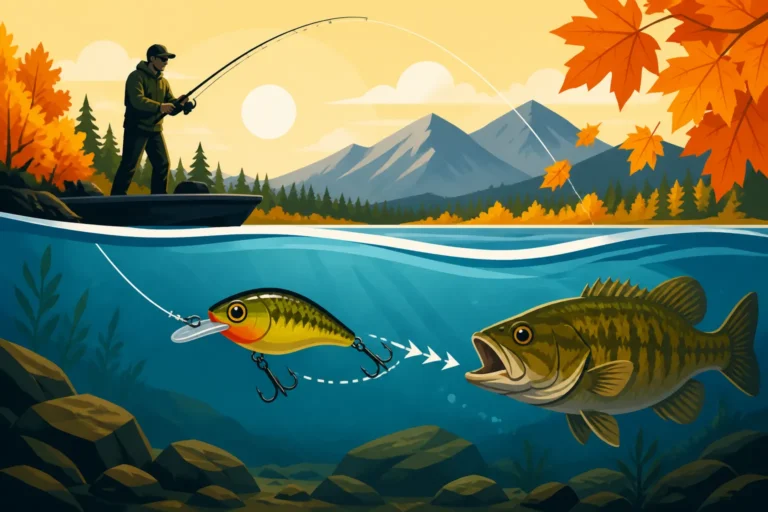
Fall is arguably one of the most exciting times to target walleye in Alberta. As the days shorten and water temperatures begin to cool, walleye enter their pre-winter feeding binge. They're trying to pack on as much weight as possible before the long, lean months under the ice. This often translates into aggressive feeding patterns throughout the day, though low-light periods remain stellar.
In early fall, walleye might still follow summer patterns, but as temperatures continue to drop, they'll become more active for longer durations. They tend to school up more tightly during the fall, making them easier to locate once you find a pod. Look for them on deeper main lake points, sunken islands, and along pronounced depth transitions. Midday can be surprisingly productive, especially on overcast days or when active baitfish schools are present. Trolling large crankbaits or presenting heavy jigs with plastic tails or live bait are excellent choices. This period of intense feeding makes understanding fall patterns crucial, and it’s a great time to implement tactics from our guide on Best Techniques for Fall Trout Fishing (while for trout, many principles of cold water feeding apply).
Winter: Ice Fishing and Subtlety
When Alberta's lakes freeze over, the walleye's daily rhythm becomes even more nuanced. Under the ice, light penetration is significantly reduced, meaning walleye can be active for longer periods than during bright summer days. However, their metabolism slows down, making their bites much more subtle.
During the hardwater season, many ice anglers find that walleye have distinct feeding windows that can vary from lake to lake. Often, these still occur during low-light conditions – early morning and late afternoon are prime. However, active periods can also happen sporadically throughout the day, especially on cloudy days or during periods of stable barometric pressure. Jigging spoons, lipless crankbaits, and live minnows suspended under a tip-up are standard choices. You'll need to pay close attention to depth, as walleye might suspend anywhere from just under the ice to right on the bottom. Success often hinges on drilling multiple holes, covering different depths and structures, and staying mobile. Our Ice Fishing in Alberta guide offers comprehensive details on this challenging yet rewarding season.
Here’s a quick overview of how walleye activity generally shifts throughout the day and year:
| Time of Day/Season | General Walleye Behavior | Recommended Approach | Prime Lures/Bait |
|---|---|---|---|
| Dawn (Spring-Fall) | Actively feeding, moving shallow from deep haunts. | Casting shallow structure, weed lines, shorelines. | Jigs, crankbaits, spinnerbaits, live minnows. |
| Morning (Spring-Fall) | Transitioning deeper, still active but less aggressive. | Trolling, deeper jigging, bottom bouncing. | Deep-diving crankbaits, jigs, leeches, minnows. |
| Midday (Spring-Fall) | Holding deep, tight to structure, sometimes suspended. | Vertical jigging, slow trolling, deep live bait rigs. | Heavy jigs, bottom bouncers, live bait (minnows, leeches). |
| Dusk (Spring-Fall) | Moving shallow to feed aggressively, excellent bite. | Casting shallow structure, weed lines, shorelines. | Jigs, crankbaits, spinnerbaits, live minnows. |
| Night (Spring-Fall) | Very active in shallow water, especially on pressured lakes. | Glow jigs, dark crankbaits, slip bobbers with live bait. | Glow jigs, rattling crankbaits, large minnows. |
| Winter (Ice Fishing) | Reduced metabolism, distinct feeding windows, subtle bites. | Vertical jigging, tip-ups over structure. | Jigging spoons, lipless crankbaits, live minnows. |
Factors Influencing Walleye Activity Beyond Time of Day
While the time of day and season are huge indicators, walleye fishing isn't always cut and dry. Several other environmental factors constantly influence their activity levels and, by extension, the "best" time to fish. Ignoring these can lead to a frustrating day, even if you're out there at what should be prime time.
Weather and Barometric Pressure
The weather front rolling in, the amount of cloud cover, and subtle shifts in barometric pressure can have a profound impact on walleye. Often, stable weather patterns with consistent pressure are when walleye feel most comfortable and predictable in their feeding. However, a falling barometer, indicating an approaching storm, can sometimes trigger a feeding spree as fish sense the change and try to feed before conditions worsen. Conversely, a rapidly rising barometer after a front has passed often results in a tough bite, as fish tend to be sluggish and uncooperative.
Overcast days are often fantastic for walleye, as the reduced light penetration allows them to remain active in shallower water for longer periods throughout the day. The "low-light advantage" isn't just about dawn and dusk; it's about any conditions that mimic low light. Conversely, bright, bluebird skies with high pressure can push walleye deep, making midday fishing particularly challenging. Understanding these atmospheric influences, especially for Cold Front Fishing Tactics for Alberta Walleye, can help you adjust your timing and strategy.
Water Clarity and Temperature
Water clarity directly affects how walleye hunt and where they position themselves. In murky or stained water, walleye can often be active throughout the day, as the reduced visibility mimics low-light conditions. In these situations, noisy lures or those with strong vibrations become more effective because walleye are relying less on sight and more on their lateral line system to detect prey.
On the other hand, in crystal clear waters, walleye become incredibly wary and light-sensitive. They'll hug tight to cover, dive to extreme depths, or become almost exclusively nocturnal. Here, stealthy approaches, longer fluorocarbon leaders, and natural-looking presentations are key. Water temperature is another critical factor. Walleye prefer cooler water, typically in the 60-70°F (15-21°C) range for peak activity. If the water is too cold (early spring, late fall), their metabolism slows, and they become less active. If it's too warm (mid-summer in shallow bays), they'll seek cooler depths or move to areas with more oxygen. Knowing the optimal Best water temperature for walleye fishing can give you a significant advantage.
Forage Base and Local Baitfish Movements
Ultimately, walleye are predators, and their movements are heavily dictated by the presence and behavior of their prey. If you can locate the baitfish, you're usually one step closer to finding the walleye. Walleye will follow schools of minnows, perch, ciscoes, or suckers. These baitfish often have their own daily and seasonal movements, dictated by food availability, temperature, and cover.
For example, in many Alberta lakes, baitfish might move into shallow weed beds during low light to feed on invertebrates, and the walleye will follow them. During the day, they might retreat to deeper open water or tight to specific structures, and once again, the walleye won't be far behind. Pay attention to surface activity, use your electronics to spot bait balls, and even consider what local anglers are saying is "on the bite." Matching your lure size and color to the prevalent forage is also a smart move. For instance, if the walleye are feeding on small perch, a perch-pattern crankbait from brands like Rapala or Berkley (widely available on Amazon) might be incredibly effective.
Best Baits and Techniques for Different Times
Adapting your gear and approach to the specific time of day is just as crucial as knowing when to fish. What works wonders at dawn might be completely ignored by midday walleye. Having a versatile tackle box and being willing to switch tactics can make all the difference.
Low-Light Lures and Presentations
When those prime low-light windows hit at dawn, dusk, or under heavy cloud cover, walleye are often on the prowl in shallower water. This is when aggressive presentations can really shine.
- Crankbaits: Medium-diving crankbaits in baitfish patterns (like a silver and black shad) or darker colours that silhouette well against the sky are fantastic. Casting these parallel to weed lines or over shallow rock reefs can elicit vicious strikes. Rattling crankbaits can also be effective, drawing fish in through sound in low visibility.
- Jigs: Jigs dressed with soft plastics (paddle tails, curly tails) or live minnows are always a walleye staple. Work them along the bottom or jig them through suspended baitfish schools in shallower areas. Darker jig head colors or those with a bit of flash can be deadly.
- Spinnerbaits: While more commonly associated with pike, smaller spinnerbaits can be surprisingly effective for walleye in shallow, weedy areas during low light, especially if they are feeding aggressively on baitfish. The flash and vibration can trigger reactionary bites.
- Topwater (Rare but Fun): On very calm evenings, especially in shallower bays where walleye are chasing bait to the surface, a walk-the-dog style topwater lure can provoke an explosive strike. It's not a common walleye tactic, but when conditions are right, it can be incredibly exciting.
Midday Deepwater Tactics
When the sun is high and walleye have retreated to their deepwater sanctuaries, your tactics need to be precise and often slower.
- Vertical Jigging: This is a classic for deepwater walleye. Use heavier jigs (1/2 oz to 1 oz or more, depending on depth and current) tipped with a minnow, leech, or soft plastic. Position your boat directly over detected fish or structure and drop your jig straight down, working it with short, sharp lifts and pauses. This is a highly effective way to trigger a bite from lethargic fish.
- Bottom Bouncing Rigs: These are excellent for covering ground slowly and presenting live bait right on the bottom where walleye are often holding. A bottom bouncer rig typically consists of a lead weight (the bouncer) that keeps your bait near the bottom, followed by a snell with a hook and live bait (minnows, leeches, or nightcrawlers). Slowly troll or drift these rigs along contours, humps, or drop-offs.
- Deep-Diving Crankbaits: Trolling with large, deep-diving crankbaits can be very productive for covering vast areas of deep water and enticing suspended walleye or those holding slightly off the bottom. Experiment with different colors and diving depths until you find the fish. Many anglers rely on specific brands for this, and popular deep divers can easily be sourced on Amazon.
- Slip Bobbers: While often thought of as a shallow water technique, slip bobbers can be deployed effectively in deeper water when walleye are suspended. Set your bobber stop to position your live bait (often a large minnow) just above where fish are showing on your sonar.
Night Fishing Setups and Safety
Night fishing requires a different mindset and specific equipment, but it can yield incredible results for Walleye Fishing in Alberta.
- Glow Jigs and Lures: Walleye have excellent night vision, but a glow-in-the-dark jig or spoon can give them an extra target to home in on. Charge these lures with a bright flashlight or a dedicated UV light for maximum glow.
- Dark-Colored Crankbaits: Contrary to popular belief, dark-colored lures (black, dark blue, purple) often create a better silhouette against the moonlit or starlit sky, making them easier for walleye to spot from below.
- Slow Retrieves and Pauses: Walleye at night can be aggressive, but often a slower, more deliberate retrieve with pauses is what triggers a strike. They have time to examine the lure.
- Slip Bobbers with Live Bait: A classic night technique involves a slip bobber rig with a large minnow, leech, or nightcrawler, fished near shallow structure or weed edges. Use glow sticks on your bobbers to easily see when a fish takes the bait.
- Safety First: Night fishing demands extra caution. Always have sufficient lighting (headlamps, boat lights), tell someone where you're going and when you expect to return, and ensure your boat has all required safety equipment. A portable spotlight can also be invaluable for navigating and spotting hazards.
Reading the Water and Adapting Your Approach
Even with the best knowledge of walleye behavior and prime fishing times, every day on the water is different. The most successful anglers are those who can read the conditions, interpret what their gear is telling them, and adapt their approach on the fly. Don't be afraid to experiment!
Interpreting Your Electronics
A modern fish finder is an invaluable tool for any walleye angler, especially when trying to pinpoint fish during challenging times of the day. Learning to interpret the display can transform your fishing.
- Identifying Structure: Your sonar will show you depth changes, humps, drop-offs, and submerged timber. Walleye are ambush predators and will often relate directly to these structural elements. During midday, look for them holding tight to the bottom on these features.
- Locating Baitfish: If you see large clouds or schools of baitfish on your screen, walleye are often nearby, either actively feeding or waiting for an opportunity. In low light, baitfish might be shallower, while in bright sun, they might be deeper, and walleye will follow.
- Spotting Walleye: Walleye often appear as distinct arches on your sonar, especially when actively swimming. Learn to differentiate them from other species or debris. If you see fish consistently at a certain depth or relating to a particular type of structure, focus your efforts there. Many excellent fish finders, from basic models to advanced units with side imaging, are available on Amazon. Take the time to learn your unit's features and adjust settings for optimal performance.
Observation and Local Knowledge
Beyond the fancy electronics, simple observation can provide a wealth of information. Pay attention to what's happening around you.
- Surface Activity: Are baitfish jumping? Are birds diving? This indicates active baitfish, which means active predators like walleye might be close.
- Wind and Waves: A good chop on the water can break up light penetration, allowing walleye to remain active in shallower areas for longer. It also creates current and disorients baitfish, making them easier targets.
- Talking to Other Anglers: Don't be shy! A quick chat at the boat launch or bait shop can provide invaluable insights into recent patterns, what baits are working, and where fish have been caught. However, always take local advice with a grain of salt and be prepared to confirm it with your own efforts.
- Consulting Local Resources: Online forums, local fishing reports, and bait shop staff are often goldmines of current information. Even perusing maps and satellite imagery before your trip can give you a better understanding of potential hotspots and structural elements that walleye might use at different times of the day.
Local Alberta Examples and Considerations
Alberta offers a fantastic array of walleye fishing opportunities, from vast prairie lakes to winding river systems. Each type of water body presents its own unique challenges and best times for targeting walleye, often varying even between specific locations.
Prairie Lakes: Lesser Slave Lake, Pigeon Lake
Alberta's large prairie lakes, like Lesser Slave Lake and Pigeon Lake, are renowned for their incredible walleye fisheries. These lakes are typically shallower, stained, and rich in forage, allowing walleye to behave somewhat differently than their clear-water counterparts in mountain regions.
On Lesser Slave Lake, for instance, walleye can often be caught throughout the day, especially on overcast days, due to the lake's generally stained water. However, the absolute best times often remain dawn and dusk, when they push up onto shallow sand flats, rock reefs, and weed edges to feed aggressively. Night fishing here can also be phenomenal, with walleye moving into incredibly shallow water. During bright midday periods, they'll often retreat to deeper basin areas or hold tight to specific structures like the many subtle humps and transition zones. Understanding Lesser Slave Lake Walleye Fishing strategies is key, as the vastness of this lake can be intimidating without local knowledge.
Pigeon Lake, a popular destination near Edmonton, also sees its walleye responding well to low-light periods. Due to recreational boating pressure during the day, walleye can become more wary. Therefore, early mornings and late evenings, once the boat traffic subsides, can be incredibly productive. You'll often find them cruising the edges of the expansive weed beds or working over the marl bottom. During the day, they'll tuck into the densest weeds or move slightly deeper.
River Systems: North Saskatchewan, Pembina
Fishing for walleye in Alberta's river systems, such as the North Saskatchewan River or the Pembina River, presents different challenges compared to lakes. Current, fluctuating water levels, and ever-changing river bottom structure dictate walleye movements and feeding times.
In rivers, walleye will use current breaks as ambush points, conserving energy while waiting for prey to drift by. This means structure like eddies, submerged logs, rock piles, and points where current slows down are prime targets. The "best" time to catch walleye in rivers often revolves around stable water levels and clarity. Low-light periods (dawn, dusk, and night) are still excellent, as walleye can move more freely without the intense light from above. However, on overcast days or after a rain when the water is slightly stained, river walleye can be active throughout the day, often holding in shallower, current-protected areas.
Focus on presenting baits that can be held in the current or drifted naturally. Jigs tipped with minnows or soft plastics are often deadly, as are crankbaits fished in current seams. Pay close attention to what the river is doing; a sudden rise or fall in water levels can completely change the bite. The walleye in these systems are hardy and often opportunistic, so being persistent and understanding their relationship to current is crucial for success.
Disclaimer
Fishing regulations and conditions can change frequently. Always consult the most current Alberta Guide to Sportfishing Regulations before heading out. This guide is for informational purposes only and does not supersede official regulations. Practice responsible angling, including catch and release, to help conserve Alberta's valuable fisheries.