Best Techniques for Low Clear Water Conditions
There’s nothing quite as frustrating for an angler as arriving at your favorite fishing spot, only to find the water level significantly lower than usual, and crystal clear. You can see every rock, every weed bed, sometimes even the fish themselves, but they're acting incredibly spooky, scattering at the slightest ripple. This guide is all about tackling those challenging low, clear water conditions in Alberta, helping you adjust your approach and stack the odds back in your favour.
Understanding the Challenge of Low, Clear Water
Low and clear water isn't just a visual change; it completely alters the fish's environment and, consequently, their behavior. What might have been a productive spot during higher, murkier conditions can become a ghost town if you don't adapt. It demands a shift in mindset from aggressive tactics to subtle finesse, from bold presentations to delicate deception.
The Double-Edged Sword of Visibility
When water levels drop and clarity increases, it’s a mixed bag. On one hand, you, the angler, gain incredible visibility. You can spot structure you never knew existed, identify holding lies, and sometimes even see individual fish. This can feel like a superpower, offering a rare glimpse into the underwater world. However, this enhanced visibility is a double-edged sword, because the fish also have it. They can see you, your shadow, your boat, and your line much more easily than they could in stained or turbulent water. This heightened awareness makes them incredibly wary and difficult to approach, let alone entice into biting. They become much more selective, often ignoring anything that doesn't appear absolutely natural and unthreatening. It's a fundamental challenge that demands a change in tactics.
Reading Subtle Cues in Transparent Waters
Successfully navigating low, clear water means becoming a more observant angler. Forget the days of blindly casting; now every ripple, every shadow, every slight current break tells a story. Look for seams where faster water meets slower water, as these provide an ambush point without requiring the fish to fight strong currents. Pay close attention to subtle changes in depth—even a foot or two can provide a vital sense of security for fish feeling exposed. Undercut banks, submerged logs, large boulders, and even overhanging vegetation become critical hiding spots. Fish in these conditions are often concentrated in these areas, seeking refuge from predators and bright light. Understanding how to read these subtle cues is paramount. For instance, a small tremor on a patch of weeds might indicate a feeding walleye, while a quick flash of silver in a shaded undercut could be a wary trout. Don't just look for fish; look for where they would feel safe.
Refining Your Gear for Maximum Stealth
When you're dealing with low, clear water, the fish's ability to see your gear becomes your biggest adversary. This means it’s time to put away the heavy lines, bulky swivels, and large, bright lures. The name of the game is finesse, and that starts with your setup. Every component, from your line to your leader and even your choice of bait, needs to be considered for its ability to blend in and present as naturally as possible.
The Finesse of Lighter Lines and Leaders
In gin-clear conditions, your fishing line is often the first thing a wary fish might see. Using a line that's too heavy or too visible can instantly send fish scattering. This is where lighter monofilament, fluorocarbon, or even thin braided lines excel. Fluorocarbon, in particular, has a refractive index close to water, making it virtually invisible underwater. Consider dropping down a few pound tests from what you'd normally use. For trout in clear mountain streams, a 2-4 lb test fluorocarbon leader is often essential. For walleye in clear lakes, you might go from 10 lb test down to 6 or 8 lb test. Using a long fluorocarbon leader (3-6 feet or more) tied to a thin braided mainline allows for long casts while maintaining the invisible presentation near your bait. It’s an adjustment that takes some getting used to, as lighter lines require a more delicate touch during the fight, but it’s often the key to getting bites when fish are highly pressured. For quality fluorocarbon options, check out various brands available on Amazon, often offering better deals than local shops.
Downsizing Baits for Discerning Fish
Big, flashy lures that work wonders in stained water can be a huge turn-off in clear conditions. Fish have a lot more time to inspect your offering, and anything that looks too unnatural or over-the-top will be rejected. This is the time to downsize your baits significantly. Think smaller spoons, tiny jigs, slender soft plastics, and smaller fly patterns. For trout, this might mean going from a size 12 dry fly to a size 18 or 20, or using micro-jigs instead of larger spinners. For walleye, a smaller jig tipped with a tiny piece of worm or a 2-3 inch soft plastic minnow imitation will often outperform a larger presentation. Even for northern pike, while they are known for their aggression, in low, clear water, a smaller, more subtle swimbait or spoon can be more effective than a giant spinnerbait that creates too much commotion. The goal is to imitate the smaller, more natural forage that fish are accustomed to seeing in clear environments, making your bait seem less threatening and more appetizing.
Rods, Reels, and the Art of Balance
Your rod and reel choice also play a crucial role in finesse fishing. A stiff, heavy rod designed for pulling fish out of heavy cover isn't going to give you the delicate touch needed for light lines and subtle presentations. Instead, opt for lighter action rods—medium-light to ultralight spinning rods are often ideal. These rods have a softer tip that allows for better sensitivity, absorbing the shock of a strike on light line and protecting delicate knots. They also make casting those tiny, lightweight baits much easier and more accurate. When considering the best spinning rods for walleye, look for models with a fast to extra-fast action tip paired with a moderate backbone. As for reels, a smooth, reliable drag system is non-negotiable. With lighter lines, a sticky or erratic drag will lead to snapped lines and lost fish. A high-quality reel with a precise drag adjustment allows you to confidently fight larger fish on light tackle without fear of breaking off. This balanced setup is what gives you the control and sensitivity to excel in clear water conditions.
Mastering Presentation: The Art of Deception
Getting your gear right is only half the battle; how you present it to the fish is equally, if not more, important. In low, clear water, fish are not only spooky but also incredibly observant. Your presentation needs to be as subtle and natural as possible, mimicking real forage without giving away the fact that there's a hook attached.
Longer Casts and Approach Angles
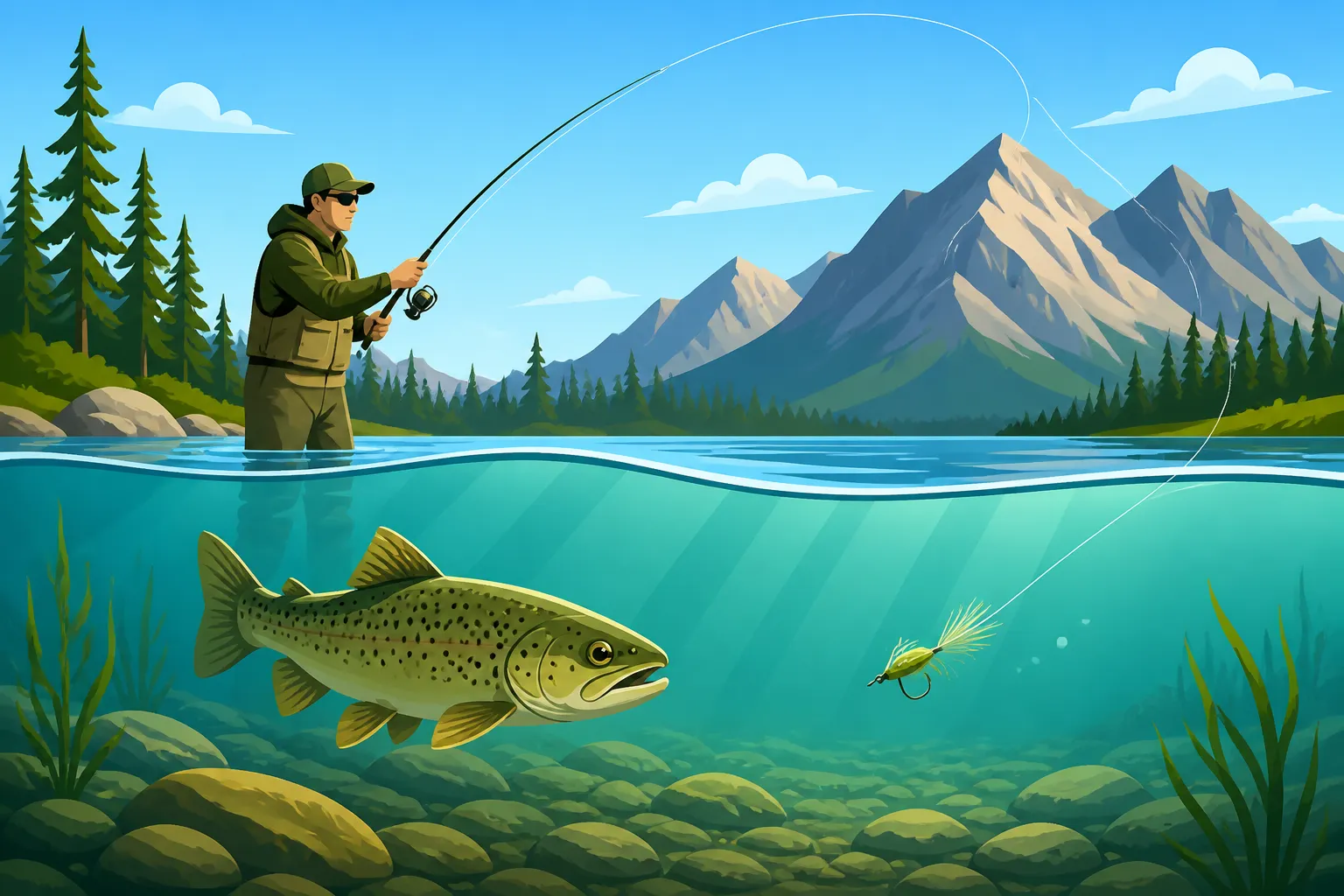
Directly approaching fish in clear water is a recipe for disaster. Your shadow, the movement of your boat, or even the subtle vibrations from your footsteps on the bank can alert fish long before your bait reaches them. The solution? Longer casts and strategic approach angles. Try to stay as far back from the water's edge as possible, using the terrain to break up your silhouette. If you're fishing from a boat, maintain a good distance from your target area and use an electric trolling motor to approach slowly and quietly, or drift silently with the current or wind. When casting, aim for accuracy and distance. You want your lure or fly to land well upstream or away from the fish's immediate vicinity, allowing it to drift naturally into the strike zone without an aggressive splashdown. Casting from downstream, upcurrent, or across the current can help hide your presence and ensure the first thing the fish sees is your bait, not your line or yourself. This cautious approach is often the difference between a successful outing and a frustrating one.
The Imperceptible Drift: Matching Natural Movement
Fish in clear water become incredibly particular about how a bait behaves. Anything that looks unnatural—a lure that swims too erratically, a fly that drags unnaturally, or a bait that moves too fast—will be ignored. The goal is to achieve an "imperceptible drift" or retrieve, making your offering look exactly like a natural insect, minnow, or piece of forage floating freely in the water. For fly anglers, this means mastering the dead drift, ensuring your fly moves at the exact same speed as the current, free of any drag. For spin fishermen, it could mean slow-rolling a small jig along the bottom, letting a worm drift naturally with minimal weight, or using a slow, steady retrieve with a small swimbait. Even something as simple as allowing a spoon to flutter on a slack line can be incredibly effective. Avoid aggressive jerking or fast retrieves that can signal danger to wary fish. Think subtle twitches, pauses, and the gentlest movements that mimic natural prey attempting to escape, but not panic. This is particularly important for species like brown trout habits in Alberta streams, which are notoriously finicky.
Unlocking the Code: Matching the Hatch and Forage
When fish can see everything, they become highly selective, often keying in on specific food sources. "Matching the hatch" is a classic fly-fishing concept, but it applies equally to all types of fishing in clear water. Take a moment to observe your surroundings. Are there any insects hatching? Are small baitfish visible? What does the bottom look like? If you see small minnows, try lures that imitate their size, shape, and colour. If mayflies are fluttering about, choose a fly pattern that closely resembles them. Even if you don't see specific forage, consider what would typically be present in that environment. For example, if you're fishing a rocky river, small stonefly nymphs might be a good bet. If you're on a lake with plenty of vegetation, tiny leeches or small perch fry imitations could be effective. Carrying a diverse selection of small lures, soft plastics, and various fly patterns, readily available from retailers like Amazon, allows you to experiment and quickly adapt to what the fish are keying on. Sometimes, the difference between success and failure is as simple as a slight variation in colour or size that finally "matches the code" for the day.
Targeting Alberta's Prized Species in Challenging Conditions
Each fish species reacts differently to low, clear water. While the general principles of stealth and finesse apply across the board, specific adjustments can make a significant difference for trout, walleye, and pike. Understanding these nuances will help you tailor your approach for a better chance at success.
Trout: The Ultimate Low Water Test
Trout, especially wild trout in Alberta's mountain streams, are already incredibly wary, and low, clear water amplifies their skittishness. They become hyper-aware, seeking refuge in deeper pools, undercut banks, and complex current seams. For these conditions, fly fishing often shines, allowing for the most delicate presentations.
- Fly Fishing Tactics: Focus on tiny dry flies (sizes 18-24) presented on long, fine tippets (6x or 7x fluorocarbon) with perfect, drag-free drifts. Look for subtle rises in shaded areas or during low light. Nymphing with small, unweighted patterns like pheasant tails or zebra midges, drifted naturally along the bottom, can be deadly. Euro nymphing techniques, which keep your fly line off the water, are particularly effective as they minimize surface disturbance. For aggressive brown trout, sometimes a small streamer stripped subtly through a deeper pool can provoke a strike, but keep the retrieve slow and deliberate.
- Spin Fishing Tactics: If spin fishing, ultralight rods and reels are a must. Use the lightest monofilament or fluorocarbon line you can get away with, typically 2-4 lb test. Small inline spinners (size 0 or 1) with muted colours (silver, black, olive) or tiny spoons that flutter on the drop can work. Micro jigs, often tipped with a piece of PowerBait or a tiny worm, fished under a small float or slowly bounced along the bottom, are also excellent choices. Always cast well upstream or across from where you expect fish to be, allowing the current to carry your offering naturally into the strike zone. Remember, for the best fly rods for the Bow River, a sensitive 5 or 6 weight often offers the versatility needed for delicate presentations.
Walleye: Adapting to Clear Lake Strategies
Walleye in clear lake conditions can be notoriously difficult. They often retreat to deeper water during the day, or seek out dense cover, only moving into shallower feeding grounds under the cover of darkness or low light. Their incredible eyesight means any unnatural presentation is quickly scrutinized.
- Location: During the day, walleye will often hold on deeper structure like submerged humps, rock piles, or along deep breaks where they can ambush prey from below without being exposed. Focus your efforts on these areas. In the evenings, or on cloudy days, they might move into shallower flats adjacent to deep water.
- Lure Selection and Presentation: Jigs are still king for walleye, but you'll want to downsize. Use 1/8 to 1/4 ounce jigs, tipped with smaller minnow imitations (2-3 inch soft plastics), a small piece of nightcrawler, or even just a plastic grub. Focus on a very slow, subtle jigging action—just enough to get the bait to dance on the bottom. Trolling can also be effective, but again, use smaller crankbaits with natural colours (perch, smelt, shiner imitations) and run them on fluorocarbon leaders to maintain invisibility. Long-lining small minnow baits like Rapala Original Floaters can also be productive, especially after dark. For night fishing for walleye in Alberta, a slower retrieve and glow-in-the-dark jigs can sometimes make a difference.
- Color: Natural, translucent colours often outperform bright, opaque ones in clear water. Think shades of green, brown, grey, or silver.
Northern Pike: When Ambush Becomes Trickery
While northern pike are aggressive predators, low, clear water can make them surprisingly shy. They'll often pull back into thicker weed beds, under docks, or into shaded areas, becoming less inclined to chase a fast-moving, flashy lure across open water.
- Stealth and Accuracy: Just like with trout and walleye, stealth is crucial. Approach slowly and quietly. Pinpoint casts are vital—you need to get your lure right into the pike's hiding spot without spooking them.
- Lure Selection and Presentation: Forget the giant bucktails for a moment. Smaller spoons (e.g., a 1/2 oz Daredevl in a natural colour), 3-5 inch swimbaits with natural patterns, or smaller spinnerbaits with willow leaf blades (for less flash and vibration) can be more effective. Soft plastic jerkbaits or flukes, fished with a twitch-twitch-pause retrieve, can also mimic a wounded baitfish perfectly. Topwater lures can still work, especially during low light, but again, choose smaller, more subtle poppers or walk-the-dog baits.
- Patience: Pike in clear water often require more patience. Cast to a spot, let your lure sink, and retrieve it slowly with plenty of pauses. Sometimes, letting a swimbait sit motionless for a few seconds after the cast is what triggers the strike from a wary pike. Pay close attention to subtle follows or changes in the water around your lure. When considering the best lures for Northern Pike in Alberta, always keep a few smaller, natural options on hand for these challenging conditions.
Strategic Timing and Location for Success
Even with the right gear and presentation, knowing when and where to fish in low, clear water can make or break your trip. Fish behavior is heavily influenced by light penetration and access to secure holding lies, and these factors are amplified when visibility is high.
Embracing Low Light Windows
In clear water, direct sunlight is a fish's enemy. It exposes them to avian and terrestrial predators, and makes them feel vulnerable. This is why low light periods become absolutely critical for successful fishing.
- Dawn and Dusk: The golden hours of dawn and dusk are prime time. As the sun rises or sets, the intense light diminishes, and shadows lengthen, providing a sense of security for fish. This is when they are most likely to move out from deep cover or holding lies into shallower feeding areas. Whether you're targeting trout with dry flies, walleye with jigs, or pike with topwaters, these windows offer the best opportunity for consistent action. The fish are more active, less wary, and more willing to chase.
- Overcast Days: Don't let a cloudy, dreary day keep you home! Overcast conditions provide a natural filter, diffusing sunlight and making fish feel more comfortable throughout the day. These days can be incredibly productive, as fish might remain active in areas they would avoid under bright skies. The reduced glare also makes it easier for you to spot fish and for them to commit to your lure without hesitation.
- Night Fishing: For some species, particularly walleye, night fishing becomes incredibly effective in clear water. Under the cover of darkness, walleye lose their extreme wariness and become much more aggressive feeders in shallow water. Techniques like slow-trolling crankbaits or jigging with glow-in-the-dark baits can be highly successful. Always prioritize safety if fishing at night, ensuring you have proper lighting and are familiar with the area.
Seeking Refuge: Pockets, Undercuts, and Deeper Holds
When fish are feeling exposed, they gravitate towards any feature that offers a sense of security. Identifying and targeting these specific refuge areas is paramount.
- Deep Pools and Runs: In rivers and streams, fish will congregate in the deepest pools and runs. These areas offer both depth for protection and usually slower currents, allowing them to conserve energy. Cast to the upstream side of these pools and let your bait or fly drift naturally through the deepest section.
- Undercut Banks and Overhanging Vegetation: These are natural hiding spots, offering shade and overhead cover that shields fish from predators. Fish will often sit right at the edge of the current, darting out to grab food that drifts by. Present your lure or fly as close to these areas as possible, aiming to drop it into the shadowed zone.
- Submerged Structure: Logs, boulders, rock piles, and thick weed beds all provide crucial cover. Fish will often hug these structures, using them as ambush points. Learn to identify these structures, either by sight in the clear water, or with a fish finder on lakes. Cast beyond the structure and retrieve your lure so it just bumps or skirts past it, often triggering a reaction strike.
- Current Seams and Eddies: Even in low water, currents still exist. Fish will often hold in the slower water of an eddy or along a current seam, where they can wait for food to be delivered without expending too much energy fighting the flow. These transition zones are always productive areas to target, regardless of water clarity, but are even more important when fish are feeling exposed.
| Condition Feature | Fish Behavior | Angling Tactic | Gear Adjustment |
|---|---|---|---|
| High Visibility | Spooky, wary, selective | Long casts, stealthy approach | Lighter line/leader, fluorocarbon |
| Low Water Levels | Concentrated in deep pockets | Target structure, eddies | Smaller weights, delicate presentations |
| Bright Sunlight | Retreats to shade/depth | Fish low light, overcast days | Natural colors, subtle lures |
| Exposed to Predators | Seeks overhead/side cover | Pinpoint casts into cover | Downsize lures, match forage |
| Clear Water | Inspects baits closely | Imperceptible drift, matching hatch | Minimal hardware, dull finishes |
Ethical Angling: Conservation in Vulnerable Conditions
Fishing in low, clear water conditions isn't just about technique; it also carries a heightened responsibility for conservation. Fish are already under stress due to the reduced water volume and increased visibility, making them more vulnerable. As responsible anglers, it's crucial to prioritize their well-being. This is particularly relevant in Alberta, where many of our treasured fish populations, like bull trout, are already under conservation pressure.
Minimizing Stress and Ensuring Release
When water is low and clear, fish are often already stressed by warmer temperatures and reduced oxygen levels, or simply the lack of cover. Adding the stress of being caught can be significant, especially if you intend to release them.
- Fight Fish Quickly: While lighter gear requires a delicate touch, try to land fish as quickly as possible to minimize their exhaustion. A prolonged fight can deplete their energy reserves, making them less likely to survive after release.
- Wet Hands, Barbless Hooks: Always wet your hands before handling fish to protect their delicate slime coat, which is their primary defense against disease. Consider using barbless hooks, which are easier to remove and cause less damage to the fish's mouth. In some Alberta waters, barbless hooks are a legal requirement. These small changes drastically improve survival rates. You can buy barbless hooks or simply pinch down the barbs on your existing hooks with a pair of pliers, an essential tool available on Amazon.
- Minimize Air Exposure: Keep the fish in the water as much as possible. If you need a photo, do it quickly with the fish held gently just above the water, then immediately return it. Avoid dragging fish onto dry banks or letting them flop around, as this removes their protective slime and can cause internal injury.
- Proper Revitalization: Before releasing, hold the fish gently in the current, facing upstream, allowing water to flow over its gills. Only release it when it can swim away under its own power. If it struggles, continue to revive it. Learning Best Techniques for Bull Trout Catch and Release is particularly important due to their sensitive nature.
Protecting Spawning Grounds and Delicate Habitats
Low water levels can expose sensitive areas that are critical for fish reproduction and survival. Being aware of these areas and avoiding them is part of being a responsible angler.
- Avoid Spawning Beds: When water is low, spawning beds (redds) can become visible or more easily disturbed. Trout, for example, typically spawn in fall and spring, often in shallow, gravelly areas. Disturbing these areas can destroy eggs and future generations of fish. Be mindful of where you wade and cast, and if you identify a spawning bed, steer clear.
- Respect Riparian Zones: The vegetation along river and lake banks (riparian zones) is vital for bank stability, shade, and providing insect life. Avoid trampling these areas, as it can lead to erosion and habitat degradation. Stick to established trails and access points.
- Pack It In, Pack It Out: Always leave your fishing spot cleaner than you found it. This goes without saying, but it's especially important in vulnerable ecosystems. Any litter, even small pieces of fishing line or bait containers, can harm wildlife and degrade the natural beauty of Alberta's fishing destinations. Familiarize yourself with the Alberta Fishing Regulations Explained to ensure you're always following local guidelines and protecting our valuable fisheries.
Disclaimer
The information provided in this guide is for general informational purposes only. Fishing conditions in Alberta can change rapidly due to weather, water levels, and conservation efforts. Always consult the most current Alberta Guide to Sportfishing Regulations issued by the provincial government before heading out, as rules and regulations can vary by zone and species, and are subject to change without notice. Stay safe and fish responsibly.