How to Catch Northern Pike in Alberta
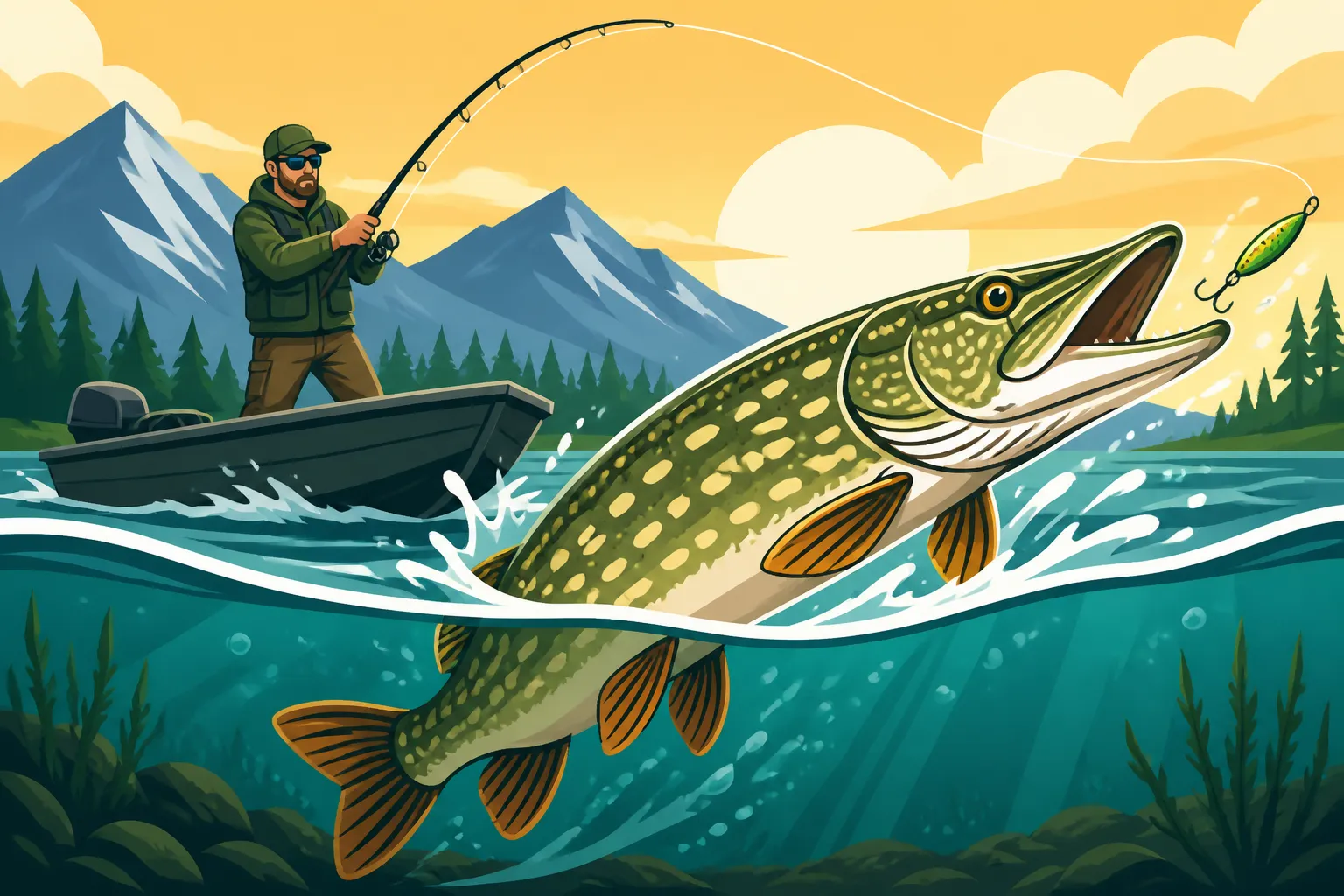
The thrill of chasing Alberta's northern pike is an experience unlike any other for anglers. These aggressive, toothy predators, often called "water wolves," provide incredible action and a serious challenge, but they can also be incredibly frustrating when you can't quite figure them out. This comprehensive guide is designed to cut through the confusion, offering deep insights into their habits, the best gear to use, proven techniques, and crucial conservation practices to help you consistently hook into these exciting fish across Alberta's diverse waters.
Understanding Northern Pike in Alberta: The Water Wolf
Northern pike (Esox lucius) are one of Alberta's most iconic sport fish, known for their ambush predation tactics and ferocious strikes. They're a dominant predator in many of our lakes and rivers, playing a vital role in the ecosystem. Understanding their fundamental characteristics is the first step to becoming a successful pike angler.
What Makes Pike So Unique
Pike possess a distinctive elongated, torpedo-shaped body, perfectly adapted for explosive bursts of speed. Their mouth is a formidable weapon, filled with hundreds of needle-sharp teeth angled backward, making escape nearly impossible once they clamp down. This dental arsenal is why wire or heavy fluorocarbon leaders are absolutely non-negotiable when targeting them. Beyond their physical prowess, pike are incredibly opportunistic feeders, often lying in wait in heavy cover, ready to ambush unsuspecting prey. They’re not just fish-eaters; they'll readily consume frogs, ducklings, and even small mammals that venture too close to the water's edge. This aggressive nature is what makes them so much fun to target, but also why they require a specific approach. If you're keen to learn more about these fascinating predators, check out our guide on Northern Pike Habits in Alberta Lakes.
Their coloration, typically olive green to yellow-green with bean-shaped spots, provides excellent camouflage amidst aquatic vegetation, allowing them to blend seamlessly into their surroundings before launching a surprise attack. While many anglers focus on size, even smaller "hammer handles" provide a memorable fight on appropriate tackle. Alberta is home to some truly massive pike, with specimens pushing into the 20-pound range not uncommon in certain waters. The possibility of hooking into a true monster is what keeps many of us coming back. Learning about their Northern Pike Growth Rate to Trophy Size can help you understand what kind of giants you might encounter.
Where to Find Northern Pike in Alberta
Pike are widespread across Alberta, inhabiting a vast array of water bodies from small prairie ponds to large northern lakes and slow-moving rivers. Generally, they prefer waters with ample weed growth, submerged timber, and other forms of cover that allow them to conceal themselves. These ambush points are critical to their hunting strategy. In larger lakes like Lesser Slave Lake or Lac La Biche, you'll often find them lurking along weed lines, adjacent to rocky points, or around submerged islands and shoals. Don't be afraid to explore expansive shallow bays with emergent vegetation – these are prime pike territory, especially during certain times of the year.
River systems like the North Saskatchewan River or the Athabasca River also hold significant pike populations, particularly in slower backwaters, oxbows, and areas where tributaries join the main flow. They often gravitate towards any current breaks that provide a resting spot while offering a clear view of passing prey. When scouting new waters, always look for areas with a good mix of shallow, weedy zones and slightly deeper water nearby. This allows pike easy access to feeding grounds and retreat options, making them feel secure. Even small sloughs and drainage ponds can hold surprising numbers of pike, often providing excellent action if you're willing to explore off the beaten path.
When Northern Pike are Most Active
Pike can be caught year-round in Alberta, but their activity levels fluctuate significantly with water temperature and spawning cycles. Generally, they are most active during periods of cooler water, typically in spring and fall. Spring, shortly after ice-off, sees pike moving into shallow, warmer waters for spawning. Post-spawn, they remain in these shallower areas, actively feeding to recover energy, offering some of the best fishing of the year. During summer, as water temperatures rise, pike in many lakes will often retreat to deeper, cooler water or seek out dense weed beds and shady areas to conserve energy. This doesn't mean they stop feeding, but their bite can become more sporadic, often concentrated during dawn and dusk.
As fall approaches and water temperatures begin to drop, pike enter a pre-winter feeding frenzy, bulking up for the lean months ahead. This can be another fantastic time to target large, aggressive fish. Even in winter, under the ice, pike remain active predators, though their movements and feeding windows can be more confined. They'll often cruise basin edges, suspended baitfish schools, or the undersides of weed beds, offering exciting opportunities for ice anglers. The key is to understand these seasonal shifts and adjust your tactics accordingly. Our guide on Alberta Fishing Seasons by Zone and Month can provide more detailed insights into specific timings.
Essential Gear for Taming Alberta's Pike
Successfully targeting northern pike requires specific gear capable of handling their powerful runs and sharp teeth. Don't underestimate these fish; a flimsy setup will lead to heartbreak and lost lures. Investing in the right tools will not only increase your success rate but also ensure the safety of both you and the fish.
Rods, Reels, and Line Choices
For pike fishing, you generally want a medium-heavy to heavy power spinning or baitcasting rod, typically 6'6" to 7'6" in length. This provides the backbone needed to cast larger, heavier lures and to effectively fight a strong fish. A fast action tip is beneficial for quick hook sets and feeling subtle bites, while the robust mid-section handles the heavy load. Brands like St. Croix, Ugly Stik, and Shimano offer excellent options that can withstand the rigors of pike fishing without breaking the bank. For reels, a 3000-4000 series spinning reel or a baitcasting reel with a good drag system is ideal. Ensure your reel holds enough line and has a smooth drag that won't lock up when a big pike decides to run. You can find some great deals on durable rods and reels suitable for pike fishing on Amazon.
When it comes to line, braided line is a game-changer for pike. Its zero stretch properties offer superior sensitivity, allowing you to feel every bump and subtle take, and its incredible strength provides confidence when battling fish in heavy cover. A braided line in the 30-50 lb test range is a good starting point. However, direct braid to lure is a recipe for disaster with pike teeth. You absolutely must use a leader. A good quality fluorocarbon leader of 40-80 lb test can sometimes suffice in clearer water or when pike are finicky, but for maximum tooth protection, a steel or titanium leader is truly the way to go. These come in various lengths, typically 6-12 inches, and are designed to prevent bite-offs. Don't skimp on your leader material; it's the weakest link in your system when facing those sharp choppers. If you're wondering about specific line weights, our guide on Best Line Weight for Pike Fishing offers more in-depth advice.
Pike-Specific Lures and Baits
Pike are not picky eaters, but certain lures are undeniably more effective. Large spoons, like the Daredevil or Williams Wabler, in vibrant colors such as red and white, orange, or chartreuse, are classic pike getters. Their wobbling action and flash mimic injured baitfish, triggering aggressive strikes. Spinnerbaits with large blades (Colorado or Willow Leaf) in sizes ranging from 1/2 oz to 1 oz are also incredibly effective, especially when worked through weeds. Their weedless design allows them to glide through cover where other lures would snag.
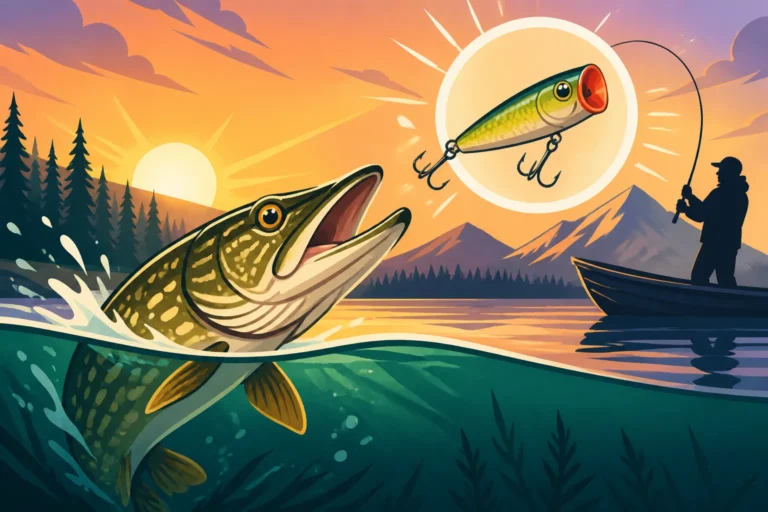
When it comes to soft plastics, large swimbaits (4-8 inches) or curly-tail grub-style baits rigged on heavy jig heads can be deadly, particularly when fish are holding deeper or when a more subtle presentation is required. Jerkbaits and lipped crankbaits that dive to different depths are also excellent choices, especially when retrieved with an erratic stop-and-go motion. Don't forget topwater lures, especially in late spring or early summer when pike are actively feeding in shallow, weedy areas. Large poppers, frogs, or walk-the-dog style baits can elicit explosive surface strikes that will get your heart pounding. For a deeper dive into the best choices, check out our article on the Best Lures for Northern Pike in Alberta.
| Lure Type | Best Conditions / Application | Recommended Sizes / Colors | Pros | Cons |
|---|---|---|---|---|
| Spoons | Clear to stained water, open areas, trolling | 3/4 oz – 1.5 oz; Red/White, Orange, Silver, Gold | Excellent flash, castability, simple retrieve | Can pick up weeds easily, not ideal for heavy cover |
| Spinnerbaits | Weedy areas, shallow water, medium retrieve | 1/2 oz – 1 oz; Chartreuse, White, Black/Blue, Bright combinations | Highly weedless, good vibration, triggers reaction strikes | Less effective in very clear, deep water; can get tangled in current |
| Jerkbaits | Open water, shallow to mid-depths, erratic retrieve | 4-7 inches; Perch patterns, Firetiger, Chrome/Blue, Natural baitfish | Mimics dying baitfish, highly versatile, great for suspended pike | Requires specific retrieve style, prone to snagging in heavy cover |
| Swimbaits | Deeper water, slow retrieve, vertical jigging | 4-8 inches; Natural baitfish, White, Chartreuse | Realistic profile, effective on wary fish, good for various depths | Can be expensive, can tear easily on pike teeth if not rigged well |
| Topwater Lures | Shallow, calm, weedy areas, low light | Large poppers, frogs; Natural frog/mouse, white, chartreuse | Explosive, visual strikes, exciting | Limited to specific conditions, less effective in rough water |
Crucial Accessories for Pike Anglers
Beyond rods and reels, a few crucial accessories will make your pike fishing experience safer and more efficient. First and foremost, a long-nosed pair of pliers or a dedicated hook remover is essential. Pike have rows of sharp teeth, and reaching in with bare hands is asking for trouble. These tools allow for safe and quick hook removal, minimizing stress on the fish. You can find excellent options for these on Amazon, often in combination packs.
A landing net is another invaluable tool, especially for larger pike. Choose a net with a rubberized or knotless mesh to protect the fish's slime coat and fins. Landing a thrashing pike boat-side or bank-side is much easier and safer with a good net. Similarly, a fish gripper (e.g., Boga Grip style) can be incredibly useful for controlling a landed pike, especially for quick photos and release. These grippers allow you to secure the fish by the lower jaw without harming it, keeping your hands away from those teeth. Always ensure your gripper is rated for the size of fish you expect to catch. Lastly, don't forget the basics: a good pair of polarized sunglasses to cut glare and spot structure or fish, a wide-brimmed hat, and appropriate sun protection. Safety first!
Proven Techniques for Landing Alberta Pike
Northern pike are aggressive, but they're not always easy. Employing the right techniques at the right time can significantly improve your chances of success. It's often about understanding their predatory instincts and how to best trigger a strike.
Casting and Retrieving Strategies
Casting and retrieving is arguably the most common and versatile method for targeting pike. The key is to cover water effectively and present your lure in a way that mimics an injured or fleeing baitfish. Start by fan-casting an area, working from shallow to deep, or along weed lines and structure. Pay close attention to any current breaks, submerged logs, or rock piles—these are prime ambush spots. Vary your retrieve speed: sometimes a slow, steady retrieve is best, other times a fast, erratic retrieve with pauses can trigger a reaction strike. Many anglers find success with a "stop-and-go" retrieve, allowing the lure to fall briefly before reeling again, mimicking a struggling fish.
When casting, aim past your target structure and retrieve your lure so it passes directly through or just alongside the likely hiding spot. For example, if you're targeting a weed edge, cast parallel to it and work your lure just above or through the outer fringe of the weeds. Don't be afraid to experiment with different lure types and retrieve patterns until you find what the pike are responding to on a given day. Sometimes, a subtle change in color or lure size can make all the difference. Remember, pike are visual predators, so presentation matters. A lure that looks natural or distressed is often irresistible.
Trolling for Deepwater Giants
While casting is effective in shallower areas, trolling can be a highly productive method for covering vast expanses of water and targeting deeper-holding pike, especially in large lakes like Cold Lake or Lac La Biche during the summer months. Trolling allows you to present lures at consistent depths and speeds over prolonged periods, increasing your chances of encountering active fish. Use large crankbaits or spoons that are designed to run deep. Pay attention to your boat speed; generally, a slow to moderate speed (2-4 mph) is effective, but sometimes speeding up or slowing down briefly can entice a hesitant pike.
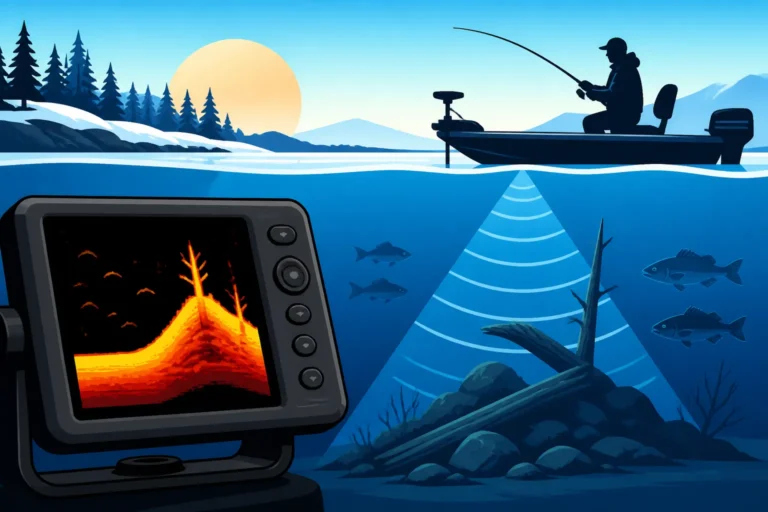
When trolling, focus on areas where baitfish are likely to congregate, such as sudden depth changes, submerged humps, or the deep edges of weed beds. A good fish finder is invaluable here, helping you identify structure and baitfish schools. Don't be afraid to run multiple lines at different depths if allowed by regulations, using planer boards to spread your lures out and cover a wider area. This method is particularly effective for locating schools of suspended pike that might be feeding on ciscoes or other pelagic baitfish. Keep an eye on your rod tips for any subtle changes in action, as pike can sometimes "load up" on a trolled lure without a dramatic strike.
Navigating Weedy Havens and Structure
Pike love cover, and mastering how to fish these dense areas is crucial. Weed beds, lily pad fields, submerged brush piles, and fallen trees all offer excellent ambush points. The challenge, of course, is fishing them without getting constantly snagged. This is where weedless lures like spinnerbaits and soft plastic swimbaits rigged weedless truly shine. They allow you to cast directly into the heart of the cover where pike are lurking, without losing your lure. When fishing heavy cover, a strong rod and braided line are non-negotiable, as you'll need the power to pull fish out quickly before they can bury themselves deeper.
When working around submerged timber or brush, try casting along the edges first, then gradually work your way closer. Remember that pike often hold just on the edge of the cover, waiting for prey to pass by. If you do get snagged, try to gently work your lure free rather than just pulling hard, which can embed hooks further. Sometimes approaching the snag from a different angle can help. For lily pad fields, try buzzing topwater lures over the pads or working weedless jigs through the openings. Patience and persistence are key when fishing these challenging but highly productive areas. You can also explore Topwater Fishing for Pike in Alberta for more specialized tactics.
Seasonal Pike Fishing Strategies
Pike behavior shifts with the seasons, and adapting your approach is vital for consistent success throughout the year in Alberta. From the first thaws to the depths of winter, understanding these patterns will put more fish in your net.
Spring Pike Action: Post-Spawn Frenzy
Spring, particularly after ice-off, offers some of the most accessible and exciting pike fishing. As the ice melts, pike move into shallow, warmer bays, tributary mouths, and flooded marshy areas to spawn. While it's important to respect their spawning period, shortly after they've completed their reproductive duties, they enter a period of intense feeding to recover energy. This "post-spawn frenzy" is a prime time to target active fish. Look for shallow, dark-bottomed bays that warm up quickly, especially those with emerging weeds or leftover dead vegetation from the previous year.
During this time, pike are often aggressive and will readily strike a variety of lures. Large spoons, spinnerbaits, and shallow-diving crankbaits in bright colors are excellent choices. Concentrate your efforts in water ranging from 2-8 feet deep. A slow to medium retrieve is often best, as the water is still cool, and pike may not be willing to chase a fast-moving lure far. This is also a fantastic time for shore anglers, as many pike will be within casting distance from accessible banks. For more specific techniques, refer to our article on Best Techniques for Early Spring Pike.
Summer Pike: Adapting to Warm Water
As summer progresses and water temperatures rise, pike behavior changes. In many lakes, the largest pike will often retreat from the warmest shallows to deeper, cooler water. They'll relate to structure such as deep weed lines (10-20+ feet), submerged humps, rock piles, or thermoclines where cooler, oxygenated water is available. However, smaller "hammer handle" pike will often remain in shallower weed beds, especially during low light conditions or if there's sufficient overhead cover. Fishing during the cooler parts of the day – dawn and dusk – often yields the best results during summer.
For deep-holding pike, trolling with large crankbaits that dive to specific depths, or vertical jigging with heavy spoons or large soft plastics, can be effective. When targeting shallow, weedy areas, focus on the densest cover. Use weedless lures like spinnerbaits, weedless rigged swimbaits, or even topwater frogs and poppers over lily pads or dense mats of vegetation during early morning or late evening. Pike in summer can sometimes be finicky, so varying your retrieve and trying different presentations is key. A slow, methodical approach can often coax a strike from a lethargic pike hunkered down in the cool depths.
Fall Pike: The Pre-Winter Feast
Fall is another outstanding season for northern pike fishing in Alberta. As air and water temperatures begin to drop, pike senses a change coming and enters a period of aggressive feeding to build up fat reserves for winter. This "pre-winter feast" often means pike are less selective and more willing to chase down lures. They will often move back into shallower areas that still hold baitfish, but also aggressively hunt open water. Look for them along the deeper edges of weed beds, rocky points, and submerged structure.
Large, flashy lures that mimic substantial baitfish are often most effective. Big spoons, oversized spinnerbaits, and large jerkbaits in natural baitfish patterns or bright, attention-grabbing colors are excellent choices. Trolling can be particularly effective in fall as pike often roam wide areas searching for schools of perch or whitefish. Cast to prominent points and transitions where shallow water meets deep, as pike will use these as highways to intercept bait. The cooler water temperatures mean pike will fight even harder, making fall fishing an exhilarating experience.
Ice Fishing for Northern Pike
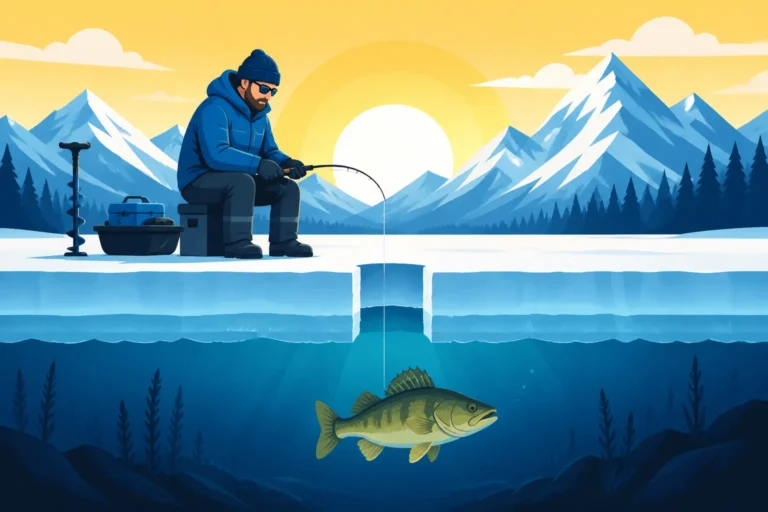
Don't hang up your pike gear when the snow flies! Ice fishing for northern pike is incredibly popular and productive in Alberta. Pike remain active predators under the ice, often cruising vast areas in search of food. They can be found near shallow, green weed beds (if available), along steep drop-offs, or suspended in the water column following schools of baitfish. A portable ice shack and a reliable ice auger are essential for staying comfortable and mobile.
Tip-ups are a classic and highly effective method for ice fishing pike. Rig them with a large minnow (live or dead, depending on regulations) suspended at various depths, often just off the bottom or near the top of the weed line. Jigging with large spoons, swimbaits, or heavy soft plastics can also draw strikes. Active jigging involves raising and dropping your lure aggressively, creating flash and vibration, while sometimes a more subtle, vertical jigging motion is required. Make sure to use stout ice fishing rods and strong line with a good leader. Keep moving until you find active fish, and be prepared for a powerful fight that can test your drag and your gloves! If you're new to the sport, our general guide on Ice Fishing in Alberta offers some great starting points.
Catch and Release Best Practices for Pike
Northern pike are incredibly resilient fish, but proper catch and release techniques are crucial for ensuring their survival, especially for the larger, older fish that contribute significantly to the fishery. Practicing good handling techniques helps maintain healthy pike populations for future generations of anglers.
Minimizing Harm and Stress
When you hook a pike, try to land it as quickly as possible to minimize the fight time and exhaustion. A prolonged fight, especially in warm water, can be detrimental to the fish's recovery. Once landed, avoid dragging the fish over rough surfaces like rocks or gravel, as this can remove its protective slime coat, making it susceptible to disease. Always handle pike with wet hands, or better yet, use a rubberized landing net or a fish gripper for control. Keeping the fish in the water as much as possible is the golden rule. Only lift it from the water for a quick photograph, and always support its body horizontally to avoid damage to its internal organs or spine.
Even if you intend to keep a legal pike, knowing how to quickly and humanely dispatch it is important. However, for those trophy-sized fish, the future of the fishery relies on their successful release. Be prepared before you even cast a line with the right tools, and have a plan for how you'll handle the fish once it's in your possession. Patience and a calm demeanor go a long way in ensuring a stress-free experience for the pike.
Proper Handling Techniques
Handling a toothy pike requires caution and the right tools. Never, ever stick your fingers into a pike's mouth. Use long-nosed pliers or a dedicated hook remover to dislodge hooks. If the hook is deeply set and can't be removed quickly without causing extensive damage, it's often better to cut the line as close to the hook as possible. Hooks made of plain carbon steel will eventually rust away. When holding a pike for a photo, support its body horizontally with one hand under its belly and the other gently gripping the base of its tail or using a fish gripper on its lower jaw. Avoid vertical hangs, especially for large, heavy fish, as this can cause irreversible internal damage.
For a quick release, gently turn the pike upside down (or on its side) in the water. This often calms them down, making hook removal easier. Once the hook is out, hold the fish gently in the water, facing into any current if present, and allow it to recover on its own. It will often kick strongly when it's ready to swim away. Don't simply toss it back; ensure it has regained its strength and equilibrium before letting it go. This small effort makes a huge difference in its survival.
Essential Release Tools
Having the right tools at hand is paramount for effective catch and release. A good pair of long-nosed pliers (8-10 inches) or specialized de-hooking tools are non-negotiable. These allow you to reach deep into a pike's mouth and safely remove hooks without risking your fingers. Consider options made from stainless steel or aluminum for durability, especially for freshwater use. You can find many suitable choices on Amazon.
A rubberized landing net is also crucial. Unlike traditional knotted nylon nets, rubberized mesh protects the fish's delicate slime coat and prevents fins from getting tangled, which can cause significant injury. For large pike, a net with a wide hoop and deep basket is best. Finally, a fish gripper (like a Boga Grip or similar style) can be a lifesaver. These tools clamp onto the lower jaw of the pike, providing a secure hold without harming the fish, allowing you to control its head and keep your hands away from those teeth. Always keep these tools easily accessible on your boat or person when pike fishing.
Common Challenges and Troubleshooting
Even experienced pike anglers face challenges. From finicky fish to snags, knowing how to troubleshoot common issues can save a fishing trip from becoming a frustrating exercise.
Dealing with Finicky Pike
Sometimes, pike just won't bite. This can be incredibly frustrating, especially when you know they're in the area. Finicky pike often require a change in tactics. First, try slowing down your presentation. Instead of a fast, aggressive retrieve, switch to a slow roll with a swimbait or a subtle jigging motion with a soft plastic. Pike, like many predators, will sometimes respond better to an easy meal rather than a chase. Second, consider changing the size or color of your lure. If bright, flashy lures aren't working, try a more natural baitfish pattern or a smaller, more subtle offering. Sometimes, going to a smaller profile can trigger a bite.
Another strategy is to change the depth you're fishing. If you're targeting shallow weeds, try casting to the deeper edge or vice versa. Pike might be holding deeper or shallower than you anticipate due to factors like water temperature, light penetration, or pressure changes. Finally, if you're certain pike are present but simply won't commit, sometimes a complete change in lure type is necessary. Switch from a spoon to a spinnerbait, or a crankbait to a soft plastic. Persistence and experimentation are your best friends when dealing with finicky pike.
Handling Snags and Break-offs
Snags are an inevitable part of pike fishing, especially when targeting them in their preferred weedy or woody cover. The best way to deal with snags is to try and prevent them in the first place by using weedless lures or fishing areas appropriate for your lure choice. However, when a snag does occur, resist the urge to just pull hard. Often, this just buries the hooks deeper. Instead, try slack-lining your lure – give it some slack, then gently twitch your rod tip. Sometimes the lure will float free. If fishing from a boat, you can often motor over to the snag and approach it from a different angle, which can help free your lure. A lure retriever tool can also be a valuable investment for saving expensive lures.
Break-offs, particularly due to pike teeth, are a sign that your leader isn't sufficient. If you're consistently getting bitten off, it's time to upgrade your leader material (e.g., from fluorocarbon to a heavier steel or titanium leader) or increase its length. A proper knot (like a Palomar or improved Clinch knot) is also crucial, as a poorly tied knot is a common point of failure. Always check your line and leader for any nicks or abrasions after catching a fish or a snag. A small nick can quickly lead to a break-off on the next fish.
Adapting to Weather and Water Conditions
Pike, like all fish, are influenced by environmental factors. High pressure systems (clear skies, calm winds) can sometimes make pike less active, pushing them deeper or into denser cover. During these times, a slower, more subtle presentation often works best. Conversely, low pressure systems (overcast skies, light rain, wind) can often trigger an aggressive bite, as pike feel more secure under cloudy conditions and the choppier water can break up their silhouette.
Water clarity is another major factor. In clear water, pike can be more wary, requiring longer casts, lighter leaders, and more natural lure colors. In stained or murky water, bright, flashy colors (chartreuse, orange, firetiger) and lures that produce strong vibrations (spinnerbaits, lipless crankbaits) are often more effective to help pike locate your offering. Water temperature, as discussed in the seasonal strategies, dictates their depth and activity levels. Always pay attention to the conditions on the water and be prepared to adjust your tactics accordingly. Flexibility is key to consistent success.
Alberta Regulations and Conservation Efforts
Responsible angling is about more than just catching fish; it's about ensuring the sustainability of the resource for everyone. Understanding and adhering to Alberta's fishing regulations is not just a legal requirement but a crucial part of conservation.
Understanding Bag Limits and Sizes
Alberta's fishing regulations are designed to manage fish populations and ensure healthy fisheries. For northern pike, this means specific bag and possession limits, and sometimes size restrictions, which can vary significantly by water body and management zone. For example, some lakes might have a "zero possession" limit for pike, meaning all caught fish must be immediately released. Others might have a "one over a certain size" rule, or a slot limit, where only pike within a specific length range can be kept. It is your responsibility as an angler to know the specific regulations for the water body you are fishing before you cast your first line.
The official Alberta Guide to Sportfishing Regulations is your bible. It's updated annually and available online through the MyWildAlberta portal. You can also pick up a physical copy at many outdoor retailers. Ignoring these rules can lead to significant fines and penalties, and more importantly, it can harm the very fish populations we all enjoy. Always carry a measuring tape and be familiar with how to properly measure a fish from the tip of its nose to the tip of its tail (with lobes pinched). For a comprehensive overview, our guide on Alberta Bag and Possession Limits by Species is a must-read.
Conservation for Future Generations
Beyond simply following the rules, true conservation involves practicing ethical angling at all times. This means using proper catch and release techniques for any fish you don't intend to keep (or those that fall outside legal limits), minimizing your impact on fragile ecosystems, and being mindful of other anglers and wildlife. Alberta's pike fisheries face pressures from habitat loss, pollution, and overfishing in some areas. By consciously choosing to release trophy-sized pike, you're allowing them to continue spawning and contributing their superior genetics to the population.
Consider participating in local conservation initiatives or reporting any suspicious activity (like poaching or environmental damage) to Alberta Environment and Protected Areas. Many organizations, like the Alberta Conservation Association, work tirelessly to improve fish habitat and educate anglers. By being a responsible steward of our aquatic resources, we ensure that the thrill of catching a powerful northern pike remains a cherished experience for generations to come. Learning about Alberta Fishing Regulations Explained will give you a deeper understanding of the importance of these rules.
Disclaimer
Please note that fishing regulations in Alberta are subject to change. Always consult the most current Alberta Guide to Sportfishing Regulations before heading out to fish. This guide is for informational purposes only and should not replace official government resources.