Panfish Fishing in Alberta
Many anglers coming to Alberta dream of landing a monstrous northern pike or wrestling with a trophy Bow River rainbow trout. And while those experiences are absolutely incredible, it's easy to overlook a different kind of fishing that offers immense fun, accessibility, and often, a delicious reward: panfish. If you're looking for a relaxed day on the water, a great way to introduce kids to fishing, or simply want to bring home a tasty meal, this comprehensive guide will walk you through everything you need to know about panfish fishing in Alberta.
Understanding Alberta's Panfish Species
When we talk about "panfish" in Alberta, we're generally referring to smaller, schooling fish that are abundant, relatively easy to catch, and, as the name suggests, fit perfectly in a frying pan. They might not offer the same drag-screaming fight as a large lake trout, but what they lack in size, they more than make up for in sheer numbers and consistent action. They're the unsung heroes of many a family fishing trip.
Yellow Perch: The Ubiquitous Favourites
Without a doubt, the yellow perch is Alberta's most popular and widespread panfish. You'll find them in countless lakes, ponds, and even slower-moving river sections across the province. They're easily identifiable by their distinctive vertical bars, bright yellow sides, and often reddish-orange fins. Perch are schooling fish, which means if you catch one, there's a very good chance there are many more in the immediate vicinity. This makes them incredibly exciting targets, as you can often find yourself reeling in fish after fish in quick succession.
They are quite aggressive eaters, especially during certain times of the day, and will readily strike at a wide variety of baits and small lures. This makes them an excellent species for beginner anglers and children, who can quickly gain confidence with consistent bites. Many anglers also appreciate perch for their firm, flaky white meat, making them a highly sought-after table fish. Yellow Perch in Alberta Lakes can grow to a respectable size, offering a good fight on light tackle, though their average size typically ranges from 6 to 10 inches.
Lake Whitefish: The Often-Overlooked Panfish
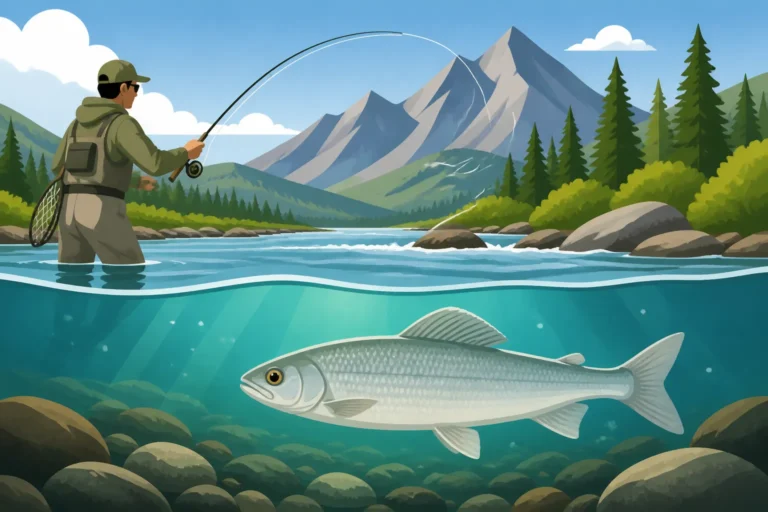
While perhaps not the first fish that comes to mind when you hear "panfish," lake whitefish certainly fit the bill in terms of size, abundance, and excellent table fare. These fish are common in many of Alberta's larger, deeper lakes, especially those in the central and northern regions. They have a more streamlined, silvery body compared to perch, with smaller mouths, which can make them a bit trickier to hook. Whitefish are often found deeper in the water column, especially during the warmer months, feeding on insect larvae, small crustaceans, and other bottom-dwelling organisms.
Anglers often stumble upon whitefish while targeting other species, but intentionally pursuing them can be very rewarding. They offer a strong, steady fight and are highly regarded for their rich, delicate flavour. While they can grow much larger, the "panfish" sized whitefish, typically under 16 inches, are plentiful and provide fantastic angling opportunities, especially through the ice. Understanding their habits and preferred depths is key to consistent success. Lake Whitefish in Alberta Lakes are a fantastic species to add to your panfish repertoire.
Other Panfish Opportunities
Beyond perch and whitefish, Alberta offers a few other species that can provide that panfish-style fun, even if they aren't strictly classified as "panfish" in every biological definition. Burbot, for example, are a unique freshwater cod relative found in many of Alberta's larger, deeper lakes and rivers. While they can grow quite large, smaller burbot are common and can be caught using panfish-like techniques, especially when ice fishing. They're often overlooked but provide excellent eating. Burbot Fishing in Alberta is a unique experience, and landing a few smaller ones can definitely fill a pan.
Then there are species like goldeye, found primarily in the province's larger rivers. These shimmering, fast-biting fish are aggressive feeders and provide fantastic action on light tackle. While bony, their smoked flavour is highly prized. Even smaller walleye and northern pike, particularly in waters with high populations, can offer "panfish" style action and eating if they fall within legal size and possession limits. The key is that these species are numerous, often school, and are accessible for many anglers looking for consistent bites.
Where to Find Panfish in Alberta
One of the greatest advantages of panfish fishing is that you don't always need to venture into remote wilderness areas to find them. They thrive in a diverse range of habitats, often closer to home than you might think. From bustling urban lakes to quiet backcountry ponds, panfish are remarkably adaptable.
Lakes and Ponds: Prime Panfish Habitat
The vast majority of Alberta's panfish are found in its numerous lakes and ponds. Yellow perch, in particular, are incredibly widespread, inhabiting everything from small, shallow sloughs to large, deep reservoirs. When looking for perch in a lake, focus on areas with structure. This could mean weed beds, submerged logs, rocky points, drop-offs, or even man-made structures like docks and pilings. These areas provide cover from predators, ambush points for feeding, and a good supply of their preferred forage. Early in the season or during warmer months, perch often cruise the shallower weed lines, moving deeper as the day progresses or water temperatures rise.
Lake whitefish, on the other hand, typically prefer the cooler, deeper waters of larger lakes. They are often found suspended over deeper basins, or feeding along gradual slopes and bottom contours. Popular lakes like Gull Lake, Pigeon Lake, and Lesser Slave Lake are renowned for both their perch and whitefish populations. Always check local regulations, as some lakes might have specific rules for different species.
Rivers and Streams: Lesser-Known Panfish Haunts
While not as dominant as in lakes, panfish, particularly yellow perch and goldeye, can certainly be found in Alberta's rivers and larger streams. In rivers, look for slower-moving sections, back eddies, oxbow lakes, and areas where tributaries join the main flow. These spots often provide calmer water and accumulation of food sources, making them attractive to panfish. Perch will often tuck into submerged vegetation along riverbanks or behind current breaks.
Goldeye are a prime river panfish, often found in the Bow River, Red Deer River, and North Saskatchewan River systems. They prefer turbid, warm waters and will readily hit small jigs or bait presentations. Fishing from shore or a small boat in these river sections can yield surprising results. While rivers generally conjure images of trout, taking a lighter approach can reveal a vibrant panfish community.
Local Stocked Ponds: Beginner-Friendly Spots
For those just starting out, or families with young children, Alberta's numerous stocked ponds are an absolute godsend. Many urban and rural ponds are regularly stocked with rainbow trout and, in some cases, yellow perch, specifically to provide accessible fishing opportunities. These ponds are often well-maintained, have easy shore access, and sometimes even feature fishing piers or platforms. They are designed to be "put-and-take" fisheries, meaning the fish are there to be caught.
These ponds offer a fantastic low-pressure environment to learn the ropes of panfish fishing. You don't need fancy gear, and the fish are typically quite eager to bite. Think of places like those found in the Calgary or Edmonton areas, or smaller community ponds throughout the province. Always check the Alberta Guide to Sportfishing Regulations for specific pond rules, as some might have bait restrictions or specific catch limits. They are an ideal place to get a consistent bent rod and build confidence before heading out to larger, more challenging waters.
Essential Gear for Panfish Anglers
One of the most appealing aspects of panfish fishing is that you don't need to break the bank on high-end, specialized equipment. Simplicity and lightness are often key. In fact, many successful panfish anglers use gear that's quite affordable and readily available, making it a perfect entry point for new enthusiasts.
Rods, Reels, and Line: Keeping it Light
For panfish, the mantra is "light and sensitive." You want to feel those subtle nibbles and enjoy the fight of even a small fish. A light or ultralight spinning rod, typically 5 to 6.5 feet in length, is ideal. These rods have a delicate tip that allows you to detect the faintest bite, yet enough backbone to cast small lures and handle a surprising panfish. Pair this with a small spinning reel (size 500 to 1000 series) spooled with light line. Monofilament line in 2 to 6 lb test is perfect – it's forgiving, has a bit of stretch, and is largely invisible underwater. Braided line can also be used for increased sensitivity and casting distance, but you'll want to add a fluorocarbon leader for stealth.
The beauty of light tackle is that it makes even a 6-inch perch feel like a feisty fighter. It's a fantastic way to maximize the fun, especially when you're targeting multiple fish. You don't need anything custom-made; many reputable brands offer excellent entry-level combos that are perfect. You can often find a fantastic beginner setup on Amazon that will serve you well for years of panfish adventures. If you're looking for a good starting point, check out resources like Best Rod and Reel Combo for Beginners to guide your selection.
Baits and Lures: Small Delights
Panfish, by nature, have smaller mouths and often feed on smaller prey. This means your bait and lure selections need to reflect that. Live bait is incredibly effective, and often the easiest way to guarantee bites. Small pieces of worm (like nightcrawlers), mealworms, maggots, or even corn are all excellent choices for yellow perch and other panfish. Simply put a small piece on a tiny hook (size 8 to 14) and present it under a bobber or on a light bottom rig.
When it comes to artificial lures, again, think small. Tiny jigs (1/32 to 1/8 ounce) tipped with a small plastic grub, tube, or a piece of scented soft bait are deadly. Micro spoons and small inline spinners (size 0 or 1) can also be very effective, especially for more active fish. For lake whitefish, small jigs tipped with a maggot or piece of shrimp, fished near the bottom, are a common and successful tactic. Having a variety of small baits and lures on hand will allow you to experiment and find what the fish are keying on that particular day. For a great selection, many anglers swear by browsing the vast array of micro jigs and panfish plastics available through retailers like Amazon. For more detailed bait advice, explore articles such as Best Baits for Walleye on Lesser Slave Lake, many of which apply to panfish in general.
Essential Accessories: The Little Things that Matter
Beyond your rod and reel, a few key accessories will significantly enhance your panfish fishing experience. A small tackle box or bag to keep your hooks, sinkers, bobbers, and lures organized is crucial. A pair of small pliers or forceps is invaluable for removing hooks, especially from smaller fish. A stringer or cooler with ice is essential if you plan on keeping your catch for dinner.
For those fishing from shore or in a small boat, a small portable stool or comfortable seat can make a big difference over a long day. If you're fishing with kids, a simple bobber and some extra hooks are always a good idea. Don't forget sun protection – a hat, sunglasses (polarized ones help spot fish!), and sunscreen are always wise investments for sunny Alberta days on the water. A good pair of polarized sunglasses, for instance, is an easy addition to your kit, and can be found with a quick search on Amazon. Finally, always carry a measuring tape to ensure your fish meet any legal size requirements before keeping them.
Techniques for Catching Alberta Panfish
Catching panfish is often about presentation and patience, but also about understanding their feeding habits. Because they are often schooling fish and can be quite aggressive, once you find them, the action can be fast and furious. There are several effective techniques to entice these feisty little eaters.
Still-Fishing and Bobber Watching
Perhaps the most classic and relaxing way to catch panfish is still-fishing with a bobber. This technique is perfect for shore anglers, kids, or anyone who enjoys the visual thrill of a bobber disappearing under the water. The setup is simple: a small hook (size 8-14) baited with a piece of worm, a mealworm, or corn, a small split shot weight or two to get the bait down, and a bobber set to suspend your bait at the desired depth.
Cast your rig out near structure, weed lines, or drop-offs, and simply watch the bobber. Panfish often give a few tentative tugs before fully committing, making the bobber dance and dip. When it finally goes down and stays down, set the hook with a gentle sweep of the rod. This method is incredibly effective for yellow perch in almost any season and is fantastic for teaching new anglers how to detect bites and set hooks. Adjust the depth of your bobber regularly until you find where the fish are holding.
Light Jigging and Trolling
For more active fishing, especially from a boat or kayak, light jigging and slow trolling can be incredibly productive for panfish. Jigging involves using a small jig (1/32 to 1/8 ounce) tipped with a soft plastic or live bait, and repeatedly lifting and dropping it in the water column. This mimics a wounded baitfish or an insect falling through the water, irresistible to hungry panfish. Vertical jigging directly below the boat is effective when you've located a school on your fish finder, or when ice fishing. Cast-and-retrieve jigging, where you cast out and slowly retrieve the jig with small hops and pauses, works well along weed edges and shallower flats.
Slow trolling, particularly for lake whitefish, involves slowly moving your boat while dragging a small lure or bait rig behind it. Tiny spoons, small spinners, or even a worm harness can be effective. This allows you to cover a lot of water and find active schools of fish. For whitefish, trolling with a small jig or spoon at depths where they are known to congregate can be very successful. Both jigging and trolling require a bit more active participation, but can yield fantastic results once you dial in the depth and presentation.
Ice Fishing for Winter Panfish
When Alberta's lakes freeze over, the panfish action doesn't stop – it often intensifies! Ice fishing is one of the most popular ways to target yellow perch and lake whitefish in the colder months. These species remain active under the ice, often schooling in predictable locations. For ice fishing, you'll use specialized short rods and small reels, typically jigging through holes drilled in the ice. Best Ice Fishing Lakes in Alberta often hold fantastic panfish populations.
Tiny tungsten jigs, sometimes tipped with a maggot or a small piece of minnow, are incredibly effective. Small spoons or even specialized ice fishing plastics can also work wonders. The key is to vary your depth and jigging cadence until you find what the fish prefer. A portable fish finder or flasher is a game-changer for ice fishing, as it allows you to see your bait and any fish that approach it, giving you real-time feedback. Panfish through the ice can be incredibly cooperative, offering non-stop action on cold winter days. The experience of setting up an ice hut and pulling fish after fish through the ice is truly unique.
Seasonal Considerations for Panfish Fishing
Understanding how panfish behavior changes with the seasons is crucial for consistent success. While they are often willing biters, their preferred depths, feeding patterns, and locations will shift throughout the year in response to water temperature, oxygen levels, and spawning cycles.
Spring: Post-Spawn Feasts
Spring, particularly after the ice thaws and the water begins to warm, can be a fantastic time for panfish. Many species, including yellow perch, spawn in early spring as water temperatures rise, often in shallow, weedy areas. After spawning, they are often ravenously hungry and will feed aggressively to recover. This means they are often found in shallower waters, near the edges of weed beds, submerged brush, or rocky areas that warm up quickly.
Look for areas where new aquatic vegetation is starting to grow, as these provide both cover and a rich food source. Small jigs, worms under a bobber, or even slow-moving inline spinners can be deadly effective. The post-spawn period offers some of the most consistent action of the year, as the fish are actively feeding and still relatively concentrated in accessible areas. It's a prime time to target both numbers of fish and some of the larger individuals.
Summer: Steady Action and Early Mornings
Summer fishing for panfish can be excellent, but it often requires a bit more finesse and knowledge of their daily movements. As water temperatures rise, panfish in many lakes will move to deeper, cooler waters during the heat of the day. However, they will often move back into shallower areas during low-light periods, such as early mornings, late evenings, or on overcast days, to feed.
During the daytime, focus on deeper weed lines, the edges of drop-offs, submerged humps, and other structure in 10-25 feet of water. Vertical jigging or slowly trolling can be very effective in these deeper zones. In the mornings and evenings, try casting small lures or fishing live bait near the shallower weed beds and transitions where they move to feed. Summer offers steady action, but timing your trips to coincide with these feeding windows will greatly increase your success. It's also a great time for kayak fishing in Alberta, allowing you to access quiet coves and weed beds that might be harder to reach from shore.
Fall and Winter: The Ice Fishing Bonanza
As autumn approaches and water temperatures begin to drop, panfish become incredibly active again. They sense the coming winter and feed aggressively to build up fat reserves. This "fall bite" can be fantastic, often with fish found in similar locations to their summer haunts but potentially more concentrated. They will remain active until the ice sets in.
Once the lakes freeze, winter becomes a prime time for panfish, especially yellow perch and lake whitefish. Alberta Ice Fishing Season Dates generally run from December to March, depending on ice conditions. Under the ice, panfish often school tightly and will hold in predictable areas like deep basins, gradual slopes, or areas adjacent to significant structure. The lack of cover allows anglers with fish finders to pinpoint schools more easily. This is where those tiny tungsten jigs and small spoons truly shine. The colder water means the fish are often less spooky, and a good school can provide hours of non-stop entertainment. Best Techniques for Perch Through the Ice involves subtle jigging and scent.
Regulations and Conservation
Fishing in Alberta, even for common species like panfish, comes with important rules and responsibilities. Understanding these regulations and practicing good conservation habits ensures that these fantastic fisheries remain healthy and productive for generations to come. It’s not just about catching fish; it’s about being a steward of the environment.
Understanding Limits and Special Regulations
Every angler in Alberta needs a valid fishing license, unless they fall under specific exemptions like Alberta Youth Fishing License Exemption Under 16. This is the first and most fundamental step. Beyond that, the province's fisheries are managed with specific regulations that vary by water body and species. These rules are detailed in the annual Alberta Guide to Sportfishing Regulations, which is your go-to resource. You can often find a digital version on the provincial government website. It's not light reading, but it's essential.
For panfish, pay close attention to general provincial regulations, as well as any specific rules for the lake or river you are fishing. This includes:
- Bag Limits: The maximum number of fish of a certain species you can keep in a single day. For yellow perch, these limits can be quite generous in many waters, reflecting their abundance.
- Possession Limits: The total number of fish of a certain species you can have in your possession at any time, including those at home. This is often the same as the daily bag limit, but not always.
- Size Limits: For panfish, size limits are less common than for larger sport fish, but it’s always good to check. Some special regulations might encourage the harvest of smaller fish while protecting larger ones.
- Bait Bans: Some waters have bait bans, especially in designated trout streams or sensitive ecosystems. This means only artificial lures may be used. Always confirm before you head out.
Understanding Alberta Fishing Regulations Explained and Alberta Bag and Possession Limits by Species is crucial for a legal and responsible fishing trip.
Practicing Responsible Catch and Release
While panfish are often targeted for their delicious table fare, there will be times when you catch more than you need, or you catch fish that are too small or not of preferred eating quality. In these instances, practicing responsible catch and release is vital. Proper handling dramatically increases a fish's survival chances.
Here are some tips:
- Minimize Handling: Try to keep the fish in the water as much as possible. If you must handle it, do so gently with wet hands.
- Barbless Hooks: Consider using barbless hooks or pinching down the barbs on your hooks. This makes removal much easier and causes less damage to the fish's mouth. Alberta Barbless Hook Requirement Waters are common for trout but a good practice for all fish.
- Quick Hook Removal: Use pliers or forceps to quickly and carefully remove the hook. If the fish is deeply hooked, it’s often best to cut the line as close to the hook as possible, rather than trying to rip it out.
- Revive the Fish: If a fish seems sluggish, hold it gently in the water, facing into the current (if applicable), until it can swim away strongly on its own.
Invasive Species Awareness
Alberta's aquatic ecosystems are constantly under threat from invasive species. These non-native plants and animals can outcompete native species, introduce diseases, and drastically alter habitats, often to the detriment of our beloved fisheries. As anglers, we have a critical role to play in preventing their spread.
- Clean, Drain, Dry: This mantra is essential for anyone using a boat, kayak, or even waders.
- Clean: Remove all plants, animals, and mud from your boat, trailer, and gear.
- Drain: Drain all water from your boat (livewells, bilge, motor), tackle, and waders.
- Dry: Allow your boat and gear to thoroughly dry before moving to a new water body. Ideally, let it dry for at least 5 days.
- Never Transfer Live Bait: Do not transport live bait from one water body to another. If you've used minnows or worms that came into contact with a specific lake, dispose of them properly on land, not back into another water body.
- Report Sightings: If you spot an aquatic invasive species, such as zebra mussels, quagga mussels, or Prussian carp, report it to the provincial authorities immediately. Your vigilance can prevent widespread ecological damage.
Cooking and Enjoying Your Panfish Catch
After a successful day on the water, there's immense satisfaction in bringing home a fresh catch to prepare and share. Panfish, particularly yellow perch and lake whitefish, are highly regarded for their delicious flavour and firm, flaky texture. Preparing them doesn't have to be complicated, and some of the simplest methods are often the best.
Filleting and Preparing Your Fish
The first step to a tasty panfish meal is proper preparation. While smaller panfish can sometimes be cooked whole, filleting them usually results in a more enjoyable, boneless eating experience. Yellow perch are relatively easy to fillet due to their bone structure. Lake whitefish are a bit trickier because of their smaller bones, but with practice, you'll get the hang of it.
Start by laying the fish on its side. Make a cut behind the gill plate down to the backbone, then turn your knife and run it along the backbone towards the tail. Flip the fillet over and remove the rib bones, then carefully skin the fillet. Rinse the fillets in cold water and pat them dry with paper towels. Many anglers prefer to remove the "mud line" or dark red meat along the lateral line of some species, as it can have a stronger flavour, though for many panfish it's less pronounced.
Simple and Delicious Recipes
Panfish shine when prepared simply, allowing their natural flavour to come through. Here are a couple of classic, easy-to-make recipes:
Classic Fried Perch
This is probably the most popular way to enjoy yellow perch, and for good reason!
Ingredients:
- Yellow perch fillets
- 1 cup all-purpose flour
- 1/2 cup cornmeal (optional, for extra crispness)
- 1 tsp salt
- 1/2 tsp black pepper
- 1/2 tsp paprika
- Oil for frying (vegetable, canola, or peanut)
Instructions:
- In a shallow dish, combine flour, cornmeal, salt, pepper, and paprika. Mix well.
- Pat the perch fillets dry. Dredge each fillet generously in the flour mixture, ensuring it's fully coated.
- Heat about 1/2 to 1 inch of oil in a large skillet or cast-iron pan over medium-high heat until shimmering.
- Carefully place the coated fillets in the hot oil, ensuring not to overcrowd the pan.
- Fry for 3-4 minutes per side, or until golden brown and cooked through. The fish should flake easily with a fork.
- Remove the fillets and place them on a plate lined with paper towels to drain excess oil.
- Serve immediately with lemon wedges, tartar sauce, and your favorite side dishes.
Baked Whitefish with Herbs
For a lighter, healthier option that highlights the delicate flavour of lake whitefish, baking is an excellent choice.
Ingredients:
- Lake whitefish fillets
- 2 tbsp olive oil
- 1 clove garlic, minced
- 1 tbsp fresh parsley, chopped
- 1 tbsp fresh dill, chopped (or 1 tsp dried)
- Salt and pepper to taste
- Lemon wedges
Instructions:
- Preheat your oven to 400°F (200°C). Lightly grease a baking dish.
- Place the whitefish fillets in the prepared baking dish.
- In a small bowl, whisk together olive oil, minced garlic, parsley, and dill.
- Brush the herb and oil mixture evenly over the top of each fillet.
- Season generously with salt and pepper.
- Bake for 12-18 minutes, or until the fish is opaque and flakes easily with a fork. Cooking time will vary depending on the thickness of the fillets.
- Serve hot with fresh lemon wedges. This pairs wonderfully with roasted vegetables or a light salad.
Enjoying your hard-earned catch is the perfect culmination of a fantastic day spent panfish fishing in Alberta!
Disclaimer
This article is for general informational purposes only and does not constitute professional advice. Laws, prices and regulations vary by location and change over time. Consult a qualified professional for guidance on your specific situation.