Best Techniques for Panfish in Alberta
It's incredibly frustrating when you want to get out on the water, but all the advice seems to be about trophy trout or giant walleye, leaving you wondering how to even start with the smaller, more accessible fish. If you're looking to enjoy a relaxing day catching plenty of fish without needing specialized heavy tackle, panfishing in Alberta is your answer. This guide will walk you through everything you need to know, from identifying common panfish species to mastering the most effective techniques for reeling them in.
Understanding Alberta's Panfish Species
Before you cast a line, it helps to know who you're trying to catch! Alberta's panfish might not be the giants of the deep, but they offer incredible action and can be fantastic table fare, especially if you're looking for a fresh meal. They're often found in abundance and are generally quite eager to bite, making them perfect for beginners, kids, or anyone just wanting a laid-back day of fishing.
Common Panfish You'll Encounter
When we talk about "panfish" in Alberta, we're primarily looking at a few key species that are widespread and provide consistent action. These fish are called panfish because, well, they fit perfectly in a frying pan! They don't typically grow to massive sizes, but what they lack in individual weight, they make up for in sheer numbers and fighting spirit on light tackle.
- Yellow Perch: Without a doubt, the king of Alberta's panfish. Yellow perch are instantly recognizable by their distinct vertical bars and two dorsal fins. They're abundant in many lakes and slow-moving rivers across the province. Perch are schooling fish, so where you find one, you're likely to find many more. They are aggressive feeders and provide a satisfying tug on the line. Many anglers specifically target them for their delicious, firm white meat. They're often found around weed beds, submerged structures, and drop-offs. If you're looking for a specific guide, our article on Yellow Perch in Alberta Lakes dives deeper into their habits and preferred habitats.
- Lake Whitefish: While not always considered a "panfish" in the traditional sense, smaller lake whitefish certainly fit the bill for light tackle and delicious eating. They are found in many of Alberta's larger, cooler lakes, especially in the northern regions. They have a distinctive silvery body and a small, downward-pointing mouth adapted for bottom feeding. Whitefish can be a bit more finicky than perch but offer a great fight and are excellent table fare, often smoked or pan-fried.
- Cisco (Lake Herring): Similar to lake whitefish, cisco are often caught incidentally while targeting other species, but their smaller size and schooling nature make them a fun panfish target, especially for those who enjoy ice fishing. They are a silvery, elongated fish typically found in the open water of larger lakes. While not as common a target for panfrying as perch, they are often used as bait for larger predatory fish or can be pickled.
Knowing these species helps you tailor your approach. For instance, perch will likely be found in shallower, weedy areas, while whitefish might be suspended or on deeper flats.
Where Panfish Thrive
Panfish are quite adaptable, which is why they are so prevalent across Alberta. However, certain environments are like five-star resorts for them. Understanding these preferred habitats will significantly increase your chances of success. They generally prefer cooler, clear water but can tolerate a range of conditions.
- Lakes and Ponds: This is where you'll find the vast majority of Alberta's panfish populations. Large and small lakes, especially those with good weed growth, plenty of submerged structure (like fallen trees or rock piles), and varying depths, are prime panfish territory. Smaller, stocked ponds often hold abundant yellow perch.
- Slow-Moving Rivers and Backwaters: While not as common as in lakes, panfish can certainly be found in the calmer sections of rivers, oxbow lakes, and backwater sloughs. Look for areas with slower current, weed beds, and structure that provides shelter from the main flow. The North Saskatchewan River and Battle River, for example, have areas that can hold good populations of perch.
Remember, panfish are often prey for larger fish like northern pike and walleye, so they tend to stick close to cover where they can hide and ambush small invertebrates or minnows. This cover is your key to finding them!
Essential Gear for Panfishing in Alberta
You don't need to break the bank to get into panfishing. In fact, one of the beauties of it is how accessible and affordable the gear can be. While you can certainly spend a lot, a basic, reliable setup will serve you perfectly. The key is to think light, sensitive, and appropriately sized for smaller fish. Our guide to Best Tackle for Panfish offers even more specific recommendations.
Rod and Reel Combinations
For panfish, finesse is the name of the game. You want to feel every subtle nibble, and you want to give those smaller fish a fun fight without overpowering them immediately. This means ultralight to light action gear.
- Spinning Rods: A 5 to 6.5-foot ultralight or light action spinning rod is ideal. This length gives you good casting distance for small baits while maintaining excellent sensitivity. An ultralight rod will bend significantly even with a small perch, making the fight exciting. For example, a 6-foot ultralight Ugly Stik GX2 from Amazon is a popular, durable, and affordable choice.
- Spinning Reels: Pair your rod with a small spinning reel, typically in the 1000 to 2000 size range. This keeps the setup light and balanced. Look for a reel with a smooth drag system, as even small fish can make short runs, and a good drag prevents line breakage. The Pflueger President series, readily available on Amazon, is a fantastic option known for its smooth performance.
- Line: Spool your reel with 2 to 6-pound test monofilament or fluorocarbon line. Monofilament is a bit more forgiving with stretch and usually more affordable, while fluorocarbon offers less stretch for better sensitivity and is nearly invisible underwater. Braided line can also be used, but you'll almost always want to tie on a fluorocarbon leader for stealth and to prevent fish from seeing your bright main line.
Terminal Tackle and Baits
This is where the fun really begins – choosing what to tie on! Panfish aren't overly picky, but certain presentations work better than others.
- Hooks: Small hooks are crucial. Size 6, 8, or even 10 Aberdeen or baitholder hooks are perfect. Aberdeen hooks have a fine wire that straightens out before breaking if snagged, often allowing you to retrieve your hook.
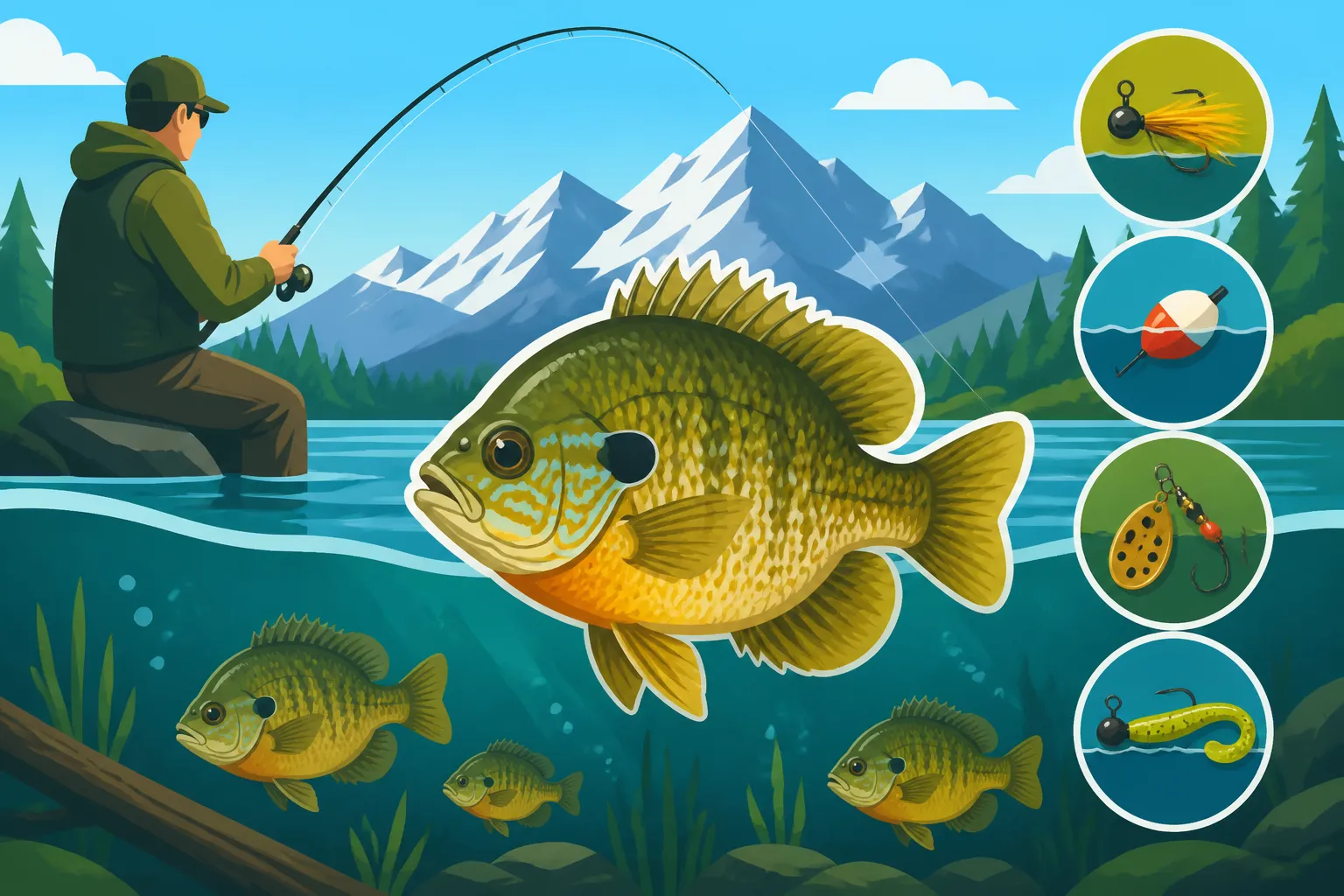
- Bobbers/Floats: Whether you call them bobbers or floats, these are essential for suspending your bait at a specific depth and indicating bites. Small, sensitive slip bobbers are fantastic, as they allow you to fish at any depth by adjusting a bobber stop. A small fixed clip-on bobber works well for shallower water.
- Sinkers: Small split shot sinkers are all you need. You'll use just enough weight to get your bait down to the desired depth and keep it there, without overpowering your bobber. Often, one or two tiny split shots are sufficient.
- Jigs: Tiny jigs, from 1/32 oz down to 1/64 oz or even smaller, are deadly for panfish. Marabou jigs, tube jigs, or small plastic grub tails on a jig head in colors like white, chartreuse, pink, or black are incredibly effective. You can tip these jigs with a small piece of bait for added attraction. For ice fishing, small tear drop or rat fink jigs are excellent. Check out our guide on Best Jig Weight for Perch Through the Ice for more specific ice fishing insights.
- Live Bait: This is often the most productive choice.
- Worms: A classic for a reason. Small pieces of nightcrawlers or garden worms are irresistible to perch.
- Maggots/Mealworms: These are fantastic, especially for ice fishing or when fish are finicky. They are small, lively, and often trigger bites when nothing else will. You can often find them at local tackle shops.
- Minnows: Small minnows (check regulations for bait fish use) can be highly effective, particularly for larger perch or if whitefish are present.
- Artificial Baits: Beyond jigs, small soft plastic baits like tiny grubs, larvae imitations, or micro-spoons can be very effective. Brands like Berkley PowerBait or Gulp! offer scented artificial worms and maggots that often fool even the most cautious panfish.
When preparing your tackle box, think organized and accessible. Many affordable tackle organizers can be found on Amazon to keep your small hooks and jigs tidy.
Top Techniques for Catching Panfish
Now that you've got your gear sorted, let's talk about how to actually get those panfish to bite. The great thing about panfish is that they often respond to simple, straightforward techniques. You don't need to be a pro angler to have a successful day.
Still Fishing with a Bobber
This is perhaps the most classic and relaxing way to catch panfish, perfect for anglers of all ages and skill levels. It's often referred to as "bobber fishing" for obvious reasons!
- The Setup: You'll use your light spinning rod, a small hook (size 8 or 10), a couple of tiny split shot sinkers, and a sensitive bobber. Attach your bobber about 1-3 feet above your hook. The depth will depend on where the fish are holding – start shallow (1-2 feet) and adjust deeper if you're not getting bites.
- The Bait: Thread a small piece of worm, a few maggots, or a mealworm onto your hook, ensuring the hook point is exposed. You want a small, natural presentation.
- The Cast and Wait: Cast your bait near structure like weed lines, docks, or fallen trees. Then, simply relax and watch your bobber. When a panfish bites, the bobber will dip, dance, or disappear completely under the water. Give it a second to ensure the fish has the bait, then a gentle lift of the rod to set the hook. This technique is incredibly effective for yellow perch in lakes like Sylvan Lake or Gull Lake.
Light Jigging
Jigging is a more active approach that can be incredibly effective, especially when fish are a bit deeper or less active, or during ice fishing season. It allows you to impart enticing action to your lure.
- The Setup: Use your ultralight rod with a small jig (1/32 to 1/64 oz) or a tiny spoon. You can tip the jig with a piece of worm, a maggot, or a small soft plastic for extra appeal.
- The Technique (Open Water): Cast your jig out and let it sink to the desired depth. Then, with short, subtle lifts and drops of your rod tip, you impart a dancing motion to the jig. Reel in the slack line as the jig falls. Panfish often strike as the jig is falling or just after it hits the bottom. Vary your retrieve speed and jigging motion until you find what the fish prefer.
- The Technique (Ice Fishing): This is where jigging truly shines for panfish. Drop your tiny jig or spoon through the ice hole. Once it reaches the desired depth, use very small, rhythmic twitches of your wrist to make the jig dance. Pay close attention to your line and rod tip for the slightest tap, as winter bites can be incredibly subtle. Many anglers use a small spring bobber on their rod tip to detect these light bites. For more on this, check out Best Techniques for Perch Through the Ice.
Fly Fishing for Panfish
While often associated with trout, fly fishing can be an incredibly fun and effective way to catch panfish, especially in smaller ponds and calmer waters. It offers a unique challenge and a delicate presentation.
- The Setup: A 2 to 4-weight fly rod is perfect, paired with a matching reel and floating fly line. You'll use a leader that tapers down to a fine tippet (4x to 6x).
- Fly Selection: Small, unweighted wet flies, nymphs, and even tiny dry flies can work wonders. Flies like small woolly buggers (black, olive), prince nymphs, pheasant tail nymphs, or even a tiny foam spider or ant pattern can be deadly.
- The Cast and Retrieve: Cast your fly near weed beds or structure. For nymphs and wet flies, allow them to sink a bit, then retrieve with slow, short strips, mimicking an insect swimming. For dry flies, simply let them drift naturally on the surface, occasionally twitching them gently. The visual strike of a panfish sipping a dry fly off the surface is incredibly exciting.
- Technique Variation: For deeper panfish, a strike indicator (a small bobber-like device) can be added to your leader to suspend a weighted nymph at a precise depth. This combines the visual strike detection of bobber fishing with the natural presentation of a fly.
Seasonal Considerations for Panfishing
Just like with any fishing, the time of year plays a significant role in where panfish are and how they behave. Adapting your techniques to the season will dramatically improve your success rate. After all, panfish aren't always in the same spots. Our comprehensive Best Time of Year to Fish in Alberta guide offers broader insights, but let's focus on panfish specifics.
Spring Fishing
As the ice melts and water temperatures begin to rise, panfish become incredibly active and hungry after a long winter.
- Pre-Spawn: In early spring, as ice-out occurs, panfish often move towards shallower bays and sun-warmed areas. They're looking for food to bulk up before spawning. Focus on the northern shores of lakes where the sun hits first, melting the ice and warming the water quicker. Use small jigs tipped with maggots or worms, or suspend live bait under a bobber.
- Spawning Season: Panfish typically spawn when water temperatures reach around 50-60°F (10-15°C). They will move into very shallow water, often around dense vegetation, brush piles, or flooded timber to lay their eggs. This is an excellent time for sight fishing with small jigs or even tiny dry flies if the water is clear. Be mindful of disturbing their spawning beds and practice catch and release to ensure future populations.
Summer Fishing
Summer brings warmer water and abundant food, but it can also push panfish to different locations.
- Early Summer: Similar to late spring, panfish are active in the shallows, especially during cooler mornings and evenings. Weed lines are still prime real estate.
- Mid-Summer Heat: During the hottest parts of summer, especially in the middle of the day, panfish in shallower lakes might move to slightly deeper, cooler water. Look for them along the edges of weed beds, at the first major drop-off, or around submerged structure like old stumps or rock piles. They might also suspend in the water column. Trolling a small jig or spinner can be effective for locating scattered schools. Fishing early mornings or late evenings often provides the best action.
- Targeting Deep Structure: Don't be afraid to fish deeper. Use a fish finder if you have one to locate schools of panfish near bottom structure or suspended in open water. Vertical jigging small spoons or drop-shot rigs with tiny baits can be highly effective in these situations.
Fall Fishing
Fall is a fantastic time for panfishing in Alberta. The water starts to cool, and panfish begin to feed heavily, packing on weight before winter.
- Feeding Frenzy: As the air cools, the surface water temperature drops, prompting panfish to move from deeper summer haunts back to shallower areas, especially if there's still green vegetation providing cover and food. They are often incredibly aggressive.
- Concentrated Schools: Panfish will start to school up in larger numbers in anticipation of winter. Look for them around main lake points, sharp drop-offs, and larger weed beds. Using a boat with a fish finder can really help locate these larger schools. Both still fishing with bait and active jigging can be highly productive.
Winter Ice Fishing
Alberta is known for its incredible ice fishing, and panfish, especially yellow perch, are a huge part of it. It's a completely different experience but can be incredibly rewarding.
- Early Ice: Just after the ice forms and is safe (at least 4 inches for foot travel), panfish can be found in relatively shallow water, often around the same areas they were in during late fall. They are usually quite active.
- Mid-Winter: During the coldest parts of winter, panfish might move to deeper basin areas, often suspending or congregating near the bottom on flats or subtle humps. Precision jigging with tiny jigs tipped with maggots or mealworms is key. A flasher or fish finder is invaluable for identifying schools and detecting subtle bites.
- Late Ice: As spring approaches and the ice begins to break up, panfish again move towards shallower, oxygenated areas, much like early spring. They'll be feeding aggressively before the spawn.
- Safety First: Always prioritize safety when ice fishing. Check ice thickness regularly. Know your limits and never venture out alone without letting someone know your plans. For more detailed safety information and techniques, our guide on Ice Fishing in Alberta is a must-read.
Remember to always check the Alberta Fishing Season Dates by Zone to ensure the waters you're fishing are open and to abide by local regulations.
Finding the Best Panfish Spots
Knowing the techniques is one thing, but knowing where to apply them is another. Finding panfish can sometimes feel like a treasure hunt, but by understanding their preferences, you can narrow down your search significantly.
Reading the Water for Structure and Cover
Panfish are generally drawn to structure and cover, as these areas provide both protection from predators and a food source. Think like a panfish: where would you hide, and where would you find your next meal?
- Weed Beds: This is perhaps the most crucial habitat for panfish. Submerged weeds, cattails, lily pads, and rushes provide shelter, oxygen, and a buffet of insects and small minnows. Focus your efforts on the edges of these weed lines, pockets within the weeds, or even casting over the top into open pockets. In lakes like Pigeon Lake or Wabamun Lake, extensive weed beds are common.
- Fallen Trees and Brush Piles: These natural structures are magnets for panfish. They offer excellent cover from predators and current, and wood often hosts insect larvae and other food sources. Cast your bait or jig as close to the submerged branches as possible without getting snagged.
- Docks, Piers, and Man-Made Structures: Any man-made structure in the water can also attract panfish. Docks provide shade and cover, and often have barnacles or algae growth that attracts smaller invertebrates. Bridge pilings and old submerged culverts are also worth investigating.
- Rock Piles and Boulders: Rocky bottoms or areas with scattered boulders offer crevices for panfish to hide in and often hold insect life. These can be particularly good for lake whitefish, which often forage on the bottom.
Depth and Location Strategies
The depth at which panfish hold will change throughout the day and year, depending on factors like sunlight, water temperature, and pressure.
- Shallow vs. Deep: Generally, panfish are found shallower in the spring and fall, and during low light conditions (early morning, late evening, overcast days) in the summer. During bright sunny days and the heat of summer, they will often retreat to deeper, cooler water or dense, shady cover. Don't be afraid to experiment with different depths until you find where the fish are active.
- Drop-Offs and Contours: The transition zones from shallow flats to deeper water, known as drop-offs, are highways for fish. Panfish will often stage along these edges, moving up into the shallows to feed and retreating to deeper water for safety. Look for these changes in depth using a depth finder or by observing the shoreline (a steep bank on shore often indicates a steep drop-off underwater).
- Open Water Schooling: Sometimes, especially in larger lakes, panfish like cisco and even perch will suspend in open water, feeding on plankton or baitfish. This is particularly true for ice fishing or when using a boat with a fish finder. If you see baitfish on your sonar, panfish might not be far behind.
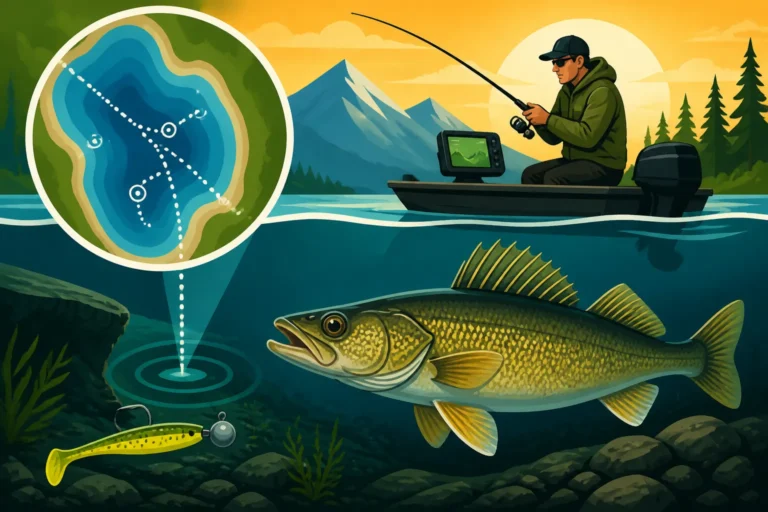
Don't forget to leverage tools like your fish finder, if you have one, to mark schools of fish or interesting underwater structures. Even simple contour maps of lakes can give you a huge advantage by highlighting potential holding areas.
Responsible Angling and Conservation
While panfish are abundant, it's crucial to practice responsible angling to ensure healthy populations for future generations of anglers. Every catch is an opportunity to appreciate Alberta's beautiful natural resources. Always remember that possessing an Alberta Fishing License Guide for 2026 is a non-negotiable requirement for all anglers (with a few specific exemptions like youth under 16, covered in Alberta Youth Fishing License Exemption Under 16, or seniors 65+ in Alberta Senior Fishing License Exemption at 65).
Understanding Regulations and Limits
Alberta's fishing regulations are designed to protect fish populations and habitats. It's your responsibility to know and follow them.
- Alberta Guide to Sportfishing Regulations: This guide, available online through MyWildAlberta or at tackle shops, is your bible. It outlines general regulations, but also specific rules for each waterbody, including size limits, bag limits, and special harvest restrictions. Always check the specific regulations for the lake or river you are fishing. For example, our Alberta Bag and Possession Limits by Species article provides a detailed breakdown.
- Bag and Possession Limits: These specify how many fish of a certain species you can keep per day and how many you can have in your possession at any given time (including at home). Panfish often have more generous limits than larger sport fish, but limits still apply. For instance, the Alberta Yellow Perch Limit is usually quite high, reflecting their abundance.
- Barbless Hooks: Some waters in Alberta, particularly sensitive trout streams, require barbless hooks. While less common for general panfishing, it's always good practice to pinch down your barbs, as it significantly reduces harm to fish you intend to release. Our Alberta Barbless Hook Requirement Waters article can help clarify where this applies.
Catch and Release Best Practices
Even if you plan to keep some panfish for a meal, you'll likely catch more than you can keep. Practicing proper catch and release ensures those fish swim away healthy to be caught another day.
- Minimize Handling: The less you handle a fish, the better its chances of survival. Try to keep the fish in the water as much as possible.
- Wet Hands: Always wet your hands before touching a fish. Dry hands can remove the fish's protective slime coat, making it vulnerable to disease.
- Careful Hook Removal: Use needle-nose pliers or a hemostat to quickly and gently remove the hook. If the fish is deeply hooked, especially in the gills, it might be best to cut the line as close to the hook as possible rather than attempting to rip it out, which could cause fatal damage.
- Support the Fish: When holding a fish for a quick photo, support its weight horizontally, especially if it's a larger panfish, to avoid damaging its internal organs or spine.
- Revive If Necessary: If a fish seems sluggish after being released, gently hold it upright in the water, facing into the current (if any), and move it back and forth slightly to push water over its gills until it regains strength and swims away on its own.
Panfish offer a fantastic entry point into the world of Alberta fishing, providing abundant action and delicious meals. By understanding the species, equipping yourself with appropriate gear, mastering simple techniques, and always practicing responsible angling, you're set for countless memorable days on Alberta's waters.
| Species | Typical Size (Inches) | Preferred Habitat | Best Baits/Lures | Notes |
|---|---|---|---|---|
| Yellow Perch | 6-12 | Weed beds, submerged structure | Worms, maggots, small jigs, minnows | Most popular panfish, schooling |
| Lake Whitefish | 12-20 | Cooler, deeper lakes, bottom | Small jigs, nymph patterns, worms | Bottom feeder, often finicky |
| Cisco (Lake Herring) | 8-15 | Open water, larger lakes | Small jigs, tiny spoons, plankton imitations | Often caught while ice fishing, schooling |
Disclaimer
The information provided in this guide is for general informational purposes only. Fishing regulations, season dates, and limits are subject to change. Always consult the most current Alberta Guide to Sportfishing Regulations published by the Government of Alberta before heading out on the water. Following all provincial regulations is the angler's responsibility.