Best tube jig color for perch
There are few things as frustrating as hitting the water, knowing there are hungry perch below, but struggling to find that one lure that makes them bite. Especially when it comes to tube jigs, which are absolutely fantastic for perch, the sheer array of colors can be overwhelming. You stand there at the tackle shop, or scroll endless pages online, wondering if the neon green is too bold, or if the subtle smoke is just too, well, subtle. This guide is going to strip away the guesswork and help you dial in the best tube jig colors for perch in Alberta, ensuring you spend less time second-guessing and more time reeling in those feisty panfish.
Understanding Perch Vision and Their World
Before we dive into specific colors, it’s really helpful to understand how a perch sees the world and how their environment influences their preferences. Think about it: what looks vibrant and clear to our human eyes above the water might look completely different just a few feet down, especially in murkier conditions.
Light Conditions and Water Clarity
Perch, like most fish, rely heavily on their vision to hunt. But their vision isn't quite like ours. They're particularly adept at detecting contrast and movement, especially in low light. This means that a color's effectiveness isn't just about the pigment itself, but how it appears under varying light penetration and water clarity.
In Alberta, we have everything from gin-clear mountain lakes to tannin-stained prairie potholes, and each environment demands a different approach. For instance, in crystal-clear waters, natural light penetrates deeply, and fish can see very well. In these conditions, muted, natural colors tend to excel because they blend in with the environment and don't spook wary fish. They mimic the subtle tones of small minnows, insect larvae, or crustaceans that perch naturally prey on. A bright, unnatural color might stand out too much, sending the perch scattering rather than striking.
On the flip side, when you're fishing in murky, stained, or deep waters – common scenarios during early spring runoff, after heavy rains, or deep ice fishing in winter – light penetration is significantly reduced. Here, a brightly colored jig creates a stronger silhouette and is much easier for a perch to spot against a dim background. The vibrant hues act as a beacon, signaling "food!" in a visually challenging environment. It's less about perfect imitation and more about being visible enough to trigger a predatory response. The same goes for really deep water where sunlight struggles to reach; the color that glows or holds color best in low light will get noticed.
Mimicking Natural Forage
Perch are opportunistic feeders, but they do have preferences based on what’s readily available in their ecosystem. In many Alberta lakes and rivers, their diet consists of smaller fish like minnows, juvenile trout or walleye, leeches, aquatic insects, and crustaceans. Your tube jig color can play a huge role in how effectively it imitates these natural food sources.
When you’re trying to match the hatch, so to speak, you’ll often find success with colors that mimic common baitfish. Think about the silvery-sides of a minnow, the mottled green and brown of a crayfish, or the dark, undulating body of a leech. These natural tones, often with a hint of flash or sparkle, can be incredibly effective. For instance, a tube jig in a "smoke" or "natural baitfish" pattern, perhaps with some silver or gold flake, can be deadly when perch are keying in on small minnows. If they’re feeding on crayfish, an olive green or brown tube with orange accents might be the ticket. Understanding the local forage helps you narrow down your color choices significantly. Sometimes, just a slight variation in tint, like moving from a dark olive to a lighter chartreuse green, can make all the difference, depending on what the local baitfish look like. Always try to observe what's in the water or what other anglers are catching them on.
Top Tube Jig Colors for Perch in Alberta
Now that we've talked about why certain colors work, let's get into the what. When you're picking out tube jigs for perch in Alberta, certain colors consistently outperform others depending on the conditions. It's not about having every color under the sun, but having the right ones for the right situations.
Natural and Subtle Hues
These are your go-to colors for clear water, bright sunny days, or when the perch are being particularly finicky. The goal here is to be as realistic and unobtrusive as possible, mimicking nature without screaming "artificial!"
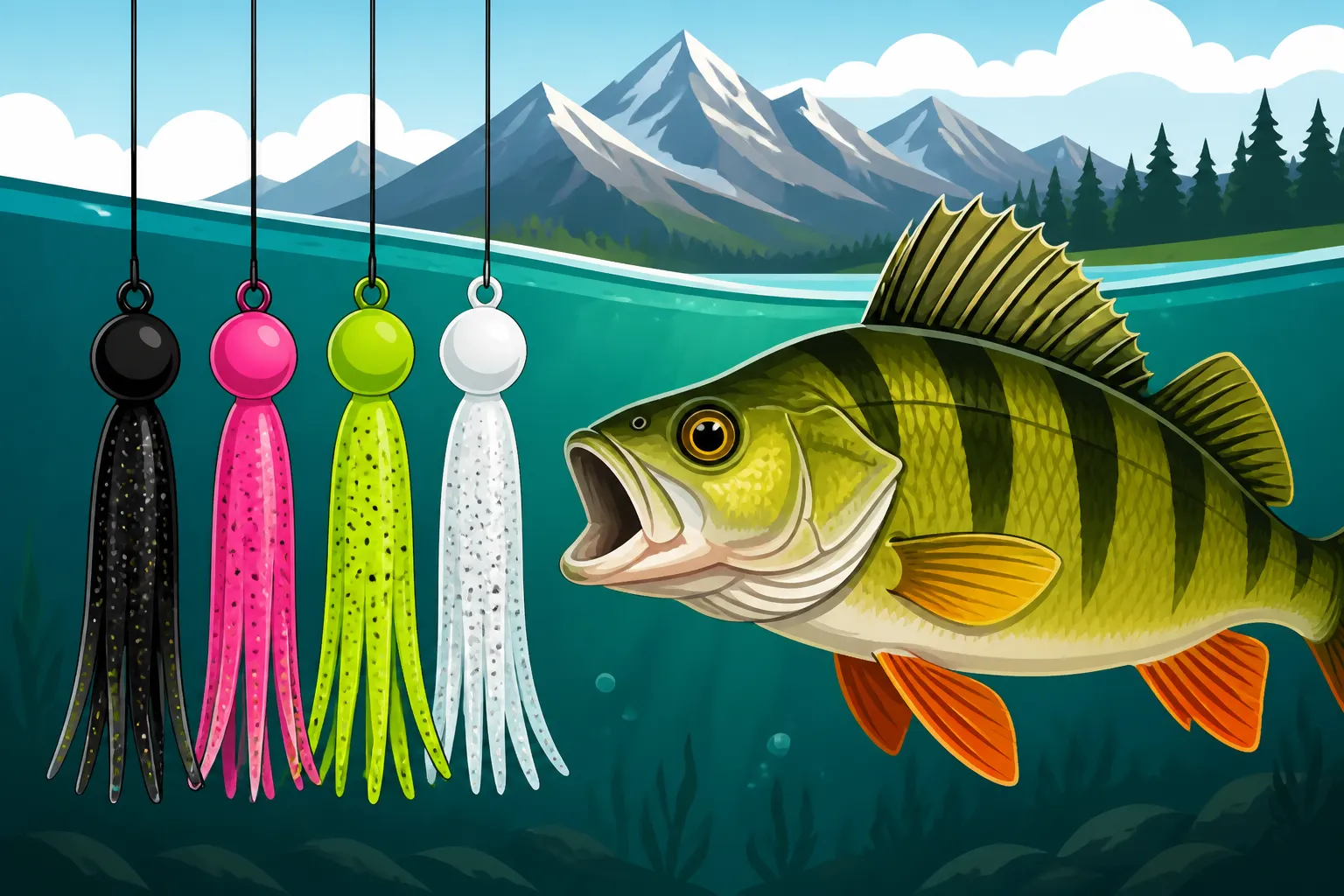
- Green Pumpkin: This is an absolute classic, not just for bass, but for perch too! Green pumpkin mimics crayfish, gobies, and many types of insect larvae. It's a fantastic choice for both shallow weed beds and rocky structures where perch often feed. Look for variations with a bit of brown or even some subtle orange flecks. On a clear lake, this color disappears beautifully into the background, making your jig look like a natural part of the underwater landscape. Many anglers swear by it when fishing in productive areas like the weed lines of Pigeon Lake or the clearer sections of Lesser Slave Lake. You can often find a great variety of green pumpkin tube jigs on Amazon, making it easy to stock up.
- Smoke/Clear with Flake: Imagine a tiny minnow shimmering in the water – that's what a smoke or clear tube jig with silver or gold flake aims to imitate. These colors are incredibly versatile. In clear water, they offer just enough flash to attract attention without being overly aggressive. In slightly stained water, the flake can catch what little light is available, creating an enticing shimmer. These are fantastic for suspended perch or when they are actively chasing baitfish in open water. This is especially true for waters like Cold Lake where perch can be found mixed in with other species.
- Brown/Black: These darker, more subdued colors can be excellent for imitating leeches, dark minnows, or even drowned insects. They create a strong silhouette in moderately clear to slightly stained water, especially on overcast days or in deeper sections. A black tube jig, believe it or not, can be incredibly effective even in clear water, presenting a sharp contrast that fish often key in on. It’s also a good choice for early morning or late evening bites.
Bright and Aggressive Colors
When the water clarity isn't great, or when you need to trigger a reaction strike from aggressive perch, it's time to reach for the loud colors. These are designed to stand out, grab attention, and often elicit a territorial or predatory response.
- Chartreuse: This vibrant green-yellow is a perch magnet, particularly in stained or murky water, or during low-light conditions. It’s highly visible and contrasts sharply with the often duller underwater environment. It’s also a top choice for ice fishing, where light is limited. Whether you’re fishing a turbid prairie lake or targeting deep-water perch, a chartreuse tube jig is a must-have. It’s also a fantastic indicator color, as it’s easy for you, the angler, to see how your lure is behaving. Many successful anglers targeting Yellow Perch in Alberta Lakes swear by chartreuse.
- Orange/Fire Tiger: Orange, especially in combination with chartreuse and black (the classic "fire tiger" pattern), is another fantastic color for attracting perch in tough conditions. Orange stands out well in water, and the fire tiger pattern mimics a wide variety of baitfish, often with an added predatory flash. This pattern is particularly effective when perch are aggressive or when fishing around heavy cover where you need to get their attention quickly. It's a high-visibility option that works well through the ice or in dark water.
- White/Pearl: White is another incredibly versatile high-visibility color. It can imitate dying baitfish, or simply create a stark, easy-to-spot profile in stained water. Pearl white, with its subtle sheen, adds a touch of realism that can be deadly. White is also a very popular color for ice fishing, as it's visible against the ice and snow above. When perch are feeding on small minnows, a white tube jig can be absolutely irresistible. If you're looking for value, purchasing multi-packs of different white and pearl variations on Amazon can be a smart move.
| Water Clarity / Depth | Recommended Tube Jig Colors | Notes |
|---|---|---|
| Clear, Shallow Water | Green Pumpkin, Smoke w/ Flake, Brown, Clear w/ Flake | Mimics natural forage, subtle presentation. |
| Clear, Deep Water | Smoke w/ Flake, White/Pearl, Green Pumpkin, Black | Still subtle, but with enough contrast/flash for visibility. |
| Stained / Murky Water | Chartreuse, Orange, Fire Tiger, White/Pearl, Black | High visibility to stand out in low light. |
| Overcast / Low Light | Chartreuse, White/Pearl, Black, Fire Tiger | Strong silhouette, easy to spot for perch. |
| Ice Fishing | Chartreuse, White/Pearl, Orange, Fire Tiger | Excellent visibility in low-light, often triggers reaction strikes. |
Tube Jig Action and Presentation: More Than Just Color
While color is undeniably important, it's only one piece of the puzzle. How you present that colored tube jig can be just as crucial, if not more so, to getting those perch to bite. A perfectly colored jig fished poorly is far less effective than a "wrong" color jig fished expertly.
Jigging Techniques for Perch
Perch are curious and often react strongly to erratic, sudden movements. Tube jigs, with their hollow bodies and tentacled skirts, are designed for just this kind of action. The way you work the jig imparts life into the lure, making the chosen color dance and flash.
A common and highly effective technique is a series of short, sharp hops or lifts, followed by a pause. The tube jig will dart, then spiral or glide downwards, imitating a wounded baitfish or a foraging creature. During the fall, the tentacles flutter and collapse, creating an irresistible action that can trigger strikes even from hesitant perch. The color you’ve chosen will then come into play – a natural green pumpkin might perfectly mimic a crayfish scurrying and then hiding, while a bright chartreuse might look like a disoriented minnow struggling. Pay attention to the length of your pauses; sometimes a longer pause is what it takes for a perch to commit, especially in colder water. Experiment with how vigorously you twitch the rod tip. Sometimes a subtle quiver is all it takes, while other times a more aggressive snap is needed to get their attention, particularly with those vibrant, high-contrast colors. For more detailed insights, you might want to read up on the "Best Techniques for Perch Through the Ice" or explore different "Jigging for Burbot Through the Ice" methods, as some crossover applies to perch.
Adding Scent and Soft Plastics
Even the perfect color can sometimes use a little help. Perch have an excellent sense of smell, and adding a scent attractant to your tube jig can significantly increase your hook-up ratio, especially on tough days. Gels, sprays, or even pre-scented soft plastics can mask any unnatural human scent and add an olfactory appeal that draws fish in and encourages them to hold onto the lure longer, giving you more time to set the hook. This is particularly valuable when you’re targeting wary perch in clear waters where they might scrutinize your lure more closely.
Beyond scent, consider the soft plastic material itself. Some tube jigs are softer and have a more subtle, natural action, while others are firmer and provide a more aggressive profile. Experimenting with different brands and materials can make a difference. Some anglers even tip their tube jigs with a small piece of real bait, like a maggots or a piece of a minnow, which adds both scent and a natural texture. This can be especially effective when you're focusing on ice fishing, where "Best Jig Weight for Perch Through the Ice" and the type of bait used can be crucial. Many of these specialized scents and baits are readily available for purchase, and you’ll find a comprehensive selection for your fishing arsenal on Amazon.
Seasonal Considerations for Perch Jig Colors
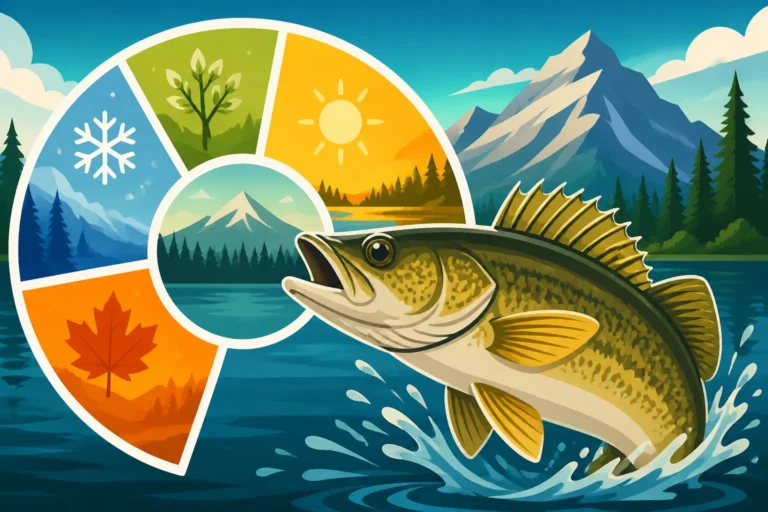
Perch don't just change their feeding habits throughout the year; their color preferences can also shift, influenced by water temperature, light penetration, and the availability of different food sources. What works wonders in summer might get ignored under the ice.
Ice Fishing Color Preferences
When ice fishing in Alberta, the conditions are inherently different from open water. You're typically fishing in low light, often through cloudy ice or under a blanket of snow. Water temperatures are uniformly cold, making fish less active overall. This is where bright, high-visibility colors really shine.
- Vibrant Chartreuse and Orange: These are perennial favorites for ice fishing perch. Their ability to stand out in the dim, diffused light under the ice is unparalleled. They create a strong visual target, easily picked up by a perch cruising by. Many anglers report that these colors trigger more aggressive strikes during the colder months.
- Glow-in-the-Dark: While not a "color" in the traditional sense, glow-in-the-dark tube jigs are a game-changer for ice fishing, especially in deep water or heavily overcast days. Charging them with a flashlight before dropping them down makes them incredibly visible, drawing perch in from a distance. The glow acts as a powerful beacon in the dark, cold depths.
- White/Pearl: A clean white or pearlescent tube jig is also a top performer under the ice. It imitates dying baitfish fluttering downwards or can simply be a highly visible target against the dark bottom. For a deeper dive, check out tips on "Best Panfish Jig Colors for Winter" for more insights.
The key to ice fishing is often getting the perch's attention in a limited visibility environment. While subtle presentations still matter, getting the lure seen is paramount, and bright, contrasting colors or glowing options accomplish this beautifully. This aligns with many experienced anglers who will tell you that the "Best Time to Fish for Perch in Winter" often coincides with when you're using these eye-catching colors.
Open Water Perch Preferences
As the ice melts and temperatures rise, perch become more active, and their environments can become brighter and more diverse. Their color preferences will often shift towards a blend of natural and bright, depending on the specific conditions.
- Spring and Fall: During these cooler, often transitional periods, water clarity can vary. Early spring might see some runoff, making brighter colors like chartreuse and fire tiger effective. As waters clear, or in the fall when perch are actively chasing baitfish to fatten up for winter, more natural colors like green pumpkin and smoke with flake can become incredibly productive. Perch are often shallower in spring and fall, congregating near structures or weed beds, so mimicking local forage is key.
- Summer: In the heat of summer, perch can often be found in clearer waters, or deeper, seeking cooler temperatures. This is when the subtle, natural hues like green pumpkin, various shades of brown, and smoke with silver or gold flake tend to excel. They perfectly imitate the abundant natural food sources available. However, on bright, sunny days, a white or pearl tube jig can also be very effective, imitating a struggling baitfish. When targeting "How to Locate Perch in Alberta Lakes" during summer, remember to consider both depth and weed cover, and adjust your colors accordingly. Don’t be afraid to experiment with a subtle shimmer in clear water, or a contrasting white if they’re schooling tightly.
Ultimately, the best tube jig color for perch in Alberta isn't a single color, but rather a spectrum of choices tailored to the specific conditions you encounter on any given day. Always start with a logical choice based on clarity and light, but be willing to experiment until you find what the perch are telling you they want!
Disclaimer
This article is for general informational purposes only and does not constitute professional advice. Laws, prices and regulations vary by location and change over time. Consult a qualified professional for guidance on your specific situation.