Best line for pike fishing in weedy water
There are few things more frustrating in Alberta pike fishing than feeling that solid strike, setting the hook into a feisty northern, and then suddenly… poof. Your line goes slack, and you pull back a limp, frayed end, leaving you wondering if you accidentally tried to saw through a log with dental floss. When you're targeting pike in their natural, weedy habitats, choosing the right fishing line isn't just about preference; it's about survival for your retrieve and actually landing that trophy fish. This guide will help you navigate the often-tangled world of fishing lines specifically designed to conquer Alberta's weedy pike havens.
The Weedy Water Predicament: Why Pike Love Them and Anglers Dread Them
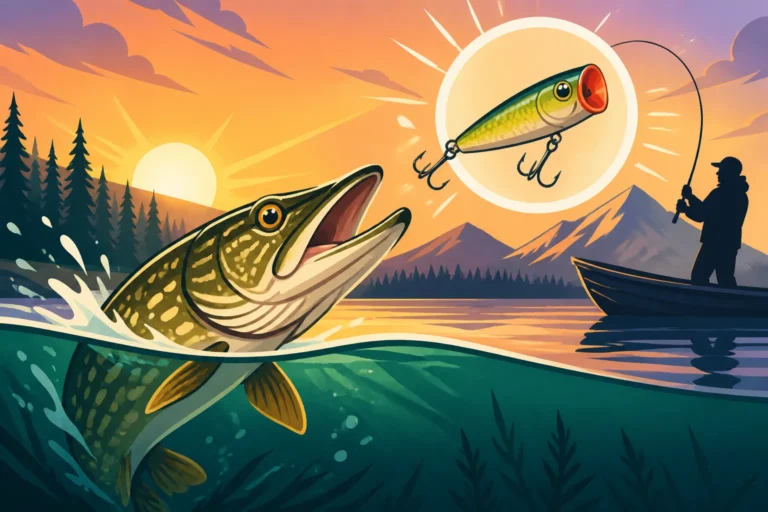
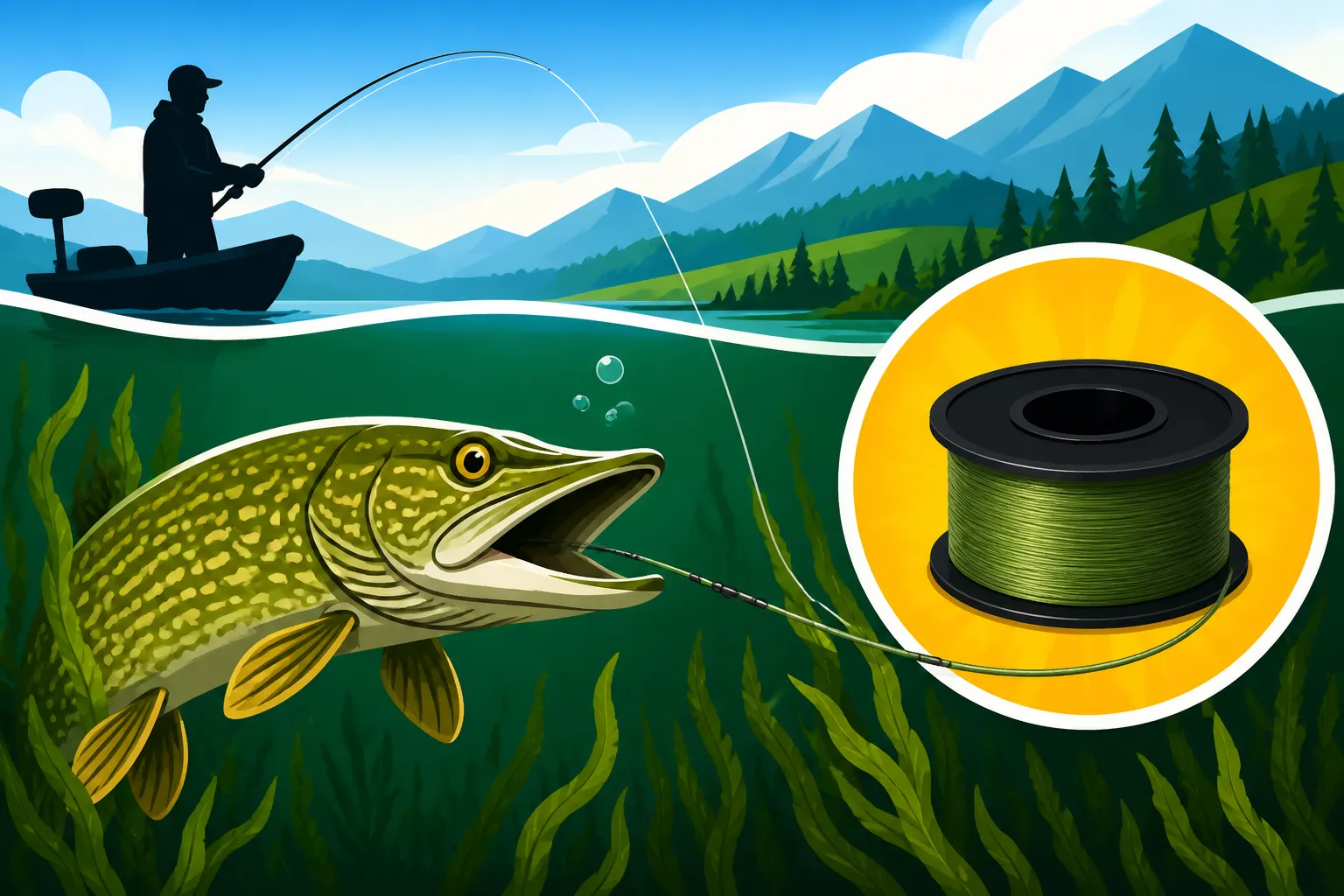
Pike are ambush predators, and there's no better ambush spot than a dense mat of aquatic vegetation. These green jungles offer shelter, camouflage, and a perfect pantry of baitfish, making them prime real estate for big northern pike. For us anglers, however, those same weeds can quickly turn a thrilling fight into a heart-wrenching loss. The frustration is real – feeling a monster hit your lure, only for it to dive straight into the salad, wrapping your line around stems and stalks until it's inevitably cut or hopelessly tangled. It's enough to make you want to throw your rod in!
The Pike's Lair: Weeds as Prime Habitat
Imagine being a northern pike. You're a long, lean, muscled torpedo, designed for lightning-fast strikes. What's your ideal home? Somewhere you can hide, patiently waiting for an unsuspecting minnow or frog to swim by. Weedy beds, whether they're thick cabbage, lily pads, or submerged grass, provide exactly that. They offer crucial cover from overhead predators (like eagles or ospreys) and, more importantly for their hunting strategy, they allow the pike to blend in seamlessly. From these green fortresses, they can launch an explosive attack with minimal warning to their prey. This means if you want to find the big pike, you have to fish the weeds. You can't avoid them.
The Angler's Nightmare: Snags, Abrasion, and Lost Fish
Fishing these prime pike spots, however, comes with its own unique set of challenges. The moment a pike grabs your lure and bolts for the nearest weed bed, your fishing line becomes the weakest link in the chain. Standard monofilament can quickly fray and break against rough stems or submerged branches. Even if the line doesn't break, a pike can dive so deep into the weeds that it becomes completely bogged down, creating an impenetrable tangle that's almost impossible to retrieve your lure from. And let's not forget the endless snags you'll encounter even before you hook a fish. Lures get hung up, line gets frayed, and precious fishing time is spent trying to free your gear, not catching fish. It's a constant battle, and the right line is your main weapon. For more on the species, check out Northern Pike Fishing in Alberta.
Line Material Showdown: Braided, Monofilament, or Fluorocarbon?
When it comes to fishing line, we generally have three main categories to choose from: monofilament, fluorocarbon, and braided. Each has its own distinct properties, and understanding these differences is crucial for picking the best line for pike fishing in weedy water. You'll quickly discover that what works wonderfully in open water might be a complete disaster in the heavy stuff.
Braided Line: The Weeds' Worst Enemy (and Your Best Friend)
If you ask seasoned pike anglers who fish heavy cover, many will swear by braided line, and for good reason. Braided line is essentially multiple strands of synthetic fibers (like Spectra or Dyneema) woven together, creating an incredibly strong, thin, and abrasion-resistant line.
- Strength and Durability: This is where braid truly shines in weedy conditions. Its incredible breaking strength means you can often use a thinner diameter line than you would with mono or fluoro, and it's far more resistant to cuts and nicks from sharp weed stems. When a pike dives into a thick mat, braid often has the sheer power to saw through thinner stalks or pull the fish and weeds right out.
- No Stretch: Unlike mono or fluoro, braided line has virtually no stretch. This translates to phenomenal sensitivity. You'll feel every bump, every subtle bite, and every movement of your lure through the weeds. More importantly, when you get that strike, your hookset will be immediate and powerful, driving the hook deep into the pike's bony mouth, even from a distance. This non-stretch quality is also critical for muscling a big pike out of heavy cover.
- Casting Distance: Because it's thinner for its given breaking strength, braid often casts further than other lines, which can be an advantage when trying to reach those distant weed pockets.
- Potential Downsides: While braid is fantastic for cutting through weeds, it can be more visible in clear water, potentially spooking wary pike. It also has a tendency to dig into itself on the spool if not wound tightly, and wind knots can be a nuisance in windy conditions. Some anglers also find that braid can be harder to tie certain knots with, and it's notoriously difficult to cut without sharp scissors. However, the benefits in weedy conditions often outweigh these minor inconveniences. Many anglers find excellent braided line options on platforms like Amazon, offering a wide range of brands and pound tests suitable for Alberta's biggest pike.
Monofilament: The Traditional Workhorse (with Limitations)
Monofilament, or "mono," is the classic fishing line. Made from a single strand of nylon, it's been a staple in tackle boxes for decades.
- Stretch: Mono's main characteristic is its stretch. This can be a double-edged sword. While it offers a forgiving quality that can prevent hooks from pulling out on aggressive head shakes, it also dampens sensitivity and can make solid hooksets more challenging, especially in heavy cover where you need to drive the hook through a lot of resistance.
- Abrasion Resistance: Compared to braid, mono's abrasion resistance is generally lower. While it might hold up okay against softer weeds, sharper stems or submerged wood can quickly fray or nick it, leading to break-offs.
- Buoyancy: Mono tends to float or be neutrally buoyant, which can be an advantage for topwater lures or suspending baits, but it won't help your lure sink quickly through heavy cover.
- Cost: Generally, monofilament is the most affordable option. It's easy to tie knots with and is very forgiving. However, for the specific challenge of thick weeds and powerful pike, its stretch and lower abrasion resistance often make it a less-than-ideal main line choice. For basic setups or beginners, it's still a decent starting point. Best Rod and Reel Combo for Beginners often feature monofilament.
Fluorocarbon: The Stealthy Striker (but Tricky in Weeds)
Fluorocarbon line, often referred to as "fluoro," is a more modern option that has gained significant popularity. It's made from polyvinylidene fluoride, and its key property is its refractive index, which is very similar to water, making it nearly invisible underwater.
- Invisibility: This is fluoro's superpower. In clear water conditions, it's incredibly difficult for fish to see, which can be a huge advantage when targeting wary pike.
- Abrasion Resistance: Fluorocarbon generally has good abrasion resistance, often better than monofilament, because of its denser, harder composition. This helps it stand up to some weed encounters.
- Low Stretch: Fluoro has much less stretch than mono, offering better sensitivity and more solid hooksets. It's not as "no stretch" as braid, but it's a significant improvement over nylon.
- Density/Sink Rate: Fluorocarbon is denser than water, causing it to sink. This can be beneficial for getting lures down quickly in the water column or for maintaining a deeper retrieve, especially with diving baits.
- Potential Downsides in Weeds: While abrasion resistance is good, it's still not on par with braided line for sheer cutting power through dense weed mats. Fluoro can also be quite stiff, especially in heavier pound tests, which can make casting challenging and lead to more line memory (coiling). It's also typically more expensive than monofilament. While fantastic as a leader material (which we'll discuss next), using fluorocarbon as a main line in truly heavy weed cover can still lead to frustrating break-offs if the pike makes a deep run into the thickest stuff.
Here's a quick comparison of the line types for weedy pike fishing:
| Line Type | Abrasion Resistance (vs. Weeds) | Stretch | Visibility in Water | Strength-to-Diameter | Ideal for Weeds? |
|---|---|---|---|---|---|
| Braided | Excellent | Very Low | High (can be) | Excellent | YES |
| Monofilament | Fair to Good | High | Medium | Fair | No (as mainline) |
| Fluorocarbon | Good | Low | Very Low | Good | No (as mainline) |
Crafting Your Setup for Alberta's Weedy Pike
Now that we understand the different line types, let's talk about putting together a practical setup that will maximize your chances of landing those weed-dwelling Alberta pike. The key here is often a combination of lines to leverage their individual strengths.
The Braided Mainline Advantage
For the reasons outlined above, a heavy braided line (typically 30-65 pound test, depending on the size of pike you're targeting and the density of the cover) is often the best choice for your main line. Its strength, low stretch, and exceptional abrasion resistance make it ideal for pulling lures through weeds, feeling subtle strikes, and muscling fish out of heavy cover. If you're going after truly monster pike in thick, almost impenetrable mats, don't hesitate to go up to 80-pound braid. That might sound like overkill, but trust me, when a 20-pound pike takes off into a foot of dense lily pads, you'll be glad for every ounce of pulling power. For more on what tackle to use, see Best Pike Gear for Alberta Lakes.
When spooling up your reel, make sure the braid is laid on tightly and evenly. Loose wraps can lead to "digging in," where the line buries itself on the spool under pressure, causing tangles and snags on subsequent casts. You can find high-quality braided lines from various brands, often available with convenient shipping options on Amazon.
Leader Choices for the Weeds
While braid is fantastic, its visibility can sometimes be a concern in clear water, and while it's tough, it's not entirely immune to the razor-sharp teeth of a pike. This is where a leader comes into play. A leader is a shorter section of line tied to the end of your main line, and it serves several crucial purposes:
- Tooth Protection: Pike have rows of incredibly sharp teeth that can easily slice through most fishing lines. A heavier, more abrasion-resistant leader is essential to prevent bite-offs.
- Stealth: If you're using braid, a less visible leader can help fool wary fish.
- Shock Absorption (optional): While braid has no stretch, some anglers prefer a short fluorocarbon leader for a tiny bit of shock absorption, though for heavy cover, pure power is often preferred.
For weedy pike fishing, your best leader options are:
- Heavy Fluorocarbon Leader: A 12-24 inch section of 20-40 pound test fluorocarbon is a popular choice. It's less visible than mono, has decent abrasion resistance, and offers good knot strength. It's a great all-around option for many weedy situations. Make sure to use a strong knot to connect it to your braid, like an FG knot, Alberto knot, or a double Uni knot.
- Heavy Monofilament Leader: For situations where invisibility isn't as critical (e.g., stained water, overcast days), a heavy mono leader (20-40 pound test) can also work. It's more supple than fluoro, which can sometimes give lures a slightly better action.
- Wire Leader: For absolute bite-proof protection, especially when using expensive lures, a steel or titanium wire leader is unmatched. These leaders come in various forms, from single-strand wire to multi-strand braided wire. They are 100% immune to pike teeth. The downside is that they can be more visible and can sometimes affect the action of very subtle lures. However, for most pike lures (spoons, spinnerbaits, larger swimbaits), the action change is negligible, and the peace of mind is priceless. If you're going into truly toothy territory, always consider a wire leader, often found in the fishing section of Amazon.
The choice of leader often depends on the lure you're using and the water clarity. For topwater frogs or weedless spoons, a shorter, stiffer leader might be fine. For a more subtle jerkbait presentation near weed edges, a longer, less visible fluorocarbon leader might be preferred.
Line Weight and Strength Considerations
As mentioned, for braided main line in weedy pike water, you're looking at a minimum of 30-pound test, and often much higher. Why so heavy? It's not just about fighting the fish; it's about fighting the weeds. When a pike buries itself, you need the power to pull it free without breaking your line.
| Pike Size Target | Recommended Braided Mainline (LBS) | Recommended Leader (LBS) |
|---|---|---|
| Smaller Pike (<5lbs) | 30-40 | 20-30 Fluorocarbon/Mono |
| Medium Pike (5-15lbs) | 40-65 | 30-50 Fluorocarbon/Mono |
| Trophy Pike (15lbs+) | 65-80 | 50-80 Fluorocarbon/Mono or Wire |
Remember, these are general guidelines. If you're fishing a lake known for truly giant pike, or if the weed growth is exceptionally dense, always err on the side of going heavier. When considering Best Line Weight for Pike Fishing, think about the environment as much as the fish.
Real-World Scenarios and Pro Tips for Weedy Water
Knowing the right line is one thing; using it effectively in the field is another. Fishing for pike in Alberta's beautiful but often challenging weedy waters requires technique and a bit of finesse, even with the toughest line.
Punching Through the Mats: Heavy Cover Tactics
When the weeds form a thick, almost impenetrable canopy on the surface, you need a tactic to "punch" through. This usually involves heavy weights, compact lures, and, crucially, that heavy braided line.
- Setup: Use 50-80 pound braided line as your main line. A short (6-12 inch) leader of heavy fluorocarbon (50+ lbs) or, even better, a stout wire leader is essential. Pair this with a heavy-action rod and a powerful baitcasting reel.
- Lures: Weedless jigs, Texas-rigged soft plastics (like creature baits or worms), or punch rigs with heavy tungsten weights (3/4 oz to 1.5 oz) are ideal.
- Technique: Cast your lure directly onto the weed mat. Give your rod tip a sharp twitch or two to make the weight "punch" through the vegetation. Once it drops into the open water beneath, let it fall naturally, watching your line for any subtle movement (which indicates a bite). Work the lure with short hops and pauses. The moment you feel a fish, set the hook hard and immediately start reeling, trying to get the fish up and out of the cover as quickly as possible. That heavy braid is what will allow you to do this without fear of breaking off. For specific lures, check out Best Lures for Northern Pike in Alberta.
Open Water Edge Fishing: Weeds as Structure
Sometimes the pike aren't buried deep in the mats but are patrolling the edges where the weeds meet open water. These transitions are crucial ambush points.
- Setup: For this scenario, 30-50 pound braided line with a 20-30 pound fluorocarbon leader is a fantastic combination. This offers a balance of abrasion resistance, sensitivity, and stealth.
- Lures: Spinnerbaits, swimbaits, jerkbaits, and even topwater lures (like hollow-body frogs or buzzbaits) fished parallel to the weed line can be incredibly effective.
- Technique: Cast your lure to land just outside or slightly into the weed edge. Retrieve it in a way that keeps it skirting the weeds, occasionally ticking the top or side of the vegetation. Pike will often dart out from the cover to strike. Again, the low-stretch braid ensures a solid hookset and the ability to quickly pull the fish away from the snags it will immediately try to dive back into. Keep an eye on your Alberta Northern Pike Limit when fishing these productive spots!
Maintaining Your Line: Inspection and Knot Tying
Even the best line will fail if it's not properly maintained.
- Regular Inspection: After every few fish, or after snagging and pulling your lure free from heavy weeds, take a few moments to inspect the last few feet of your line. Run your fingers along it, feeling for nicks, frays, or abrasions. If you feel any damage, cut off the affected section and re-tie your leader and lure. This simple step can prevent countless lost fish.
- Strong Knots: The strongest line is only as strong as its weakest knot. Practice reliable knots for connecting your main line to your leader (like the FG or Alberto knot for braid-to-fluoro) and for tying your lure to your leader (like a Palomar or improved Clinch knot). Knots tied under pressure, or poorly tied knots, are prime failure points. If you're using a wire leader, familiarize yourself with the appropriate crimps or specialized knots. When buying line, consider picking up a selection from Amazon, ensuring you have backup spools.
- Line Storage: Store your spare spools of line away from direct sunlight and extreme temperatures, which can degrade the line over time. This helps ensure your line is in peak condition when you spool it onto your reel.
By combining the right line choice, a thoughtful leader setup, and effective techniques, you'll be much better equipped to tackle Alberta's feisty northern pike, even when they're hiding deep in their weedy strongholds. So spool up with confidence and get ready to pull those green monsters out! For more general information about pike, consider reading Northern Pike Habits in Alberta Lakes.
Disclaimer
This article is for general informational purposes only and does not constitute professional advice. Laws, prices and regulations vary by location and change over time. Consult a qualified professional for guidance on your specific situation.