Best technique for finesse fishing clear water trout
There's nothing quite like the sight of a crystal-clear Alberta stream or lake, where the water is so pure you can almost count the scales on a fish as it swims by. Beautiful as it is, this pristine clarity often presents a unique challenge for anglers: trout in clear water become incredibly wary, easily spooked, and far more discerning about what they'll strike. If you've ever cast your favourite lure into what looks like a perfect spot, only to watch a fish dart away at warp speed, you know the frustration. This guide is all about equipping you with the finesse techniques and approaches needed to outsmart even the wariest trout in Alberta's most transparent waters, helping you turn those frustrating near-misses into exciting hook-ups.
Understanding Clear Water Trout Behavior
When you're fishing in waters that sparkle with clarity, you're essentially playing chess against a highly observant opponent. Trout in clear water environments aren't just looking for food; they're constantly on high alert for predators, and anything out of the ordinary will send them scurrying for cover. This heightened sensitivity dictates how they feed, where they hold, and how they react to your presence. Ignoring these behavioral nuances is often the biggest mistake an angler can make.
Why Trout Are More Skittish in Clear Water
Imagine yourself walking through an open field on a sunny day – you'd notice a predator approaching from a mile away, right? Trout feel the same way in clear water. Their lateral lines, which detect vibrations, and their keen eyesight are on overdrive. They can see further, spot your line, detect your shadow, and feel the subtle thud of your footsteps on the bank from a surprising distance. This isn't paranoia; it's pure survival instinct. They've learned that anything unfamiliar or out of place could mean danger, whether it's an eagle overhead, a bear at the bank, or a human angler.
Because of this, they tend to hold in areas that offer immediate escape routes or camouflage, such as undercuts, log jams, overhanging vegetation, or deep pools. They're less likely to commit to an exposed lie unless the feeding opportunity is absolutely irresistible and the perceived risk is minimal. This means your approach and presentation need to be as stealthy and natural as possible, almost as if you're not even there. You need to become a ghost on the water, a silent observer whose offerings appear as if by magic, not by the clumsy flick of a rod.
How Light Conditions Influence Their Feeding
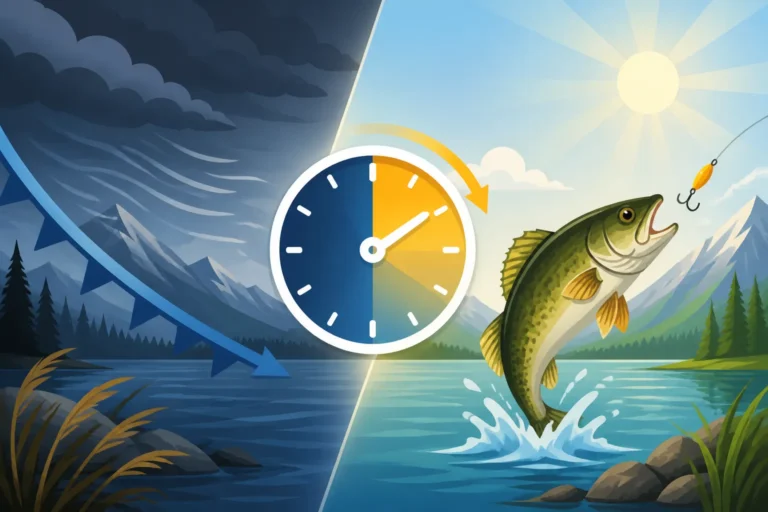
The amount and angle of light play a massive role in clear water fishing. On bright, sunny days, trout will often move to deeper water or seek shade under banks, bridges, or dense canopy. The direct sunlight not only makes them more visible to predators but can also make their eyes uncomfortable, similar to how we squint in direct sun. In these conditions, they'll be even more reluctant to chase a lure in open, sunlit water. Their feeding windows might shift to early morning, late evening, or overcast days when the light is softer and their sense of security is higher.
Conversely, on overcast days, or during the golden hours of dawn and dusk, trout might feel more comfortable venturing out from heavy cover to feed in more open water. The diffused light reduces glare, making them less visible from above and improving their ability to ambush prey. This is often the best time to apply your finesse techniques, as the fish are slightly more relaxed but still demand a pristine presentation. Understanding these light dynamics helps you plan your day, choose your spots, and refine your approach for maximum success. Don't be afraid to Best Time of Day to Catch Walleye and other species too, as light impacts all fish.
Essential Finesse Gear for Clear Water
When every little detail matters, your gear setup can make or break your day on clear water. Finesse fishing isn't about brute strength or heavy artillery; it's about subtlety, sensitivity, and seamless integration with the environment. You need to think lighter, smaller, and more transparent.
Ultralight Rods and Reels for Maximum Sensitivity
For clear water trout, forget your heavy bass setups. You're looking for an ultralight spinning rod, typically in the 5 to 6.5-foot range, with a fast action tip. This kind of rod offers incredible sensitivity, allowing you to feel the most delicate takes, even when a trout barely inhales your offering. The fast action also provides enough backbone to set a small hook effectively without overpowering the fish. Paired with this, a small, lightweight spinning reel (think 1000 or 1500 size) with a smooth drag is crucial. You'll be using very light lines, and a sticky drag will lead to snapped lines and lost fish.
The combination of an ultralight rod and reel lets you cast tiny lures or flies with precision and offers a natural presentation. It also enhances the fight, making even a modest 12-inch trout feel like a trophy. Many excellent options are available from brands that focus on light tackle, and you can often find great deals on a complete ultralight setup on Amazon. Remember, the goal is to feel everything – every bump, every twitch, every subtle change in current – and ultralight gear excels at transmitting that information directly to your hand. For more general advice on selecting your primary tool, check out Best Fishing Rods for Alberta Rivers.
Fine Lines and Fluorocarbon Leaders
This is arguably the most critical component of a clear water finesse setup. Heavy, visible line is a death sentence. You need to go as light and as clear as possible.
- Main Line: A good quality 2-4 lb test monofilament or braided line forms the foundation. Monofilament offers a bit of stretch, which can be forgiving on light bites, while braided line provides superior sensitivity and casting distance. If you go with braid, remember it's highly visible.
- Fluorocarbon Leader: This is where the magic happens. A 2-4 lb test fluorocarbon leader is non-negotiable. Fluorocarbon has a refractive index very close to water, making it virtually invisible underwater. It's also more abrasion-resistant than monofilament, which is a huge plus when fishing around rocks and snags. Your leader should be long enough to provide ample stealth – often 4 to 6 feet, connected to your main line with a small barrel swivel or a strong knot like the FG knot or a double uni. For a deeper dive into this topic, we've got a dedicated post on Best Fluorocarbon Line for Clear Water Trout.
The finer diameter of these lines also helps in casting lighter lures further and allows them to sink more naturally, mimicking real bait. It takes some getting used to, as hook sets need to be gentle but firm, and you can't horse fish in. But the reward of consistently fooling wary trout is well worth the adjustment.
Small Lures, Baits, and Flies
Think miniature. Trout in clear water are often scrutinizing every detail, and an oversized offering simply looks unnatural and threatening.
- Micro Jigs: Tiny marabou jigs (1/32 to 1/64 oz) or small soft plastic finesse jigs are incredibly effective. These mimic small insects, larvae, or baitfish. Earth tones like olive, black, brown, and white are often best. Present them with subtle twitches or a slow, steady retrieve near the bottom.
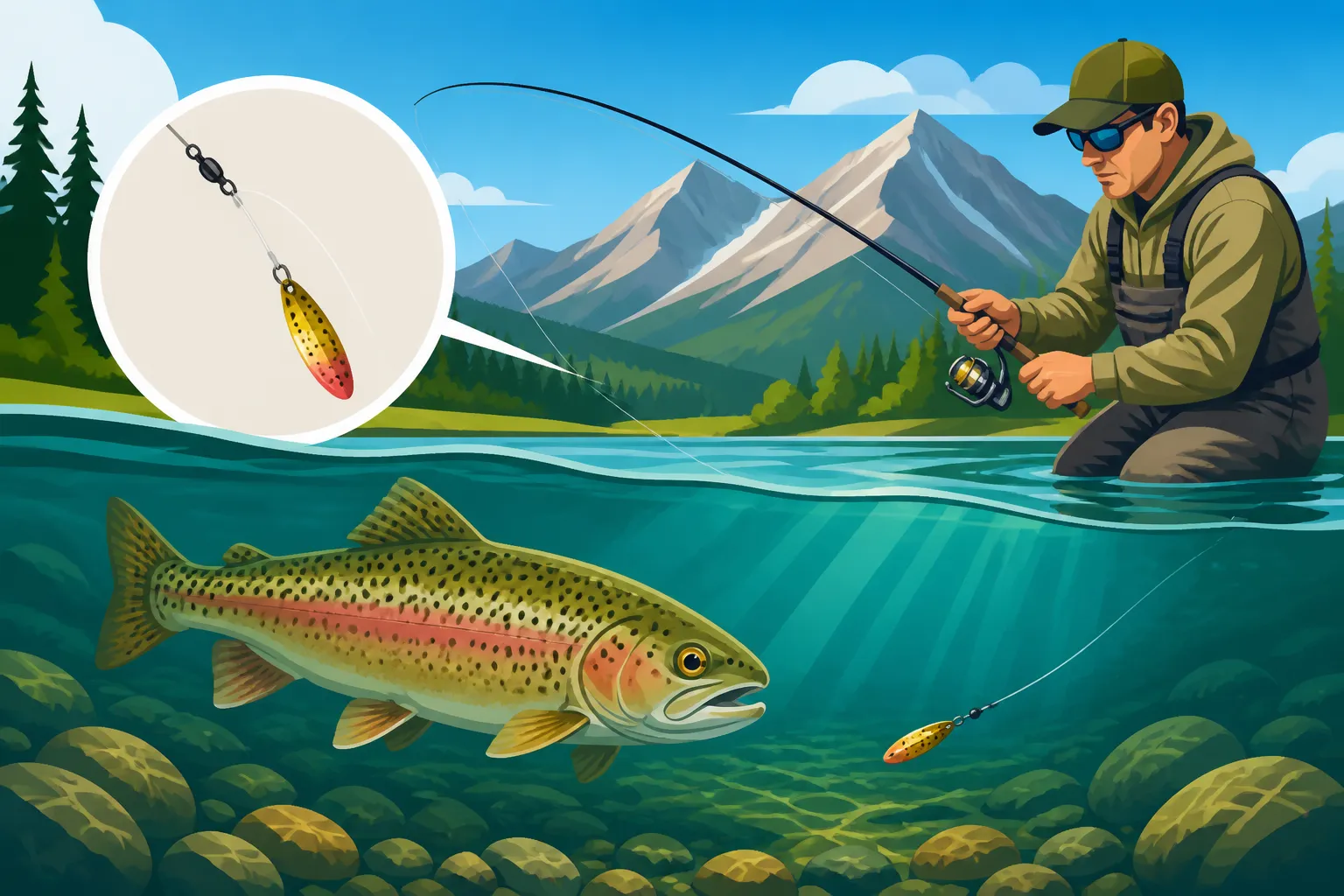
- Inline Spinners: Smaller spinners, like size 0 or 1, in silver, gold, or black, can be deadly. Brands known for their quality spinners offer fantastic options. The flash and vibration can trigger strikes, but again, keep the size down.
- Small Spoons: Tiny casting spoons, no larger than an inch or so, can imitate wounded baitfish. A slow wobble on the retrieve is key.
- Natural Bait: If legal, a small piece of worm, a single salmon egg, or a natural insect can be incredibly effective when presented naturally with minimal weight under a tiny float.
- Flies: For fly anglers, tiny nymphs (size 18-24), small dry flies that match the current hatch, or subtle emerger patterns are the way to go. Even small streamers need to be presented with extreme stealth. You can find many of these specialized items on Amazon, often in multi-packs, making it easy to stock up. When it comes to presentation, remember that sometimes less is more. For more comprehensive insights, consider reading Best Tackle Box Setup for Alberta Anglers to ensure you're equipped for any situation.
Key Finesse Techniques Explained
Now that you've got the right gear, it's time to put it to work. Finesse techniques focus on natural, subtle presentations that don't alert the fish to your presence.
The Art of the Long Cast and Gentle Presentation
Casting distance is your friend in clear water. The further you can cast, the less likely you are to spook the fish before your lure even reaches them. Practice casting small lures accurately over longer distances.
- Approach from Downstream: Whenever possible, approach your fishing spot from downstream, casting upstream and allowing your lure or fly to drift naturally back towards you. This minimizes your visibility to the fish, as trout typically face upstream into the current.
- Soft Landings: Your lure should land with barely a ripple, like a natural insect or piece of food falling into the water. A splashy cast is a surefire way to send trout fleeing. Use a gentle lob or a controlled overhead cast, feathering the line as your lure nears the water to slow its descent.
- Minimize Movement: Once your lure is in the water, resist the urge to immediately jerk or retrieve aggressively. Let it sink naturally if it's a jig or nymph, or allow a spinner to start its rotation with a gentle current. The initial moments are crucial for convincing the fish that your offering is legitimate.
This approach requires patience and control, but it pays dividends in highly pressured or extremely clear waters. Remember, you're not trying to ambush the fish; you're trying to fool it into thinking dinner just arrived on its own.
Stealthy Wading and Bank Approach
Your physical presence is often the biggest deterrent. Trout feel vibrations through the ground and water, and they see sudden movements or shadows.
- Walk Softly: Heavy footsteps on the bank or stomping through shallow water will send shockwaves through the fish's world. Walk as lightly as possible, minimizing disturbance. If wading, shuffle your feet rather than lifting them high and stomping.
- Stay Low: Keep a low profile. Crouch, kneel, or even crawl into position if necessary. A standing silhouette against the sky is easily spotted by trout. Use natural cover like bushes, trees, or boulders to break up your outline.
- Avoid Shadows: Pay attention to where your shadow falls. Never cast your shadow over the water you intend to fish. If the sun is at your back, your shadow will stretch out over the prime fishing lies. Plan your approach to keep the sun and your shadow out of the fish's sightline.
- Slow Movements: All movements should be slow and deliberate. Avoid sudden jerks of your rod or quick steps. Think like a predator stalking its prey – patient, deliberate, and unseen. This stealth applies whether you're fly fishing for trout on the Bow River or trying to entice a native species from a small mountain stream. Many of these streams require specialized wading techniques; read Wading Techniques for Alberta Trout Rivers for more information.
Micro Jigging and Nymphing
These are two of the most effective finesse techniques for clear water trout. They mimic the natural food sources that trout typically feed on.
- Micro Jigging: Using those tiny jigs (1/32 to 1/64 oz), cast upstream or slightly quartering upstream. Allow the jig to sink naturally, controlling the slack line so you can feel any subtle taps. As it drifts downstream, impart very small, almost imperceptible twitches with your rod tip. The idea is to make the jig "dance" or "swim" like a dying insect or a struggling nymph. Watch your line carefully; a slight hesitation, twitch, or sideways movement can indicate a bite. Set the hook with a gentle but firm sweep of the rod.
- Nymphing: For fly anglers, nymphing is a powerhouse technique. Again, cast upstream with a weighted nymph pattern (or several, if legal). Use a strike indicator set at the appropriate depth to help detect subtle bites. Allow the nymphs to drift drag-free with the current, as naturally as possible. Any hesitation or dip of the indicator is your cue to set the hook. Adjust your weight and indicator depth until you're ticking the bottom occasionally. Sometimes, a tiny split shot or two is all it takes to get your nymph into the strike zone. You can learn more about specific patterns and techniques in Fly Patterns for the Bow River.
Both techniques rely heavily on current to present the offering naturally. Focus on seams, eddies, and the edges of faster current where trout often hold, waiting for food to be delivered to them.
Reading the Water and Approach Strategies
Success in clear water often hinges not just on how you fish, but where and how you decide to approach a spot. Being able to read the water effectively and execute a flawless approach will put you in a far better position than simply casting blindly.
Identifying Productive Holding Lies
In clear water, trout are very particular about where they choose to hold. They seek areas that offer a combination of food, cover, and current break.
- Current Seams: Look for the lines where fast water meets slower water. Trout will often sit in the slower water, expending minimal energy, and ambush food that gets swept past in the faster current. These are prime feeding lanes.
- Undercut Banks: These are classic trout hides. The bank provides overhead cover, and the undercut offers a dark, secure spot for fish to retreat. Cast your lure or fly tight to the bank, letting it drift into or along the undercut.
- Log Jams and Boulders: Any significant structure that breaks the current or provides shade and hiding spots is a potential trout haven. Fish often sit just downstream of boulders or logs, out of the main current, waiting for food.
- Deep Pools: Deeper sections of rivers and lakes offer refuge from predators and often hold larger, more cautious trout. In clear water, fish might suspend in the middle of these pools or hug the bottom. A slow, subtle presentation that sinks to their depth is key here.
- Overhanging Vegetation: Trees, bushes, or tall grasses along the bank create shade and drop insects into the water. Fishing these areas carefully can yield results.
Learning to identify these spots becomes second nature with practice. Before you even cast, take a moment to scan the water and visualize where a trout might be holding.
Dealing with Sun Glare and Reflections
Sun glare and reflections can be a double-edged sword in clear water. While they can obscure your view of the fish, they can also work to your advantage by making your line and lure harder for the fish to spot.
- Polarized Sunglasses: These are an absolute must-have. They cut through the glare on the water's surface, allowing you to see into the water, spot structure, and sometimes even see the fish themselves. This visual advantage is invaluable for planning your casts and presentations.
- Utilize Glare to Your Advantage: When the sun creates a strong glare on the water, you might be able to get closer to fish without being seen. The surface chop and glare break up your silhouette and the visibility of your line. Conversely, if the glare is in your eyes, it's almost impossible to see what you're doing, and the fish likely have a clear view of you. Adjust your position accordingly.
- Overcast Days: These are often some of the best days for clear water fishing because the diffused light reduces glare for both you and the fish. Trout tend to be more active and less wary, making your finesse techniques even more effective.
Always consider the angle of the sun and how it impacts visibility. Sometimes, moving just a few yards up or downstream can dramatically improve your ability to see into the water and remain unseen by the fish.
Practice Patience and Observation
Finesse fishing in clear water is as much about mental discipline as it is about technique. Patience is not just a virtue; it's a necessity.
- Observe Before You Cast: Before making a single cast, take a few minutes to observe the water. Look for rises, subtle movements, or even the flash of a fish. Watch how the current moves, where insects are landing, and where food might be accumulating. This observation period gives you valuable clues about where fish are holding and what they might be feeding on.
- Slow Down Your Retrieve: In clear water, trout often want a slow, methodical presentation. An aggressive, fast retrieve can look unnatural and alarm the fish. Experiment with varying speeds, but generally err on the side of slower and more subtle. Let the current do some of the work, guiding your lure or fly naturally.
- Stealthy Hook Sets: When you finally get a bite, resist the urge for a violent hook set. With ultralight gear and fine line, a gentle but firm sweep of the rod is usually sufficient. Over-setting the hook can snap your line or tear the hook out of the fish's mouth.
- Mastering the Release: If you're practicing catch and release, especially important for sensitive species like bull trout, ensure you handle the fish with care. Use a soft, knotless landing net like the ones often found on Amazon, and keep the fish in the water as much as possible. A quick release ensures the fish has the best chance of survival. Our guide on Best Landing Net for Trout provides more details on choosing the right net. How to Catch Bull Trout and Release Them Safely is also an excellent resource for best practices.
It's a delicate dance, but when you get it right, the reward of fooling a finicky trout in crystal-clear water is truly satisfying. It transforms fishing from a simple cast-and-retrieve exercise into a thoughtful, engaging pursuit.
Finesse Gear Checklist
To help you get started or refine your clear water finesse setup, here's a quick checklist of essential gear. You can often find many of these items conveniently on Amazon or at your local tackle shop.
| Item | Description | Key Features | Why It's Crucial |
|---|---|---|---|
| Ultralight Rod | 5' to 6.5' spinning rod, fast action, 1-6 lb line rating | High sensitivity, light tip, enough backbone for hook set | Detects subtle bites, allows long casts of light lures, enhances fight |
| Ultralight Reel | 1000 or 1500 size spinning reel | Smooth, reliable drag; lightweight | Prevents line breaks with light line, balances ultralight rod |
| Main Line | 2-4 lb Monofilament or Braided Line | Low diameter, sufficient strength | Less visible (mono) or high sensitivity/castability (braid) |
| Fluorocarbon Leader | 2-4 lb Fluorocarbon (4-6 ft length) | Nearly invisible underwater, abrasion-resistant | Maximizes stealth, protects main line from abrasion |
| Micro Jigs | 1/32 to 1/64 oz marabou or soft plastic jigs | Small profile, natural colors (olive, black, brown, white) | Mimics small insects/larvae, irresistible to wary trout |
| Inline Spinners | Size 0 or 1, silver, gold, or black blades | Small flash, subtle vibration | Triggers strikes without being overly aggressive |
| Small Spoons | Tiny casting spoons (1/16 to 1/8 oz) | Wounded baitfish imitation | Effective for slow retrieves, appeals to predatory instincts |
| Small Baits | Worm pieces, salmon eggs, natural insects (if legal) | Natural scent and texture | Can entice trout that are shy of artificial lures |
| Small Nymphs/Dry Flies | Size 18-24 nymphs, small dry flies (for fly anglers) | Matches natural insect hatches, delicate presentation | Key for specific feeding patterns, highly realistic |
| Small Swivels | Size 10-12 barrel swivels | Minimizes line twist, strong connection | Connects main line to leader cleanly, barely visible |
| Polarized Sunglasses | Good quality polarized lenses | Reduces glare, enhances underwater visibility | Helps spot fish and structure, reduces eye strain |
| Knotless Landing Net | Rubberized or fine mesh net, appropriate size for trout | Protects fish slime coat, prevents snags | Essential for safe catch and release, especially for vulnerable species |
Remember, the goal is always to be as unobtrusive as possible. Every piece of gear, every movement, and every decision should support the overall strategy of presenting a natural, irresistible offering to trout that are scrutinizing every detail.
Disclaimer
This article is for general informational purposes only and does not constitute professional advice. Laws, prices and regulations vary by location and change over time. Consult a qualified professional for guidance on your specific situation.