Best technique for high water spring walleye fishing
The arrival of spring often brings a mix of excitement and frustration for Alberta walleye anglers. While the warmer weather signals the start of prime fishing, melting snow and spring rains frequently lead to high, muddy water conditions that can make locating and catching these elusive fish incredibly challenging. This guide is here to unravel the mysteries of high water spring walleye fishing, offering practical techniques and gear advice to help you adapt and find success when the rivers are raging and the lakes are churning.
Understanding High Water Conditions and Walleye Behavior
Spring in Alberta is a dynamic time, and the transition from ice to open water often involves significant hydrological changes. High water, whether from heavy snowmelt or persistent rainfall, can drastically alter the underwater environment, making it a head-scratcher for many anglers.
Why Spring High Water is Challenging
When you're looking at a river that's swollen and fast, or a lake with significant inflows from muddy tributaries, it's easy to feel defeated. The challenges are numerous:
- Increased Current: Rivers become torrents, and even large lakes can experience strong currents near inlets. This makes boat control difficult and can wash away lighter presentations before they even reach the fish. It also makes wading extremely dangerous.
- Reduced Visibility: The most obvious challenge is the turbidity. Runoff carries silt and sediment, turning clear water into a chocolatey mess. Walleye, being sight feeders to some extent, have a much harder time locating your bait in these conditions. This is where your understanding of their other senses comes into play.
- Temperature Fluctuations: While generally warming, sudden influxes of cold meltwater can cause localized temperature drops, potentially slowing down walleye metabolism and making them less active.
- Debris: Floating logs, branches, and other natural debris can be a navigational hazard for boaters and can foul lines and lures, adding another layer of frustration.
- Altered Fish Locations: This is perhaps the biggest headache. Fish don't just disappear; they relocate to more comfortable and advantageous positions. Knowing where to look is half the battle.
How Walleye React to Increased Flow and Turbidity
Walleye are masters of adaptation. When faced with high, turbid water, they don't simply give up feeding; they adjust their behavior and positioning to conserve energy and ambush prey more effectively.
Firstly, they will actively seek out current breaks. Think of these as underwater oases where the water flow is significantly reduced. This could be behind a large boulder, a log jam, a point, an island, or even in the slower water of an inside bend of a river. In lakes, current breaks might be found near river mouths where the current dissipates, or in deeper pockets adjacent to inflow areas. These spots offer respite from the relentless current, allowing walleye to hold position with less effort.
Secondly, their primary sensory reliance shifts. While they use their eyes, especially in low light, they become much more dependent on their lateral line system (which detects vibrations) and their sense of smell and taste. This means lures that produce strong vibrations, or baits that emit a potent scent, will be far more effective than subtle presentations. In the murk, they might not see your lure from afar, but they can certainly feel or smell it.
Finally, walleye in high water often become bottom-oriented. The fastest current is typically at the surface, so by hugging the bottom, they again conserve energy. This means your presentation needs to get down and stay down, right in their strike zone.
Knowing Walleye Spawning Season in Alberta is also key, as their behavior will change pre-spawn, during, and post-spawn, often correlating with spring water conditions.
Essential Gear and Tackle for High Water Walleye
When the water is high and mighty, you can't just throw out your usual clear-water setup and expect results. You need gear that can handle the increased demands and tackle that can cut through the murk to get noticed.
Rods, Reels, and Line Choices
Your equipment needs to be robust and reliable when you're battling current and potentially larger, stronger fish.
For rods, look for something with a good backbone – a medium-heavy or heavy power rod is often ideal, especially if you're throwing heavier jigs or bottom bouncers. A faster action tip will help you feel those subtle bites in the current, but enough stiffness in the blank is necessary to control fish once hooked. A length of 6'6" to 7'6" is versatile for both boat and shore applications. If you're looking for recommendations, many anglers find success with St. Croix Eyecon or Fenwick HMG rods, widely available on platforms like Amazon, for their balance of sensitivity and power.
When it comes to reels, a spinning reel in the 2500-4000 series is a popular choice for versatility, offering smooth drag and ample line capacity. For those who prefer baitcasting, a robust low-profile reel with a good retrieve ratio (around 6.4:1 to 7.1:1) will give you the power to pull fish out of heavy current.
Your line choice is critical. Braided line is often preferred for its no-stretch sensitivity, which helps you detect bites even with a lot of line out in the current. A 10-20 lb test braided line is usually sufficient, tied to a fluorocarbon leader. While you might think Best Fluorocarbon Leader for Clear Water Walleye isn't relevant in muddy water, a shorter, heavier fluorocarbon leader (12-20 lb test) still offers abrasion resistance against rocks and debris, and a slight invisibility factor that can sometimes make a difference. The lower stretch of braid also helps with solid hooksets. For a more direct feel, some anglers opt for a low-stretch monofilament or a heavier fluorocarbon as a main line, but braid generally reigns supreme for bite detection.
Lures and Baits That Shine in Murky Water
This is where you truly adjust your strategy. Forget subtle, natural colors for a moment; you need to go bold with color, vibration, and scent.
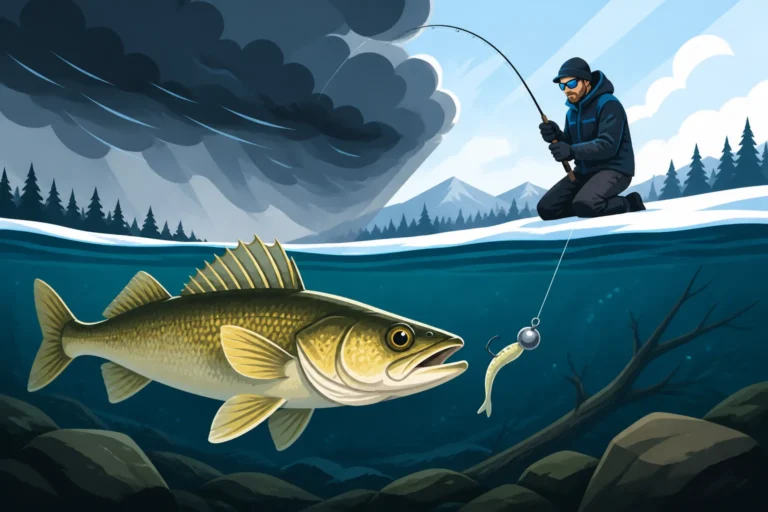
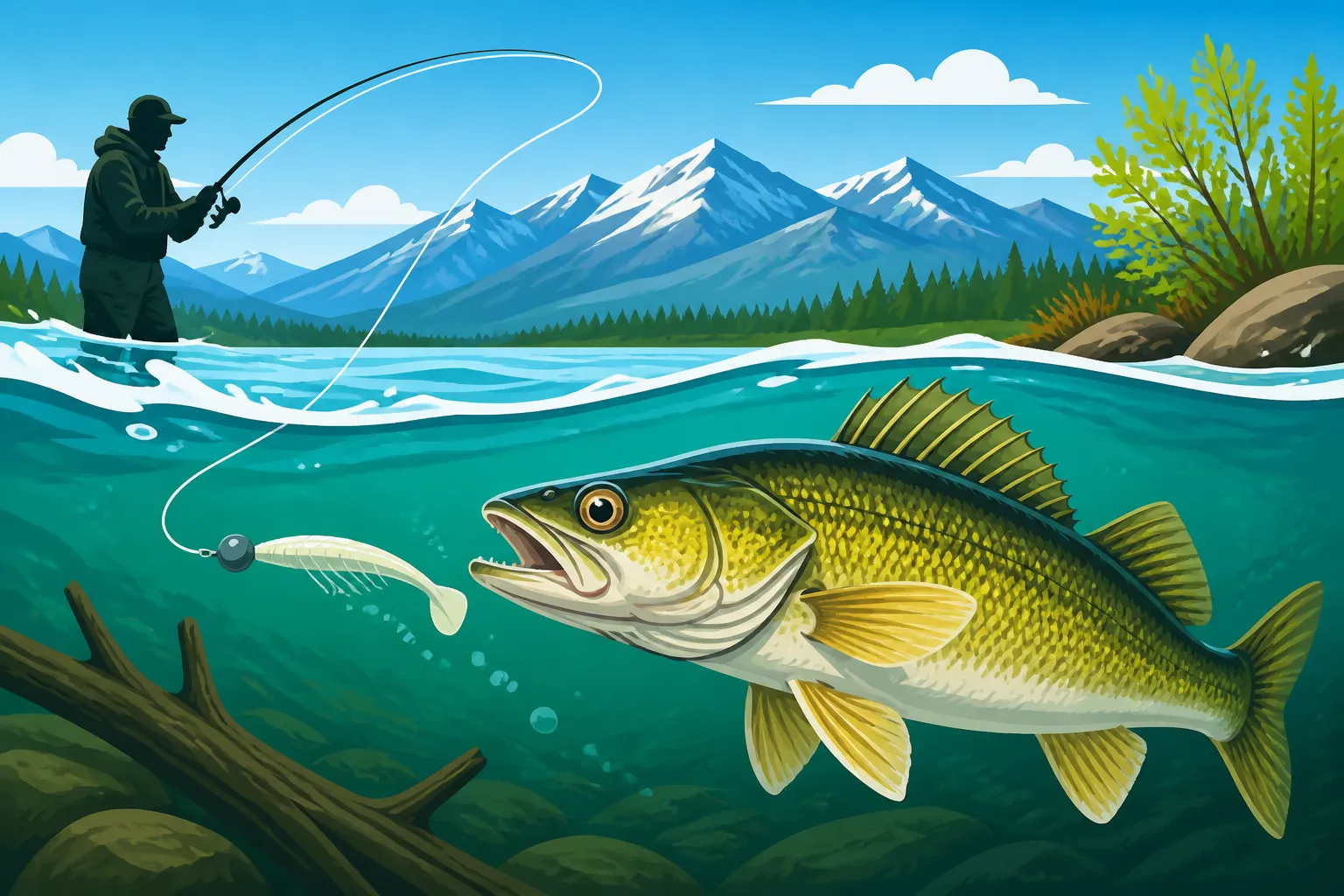
- Jigs: Jigs are arguably the king of high-water walleye fishing. You'll need heavier jigs than usual to reach the bottom in strong current – think 3/8 oz, 1/2 oz, or even 3/4 oz, depending on the current speed and depth. Pair them with brightly colored plastics: chartreuse, orange, hot pink, and firetiger patterns are excellent choices. Grubs, paddletails, and minnow-imitating plastics all work well. The plastic adds bulk and visual appeal, even if limited. For an extra edge, tip your jig with a live minnow or a scented soft plastic. This combination of vibration, color, and scent can be irresistible. Brands like Berkley PowerBait and Gulp! have a strong scent profile that can draw fish in from a distance.
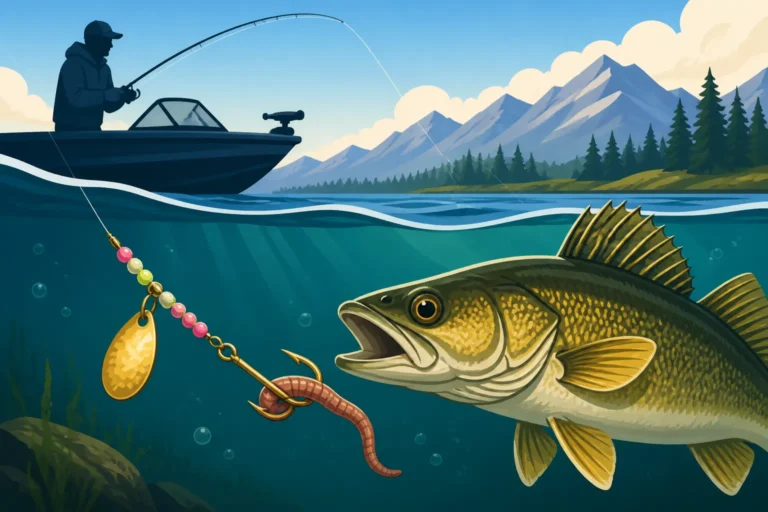
- Bottom Bouncers and Crawler Harnesses: These are fantastic for covering water while keeping your bait near the bottom. A bottom bouncer allows you to fish a crawler harness (a rig with hooks designed for live nightcrawlers) or a minnow rig, maintaining bottom contact without getting snagged as much as a jig. Use heavier bouncers (1-3 oz) to ensure they stay down. The spinning blade on a crawler harness creates flash and vibration, and the live bait provides irresistible scent and action. These rigs are particularly effective when drifting or slowly trolling.
- Crankbaits: While often associated with clearer water, aggressive, noisy crankbaits can be highly effective in high water. Look for deep-diving models that can reach the walleye's depth. Again, bright, contrasting colors like firetiger, chartreuse, and perch patterns are excellent. The key here is the vibration and rattle they produce. A loud rattle chamber can attract walleye through the murky water by engaging their lateral line. For trolling, Best Crankbaits for Alberta Walleye often include Rapala Deep Tail Dancers or Berkley Flicker Shads. Ensure they are diving deep enough to consistently make bottom contact or run just above it.
- Live Bait: When visibility is poor, scent is paramount. Live minnows (where legal), nightcrawlers, and leeches are often the most effective options. Present them on jigs, spinner rigs, or under a slip bobber in slower sections of current. The natural scent and subtle movements of live bait can trigger bites when artificials fail. Remember to check Alberta Fishing Regulations Explained for any bait restrictions in your chosen fishing zone.
Proven Techniques for High Water Spring Walleye
Once you've got your gear sorted, it's time to put it to use with tactics specifically designed for high water conditions. The goal is always the same: get your bait in front of those walleye who are hunkering down and waiting for an easy meal.
Focusing on Current Breaks and Slack Water
This is arguably the most crucial strategy for high water walleye. Walleye are opportunistic predators, but they're also energy conservers. They won't fight a strong current all day to chase food. Instead, they'll position themselves in spots where the current is significantly reduced, allowing them to rest while still being able to dart out into the faster current to ambush passing prey.
- River Systems:
- Eddies: These are swirling pockets of slower water found behind obstacles like large rocks, fallen trees, bridge pilings, or sharp river bends. Cast your presentation upstream of the eddy and let the current carry it into the slack water.
- Confluence Zones: Where a smaller, slower stream enters a larger, faster river, the mixing zone often creates current breaks and varying water temperatures that attract walleye. These are prime feeding grounds.
- Shoreline Obstructions: Look for areas where the bank creates a natural barrier, or where man-made structures like riprap or docks slow the flow. The deeper water along these current seams can hold fish.
- Inside Bends: On a river bend, the inside curve usually has slower, shallower water, while the outside bend is deeper and faster. Walleye will often be found hugging the inside bend in the softer current.
- Downstream of Rapids/Falls: While the rapids themselves are too turbulent, the deeper, slower pools immediately downstream can be excellent holding areas.
- Lake Systems:
- River Inlets: If a river or significant stream flows into a lake, the current will eventually slow down, creating pockets of less turbulent water. Walleye will often stage in these areas, especially if there's a strong current bringing in food.
- Points and Shoals: Underwater points and shoals can create subtle current breaks as water moves over or around them.
- Deep Edges and Channels: Walleye will often retreat to deeper, less disturbed water along channel edges or deep breaks when surface currents are strong.
When fishing these areas, precise boat control (if applicable) or accurate casting is key. You want to present your lure directly into the seam where the fast water meets the slow water, allowing it to tumble naturally into the walleye's strike zone.
Vertical Jigging and Bottom Bouncing Strategies
When walleye are hugging the bottom in strong currents and low visibility, getting your bait right to them is paramount.
- Vertical Jigging: This technique is extremely effective in deeper, current-laden areas. Use heavier jigs (as discussed in the gear section) to ensure you maintain bottom contact. Position your boat directly over a suspected holding area (like a current break or deep hole). Drop your jig straight down, letting it hit the bottom. Then, with short, sharp lifts of your rod tip (6-12 inches), bring the jig up and let it fall back, always maintaining contact with the bottom on the fall. The key is to feel for that distinct "thump" of the jig hitting the bottom, indicating you're in the strike zone. Bites can be very subtle in current, often feeling like a slight weight or tap. Using a sensitive rod with braided line is crucial here. This is a great technique for fishing specific structures or small current breaks.
- Bottom Bouncing: For covering more ground, especially when drifting or slow trolling in a boat, bottom bouncers are unbeatable. Rig your bottom bouncer with a crawler harness, a live minnow, or even a soft plastic minnow imitation. Let out enough line so the "L" shaped wire of the bouncer occasionally ticks the bottom, keeping your bait just above the snags where walleye are likely looking up for food. The weight of the bouncer keeps your bait down, while the rig trails behind, presenting a natural-looking meal. Experiment with different leader lengths on your harness – sometimes a shorter leader (1-2 feet) is better for tight bottom contact, other times a longer leader (3-5 feet) allows the bait more freedom.
Remember that Best Time of Day to Catch Walleye can also influence their aggression, but in high water, these bottom-oriented techniques are often effective regardless of the sun's position.
Controlled Drifting and Trolling in Turbulent Waters
Covering water efficiently is important, and in high current, controlled drifting or slow trolling can be excellent ways to find those scattered walleye.
- Controlled Drifting: If you're on a river or a lake with significant current, you can use the current to your advantage. Position your boat upstream of your target area (e.g., a long current seam, a series of eddies, or a deep channel). Use your trolling motor (or even just your main engine in reverse, carefully) to slow your drift speed, making it slightly slower than the current. This allows your presentation to remain vertical or slightly angled behind the boat, keeping it in the strike zone longer. This is ideal for vertical jigging or bottom bouncing presentations. Pay close attention to your sonar to identify depth changes, structure, and baitfish.
- Slow Trolling: Even in turbulent water, precise slow trolling can be effective. Use heavy crankbaits that dive deep enough to reach the walleye's depth, or employ bottom bouncers with spinner rigs. The challenge is maintaining the right speed and course in the current. Using a bow-mount electric trolling motor with GPS capabilities (like those from Minn Kota or Lowrance) can be a game-changer, allowing you to hold a specific course and speed even against strong currents. The goal is to present your lure at a speed that is enticing to the walleye, which often means slower in cold, high water. For a thorough exploration of this tactic, you might want to delve into Best Rod Length for Walleye Trolling to optimize your setup for this approach.
When walleye are hunkered down, they're often not willing to chase far. Your job is to bring the meal to them, slowly and deliberately.
| Technique | Primary Lure/Bait | Key Benefit in High Water | Best Application |
|---|---|---|---|
| Vertical Jigging | Heavy Jigs (3/8-3/4 oz) with bright plastics/live bait | Direct bottom contact, strong vibration/scent | Small current breaks, deep holes, specific structures |
| Bottom Bouncing | Bottom Bouncers (1-3 oz) with crawler harnesses/minnows | Maintains bottom contact, covers water with live bait/scent | Drifting/slow trolling along current seams, channel edges |
| Controlled Drifting | Jigs, Bottom Bouncers, Heavy Spoons | Slow, precise presentation in current, covers moderate areas | River sections, lake inlets with consistent current |
| Slow Trolling | Deep-diving, rattling crankbaits, heavy bottom bouncers | Covers large areas efficiently, maintains depth & speed | Larger river stretches, broad lake flats near current |
Safety First: Navigating High Water Conditions
Fishing in high water can be exhilarating, but it also carries significant risks. Prioritizing safety is non-negotiable, whether you're in a boat or fishing from shore.
Boat Safety and River Awareness
If you're heading out in a boat during high water, preparation is key.
- Check Conditions Before You Go: Always consult river flow rates and lake levels, as well as weather forecasts. Websites like Alberta Environment and Parks often provide real-time streamflow data.
- Inspect Your Boat Thoroughly: Ensure all safety equipment is easily accessible and in good working order. This includes life jackets (ensure everyone is wearing one!), a first-aid kit, bailing device, paddles, sound-signalling device, and a throwable flotation device. For comprehensive guidelines, review Life Jacket Requirements for Alberta Boaters.
- Navigational Hazards: High water can submerge familiar obstacles and create new ones. Be hyper-aware of floating debris (logs, branches) and submerged hazards like rocks or shallow areas that are normally visible. Your sonar and GPS can be invaluable tools.
- Boat Control: Strong currents demand excellent boat control. If you're not experienced in navigating fast water, consider sticking to calmer lake areas or postponing your trip. Never exceed your comfort level or your boat's capabilities.
- Anchor Safely: If anchoring, use a heavy anchor and ensure your anchor rope is strong and long enough for the depth and current. Always be prepared to cut your anchor rope if you get snagged in a strong current, as being held against the flow can be extremely dangerous.
- Tell Someone Your Plan: Always inform a reliable person of your float plan, including where you're going, your expected return time, and who is with you.
Personal Safety and Wading Precautions
Wading in high, fast, or murky water can be incredibly dangerous and is often best avoided.
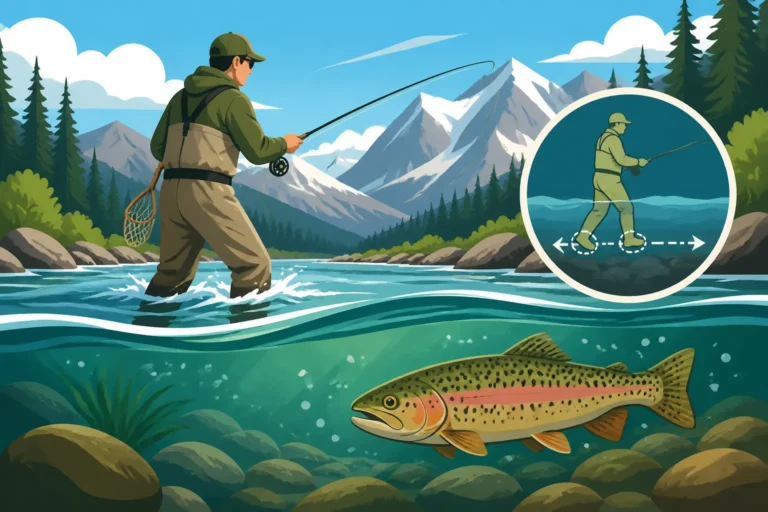
- Avoid Wading in Fast Current: Even seemingly shallow water can have surprising force. If the current is strong enough to move your feet, it's strong enough to sweep you off your feet.
- Use a Wading Staff: If you absolutely must wade in unfamiliar or slightly swift water, a sturdy wading staff is essential for maintaining balance and probing the bottom for hidden drops or unstable footing.
- Non-Slip Footwear: Wear wading boots with good grip. Felt soles offer excellent traction on slimy rocks, but rubber soles with aggressive treads can also be effective, especially with studs.
- Wade with a Partner: Never wade alone in challenging conditions. A partner can assist if you stumble or get into trouble.
- Be Aware of Hypothermia: Even in spring, high water can be surprisingly cold. Dress in layers of quick-drying, synthetic materials, and be aware of the signs of hypothermia. Waterproof outerwear is a must.
- Shore Fishing Safety: If fishing from shore, be mindful of slippery banks, undercut banks that could collapse, and fast currents near the edge. Maintain a safe distance from the water's edge, especially when casting or landing a fish.
By understanding the unique challenges of high water spring walleye fishing in Alberta and employing these adapted techniques and safety measures, you can turn a potentially frustrating outing into a rewarding experience. It's all about adjusting your approach, staying safe, and remembering that even in the murkiest conditions, those walleye are still out there, waiting to be caught.
Disclaimer
The information provided in this guide is for general informational purposes only. Fishing regulations in Alberta can change, and it is the angler's responsibility to consult the most current Alberta Guide to Sportfishing Regulations before heading out. Always prioritize safety and practice ethical angling.