Drift Fishing for Trout on the Bow River
Many anglers dream of landing a trophy trout from Alberta's renowned Bow River, but actually connecting with those elusive fish can feel like cracking a secret code. The sheer size and power of this river, combined with the often finicky nature of its trout, can be incredibly frustrating. This guide will meticulously break down the art of drift fishing for trout on the Bow River, equipping you with the knowledge and techniques to turn those frustrating outings into truly memorable catches.
Understanding the Bow River and Its Trout Population
The Bow River isn't just any river; it's an ecosystem sculpted by glacial melt, urban influence, and decades of angling pressure. To successfully drift fish here, you first need to appreciate what makes it tick.
The Unique Character of the Bow River
The Bow River is a tailwater fishery, meaning its flows are regulated by dams, primarily the Glenmore Dam near Calgary. This dam significantly influences water temperature and clarity, creating a remarkably stable environment that allows trout to thrive year-round. Unlike many freestone rivers that experience drastic fluctuations, the Bow maintains a relatively consistent flow, which cultivates abundant insect life – the primary food source for its trout. The riverbed itself is a diverse mosaic of gravel bars, deep runs, riffles, and submerged structures like old bridge pilings and fallen trees. These features create prime holding lies where trout can ambush prey and conserve energy. The river's width and depth vary dramatically, from wide, shallow sections perfect for wading to powerful, deep channels best accessed by boat. Understanding these nuances is crucial for identifying where trout are likely to be found at any given time.
The sheer volume of water moving through the Bow, particularly below Calgary, also means that trout have ample space and cover, making them both challenging and incredibly rewarding to pursue. The consistent water temperatures, often cool in summer and slightly warmer than other rivers in winter due to the dam, contribute to a longer growing season and robust fish. This consistent environment supports a rich aquatic insect population, ranging from tiny midges and mayflies to larger stoneflies and caddisflies, which in turn fuels the growth of truly impressive trout.
Primary Trout Species in the Bow
While the Bow River hosts a variety of fish species, drift fishing primarily targets two magnificent trout: the rainbow trout and the brown trout.
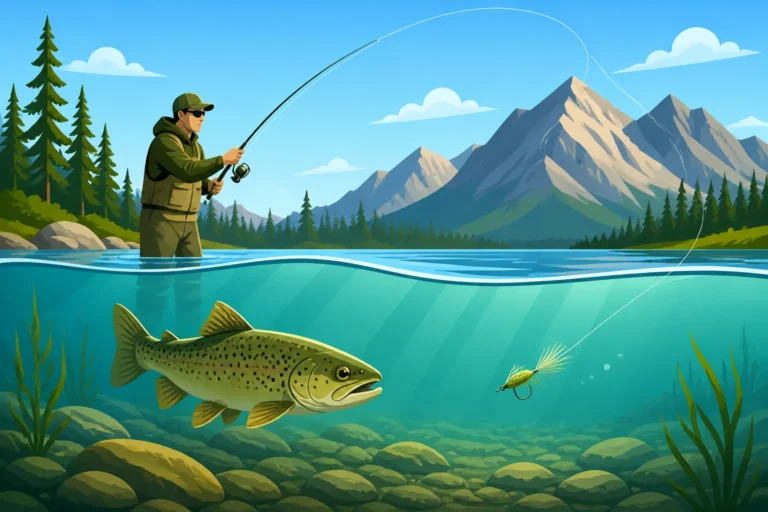
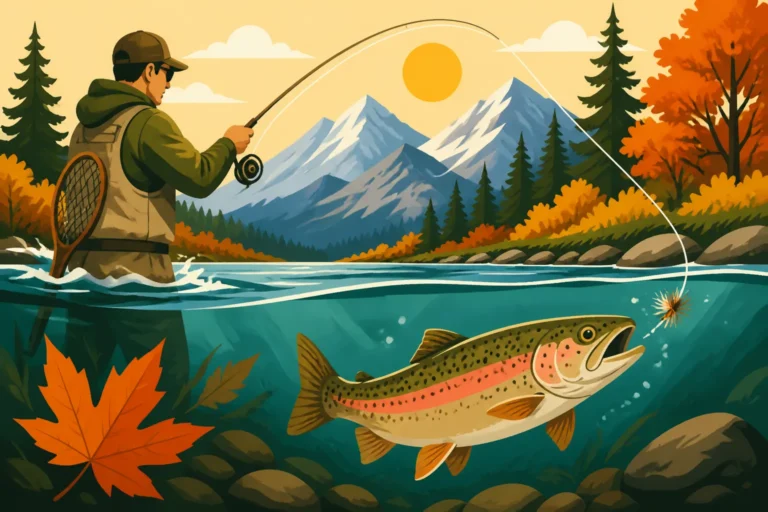
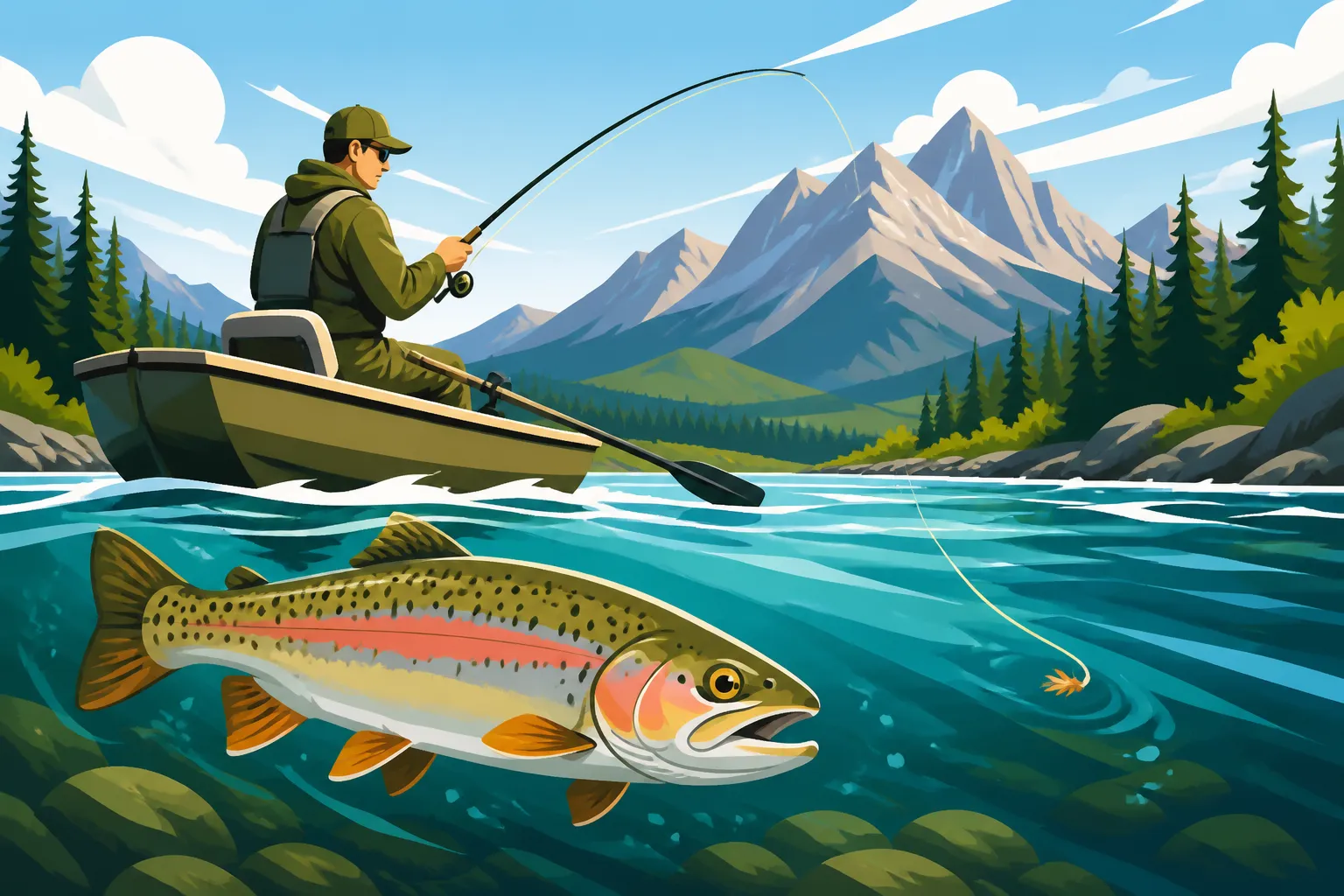
Rainbow trout are the river's most abundant and iconic species. They are known for their acrobatic fights and brilliant colours, especially when fresh from the cold, oxygen-rich currents. Bow River rainbows are often genetically wild or from wild brood stock, exhibiting incredible strength and resilience. These fish can grow to impressive sizes, with 20-inch specimens being relatively common, and larger fish regularly caught. They primarily feed on insects, small baitfish, and crustaceans, making them excellent candidates for a well-presented drift. If you're looking for an exciting fight and beautiful fish, the rainbow is your target. You can learn more about specific characteristics in our guide on Rainbow Trout Fishing on the Bow River.
Brown trout, on the other hand, are the river's apex predators. While not as numerous as rainbows, they are often larger, more elusive, and prefer to hold in deeper, more secluded lies, particularly near structure. Browns are known for their cunning and aggressive strikes, especially during low light conditions or when targeting larger prey like baitfish or even mice that fall into the river. They boast a golden-brown hue with distinctive red and black spots, a true testament to their wild nature. Catching a large Bow River brown trout is often considered a pinnacle achievement for many anglers. These fish require patience and a careful, precise approach. Understanding their habits can drastically improve your chances, as detailed in our guide to Brown Trout Fishing in Alberta. Knowing the difference between these species will also inform your approach to terminal tackle and presentation.
The Art of Drift Fishing: Why It Works So Well
Drift fishing, at its core, is about presenting your bait or lure as naturally as possible, mimicking the free-floating food items that trout constantly feed on in a river environment. It's an incredibly effective technique on the Bow River, where trout are accustomed to a conveyor belt of nutrition.
Simulating Natural Prey Movement
Trout in the Bow River, especially those living in fast-moving currents, spend much of their time positioned in feeding lanes, waiting for food to drift past them. This could be anything from dislodged aquatic insects, small baitfish swept from eddies, or even terrestrial insects that fall into the water. Drift fishing capitalizes on this instinctive feeding behaviour by presenting your offering in a way that looks indistinguishable from natural food. When your lure or bait tumbles and flows at the exact speed of the current, without any unnatural drag or resistance, it becomes incredibly appealing to a hungry trout.
This natural presentation is critical because Bow River trout, particularly the larger, wilder specimens, are incredibly wary. They've seen countless lures and baits that didn't quite look right, and they've learned to avoid anything that moves suspiciously. A perfect drift avoids any "line drag" – where the current pulls your line faster or slower than your bait, causing it to skate unnaturally. Achieving this requires careful line management, proper weighting, and an understanding of how currents interact with your line. It's a subtle dance that, when executed correctly, can fool even the most educated fish into striking.
Key Principles of a Perfect Drift
Executing a perfect drift involves a combination of elements that must work in harmony. First and foremost is your setup: selecting the right rod, reel, line, and terminal tackle is paramount. You need enough sensitivity to detect subtle takes and enough power to handle strong currents and powerful fish.
Secondly, weighting is critical. Whether you're using split shot, pencil lead, or a heavier jig head, the goal is to get your offering down to the fish's feeding level quickly, but without hindering its natural movement. Too little weight, and your bait will skip over the top; too much, and it will snag on the bottom, disrupting the drift. The ideal is to periodically tick the bottom, indicating you're in the strike zone, but not constantly dragging or snagging.
Thirdly, casting and line management are essential. You want to cast upstream and across the current, allowing your bait enough time to sink and achieve the desired drift before it reaches the target area. Once your line is in the water, you'll need to continuously "mend" your line – making small, deliberate adjustments to keep the main line flowing at the same speed as your bait. This eliminates drag and maintains that crucial natural presentation. It's a constant process of observation and adjustment, crucial for anyone looking to master Drift Fishing for Trout on the Bow River.
Essential Gear for Bow River Drift Fishing
Having the right tools for the job can make all the difference, especially on a challenging river like the Bow. Investing in quality gear designed for river fishing will not only increase your success but also enhance your overall enjoyment.
Rods, Reels, and Line Selection
For drift fishing on the Bow River, your rod choice is incredibly important. A medium-light to medium power spinning rod, typically 7 to 9 feet in length, is ideal. The longer length helps with line control, allowing for better mending and longer, more controlled drifts. A moderate-fast action is often preferred, providing enough backbone for powerful hooksets and fighting strong trout, while retaining a sensitive tip to detect subtle bites. For those targeting larger browns or fishing heavier current, a medium-heavy rod might be warranted. A common rod that offers a good balance of sensitivity and power for Bow River trout could be a 7'6" medium-light fast-action spinning rod, such as those from brands like St. Croix or Fenwick, readily available on Amazon.
Pair your rod with a reliable spinning reel in the 2500-3000 size range. This size offers a good balance of line capacity and smooth drag performance, which is essential when a big rainbow decides to make a run. Look for a reel with a smooth, consistent drag system, as sudden jerks or sticking can lead to lost fish.
When it comes to line, a good starting point is 8-10 lb test monofilament or fluorocarbon as your main line. Monofilament offers a bit more stretch, which can be forgiving with aggressive strikes, and it floats, which can assist with mending. Fluorocarbon, on the other hand, is nearly invisible underwater, has very little stretch, and sinks, which can be advantageous in deeper water or when trying to get your bait down quickly. Some anglers prefer to use a braided main line (15-20 lb test) for its incredible sensitivity and lack of stretch, then connect a fluorocarbon leader (6-8 lb test) of 4-8 feet. This combination offers the best of both worlds: sensitivity and strength from the braid, and stealth and natural presentation from the fluorocarbon leader. When you're fishing for wary trout, line visibility is critical, making Best Fluorocarbon Line for Clear Water Trout a vital resource.
Terminal Tackle and Weighting Strategies
The business end of your drift fishing setup includes hooks, swivels, and most importantly, your weights.
For hooks, offset shank worm hooks or baitholder hooks in sizes #6 to #10 are common choices when using natural baits like worms, roe, or PowerBait. If you're drifting small jigs, sizes 1/32 to 1/8 ounce are effective, depending on current speed and depth. Always ensure your hooks are sharp; a dull hook will lead to missed strikes and lost fish.
Weighting is the real science of drift fishing. The goal is to get your bait or lure into the feeding zone without hindering its natural drift. This means using just enough weight to bounce along the bottom occasionally, indicating you're at the right depth.
Here's a breakdown of common weighting strategies:
| Weighting Method | Description | Pros | Cons | Best Use |
|---|---|---|---|---|
| Split Shot | Small, round lead weights pinched directly onto the line, usually spaced out a few inches above the hook. | Adjustable, easy to add/remove, versatile for various depths. | Can damage line if pinched too hard, can snag easily in rocky bottoms, not very streamlined. | Moderate currents, varied depths, when precise weight adjustments are needed. |
| Slinky Weights | Small, flexible lead weights encased in parachute cord or tubing, attached via a swivel. | Less prone to snagging in rocky bottoms due to flexibility, good feel of the bottom. | Can be less streamlined than other weights, might absorb some sensitivity. | Rocky bottom rivers like the Bow, strong currents where snags are frequent. |
| Pencil Lead | Thin, cylindrical lead weights, often crimped onto a leader or attached via a three-way swivel. | Very sensitive, good for feeling bottom, less prone to snagging than round weights. | Can bend or break, requires tools for crimping, might twist line if not rigged correctly. | Finesse presentations, moderate to strong currents, when minimizing snags is crucial. |
| Egg Sinkers | Round or oval weights with a hole through the middle, allowing the line to run freely. Often used above a swivel to a leader. | Allows fish to take bait without feeling weight, good for bottom fishing with stationary bait. | Not ideal for active drifting as they can roll and get stuck, less sensitive for detecting subtle bottom bumps. | Heavier current, fishing deeper pools, when a stationary presentation is desired (though less common for active drift fishing). |
| Jig Heads | A weighted hook, the weight is part of the hook itself. | Streamlined, excellent feel of the bottom, direct contact with bait, very versatile. | Limited weight adjustment, requires changing the entire lure, can snag if not retrieved carefully. | Active jigging, drift jigging, when fishing soft plastics or specific bait presentations like a grub or minnow. (Often used with the specific flies mentioned in Fly Patterns for the Bow River) |
For Bow River drift fishing, split shot, slinky weights, and pencil lead are your most common companions. When using split shot or pencil lead, space a few smaller weights out, rather than one large one, for a more natural presentation and better sensitivity. This "shotgun" or "slinky" rig allows your bait to tumble more freely. A small barrel swivel or a three-way swivel can be used to connect your main line to a leader, and then your weight can be added to a short dropper line off the swivel. This helps prevent line twist and allows for easy weight changes.
Wading Gear and Safety Considerations
Fishing the Bow River often involves wading, which means proper gear is not just about comfort, but safety. The river's current can be deceptively strong, and the bottom can be slippery with algae-covered rocks.
A good pair of breathable chest waders is essential. Look for durable material with reinforced knees and seat. Brands like Simms, Orvis, and Redington offer excellent options that can withstand the rigours of river fishing. Pair your waders with sturdy wading boots that provide excellent ankle support and grip. Felt soles used to be the gold standard for grip on slippery rocks, but many rivers, including sections of the Bow, are starting to restrict their use due to the potential for spreading invasive species. Rubber soles with studs or aggressive tread patterns are becoming more common and effective. You can find a wide range of options on Amazon, but always check local regulations regarding felt soles. Our guide on Best Waders for Alberta Trout Rivers provides more detailed advice.
Always wear a wading belt, cinched snugly around your waist. In the event of a fall, this can help prevent your waders from filling completely with water, making it much easier to recover or get to shore. A wading staff is also a highly recommended safety tool. It provides an extra point of contact with the riverbed, helping you maintain balance and probe unknown depths before stepping. This is especially important when moving through strong currents or crossing unfamiliar stretches of river.
Beyond wading specific gear, consider other safety items:
- PFD (Personal Flotation Device): If you're fishing from a boat or in sections of the river with particularly strong currents or deep water, a PFD is a wise choice. It could save your life.
- First Aid Kit: A small, waterproof kit is crucial for treating minor cuts, scrapes, or insect bites.
- Communication Device: A fully charged cell phone in a waterproof case, or a satellite communication device if in very remote areas, is essential for emergencies.
- Weather Appropriate Clothing: Alberta weather can change rapidly. Layering is key, and having good rain gear is always a smart move.
Never wade alone if possible, and always let someone know where you're going and when you expect to return. The Bow River is beautiful, but it demands respect.
Mastering Drift Fishing Techniques
Beyond the gear, successful drift fishing hinges on your ability to read the water, present your bait, and detect strikes effectively. It's a practiced skill that improves with every hour spent on the water.
Reading the Water and Identifying Holding Lies
The Bow River is a dynamic environment, and trout are constantly moving to find the best feeding opportunities and protection. Learning to "read the water" means understanding where fish are likely to hold. Look for areas where current speed changes, creating natural ambush points.
- Seams: These are lines where fast water meets slower water. Trout will often sit in the slower current, expending less energy, while waiting for food to be swept past them in the faster current. These are prime targets for your drift.
- Eddies and Back-Currents: Found behind large rocks, fallen trees, or bends in the river, eddies provide resting areas for trout where food often accumulates. Drifting into and out of these areas can be highly effective.
- Riffles and Runs: These are shallower, faster-moving sections where oxygen levels are high and insects are often dislodged. Trout will feed actively in the deeper pockets within these areas.
- Deep Pools and Runs: Larger trout, particularly brown trout, often prefer the security of deeper water. Look for depressions in the riverbed, often indicated by darker water. These areas may require heavier weights to get your offering down to their level.
- Structure: Submerged logs, rock piles, bridge pilings, and undercut banks all provide cover and current breaks for trout. Fish will often hold tight to these structures, making precise drifts along their edges critical.
- Confluence Points: Where smaller creeks or tributaries enter the Bow, they often bring in new food sources and create distinct current breaks, making them hot spots for trout.
Observe the current intently. Where does the main flow go? Where does it slow down? Where does it create soft spots? Trout will almost always be in or adjacent to these softer spots, conserving energy while feeding. A great place to hone this skill is on sections like Bow River Trout Fishing Near Calgary, where diverse water types are easily accessible.
Casting and Presentation for Optimal Drift
Your cast and presentation are crucial for a successful drift. The goal is to cast upstream and slightly across the current, giving your bait or lure enough time to sink to the fish's feeding depth before it reaches their holding lie.
- Angle Your Cast: Aim to cast at a 45-degree angle upstream from your position. This allows the current to naturally carry your bait downstream towards your target.
- Allow for Sink Time: Immediately after your cast, allow a few seconds for your weight to carry your bait down through the water column. The exact time will depend on depth and current speed.
- Manage Your Line (Mending): This is perhaps the most challenging, yet most important, aspect of drift fishing. As your line floats downstream, the current will inevitably pull on different sections of it, creating "belly" or drag. To counteract this, you need to "mend" your line. This involves gently lifting your rod tip and flipping a loop of line upstream, effectively repositioning your line so that it's flowing at the same speed as your bait. Think of it as creating a slack line that disappears just as quickly as it forms, allowing your bait to continue its unhindered drift. A proper mend ensures your bait isn't being pulled unnaturally faster or slower than the surrounding current.
- Keep Slack to a Minimum: While mending creates intentional slack, you want to eliminate unnecessary slack. Too much slack makes strike detection nearly impossible. Keep a relatively straight line between your rod tip and where your line enters the water, but not so tight that it introduces drag. It’s a fine balance.
- Follow the Drift: As your bait drifts downstream, slowly lower your rod tip, following the path of your line. This allows you to maintain control and be ready for a strike. Once the bait has drifted past your position and the drift starts to become unnatural, reel in and recast.
Practicing your mends in various current speeds will significantly improve your success rate. This technique is often discussed in guides like Wading Techniques for Alberta Trout Rivers.
Strike Detection and Hook Set
Detecting a strike while drift fishing can be subtle, sometimes no more than a slight pause, a twitch, or a feeling of added weight on your line. Since your bait is designed to bounce along the bottom, distinguishing a fish strike from a snag or rock can take practice.
- Watch Your Line: Your line is often the best indicator. Any unnatural stop, hesitation, or sudden pull of the line as it drifts downstream warrants attention. If you're using a brightly coloured main line or indicator, it can be easier to spot these subtle movements.
- Feel for the Tap: Many strikes are felt as a light "tick" or "tap" through the rod. Keep your rod tip slightly elevated and your hand lightly on the reel handle to maximize sensitivity.
- Assume a Fish: When in doubt, set the hook! It's better to set the hook on a rock occasionally than to miss a fish. Bow River trout can pick up and drop a bait very quickly.
When you suspect a strike, set the hook with a quick, firm upward sweep of the rod. Don't yank violently, as this can break your line or pull the hook out. A smooth, deliberate set is usually all that's needed. Once hooked, keep steady pressure on the fish, use your reel's drag system to tire it out, and avoid horsing it in, which can cause the hook to pull free or damage the fish. Remember to play the fish quickly and efficiently to minimize stress, especially if you plan on releasing it.
Seasonal Considerations for Drift Fishing
The Bow River is a year-round fishery, but the changing seasons bring different challenges and opportunities for drift fishing. Adapting your approach to the conditions is key to consistent success.
Spring Tactics for Post-Spawn Trout
Spring on the Bow River, typically from April to early June, can be a fantastic time for drift fishing, but it also brings its own set of variables. As the snow melts and runoff increases, water levels can rise, and clarity can decrease. This means trout will often move into slower, shallower areas closer to the banks to escape the strong currents and find clearer water.
During this period, trout are often recovering from the rigours of spawning (late fall/early winter for browns, spring for rainbows) and are actively looking to replenish energy. They may be less selective, but you'll still need to put your bait in front of them. Focus your drifts on the softer edges of the main current, back eddies, and any slower seams.
- Increased Water Levels: High water often means trout are pushed to the banks. Target the seams along the river's edge, undercut banks, and flooded vegetation.
- Water Clarity: If the water is off-colour, trout will rely more on scent and vibration. Consider using larger, brighter baits or scented plastics. Natural baits like worms or roe can be particularly effective.
- Post-Spawn Aggression: While recovering, trout can be quite aggressive towards food sources. Don't be afraid to try slightly larger presentations.
- Aquatic Invertebrates: Early spring often sees hatches of midges and some early season mayflies, so drifting small nymph patterns or even tiny jigs imitating these insects can be very productive.
Spring can also see rapid temperature changes. Pay attention to our guides on Spring Trout Fishing Techniques for Alberta Streams and Best water temperature for trout fishing in Alberta to fine-tune your approach.
Summer Strategies for Hatches and Warm Water
Summer, from June through August, offers some of the most consistent fishing on the Bow, but it also requires finesse. Water levels are usually lower and clearer, and trout become much more selective. This is the peak season for insect hatches, from caddis and mayflies to stoneflies.
- Match the Hatch: Trout will key in on specific insect species emerging from the water. Observe what insects are flying around or floating on the surface. If you see a lot of a particular bug, try to "match the hatch" by drifting an imitation. Fly anglers excel at this, but spin anglers can use small jigs, artificial worms, or even tiny crankbaits that mimic emerging insects or small baitfish.
- Morning and Evening Bites: During the hottest parts of the summer, trout tend to be most active in the cooler morning and evening hours. Focus your efforts during these times.
- Target Deeper Runs and Shady Spots: As water temperatures rise, trout will often seek out cooler, deeper water or hold in shaded areas near undercut banks and overhanging trees. Drifting through these zones is crucial.
- Clear Water Finesse: With clearer water, line visibility becomes even more critical. Use lighter fluorocarbon leaders (6 lb test) and smaller, more natural-looking presentations.
While fly fishing often dominates conversations about summer hatches, a well-executed drift with a subtle jig or artificial nymph can be equally deadly. Understanding Fly Patterns for the Bow River can even help spin anglers choose jig colors or bait profiles.
Fall Fishing for Aggressive Trout
Fall (September to November) is arguably the most exciting time for drift fishing on the Bow River. Water levels stabilize, temperatures cool, and trout become incredibly active as they feed heavily in preparation for winter. Brown trout, in particular, become very aggressive as they prepare to spawn.
- Pre-Spawn Aggression: Both rainbow and brown trout will be putting on the feedbag. Brown trout often display territorial aggression and will strike larger baits and lures. This is prime time for trophy browns.
- Baitfish and Eggs: Trout will key in on baitfish and salmon/trout eggs (from spawning fish). Drifting egg imitations, small streamer-style jigs, or soft plastics that mimic baitfish can be incredibly effective.
- Larger Presentations: Don't be afraid to size up your baits. Larger fish are looking for a substantial meal.
- Focus on Structure: Trout will often hold near spawning beds (which should be avoided to prevent disturbing fish) or in deep pools and runs where they can ambush prey.
- Crisp, Clear Water: Fall usually brings excellent water clarity, so stealth is still important, but the fish's aggressive nature can sometimes override their wariness.
Fall fishing is often a balance of targeting actively feeding fish and being aware of spawning fish to ensure ethical angling. Our guide on Best Techniques for Fall Trout Fishing will give you additional insights into this productive season.
Advanced Tips and Common Mistakes to Avoid
Beyond the basics, there are subtle refinements and critical errors to sidestep that can elevate your drift fishing game on the Bow River.
Mending Line and Managing Drag
We touched on mending earlier, but truly mastering it is an ongoing process. Think of your line as a sail being caught by the wind (the current). Your goal is to keep that sail from pulling your lure faster or slower than the water it's in.
- Upstream Mend: The most common mend involves lifting your rod tip and flipping a loop of line upstream. This throws a bit of slack into the line, allowing your bait to continue its natural drift without being pulled prematurely by faster surface currents.
- Downstream Mend (Less Common): Occasionally, if your bait is getting hung up or moving too slowly, a small downstream mend can slightly speed it up, though this is rare in true drift fishing.
- Reach Cast: This cast involves extending your rod arm after the forward cast to place extra line upstream, effectively pre-mending your line before it even hits the water. This gives you a longer, more natural drift from the start.
- Line Management with Wind: Wind can be a huge nuisance, creating unwanted belly in your line. Try to cast low into the wind, use heavier line that resists wind drag, or position yourself to minimize the wind's effect on your line. Sometimes, switching to a fluorocarbon main line can help as it sinks.
The biggest mistake related to mending is not mending enough or mending too late. If your line is pulling your bait, you've already introduced drag, and your presentation is compromised. Practice quick, subtle mends as soon as you see your line begin to belly. It’s a continuous, intuitive process that requires constant attention to your line and the water. This constant vigilance and understanding of current dynamics is what separates a novice drifter from a seasoned Bow River angler.
Ethical Angling and Catch-and-Release Practices
The Bow River is a precious resource, and its healthy trout populations are a testament to responsible management and angler ethics. Practicing proper catch-and-release techniques is vital for preserving this world-class fishery.
- Minimize Fight Time: While it's exhilarating to fight a strong fish, prolonged battles exhaust the trout, making their survival post-release less likely. Use appropriate tackle (not too light) to land fish efficiently.
- Keep Fish in Water: If possible, unhook fish while they are still in the water. This minimizes physical stress and damage to their protective slime coat.
- Wet Hands Only: If you must handle the fish, wet your hands thoroughly beforehand. Dry hands strip away the fish's protective slime, leaving it vulnerable to disease.
- Support, Don't Squeeze: When holding a fish for a quick photo, support its weight horizontally. Never hold a large fish vertically by its jaw or squeeze it around the belly, as this can cause internal organ damage.
- Barbless Hooks: In many special regulation waters in Alberta, including sections of the Bow River, barbless hooks are mandatory. Even where not mandatory, using barbless hooks (or crimping down barbs with pliers) makes unhooking much easier and less traumatic for the fish. This is crucial for catch and release and often a regulation in waters like those requiring Alberta Barbless Hook Requirement Waters.
- Proper Netting: Use a rubber or knotless mesh landing net. These nets are gentler on fish scales and fins compared to knotted nylon nets. Our guide on Best Landing Net for Trout offers excellent recommendations.
- Revive the Fish: If a fish is lethargic after the fight, hold it gently in the current, facing upstream, until it regains strength and can swim away on its own. Never vigorously pump a fish back and forth, as this can force water the wrong way through its gills.
By following these practices, you ensure that the trout you catch today can grow larger and provide exhilarating fights for future generations of anglers. It's not just about catching fish; it's about respecting the fish and the environment they call home.
Disclaimer
Fishing involves inherent risks, and conditions on the Bow River can change rapidly. Always prioritize your safety, understand and follow all current Alberta fishing regulations, and be aware of environmental conditions. This guide is for informational purposes only and does not substitute for personal judgment or professional advice.