Best Waders for Alberta Trout Rivers
The biting chill of an Alberta trout river, even in the height of summer, can turn a potentially incredible day of fishing into a miserable ordeal if you're not properly prepared. There’s nothing worse than wading into that crisp, clear water, only to feel a cold seep start creeping up your legs, or worse, a full-blown leak. This guide is all about helping you navigate the sometimes-overwhelming world of waders, ensuring you stay dry, comfortable, and ready to tackle the incredible trout fishing opportunities our province offers, from the freestone rivers to the spring creeks.
Why Waders Are Essential for Alberta Trout Rivers
Fishing in Alberta's renowned trout rivers, like the Bow or the Crowsnest, often means getting into the water. These aren't just shore-casting expeditions; the best lies for big trout are frequently found by carefully wading through riffles, runs, and deeper pools. Without proper waders, you're either stuck on the bank, missing out on prime fishing spots, or risking hypothermia from prolonged exposure to cold river water.
Accessing Prime Fishing Lies
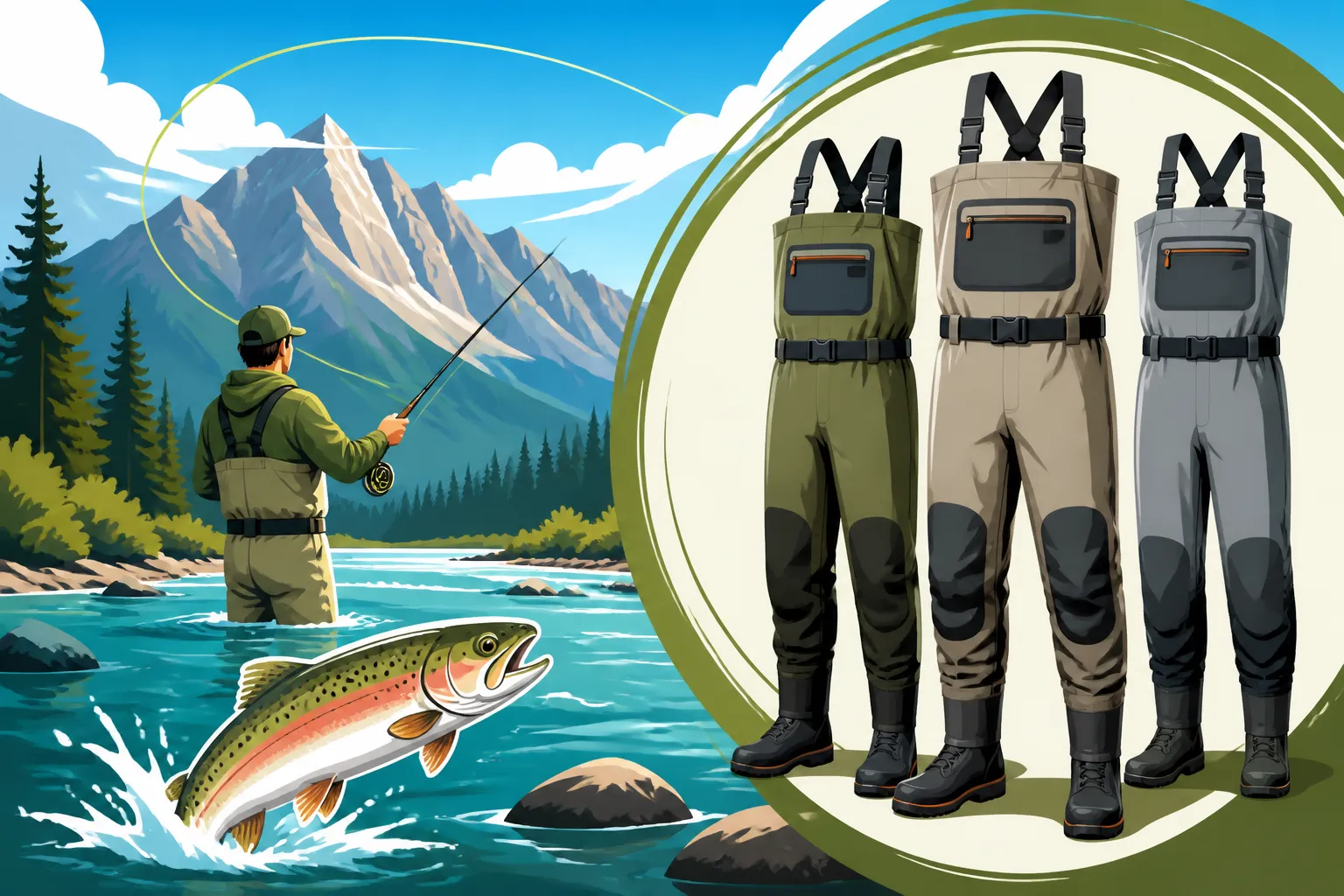
Think about those classic fly fishing scenes: an angler expertly casting a line, standing mid-river, surrounded by the rush of water. That's not just for show; it's often the only way to reach those elusive fish. Trout, especially large ones, often hold in seams, behind boulders, or in the deeper parts of a run where they feel secure and can ambush prey. From the bank, these spots can be impossible to present a fly or lure effectively to. Waders open up a whole new world of accessibility, allowing you to position yourself strategically and cast into areas that would otherwise be out of reach. It really transforms your experience from just "fishing near the river" to "fishing the river."
Staying Warm and Dry in Variable Conditions
Alberta's weather is famously unpredictable. A sunny morning can quickly turn into a chilly afternoon with cloud cover or a sudden rain shower. Our rivers, even on the warmest days, maintain a surprisingly low temperature due to snowmelt and groundwater sources. For example, even in July, the Bow River's water temperature can be a bracing single digit. Without a reliable barrier between you and that cold water, your body temperature will drop rapidly, leading to discomfort, shivering, and a complete loss of focus on fishing. Good waders, combined with appropriate layering underneath, are your personal climate control system, allowing you to fish comfortably for hours regardless of the external conditions.
Protecting Against Bites and Scrapes
Beyond temperature, waders offer a physical layer of protection. Walking through dense riverside brush or navigating slippery, uneven riverbeds can lead to scrapes, cuts, and insect bites. While not their primary function, a sturdy pair of waders provides a welcome shield against thorns, sharp rocks, and the persistent mosquitoes and blackflies that are a hallmark of summer in some Alberta fishing locales. It’s an added peace of mind, allowing you to concentrate on your cast rather than worrying about what might be lurking in the undergrowth or under the water.
Types of Waders: Finding Your Fit
The market is flooded with different types of waders, and choosing the right pair can feel like a daunting task. The main distinctions come down to material, design (bootfoot vs. stockingfoot), and height. Each has its pros and cons, and the "best" choice really depends on your personal preferences, the specific conditions you fish in, and your budget.
Stockingfoot Waders with Wading Boots
Stockingfoot waders are arguably the most popular choice for serious trout anglers in Alberta, especially those who spend a lot of time fly fishing. These waders have neoprene "socks" or "stockings" at the bottom, which require you to purchase separate wading boots. This two-piece system offers a lot of advantages. Firstly, you can choose boots that provide superior ankle support and traction on slippery riverbeds, which is crucial for safety in fast-moving water or on rocky sections. Brands like Simms and Orvis often have excellent boot options that complement their waders. Secondly, if your boots wear out, you only need to replace the boots, not the entire wader. This modularity also allows for a more customized fit, as you can dial in your boot size independently of your wader size. However, the downside is the added cost of buying boots separately and the extra time it takes to gear up.
Bootfoot Waders for Convenience
Bootfoot waders, as the name suggests, have the boots permanently attached to the wader itself. This design offers unparalleled convenience, as you simply step into them and you're ready to go. There’s no fiddling with separate laces or worrying about gravel getting into your wading boots. For anglers who value speed and simplicity, or those who mostly fish in less demanding conditions, bootfoot waders are a fantastic option. They're often favoured by ice anglers or those fishing from a boat where extensive walking isn't required. However, the integrated boots might not offer the same level of ankle support or specialized sole traction as dedicated wading boots. If a boot wears out, or if the fit isn't quite right, you're usually stuck replacing the entire wader unit, which can be a more significant investment.
Material Matters: Breathable vs. Neoprene
The material of your waders is a critical factor in comfort, especially in Alberta's varied climate. Modern waders are generally made from either breathable fabrics or neoprene.
Breathable waders, typically constructed from multi-layered nylon or polyester with a waterproof-breathable membrane (like Gore-Tex or similar proprietary technologies), are a game-changer for active anglers. These materials allow perspiration vapor to escape while preventing water from entering, meaning you stay dry from both the inside and the outside. They are much more comfortable for hiking to your fishing spot or for warmer days on the water. However, they generally cost more and are more susceptible to punctures and tears from sharp objects or abrasive surfaces. Layering underneath is key to warmth in colder conditions.
Neoprene waders, on the other hand, are made from the same material as wetsuits. They are excellent insulators, providing significant warmth even in frigid water. If you're planning on ice fishing, early spring wading, or truly cold-weather river excursions, neoprene is a strong contender. They are also generally more durable and puncture-resistant than breathable fabrics, making them a robust choice for rougher environments. The trade-off is that neoprene doesn't breathe, so on warmer days or after a strenuous hike, you can quickly become overheated and sweaty, leading to discomfort. They are also bulkier and heavier than breathable options.
| Wader Type / Material | Key Advantages | Key Disadvantages | Ideal Use Cases in Alberta |
|---|---|---|---|
| Stockingfoot | Customizable boot fit, superior ankle support/traction, replaceable boots. | Higher initial cost (waders + boots), more time to gear up. | Fly fishing the Bow River Fishing Guide, Crowsnest, active wading in rocky rivers. |
| Bootfoot | Convenience, quick to put on/take off, often more affordable. | Less customizable fit, limited boot options, entire unit needs replacement if boots fail. | Casual fishing, ice fishing, boat fishing, minimal hiking. |
| Breathable Fabric | Excellent comfort in mild to warm weather, allows perspiration to escape. | Less insulating, generally higher cost, more prone to punctures. | Spring, summer, fall trout fishing, active angling. |
| Neoprene | Superior warmth in cold water, durable, often more puncture-resistant. | Non-breathable (can get sweaty), heavier, bulkier, less versatile for warm weather. | Winter, early spring, late fall fishing, ice fishing. |
Key Features to Look for in Alberta Trout Waders
Once you've decided on the general type and material, it's time to dive into the specifics. The devil is in the details when it comes to waders, and a few key features can make a world of difference in your comfort, safety, and overall fishing enjoyment on Alberta's rivers. You’ll be grateful for these thoughtful additions when you’re mid-stream on the Crowsnest River Trout Fishing or exploring remote sections of the Oldman River.
Construction and Seam Integrity
This is perhaps the most critical factor for longevity. Waders are only as good as their seams. Look for waders with well-taped, reinforced, and minimal seams. Every seam is a potential leak point. Reputable brands often use advanced welding technologies or multiple layers of taping to ensure waterproof integrity. Cheaper waders might use simple stitching and gluing, which can fail prematurely under stress or repeated flexing. Investing in waders with robust seam construction means fewer frustrating leaks and more seasons on the water. Don't be afraid to ask about the seam construction when browsing in stores like Bass Pro Shops or reading detailed product descriptions online.
Wading Belt and Suspenders
A wading belt isn't just for holding up your waders; it's a vital safety feature. In the event of a fall into deeper water, a properly cinched wading belt can significantly reduce the amount of water that enters your waders, preventing a dangerous "billowing" effect that can make it incredibly difficult to stand up or swim. Look for a belt that is wide, comfortable, and easy to adjust. Suspenders, on the other hand, are about comfort and fit. Adjustable suspenders, often made from elastic, allow you to fine-tune how the waders sit on your body, distributing the weight evenly and preventing sagging. Some high-end waders feature convertible suspenders that allow you to quickly convert chest waders into waist-high waders for warmer conditions or shallower wading.
Pockets and Storage
While not strictly essential for performance, well-designed pockets can greatly enhance your fishing experience. A large, water-resistant chest pocket is ideal for stashing fly boxes, leader material, or a small camera. Internal pockets, often zippered, are perfect for keeping valuables like your phone or car keys secure and dry. Hand-warmer pockets, lined with fleece, are a godsend on chilly mornings or when fishing in colder waters. Some waders even incorporate tool attachment points or daisy chains for nippers, hemostats, or other essential fishing tools. Consider what you typically carry on the water and choose a wader that offers smart storage solutions without being overly bulky or cumbersome.
Gravel Guards and Boot Features
For stockingfoot waders, effective gravel guards are non-negotiable. These elasticized cuffs, often with a hook, fit over your wading boots to prevent sand, gravel, and debris from entering your boots and abrading the neoprene sock of your waders. Without them, even the toughest waders will develop leaks around the foot area prematurely. For wading boots themselves, focus on sole type (felt for slick rocks, rubber for mixed terrain and easier cleaning), ankle support, and overall durability. The grip provided by your boots is paramount for safety when navigating the slippery, sometimes treacherous, bottom of an Alberta trout river. Many anglers opt for studded soles or add studs to rubber soles for extra grip on specific waters.
Sizing and Fit: Getting It Right the First Time
Perhaps the most overlooked, yet critical, aspect of buying waders is getting the right size and fit. An ill-fitting pair of waders, no matter how expensive or feature-rich, will be uncomfortable, restrict your movement, and ultimately diminish your time on the water. It’s not like buying a pair of jeans where a little loose or tight is okay; waders need to be just right for both comfort and safety.
Understanding Wader Sizing Charts
Wader sizing is not always straightforward, and it doesn't always correspond to your street clothes size. Most reputable manufacturers, including those found at Bass Pro Shops or listed on Amazon, provide detailed sizing charts. These charts typically include measurements for chest, waist, inseam, and foot size (for stockingfoot models). It's crucial to take accurate measurements of yourself while wearing the layers you'd typically wear under your waders – this is especially important for breathable waders in colder weather. Don't assume your "large" shirt size means you wear a "large" wader. Pay close attention to the inseam, as too short will ride up uncomfortably, and too long will create excessive material that bunches, leading to wear and tear.
The Importance of Layering Space
When trying on waders, remember that you'll be layering underneath them. For spring or fall fishing in Alberta, this could mean thermal underwear, fleece pants, or even insulated hiking pants. Your waders need to accommodate these layers without feeling tight or restrictive. If they're too snug, they'll compress your insulating layers, reducing their effectiveness and making you colder. They'll also restrict your movement, making casting and wading difficult and potentially putting undue stress on seams. Aim for a fit that allows a full range of motion – squatting, kneeling, and lifting your legs – without feeling stretched or pulled. There should be enough room for your base layers, but not so much that the waders sag excessively.
Testing for Mobility and Comfort
Once you have your measurements and have consulted the sizing chart, try on the waders (if possible). Don't just stand there; move around! Mimic fishing movements: cast an imaginary rod, squat down as if releasing a fish, and take a few high steps like you're climbing over a submerged log. This will quickly reveal any areas of tightness or bunching that could become problematic on the river. Pay particular attention to the crotch and knee areas. Too tight here will lead to discomfort and premature wear. For stockingfoot waders, try them on with your actual wading boots to ensure a comfortable fit. A well-fitting wader should feel almost like a second skin, allowing you to move freely and comfortably without being aware of the garment itself. If you're buying online from a retailer like Amazon, ensure they have a good return policy so you can exchange sizes if needed.
Caring for Your Waders: Longevity and Performance
Waders are an investment, and like any good piece of gear, they need proper care to perform their best and last for many seasons. Neglecting your waders can lead to premature leaks, unpleasant odours, and a significantly shortened lifespan. A little preventative maintenance goes a long way in ensuring your waders are ready for your next adventure on the Best Fly Fishing Rivers in Alberta or any other fishing hot spot.
Cleaning and Drying Your Waders Properly
After each outing, especially if you've been in muddy or silty water, give your waders a quick rinse with fresh water. This removes dirt, algae, and any potential invasive species. For a deeper clean, especially if they start to smell or show grime build-up, use a mild, non-detergent soap (like a gentle dish soap or a specialized wader cleaner) and lukewarm water. Gently scrub the outside, paying attention to seams and dirty areas. For the inside, turn them inside out and wash. Rinse thoroughly.
Crucially, always dry your waders completely, inside and out, before storing them. Hanging them upside down for the body to dry, and then turning them right-side out to allow the feet to dry, is a common method. Good air circulation is key. Never store damp waders; this is a surefire way to encourage mildew growth, which not only smells terrible but can also degrade the fabric and seam integrity. Avoid direct sunlight or high heat sources when drying, as this can damage breathable membranes or neoprene.
Repairing Minor Leaks and Punctures
It's almost inevitable that at some point, your waders will develop a small leak or puncture. Don't despair! Most minor leaks are easily repairable, saving you the cost of a new pair. For breathable waders, a small pinhole leak can often be found by turning the wader inside out, spraying the suspected area with rubbing alcohol (it will darken the fabric at the leak point), or filling the waders with a small amount of water (being careful not to overfill or stress seams). Once found, repair kits often include Aquaseal or similar urethane-based glues. Apply a small dab, let it cure, and you're good to go.
For neoprene waders, the process is similar, often using neoprene cement. Larger tears might require patches, which are readily available from outdoor retailers. It’s always a good idea to carry a small field repair kit with you, especially on multi-day trips or when fishing remote locations. Being able to patch a small leak on the spot can save your day and prevent a minor issue from becoming a major one.
Proper Storage Techniques
How you store your waders when not in use significantly impacts their lifespan. Avoid cramming them into a bag or leaving them crumpled in the corner of your garage. This creates creases that can weaken the fabric and stress the seams, leading to premature leaks. Instead, hang them loosely in a cool, dry, well-ventilated area, preferably away from direct sunlight and extreme temperature fluctuations. A wide-shouldered hanger is ideal for chest waders to help them maintain their shape.
For bootfoot waders, ensure the boots are clean and dry before storing. If you're storing them for an extended period, consider lightly stuffing the boots with newspaper or boot trees to help them retain their shape and absorb any residual moisture. By following these simple cleaning, repair, and storage tips, you can significantly extend the life of your waders and keep them performing at their best for countless Alberta fishing adventures.
Wader Accessories: Enhancing Your River Experience
While the waders themselves are the star of the show, a few key accessories can significantly enhance your comfort, safety, and overall efficiency on Alberta's trout rivers. These aren't just gadgets; they're thoughtful additions that address common challenges faced by anglers.
Wading Staffs for Stability and Safety
A wading staff is an often-underestimated piece of equipment, particularly when navigating unfamiliar or challenging river terrain. Rivers like the Bow can have strong currents and uneven, rocky bottoms, making stable footing crucial. A wading staff provides an essential third point of contact, significantly increasing your stability and reducing the risk of a fall. It allows you to probe the depth and composition of the riverbed ahead of you, identifying drop-offs, slippery rocks, or soft spots before you commit your weight.
Many modern wading staffs are collapsible or foldable, making them easy to carry on your wader belt or vest until needed. They are a non-negotiable item for anglers Wading Techniques for Alberta Trout Rivers who frequent rivers with moderate to fast currents or those with mobility concerns. Even on seemingly calm days, a sudden gust of wind or an unexpected stumble can be mitigated by having a sturdy staff to lean on.
Wading Boots and Socks
For stockingfoot waders, your choice of wading boots is paramount. As discussed, they provide the crucial traction and ankle support needed for safe wading. Boots come with various sole types: felt, rubber, or a combination. Felt soles offer excellent grip on slimy rocks but can track invasive species and may be banned in some areas. Rubber soles are more versatile, easier to clean, and less likely to spread invasives, but may require studs for optimal grip on very slick surfaces. Invest in a good quality pair of boots that fit snugly but comfortably over your wader socks, offering ample ankle support.
Beyond the boots, don't overlook your wading socks. These aren't just regular cotton socks. Opt for synthetic or wool blend wading socks that wick moisture away from your feet, providing insulation and preventing blisters. Even though your feet are encased in waders and boots, they can still get wet from perspiration or residual dampness. A good pair of wading socks will keep your feet warm and comfortable throughout the day.
Layering Apparel and Outerwear
What you wear under your waders is just as important as the waders themselves. Effective layering is key to staying warm and dry. Start with a moisture-wicking base layer (synthetic or merino wool) against your skin, even in summer, to manage perspiration. Avoid cotton, which absorbs moisture and will make you cold. Over that, add insulating layers like fleece pants or insulated hiking trousers. On colder days, you might need two layers of insulation.
For outerwear, particularly for those non-wading moments or when casting from shore, consider a waterproof and breathable jacket. This will protect you from rain and wind, completing your personal weather protection system. Even if your waders are breathable, a good jacket ensures your upper body stays dry and comfortable. Brands like Columbia and Patagonia offer excellent layering options suitable for anglers. Don't forget a warm hat and gloves for chilly mornings or evenings.
Comparing Top Wader Options for Alberta Conditions
Choosing the "best" waders isn't about finding a single perfect product, but rather identifying the right combination of features, materials, and value for your specific needs when fishing in Alberta. While I can't name specific model numbers or prices due to my limitations, I can discuss the characteristics that define popular and highly-regarded wader categories often found from manufacturers like Simms, Orvis, Patagonia, and Redington, all widely available at stores like Bass Pro Shops or through online retailers such as Amazon.
Mid-Range Breathable Waders
This category represents the sweet spot for many Alberta trout anglers. These waders typically offer a good balance of performance, durability, and cost. They usually feature proprietary multi-layer breathable fabrics that offer decent waterproofing and breathability, making them suitable for three-season fishing (spring, summer, fall). The construction often includes reinforced knees and seat for added durability in high-wear areas, and reliable seam taping.
Anglers opting for mid-range breathable waders can expect comfortable adjustable suspenders, often fleece-lined hand-warmer pockets, and a useful chest pocket for essentials. They are ideal for those who hike a bit to their spots, fish regularly but not excessively, and want dependable performance without breaking the bank. They require good layering underneath for colder days, but their breathability makes them a solid choice for active fishing on rivers like the Bow River Trout Fishing Near Calgary.
High-End Performance Waders
For the dedicated angler who spends countless hours on the water, often in challenging conditions, high-end performance waders are worth the investment. These waders typically utilize premium materials like Gore-Tex Pro Shell, offering superior breathability and rugged durability. The construction is often meticulous, with advanced seam technologies, anatomical fits, and sometimes even custom sizing options.
Features in this category can include highly durable YKK zippers, specialized pocket configurations (e.g., waterproof electronics pockets), integrated gravel guards that perfectly seal against boots, and extremely comfortable, ergonomic suspender systems. While these waders come with a higher price tag, their extended lifespan, unparalleled comfort, and reduced risk of leaks make them a favourite among professional guides and serious enthusiasts who demand the absolute best from their gear. If you’re planning multi-day float trips or fishing remote wilderness streams, this category provides peace of mind.
Budget-Friendly and Entry-Level Waders
Every angler starts somewhere, and thankfully, there are excellent budget-friendly wader options available that provide adequate performance for occasional use or for those just getting into the sport. These waders often use more basic breathable fabrics or simpler neoprene constructions. While they may not offer the same cutting-edge breathability or long-term durability as their more expensive counterparts, they are perfectly functional for short excursions or less intense wading.
You might find fewer pockets, simpler suspender designs, and less reinforcement in high-wear areas. The key with budget waders is to manage expectations and be diligent with care. They're fantastic for someone who fishes a few times a season, or for a backup pair. Just ensure that even at a lower price point, the fit is correct and the seams appear well-constructed. Many anglers start with these models from retailers like Bass Pro Shops or Amazon, and then upgrade as their passion for Alberta fishing grows and their needs become more specific.
Regulations and Best Practices for Wader Use
Beyond choosing the right gear, it's crucial to be aware of regulations and best practices when using waders in Alberta's diverse aquatic environments. This isn't just about personal safety and comfort; it's about protecting our precious fisheries and ensuring sustainable angling for future generations.
Preventing the Spread of Invasive Species
This is a critically important point for any angler wading in Alberta's rivers and lakes. Invasive aquatic species, such as whirling disease, zebra mussels, and various plant species, can devastate native fish populations and ecosystems. Your waders and wading boots can easily pick up and transport these invaders from one waterbody to another if not properly cleaned.
The "Clean, Drain, Dry" protocol is paramount. After every fishing trip:
- Clean: Remove all mud, plants, and debris from your waders, boots, and gear. Use a stiff brush if necessary.
- Drain: Completely drain all water from your waders and boots.
- Dry: Thoroughly dry all equipment, preferably for at least 48 hours, before using it in another waterbody. If drying is not possible, consider freezing items for a day or disinfecting them with a diluted bleach solution (checking material compatibility first). Some jurisdictions may even have specific regulations for mandatory decontamination, especially for felt-soled boots. Always check the current Alberta Fishing Regulations Explained before heading out.
Respecting Private Property and River Access
While waders allow you to access more of the river, it's vital to remember that not all land adjacent to rivers is public. Always respect private property boundaries and seek permission before crossing private land to access a fishing spot. Navigating riverbanks can sometimes be tricky, and even if you are in the water, accessing it might require crossing private land. Familiarize yourself with public access points, such as those found on the Oldman River Fishing Spots or within provincial parks. Being a responsible angler means understanding and respecting land rights.
Wader Safety in Moving Water
Wading in rivers, especially those with strong currents like the Bow, carries inherent risks. A few safety guidelines can prevent a pleasant day from turning dangerous:
- Use a Wading Staff: As mentioned earlier, a wading staff is your best friend for stability and probing depth.
- Wade Smart: Shuffle your feet rather than lifting them high to avoid losing balance on uneven bottoms. Always face upstream into the current so you can brace yourself.
- Know Your Limits: Never wade into water that is too deep or currents that are too strong for your skill level. If the current is pushing against your legs forcefully, it's too deep.
- Wear a Wading Belt: Always cinch your wading belt snugly. In the event of a fall, it will help prevent your waders from filling rapidly with water, which can make it extremely difficult to regain your footing or swim.
- Fish with a Buddy: Whenever possible, fish with a companion. If something goes wrong, they can offer assistance or call for help.
By adhering to these regulations and best practices, you not only ensure your own safety and enjoyment but also contribute to the conservation and responsible stewardship of Alberta's incredible fishing resources.
Disclaimer
This article is for general informational purposes only and does not constitute professional advice. Laws, prices and regulations vary by location and change over time. Consult a qualified professional for guidance on your specific situation.