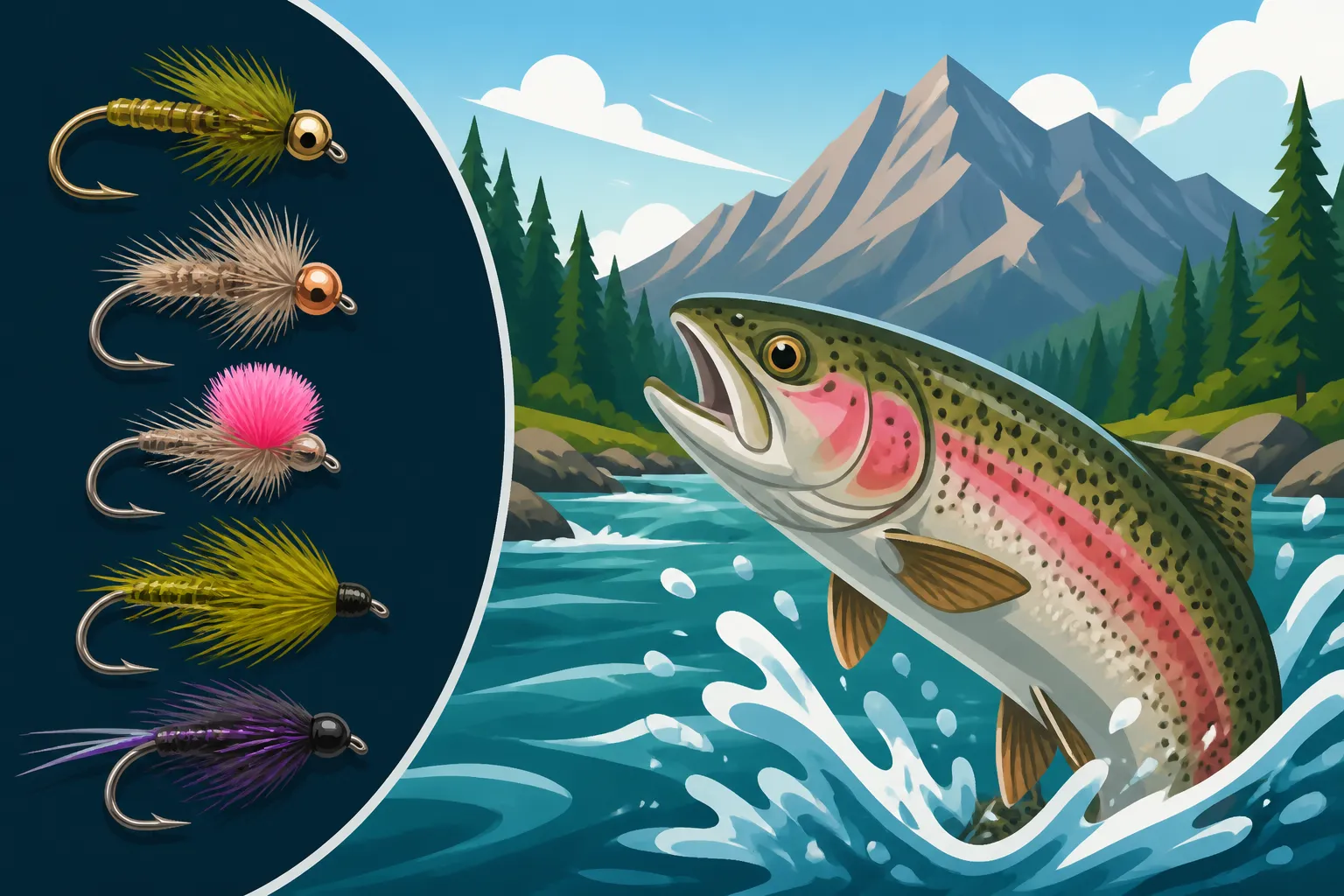
Best flies for Crowsnest River rainbow trout
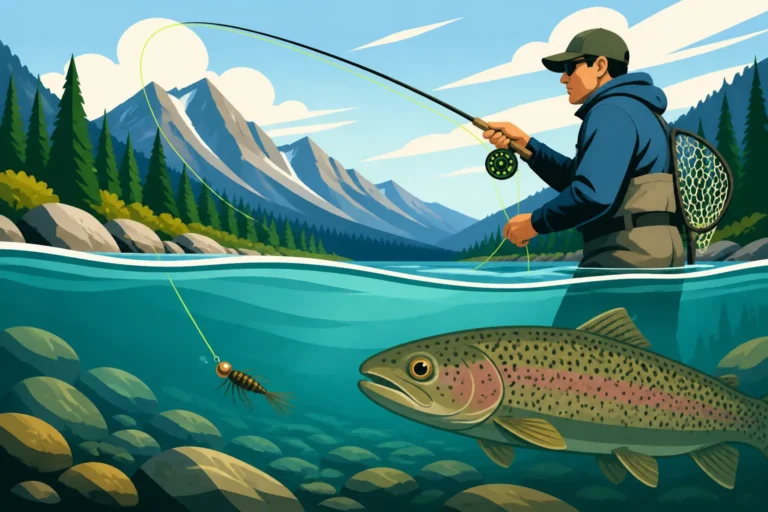
Trying to figure out which fly patterns will actually entice a hungry rainbow trout on Alberta's Crowsnest River can feel like a never-ending guessing game. Many of us have spent countless hours by the water, scratching our heads, wondering why the fish aren't biting despite what looks like a perfect hatch. This guide is designed to cut through that confusion, offering a comprehensive look at the most effective flies for rainbow trout on the Crowsnest, helping you choose with confidence.
Understanding the Crowsnest River's Unique Ecosystem for Fly Selection
The Crowsnest River isn't just any trout stream; it's a dynamic, freestone river with diverse insect life, varying water conditions, and savvy rainbow trout that have seen it all. Successfully choosing your flies here means understanding the river itself – its flows, its seasons, and the specific bugs that call it home. You can't just throw any old fly in and expect results; a thoughtful approach is key.
Seasonal Hatches and Insect Life
The Crowsnest River boasts an incredible array of aquatic insects, and knowing their lifecycles is paramount to "matching the hatch." During different times of the year, specific insects will emerge, bringing trout to the surface for spectacular dry fly action. Miss the hatch, and you might miss the fish.
In the early spring, as the ice recedes and water temperatures slowly climb, you'll see a surge of larger stoneflies and the first significant mayfly hatches, like Blue Winged Olives (BWO). Trout are often opportunistic feeders then, still shaking off the winter sluggishness. As summer progresses, the river explodes with caddisflies, various mayflies (including Green Drakes and Pale Morning Duns), and even terrestrials like grasshoppers and ants. Come fall, the smaller BWOs return, along with some October Caddis, providing some of the last excellent dry fly fishing before winter. Keeping a keen eye on the water before you even cast a line will tell you volumes about what the fish are keying in on. For more detailed information on when to expect these events, check out our guide on Alberta Fishing Season Dates by Zone.
Water Conditions and Trout Behavior
Beyond just the bugs, the actual water conditions on the Crowsnest play a massive role in how trout behave and, consequently, which flies will work best. High, turbid water after a rain event, for example, will generally make trout less selective about smaller dry flies, often preferring larger, more visible nymphs or streamers. Conversely, low, clear water on a bright summer day means trout are easily spooked and become incredibly selective, demanding precise imitations and delicate presentations.
The Crowsnest River can fluctuate quite a bit, from the roaring torrents of spring runoff to the gentle meanders of late summer. This means you need a versatile fly box. If the water is off-color, a fly with some flash or a darker profile can often be the ticket. When the river is crystal clear, especially in sections like those near Lundbreck Falls, your tippet size and fly accuracy become critical. Think about what a trout can see and how it reacts to different flows – that insight will guide your fly choice more than almost anything else. If you're wondering about general river conditions, you might find our article on How to Fish the Crowsnest River for Trout helpful.
Essential Dry Flies and Emergers for Crowsnest Rainbows
Nothing beats the thrill of watching a Crowsnest rainbow sip a dry fly from the surface. When conditions are right, and a hatch is on, dry flies and emergers are your go-to patterns. These flies imitate adult insects floating on the water or insects just breaking through the surface film, making them irresistible targets for feeding trout.
Mayfly Patterns
Mayflies are a cornerstone of the Crowsnest trout diet, with various species hatching throughout the season. These delicate insects, known for their upright wings and often three tails, can bring even the pickiest trout to the surface. Having a solid selection of mayfly imitations is non-negotiable for Crowsnest River success.
- Blue Winged Olives (BWOs): These small, olive-bodied mayflies hatch in profusion during cooler weather – typically early spring and late fall. They can be incredibly abundant, creating dense swarms that drive trout into a frenzy. For these hatches, having patterns in sizes #18-22 like a Parachute BWO, Sparkle Dun BWO, or a CDC Comparadun is critical. When the BWOs are coming off, the trout can become extremely focused on them, ignoring all other food sources. I've had days on the Crowsnest where literally nothing else worked but a tiny BWO, proving that matching the size and profile is often more important than the exact shade of olive. If you're looking to stock up, searching for a variety pack of Parachute BWOs on Amazon can be a great way to start.
- Pale Morning Duns (PMDs): These slightly larger, yellowish-tan mayflies are a summer staple, often hatching in late morning or early afternoon. They are a reliable hatch, especially on sunnier days. For PMDs, you'll want patterns in sizes #14-18, such as a Parachute PMD, Sparkle Dun PMD, or a traditional Comparadun. These hatches tend to be less intense than a BWO explosion but can still provide consistent dry fly action. Pay attention to the size of the naturals; sometimes the PMDs on the Crowsnest can be a bit smaller than expected.
- Green Drakes: While not as prevalent or widespread as BWOs or PMDs, Green Drakes offer the opportunity for large trout to feed voraciously when they do hatch, typically in early to mid-summer. These are much larger mayflies, often in sizes #10-14. A well-tied Green Drake Comparadun or a classic Adams Irresistible can be deadly. When you encounter a Green Drake hatch, trout will often key in on these substantial meals, making them less wary.
Caddisfly Patterns
Caddisflies are another incredibly important food source on the Crowsnest River, often hatching in impressive numbers, especially during the warmer months. Unlike mayflies, caddisflies have roof-like wings and typically two tails (or none visible), and their emergence can be a chaotic affair, with adults skittering across the water.
- Elk Hair Caddis: This is arguably one of the most versatile and effective caddisfly imitations out there. Its buggy profile and excellent floatation make it a reliable pattern whether a hatch is on or not. Have it in tan, olive, and grey in sizes #12-18. I've often used an Elk Hair Caddis as a search pattern, even when I don't see caddis actively hatching, because it generally looks like a good meal to a hungry trout. It’s a great choice for faster riffles where trout need a fly they can see quickly.
- Missing Link / X-Caddis: These patterns imitate the caddisfly emerger, when the insect is struggling to break through the surface film. This is a crucial stage where trout often key in, as the insect is vulnerable and easy to capture. Sizes #14-18 in tan and olive are excellent. When trout are rising but refusing traditional dry flies, an emerger pattern presented dead drift can be the secret weapon. It pays to carry a few of these, especially when the fish seem to be "sipping" rather than aggressively rising.
- Goddard Caddis / Stimulator: For those times when the caddis hatch is dense and chaotic, or when you simply want a high-floating, visible fly to prospect with, larger caddisfly patterns like the Goddard Caddis or Stimulator are excellent. These buoyant flies can also double as stonefly imitations or general attractors. Sizes #10-14, especially in natural caddis colors like tan or olive, are good to have. They're great for pairing with a dropper nymph in faster water.
Stonefly and Terrestrial Patterns
While not always present in massive hatches, stoneflies offer large, protein-rich meals that trout absolutely love, especially in the spring and early summer. Terrestrials, on the other hand, are land-based insects that accidentally fall into the water, providing opportunistic feeding for trout throughout the warmer months.
- Adult Stonefly Patterns: Early in the season, particularly during the Golden Stonefly hatch, trout will eagerly take large dry flies. Patterns like the Chubby Chernobyl, Yellow Sally, or a traditional Sofa Pillow in sizes #6-12 are vital. These big, buoyant flies are great for fast water and can be seen from a distance, making them ideal search patterns. I remember a particularly productive day on the Crowsnest where large rainbow trout were crashing a Chubby Chernobyl in a swift current – it wasn't a subtle take!
- Grasshoppers / Hoppers: From mid-summer through early fall, grasshoppers are a huge food source, especially along grassy banks. When these clumsy insects fall into the water, they become an easy meal. Foam hoppers like the Dave's Hopper, Morrish Hopper, or a simple Foam Hopper in sizes #8-14 are excellent. Fishing these close to the bank or under overhanging vegetation is often most effective. Consider how to present these for maximum effect – a slight "plop" on the water can sometimes mimic a real grasshopper falling in.
- Ants and Beetles: Smaller, less glamorous but equally effective, ants and beetles provide year-round opportunistic feeding. These can be crucial on hot, calm days when trout are incredibly picky. Black or cinnamon foam ants in sizes #16-20 and small black or iridescent beetle patterns can often fool selective fish when nothing else will. These tiny patterns are best fished on fine tippet with a delicate presentation. You can find excellent selections of these smaller patterns on Amazon.
Productive Nymphs and Streamers for Subsurface Success
Often, trout feed more extensively subsurface than on the surface, making nymphs and streamers indispensable tools for Crowsnest River anglers. Nymphs imitate the immature aquatic insects that live on the riverbed, while streamers mimic baitfish or larger prey. Mastering these techniques will significantly increase your success rate.
Mayfly Nymphs
Just like their adult counterparts, mayfly nymphs are a primary food source for Crowsnest River rainbows. These bottom-dwelling insects are constantly dislodged by current or preparing to emerge, making them readily available to trout.
- Pheasant Tail Nymph: This classic pattern is an essential for any trout angler. It's a fantastic imitation of countless mayfly nymphs, especially the smaller, slender varieties. Have it in sizes #14-20, both weighted and unweighted. A weighted Pheasant Tail Nymph drifted along the bottom in a deep run is often an unstoppable force, particularly in the spring and fall when mayfly nymphs are active. I've pulled many Crowsnest rainbows from seemingly barren water by getting this fly down deep.
- Hare's Ear Nymph: Another versatile staple, the Hare's Ear Nymph is a buggy, impressionistic pattern that suggests a variety of mayfly nymphs, caddis pupa, and even scuds. Sizes #12-18, in natural or olive, are key. Its scruffy profile and movement in the water make it incredibly appealing. It’s a fantastic dropper fly under a larger dry or another nymph.
- Blue Winged Olive Nymph (Jig Nymph or traditional): Given the prevalence of BWO hatches, having a specific BWO nymph imitation is crucial. A small, dark olive nymph in sizes #18-22, often with a little flash, can be incredibly effective when trout are keying on these specific insects before they emerge. Try fishing these in slower, deeper pools where nymphs might be concentrating before a hatch. For instance, the "Perdigon" style nymphs have become incredibly popular for their quick sink rate and realistic profile, great for getting down to those deeper holding fish.
Caddisfly Nymphs and Larva
Caddisflies spend most of their lives as larvae, either free-living or encased in protective cases. Imitating these stages is highly effective, especially when no surface activity is evident.
- Green Rock Worm / Peeking Caddis: These patterns imitate the caddisfly larvae that build protective cases from pebbles or debris. A weighted version in sizes #10-16, especially in olive or tan, can be incredibly effective when fished near the bottom. These are great to use as the lead fly in a two-nymph rig, as their weight helps sink the entire setup. Sometimes, the trout on the Crowsnest will ignore everything else in favor of a well-presented Green Rock Worm.
- Caddisfly Pupa (LaFontaine's Sparkle Pupa, Serendipity): As caddis larvae prepare to emerge, they morph into pupa, which drift through the water column towards the surface. These are often shaggy, greenish or tan patterns in sizes #12-18, often with a "shuck" of antron or Z-lon to imitate the emerging casing. Fishing these in the middle of the water column, especially below a dry fly, can be incredibly productive during an active caddis hatch.
- Prince Nymph: While not a strict caddisfly imitation, the Prince Nymph is a fantastic attractor pattern that suggests a variety of insects, including some stonefly and caddisfly nymphs. Its distinctive white biot wings and dark body make it highly visible and effective. Sizes #10-16 are excellent, especially as a lead fly in a tandem rig. It's a "confidence fly" for many, and for good reason – it simply catches fish.
Stonefly Nymphs and Streamers
Larger prey items like stonefly nymphs and baitfish represent substantial meals for Crowsnest River rainbow trout. These patterns are particularly effective when trout are looking for a bigger bite, especially in higher or off-color water.
- Pat's Rubber Leg / Girdle Bug: These are bulky, heavy stonefly nymph imitations with rubber legs that create a lot of movement in the water. They are excellent for getting down to the bottom quickly in strong currents. Sizes #6-12 in black, brown, or olive are essential, especially in spring and early summer. When the water is high and slightly murky, a large Pat's Rubber Leg can be the only thing trout will aggressively chase. It's an absolute workhorse pattern.
- Woolly Bugger: Perhaps the most versatile streamer pattern ever created, the Woolly Bugger imitates everything from baitfish to leeches and large insect larvae. Black, olive, and brown in sizes #6-10 are a must-have. You can fish it by stripping it, swinging it, or even dead-drifting it. I've had incredible success swinging a black Woolly Bugger through deep pockets on the Crowsnest, especially in cooler water. It's the ultimate "what if nothing else works" fly. Need to replenish your supply? You can often find great value packs of Woolly Buggers on Amazon.
- Sculpzilla / Zonker: These patterns are designed to imitate sculpins, small bottom-dwelling fish that are a key food source for larger trout. Sculpin patterns, often in olive, brown, or natural colors, and in sizes #4-8, are great for targeting bigger, predatory rainbow trout. Fish these aggressively with quick strips and pauses, especially in deeper pools or along cut banks where sculpins might hide. Our guide on Best Fly Rods for the Bow River (which can apply to the Crowsnest) delves into rods suitable for casting these larger streamers.
Here's a quick reference table for some key Crowsnest River fly patterns:
| Fly Type | Season | Key Patterns | Sizes | Notes |
|---|---|---|---|---|
| Dry Flies | Spring/Fall | Parachute BWO, CDC Comparadun | #18-22 | Small, effective during cooler BWO hatches |
| Summer | Parachute PMD, Elk Hair Caddis | #14-18 | Reliable during warmer PMD & general caddis hatches | |
| Summer/Fall | Dave's Hopper, Stimulator | #8-14 | Excellent for terrestrials and larger caddis, good search pattern | |
| Emergers | All Season | Sparkle Dun BWO, X-Caddis | #14-22 | Crucial when trout are refusing dry flies, feeding subsurface |
| Nymphs | All Season | Pheasant Tail, Hare's Ear | #14-20 | Versatile mayfly imitations, effective year-round |
| Spring/Early Summer | Pat's Rubber Leg, Green Rock Worm | #6-16 | Heavy, effective for stonefly and caddis larvae in strong currents | |
| Streamers | All Season | Woolly Bugger (Black, Olive) | #6-10 | Imitates baitfish, leeches; great for aggressive trout |
| All Season | Sculpzilla, Zonker | #4-8 | For targeting larger, predatory trout, active stripping |
Seasonal Fly Selection Strategies for the Crowsnest
Being prepared for the Crowsnest River means more than just having the right flies; it means understanding how to deploy them based on the time of year. The river transforms with each season, and so too should your approach. Whether it's the brisk spring or the golden hues of fall, different tactics and fly choices will yield the best results.
Spring: High Water and Emerging Insects
Spring on the Crowsnest often means higher water flows and cooler temperatures, especially with snowmelt. This period sees the first significant hatches, but also challenges with visibility and strong currents. Trout are waking up and looking for substantial meals without expending too much energy.
Early spring, from March through May, is prime time for larger stonefly nymphs like the Pat's Rubber Leg or a big San Juan Worm (sizes #6-12), fished deep under an indicator. The water is often a bit off-color, so flies with a distinct profile or some flash tend to stand out. As the water warms slightly and flows stabilize, expect the first significant BWO hatches. Small Parachute BWOs or CDC Comparaduns (#18-22) can bring trout to the surface in calmer seams. Don't overlook swinging a black or olive Woolly Bugger through deeper runs during this time; trout are eager to ambush a large meal after a long winter. Our article on Spring Trout Fishing Techniques for Alberta Streams can give you even more insights for this time of year.
Summer: Diverse Hatches and Terrestrial Action
Summer is often when the Crowsnest truly shines, with a plethora of insect activity, warmer temperatures, and usually more stable water conditions (though afternoon thundershowers can quickly change that). This is prime dry fly season, but don't forget your nymphs and streamers for those non-hatch periods.
From June to August, you'll witness prolific caddisfly hatches, various mayflies (PMDs, Green Drakes), and an abundance of terrestrials. Have a wide range of Elk Hair Caddis (tan, olive, grey, #12-18), Parachute PMDs (#14-18), and larger foam hoppers (#8-14) ready. During mid-day lulls, when surface activity slows, switching to a nymph rig with a Pheasant Tail or Hare's Ear (#14-18) under an indicator, or even suspended below a large foam hopper, can be incredibly effective. Pay close attention to current seams and shaded banks where trout might be holding. For delicate presentations on clear, low summer waters, consider the insights from Best Fly Lines for Small Mountain Streams to ensure your casts are accurate and subtle.
Fall: Last Hurrah of Dry Flies and Cooler Water Tactics
Fall on the Crowsnest brings crisp air, vibrant colors, and often some of the best fishing of the year. Trout are bulking up for winter, and while hatches might be less intense, they can be incredibly consistent.
September and October see a return of smaller BWO hatches (#18-22), often coinciding with the emergence of October Caddis (larger, orange-bodied caddis, #10-14). Having these specific patterns is key. Nymphing with a two-fly rig, perhaps a Pat's Rubber Leg (#8-12) as an anchor and a smaller Pheasant Tail or BWO nymph (#16-20) as a dropper, becomes exceptionally productive. Streamer fishing can also be phenomenal as larger trout become more aggressive, chasing baitfish in preparation for winter. Darker Woolly Buggers or Sculpzilla patterns stripped through deeper holes can yield some of the biggest fish of the season. For details on protecting these beautiful fish, our guide on How to Catch Bull Trout and Release Them Safely offers valuable techniques for safe handling, which apply to all trout species.
General Tips for Crowsnest River Fly Fishing
Beyond specific patterns, a few overarching principles will always serve you well when fly fishing the Crowsnest River. Trout here are smart, and successful anglers combine fly knowledge with solid technique and river craft.
Presentation is Key
You could have the perfect fly, but if your presentation isn't right, the fish won't touch it. A drag-free drift is paramount, especially when dry fly fishing in clear water. This means casting upstream and mending your line to ensure the fly travels at the same speed as the current, just like a natural insect. For nymphing, getting your flies down to the fish's level and maintaining contact with your indicator are crucial. Learning to read the water – identifying seams, riffles, and pools where trout hold – will greatly improve your ability to present your fly effectively. Using a good Wading Staff for Fast Current can help you maintain your footing and focus on your cast.
Observe and Adapt
The Crowsnest River is constantly changing, sometimes within the same hour. Always take a few moments to observe the water before you start fishing. Are there bugs hatching? What color and size are they? Are trout rising? If so, what kind of rise is it (sip, splash, gulp)? If you're nymphing and not getting bites, try adjusting your depth, adding more weight, or changing fly patterns. Don't be afraid to experiment! If a pattern isn't working after 15-20 minutes, switch it up. This adaptability is the mark of a truly successful angler. You might even find some unexpected success by exploring different techniques like those covered in Dry Fly Fishing Alberta Mountain Streams.
Carry a Variety and Always Be Prepared
No single fly will work every day, everywhere. That's why having a diverse fly box is so important. When purchasing flies or tying materials, remember that having a good variety of sizes and colors for each key pattern is more important than having dozens of obscure patterns. If you're building your fly collection, browsing platforms like Amazon for starter fly assortments or specific materials can be a convenient option. Also, don't forget essentials like tippet, strike indicators, and a good landing net. A quality Landing Net for Trout can ensure safe handling and release of your catch, which is always important on delicate rivers like the Crowsnest.
Disclaimer: Fishing regulations can change frequently. Always consult the most current Alberta Guide to Sportfishing Regulations before heading out on the water. This guide is for informational purposes only and does not supersede official government regulations.