Float Fishing the Oldman River
There’s something truly magical about the idea of floating down a pristine Alberta river, casting your line into untouched stretches of water, and experiencing fishing in a whole new dimension. But for many anglers, the thought of float fishing the Oldman River, with its ever-changing currents and diverse fishing opportunities, can feel overwhelming. You dream of those undisturbed eddies and riffles, but the logistics of shuttle vehicles, river hazards, and choosing the right gear can quickly turn that dream into a headache. This guide is here to untangle those complexities, offering a realistic, comprehensive roadmap to confidently plan and execute a memorable float fishing adventure on the beautiful Oldman River.
Understanding the Oldman River's Character for Float Fishing
The Oldman River is a true gem in Alberta's landscape, evolving dramatically as it flows from its mountain headwaters through the foothills and onto the prairies. This transformation is what makes it such a diverse and exciting river to float, but it also means you need to understand its distinct personalities along the way.
River Sections and Access Points
When we talk about the Oldman River, we're really talking about several different rivers rolled into one, each offering a unique float fishing experience. Knowing these sections is key to planning a successful trip.
Upstream, closer to the headwaters near the Crowsnest Pass and communities like Lundbreck, the Oldman is often a smaller, more intimate mountain stream. Here, you'll find plenty of public access, but float options are typically limited to smaller, nimble craft like rafts or kayaks, and often only during optimal flow conditions. This section is generally characterized by faster currents, rocky bottom, and tight bends, making it less suitable for larger drift boats. Many of these areas, especially tributaries and certain designated sections, might even be fly fishing only special regulation waters, so always check your regulations carefully. For accessing these upper stretches, you might look for bridge crossings or designated public lands.
As the river moves into the foothills and beyond, towards towns like Fort Macleod and Brocket, it begins to widen and deepen, offering more consistent float fishing opportunities. This is where drift boats truly come into their own. Popular put-in and take-out points in this middle section might include specific bridges, boat launches within provincial parks, or designated public access points. For instance, the stretch above and below Fort Macleod can offer some fantastic fishing, often with a good balance of moving water and deeper pools. You'll want to investigate specific locations for Oldman River fishing access to ensure you're using legal and safe entry/exit points. Lower down, once the river passes Lethbridge and stretches onto the open prairies, it becomes significantly wider, slower, and often murkier, especially during runoff. Here, the focus shifts more towards larger fish like walleye and pike, and less on the swift-water trout tactics common upstream.
Fish Species and Prime Habitats
The Oldman River is a biodiversity hotspot, hosting a range of desirable fish species, each preferring distinct habitats that you'll learn to spot from your floating craft. Understanding these preferences is vital for angling success.
In the upper and middle sections, the river is primarily a trout fishery. You'll encounter stunning Rainbow Trout, elusive Brown Trout, and, if you're very lucky and mindful, the magnificent native Bull Trout. Bull Trout are a threatened species in Alberta, so if you happen to hook one, it's absolutely crucial to practice responsible catch and release, ensuring its safe return to the water. In fact, there's a Alberta Bull Trout Zero Possession Rule you must adhere to. Along with these trout species, you'll also find healthy populations of Mountain Whitefish, which are fantastic sport on a light rod. These cold-water species thrive in the oxygen-rich riffles, current seams, and deeper pools where they can find cover and ambush prey. As you float, look for changes in current speed, submerged rocks, fallen trees (log jams), and undercut banks – these are all prime trout holding spots.
As the river transitions to its lower, warmer sections, the species mix changes. While you might still encounter some hardy trout, the predominant species become Walleye and Northern Pike. Walleye often congregate in deeper, slower pools, behind current breaks, or along submerged structure. Pike, on the other hand, love slack water, weed beds, and areas with submerged timber where they can lie in wait for unsuspecting prey. From a drift boat, you gain an unparalleled advantage in reaching these diverse habitats that are often inaccessible from the shore. You can cast into tight pockets, drift through long runs, and precisely present your flies or lures to fish holding in prime lies.
Essential Gear for a Successful Oldman River Float Trip
Embarking on a float fishing trip down the Oldman River requires more than just your usual fishing tackle. The right boat, safety equipment, and tailored fishing gear are crucial for both enjoyment and safety. It's a significant investment, but one that pays dividends in unparalleled access and fishing experiences.
Boat Selection: Drift Boats, Rafts, and Kayaks
Choosing the right vessel for your Oldman River adventure depends heavily on the specific section you plan to float, the river conditions, your budget, and your personal preferences. Each option has its distinct advantages and disadvantages.
Drift Boats: These are perhaps the quintessential float fishing craft, designed specifically for navigating rivers with ease. Their flat bottom and rocker allow them to glide over shallow water and pivot quickly, making them ideal for covering long stretches of river while allowing the angler to fish comfortably from a stable platform. They typically accommodate one to three anglers plus a rower. Brands like Clackacraft or Hyde are well-known, and while they are an investment, they offer superior control and comfort for extended trips. The Oldman's middle sections, with their moderate currents and wider channels, are perfectly suited for drift boats. However, they can be cumbersome to launch and retrieve without dedicated ramps and require a truck for transport.
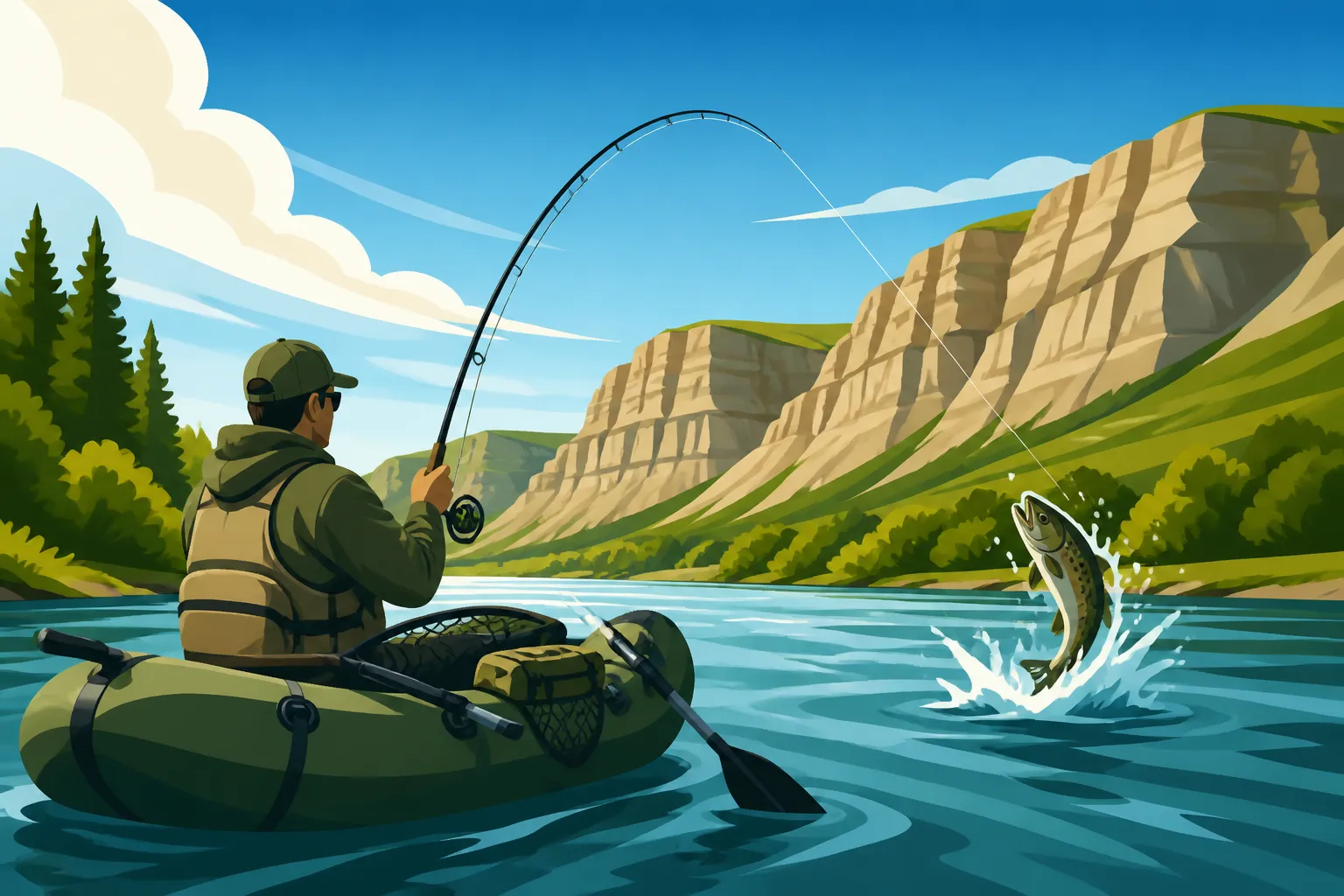
Rafts (Inflatable Boats): Inflatable rafts, especially those designed for fishing, offer excellent versatility. They are incredibly stable, can handle shallower water and more turbulent rapids than drift boats, and are much easier to transport and store, as they can be deflated. They also provide a softer ride over bumps and offer more interior space for gear. While they might not track as precisely as a drift boat in a strong current, modern fishing rafts with rigid frames and rowing systems provide excellent control. They're a fantastic choice for the more technical upper sections of the Oldman or for anglers who prioritize portability. Companies like NRS or Aire make robust fishing rafts that are popular choices.
Fishing Kayaks: For the solo angler or a pair of anglers willing to take two separate boats, a fishing kayak offers the ultimate in maneuverability and stealth. Modern sit-on-top fishing kayaks, especially those with pedal drives, allow for hands-free propulsion, leaving your hands free to cast. They can access extremely shallow water and tight spots that larger boats can't, making them great for exploring smaller braids or side channels. They are also generally more affordable than drift boats or rafts. However, they offer less storage space, can be less stable in rougher water, and exposure to the elements is higher. For some fantastic options, check out guides like Best Kayaks for Alberta Fishing. Kayaks are best suited for those comfortable paddling and fishing simultaneously, or for shorter, more focused float sections.
Regardless of your choice, a personal flotation device (PFD) is non-negotiable for everyone on board.
Rods, Reels, and Tackle for Varying Species
Outfitting your rod and reel arsenal for the Oldman River means being prepared for a diverse range of species and conditions. Flexibility is key.
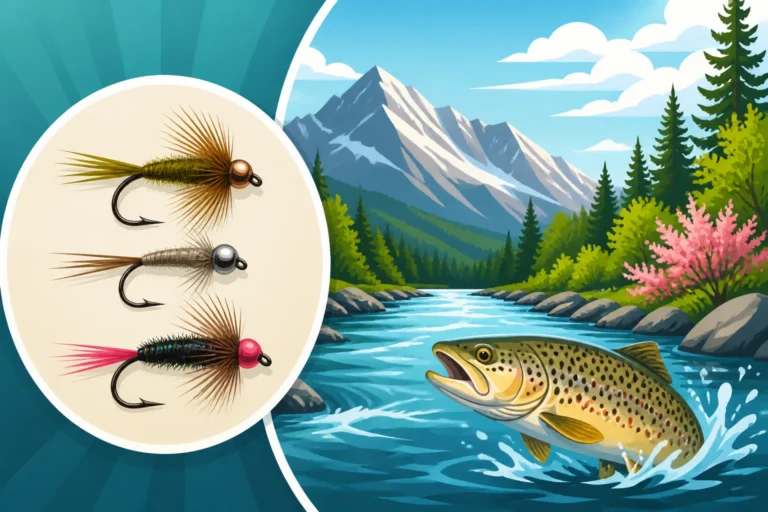
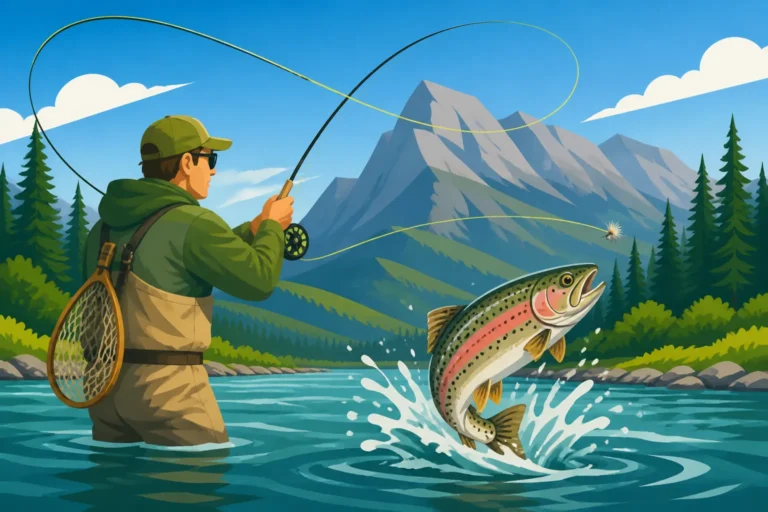
Fly Fishing Setups: For the trout-rich upper and middle sections, a 5-weight or 6-weight fly rod is a versatile choice, capable of handling everything from delicate dry fly presentations to throwing streamers for bigger browns. Pair this with a reliable, smooth-drag fly reel and a floating line, with sink-tip or intermediate lines for subsurface work. You'll want a variety of leaders and tippets, ranging from 3X for streamers to 6X for fine dry fly presentations. Essential fly patterns will include various nymphs (e.g., Prince Nymphs, Pheasant Tails, Hare's Ears), dry flies (e.g., Elk Hair Caddis, Adams, Parachute Adams for hatches), and streamers (e.g., Woolly Buggers, Sculpzillas) for aggressive trout.
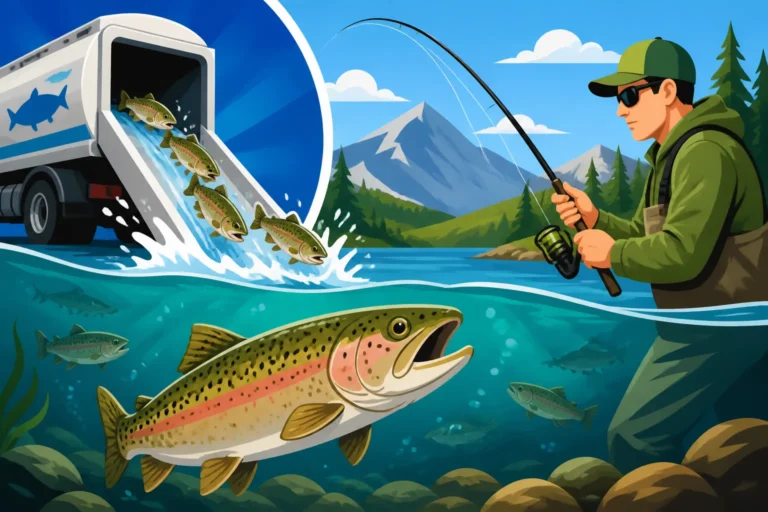
Spinning Setups: A medium-light to medium-action spinning rod, around 6'6" to 7' feet in length, paired with a 2500 or 3000 series spinning reel spooled with 8-10 lb braided line and a fluorocarbon leader, will cover most of your bases. For trout, smaller inline spinners (e.g., Mepps, Rooster Tail), small spoons (e.g., EGB, Little Cleo), and small crankbaits are highly effective. You might also want to rig up some jigs with soft plastics (e.g., Gulp! Minnows) for those deeper pools. For pike and walleye in the lower river, step up to a medium-heavy rod, a 3000-4000 series reel, and 15-20 lb braid with a stout fluorocarbon or wire leader for pike. Larger crankbaits, spinnerbaits, and soft plastic swimbaits are excellent choices for these predatory species. Check out articles like Best Tackle for Alberta Walleye for more specific lure suggestions.
No matter your chosen discipline, don't forget accessories: a long-handled landing net (rubberized mesh for fish safety), a good pair of fishing pliers (for hook removal), line clippers, and a tackle management system. You can find robust, waterproof tackle boxes and bags on Amazon that will keep your gear organized and dry while floating. Having a dedicated dry bag for your personal items, camera, and phone is also a smart move, and Amazon offers a wide selection of various sizes and capacities.
Navigating the River: Safety and Technique
Floating a river, especially one as dynamic as the Oldman, is an exhilarating experience but demands respect and preparedness. Understanding river dynamics and mastering boat control are paramount, not just for catching fish, but for ensuring a safe and enjoyable trip.
Reading the Water and Hazards
The Oldman River, like any moving water, is constantly changing. What looks calm one day could be treacherous the next due to increased flows, or vice versa. Learning to "read the water" is an acquired skill that improves with experience, but some fundamental principles apply universally.
Currents and Eddies: Pay close attention to the flow. Faster currents typically hold less fish (though they might be resting in pockets behind obstacles), while current seams where fast and slow water meet are prime feeding lanes. Eddies, those swirling pockets of calmer water behind large rocks, logs, or bends, are excellent places for fish to rest and ambush prey. Learning to position your boat to drift along these seams or into eddies without losing control is crucial.
Riffles, Runs, and Pools: The river flows through a series of distinct sections. Riffles are shallow, fast-moving areas with choppy water – great for oxygenation and insect life, but often too shallow for holding larger fish. Runs are deeper, smoother sections of consistent current, often productive for drifting nymphs or streamers. Pools are the deepest, slowest sections, offering refuge for larger fish, especially in warmer weather or during low flows. Fish often hold at the heads and tails of pools, or along any submerged structure within them.
Hazards: This is where safety truly comes into play.
- Rocks and Shallow Areas: In low water, previously navigable sections can become impassable. Always keep an eye out for exposed or submerged rocks.
- Log Jams and Strainers: These are perhaps the most dangerous hazards. Log jams are accumulations of fallen trees that can block the river entirely. Strainers are partially submerged trees or debris where water flows through, but a boat cannot. Getting swept into a strainer can be extremely dangerous as the force of the water can pin your boat and potentially swamp it. Always maintain a safe distance and be ready to row aggressively to avoid them.
- Sweepers: These are trees with branches hanging low over the water, which can "sweep" you out of your boat if you get too close.
- Undercut Banks: While fantastic fish habitat, they can be unstable. Keep your distance.
Before you even launch, check the river levels and flow rates from reliable sources, like Alberta Environment and Protected Areas' website. This information is critical for assessing potential hazards and determining if the river is safe to float for your chosen craft. Always carry essential safety gear: a well-fitting PFD for every occupant, a throw bag with rope, a first-aid kit, and a whistle. A river map or GPS device is also highly recommended, especially if you're exploring new sections.
Floating Techniques and Angling Strategies
Once you understand the river, the next step is to master the art of floating and fishing simultaneously. This isn't just about steering; it's about dynamic boat positioning to present your lure or fly effectively.
Maintaining Boat Position: For drift boaters, this is primarily the rower's job. Using oars or a motor (where permitted), you'll "back-row" against the current to slow your drift, allowing anglers more time to fish productive water. You'll also use slight adjustments to maneuver around hazards and position the boat for optimal casting angles. Kayak anglers will use paddles, or more efficiently, pedal drives, to achieve similar controlled drifts and position themselves. The goal is to match the speed of the current as much as possible, creating a natural presentation for your offerings.
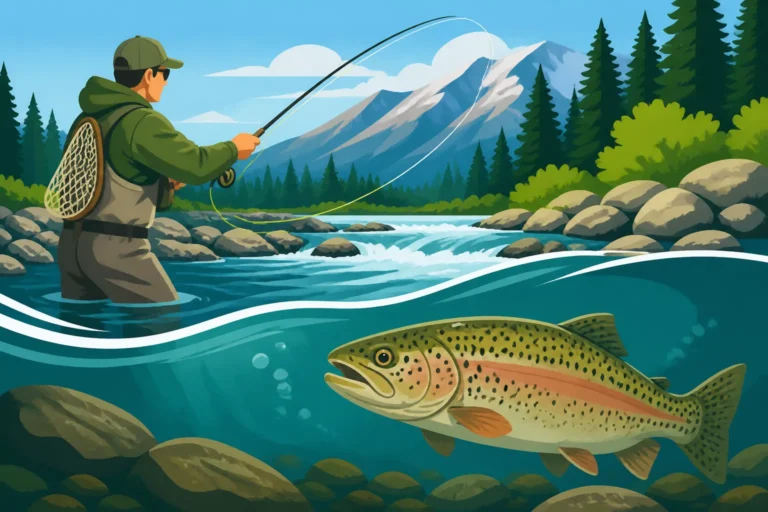
Casting from a Floating Craft: This is different from shore fishing. You're constantly moving, so adapting your casts to the changing angles and distances is vital. Short, accurate casts are often more effective than long, wild ones. Work the water methodically as you drift. Cast towards likely holding spots: the edges of current seams, behind large rocks, into shadowed areas under cut banks, or the upstream and downstream ends of pools. For fly anglers, learning to mend your line effectively while drifting is key to achieving a drag-free float.
Targeting Specific Structures:
- Cut Banks: Drift parallel to the bank, casting tight to the edge where fish often lie in ambush.
- Riffle Edges: Fish the calmer water just downstream of the fast riffles, where fish wait for food to be washed down.
- Log Jams & Submerged Timber: These are high-percentage spots, but approach with caution due to the hazards. Cast to the edges, not directly into the thickest part.
- Seams: The transition zones between fast and slow water are always productive. Work your lure or fly along these lines.
Anchoring Techniques: While the goal is to float, sometimes you'll want to stop and thoroughly fish a particularly promising spot. A good anchor system, especially a rope-and-pulley setup, is essential. For drift boats, a sturdy anchor with enough chain to grip the bottom is crucial. Kayakers might use a smaller drag anchor or a pole anchor. Always be mindful of your anchor's grip and the current, especially if you step out of the boat to wade. For those interested in more details on specific angling strategies, including how to set up your gear for maximum effectiveness, an article on Best Rods for Alberta Rivers could be a great resource. You might find a high-quality anchor system on Amazon that is suited for river use, complete with all the necessary ropes and attachments.
Planning Your Float Trip: Logistics and Regulations
A successful float trip isn't just about fishing; it's about meticulous planning. From choosing the right stretch of river to understanding the rules, preparation is half the battle. Skimping on the logistics can turn a dream trip into a logistical nightmare.
Trip Planning: Put-in and Take-out Points
One of the biggest hurdles for new float anglers is figuring out the "shuttle" – how to get your vehicle from the put-in point to the take-out point. This usually involves two vehicles or hiring a local shuttle service.
Choosing Your Section: The Oldman River offers a range of float lengths and difficulty levels.
- Skill Level: If you're new to floating, start with shorter, calmer sections with well-defined access points. The sections below Fort Macleod can be quite forgiving.
- Desired Experience: Are you looking for a full day's adventure, or a quick half-day float? Consider how long it will take to float a specific stretch. A general rule of thumb for trout rivers is that you might cover 1-2 miles per hour, including fishing time, but this varies wildly with current speed and how much you stop.
- Fishing Focus: If you're targeting trout, stick to the upper and middle sections. For pike and walleye, consider the lower, wider stretches.
- Access Points: Research public boat launches, bridge access points, and designated provincial park access points. Avoid trespassing on private land. Many detailed fishing maps, available online or at local tackle shops, will show these.
Shuttle Logistics:
- Two-Vehicle Method: The most common approach. Drop your fishing vehicle (with boat) at the put-in. Drive your second vehicle to the take-out. Leave it there, then drive the first vehicle back to the put-in. At the end of your float, load up at the take-out and retrieve your first vehicle. This sounds complicated, but becomes routine.
- Hired Shuttle Service: In some popular float fishing destinations, local outfitters offer shuttle services. They will drive your vehicle from the put-in to the take-out for a fee. This is a convenient option if you only have one vehicle or prefer not to deal with the logistics.
- Bicycles: For shorter floats, some anglers will leave a bicycle at the take-out point, then bike back to the put-in after their float. This is a more strenuous option but works for compact sections.
Always let someone know your float plan, including your put-in, take-out, and estimated time of return. Cell service can be spotty on some parts of the Oldman, so a satellite communication device for emergencies is a wise investment, especially if you’re doing a longer, more remote float.
Permits, Licenses, and Conservation
Beyond the physical logistics, understanding and adhering to Alberta's fishing regulations is non-negotiable. Ignorance of the law is not an excuse, and penalties for violations can be steep.
Fishing Licenses: Every angler in Alberta, with a few age-based exceptions, needs an Alberta fishing license and a Wildlife Identification Number (WIN) card. This includes both residents and non-residents. You can purchase these online through the MyWildAlberta portal, at most outdoor retailers, or through various vendors across the province. Details on how to obtain one can be found in our guide on Alberta Fishing License Guide for 2026 and specifically about the Alberta WIN Card, Explained. Always carry your license with you while fishing, whether it's a printed copy or a digital version on your phone.
Alberta Fishing Regulations: The Oldman River falls under specific regulations detailed in the Alberta Guide to Sportfishing Regulations. This guide is updated annually and is your bible for fishing in the province.
- Zone-Specific Rules: The Oldman River traverses different fishing management zones, and rules can change from one section to another. Always confirm the zone for your chosen float.
- Species-Specific Limits: Pay close attention to bag and possession limits for each species. Some species, like Bull Trout, are strictly catch-and-release only. We have a detailed guide on Alberta Fishing Regulations Explained that can help you navigate these complexities.
- Barbless Hooks: Many trout streams in Alberta, including certain sections of the Oldman or its tributaries, require the use of barbless hooks. This regulation is crucial for minimizing harm to fish during catch and release.
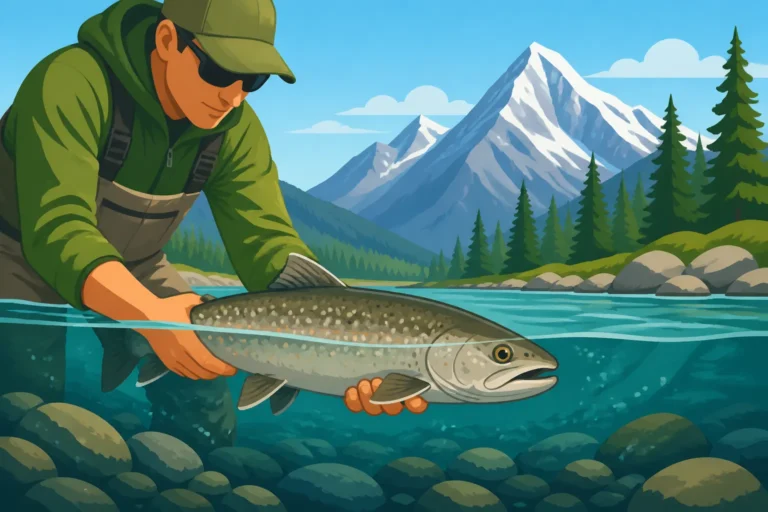
- Catch and Release Best Practices: For all species, especially native trout, practice responsible catch and release. Minimize handling, keep the fish in the water as much as possible, and use proper de-hooking tools.
Respecting Private Land: Much of the land bordering Alberta's rivers is privately owned. While you generally have the right to float navigable waters, you do not have the right to trespass on private land without permission. This means avoiding stopping, picnicking, or otherwise accessing the shore where it's not explicitly public land or a designated access point. Always be respectful of landowners and their property.
Seasonal Considerations for Oldman River Floats
The Oldman River transforms dramatically with the seasons, and what works one month might be completely ineffective the next. Understanding these seasonal shifts is crucial for planning your float and maximizing your chances of success.
Spring and Early Summer: Runoff and Clarity
Spring on the Oldman River can be a tale of two extremes: the exhilarating anticipation of open water after winter, quickly followed by the often challenging reality of spring runoff.
The Runoff Challenge: As the mountain snowpacks melt, typically from late May through June, the Oldman River swells with cold, fast-moving water laden with sediment. This "runoff" period brings several challenges for float anglers:
- High Flows: The current becomes much stronger, making boat control more difficult and potentially hazardous. Some sections may become unfloatable for certain crafts or skill levels.
- Low Visibility: The water turns murky, significantly reducing visibility for both fish and anglers. Sight fishing becomes impossible, and fish rely more on scent and vibration to locate food.
- Cold Water: The water temperature drops, making fish less active. Trout, in particular, may seek refuge in slower, deeper pockets or out of the main current.
Finding Success During Runoff: Despite the challenges, runoff isn't necessarily a write-off.
- Timing is Key: Keep a close eye on river levels. Often, there are "windows" before the main runoff hits, or during lulls in warmer weather, when the river might be fishable.
- Focus on Edges and Slow Water: Fish will often push to the edges of the river, into back eddies, or behind large obstructions to escape the main current. These are your prime targets.
- Bigger, Brighter, Scented: With low visibility, use larger, brighter, or more vibrantly colored lures that create a strong profile and vibration. Worms, heavily scented soft plastics, and larger streamers can be effective. For fly anglers, heavily weighted nymph rigs with large indicator flies, or dark, bulky streamers, can sometimes coax a bite. An article on Spring Trout Fishing Techniques for Alberta Streams might offer specific strategies for these conditions.
- Lower River for Walleye: In the lower, prairie sections, where the river is naturally wider and slower, walleye might still be active, especially if the clarity isn't too severe. They are often more tolerant of turbid water than trout.
Mid-Summer to Fall: Low Flows and Prime Fishing
As the intense runoff subsides, typically by early July, the Oldman River settles into its mid-summer patterns, offering some of the best float fishing opportunities of the year. This period continues through the fall until colder weather arrives.
Mid-Summer:
- Clearer Water: The river clarity improves dramatically, making it easier for fish to see your offerings and for you to spot prime holding water.
- Lower Flows: While generally good, excessively low flows in late summer can make some sections too shallow for floating larger crafts. Always check current conditions.
- Insect Hatches: Mid-summer often sees prolific insect hatches, making it prime time for dry fly fishing for trout in the upper and middle sections. Caddis, Mayflies, and stoneflies are common.
- Active Fish: Trout are generally very active, feeding throughout the water column. Walleye and pike in the lower river are also in their summer patterns, often relating to submerged weed lines and structure.
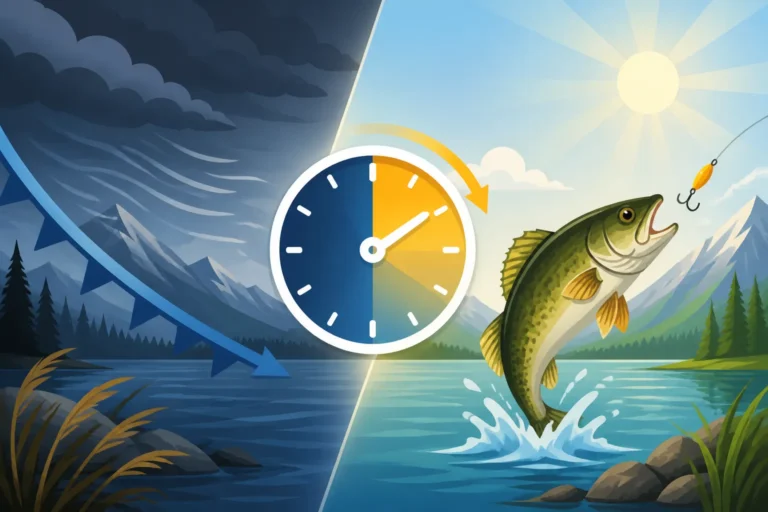
- Warming Water: In some prairie sections, water temperatures can get quite warm. Always prioritize fish health, especially for trout. Carry a thermometer, and if temperatures get too high (e.g., above 20°C for trout), consider fishing earlier in the day or targeting different species.
Fall:
- Cooling Water: As temperatures drop in late August and September, the water cools, invigorating fish. This can trigger aggressive feeding behaviors as fish prepare for winter.
- Fewer Anglers: Often, there's less angling pressure in the fall compared to the peak summer months, leading to a more serene experience.
- Trophy Opportunities: Fall is often considered the best time to target larger trout and pike, as they feed heavily to bulk up. Brown trout, in particular, become very aggressive as they prepare for their spawn.
- Beautiful Scenery: The changing leaves along the riverbanks make for a stunning backdrop to your fishing adventure.
- Variable Weather: Be prepared for rapidly changing weather. Dress in layers and pack waterproof outer shells.
A detailed guide like Best Time of Year to Fish in Alberta can provide even more nuanced advice for planning your trip to align with specific species and conditions. Remember, while each season offers unique experiences, safety and respecting the river's ecology should always be your top priorities.
Float Fishing Boat Comparison for the Oldman River
To help you decide which craft might be best for your Oldman River float fishing adventure, here's a quick comparison of the common options.
| Feature | Drift Boat | Inflatable Raft (Fishing) | Fishing Kayak (Sit-on-Top) |
|---|---|---|---|
| Ideal Section | Middle (moderate current, wider) | Upper (technical, shallower), Middle | Upper (shallow, tight), Middle (solo) |
| Stability | High | Very High | Moderate to High (model-dependent) |
| Maneuverability | Excellent (with skilled rower) | Good (responsive, forgiving) | Excellent (solo, agile) |
| Capacity | 1-3 anglers + rower | 1-3 anglers + rower/paddler | 1 angler (some tandem options) |
| Comfort | High (seats, casting platforms) | High (roomy, soft ride) | Moderate (can be tiring on long floats) |
| Transport/Storage | Requires truck/trailer, dedicated storage | Deflates for easy transport/storage | Roof rack/truck bed, moderate storage |
| Cost | High (new $10k-$20k+) | Mid-High (new $4k-$10k+) | Low-Mid (new $1k-$4k) |
| Hazards | Can be damaged by rocks, less forgiving in rapids | Very durable against rocks, handles rapids well | Stable in small rapids, but can flip in larger ones |
| Fishing Style | Casting from platform, long drifts | Casting from platform, stable jigging | Hands-free (pedal), stealthy approach |
Disclaimer
The information provided in this guide is for general informational purposes only. Fishing regulations, river conditions, and access points in Alberta can change frequently. Always consult the most current Alberta Guide to Sportfishing Regulations, local authorities, and reliable weather and river flow resources before planning any fishing trip. Safety should be your number one priority on the water.