Topwater Fishing for Pike in Alberta
You know that feeling when you're out on an Alberta lake, the sun is just coming up, and you're hoping for that explosive strike? Northern pike can be incredibly frustrating at times, especially when they seem to ignore everything you throw at them. But there's a technique that often turns those slow mornings into heart-pounding action: topwater fishing. This guide is all about helping you unlock the thrill of watching a massive pike absolutely demolish a lure right on the surface, making those moments unforgettable.
The Unforgettable Thrill of Topwater Pike Fishing
Topwater fishing for northern pike isn't just a technique; it's an experience. There's something primal and incredibly exciting about witnessing a predatory fish erupt from the water to snatch a lure. It's not always the easiest way to catch them, but when it works, it's undeniably the most rewarding and can certainly spice up a day on the water when other methods fall flat.
The Explosive Surface Strike
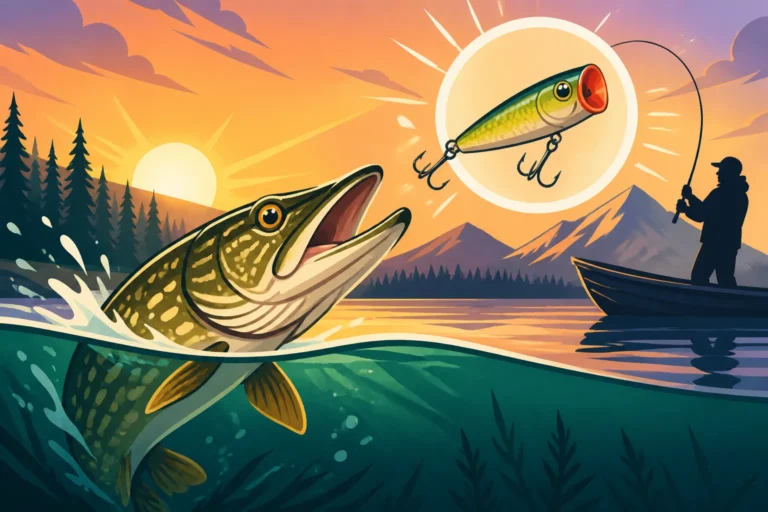
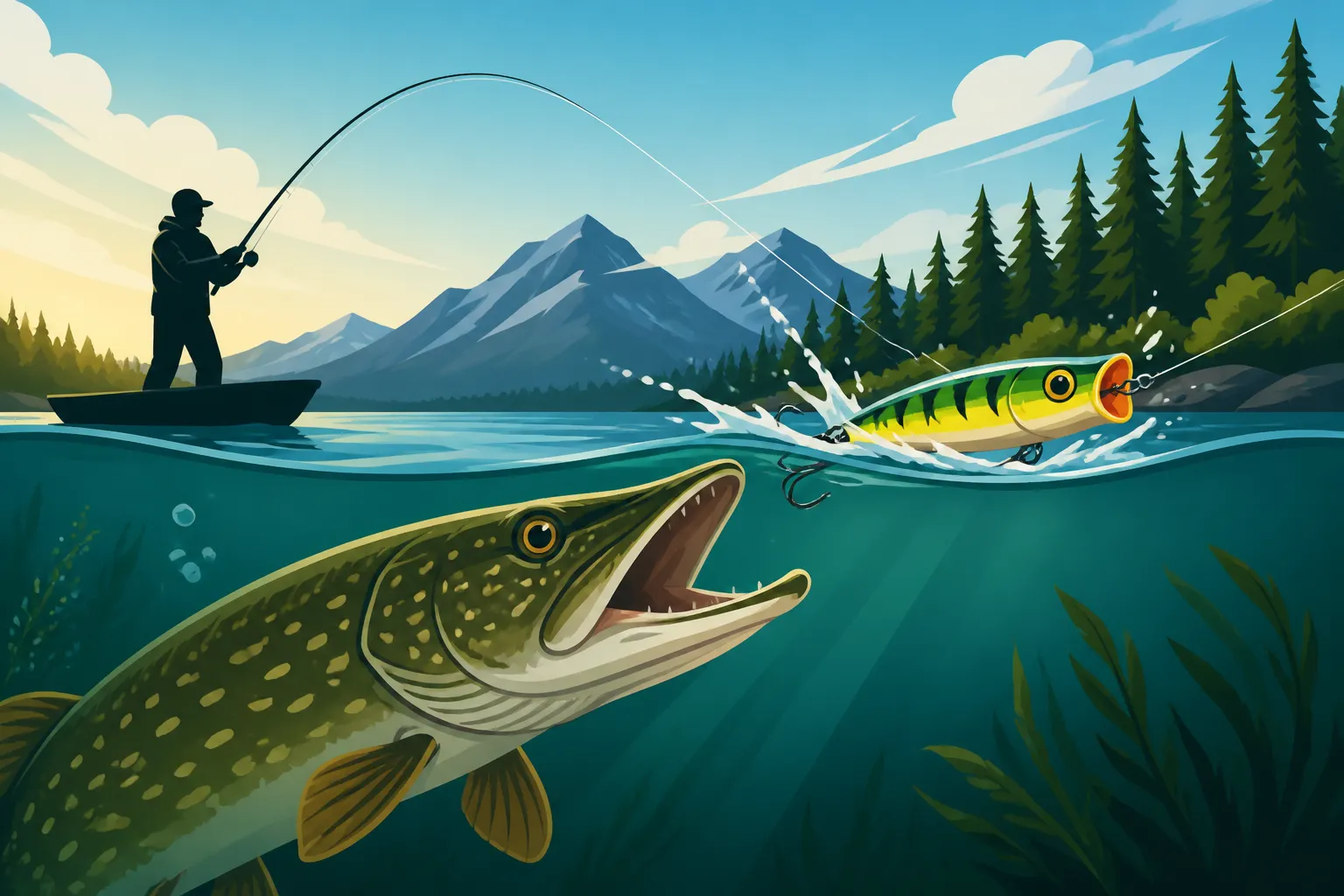
Imagine this: you cast your frog imitation near a lily pad patch on a lake like Keho or Newell. You twitch it, let it sit, twitch it again. Suddenly, the water explodes! A huge pike, often unseen until that very moment, absolutely annihilates your lure. Your heart races, adrenaline surges – that's the pure magic of a topwater strike. It's a visual, auditory, and visceral experience that conventional subsurface fishing simply can't match. For many anglers, this explosive action is why they specifically target pike with topwater baits, foregoing other methods just for the sheer thrill of it. It’s a moment that can make your whole fishing trip, regardless of what else you catch or don't catch.
Covering Weedy Water Efficiently
One of the biggest advantages of topwater fishing for pike is its incredible efficiency in specific environments. Pike love to ambush prey from dense cover – think lily pads, thick submerged weeds, or fallen timber in shallow bays. Trying to fish these areas with traditional crankbaits or spinnerbaits is a recipe for constant snags and frustration, especially if you're spending more time cleaning your hooks than actually fishing. Topwater lures, however, are designed to glide over this cover, presenting an enticing target without getting bogged down. This allows you to aggressively cast into areas where pike are known to lurk, effectively covering vast stretches of prime habitat that would be otherwise unfishable. It means more time fishing and less time untangling, which is a win in any angler's book.
Understanding Alberta Pike Behavior for Topwater Success
To consistently hook up with pike on topwater, you need to think like a pike. These fish are apex predators in many Alberta waters, and their behavior, particularly in relation to their environment and the seasons, dictates when and where topwater will be most effective. A little insight into their habits goes a long way.
Shallow Water Ambush Predators
Northern pike are masters of ambush. They don't typically chase prey long distances in open water. Instead, they prefer to lie in wait, hidden in cover, ready to dart out and strike unsuspecting fish, frogs, or even small birds and rodents that fall into the water. This makes shallow, weedy areas their ideal hunting grounds. When you're thinking about topwater, you should be focusing on these specific zones. Look for areas with dense vegetation, submerged logs, rock piles near drop-offs, or even shaded banks where light penetration is reduced. These are the "strike zones" where a topwater lure mimicking struggling prey will often elicit an aggressive, territorial response. Understanding these Northern Pike Habits in Alberta Lakes is crucial for placing your casts effectively and predicting where a hungry pike might be lurking.
Seasonal Influences on Pike Aggression
While pike can be caught on topwater throughout the open water season, certain times of the year amplify their topwater aggression. Early summer, after the spring spawn, often sees pike moving into shallower, warmer waters to feed aggressively and recover their energy. As the water warms, their metabolism increases, making them more active and willing to chase down a surface meal. Later in summer, especially during hot spells, they might become less active during the peak heat of the day but will often move into the shallows during cooler mornings and evenings, presenting excellent topwater opportunities. Fall can also be fantastic, particularly on warmer days, as pike feed heavily in preparation for winter. Always check the Alberta Fishing Season Dates by Zone to ensure you're fishing legally and respecting specific regulations that might apply to certain water bodies.
Essential Topwater Lures and Gear for Alberta Pike
Having the right tools for the job makes all the difference when you're battling a furious northern pike on the surface. From the specific types of lures to your rod and reel setup, each piece of gear plays a vital role in your topwater success and will help you convert those exciting strikes into landed fish.
Poppers and Walkers: The Classics
When it comes to topwater, poppers and walking baits are indispensable. Poppers, with their cupped faces, create a loud "blip" or "pop" when retrieved, displacing water and mimicking a struggling baitfish or a frog jumping into the water. Classic brands like Rebel Pop-R or Heddon Super Spook Jr. (a walking bait) are common sights in tackle boxes across Alberta. These are fantastic for drawing attention in calm to slightly choppy water, or when you need to call pike out from dense cover. Walking baits, on the other hand, glide side-to-side across the surface with a "walk-the-dog" retrieve, imitating a wounded baitfish with a more subtle, yet highly enticing, commotion. Many anglers find these lures incredibly effective on clear days or in less turbid waters where a more natural presentation is key.
Frogs and Buzzbaits: Weedy Water Specialists
For fishing in truly dense vegetation, soft plastic frog imitations and buzzbaits become your best friends. Weedless frogs, often made by companies like Livetarget or Rapala, are designed to slide over lily pads and thick grass without snagging. They perfectly mimic a frog swimming across the surface, a natural meal for any hungry pike lurking below. The weedless hook design means you can cast them right into the heaviest cover where pike are guaranteed to be hiding, without fear of losing your lure. Buzzbaits, featuring a propeller blade that churns water, create a loud, gurgling commotion. They're excellent for fishing over slightly less dense cover or open pockets in the weeds, especially when you need to cover water quickly and provoke a reaction strike. The incessant buzz often triggers aggressive pike that might ignore other presentations. These are key additions to any Best Lures for Northern Pike in Alberta list.
Topwater Lure Comparison Table
To help you choose the right topwater lure for your Alberta pike adventure, here's a quick comparison of popular types:
| Lure Type | Action / Sound | Best Conditions | Pros | Cons |
|---|---|---|---|---|
| Popper | "Pop," "Chug," water splash | Calm to light chop, drawing attention from cover | Loud, attracts from a distance, triggers reaction | Can be less weedless, more prone to snagging |
| Walking Bait | "Walk-the-dog" (side-to-side zig-zag) | Calm to light chop, subtle wounded baitfish imitation | Realistic presentation, covers water efficiently | Requires practice to master the retrieve |
| Buzzbait | Constant "buzz" / "gurgle" from propeller | Over light to medium weeds, reaction strikes | Excellent for covering water quickly, often weedless | Can be less effective in clear, calm water |
| Soft Plastic Frog | Glides over vegetation, subtle kick/swim | Dense lily pads, thick matted weeds | Highly weedless, natural prey imitation | Can have a lower hook-up ratio on strikes |
Rod, Reel, and Line Selection
Your tackle setup is paramount for effective topwater pike fishing. A good setup ensures accurate casting, solid hook sets, and the power to control a thrashing pike.
- Rods: A medium-heavy to heavy power rod, typically 6'6" to 7'6" in length, is ideal. This gives you the backbone to cast larger lures, handle the powerful strike of a pike, and pull fish out of heavy cover. A fast action tip is beneficial for accurate casting and quick hook sets, ensuring you can react the moment a pike commits. For a good all-around option, look for a rod that can handle lures from 1/2 oz to 1 1/2 oz. Our guide on Best rod power for pike fishing offers more insights.
- Reels: A baitcasting reel is generally preferred for topwater pike. Look for a gear ratio between 6.4:1 and 7.3:1. This allows for quick retrieves to work walking baits and buzzbaits effectively, and also helps to quickly pick up slack after a strike, which is critical when a fish blows up on your lure. A robust drag system is non-negotiable for fighting big fish that are trying to dive into the weeds.
- Line: Braided line is king for topwater pike. Its zero stretch means instant hook sets and incredible sensitivity, allowing you to feel every subtle twitch of your lure and every bump from a curious pike. Go for 30-50 lb test, depending on the density of the cover you're fishing. The lighter the braid, the further you can cast, but the heavier you go, the more abrasion resistance you get in thick weeds. For more detailed advice, check out Best line for pike fishing in weedy water.
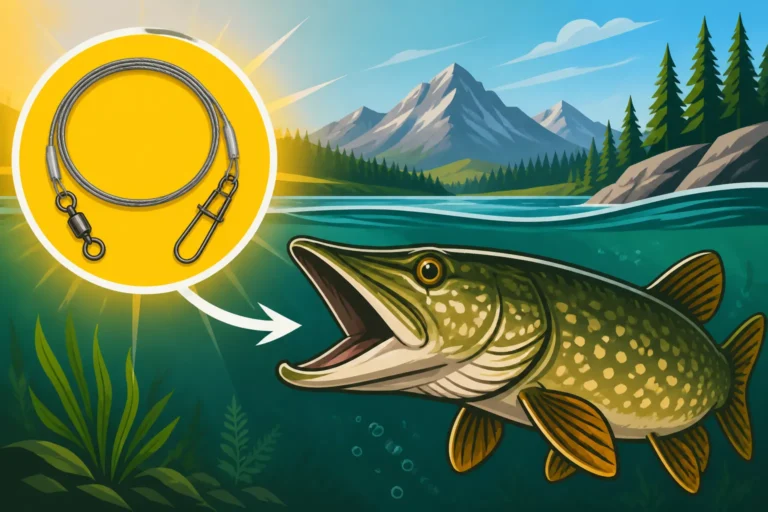
- Leader: While some anglers might skip a leader, I highly recommend using a fluorocarbon or wire leader. Pike have incredibly sharp teeth that can easily cut through braided or monofilament lines. A 12-18 inch, 40-60 lb fluorocarbon leader provides excellent abrasion resistance and is virtually invisible underwater. If you're encountering especially toothy critters or trophy-sized pike, a thin, multi-strand wire leader offers maximum bite-through protection. Check out our guide on the Best Leader for Pike Fishing for more detailed insights on choosing the right leader for different conditions. You can find quality options for all these components readily available on Amazon.
Mastering Topwater Techniques for Pike
Catching pike on topwater isn't just about casting and reeling; it's about making your lure come alive. Different lure types require specific retrieves and presentations to mimic struggling prey and entice a strike. Learning these nuances will dramatically improve your success.
The Art of the Walk-the-Dog Retrieve
The "walk-the-dog" retrieve is iconic for walking baits and is often the most effective retrieve for triggering aggressive pike. It involves a rhythmic slack-line twitching of your rod tip, usually pointed down towards the water, while slowly reeling in slack. It takes a bit of practice but becomes second nature quickly.
- Cast: Make a long, accurate cast to your target area, such as the edge of a weed line or a drop-off.
- Slack and Twitch: As the lure hits the water, let it sit for a moment. This pause often fools fish that are watching. Then, with a slight amount of slack in your line, give your rod tip a sharp, downward twitch (about 6-12 inches). The lure should dart to one side.
- Reel and Repeat: Immediately drop your rod tip back towards the water, creating a bit of slack, and take up just enough slack with your reel to keep the line relatively taut. Then, repeat the twitch. The rhythm should be continuous: twitch, reel, twitch, reel, creating a captivating zig-zagging, side-to-side motion on the surface that mimics a wounded baitfish.
- Vary the Speed: Don't be afraid to vary the speed of your retrieve. Sometimes a slow, methodical walk-the-dog is best, especially in cooler water or when fish are less active. Other times, a faster, more erratic retrieve will draw explosive strikes from aggressive fish. Pike are curious, and a change in pace can often be the trigger.
Popping and Pausing for Attention
Poppers excel at creating commotion and drawing fish from a distance or out of dense cover. The key to their effectiveness lies in their ability to displace water and make noise, getting the attention of even the most sluggish pike.
- Cast and Wait: Cast your popper to your desired spot, especially near cover. Let it sit until the ripples dissipate. This often mimics a bug or small creature falling into the water, and sometimes a pike will strike it on the initial pause, thinking it's an easy meal.
- Pop and Pause: Give your rod tip a sharp, downward jerk, causing the popper's cupped face to "pop" or "chug" water. This creates a distinct sound and splashes water, attracting attention and making the lure seem alive.
- Vary the Rhythm: After the pop, let the lure sit for a few seconds. The pause is often when the strike occurs, as the pike thinks the "prey" is stunned or injured. Experiment with different cadences: a single pop and a long pause, multiple pops in quick succession followed by a pause, or a steady retrieve with subtle pops. On a calm morning on a lake like Cold Lake, a subtle pop can be incredibly effective when fish are wary.
Buzzing Over Cover
Buzzbaits are all about speed and noise, designed to provoke reaction strikes from pike that might not be actively feeding but will strike out of pure aggression.
- High-Speed Retrieve: Cast your buzzbait and immediately start reeling it in at a speed that keeps the propeller blade churning water on the surface. You want to create a consistent "buzz" or "gurgle," leaving a distinct wake.
- Weed-Through: These lures are fantastic for buzzing directly over shallow weeds, lily pads, and submerged timber. The blade helps deflect off obstructions, allowing you to fish areas where other lures would snag, getting right into the pike's living room.
- Target Edges: While you can buzz over cover, often the most effective strikes come from pike hiding just along the edges of weed lines or open pockets within the vegetation. The sudden appearance of the buzzing lure often triggers an immediate, aggressive strike from a fish guarding its territory. Remember that Northern Pike Fishing in Alberta is often about finding structure and cover, and buzzbaits allow you to cover that structure effectively.
Prime Times and Places for Alberta Topwater Pike
Knowing how to fish topwater is only half the battle; knowing when and where to cast is equally critical. Pike are opportunistic, but they have preferred conditions and habitats that make them more susceptible to surface presentations.
Golden Hours and Overcast Days
Pike, like many predatory fish, are often most active during periods of low light. This makes the "golden hours" – early morning just after sunrise and late evening leading up to sunset – prime time for topwater action. During these periods, the sun's glare is reduced, making it harder for prey to see the pike lurking below, and also more comfortable for the pike themselves to be active in the shallows. Overcast days, even in the middle of summer, can extend this topwater bite throughout the day, as the diffused light creates similar favorable conditions. A slight ripple on the water from a gentle breeze can also improve success, as it breaks up the surface, making your lure appear more natural and harder for pike to scrutinize. Think about how these conditions can impact your fishing strategy, much like understanding the Best Time of Day to Catch Walleye often applies to pike as well, suggesting morning and evening bites are key.
Weedy Bays and Shallow Flats
As we've touched on, pike love cover. Therefore, the best places for topwater pike fishing are typically shallow bays, coves, and expansive flats densely populated with aquatic vegetation. These areas provide both ambush points and plenty of forage for pike.
- Lily Pads: These are classic pike hideouts. The broad leaves provide shade and excellent ambush points. Skim your frog imitations or walking baits right over and through them. The sound of your lure landing near a lily pad often grabs their attention.
- Cabbage Weeds: Submerged weed beds, especially those with thicker stalks (often called "cabbage" by anglers), are excellent. Pike will sit on the edges or in pockets within these beds, waiting for prey. Buzzbaits and walking baits worked over the top or along the lanes are deadly for provoking a strike.
- Fallen Timber and Docks: Any structure that offers shade and a hiding spot can hold pike. Cast your topwater lures right up against logs, stumps, or the shady sides of docks. The key is to get your lure into their personal space without spooking them, tempting them out from their lair.
- Inflows and Outflows: Rivers or creeks flowing into a lake often create current breaks and bring in food, making these areas productive, especially in spring and early summer when water levels might be higher.
Alberta boasts numerous lakes perfect for topwater pike. Our Lesser Slave Lake Fishing Guide mentions the extensive shallow bays and weed lines that are perfect pike habitat. Other fantastic options include Keho Lake, Buffalo Lake, and many of the smaller, weedier lakes in the parkland region, many of which are known for holding big northern pike. Exploring the Best Fishing Lakes in Alberta can reveal many hidden gems for topwater action, often including those lakes with significant weed growth.
Reading the Water for Active Fish
Successful topwater fishing isn't just about throwing a lure blindly. It’s about observation and understanding the subtle cues the water gives you. Look for signs of baitfish activity on the surface, or even actual pike cruising the shallows. Sometimes you'll see a V-wake from a pike just below the surface, indicating they're actively hunting. Cast your lure a few feet ahead of a cruising fish, or directly into an area where baitfish are being spooked and jumping out of the water. Pay attention to water color and clarity; while pike can tolerate some turbidity, overly muddy water will reduce visibility and make topwater less effective. On clearer lakes, a longer cast and a stealthier approach will be necessary to avoid spooking the fish.
Overcoming Common Topwater Pike Challenges
While the visual thrill of a topwater strike is unmatched, it's also true that pike can be notoriously tricky to hook consistently on surface lures. Don't get discouraged by missed strikes or fish that just seem to follow; these challenges are part of the game, and with a few adjustments, you can turn those frustrations into landed fish.
Setting the Hook Effectively
This is perhaps the biggest frustration in topwater pike fishing: a massive explosion, your heart leaps, you set the hook… and nothing. Pike often "miss" topwater lures or simply swipe at them, creating a huge splash without actually taking the bait. The key is patience, which can be agonizing but is absolutely crucial.
- Don't Set on the Splash: Your instinct will be to yank the rod the moment you see the water explode. Resist this urge! This is one of the hardest habits to break, but it's often the reason for missed fish.
- Wait for the Weight: Instead, wait until you feel the weight of the fish on your line. You might see the lure disappear completely beneath the surface, or feel a solid, undeniable tug. That moment of actual connection is what you're waiting for.
- Reel into the Fish: As soon as you feel that weight, drop your rod tip slightly, reel down to take up any slack, and then deliver a firm, sweeping hook set. The "sweep" should be more horizontal than vertical if you have a baitcaster, driving the hooks sideways into the pike's bony mouth, which is often harder than it looks.
- Sharpen Your Hooks: Ensure your hooks are razor-sharp. You can even upgrade the treble hooks on many store-bought lures, like those found on Amazon, to stronger, sharper models for better penetration. This simple step can significantly improve your hook-up ratio.
Dealing with Weeds and Snags
Weedy areas are prime pike territory, but they can also be a nightmare for getting snagged, especially with lures featuring exposed treble hooks. Even weedless lures aren't entirely immune to snags.
- Target Edges and Pockets: Instead of casting directly into the densest mat, focus your casts on the edges of weed lines, open lanes, and small pockets within the vegetation. These are often where pike position themselves for ambush.
- Use Weedless Options: For truly impenetrable cover, stick to weedless soft plastic frogs. You can even Texas-rig soft plastic flukes or worms with a weighted hook to create a sub-surface 'topwater' action that can be surprisingly effective over deep weeds where traditional topwater might struggle.
- Quick Retrievals: When using lures with exposed hooks, try to keep them moving just enough to avoid sinking into the weeds. A slightly faster retrieve might be necessary to keep them skimming over the top, or a quicker twitch-and-pause rhythm.
- Retrieve Quickly After Missed Strikes: If a pike misses your lure, keep reeling it in. Often, another pike, or even the same fish, will follow up with a second strike if you don't stop the presentation. A wounded baitfish doesn't stop swimming, and neither should your lure!
Approach and Presentation Stealth
Pike, especially in clear, shallow water, can be surprisingly wary. A heavy-handed approach can spook them before you even get a cast in, ruining your chances at that coveted topwater bite.
- Stealthy Entry: If you're fishing from a boat or kayak, approach your target areas quietly. Use your trolling motor sparingly or paddle gently. Avoid loud noises or sudden movements that can send vibrations through the water.
- Long Casts: Make longer casts to keep your distance from the fish. This is where a good Best Kayak for Lesser Slave Lake setup, possibly with a pedal drive, can really shine, allowing you to maintain distance while controlling your position quietly.
- Accurate Casting: Pinpoint accuracy is crucial. Land your lure softly a few feet beyond your target zone and retrieve it into the strike zone. Don't let it splash down right on top of a fish, which can scare it away; aim for a gentle plop rather than a cannonball.
- Vary Your Retrieve: If pike are following but not committing, try changing your retrieve speed, cadence, or the amount of pause. Sometimes a frantic retrieve suddenly stopping will trigger a chase and strike, while other times a slow, deliberate walk will entice a hesitant fish. Experimentation is your best friend when fish are finicky.
Essential Gear Checklist for Topwater Pike
Before you hit the water, having a well-organized tackle box and the right supplementary gear will make your topwater pike adventures much smoother and more enjoyable. Don't let a missing tool cut your trip short!
The Right Tools for the Job
Beyond your rod, reel, and line, a few crucial items will ensure your topwater trip is a success and help you handle those toothy critters safely.
- Pliers/Forceps: Pike have extremely sharp teeth and often swallow lures deep. A good pair of long-nosed pliers or forceps (8-10 inches is ideal) is essential for safe and efficient hook removal, protecting both you and the fish. Consider models with a cutting feature for clipped leaders.
- Net: A large, rubberized landing net is invaluable for safely landing and handling pike. Rubberized nets are much gentler on the fish's slime coat, reducing harm, and prevent hooks from getting tangled, which saves a lot of frustration. This is especially important if you plan on catch and release, which is common in many Alberta Fishing Regulations Explained zones.
- Scale and Measuring Tape: If you're interested in knowing the size of your catch (and who isn't, especially when it's a potential trophy?), a reliable digital scale and a measuring tape are great additions. You might just break a personal best, and you'll want the proof!
- First Aid Kit: Accidents happen, especially when dealing with sharp hooks and toothy fish. A small, well-stocked first aid kit should always be on board for minor cuts or punctures.
- Sun Protection: Long days on the water mean exposure to the elements. Don't forget sunscreen, a wide-brimmed hat, and polarized sunglasses. Polarized lenses are a game-changer for spotting fish and underwater structure, reducing glare and improving your view into the water. You can find excellent fishing-specific polarized sunglasses on Amazon that dramatically cut glare.
Maintaining Your Lures and Tackle
Proper maintenance extends the life of your gear and ensures it performs when it matters most, preventing unexpected failures when you're battling a big fish.
- Hook Sharpening: Always check your hooks before and during a trip. After a few fish or bumping against structure, hooks can become dull. A small hook sharpener is a vital tool to keep your trebles sticky sharp, improving your hook-up ratio and ensuring solid penetration. Dull hooks lead to missed fish, pure and simple.
- Lure Storage: Keep your topwater lures organized in a tackle box or bag. Preventing hooks from tangling together saves time and frustration on the water. A good tackle management system, as discussed in our Best Tackle Box Setup for Alberta Anglers guide, can make a huge difference in efficiency.
- Rod and Reel Care: Rinse your rod and reel with fresh water after each trip, especially if you've been fishing in brackish or dirty water. Periodically lubricate your reel according to the manufacturer's instructions. A well-maintained reel operates smoothly and reliably, giving you confidence when that trophy pike hits.
Considerations for Catch and Release with Topwater Pike
Pike are resilient fish, but proper handling is crucial for their survival, especially when practicing catch and release. Many of Alberta's fisheries rely on anglers releasing fish to maintain healthy populations and ensure future angling opportunities. Being a responsible angler means prioritizing the fish's well-being.
Minimizing Stress and Injury
When a pike strikes a topwater lure, they often take it aggressively. This can lead to hooks being deeply embedded. Your approach to landing and unhooking the fish directly impacts its chances of survival once released.
- Quick Fight: Try to land the fish as quickly as possible without over-stressing it. Prolonged fights, especially in warm water, can be exhausting for pike and reduce their chances of recovery.
- Keep the Fish Wet: The best way to handle a fish is to keep it in the water. If you must remove it for a quick photo, do so gently and quickly, supporting its body horizontally. Never hold a pike vertically by its jaw, as this can damage its internal organs and spine, leading to delayed mortality.
- Barbless Hooks: Consider crimping down the barbs on your treble hooks. Barbless hooks make removal much easier and quicker, causing less damage to the fish's mouth. Many waters, particularly designated trout streams, require Alberta Barbless Hook Requirement Waters, but it's an excellent practice for pike too, significantly improving survival rates.
- Tools for Removal: Always use those long-nosed pliers or forceps. Gently grasp the hook and twist it out. If a hook is deeply lodged and you can't easily remove it, consider cutting the hook rather than trying to rip it out. The hook will often rust away, causing less trauma than aggressive removal.
Recognizing Signs of Stress
After releasing a pike, observe its behavior. A healthy fish will swim away strongly and quickly dive back into the depths. If it floats on its side or seems sluggish, gently support it in the water, facing into any current, until it regains its strength and can swim off on its own. Sometimes it just needs a few moments to recover from the fight. Releasing fish responsibly ensures that these exciting encounters can continue for future generations of anglers, preserving the thrill of the topwater strike.
Future-Proofing Your Topwater Pike Game
The world of fishing is always evolving, and so too should your approach. Staying informed and adaptable will help you continue to enjoy fantastic topwater pike fishing in Alberta for years to come. Don't get stuck in a rut; embrace new ideas and techniques.
Experimentation is Key
While this guide provides a solid foundation, remember that pike can be finicky. What works one day might not work the next, and conditions are constantly changing.
- Lure Rotation: Don't be afraid to try different topwater lure types, colors, and sizes. Sometimes a subtle change, like switching from a loud popper to a quiet walking bait, can make all the difference when fish are ignoring your current offering. Keep a variety of options on hand in your tackle box, maybe even a few unique ones you ordered from Amazon that you wouldn't find locally.
- Retrieve Variation: Constantly experiment with retrieve speeds and pauses. Some days pike want a fast, aggressive presentation that triggers a reaction strike; other days, they prefer a slow, methodical walk or a long pause after a pop, giving them time to commit. Let the fish tell you what they want.
- Location Scouting: Don't limit yourself to the same spots every time. Use mapping apps and satellite imagery to scout new weed beds, shallow bays, or even overlooked areas near popular spots. Pike are constantly moving, and new productive areas can emerge with changes in vegetation or water levels. Our guide on Best lakes for trophy pike in Alberta can give you some great starting points for exploration.
Staying Informed About Regulations and Conservation
Being a responsible angler means staying up-to-date with current fishing regulations and actively contributing to conservation efforts. Our natural resources are precious, and it's up to all of us to protect them.
- Check Regulations Annually: Fishing regulations, season dates, and specific lake rules can change from year to year. Always consult the official "Alberta Guide to Sportfishing Regulations" before heading out. Our guide on Reading the Alberta Guide to Sportfishing Regulations can help you navigate this sometimes complex document.
- Support Conservation: Consider joining local angling clubs or conservation groups that work to protect pike habitat and ensure healthy fish populations. Your participation, whether through volunteering or donations, helps secure the future of this thrilling fishery for everyone.
- Share Knowledge Responsibly: Encourage fellow anglers to practice responsible catch and release and to respect the natural environment. By working together, we can ensure Alberta's pike fisheries remain vibrant and productive for generations to come, allowing many more anglers to experience that incredible topwater explosion.
Disclaimer
The information provided in this guide is for general informational purposes only. Fishing regulations and conditions can change rapidly. Always consult the most current Alberta Guide to Sportfishing Regulations before engaging in any fishing activities. Ensure you have all necessary licenses and comply with all provincial and local laws. Fishing involves inherent risks; please exercise caution and prioritize safety.