Best water temperature for trout fishing in Alberta
One of the biggest frustrations for trout anglers in Alberta, whether you're chasing rainbows on the Bow or bull trout in a remote mountain stream, is when the fish just aren't biting. Often, it comes down to something we can't see but profoundly affects everything below the surface: water temperature. This comprehensive guide will deep dive into how water temperature influences trout behavior, their preferred thermal zones, and practical tips to help you find and catch more trout across Alberta's diverse waters, regardless of the season.
Optimal Temperature Ranges for Alberta's Trout Species
Understanding the specific temperature preferences of different trout species is crucial for success in Alberta. Each species has a sweet spot where they are most active and feeding, and knowing these ranges can dramatically improve your fishing strategy.
Rainbow Trout and Cutthroat Trout: Cool Water Enthusiasts
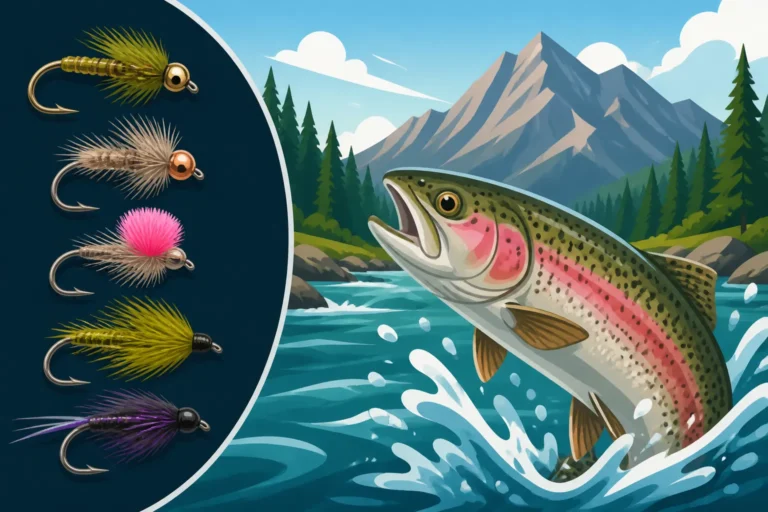
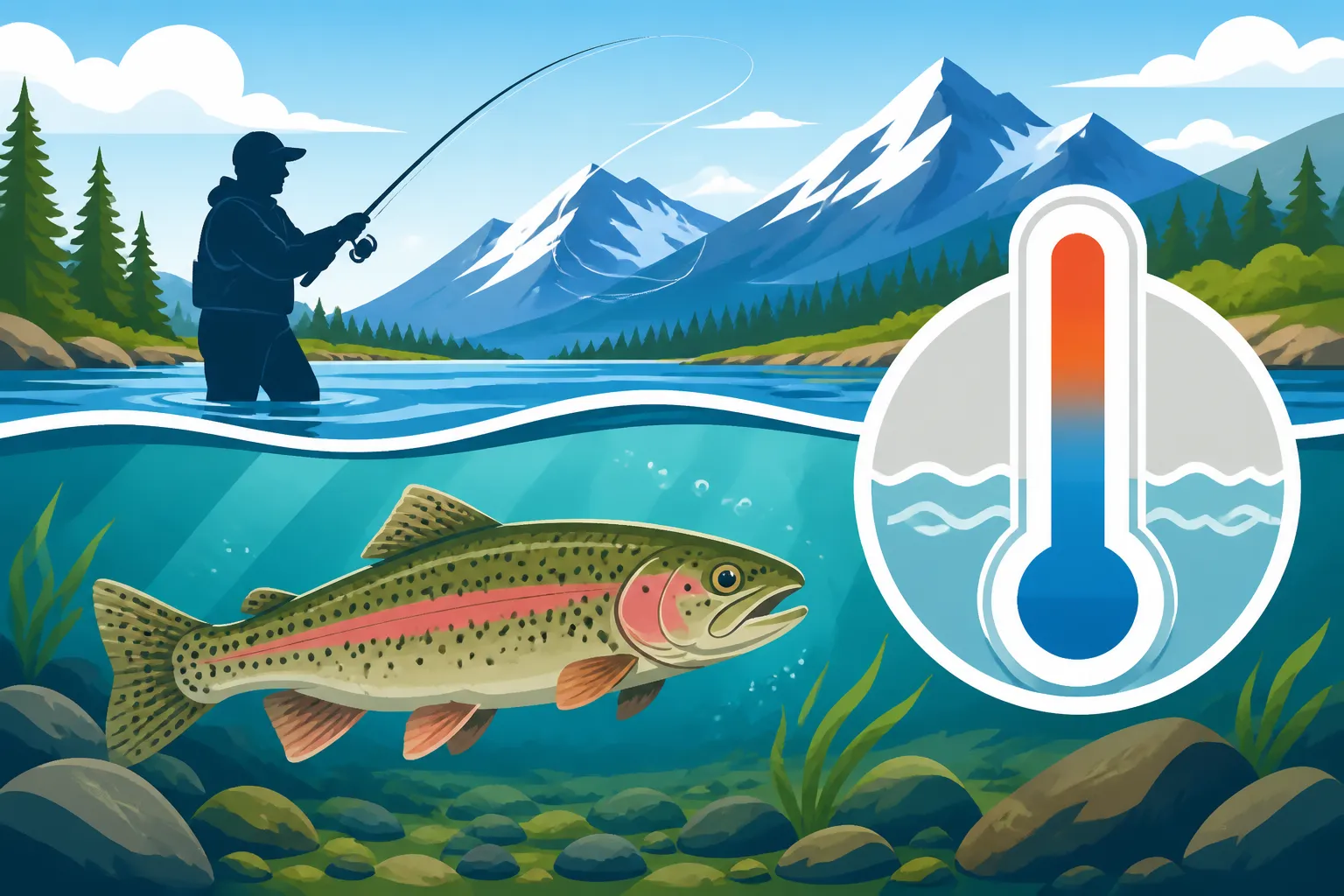
Rainbow and Cutthroat Trout, including the beautiful Westslope Cutthroat, are generally cool-water fish. They thrive in well-oxygenated water, typically between 8°C and 18°C (46°F to 64°F). When water temperatures creep above 18°C, they start to experience stress, and anything above 22°C (72°F) can be lethal, especially if prolonged. This is why you'll find them abundant in many of Alberta's cold-water rivers and streams, particularly in the mountain and foothills regions.
Think about the Bow River near Calgary; it's renowned for its incredible rainbow trout fishing. The consistent flow of cold, clear water, often fed by snowmelt and groundwater, helps maintain optimal temperatures for these fish through much of the fishing season. Anglers often find the best action in spring and fall, or during the cooler parts of summer days, when the water temperature is perfectly within their preferred range, making them aggressive feeders. For specific seasonal insights, check out our guide on Alberta Trout Season Opener Dates by Zone.
Brown Trout: A Bit More Tolerant
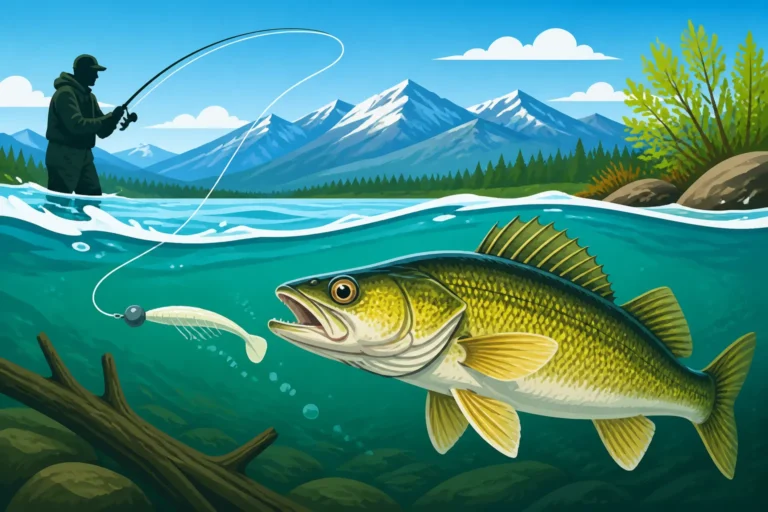
Brown Trout are a bit more forgiving when it comes to water temperatures, which is part of why they've successfully established themselves in many of Alberta's waters. While they still prefer cool, oxygen-rich environments, their optimal feeding range extends a little higher than rainbows or cutthroats, generally between 10°C and 20°C (50°F to 68°F). They can tolerate slightly warmer conditions, often retreating to deeper pools, shaded areas, or areas with cooler inflowing water when temperatures peak.
This tolerance makes brown trout a good target when other trout species might be feeling the heat. In rivers like the Crowsnest or sections of the Bow that might warm up slightly on a scorching summer afternoon, brown trout might still be found actively feeding in pockets of cooler water where rainbow trout have already shut down. This resilience is a key factor in their survival and success in some of Alberta's more varied aquatic environments.
Bull Trout and Lake Trout: The Coldwater Specialists
Bull Trout and Lake Trout are the true cold-water specialists of Alberta. Bull trout, our provincial fish, require pristine, very cold, and highly oxygenated water, with their ideal range often falling between 4°C and 13°C (39°F to 55°F). They are incredibly sensitive to warmer temperatures, and anything consistently above 15°C (59°F) will cause them severe stress and can be fatal. This is why you find them primarily in Alberta's high-elevation mountain streams and deep, cold lakes. Similarly, Lake Trout thrive in deep, cold lakes, preferring water temperatures between 4°C and 10°C (39°F to 50°F). They will move to the deepest parts of lakes during summer to escape warmer surface temperatures, often holding near thermoclines.
Targeting these species requires a different approach, often focusing on depth in lakes or seeking out the coldest, highest-elevation streams for bull trout. If you're planning on fishing for these magnificent cold-water dwellers, especially bull trout, remember that they are a protected species in many areas, often with zero-possession limits. Safe handling and quick, careful release are paramount. Our Bull Trout: Alberta's Threatened Native Fish article has more details on their conservation status and best practices.
Here’s a quick summary of the optimal feeding temperatures for Alberta's most sought-after trout species:
| Trout Species | Optimal Feeding Temperature Range (°C) | Optimal Feeding Temperature Range (°F) | Preferred Habitat |
|---|---|---|---|
| Rainbow Trout | 8°C – 18°C | 46°F – 64°F | Cold, oxygen-rich rivers & streams, stocked lakes |
| Cutthroat Trout | 8°C – 18°C | 46°F – 64°F | Mountain streams, clean, clear waters |
| Brown Trout | 10°C – 20°C | 50°F – 68°F | Rivers, streams, some lakes; more tolerant |
| Bull Trout | 4°C – 13°C | 39°F – 55°F | High-elevation streams, deep, cold lakes |
| Lake Trout | 4°C – 10°C | 39°F – 50°F | Deep, cold, oxygenated lakes |
Understanding How Water Temperature Impacts Trout Behavior
Water temperature isn't just a number; it's a critical environmental factor that dictates almost every aspect of a trout's life, from its metabolism to its very survival. Ignoring its influence is akin to fishing blind.
Metabolism and Feeding Activity
Trout are cold-blooded, meaning their body temperature mirrors that of their surroundings. This has profound implications for their metabolism. When the water is too cold (below their optimal range), their metabolism slows down significantly. They become sluggish, requiring less food, and are often reluctant to chase or strike lures. Think of it like trying to run a marathon in freezing temperatures – you're just not going to perform at your peak.
Conversely, when the water gets too warm, their metabolism can actually speed up to a dangerous degree, requiring more oxygen than the warmer water can provide. This leads to severe stress, exhaustion, and a complete shutdown in feeding. They prioritize survival, seeking refuge rather than food. This is why you often hear anglers talk about the "dog days of summer" when fishing can be tough; the water might just be too warm for active trout. Knowing When Alberta trout streams get too warm to fish is crucial for both angling success and fish welfare.
Oxygen Levels and Habitat Selection
One of the most critical aspects of water temperature for trout is its direct link to dissolved oxygen levels. Colder water holds significantly more dissolved oxygen than warmer water. As water temperatures rise, the amount of oxygen it can hold decreases. Trout, being active predators, require a high level of dissolved oxygen to thrive.
When water temperatures increase and oxygen levels drop, trout become stressed. They will actively seek out areas with cooler, more oxygenated water. This might mean moving to deeper sections of a lake or river, congregating near the mouths of cold feeder streams, hiding under undercut banks, or holding in areas with fast-moving, turbulent water that naturally picks up more oxygen. Understanding this relationship helps you predict where trout will hold, even when temperatures are less than ideal. This often means focusing your efforts on specific thermal refuges.
Spawning Triggers and Lifecycle Stages
Water temperature also plays a vital role in triggering different stages of a trout's lifecycle, most notably spawning. Each species has specific temperature windows that initiate their reproductive cycle. For instance, many rainbow trout spawn in the spring when water temperatures begin to rise into a certain range, while brown trout often spawn in the fall as temperatures cool. Lake trout and bull trout also have specific fall spawning periods tied to temperature.
Respecting these critical times is essential for conservation. During spawning, trout are often more vulnerable and should generally be left undisturbed. Anglers should be aware of specific regulations during these periods, as many areas implement closures to protect spawning fish. Being mindful of these temperature-driven biological events ensures the health and sustainability of Alberta's incredible trout populations for years to come.
Tips for Locating Trout Based on Water Temperature
Finding trout isn't just about casting in the right spot; it's about understanding why that spot might be right at a given time. Temperature is often the primary driver of their location, especially in varying conditions.
Seasonal Adjustments and Daily Movements
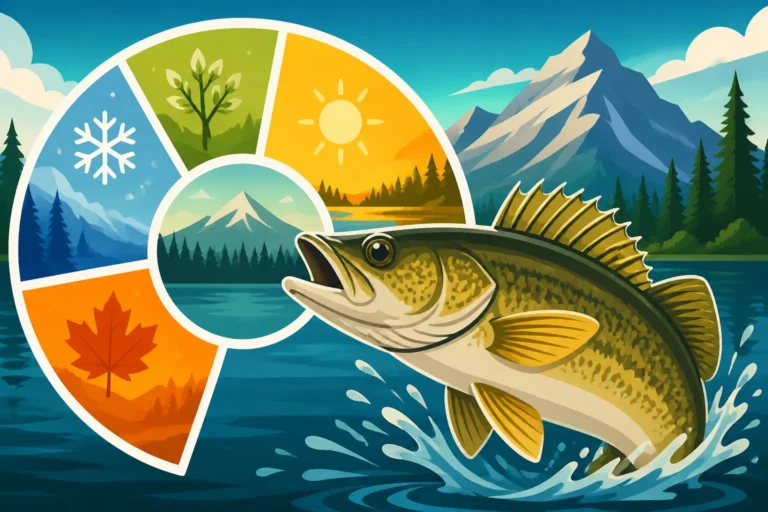
Trout locations shift dramatically with the seasons as water temperatures fluctuate. In the early spring, right after ice-out or the Alberta Trout Season Opener Dates by Zone, trout might be found in shallower waters that warm up first, making them more active. As summer progresses and surface temperatures rise, these same trout will move to deeper, cooler sections of lakes or congregate in river currents that offer thermal refuge.
On a daily basis, even during summer, trout often become more active during the cooler parts of the day – early mornings, evenings, or after a significant rainstorm that drops water temperatures. Mid-day sun can drive them deep or into heavy cover. In the fall, as temperatures begin to cool, trout might return to shallower feeding grounds, often becoming very aggressive as they bulk up for winter. Always consider the time of day, recent weather, and overall seasonal trend when looking for fish.
Structure and Cover as Thermal Refuges
When water temperatures are either too warm or too cold, trout will actively seek out structure and cover that offers them a thermal advantage. This could be:
- Deep Pools: In rivers, deep pools often hold cooler water, especially if they are fed by springs or have continuous flow. In lakes, deep offshore structures are crucial for summer trout.
- Undercut Banks and Overhanging Vegetation: These areas provide shade, which can keep water temperatures a few degrees cooler. They also offer excellent ambush points.
- Confluence of Cold Feeder Creeks: Where a smaller, colder stream enters a larger river or lake, it creates a thermal plume that trout will absolutely stack into during warm periods.
- Fast-Moving Water: Riffles, rapids, and areas below waterfalls in rivers provide more oxygen and cooler temperatures due to constant mixing and aeration. This is a classic spot for healthy, active trout, as highlighted in guides like How to catch trout in fast current on the Bow River.
Always scan the water for these features, paying attention to areas that offer both food and a comfortable temperature zone. A good pair of polarized sunglasses, available from retailers like Amazon, can help you spot these subtle changes in water color or depth.
Current and Oxygenated Zones
In river systems, current is your friend when it comes to locating trout. Beyond providing a conveyor belt of food, current is essential for oxygenating the water and maintaining cooler temperatures. Trout will often hold in seams, eddies, and behind obstacles that break the main current, allowing them to expend less energy while waiting for food, but still be close to the flow of oxygenated water.
Tailwater fisheries, like those below dams, are often prime trout habitats precisely because the water released from the bottom of the reservoir is consistently cold and oxygen-rich, regardless of surface air temperatures. This creates a stable, ideal environment for trout year-round. Understanding the dynamics of current, depth, and temperature interplay is a cornerstone of effective trout fishing. When fly fishing, knowing the Best time to nymph for trout on the Bow River will often align with cooler, more oxygenated periods.
Tools and Techniques for Monitoring Water Temperature
You can guess all you want, but without actually measuring the water temperature, you're always operating with an educated guess. The good news is, there are simple and effective ways to get precise readings, helping you make informed decisions on the water.
Portable Water Thermometers
A reliable portable water thermometer is an indispensable tool for any serious trout angler. They are relatively inexpensive and can be quickly deployed to give you an accurate reading of the water column. You can find excellent options on Amazon, from simple pocket thermometers to more advanced digital versions that can store readings.
When using a thermometer:
- Check Multiple Depths: Water temperature can vary significantly with depth. If you're fishing a deep pool or lake, check the temperature at various points in the water column to find the thermocline (the layer where water temperature changes rapidly) or where trout are likely holding.
- Check Different Locations: Don't just check one spot. Test the main current, an eddy, a shaded bank, and the mouth of any feeder streams to identify cooler pockets.
- Check Regularly: Conditions can change throughout the day, especially with sun exposure or after a rain shower. Make it a habit to check the temperature periodically.
This simple tool empowers you to confirm your suspicions about trout location and activity levels, taking much of the guesswork out of your approach.
Reading Environmental Cues and Adjusting Your Approach
While a thermometer gives you precise data, you can also learn a lot by observing environmental cues:
- Air Temperature: A string of hot days will inevitably warm up the water, especially in shallower sections. Conversely, cooler nights and cold fronts will chill the water.
- Sun Exposure: Heavily shaded stretches of river or tree-lined lakeshores will often be cooler than areas exposed to direct sun all day.
- Recent Rainfall and Snowmelt: Heavy rain, especially cold rain, can quickly drop water temperatures and increase flow, injecting fresh, cool water and oxygen. Snowmelt, particularly in spring, provides a continuous supply of cold water.
- Water Clarity: Murky water can warm up faster than clear water due to increased absorption of solar radiation.
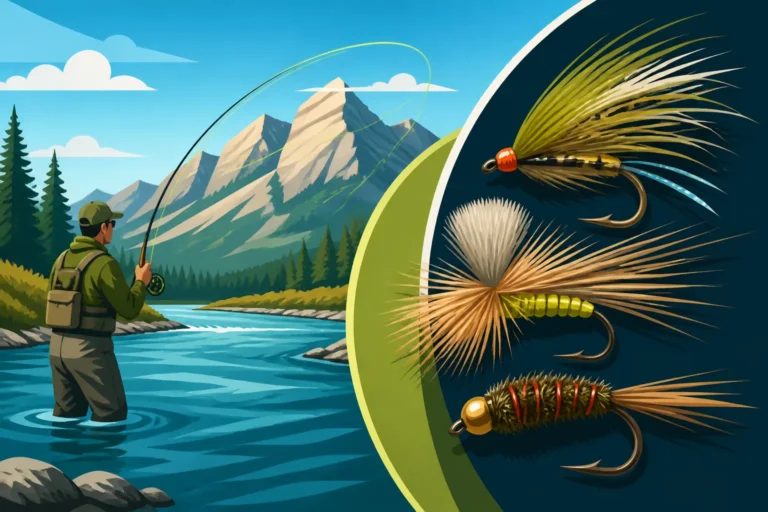
Once you have a sense of the water temperature, you can adjust your fishing techniques. If the water is cold, slow down your retrieve, use larger flies that present a bigger target, or focus on deeper, slower pools. In warmer, but still optimal, temperatures, trout will be more active, and faster retrieves, smaller flies, or aggressive presentations might be effective. If the water is too warm and stressing the fish, consider fishing during cooler parts of the day or changing locations to higher elevation streams or deeper lakes to prioritize fish safety. Guides like Spring Trout Fishing Techniques for Alberta Streams or Fly Fishing for Trout on the Bow River often implicitly factor in these temperature-driven adjustments.
Ultimately, being mindful of water temperature is not just about catching more fish; it's about being a responsible angler and understanding the delicate ecosystem you're a part of. Happy fishing!
Disclaimer
Fishing conditions and regulations in Alberta can change rapidly. Always consult the most current Alberta Guide to Sportfishing Regulations before heading out. This guide is for informational purposes only and does not supersede official regulations.