Fly Patterns for the Bow River
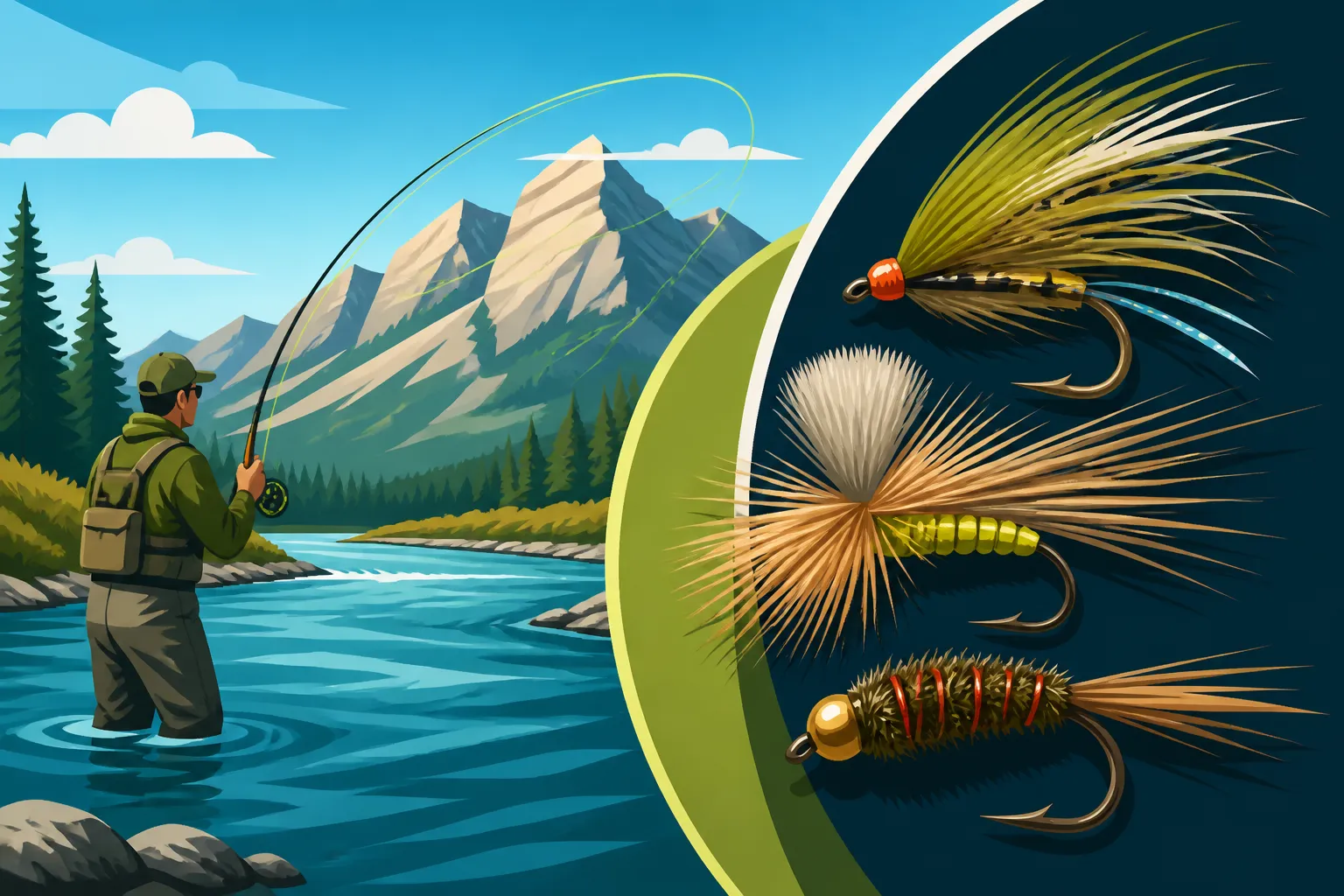
Many anglers hitting the legendary Bow River often find themselves staring blankly into their fly boxes, overwhelmed by the sheer number of patterns available. The thought of picking the "right" fly can feel like a high-stakes guessing game, leading to frustrating moments of constant fly changes rather than focused casting. This comprehensive guide aims to cut through the confusion, offering a deep dive into the most effective fly patterns for the Bow River and crucial advice on when, where, and how to deploy them for maximum success.
Understanding the Bow River's Unique Ecosystem and Hatches
The Bow River is a complex, nutrient-rich tailwater fishery, meaning its consistent flows and temperatures, regulated by the Glenmore Dam, create an incredibly stable and productive environment for aquatic insect life. This stability, coupled with ample food sources, allows trout to grow to impressive sizes, offering world-class fishing right on Calgary's doorstep. However, this robust ecosystem also means a diverse menu for the fish, demanding a thoughtful approach to fly selection.
Water Characteristics and Insect Life
The Bow River, particularly the stretches downstream from Calgary, boasts relatively clear, cold, and highly oxygenated water. This environment is ideal for a thriving population of invertebrates, which form the primary diet of the river's rainbow and brown trout. Unlike freestone rivers that can fluctuate wildly, the dam-controlled flows provide a more predictable habitat, leading to consistent insect hatches year after year. Understanding these base conditions is your first step in deciphering the trout's menu.
The riverbed itself is a mosaic of gravel, cobble, and silt, providing perfect habitat for a wide array of insects. From the tiny midges hatching in the dead of winter to the prolific caddisflies of summer, and the sturdy stoneflies that provide a year-round food source, the Bow River is teeming with life. These abundant food sources mean the trout are often well-fed and can afford to be selective, making it paramount to present a convincing imitation. For more detailed insights into the river itself, check out our dedicated guide on the Bow River Fishing Guide.
Key Hatches Throughout the Year
While the Bow River offers productive fishing year-round, certain insect hatches dictate what the trout are primarily feeding on. Knowing these key periods can drastically improve your chances.
- Midges (Chironomids): These tiny insects are present year-round but become incredibly important during the colder months, especially from late fall through early spring. Trout will often sip these small flies off the surface or feed on their larval and pupal stages sub-surface.
- Stoneflies: Largely represented by the giant golden stoneflies and smaller Sallies, stoneflies are a significant food source, particularly in spring and early summer. Their nymphs are often found crawling along the river bottom, making them a year-round target for nymphing.
- Mayflies: Various species of mayflies hatch throughout the warmer months. Blue-Winged Olives (BWOs) are common in spring and fall, PMDs (Pale Morning Duns) dominate early summer, and the larger Green Drakes and Brown Drakes can provide explosive dry fly action in mid-summer. Callibaetis mayflies are also prevalent in slower sections.
- Caddisflies: Arguably the most important insect on the Bow, caddisflies hatch in massive numbers from late spring through fall. Their fluttering emergence, egg-laying activities, and abundant larval stages make them a constant food source. Sedges are particularly important, often seen skittering across the water.
- Terrestrials: As summer progresses and into early fall, grasshoppers, ants, and beetles become significant food items, often blown into the water from overhanging vegetation. These can offer some of the most exciting dry fly fishing experiences.
Understanding this seasonal progression of hatches is critical for effective Fly Fishing for Trout on the Bow River. It's not just about what hatches, but when it happens, and how to anticipate the trout's feeding preferences based on these natural cycles.
Essential Dry Fly Patterns for the Bow River
When trout are looking up, few things are as exhilarating as seeing a fish rise to your dry fly. The Bow River offers incredible dry fly opportunities, and having the right patterns can make all the difference.
Mayfly Imitations
Mayflies are elegant insects that provide consistent dry fly opportunities when trout are selectively feeding on emergers or adults. Having a selection of sizes and colours to match the current hatch is paramount.
- Blue-Winged Olive (BWO) Parachute: These small, olive-bodied mayflies are a staple in spring and fall, especially on overcast or rainy days. A Parachute Adams, in sizes #18-22, with an olive body, is a fantastic imitation. The parachute style allows the fly to sit low in the water, mimicking a crippled or spent adult, which often entices finicky trout. When a BWO hatch is on, you'll see trout gently sipping on the surface, and a well-presented BWO Parachute is often irresistible. Don't be afraid to drop a small emerger pattern off the back of your dry fly for a double threat.
- Pale Morning Dun (PMD) Parachute: Slightly larger than BWOs, PMDs (sizes #14-18) are prolific from late spring into mid-summer, particularly on sunny days. Their pale yellow bodies and light wings are distinct. A PMD Parachute or Sparkle Dun is a must-have. When PMDs are hatching, you might see trout aggressively slashing at the surface, indicating they're focused on the emerging or adult stage. Fishing these in slower riffles and runs where trout have more time to inspect can be incredibly effective.
- Green Drake / Brown Drake: These larger mayflies (sizes #10-14) offer some of the most exciting dry fly action in late June and July. Their hatches can be sporadic but intense, bringing up some of the biggest fish. Patterns like the Green Drake Parachute, Adams Variant, or a well-tied Comparadun are excellent choices. During these hatches, the trout commit fully, and a precise cast near a rising fish often results in a solid take. These larger patterns are easier to see on the water, which is a bonus for the angler.
Caddisfly and Terrestrial Patterns
Caddisflies are the workhorses of the Bow River's insect population, and terrestrials provide opportunistic meals during the warmer months. These patterns should always have a home in your fly box.
- Elk Hair Caddis: This is an absolute staple on the Bow River, mimicking various caddisfly species. Available in tan, olive, brown, and black, in sizes #12-18, the Elk Hair Caddis is versatile. You can fish it dead-drift, skate it across the surface to imitate egg-laying adults, or twitch it to mimic an emerging caddis. The Bow River sees massive caddis hatches, especially from late spring through summer, and having a good supply of these in various colors is critical. Sometimes, simply knowing how to twitch this fly can turn a refusal into an aggressive strike.
- Stimulator: While often considered a stonefly imitation, the Stimulator in sizes #10-14, particularly in orange or yellow, can effectively mimic larger caddis or even a grasshopper. Its bushy profile and excellent floatation make it a great attractor pattern or a good choice for fast, broken water where trout are less discerning. It's a fantastic indicator fly when fishing a nymph dropper, allowing you to track your drift while offering a tempting meal on the surface.
- Foam Hopper: From mid-summer through early fall, grasshoppers are a significant food source, especially along grassy banks. Patterns like the Chernobyl Ant, Dave's Hopper, or a simple foam hopper in sizes #8-12 are essential. Cast these close to the bank or over riffles where 'hoppers might fall in. The large splash often attracts aggressive strikes from bigger fish. You can find quality foam sheets for tying your own patterns, or ready-made flies, on Amazon.
- Ants and Beetles: Smaller terrestrials, like black or cinnamon foam ants (#14-18) and beetle patterns, can be deadly on calm, sunny days when trout are incredibly selective. These flies are often overlooked but can be a secret weapon when larger patterns are being refused. Fish them tight to bankside cover or over slow-moving currents.
Attractor Dries
Sometimes, the trout aren't keying in on a specific hatch, or the hatch is so sparse it's hard to match. In these situations, an attractor pattern can pique their interest through its general buggy profile and enticing presentation.
- Royal Wulff: This classic pattern, in sizes #12-16, is a fantastic attractor dry. Its bushy profile and high visibility make it easy to track, and it can represent a variety of larger insects. It floats like a cork and is an excellent choice for turbulent water or as an indicator fly for a small nymph dropper. When you're fishing a new section of the river and unsure what to tie on, a Royal Wulff is often a great starting point to test the waters.
- Humpy: Another classic, the Humpy in yellow, green, or red, sizes #14-18, is a high-floating, buggy pattern that often brings up fish even when no specific hatch is apparent. Its unique wing structure and heavily dressed body create a very buoyant fly. I often use a Humpy when fishing pocket water or faster riffles, as it stays visible and rides high even in turbulent flows. It's a reliable search pattern when you want a versatile dry fly.
Must-Have Nymph Patterns for the Bow River
Nymphing is arguably the most consistent and productive way to catch trout on the Bow River, as trout spend the vast majority of their lives feeding sub-surface on aquatic insect larvae and pupae. Having a diverse selection of nymphs, from tiny midges to chunky stoneflies, is critical.
Mayfly and Caddisfly Nymphs
These are the bread and butter of nymphing on the Bow, mimicking the most abundant aquatic insects in their sub-surface stages.
- Pheasant Tail Nymph: This timeless pattern is an absolute must-have. Representing a vast array of mayfly nymphs, the Pheasant Tail comes in various beadhead and non-beadhead versions, sizes #14-22. It's incredibly versatile and effective year-round. I've had days where nothing else would work, but a small Pheasant Tail presented correctly brought fish after fish. It's particularly effective during BWO and PMD hatches, mimicking the nymphal stages leading up to the emergence. Consider using a jig-style Pheasant Tail for better hooksets and reduced snagging on the bottom.
- Hare's Ear Nymph: Another classic, the Hare's Ear is a buggy, versatile nymph that can imitate both mayfly and caddisfly nymphs. Available in natural, olive, or black, in sizes #12-18, it's a great "generalist" pattern. Its shaggy texture gives it a very natural appearance in the water. I often use a weighted Hare's Ear as my lead fly in a two-nymph rig, getting my lighter dropper fly down into the feeding zone.
- Copper John: This highly effective nymph, available in red, copper, or black, sizes #14-20, is designed to sink quickly. It primarily imitates caddisfly pupae or small stoneflies. Its flashy copper body and epoxy back make it highly attractive to trout. The Copper John is excellent for getting down to fish holding in faster, deeper runs. When trout are sluggish or holding tight to the bottom in cold water, this quick-sinking pattern can often get their attention.
- Prince Nymph: With its distinct white biot wings and peacock herl body, the Prince Nymph (sizes #10-18) is a fantastic general attractor nymph that can mimic both stoneflies and larger mayflies. Its "buggy" appearance and moderate weight make it a solid choice when you're not sure what the fish are feeding on but know they're looking for something substantial sub-surface. This is a pattern I always keep in my fly box, often as a reliable search pattern.
Stonefly Nymphs and Scuds
Larger food items like stoneflies and scuds provide a more substantial meal for trout, often attracting the attention of bigger fish.
- Pat's Rubber Leg: This chunky, heavily weighted stonefly imitation (sizes #6-12) is a true big-fish fly on the Bow River. Its rubber legs provide enticing movement, and its dark, buggy profile mimics large golden stoneflies or even small crawfish. It's perfect for prospecting deep runs, pockets, and boulder fields, especially in spring and early summer when stoneflies are active. Many serious Bow River anglers consider the Pat's Rubber Leg an absolute non-negotiable for their fly box, especially when targeting larger brown trout. For tips on fishing for these impressive fish, check out our guide on Brown Trout Fishing in Alberta.
- Girdle Bug: Similar in concept to the Pat's Rubber Leg, the Girdle Bug is another excellent weighted stonefly pattern, often tied with chenille and rubber legs. It's very effective in black, brown, or olive, sizes #6-12. It provides a large, juicy target for hungry trout and is fantastic for getting deep quickly. I often use this as an anchor fly in a nymph rig to ensure my entire setup gets down to where the fish are holding.
- Scud / Sowbug: While not always obvious, scuds (freshwater shrimp) are an incredibly important food source in the Bow River, especially in slower, weedier sections. Patterns like the Ray Charles, Grey Scud, or Pink Scud (sizes #14-18) can be deadly effective. Trout can become very focused on these crustaceans, and if you find them, they can provide consistent action. Fish these with a dead-drift presentation, often near weed beds or current seams. When the bite is slow, and trout are hugging the bottom, a scud is often the answer.
Emerger Patterns
The transition phase from nymph to adult is often a vulnerable time for insects, and trout are experts at keying in on these struggling emergers just below or in the surface film.
- Sparkle Pupae (Caddis Emerger): This pattern, mimicking an emerging caddisfly, is crucial during caddis hatches. Its buoyant profile and trailing shuck imitate the insect struggling to break free of its nymphal shuck. Fish it just below the surface film or as a dropper off a dry fly. When you see trout rising but refusing your dry, a Sparkle Pupae in sizes #14-18 is often the missing piece, as fish are often focused on the sub-surface emergence.
- Barr's Emerger: A highly effective mayfly emerger pattern, Barr's Emerger in BWO or PMD colours (sizes #16-20) mimics the insect suspended just below the surface. Its sparse dressing and trailing shuck are incredibly realistic. This is a subtle pattern for subtle takes, perfect for finicky trout sipping during a hatch. Present it with a drag-free drift in slower, glassy water where trout have ample time to inspect your offering.
- Zebra Midge: While primarily a midge nymph, the Zebra Midge (sizes #18-24) also effectively imitates midge pupae suspended in the water column. Its segmented body and beadhead make it a deadly pattern, especially during winter and early spring. It's one of the best "small fly" patterns out there for picking up tough-to-catch fish. You can buy these in bulk on Amazon for a great price, ensuring you always have enough of these tiny but mighty flies.
- RS2 (Rimrock Scud 2): Often tied in grey, olive, or black, the RS2 (sizes #18-22) is an excellent all-around emerger or small nymph pattern that can imitate a variety of mayflies and midges. It's designed to be simple, effective, and to sink quickly while maintaining a realistic profile. I find the RS2 particularly effective when trout are being finicky and require a very subtle presentation.
Effective Streamer Patterns for the Bow River
When you want to entice the biggest, most aggressive fish, streamers are often the answer. These patterns imitate baitfish, sculpins, and even small leeches, offering a substantial meal that predatory trout can't resist.
Baitfish and Sculpin Imitations
Large trout, especially brown trout, are highly predatory and will readily chase down a well-presented streamer. Mimicking their natural forage is key.
- Woolly Bugger: The Woolly Bugger is the most versatile and famous streamer pattern in existence, and for good reason. In black, olive, brown, or white, sizes #4-10, it can imitate a leech, sculpin, or baitfish. Fish it by stripping it, swinging it, or even dead-drifting it. The marabou tail and hackle pulse tantalizingly in the water, making it irresistible. Every Bow River angler should have a good selection of Woolly Buggers.
- Sculpzilla: This pattern is designed specifically to imitate sculpins, which are prevalent in the Bow River and a major food source for large trout. With a weighted head and natural colours (olive, black, natural), sizes #4-8, it sinks quickly and has an enticing profile. Fish it near the bottom, bumping it along structure or stripping it erratically to imitate a fleeing sculpin. This is a fantastic pattern for targeting those elusive trophy brown trout.
- Clouser Minnow: While often associated with saltwater, the Clouser Minnow, particularly in olive/white, grey/white, or black/white, sizes #4-8, is a highly effective baitfish imitation on the Bow. Its weighted eyes give it a unique jigging motion, making it appear very lifelike. Strip it aggressively through deeper runs or along drop-offs. The Clouser Minnow is excellent for eliciting reaction strikes from fish that might not be actively feeding.
Articulated and Weighted Streamers
For truly massive fish, sometimes you need a truly massive fly. Articulated streamers offer increased movement and a larger profile, while heavily weighted streamers get down to the biggest predators.
- Sex Dungeon / Dungeon: These articulated streamer patterns, often tied with multiple segments, provide incredible action in the water, mimicking larger baitfish or even small trout. In colours like olive, black, brown, or natural, sizes #2-6, they are designed to attract aggressive strikes. While intimidating to cast due to their size, the rewards can be monumental. These are ideal for throwing at big, dark holes or around submerged structures where trophy fish might be lurking.
- Meat Whistle: A variation of the Woolly Bugger, often with a heavier conehead or beadhead and rubber legs, the Meat Whistle is built to sink fast and create a substantial profile. It's a great choice for when you need to get your fly deep quickly to target fish holding tight to the bottom or in heavy current. Strip it with pauses to allow the marabou to breathe and entice strikes. This pattern excels when targeting larger trout holding in deeper pools and runs, often found in sections like those accessible near Bow River Carseland Dam Fishing Access.
- Double Deceiver: A classic streamer pattern, the Double Deceiver in minnow colours (like grey, olive, or white) can be tied in larger sizes (#2-6) and weighted to target significant fish. Its sparse but long profile gives it a very fishy look, and the two separate sets of feathers create exceptional movement. This is a great choice for imitating larger shiners or juvenile trout, which are a part of the diet for the biggest Bow River predators.
Seasonal Fly Selection Strategies for the Bow
The Bow River’s changing seasons dictate not only the types of insects present but also the trout’s behaviour and feeding patterns. Adapting your fly selection to the season is paramount for consistent success.
Spring and Early Summer Approaches
Spring on the Bow River, typically from April to June, sees rising water temperatures and the beginning of prolific insect activity. Early spring can still be cold, making nymphing key, but as temperatures warm, hatches become more prevalent.
- Early Spring (April-May): Focus heavily on nymphing. Stonefly nymphs like Pat's Rubber Leg and Girdle Bug in black or brown (#6-10) are excellent choices as these large insects become active. Mayfly nymphs such as Pheasant Tails and Hare's Ears (#14-18) are also crucial, especially on warmer days when BWOs might be starting to emerge. Midges (Zebra Midge, #18-22) are always a factor, particularly in slower water. Streamers, especially olive or black Woolly Buggers, can also draw strikes from larger, post-spawn brown trout. Remember, water levels can be higher and off-colour in early spring due to runoff, so heavier nymphs and larger, darker streamers can be more visible.
- Late Spring / Early Summer (May-June): This period sees the emergence of major caddis hatches. Elk Hair Caddis (#14-16) in tan and olive are vital. PMD hatches also begin, making PMD Parachutes (#16-18) effective. Nymphing remains highly productive, with Caddis Pupae (Sparkle Pupae, #14-16) and PMD nymphs (Pheasant Tail, #16-18) being top choices. As the water warms, trout become more active and willing to move for flies, making precise presentation and understanding river currents crucial. Look for trout to move into shallower riffles and runs to feed on emerging insects.
Mid-Summer to Fall Approaches
Summer on the Bow offers the warmest water temperatures and the most diverse hatches, leading into a productive fall season as fish bulk up for winter.
- Mid-Summer (July-August): This is prime dry fly season. Massive caddis hatches continue, often accompanied by Green Drakes and other larger mayflies. Terrestrials become extremely important, with Foam Hoppers, Chernobyl Ants, and beetle patterns (#8-14) being deadly along grassy banks. Dry-dropper rigs, with a buoyant dry fly like a Stimulator or Royal Wulff supporting a small nymph like a Copper John or Pheasant Tail, are highly effective. Trout will be spread throughout the river, actively feeding on both surface and sub-surface insects. Early morning and late evening can see incredible dry fly action.
- Fall (September-November): As water temperatures cool, the BWO hatch returns with a vengeance. BWO Parachutes and emergers (#18-22) are critical, especially on overcast days. Caddis activity slows but is still present. Streamer fishing becomes increasingly effective as brown trout begin their pre-spawn aggression. Sculpzilla, Sex Dungeon, and larger Woolly Buggers (#4-8) stripped through deep pools can entice trophy fish. Nymphing with smaller mayfly nymphs (Pheasant Tail, #16-20) and midge patterns (Zebra Midge, #18-22) remains consistently productive. Fall is a prime time for big fish on the Bow, as they feed heavily before the winter months. For more specific seasonal timings, consult the Alberta Fishing Season Dates by Zone.
Winter Nymphing and Streamer Tactics
Winter on the Bow River, from December to March, is a unique and often rewarding time to fish, characterized by stable cold temperatures and a focus on sub-surface presentations.
- Nymphing Dominance: With minimal surface activity, nymphing is by far the most effective technique. Midges are the primary food source, so tiny Zebra Midges, larva, and pupa patterns (#20-24) are essential. Small Pheasant Tails (#18-22) and Scuds (#16-18) in olive or grey are also highly effective. Focus on deep, slow runs and pools where trout conserve energy. A slow, methodical drift is crucial, often using plenty of weight to get your flies directly to the fish's level. Euro Nymphing the Bow River is a highly effective technique during these colder months.
- Streamer Opportunities: While less common, streamer fishing can still produce large, aggressive trout during winter, particularly on warmer, sunny days. Larger, dark Woolly Buggers, Sculpzillas, or even a small Articulated Streamer (#6-8) stripped slowly through deep pockets can tempt a sluggish but opportunistic fish. The key is slower retrieves and targeting the deepest parts of the river. Fish are less likely to chase aggressively, so a deliberate presentation mimicking an easy meal is best.
Optimizing Your Fly Fishing Success on the Bow River
Having the right fly patterns is only half the battle. Understanding how to choose, present, and adjust your approach on the water is what truly elevates your game and leads to consistent success on the Bow River.
Matching the Hatch and Adjusting Your Approach
The concept of "matching the hatch" is fundamental to fly fishing, especially on a technical fishery like the Bow River. It's about more than just insect identification; it's about understanding the trout's current feeding preferences.
- Observe and Adapt: Before tying on any fly, take time to observe the water. Are there insects flying in the air? Are trout rising? If so, what do the natural insects look like (size, color, profile)? Are the rises splashy (caddis) or subtle sips (mayflies, midges)? If nothing is happening on the surface, consider what might be moving sub-surface based on the season. If you're seeing refusals to your dry fly, the trout might be feeding on emergers just below the surface, or nymphs. This requires a quick adjustment from a dry fly to an emerger or a nymph. Sometimes, simply changing the size of your fly by one or two numbers can make all the difference. This iterative process of observation, hypothesis, and adjustment is what successful Bow River fly fishing is all about.
- Trial and Error with Confidence: Don't be afraid to experiment, but do so systematically. Start with a pattern you have confidence in and that generally matches what's available. If it doesn't work after a few good drifts, try changing the size, then the color, then the pattern altogether. The best way to learn is to pay attention to what the fish respond to. Sometimes, a "junk fly" or attractor that doesn't perfectly match anything will still get a bite because it triggers an instinctual strike. Always approach each cast with the belief that it could be the one. You can find a huge variety of different fly patterns for experimenting on Amazon, often at reasonable prices, to build up your confidence in new styles.
Reading the Water and Understanding Fish Behavior
Trout don't just hang out anywhere; they position themselves in the river to maximize feeding opportunities while minimizing energy expenditure and staying safe. Learning to "read the water" is about understanding these prime locations.
- Prime Holding Lies: Look for seams where fast water meets slow water, eddies, current breaks behind large rocks or logs, and the tails of pools. These spots offer trout easy access to food being swept downstream while providing a comfortable current to hold in. Deeper slots and troughs are excellent nymphing water, especially in colder temperatures. Riffles and the heads of pools are often hot spots during a hatch. Understanding how to identify these spots is key to putting your fly in front of fish. Fish also often hold along undercut banks, where they can hide and ambush prey. For general guidance on where to cast your line, consult a good reference like the Best Fishing Rivers in Alberta.
- Tailwater Specifics: On a tailwater like the Bow River, fish often stack up in predictable locations due to consistent flows. Pay attention to changes in depth and current speed. Trout might hold in shallower riffles during prolific hatches but retreat to deeper, slower water during periods of inactivity or bright sun. Watch for subtle signs of feeding, like flashes of fish turning over, or dimples on the surface. Understanding where the fish are in relation to the available food is more important than simply casting blindly.
Effective Presentation Techniques for Different Flies
Even the perfect fly pattern won't work if it's not presented correctly. Each fly type benefits from specific presentation techniques.
- Dry Fly Drifts: For dry flies, a drag-free drift is almost always paramount. This means your fly is floating at the same speed as the natural current, without any pulling or dragging from your line. Master the reach cast, mend, and slack line cast to achieve this. When fishing emergers or cripples, a slight twitch can sometimes imitate a struggling insect and trigger a strike. For more aggressive dries like caddis or hoppers, a controlled skate or subtle twitch can be highly effective. The key is to make the fly look as natural as possible, as if it just landed on the water.
- Nymphing Presentations: Nymphing requires getting your flies down to the fish's level and maintaining a natural drift. Indicators are common for suspending nymphs, but Euro Nymphing techniques are also incredibly effective, especially in faster, deeper water. Use adequate weight (either on your flies or with split shot) to ensure your nymphs are ticking the bottom. Focus on mending your line upstream to keep your flies drifting naturally and prevent drag. Watch your indicator or line for the slightest pause or movement, as trout often take nymphs very subtly. For deep nymphing, using a longer leader can help achieve that critical depth without adding excessive weight too close to the fly.
- Streamer Retrieves: Streamers are about enticing a predatory response, so presentation is often more active. Vary your retrieve speed and rhythm: short, sharp strips; long, slow pulls; pauses; or even a dead-drift swing. Experiment with twitching the rod tip. Think about what a baitfish or sculpin would do when threatened – dart, stop, dart. Casting across and slightly downstream, then swinging the fly through likely holding lies, is a classic and effective streamer technique. The idea is to make the streamer look alive and vulnerable. The specific patterns, like those used for How to Catch Lake Trout in Alberta, can also apply to larger river trout when using streamers.
Fly Pattern Quick Reference Table for the Bow River
To help you quickly decide what to tie on, here’s a simplified reference guide for key patterns and their primary uses on the Bow River.
| Fly Category | Pattern Name | Sizes (approx.) | Primary Imitation | Best Season(s) | Key Presentation Notes |
|---|---|---|---|---|---|
| Dry Flies | BWO Parachute | #18-22 | Blue-Winged Olive Mayfly | Spring, Fall | Drag-free drift, subtle sips, overcast days |
| PMD Parachute | #14-18 | Pale Morning Dun Mayfly | Early Summer | Drag-free drift, sunny days, slower runs | |
| Elk Hair Caddis | #12-18 | Caddisfly | Late Spring, Summer, Fall | Dead-drift, skate, twitch | |
| Foam Hopper | #8-12 | Grasshopper | Mid-Summer, Early Fall | Close to banks, over riffles, aggressive strikes | |
| Royal Wulff | #12-16 | Attractor / General Bug | Year-round (search pattern) | Fast water, as indicator, general prospecting | |
| Nymphs | Pheasant Tail Nymph | #14-22 | Mayfly Nymph | Year-round | Dead-drift, deep, subtle takes |
| Hare's Ear Nymph | #12-18 | Mayfly/Caddisfly Nymph | Year-round | Dead-drift, general searching | |
| Pat's Rubber Leg | #6-12 | Stonefly Nymph | Spring, Early Summer, Fall | Deep pockets, boulder fields, larger trout | |
| Zebra Midge | #18-24 | Midge Larva/Pupae | Year-round (especially Winter) | Deep, slow runs, subtle takes, cold water | |
| Copper John | #14-20 | Caddisfly Pupae/Stonefly | Year-round | Fast-sinking, deep runs, active fish | |
| Scud | #14-18 | Freshwater Shrimp | Year-round (weedier sections) | Dead-drift near weed beds, finicky trout | |
| Emergers | Sparkle Pupae | #14-16 | Caddisfly Emerger | Late Spring, Summer, Fall | Just below surface, dropper off dry fly, rising fish |
| Barr's Emerger | #16-20 | Mayfly Emerger | Spring, Fall | Sub-surface, drag-free, finicky sips | |
| Streamers | Woolly Bugger | #4-10 | Leech, Sculpin, Baitfish | Year-round | Strip, swing, dead-drift, versatile |
| Sculpzilla | #4-8 | Sculpin | Year-round (big fish) | Strip erratic, bump bottom, targeting structure | |
| Sex Dungeon | #2-6 | Large Baitfish | Summer, Fall (trophy hunting) | Aggressive strips, deep pools, predatory strikes |
Disclaimer
The information provided in this guide is for general informational purposes only and does not constitute professional advice. Fishing regulations and conditions in Alberta can change frequently. Always consult the most current Alberta Guide to Sportfishing Regulations before heading out on the water. Stay safe, respect the environment, and practice ethical angling.