Best ultralight rod for panfish
It’s a common frustration for many anglers in Alberta – you head out to a local pond or lake, hoping for some relaxing panfish action, only to find your heavy bass rod or even a medium-action trout rod just isn’t cutting it. Those subtle bites feel like nothing, and casting those tiny jigs feels like you’re trying to throw a feather with a broomstick. If you’ve felt this struggle, you’re not alone. This comprehensive guide is here to help you navigate the world of ultralight fishing, showing you exactly why an ultralight rod is your best friend for panfish in Alberta, what to look for, and how to make the most of it.
Why Ultralight is the Way to Go for Panfish in Alberta
When it comes to targeting panfish like yellow perch, brook stickleback, or even smaller rainbow trout that are often considered panfish in stocked ponds, many anglers mistakenly believe any old rod will do. While you can catch a perch on almost anything, you’re missing out on a truly rewarding and effective experience if you’re not using an ultralight setup. It's not just about catching fish; it's about enjoying the entire process, from the most delicate bite to the feisty fight.
The Thrill of the Fight on Light Tackle
Imagine hooking into a plump yellow perch, even if it’s only eight or ten inches long. On a medium-action rod, it might feel like you’re reeling in a wet sock. But put that same fish on an ultralight rod, and suddenly it transforms into a miniature torpedo, diving and pulling with surprising strength. The rod bends deep, the drag sings, and every head shake is magnified. This isn't just hyperbole; it's the genuine joy of ultralight fishing.
This amplified experience is what draws so many anglers to dedicated ultralight gear. It levels the playing field, making every fish feel like a trophy. For kids, or even seasoned pros looking for a fun challenge, it breathes new life into targeting smaller species that might otherwise be overlooked. You'll find yourself laughing out loud at the spirited battles these little guys put up when they're properly matched against your gear.
In Alberta, where species like Yellow Perch in Alberta Lakes are abundant in many smaller bodies of water, an ultralight setup can turn a casual afternoon into a memorable fishing adventure. Even the smallest bite becomes a dramatic event, keeping you on your toes and fully engaged.
Enhanced Sensitivity and Bite Detection
Panfish, especially when water temperatures are low or they’re feeling finicky, are notorious for their incredibly subtle bites. Sometimes it’s just a tiny tap, a slight hesitation in your line, or the faintest tick that’s almost imperceptible. A heavier rod, designed for larger fish, simply won't transmit these delicate signals effectively. You'll miss bites, thinking there's no fish around when in reality, they're just sampling your offering with the utmost caution.
Ultralight rods, by their very design, are built with sensitivity in mind. Their lighter blanks and finer tips are designed to flex and transmit even the most minuscule vibrations directly to your hand. This means you feel everything – the bait ticking off bottom, the brush it's dragging over, and most importantly, that light "thump" or "tick" that signals a panfish has taken your lure.
This heightened sense of connection to your bait is crucial for success, particularly when using tiny jigs or small pieces of live bait. You'll notice your hook-up ratio improve dramatically because you're detecting bites that would otherwise go unnoticed. It truly is a game-changer for those light-feeding panfish, making you a much more effective angler.
The Right Presentation for Small Baits
Let's face it, trying to cast a 1/32 or even 1/64 ounce jig with a medium-heavy spinning rod is an exercise in futility. Those tiny lures simply don’t have enough mass to load a stiff rod, resulting in pathetic, inaccurate tosses that fall far short of your target. Panfish, more often than not, are keyed into small forage, meaning micro-sized presentations are frequently the most effective.
An ultralight rod is engineered to handle these minuscule offerings with ease. Its limber tip and softer action allow it to load properly with minimal weight, enabling you to cast those tiny jigs, spoons, or spinners a surprising distance with accuracy. This precision casting is vital when you're trying to drop a lure into a small opening in the weeds, near a submerged log, or right next to a dock where panfish are hiding.
Furthermore, the delicate nature of an ultralight rod allows for a much more natural and enticing presentation of your small bait. You can impart subtle twitches and gentle lifts that larger, stiffer rods simply can’t replicate. This lifelike action often makes all the difference in convincing a wary panfish to strike. For more specific guidance on what to use, check out our guide on Best Tackle for Panfish.
Key Features to Look for in an Ultralight Panfish Rod
Choosing the right ultralight rod isn't just about grabbing the lightest thing on the shelf. There are specific characteristics that make certain rods perform better for panfish in varying Alberta fishing scenarios. Understanding these features will help you select a rod that perfectly matches your style and the conditions you're likely to encounter.
Rod Length and Action for Alberta Waters
The length of your ultralight rod plays a significant role in its versatility. For general panfishing in Alberta, a rod in the 5-foot to 6-foot 6-inch range is often ideal. Shorter rods (5' to 5'6") are fantastic for tight quarters, like fishing from a canoe in dense reeds, under docks, or when targeting small streams where long casts aren't necessary. They offer superb accuracy and feel incredibly responsive.
Longer ultralight rods (6' to 6'6") provide greater casting distance, which can be a huge advantage on larger lakes or when fishing from shore where you need to reach distant structures or drop-offs. They also offer better line control, allowing you to mend your line more effectively in breezy conditions. For the average angler who fishes a mix of conditions, a 6-foot rod often strikes a great balance.
Rod action, which describes where the rod bends when pressure is applied, is equally important.
- Fast Action: The rod bends mostly in the top third or quarter. This provides excellent sensitivity and quick hook sets, which can be critical for fast-biting panfish or when using single-hook jigs.
- Moderate (or Medium) Action: The rod bends more towards the middle. This offers a more parabolic bend, providing a smoother casting arc for small lures and more cushion against sudden runs from a feisty fish, reducing the chance of pulling the hook. It's often a great all-around choice for panfish.
Given the variety of conditions in Alberta, from small stocked ponds to larger lakes, having a rod that balances these attributes is key.
Material and Construction: Sensitivity and Durability
The material your ultralight rod is made from directly impacts its sensitivity, weight, and durability.
- Graphite (Carbon Fiber): This is the most common material for ultralight rods today. Graphite blanks are incredibly lightweight, stiff, and exceptionally sensitive, transmitting even the lightest taps through the line and into your hands. Higher modulus graphite generally means more sensitivity and less weight, but it can also be more brittle.
- Fiberglass: While less common for pure ultralight rods now, fiberglass offers extreme durability and a very slow, parabolic action. It's often a bit heavier and less sensitive than graphite but can be a great option for those who prioritize toughness and a more forgiving bend. Some composite rods blend graphite and fiberglass to get the best of both worlds.
- Composite: These rods combine graphite and fiberglass, aiming for a balance of sensitivity, strength, and affordability. They can be an excellent choice for a versatile panfish rod.
Beyond the blank material, pay attention to the quality of the guides and the reel seat. Look for guides with ceramic inserts (like aluminum oxide or silicon carbide) that reduce friction, allow for smoother line flow, and withstand constant use without grooving. A comfortable and secure reel seat is also essential, ensuring your tiny spinning reel stays firmly attached throughout your fishing session. Durability matters, especially if you're hiking into a remote stream or spending long days out on the water.
Matching Your Rod with a Reel and Line
An ultralight rod is only as good as the reel and line you pair it with. The key is balance. A properly balanced ultralight setup feels like an extension of your arm, making it a joy to cast and retrieve all day long. For a more general discussion, check out Best Rod and Reel Combo for Beginners.
-
Reel Size: For ultralight panfish rods, you'll typically want a small spinning reel, often in the 500 to 1000 size range. These reels are designed to perfectly balance the light rod, preventing it from feeling tip-heavy or cumbersome. They have smaller spools suitable for lighter lines and often feature fine-tuned drags essential for fighting feisty panfish on delicate gear. Our guide on Best spinning reel size for river trout has some overlap here regarding choosing small reels.
-
Line Choice: This is where many anglers make mistakes. For ultralight fishing, keep your line light!
- Monofilament: 2 to 4 pound test monofilament is a classic choice. It has good knot strength, some stretch (which can be forgiving for panfish with soft mouths), and is relatively inexpensive.
- Braided Line: Many experienced ultralight anglers opt for 4 to 6 pound test braided line. Braid offers incredible sensitivity (no stretch!), is very thin for its strength, and casts exceptionally well. However, because it's so visible and doesn't stretch, it's almost always paired with a light fluorocarbon leader (2-4 lb test) of a few feet. This leader makes your presentation nearly invisible to fish and provides a bit of shock absorption. For more on leader options, see Best Fluorocarbon Line for Clear Water Trout.
The combination of a sensitive rod, a balanced small reel, and appropriate light line creates an ultralight system that maximizes your feel, casting performance, and overall enjoyment when chasing Alberta's panfish.
Top Picks and Considerations for Alberta Panfish Anglers
Navigating the multitude of fishing rod options can be daunting, but with a clear understanding of what makes a good ultralight panfish rod, you can confidently choose one that fits your needs and budget. Whether you're a seasoned angler or just starting out, there's an ultralight rod perfect for you.
Understanding Brands and Models
When you start looking for an ultralight panfish rod, you'll quickly discover a vast array of options from many different manufacturers. While I can't name specific models or prices (as they change so frequently!), I can tell you that most major fishing brands offer excellent ultralight rods.
Brands known for quality fishing gear often have dedicated ultralight series designed for finesse techniques and smaller fish. You’ll find these rods available at reputable sporting goods stores and online retailers. When you're ready to start browsing, places like Bass Pro Shops often have a wide selection where you can physically handle rods to get a feel for their balance and action. Likewise, online marketplaces like Amazon offer an extensive range, often with customer reviews that can provide valuable insights into real-world performance. Remember to compare rod specifications carefully and read reviews, looking for mentions of sensitivity, casting performance with light lures, and durability.
Some popular types of ultralight rods you might encounter include those designed specifically for crappie, trout, or even ice fishing, which are often perfectly suited for Alberta panfish. It's less about the "name" of the rod and more about its actual ultralight rating, power, and action.
Budget-Friendly vs. Premium Options
Just like with any fishing gear, ultralight rods come in a wide range of price points. It's easy to get caught up thinking you need the most expensive gear to be successful, but for panfish, that's simply not true.
-
Budget-Friendly Options: You can find excellent ultralight rods that won't break the bank. These rods might use slightly heavier graphite, or a composite blend, and feature good but not top-of-the-line components. They are often incredibly capable for panfish and are a fantastic choice for beginners or those who only fish occasionally. The key here is finding a rod that still offers good sensitivity and a forgiving action, even if it's not the absolute lightest on the market. Don't be afraid to start here – you might be surprised by their performance.
-
Mid-Range Options: Stepping up a bit in price often gets you lighter, more sensitive graphite blanks, better quality guides, and more refined handles. These rods tend to offer a noticeable improvement in feel and casting performance, making them a popular choice for dedicated panfish anglers who spend a lot of time on the water. They often hit the sweet spot of performance and value.
-
Premium Options: At the higher end, you'll find rods made with the highest modulus graphite, cutting-edge resin systems, and premium components like titanium guides and custom reel seats. These rods are incredibly lightweight, supremely sensitive, and often exceptionally crisp in their action. While they offer the ultimate panfish experience, they're typically for the most ardent enthusiasts.
The good news is that for panfish, even an affordable ultralight rod will significantly outperform a heavier, ill-suited setup. Start where your budget feels comfortable, and you can always upgrade later if you get hooked on the ultralight game!
Caring for Your Ultralight Setup
Ultralight rods, by their very nature, are built with fine, delicate tips for maximum sensitivity. This makes them more prone to damage if not handled with care. Proper maintenance and storage are crucial to ensure your rod lasts for many seasons of panfishing adventures.
Always store your rod in a rod sock or a hard rod case to protect it from nicks, scratches, and accidental breakage. The tip is especially vulnerable, so avoid leaning the rod against walls or leaving it unprotected in the back of a vehicle where it can get stepped on or caught in a door. After each trip, give your rod a quick wipe-down with a damp cloth to remove any dirt or grime, especially around the guides and reel seat, to prevent corrosion.
When transporting your ultralight rod, make sure it’s securely fastened and not bouncing around. Even small impacts can weaken the blank over time. If you use a rod and reel combo, consider detaching the reel before storage to prevent pressure on the reel seat. A little TLC goes a long way in preserving the performance and longevity of your cherished ultralight panfish rod.
Getting Out There: Practical Tips for Ultralight Panfishing in Alberta
Now that you're armed with knowledge about choosing the best ultralight rod, it's time to put that theory into practice on Alberta's diverse waters. Understanding where to go, what lures to use, and how to safely handle your catches will maximize your success and enjoyment.
Where to Target Panfish in Alberta
Alberta offers a surprising number of fantastic spots for panfish, often right under your nose. You don't always need to travel far to find excellent action, especially for species like yellow perch.
-
Small Lakes and Ponds: Many of Alberta's smaller lakes and stocked ponds are teeming with panfish. Look for areas with aquatic vegetation, submerged brush, fallen trees, and docks. These structures provide cover, ambush points, and food sources for panfish. Public access points often exist around these smaller bodies of water, making them ideal for shore fishing or launching a small boat or kayak. Consider checking out Best Pond Fishing Near Camrose or Best Family-Friendly Fishing Spots in Alberta for some ideas.
-
Slow-Moving Rivers and Creek Backwaters: While trout get most of the attention in Alberta's rivers, many slow-moving sections, oxbows, and backwater areas of larger rivers can hold good populations of perch and other panfish. Look for calm eddies, slack water behind current breaks, or areas where tributaries flow in. These spots offer a break from the main current and can concentrate smaller fish.
-
Ice Fishing: Winter transforms many Alberta lakes into prime panfish destinations. Yellow perch, in particular, are a popular target through the ice. Look for them over weed flats, humps, or near drop-offs. An ultralight rod is absolutely essential for feeling those light winter bites and providing thrilling fights in the cold. You might find our Best Ice Fishing Gear for Alberta guide helpful here.
When scouting for spots, remember that panfish often congregate in schools, so if you catch one, there are likely many more nearby. A portable fish finder can be a great tool for locating these schools and submerged structures, even for kayak anglers – see Best Portable Fish Finder for Kayak Fishing.
Effective Lures and Techniques
Your ultralight rod is designed for finesse, so pair it with lures that match that style. Less is often more when it comes to panfish, and subtle presentations will typically outfish aggressive ones.
- Micro Jigs: These are perhaps the most versatile panfish lures. Think jigs in the 1/32 to 1/16 ounce range, often tipped with small soft plastic bodies (like tiny grubs, tubes, or larvae imitations), or even a piece of live bait like a maggot, mealworm, or tiny worm. The key is to fish them slowly, with subtle lifts and drops, or a gentle twitching retrieve.
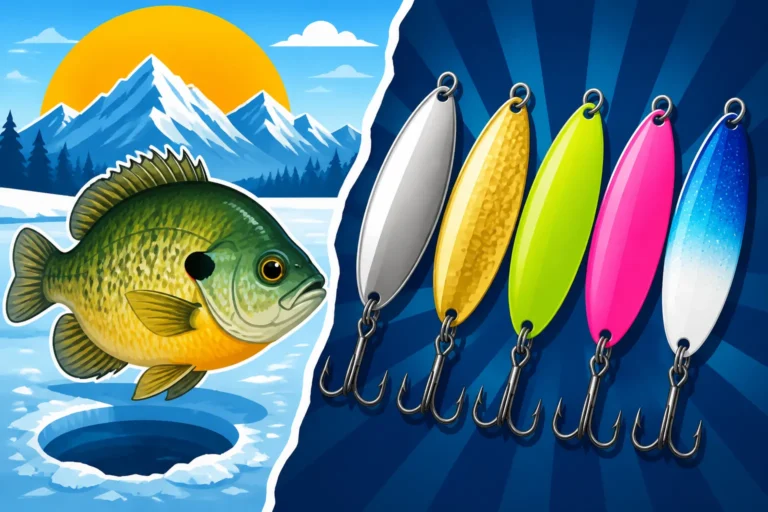
- Tiny Spoons: Small spoons, especially for ice fishing or when fish are a bit more aggressive, can be deadly. Sizes typically range from 1/16 to 1/8 ounce. Jig them with sharp, short upward snaps, letting them flutter back down on a semi-slack line. For winter fishing specifically, check out Best Spoons for Ice Fishing Panfish.
- Small Spinners: Inline spinners with small blades (size 0 or 1) are excellent for covering water and triggering reaction strikes, especially in clearer water. Cast them out and retrieve slowly, just fast enough to get the blade spinning.
- Live Bait: Never underestimate the power of live bait for panfish. Small minnows (where legal), maggots, mealworms, wax worms, or a piece of nightcrawler under a small bobber or fished on a tiny jig head can be incredibly effective, especially for finicky fish.
The most crucial technique is to pay attention. Watch your line for any twitch or movement, no matter how small. Your ultralight rod will help you feel these bites, but visual cues on the line are often the first indicator that a panfish has taken your offering. Our guide on Best Techniques for Panfish in Alberta goes into even more detail on how to get them to bite.
Responsible Catch and Release with Ultralight Gear
While panfish are often plentiful, practicing responsible catch and release is important to maintain healthy populations, especially if you're targeting them for sport. Your ultralight gear can make this process a bit more challenging due to the longer fight times, but it’s definitely manageable with a few considerations.
Because your tackle is light, fights can be extended, potentially tiring out the fish more. To minimize stress, try to land fish as quickly as possible without horsing them in. Use a small, soft-mesh landing net like those discussed in Best Landing Net for Trout to quickly secure your catch and reduce handling. Avoid dragging fish onto dry ground or squeezing them tightly.
Always use barbless hooks or crimp down the barbs on your hooks. This makes hook removal quick and easy, causing minimal damage to the fish's mouth. If a fish has swallowed the hook deeply, it’s often best to cut the line as close to the hook as possible rather than trying to dig it out, which can cause internal damage. Wet your hands before handling fish to avoid removing their protective slime coat, and get them back into the water swiftly. The goal is for them to swim away strong, ready to be caught another day. For tips on gentle handling, you can refer to Bull Trout Catch and Release Survival Tips, as many of the principles apply to all species.
| Feature | Shorter Ultralight Rod (5' – 5'6") | Longer Ultralight Rod (6' – 6'6") |
|---|---|---|
| Primary Use | Tight spaces, precision casting | Open water, longer casts |
| Casting Distance | Shorter, very accurate | Longer, good for covering water |
| Sensitivity | Excellent | Excellent |
| Line Control | Good for close-in work | Better for line mending, wind |
| Portability | Often easier to transport | Can be more cumbersome to carry |
| Action | Often Fast or Moderate-Fast | Often Moderate-Fast or Moderate |
| Typical Price | Entry to Mid-Range | Entry to Mid-Range |
Disclaimer
This article is for general informational purposes only and does not constitute professional advice. Laws, prices and regulations vary by location and change over time. Consult a qualified professional for guidance on your specific situation.