Best inflatable life jacket for kayak anglers
Let's be honest, fishing from a kayak in Alberta is one of the most incredible ways to experience our waters, but it comes with its own unique set of challenges. One of the biggest frustrations anglers face is the constant struggle with bulky, traditional life jackets that restrict movement, chafe after a few hours, and generally get in the way of casting, paddling, and even just reaching for your tackle. You want to be safe, of course, but you don't want your safety gear to hinder your passion. This comprehensive guide will explore why inflatable life jackets are a game-changer for kayak anglers, what to look for when choosing one, and how to properly care for it, ensuring you stay safe and comfortable on the water without sacrificing your fishing experience.
Why Inflatable Life Jackets Are a Game-Changer for Kayak Anglers
For years, many of us just put up with traditional life jackets, enduring their bulk and awkward fit because, well, that's just what you did. But for kayak anglers, where every inch of space and every degree of mobility counts, those old-school PFDs can feel like wearing a giant foam burrito. Inflatable life jackets have revolutionized personal safety on the water, offering a vastly superior experience for those of us who spend our days perched on a kayak.
Comfort and Mobility: The Kayaker's Best Friend
Think about your average fishing trip in a kayak. You're constantly turning, reaching into your crate for a different lure, paddling against a headwind, or making that perfect roll cast to a rising trout. With a traditional, foam-filled life jacket, all these movements are met with resistance. The foam bunches up, pushes against your arms and shoulders, and generally makes you feel constricted. It's not just uncomfortable; it can genuinely impact your ability to fish effectively.
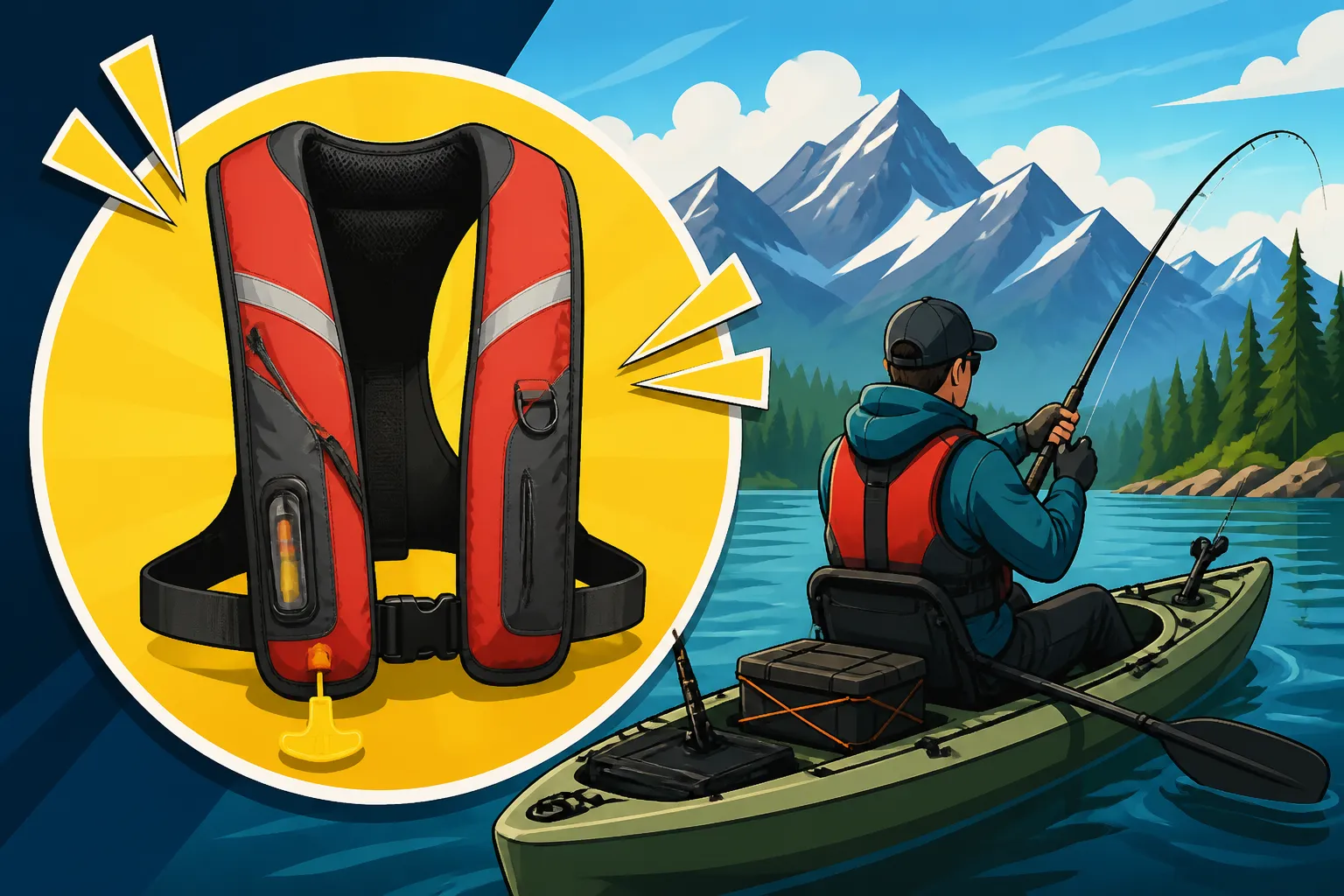
Inflatable life jackets, on the other hand, are designed to be minimally intrusive. Most models, especially the suspender style, are hardly noticeable when you're wearing them. They lie flat against your body, often just a thin strap system with a small pouch containing the CO2 cartridge and inflation mechanism. This means you have an unrestricted range of motion for casting overhead, maneuvering your paddle, or leaning to net a fish. You can easily reach across your kayak, tie knots without fighting foam, and paddle for hours without feeling fatigued by the constant rubbing of a bulky vest. It truly feels like wearing just a light vest, rather than being bundled up. This freedom allows you to focus on the fishing, not on your gear, making for a much more enjoyable day on the water, whether you're navigating the Bow River Fishing Guide or exploring a calm prairie lake.
Space-Saving and Lightweight Design
Kayaks are fantastic fishing platforms, but they are notoriously limited when it comes to storage. Every tackle box, every cooler, every dry bag has to be strategically placed. A traditional life jacket, even when folded, takes up a significant amount of precious cargo space. If you're packing for a multi-day trip or even just a long day with lots of gear, finding room for your PFD can be a challenge.
Inflatable life jackets solve this problem beautifully. Because they only inflate when activated, they are incredibly compact when deflated. Many models can be folded or rolled into a small package, easily stowed in a kayak's bow hatch, milk crate, or even a small dry bag. This minimalist design also translates to less weight. When you're carrying your kayak to the water's edge, portaging around a shallow section, or simply loading up your vehicle, every pound counts. A lightweight inflatable PFD makes the entire experience less cumbersome, allowing you to move freely and carry less bulk. This is a huge advantage, especially if you're exploring diverse spots and constantly moving your Best Kayak for River Fishing in Alberta.
Improved Safety Features and Visibility
Some anglers mistakenly believe that inflatable PFDs are less safe than traditional ones because they require activation. However, modern inflatable life jackets are packed with advanced safety features that can often exceed the capabilities of their foam counterparts. The key is to understand how they work.
Most inflatable PFDs come in two main types: manual and automatic. Automatic models are designed to inflate upon immersion in water, which is a critical feature if you are knocked unconscious or fall into the water unexpectedly. Manual models require you to pull a cord to deploy the CO2 cartridge, giving you full control over when it inflates. Both types typically include a backup oral inflation tube, allowing you to add air if needed or to fully inflate it for testing. Furthermore, many inflatable PFDs feature bright, highly visible colours (like neon yellow or orange) once inflated, often with reflective tape, making it much easier for search and rescue or nearby boaters to spot you in the water, especially in low light conditions or on large, open bodies of water like Lesser Slave Lake.
These modern PFDs are also often designed with a higher buoyancy rating than traditional PFDs of a similar profile, meaning they can keep you floating higher in the water. Plus, they usually turn you face-up, even if you’re unconscious. The peace of mind that comes from knowing you have a reliable, effective safety device that doesn't impede your fishing is truly invaluable.
Key Features to Look For in an Inflatable Life Jacket
Choosing the right inflatable life jacket for kayak fishing means looking beyond just the "inflatable" aspect. There are several crucial features that will determine its effectiveness, comfort, and suitability for your specific fishing style in Alberta. It's not a one-size-fits-all situation, and understanding these nuances will help you make an informed decision.
Manual vs. Automatic Inflation
This is perhaps the most significant choice you'll make when picking an inflatable PFD, and it largely depends on your specific needs and the risks you perceive.
- Manual Inflation PFDs: These require a deliberate action – pulling a cord – to inflate the CO2 cartridge. The main advantage here is control. You won't have an accidental deployment if a wave splashes over you or if you drop the PFD in shallow water. This can be great for experienced anglers who are confident in their ability to stay calm and activate the PFD if they go overboard. They are often a bit more affordable and don't require careful management of water exposure. However, the downside is obvious: if you're knocked unconscious or incapacitated by a sudden fall, you won't be able to pull the cord.
- Automatic Inflation PFDs: These are designed with a water-soluble bobbin or tablet that dissolves upon immersion, triggering the CO2 cartridge to inflate the PFD automatically. This is a huge safety advantage, especially if you're fishing alone, in cold water, or in areas with strong currents where a sudden capsize could leave you disoriented or knocked out. The trade-off is that they can accidentally deploy if exposed to heavy rain or a large splash, leading to a surprise and the need for a rearming kit. You also need to be mindful of checking the bobbin's expiry date, as it can become less reliable over time. For many kayak anglers, especially those venturing onto bigger lakes or rivers, the added peace of mind from an automatic PFD is worth the slight risk of accidental deployment.
Your choice here really boils down to your comfort level and the conditions you typically fish in. If you're in a calm, shallow pond, a manual might be fine. If you're on the unpredictable Crowsnest River Trout Fishing or a large lake in spring, an automatic system offers a significant safety boost.
USCG/Transport Canada Approval and Buoyancy
No matter which type you choose, it is absolutely non-negotiable that your inflatable life jacket is approved by the appropriate regulatory body. In Canada, this means looking for Transport Canada approval, which is equivalent to US Coast Guard (USCG) approval in the United States. This certification ensures that the PFD meets rigorous safety standards for buoyancy, construction, and reliability. Never, ever buy a life jacket that isn't certified. It's not just about avoiding fines (though Life Jacket Requirements for Alberta Boaters are real); it's about ensuring your gear will actually save your life when you need it most.
Buoyancy is measured in pounds of flotation. While traditional PFDs are rated by their inherent buoyancy, inflatable PFDs usually have higher ratings once deployed. Look for a minimum of 15.5 lbs (70 Newtons) of buoyancy for general recreational use, though many inflatable PFDs offer more, often in the 22-26 lbs range, providing superior floatation to keep your head well above water. This is especially important if you're wearing heavy clothing in cold water. Make sure to check the rating on the label.
Comfort, Fit, and Adjustability
You're going to be wearing this thing for hours, possibly all day. If it's not comfortable, you simply won't wear it, and a PFD in your kayak isn't going to help you in the water. The fit is paramount.
- Styles: Inflatable PFDs typically come in two main styles:
- Suspender Style: These look like a pair of suspenders or a very thin vest, sitting over your shoulders. They offer maximum freedom of movement for your arms and torso. This is often the preferred choice for kayak anglers.
- Waist Pack Style: These are worn around your waist like a fanny pack. They are even less intrusive than suspender styles but require you to manually pull the pack around to the front and then deploy the bladder. This can be slightly more cumbersome in an emergency but offers ultimate freedom when paddling.
- Adjustability: Look for multiple adjustment points on the straps to ensure a snug, customized fit. It shouldn't ride up when you're paddling or feel too loose. A well-fitting PFD stays put and doesn't chafe.
- Breathability: Kayak fishing can be strenuous, especially on warm Alberta summer days. Choose materials that are lightweight and breathable to prevent overheating. Some models feature mesh backing or lightweight fabrics to enhance comfort. If you can, try one on at a store like Bass Pro Shops to see how it feels.
Storage and Accessory Attachment Points
While inflatable PFDs are designed to be minimalist, some models include thoughtful features that cater specifically to anglers. These might include:
- Pockets: Small, zippered pockets are incredibly useful for stashing essential items like a fishing license (always good to have your Printing or Carrying a Digital Fishing License in Alberta easily accessible, even if digital), a small knife, sunscreen, or a whistle.
- D-rings or Attachment Loops: These allow you to clip on gear such as a leash for your pliers, a pair of nippers, or a small tackle pouch. This keeps frequently used items close at hand without cluttering your kayak's deck.
- Reflective Accents: Beyond the bright primary colour of the inflated bladder, some PFDs have reflective piping or patches on the deflated vest, which can offer a touch of extra visibility even before inflation.
These small additions can make a big difference in convenience and organization on the water.
Top Considerations for Choosing Your Inflatable PFD in Alberta
When you're outfitting yourself for an Alberta fishing adventure, especially from a kayak, your personal safety gear is just as important as your rod and reel. Choosing the right inflatable life jacket isn't just about grabbing the first one you see; it's about making an informed decision that aligns with your specific fishing habits and the environment you'll be in.
Type of Water and Fishing You Do
Alberta offers an incredible diversity of fishing experiences, from tranquil mountain lakes to vast prairie reservoirs and powerful rivers. The type of water you primarily fish should heavily influence your choice of inflatable PFD.
- Calm Lakes and Sheltered Bays: If your typical outing involves paddling gently on a small, calm lake or exploring the sheltered bays of a larger body of water, a manual inflation PFD might be perfectly adequate. The risk of an unexpected, incapacitating fall is lower, and you have the control to prevent accidental deployment from splashes or light rain. You're more likely to be able to manually activate it if you take an unplanned dip.
- Large Lakes, Rivers, and Moving Water: For those venturing onto expansive lakes like Cold Lake, the fast-flowing Bow River, or other significant rivers, an automatic inflation PFD is generally a much safer bet. The unpredictable nature of these waters means that a capsize can happen suddenly due to waves, submerged obstacles, or a strong current. If you're knocked unconscious or disoriented, an automatic PFD provides immediate flotation without any action required on your part. This is particularly crucial when you consider factors like cold water shock or being separated from your kayak. The potential for more serious incidents warrants the enhanced safety features of an automatic model. Consider what kind of Kayak Fishing Techniques for Alberta Lakes or rivers you typically engage in; aggressive paddling or fishing in strong currents might lean you towards automatic inflation.
- Solo Angling: If you frequently fish alone, regardless of the water type, an automatic inflatable PFD offers a significant layer of protection. There's no one else to assist you if something goes wrong, making self-sufficiency in an emergency paramount. This is especially true if you're exploring remote areas where help might be a long way off.
Maintenance and Rearming Kits
Unlike traditional foam PFDs, inflatable life jackets require a bit more attention to maintenance to ensure they remain fully functional. This isn't a downside, but rather a necessary part of owning such a sophisticated piece of safety gear.
- Regular Inspection: Before each outing, it's wise to quickly inspect your inflatable PFD. Check for any signs of wear and tear, rips, or frayed straps. Ensure the CO2 cylinder is properly seated and shows no signs of corrosion. For automatic models, verify that the indicator showing the PFD is armed and ready is green.
- CO2 Cartridge and Bobbin Expiry: CO2 cartridges don't last forever, and the bobbins in automatic PFDs have an expiry date. You'll need to know where to find replacement rearming kits. Most marine supply stores, including large retailers like Bass Pro Shops, or online vendors such as Amazon, carry a wide range of rearming kits for popular brands. It's a good idea to have a spare rearming kit on hand, especially if you anticipate fishing in conditions where accidental deployment might occur.
- After Deployment: If your PFD inflates, whether intentionally or accidentally, it will need to be rearmed before its next use. This involves deflating the bladder, inspecting it for damage, folding it correctly, and replacing both the CO2 cartridge and the bobbin (for automatic models). Following the manufacturer's instructions for rearming is critical for ensuring the PFD functions correctly next time.
- Practice: It's highly recommended to deploy your manual PFD at least once in a controlled environment (like a swimming pool or calm shallow water) to understand how it feels and functions. This can build confidence and reduce panic if you ever need to use it in a real emergency.
Cost vs. Value: Investing in Your Safety
Inflatable life jackets typically come with a higher price tag than basic foam PFDs, and this can sometimes be a deterrent for anglers. However, it's essential to view this as an investment in your safety, comfort, and ultimately, your ability to enjoy your passion without unnecessary hindrance.
- Initial Cost: Expect to pay more for an inflatable PFD, with prices varying based on features, brand, and inflation type. Automatic models often sit at the higher end of the spectrum. While this might seem like a lot for a "life jacket," consider the benefits: unparalleled comfort, freedom of movement, and in many cases, superior buoyancy and rapid deployment.
- Long-Term Value: When you factor in the comfort benefits that encourage consistent wear, the space-saving design, and the advanced safety features, the long-term value often outweighs the initial cost. An uncomfortable PFD that stays stowed in your kayak is worthless in an emergency. One you wear every time without thinking about it is priceless.
- Rearming Kit Costs: Remember to factor in the cost of rearming kits. While not exorbitant, if your PFD deploys multiple times (especially automatically), these costs can add up. It's a small price to pay for renewed safety, but something to be aware of.
- Prioritize Safety: Never compromise on safety to save a few dollars. Whether you're adhering to Alberta Boating Laws for Anglers or simply prioritizing your own well-being, a reliable, comfortable, and effective life jacket is a foundational piece of gear for any kayak angler. Compare options from reputable brands available at stores like Bass Pro Shops or online platforms like Amazon, but always prioritize certified safety over the lowest price.
Practical Tips for Using and Maintaining Your Inflatable Life Jacket
Getting the best inflatable life jacket for your kayak angling adventures is only half the battle. To ensure it serves you faithfully and reliably, knowing how to properly use and maintain it is crucial. This isn't just about extending the life of your gear; it's about ensuring your personal safety on Alberta's diverse waters.
Pre-Launch Checks and Best Practices
Before you even think about pushing off from shore, a quick routine check of your inflatable PFD can save you a lot of worry and ensure it's ready when you need it most. This should become as automatic as checking your knots before your first cast.
- Visual Inspection: Take a moment to look over the entire PFD. Are there any visible tears, abrasions, or signs of wear on the fabric? Check the straps and buckles to ensure they are secure and free from damage. Any compromise to the integrity of the PFD could affect its performance.
- CO2 Cartridge Check: Locate the CO2 cylinder. Make sure it's firmly screwed in and that there's no corrosion around the threads. For most PFDs, there's a small inspection window or indicator that should show green, signifying that the cartridge is new and ready. If it's red or missing, you need a new cartridge.
- Automatic PFD Bobbin/Indicator: If you have an automatic inflation PFD, verify that the bobbin or water-sensing capsule is properly installed and that the "armed" indicator is showing green. These bobbins typically have an expiry date, so make sure yours is still current. It’s an easy thing to overlook, but vital for immediate inflation.
- Proper Donning: Always put on your PFD correctly, ensuring all buckles are fastened and straps are snugly adjusted. It should fit securely without being overly tight or restrictive. A PFD that's too loose can ride up around your ears in the water, making it harder to keep your head above the surface. Remember, an inflatable PFD needs to be worn to work – it's not a flotation device unless it's on you!
- Whistle and Safety Items: Ensure any attached safety items like a signal whistle are easily accessible. A whistle is a requirement under Life Jacket Requirements for Alberta Boaters and can be invaluable for alerting others in an emergency. Some anglers also attach a small, sharp knife for cutting lines or ropes if entangled.
Cleaning and Storage for Longevity
Proper care and storage will significantly extend the lifespan of your inflatable PFD, protecting your investment and ensuring it's ready for many seasons of fishing.
- Rinse After Use: After each use, especially in saltwater or murky freshwater, gently rinse your PFD with fresh water. This helps remove salt, dirt, and any fish slime that could degrade the fabric or components over time.
- Thorough Drying: Hang your PFD in a well-ventilated area, out of direct sunlight, to dry completely. Never store it while damp, as this can lead to mold and mildew growth, which can severely damage the fabric and internal components. Make sure all parts, especially the hidden bladders (if deployed), are bone dry.
- Avoid Extreme Temperatures: Store your PFD in a cool, dry place away from direct sunlight or extreme heat sources. Prolonged exposure to UV rays can weaken the fabric, and high temperatures can damage the CO2 cartridge or bobbin. Your garage or a dedicated gear closet is usually ideal.
- Do Not Fold Tightly (If Bladder Deployed): If your PFD has been deployed, ensure the bladder is completely deflated before attempting to fold and repack it. Overly tight or incorrect folding can crease the bladder or mechanism, potentially causing issues with future inflation. Always follow the manufacturer's specific instructions for re-packing.
- Annual Inspection: Beyond your pre-launch checks, it’s a good practice to perform a more thorough inspection at the beginning of each fishing season. This might involve manually inflating the PFD (if it's a manual model, or using the oral inflation tube for an automatic one) to check for leaks and ensure the bladder holds air. Let it sit for several hours, then check if it's lost pressure. If so, it might need professional repair or replacement.
When and Where to Purchase Your Inflatable PFD
Finding the right inflatable PFD is a crucial step, and knowing where to look can make the process easier and more effective.
- Local Marine & Outdoor Retailers: Stores specializing in marine equipment and outdoor gear, such as Bass Pro Shops, are excellent places to start. They often have a good selection of PFDs, and crucially, you can try them on. Fit is paramount for comfort and safety, and trying different models will give you a real sense of how they feel. Sales associates can also offer valuable advice and ensure you select a Transport Canada-approved model that meets your needs.
- Online Marketplaces: Websites like Amazon offer a vast selection of inflatable PFDs, often with competitive pricing and detailed customer reviews. This can be a great resource for research and comparing different brands and features. However, remember that you can't try it on before buying. If purchasing online, make sure to carefully review sizing charts and return policies, and ideally, try on a similar style or brand in person beforehand if possible.
- Specialty Kayak Fishing Stores: Some independent kayak fishing specific shops might have curated selections tailored to anglers. These smaller retailers can often provide very personalized advice based on local fishing conditions and preferences.
- Brand Reputation: Stick with reputable brands known for quality and reliability in marine safety equipment. Names like Mustang Survival, Onyx, and Old Town (for kayak-specific gear) are generally trustworthy. Reading reviews from other kayak anglers can also provide insight into real-world performance and durability.
By combining the freedom and comfort of an inflatable PFD with diligent care, you'll be set for countless safe and enjoyable days exploring Best Kayak Fishing Spots in Alberta.
| Feature | Manual Inflation PFD | Automatic Inflation PFD |
|---|---|---|
| Activation | Pull cord to inflate | Inflates automatically upon immersion in water |
| Control | Full control over inflation, no accidental deployment | No control, immediate inflation in emergency |
| Best Use Case | Calm waters, experienced anglers, warmer conditions | Cold water, rough conditions, solo fishing, high risk |
| Accidental Deploy | Low risk, only if cord is pulled | Higher risk (heavy rain, splash), requires rearming |
| Maintenance | Inspect cartridge, check PFD integrity | Inspect cartridge & bobbin, check expiry dates |
| Cost | Generally more affordable | Typically higher initial cost |
| Safety in Unconscious State | No inflation unless manually activated | Inflates automatically, keeps head above water |
| Rearming | Replace CO2 cartridge after each use | Replace CO2 cartridge and bobbin after each use |
Disclaimer
This article is for general informational purposes only and does not constitute professional advice. Laws, prices and regulations vary by location and change over time. Consult a qualified professional for guidance on your specific situation.