Yellow Perch in Alberta Lakes
Many anglers in Alberta often overlook the humble yellow perch in their pursuit of trophy walleye or monstrous pike. However, these feisty, prolific little fish offer some of the most consistent and enjoyable action on the water, providing endless fun for both seasoned pros and families just starting out. This guide will dive deep into everything you need to know about yellow perch in Alberta's lakes, from finding them to reeling them in, ensuring your next fishing trip is packed with panfish excitement.
Understanding Yellow Perch in Alberta Waters
Yellow perch are truly one of Alberta's angling treasures, often thriving in waters where other species might struggle. They're a fantastic fish for anglers of all skill levels because they're typically quite cooperative and found in good numbers once you locate them. Don't let their smaller stature fool you; they can provide a thrilling fight on light tackle and are absolutely delicious on the plate.
Yellow Perch Habitat and Behavior
Yellow perch are incredibly adaptable, making them widespread across many of Alberta's lakes and even some slower-moving rivers. They generally prefer clear to moderately turbid waters with plenty of aquatic vegetation, submerged timber, or rocky structures. Think about those healthy lakes with good weed beds, old stumps, or drop-offs – these are prime perch territories. They're schooling fish, which means if you catch one, there are often many more nearby, making for fast-paced action. This schooling behavior is a huge part of their appeal; it's not uncommon to hit a "perch pocket" and haul in fish after fish for an extended period.
During the warmer months, you'll often find them cruising the shallower weed lines, especially in the mornings and evenings when they're actively feeding. As the day heats up or when facing heavy boat traffic, they might retreat to slightly deeper water, often suspending over structure or hunkering down in the densest part of the weeds. In winter, they tend to move to deeper basin areas, congregating near underwater humps, points, or the edges of sharp drop-offs, still in tight schools. Understanding these seasonal shifts is key to consistent success.
Identifying Yellow Perch
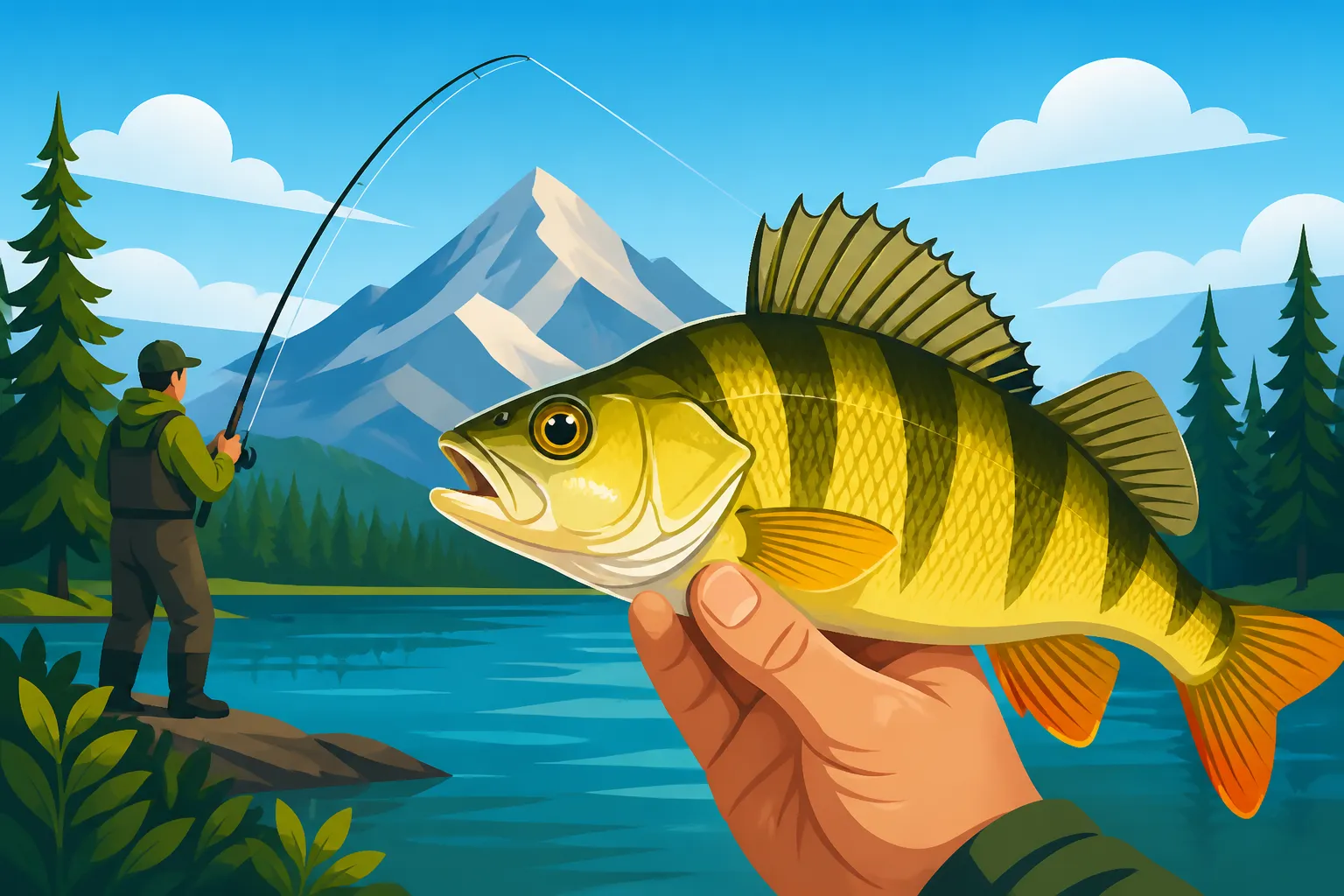
Identifying a yellow perch is usually pretty straightforward, even for a beginner. They have a distinctive appearance that sets them apart from other species you might encounter. Their bodies are typically yellowish-green with six to eight prominent dark vertical bars along their sides, fading towards a lighter belly. They also have two dorsal fins, the first one spiny and the second soft-rayed, and often boast bright orange or reddish pelvic and anal fins, especially during spawning season or in vibrant, healthy populations. Their eyes are quite large, giving them excellent vision for spotting prey.
Compared to their cousin, the walleye, perch have a more stout, compressed body shape and lack the prominent canine teeth of a walleye. They also tend to have a rougher feel to their scales. It's important to be able to identify your catch quickly, especially to ensure you're adhering to Alberta Bag and Possession Limits by Species. Knowing what you've got on the end of your line helps you follow regulations and appreciate the diversity of Alberta's fisheries. They're also often mistaken for walleye by beginners, but the distinct bars and lack of large teeth are dead giveaways.
The Role of Perch in Alberta's Ecosystem
Yellow perch play a vital role in Alberta's aquatic ecosystems, acting as both predator and prey. They are opportunistic feeders, munching on a variety of invertebrates like insect larvae, crayfish, and snails, as well as smaller fish. This helps keep insect and small fish populations in check, contributing to a balanced environment. On the flip side, they are a crucial food source for larger predatory fish like northern pike and walleye, and even some waterfowl and birds of prey. Without healthy perch populations, the entire food web in many Alberta lakes would suffer.
Their abundance means they can handle significant fishing pressure, which is why they are often one of the most readily available species for anglers. However, even with their prolific nature, it's important to practice responsible angling. Taking only what you need and releasing larger, healthier specimens can help ensure sustainable populations for future generations of anglers. Think of them as the unsung heroes of many Alberta lakes, supporting the bigger fish we all love to chase while providing fantastic sport in their own right.
Where to Find Yellow Perch in Alberta Lakes
Locating yellow perch is half the battle, but once you crack the code for a particular lake, you can often enjoy consistent action. Their schooling nature means that where there's one, there are usually many, making them a rewarding target.
Popular Perch Lakes Across the Province
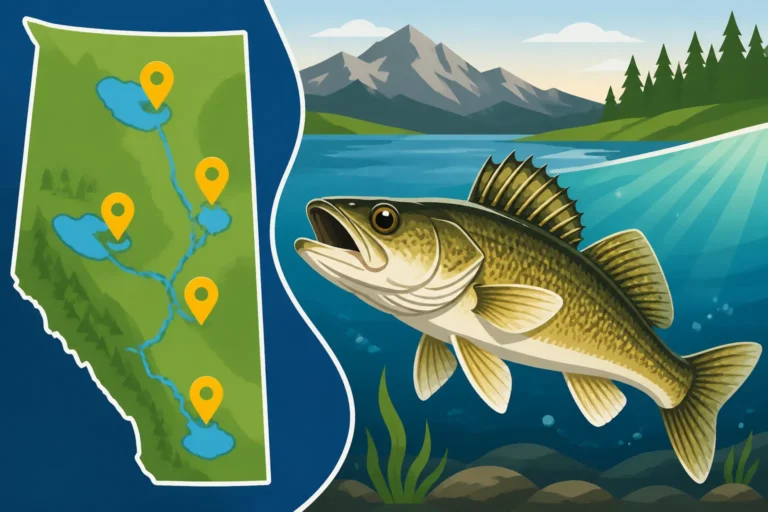
Alberta is blessed with numerous lakes that hold fantastic yellow perch populations. While they're widespread, some lakes are renowned for their perch fishing. Lakes like Gull Lake, Pigeon Lake, and Wabamun Lake are often highlighted for their excellent perch opportunities, offering both numbers and sometimes surprisingly large specimens. These lakes typically have extensive weed beds, gradual slopes, and a healthy forage base that allows perch to thrive. Smaller, lesser-known ponds and reservoirs across the agricultural belt also often hide incredible perch fishing, especially if they have good weed growth and aren't heavily fished for other species.
It's always a good idea to check local fishing reports or talk to bait shop owners when visiting a new area. They can often provide insights into which lakes are producing and what general areas to focus on. Keep in mind that perch populations can fluctuate year to year based on environmental factors, so what was hot last season might be merely warm this year. However, the consistent presence of good cover and food sources usually points to reliable perch habitat. For more localized information, always consult the Alberta Fishing Regulations Explained for specific lake details.
Key Structure and Depths for Perch
Yellow perch are structure-oriented fish, and understanding what kind of structure they prefer at different times of the year is crucial. During spring and fall, they often patrol the shallower weed lines, submerged timber, and rocky points in depths ranging from 5 to 15 feet. They're looking for baitfish and insect hatches in these transitional areas. As summer progresses and water temperatures rise, they might retreat to slightly deeper water, often suspending over structure or relating to the edges of deeper weed beds or drop-offs, sometimes down to 20-30 feet.
In winter, under the ice, perch generally move to the deeper basins of lakes, but they'll still relate to structure within those basins. Look for humps, underwater islands, sharp contours, or even deeper weed edges. They tend to congregate tightly in these areas. A good fish finder can be your best friend here, helping you pinpoint these schools. Using a mapping chip or app can help you identify these hidden gems before you even drill a hole. A small, portable fish finder, readily available on Amazon, can make a huge difference in locating these elusive winter schools.
Seasonal Movements of Perch
Yellow perch exhibit distinct seasonal movements that are important for anglers to understand. In the spring, after ice-out, they'll be found in shallower bays and protected areas, often near emergent vegetation, as they prepare to spawn. This is a time of high activity, and they can be quite aggressive.
As summer hits, they spread out more, relating to deeper weed lines, submerged humps, and drop-offs. Early mornings and late evenings will see them push shallower to feed, while during the bright mid-day sun, they’ll often be deeper or buried in dense cover. The key is to follow the baitfish and insect activity.
In fall, as water temperatures begin to drop, perch school up more tightly and move into deeper water, often congregating in large numbers over structure as they feed heavily to build up reserves for winter. This can be one of the best times for consistent action.
Winter brings them to deeper areas of the lake, often basin areas or deep flats near significant structure. This is a prime time for Ice Fishing in Alberta, where finding a school means potentially hours of non-stop fun. They'll hug the bottom or suspend just above it, and once you find them, you're in for a treat. Understanding these movements is fundamental to being in the right place at the right time.
Essential Gear and Techniques for Yellow Perch
Catching yellow perch doesn't require a tackle shop full of expensive gear. In fact, keeping it simple is often the best approach. What you do need is light tackle and a keen eye for subtle bites.
Rods, Reels, and Line for Perch
For yellow perch, the name of the game is light tackle. A light to ultralight spinning rod between 5 to 6.5 feet in length is ideal. This setup provides the sensitivity needed to detect their often subtle bites and makes even a small perch feel like a trophy. The rod action should be fast or moderate-fast, allowing for good hooksets without ripping the bait away from their mouths. When it comes to the reel, a small spinning reel in the 1000 or 2000 size class is perfect. It should balance well with your ultralight rod and have a smooth drag system, though perch typically don't make long runs.
For line, 4-6 pound test monofilament or fluorocarbon is excellent. Monofilament offers a bit of stretch, which can be forgiving, while fluorocarbon is nearly invisible underwater and has less stretch for increased sensitivity. Many anglers also opt for 6-10 pound braided line with a fluorocarbon leader (2-4 pound test) for maximum sensitivity and strength, especially when fishing deeper water or around abrasive structures. You can find a fantastic selection of suitable rods, reels, and lines on Amazon, making it easy to put together the perfect perch setup.
Best Baits and Lures for Perch
Yellow perch are not picky eaters, which is great news for anglers. Their diet mainly consists of small minnows, insect larvae, worms, and crustaceans, so mimicking these natural food sources is key.
Live Bait:
- Worms: Small pieces of earthworm or mealworms are incredibly effective. Thread them onto a small hook (size 8-12).
- Minnows: Small live minnows, especially fatheads or shiners, fished under a bobber or on a jig head, are deadly, particularly for larger perch. Always check Alberta Fishing Regulations Explained for bait restrictions.
- Maggots/Worms: These are fantastic for ice fishing or when perch are finicky.
Artificial Lures:
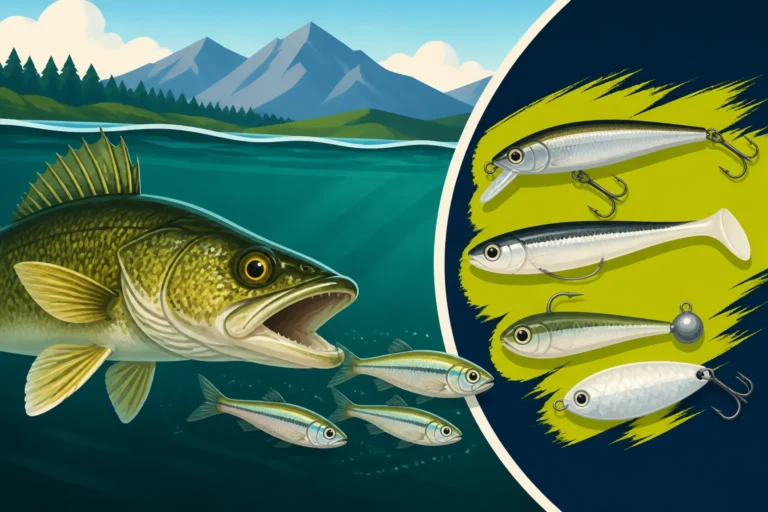
- Small Jigs: Tiny jig heads (1/32 to 1/16 oz) tipped with small soft plastics (like tiny grub tails, curly-tailed plastics, or minnow imitations) are killer. Experiment with colors like white, chartreuse, pink, and natural shades.
- Small Spoons: Flashy spoons, often used for ice fishing, like Swedish Pimples or small Kastmasters, can be jigged vertically or cast and retrieved. Tip them with a maggot or piece of a worm for added enticement.
- Inline Spinners: Small spinners (size 0-1) like Mepps or Panther Martins are excellent for casting along weed lines and retrieving slowly.
- Micro Crankbaits: Very small crankbaits can also be effective, especially when perch are aggressive.
The presentation is often more important than the exact lure. A slow, subtle jigging action or a slow, steady retrieve is usually what triggers a perch strike. For more specific lure advice, check out Best Techniques for Panfish in Alberta or Best Techniques for Perch Through the Ice.
Ice Fishing for Perch: A Winter Delight
Ice fishing for yellow perch is arguably one of Alberta's most popular winter pastimes, and for good reason! When you locate a school, the action can be non-stop, providing a perfect cure for cabin fever. The techniques are generally straightforward, making it accessible for beginners. The key is mobility and hole-hopping. Perch often move, so don't be afraid to drill several holes and move until you find them. A good, fast Best ice auger for panfish holes is indispensable here.
Once you've drilled your holes, a small jigging spoon, a tiny jig tipped with a maggot, a piece of a mealworm, or even a small piece of perch eye (if allowed and you've already caught one) are all incredibly effective. You can also use a dead stick setup with a small minnow under a bobber in a separate hole, letting the perch tell you what they prefer. A flasher or fish finder is a game-changer for ice fishing, showing you exactly when perch are approaching your bait and how they're reacting to your presentation. These devices, often found on Amazon, take a lot of guesswork out of the equation. Remember to dress warmly and bring a comfortable seat; once you hit a hot spot, you might be there for a while!
Regulations and Conservation for Yellow Perch
Understanding and respecting Alberta's fishing regulations is not just about avoiding fines; it's about being a responsible angler and contributing to the health of our fisheries. Yellow perch are generally abundant, but smart management ensures they remain that way.
Alberta's Yellow Perch Limits
Like all fish species in Alberta, yellow perch are subject to specific regulations regarding possession and catch limits. These limits can vary from lake to lake, or even within different zones on the same water body, so it's absolutely critical to consult the most current Alberta Fishing Regulations Explained before heading out. Generally, perch limits are quite generous compared to some other species, reflecting their widespread abundance.
However, even with higher limits, responsible harvesting is key. Just because you can keep a certain number doesn't always mean you should. Consider keeping smaller to medium-sized perch for eating, as they tend to have better flesh texture and larger, older fish are often more important for spawning and maintaining the population's genetics. Always double-check the current regulations, especially if you're venturing to a new lake or haven't fished for a season or two. Regulations change, and staying informed is part of being a good steward of our natural resources.
Safe Handling and Release Practices
While perch are often kept for their delicious taste, there will be times when you want or need to release them, whether it's because you've reached your limit, caught a small one you don't intend to eat, or a particularly large one that deserves to stay in the gene pool. Practicing safe handling and release techniques is important for the survival of any fish you let go.
Here are some tips:
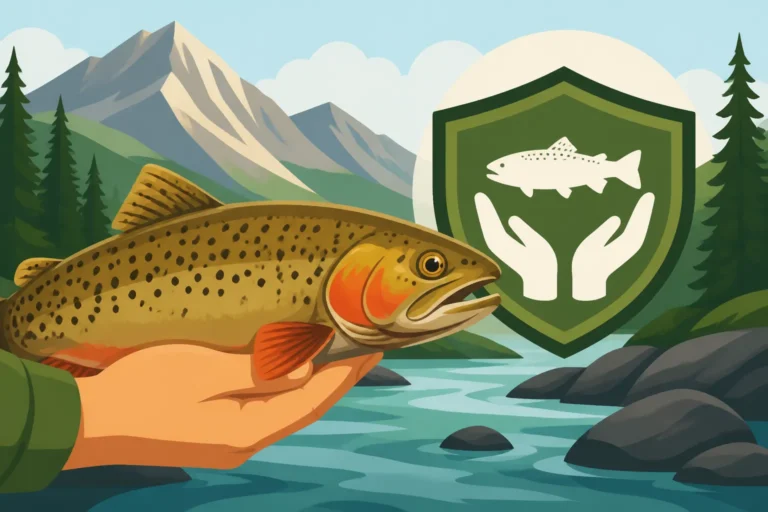
- Minimize Handling: Try to handle the fish as little as possible. If you can, unhook them while they're still in the water.
- Wet Hands: Always wet your hands before touching a fish. Dry hands can remove the protective slime layer, leaving the fish vulnerable to disease.
- Gentle Hold: Support the fish horizontally, especially if it's a larger one. Avoid holding them vertically by the jaw if possible, as this can damage their internal organs.
- Quick Unhooking: Use a pair of needle-nose pliers or a de-hooking tool to remove the hook quickly and efficiently. If the fish is deeply hooked and removing the hook would cause too much damage, it's sometimes better to cut the line as close to the hook as possible.
- Revive If Necessary: If a fish seems stressed or is floating upside down, gently hold it upright in the water, moving it back and forth to force water over its gills, until it swims away under its own power.
Responsible release ensures that more fish survive to fight another day, contributing to healthy and vibrant fisheries for everyone.
Contributing to Perch Conservation
Yellow perch populations, while generally robust, benefit from conscious conservation efforts from anglers. Beyond adhering to limits and practicing safe release, there are other ways to contribute. One significant way is to report any observed irregularities, such as unusual fish mortality, signs of disease, or suspected illegal fishing activities, to Alberta Environment and Protected Areas. These observations help fisheries managers respond quickly to potential issues.
Supporting local conservation groups or initiatives that focus on habitat protection and restoration in Alberta lakes also makes a difference. Healthy aquatic habitats directly translate to healthy fish populations. Finally, simply being a mindful angler – picking up any litter, avoiding the spread of invasive species by cleaning your boat and gear, and educating others on responsible practices – all play a part in sustaining not just perch, but all fish species in our beautiful province. Consider learning more about Panfish Species Identification Guide for Alberta to better understand the various species and their specific needs.
Yellow Perch as a Table Fare and Family Fun
Beyond the thrill of the catch, yellow perch offer delicious table fare and provide an incredible opportunity for family bonding on the water.
Preparing and Cooking Yellow Perch
Yellow perch are widely regarded as one of the best-eating freshwater fish in Alberta, perhaps even on par with walleye for many discerning palates. Their flesh is firm, white, flaky, and has a mild, sweet flavor that isn't overly "fishy." This makes them incredibly versatile in the kitchen.
Filleting Perch:
Because they are smaller, filleting perch takes a little practice but is well worth the effort.
- Scale: Many people choose to scale perch before filleting, though if you're going skinless, it's not strictly necessary.
- Head and Gut: Make a cut behind the gills, down to the backbone, but don't cut through. Cut along the belly to the vent.
- Fillet: Starting from the cut behind the gills, run your knife along the backbone towards the tail. Flip the fillet over and remove the skin by running your knife between the skin and the meat.
- Ribs: Carefully cut out any remaining rib bones.
Cooking Methods:
- Frying: This is the most popular way to enjoy perch. A simple flour, cornmeal, or seasoned breadcrumb dredge, followed by pan-frying in butter or oil until golden brown, is absolutely heavenly.
- Baking/Broiling: For a healthier option, perch fillets can be seasoned with herbs, lemon, and a touch of butter or olive oil, then baked or broiled until flaky.
- Fish Tacos: The mild flavor and flaky texture make perch perfect for fish tacos, especially when battered and fried.
- Soups/Chowders: While often reserved for larger fish, perch can lend a lovely flavor to a fish chowder, particularly when combined with other mild white fish.
The key is not to overcook them, as their delicate flesh can dry out quickly. If you're looking for Best eating fish species from Alberta lakes, perch should definitely be on your list.
Why Perch are Great for New Anglers and Families
There's something truly special about introducing someone to fishing, and yellow perch are the perfect species for that initiation. Their eager biting nature means kids and novice anglers aren't waiting endlessly for a bite, which can quickly lead to boredom and disinterest. The consistent action keeps everyone engaged and excited, building confidence and fostering a love for the outdoors.
Imagine a sunny afternoon on Pigeon Lake or Gull Lake, a bobber dipping, and a child’s squeal of delight as they reel in their first fish. That's the magic of perch fishing. It teaches patience, basic angling skills like baiting a hook and casting, and the joy of catching something. Plus, the reward of bringing home a meal you've caught yourself is an invaluable lesson in self-sufficiency and connecting with nature. Perch fishing fosters those precious family memories, turning a simple outing into an unforgettable adventure. A simple Best ultralight rod for panfish and a bucket of worms is all it takes to get started.
Disclaimer
This article is for general informational purposes only and does not constitute professional advice. Laws, prices and regulations vary by location and change over time. Consult a qualified professional for guidance on your specific situation.