Best Ice Fishing Gear for Alberta
Stepping out onto a frozen lake in Alberta, you quickly realize that the mild-weather fishing gear simply won't cut it. The biting winds, deep snow, and extreme cold demand specialized equipment to not only make your trip successful but, more importantly, safe and enjoyable. This comprehensive guide will walk you through everything you need to know about assembling the best ice fishing gear for Alberta's challenging conditions, ensuring your adventures on the hard water are memorable for all the right reasons.
Why Specific Ice Fishing Gear Matters in Alberta
Alberta's ice fishing season is a truly unique experience, but it comes with its own set of demands that regular open-water fishing just doesn't prepare you for. We're talking about conditions that can swing from crisp and sunny to a full-blown blizzard in a matter of hours, often with temperatures plummeting far below freezing. Having the right gear isn't just about catching fish; it's about survival, comfort, and making the most of those precious winter days on the ice.
Adapting to Extreme Cold and Wind
Anyone who has spent time on an exposed Alberta lake in January knows the feeling: the wind cuts right through you, turning what should be a peaceful day of fishing into a battle against the elements. This isn't your average chilly day; we're talking about sustained cold that can lead to frostbite in minutes if you're not properly prepared. Standard summer fishing apparel is utterly useless here. You need layers, windproof outerwear, and insulated everything to maintain your core body temperature. Beyond personal comfort, the cold affects your gear too, making cheap plastics brittle and less durable. Everything from your auger to your tackle box needs to be able to withstand these frigid conditions.
Consider the simple act of tying a knot with numb fingers. It's not just annoying; it can lead to frustration and missed opportunities. Gear designed for ice fishing often incorporates features like oversized handles, anti-freeze lubricants, and durable, cold-resistant materials to ensure functionality even when the mercury drops. When you're fishing on a vast, open expanse like Lesser Slave Lake or Cold Lake, that wind can be relentless. Proper shelter and clothing are non-negotiable for an enjoyable and safe outing.
Navigating Ice and Snow Conditions
Alberta's winters bring varying depths of ice and often significant snowfall. Early season ice can be thin and unpredictable, while mid-season can see several feet of solid ice, often covered by deep drifts. This requires specific tools to safely access your fishing spots and manage your setup. You can't just walk out onto the ice without first verifying its thickness, and even then, unexpected cracks or open water can appear. How thick ice needs to be to fish safely in Alberta is a critical piece of knowledge every ice angler must possess.
Specialized ice fishing boots, for instance, aren't just warm; they offer superior grip on slick ice and protection against slush and snow. Furthermore, moving heavy gear across deep snow demands sleds or specialized transportation. A good ice auger is essential, not only for making holes but for doing so efficiently without expending too much energy in the cold. Trying to chip through two feet of ice with a dull hand chisel is a surefire way to quickly get cold, tired, and frustrated.
Essential Safety Gear for Alberta Ice Anglers
Safety should always be your number one priority when venturing onto the ice. Alberta's lakes and rivers can be beautiful but unforgiving, and a momentary lapse in judgment or preparedness can lead to serious consequences. Don't ever skimp on these critical items; they could literally save your life or the life of a fishing buddy.
Ice Picks and Flotation Suits
Ice picks are small, simple, but incredibly effective tools. Worn around your neck, they provide immediate grip to pull yourself out of the water if you fall through the ice. It's a terrifying thought, but it happens. Having those picks easily accessible can be the difference between a quick recovery and a hypothermic struggle. They are cheap, unobtrusive, and absolutely essential. Every single person on the ice should have a set. Think of them like a seatbelt – you hope you never need them, but you're profoundly grateful if you do.
Even better than ice picks, a modern flotation suit (sometimes called an ice fishing suit) offers warmth, wind protection, and most importantly, buoyancy. These suits are designed to keep you afloat and insulate you from the frigid water if you do go in. Brands like Mustang Survival or Striker Ice offer excellent options that are also incredibly comfortable and functional for actual fishing. While they're an investment, consider them life insurance for your winter adventures. They often feature extra padding, durable knee and seat areas, and plenty of pockets for all your gear, making them practical for everyday use on the ice, not just emergencies.
Spud Bars and Rope
A spud bar is a heavy, sharp metal bar used to test ice thickness as you walk. Before you step anywhere new, especially early in the season or on unfamiliar waters, tap the ice ahead of you. If it takes one or two taps to break through, the ice is likely thick enough. If it breaks on the first tap, or worse, if water wells up, retreat immediately. This simple tool, wielded cautiously, is your first line of defense against thin ice. It's particularly useful around inlets, outlets, or areas with current where ice can be notoriously inconsistent.
In addition to testing the ice, carrying a length of sturdy rope (at least 50 feet) is another crucial safety measure. If someone does fall through, you can throw them the rope from a safe distance, helping them to pull themselves out or be pulled to safety. Make sure the rope is easily accessible, not buried at the bottom of a sled. Having a simple rescue plan in place with your fishing partners, including who has what safety gear, can make all the difference in a crisis.
Core Ice Fishing Rods and Reels
Forget your long, flexible open-water rods; ice fishing demands a completely different setup. Space is often limited in shelters, and the fish behave differently under the ice. You need gear that's sensitive enough to detect subtle bites but robust enough to handle the species you're targeting.
Rods for Different Species and Techniques
Ice fishing rods are typically much shorter than their open-water counterparts, often ranging from 24 to 36 inches. This shorter length is perfect for working in tight spaces inside a shanty or over a single hole. However, within this short range, there's a huge variety in action and power:
- Ultralight/Light Action: Ideal for panfish like yellow perch. These rods have very sensitive tips, often with a spring bobber integrated or added on, to detect the tiniest nibbles. They make even small perch feel like a battle, which is a lot of fun.
- Medium Action: Your workhorse rod for walleye and smaller pike. It offers a good balance of sensitivity for feeling bites and backbone for setting the hook and fighting fish. This is a great all-around choice if you're targeting multiple species.
- Medium-Heavy/Heavy Action: Essential for larger predatory fish like northern pike and lake trout. These rods have significant power to handle powerful runs and the brute strength required to pull larger fish up through an ice hole. If you're heading to Cold Lake for trophy lake trout, this is the rod you need.
Many anglers will carry several rods rigged with different baits or lures to quickly adapt to changing conditions or target species. Think about the specific fish you're hoping to catch when selecting your rod. Best Ice Fishing Lakes in Alberta will give you an idea of what species you might encounter.
Reels for Cold Weather Performance
Just like rods, ice fishing reels need to perform reliably in freezing temperatures. Standard spinning reels can often be used, but specialized ice fishing reels offer distinct advantages:
- Standard Spinning Reels: Look for models with an open bail design that minimizes areas for ice to build up. Smaller sizes (500-1000 series) are generally sufficient for most ice fishing applications. Ensure they have a smooth drag system that won't freeze up when a fish makes a run. Brands like Shimano and Daiwa offer reliable smaller spinning reels that hold up well in the cold.
- Inline Reels: These reels, often resembling fly reels, are gaining popularity, especially for panfish and walleye. They prevent line twist, which is a common nuisance with spinning reels, especially when using lighter jigs. This direct line pull also enhances sensitivity. The downside is they typically have less drag power than spinning reels, so they're not ideal for bigger, hard-fighting fish.
- Baitcasting Reels: While less common, low-profile baitcasting reels can be used for heavier setups, particularly for larger pike or lake trout. They offer excellent control for jigging heavier lures and strong drag systems. However, they can be more prone to icing up and are generally less sensitive for light bites.
No matter the type, always ensure your reel is properly lubricated with cold-weather grease to prevent seizing. After each trip, it's a good idea to bring your reels indoors, let them thaw completely, and dry them thoroughly before storing to prevent rust and ice damage.
Shelter and Warmth: Staying Comfortable on the Ice
For many, ice fishing in Alberta means battling the elements. A good shelter is not just about comfort; it's about extending your time on the ice and keeping you safe from the harsh conditions. Investing in a quality ice hut can transform a miserable outing into an enjoyable one, even on the coldest days.
Portable Ice Shacks and Permanent Huts
When it comes to ice shelters, you generally have two main categories:
- Portable Ice Shacks (Flippers and Hubs): These are fantastic for anglers who like to move around, "run and gun" to find active fish.
- Flippers (Sled-Style): Often mounted on a sturdy sled, these shelters literally "flip over" to create an instant windbreak or full enclosure. They're quick to set up and take down, and the sled acts as storage for your gear. Many come insulated and with built-in seats. They're great for solo anglers or pairs.
- Hub-Style Shacks: These are lightweight, pop-up shelters that resemble a tent. They offer more interior space for their footprint and are generally easier to set up for multiple people. Most come insulated and provide excellent protection from wind and cold. They're typically carried in a bag and then deployed on the ice. Brands like Eskimo and Clam are popular choices for both flipper and hub styles, and you can often find a great selection at retailers like Bass Pro Shops or online at Amazon.
- Permanent Ice Huts: These are typically larger, more robust structures that are left on the ice for the entire season (where permitted by local regulations). They offer maximum comfort, often featuring wood stoves, bunk beds, and dedicated fishing holes. While incredibly comfortable, they require more effort to move and maintain, and they are subject to strict regulations regarding placement and removal. Always check Alberta fishing regulations explained for specific rules on permanent shelters in your chosen area.
Choosing between a portable or permanent shelter depends on your fishing style, the bodies of water you frequent, and your budget. Both offer significant advantages over fishing in the open.
Heating Systems for Your Shelter
Once you have your shelter, the next critical step is to equip it with a reliable heating source. Even an insulated shelter will get chilly without a heater, especially during a typical Alberta winter day.
- Propane Heaters: These are by far the most popular choice for ice fishing shelters. Portable propane heaters, like those from Mr. Heater, are efficient, relatively safe, and readily available. They come in various sizes, from small units perfect for a solo flipper to larger models capable of warming a spacious hub tent. Always ensure you have adequate ventilation in your shelter when using propane, as carbon monoxide poisoning is a serious risk. Many modern heaters have low-oxygen shut-off sensors for added safety.
- Wood Stoves (for Permanent Huts): For those with larger, permanent ice huts, a small wood stove offers a very comfortable and rustic heating solution. Wood heat is incredibly dry and efficient, but it requires careful installation (proper chimney, fireproofing) and constant monitoring. You'll also need a supply of dry firewood. While less common for the average angler, a well-set-up wood stove in a permanent hut is the epitome of ice fishing comfort.
No matter your choice, always carry extra fuel (propane tanks, firewood) and a carbon monoxide detector in your shelter. A warm shelter means longer, more enjoyable fishing sessions, allowing you to focus on the fish rather than shivering.
Ice Augers: Breaking Through the Ice
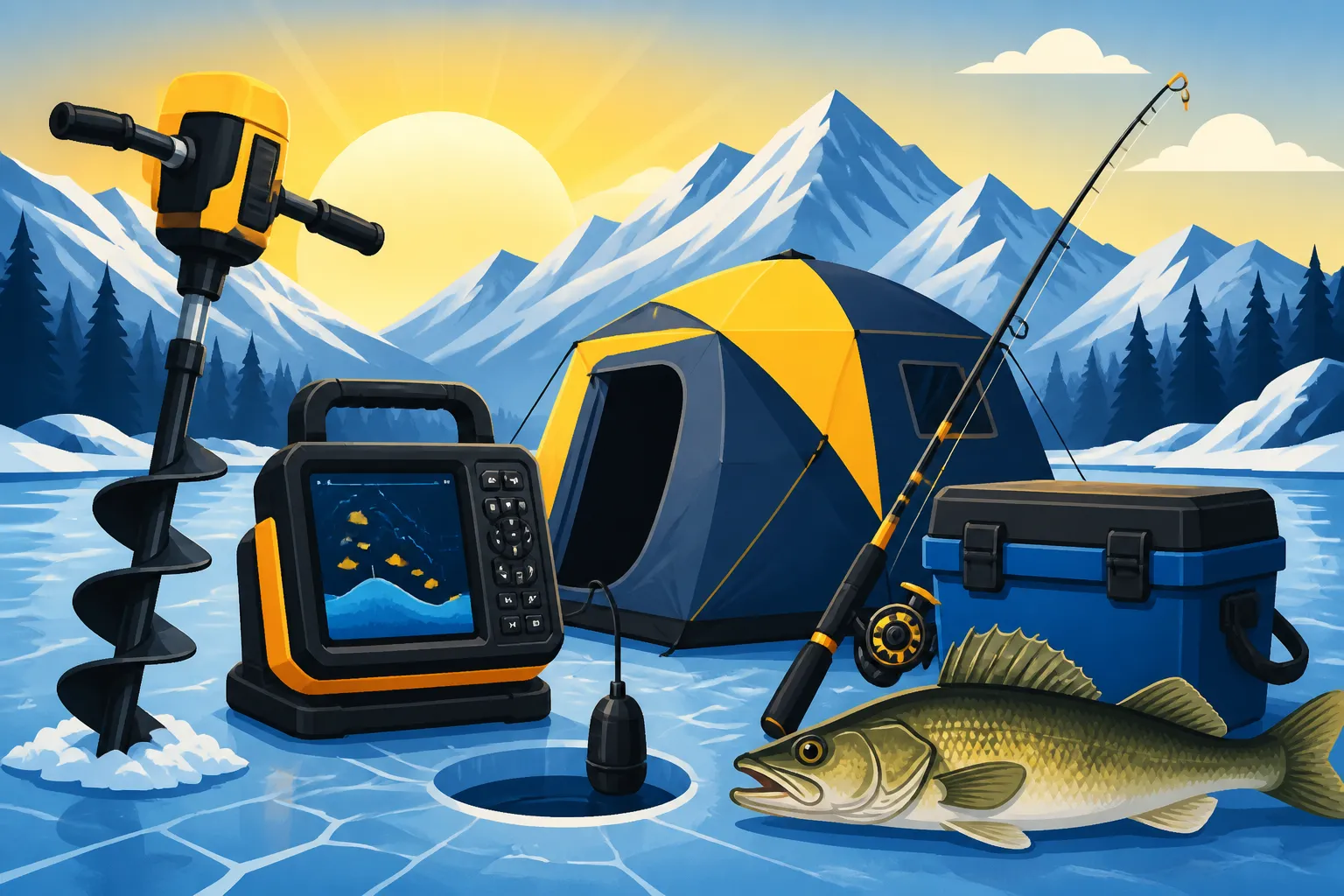
You can have the best rods, reels, and tackle, but without a hole in the ice, you're just standing on a frozen lake. Your ice auger is arguably the most crucial tool for getting to the fish. Alberta's ice can be thick, so a good auger is an investment that pays off in ease and efficiency.
Manual, Propane, and Electric Augers
The world of ice augers has evolved significantly, offering options for every budget and preference:
- Manual Augers: These are the simplest and most affordable. You literally twist them by hand to cut through the ice. They are lightweight, require no fuel, and are great for early-season ice (under 12-18 inches) or for drilling just a few holes. However, cutting through several feet of ice is a serious workout, especially on a busy day when you're moving around. They are an excellent choice for beginners or those targeting Best Techniques for Perch Through the Ice where smaller holes might be sufficient.
- Propane Augers: These are a step up in power and convenience. Powered by small propane tanks, they offer consistent cutting power without the fumes of gas augers. They start easily in the cold and are generally quieter and lighter than gas models. They're a solid all-around choice for most Alberta ice fishing conditions, handling moderate to thick ice with ease.
- Electric Augers: The modern marvel of ice fishing. Powered by rechargeable lithium-ion batteries, electric augers are quiet, clean, and incredibly powerful. They start instantly, produce no fumes, and can drill dozens of holes on a single charge. They are becoming increasingly popular for their ease of use and environmental friendliness. However, they are typically the most expensive option, and battery life can be a concern on multi-day trips or in extremely cold conditions if you don't manage your power. Look for models with interchangeable batteries or high amp-hour ratings if you plan to drill many holes. A good Best ice auger for panfish holes might be a smaller, lighter electric model.
Maintenance and Blade Care
Regardless of the type of auger you choose, proper maintenance is critical to ensure it performs when you need it most.
- Blade Sharpness: The most important factor for an efficient auger is sharp blades. Dull blades make drilling agonizingly slow and consume excessive energy (whether yours or the motor's). Always protect your blades with a cover when not in use. If your blades get dull or nicked, replace them or have them professionally sharpened. Don't try to sharpen them yourself unless you have the right tools and expertise, as improper sharpening can ruin them.
- Storage and Care: For propane and gas augers, follow manufacturer recommendations for fuel storage and engine maintenance. For electric augers, keep your batteries warm (e.g., in a cooler or inside your jacket) until you're ready to use them, as extreme cold reduces battery performance. After each trip, clean any ice or slush off your auger, especially the blades, and dry it thoroughly to prevent rust. Storing your auger properly will extend its life and save you headaches on the ice.
Electronics and Navigational Aids
Modern technology has revolutionized ice fishing, allowing anglers to locate fish and structure with unprecedented accuracy. While not strictly essential, electronics can dramatically increase your success rate and make your time on the ice more productive.
Fish Finders and Flashers
These devices are your eyes below the ice, helping you locate fish and understand the underwater terrain.
- Flashers: These are the traditional workhorses of ice fishing. They use a circular display with lights to show a real-time view of what's directly beneath your hole. You'll see your lure, any fish that swim by, and the bottom contour. They are incredibly sensitive, offer instantaneous feedback, and are fantastic for vertical jigging. Reading a flasher takes a little practice, but once you get the hang of it, you'll wonder how you ever fished without one. Brands like Vexilar and Marcum are synonymous with ice flashers.
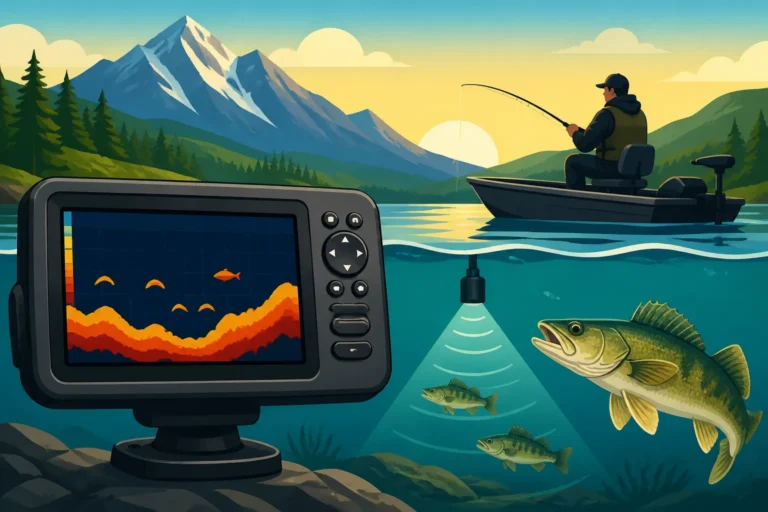
- LCD Fish Finders (Sonars): Many open-water fish finders can be adapted for ice fishing with a special ice transducer. These units provide a more detailed graphical display, often showing history and allowing for more advanced features like GPS mapping. They are great for marking structure and larger schools of fish. Some units even offer advanced imaging like Down Imaging or Side Imaging, though these are less critical for vertical ice fishing than traditional 2D sonar. Humminbird and Lowrance offer popular units that can transition from boat to ice.
Both flashers and LCD sonars require a battery, so remember to bring spares or a portable power bank, especially on longer trips. Using these tools effectively means understanding the signals they provide, helping you discern between weeds, baitfish, and the target species you're chasing.
GPS and Mapping Applications
Alberta's lakes can be vast and featureless under a blanket of snow. A GPS unit or a smartphone with a reliable mapping app is invaluable for navigation and finding your hot spots again.
- Marking Waypoints: Before the ice forms, if you have a boat, you can mark promising underwater structures, humps, or drop-offs with your GPS. Then, in winter, you can navigate directly to these waypoints, saving you hours of searching. Many popular fishing apps, like Navionics or i-Boating, allow you to download lake maps and mark your own spots.
- Safety and Navigation: GPS also serves a critical safety function. In a whiteout or fog, it's incredibly easy to get disoriented on a large, snow-covered lake. Knowing your exact location and having a route back to your vehicle or access point can prevent a dangerous situation. It's also useful for understanding regulations, as some areas might have specific rules for different zones, such as those covered in Alberta Zone-Specific Season Dates, Explained. Always make sure your device is fully charged and consider carrying a portable power bank, as cold weather can rapidly drain batteries.
Tackle and Baits for Alberta Species
Ice fishing isn't just about drilling holes and sitting around; it's about enticing fish in their winter patterns. The right tackle and bait can make all the difference, especially when fish are less active in colder water.
Lures and Jigs for Walleye, Pike, and Trout
Different species respond to different presentations, and having a diverse tackle box is key to success.
- Walleye: These beloved Alberta fish often prefer vertical presentations. Jigging spoons (like the Swedish Pimple or Northland Forage Minnow), lipless crankbaits (e.g., Rapala Rippin' Rap), and soft plastics on jig heads are highly effective. Tip your lure with a small minnow head, a piece of a minnow, or a maggot for added scent and attraction. Walleye often hug the bottom or relate to structure, so finding those subtle depth changes with your electronics is crucial. Best walleye lures for Lesser Slave Lake in summer can sometimes offer clues for winter presentations too, but often smaller, slower presentations are better when the water is cold.
- Northern Pike: Pike are aggressive predators that respond well to larger, flashier lures. Jigging spoons, larger lipless crankbaits, and swimbaits are great choices. Dead bait, especially large frozen herring or smelt, fished on a quick-strike rig under a tip-up, is also incredibly effective for big pike. Set your tip-ups along weed lines or near prominent points where pike ambush prey. How to Catch Northern Pike in Alberta provides more detailed insights into these toothy critters.
- Lake Trout: These deep-dwelling giants require heavy-duty gear and lures. Large tube jigs, heavy spoons (like the Crippled Herring or Gibbs Delta Croc), and robust swimbaits are good starting points. Tipping with a piece of sucker meat or a whole minnow can enhance their appeal. Lake trout often suspend over deep water or relate to underwater structures in lakes like Cold Lake, so a fish finder is indispensable. Best Techniques for Ice Fishing Lake Trout delves into specific strategies.
- Perch and Panfish: For these smaller, yet abundant, fish, use tiny tungsten jigs tipped with maggots, wax worms, or small soft plastic baits. Spring bobbers on ultralight rods will help you detect their incredibly light bites. Flashers are particularly useful for observing how perch react to your bait.
Tip-Ups and Dead Sticks
Beyond jigging actively, tip-ups and dead sticks are essential for covering more water and offering a different presentation.
- Tip-Ups: These devices sit over a hole and feature a flag that "tips up" when a fish takes the bait, signaling a bite. They are passive fishing tools, allowing you to set multiple lines (check Alberta Bag and Possession Limits by Species for legal limits on lines) and target less active fish or larger predators with dead bait. They are particularly effective for pike and walleye. Using a variety of depths and baits on your tip-ups can help you pattern fish throughout the day.
- Dead Sticks: A dead stick is essentially a rod propped up over a hole, often with a live minnow or piece of bait dangling just above the bottom. It offers a very subtle, natural presentation that can entice finicky fish that might be spooked by active jigging. Many anglers will set up a dead stick with a sensitive rod and leave it unattended while they actively jig another hole. Remember to use a rod holder to keep your dead stick secure from being pulled down the hole by a strong fish.
Apparel and Personal Comfort
You can have the best gear in the world, but if you're cold and miserable, you won't last long on the ice. Staying warm, dry, and comfortable is paramount for an enjoyable Alberta ice fishing experience.
Layering for Extreme Cold
The key to warmth in Alberta's fluctuating winter conditions is layering. This allows you to add or remove clothing as activity levels or temperatures change, preventing both overheating and chilling.
- Base Layer: Start with a moisture-wicking base layer against your skin. Merino wool or synthetic materials are excellent choices, as they draw sweat away from your body, keeping you dry. Cotton is a definite no-go for base layers, as it absorbs moisture and will make you cold once it gets wet.
- Mid Layers: Add one or two insulating layers, such as fleece jackets, down vests, or wool sweaters. These layers trap warm air close to your body. Adjust the thickness and number of mid-layers based on the expected temperature and your activity level. If you're drilling a lot of holes or walking long distances, you'll generate a lot of heat, so plan to shed layers.
- Outer Layer: Your outermost layer needs to be windproof and waterproof (or highly water-resistant) to protect you from the elements. As mentioned, a dedicated ice fishing flotation suit is ideal, offering warmth, wind protection, and critical safety features. Otherwise, a high-quality insulated parka and bib pants designed for winter outdoor activities are essential. Look for features like reinforced knees and seat, adjustable cuffs, and a good hood.
Don't forget warm socks (wool or synthetic), a good quality winter hat that covers your ears, and a neck gaiter or balaclava for wind protection.
Footwear, Gloves, and Hand Warmers
Your extremities are the first to get cold, so paying extra attention to them is vital.
- Footwear: Invest in heavy-duty, insulated winter boots specifically rated for extreme cold. Look for boots with removable liners, thick rubber soles for traction, and a waterproof exterior. Sorel, Baffin, and Kamik are popular brands that make excellent cold-weather boots. Ensure they are roomy enough to accommodate thick wool socks without constricting your feet, which can restrict blood flow and lead to cold toes.
- Gloves/Mittens: This can be a tricky balance. You need warmth, but also dexterity for tying knots and handling fish. Many anglers use a layering approach: thin, sensitive gloves for fine motor tasks, covered by warm, waterproof mittens. Flip-mitts, which allow you to expose your fingers when needed, are also very popular. Always carry multiple pairs, as gloves inevitably get wet.
- Hand Warmers: Chemical hand and foot warmers are little miracles on a frigid day. Stick them in your pockets, gloves, or boots for an extra boost of warmth. They can provide hours of heat and are relatively inexpensive, making them an excellent backup for when the cold truly sets in. You can find them at most sporting goods stores or easily order them from Amazon.
Staying warm and dry means you can focus on the fishing, enjoy the camaraderie, and make lasting memories on Alberta's frozen lakes.
Final Preparations for Your Ice Fishing Trip
Before you head out, a little preparation can go a long way in ensuring a successful and safe ice fishing adventure. Even with all the right gear, overlooking simple details can lead to frustration.
Packing Smart and Efficiently
Efficiency in packing means less fumbling around in the cold, and knowing where everything is.
- Sleds and Carriers: A good sturdy sled or a portable ice shack designed with a sled base is invaluable for transporting your gear across the ice and snow. Load it strategically, placing heavier, less-used items at the bottom and frequently accessed items (like bait, terminal tackle, or safety gear) on top or in easily reachable pockets.
- Organized Tackle: Use small, compartmentalized tackle boxes or soft-sided bags to keep your jigs, spoons, and hooks organized. This prevents hooks from tangling and makes it easy to find what you need with gloved hands. Many ice fishing-specific tackle bags are designed with insulated pockets or specific tool holders.
- Essentials Checklist: Always run through a mental or physical checklist before you leave the house. Think: License? Bait? Water/snacks? First aid kit? Phone? Charger? Extra layers? Extra fuel? These seem like small things, but forgetting one can derail your trip. Check out Alberta Fishing License Guide for 2026 to ensure you have your current license.
Food, Hydration, and First Aid
Spending hours outdoors in the cold burns a lot of calories, and staying hydrated is just as important in winter as it is in summer.
- Food: Pack high-energy snacks like granola bars, nuts, dried fruit, and sandwiches. A thermos of hot coffee, tea, or soup can be a real morale booster. Avoid anything that requires elaborate preparation or might freeze easily.
- Hydration: Even if you don't feel thirsty, your body still needs water. Bring plenty of water bottles, and consider insulating them or keeping them in a cooler to prevent freezing. Dehydration can exacerbate the effects of cold.
- First Aid Kit: A basic first aid kit is non-negotiable. Include pain relievers, bandages, antiseptic wipes, blister treatment, and any personal medications. Consider adding hand sanitizer and a small towel for convenience. You never know when a minor cut from a hook or a scrape on the ice might happen, and being prepared can prevent a small issue from becoming a larger problem.
By carefully considering and acquiring the right ice fishing gear, you’re not just preparing for a hobby; you're gearing up for a unique Alberta wilderness experience. Stay safe, stay warm, and enjoy the thrill of the bite on the hard water!
Disclaimer
This article is for general informational purposes only and does not constitute professional advice. Laws, prices and regulations vary by location and change over time. Consult a qualified professional for guidance on your specific situation.