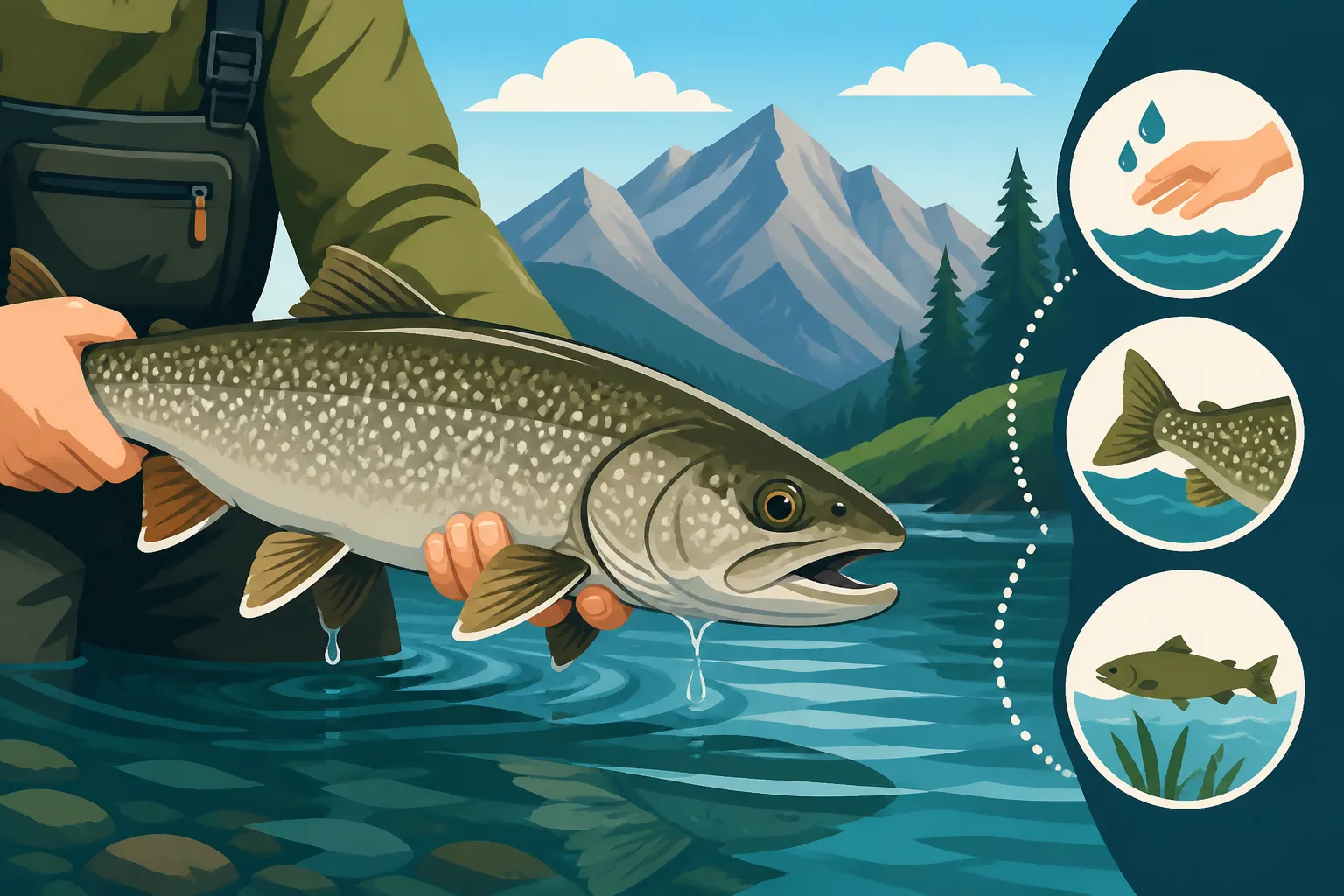
Bull trout catch and release survival tips
Catching a magnificent Bull Trout in Alberta is an experience many anglers dream of, but it comes with a tremendous responsibility. These stunning native fish are a threatened species, and their survival depends entirely on how we handle them. Accidentally injuring a Bull Trout during the catch and release process is a heartbreaking reality for some, leading to unnecessary mortality. This guide is dedicated to providing you with the essential, actionable tips to ensure every Bull Trout you encounter swims away strong, healthy, and ready to thrive.
The Critical Importance of Catch and Release for Alberta's Bull Trout
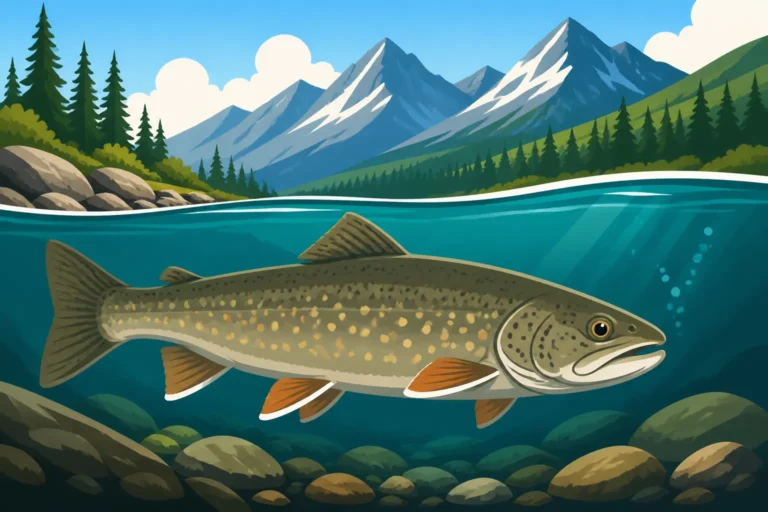
Let's be real for a moment. Catching a Bull Trout in Alberta isn't just about the thrill; it's about being a guardian of a truly special, yet vulnerable, part of our natural heritage. These fish aren't just another species; they are an indicator of healthy, pristine cold-water ecosystems, and unfortunately, their populations have faced significant declines over the years. This is precisely why Alberta has strict regulations in place, including a Alberta Bull Trout Zero Possession Rule, meaning that keeping even a single Bull Trout is generally prohibited. The survival of this species hinges almost entirely on successful catch and release practices.
Imagine for a second the journey a Bull Trout takes to reach a size that makes it a memorable catch. It's often years of battling natural predators, navigating changing water conditions, and surviving angler encounters. Each fish represents a vital part of the breeding population, and a poorly handled release can negate all the hard work nature has put into that fish. The goal isn't just to release the fish; it's to release it with the best possible chance of survival, ensuring it can go on to spawn and contribute to future generations. Understanding this fundamental responsibility is the first, most crucial step in becoming a truly ethical angler. You're not just fishing; you're participating in conservation. You can learn more about their status in Bull Trout: Alberta's Threatened Native Fish.
Minimizing Stress During the Fight
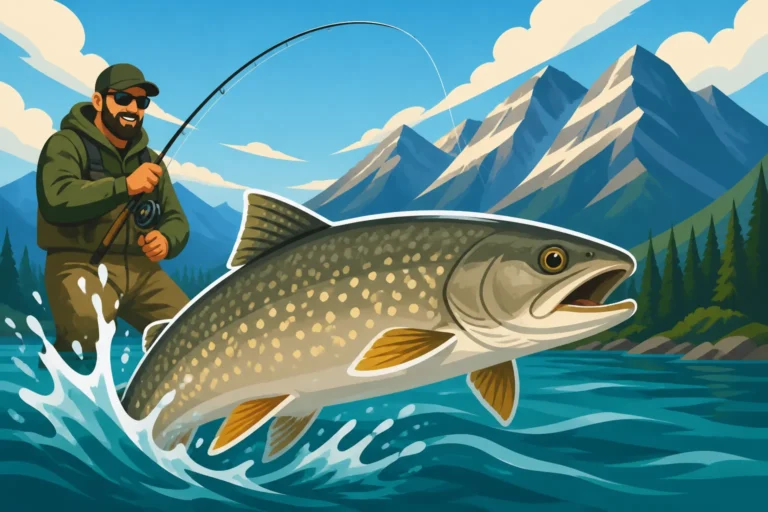
The moment a Bull Trout takes your lure, the clock starts ticking on its stress levels. A prolonged fight, especially with undersized gear, can exhaust the fish to the point of no return. Imagine running a marathon until you collapse; that's what a long, hard fight can feel like to a fish. Our job as responsible anglers is to bring the fish to hand quickly and efficiently, without putting undue strain on its delicate systems. This means using appropriate tackle that allows you to subdue the fish without overtiring it.
For instance, if you're targeting larger Bull Trout in rivers known for them, like some stretches in the Crowsnest or Oldman systems, using a rod with enough backbone and a reel with a smooth, reliable drag system is paramount. You want to be able to apply steady pressure and guide the fish towards you, rather than let it dictate the entire battle. Over-matched gear can lead to longer fights, higher lactic acid build-up in the fish's muscles, and ultimately, a much lower chance of survival after release. Think of it as a delicate balance: enough power to control the fish, but not so much that you rip the hook out or damage its mouth. This is where investing in quality gear, perhaps even from trusted retailers like Amazon, can really make a difference.
Use Appropriate Tackle
When pursuing Bull Trout, especially in the rugged conditions of Alberta's mountain streams, selecting the right rod and line is crucial. You want gear that can handle the power of these strong fish without making the fight excessively long or causing injury. For river fishing, a medium-heavy spinning or baitcasting rod, typically in the 7 to 8-foot range, paired with a reel spooled with 10-15 lb test fluorocarbon or monofilament line, or even braided line with a fluorocarbon leader, provides excellent control. This setup allows you to turn the fish's head and guide it into calmer water quickly.
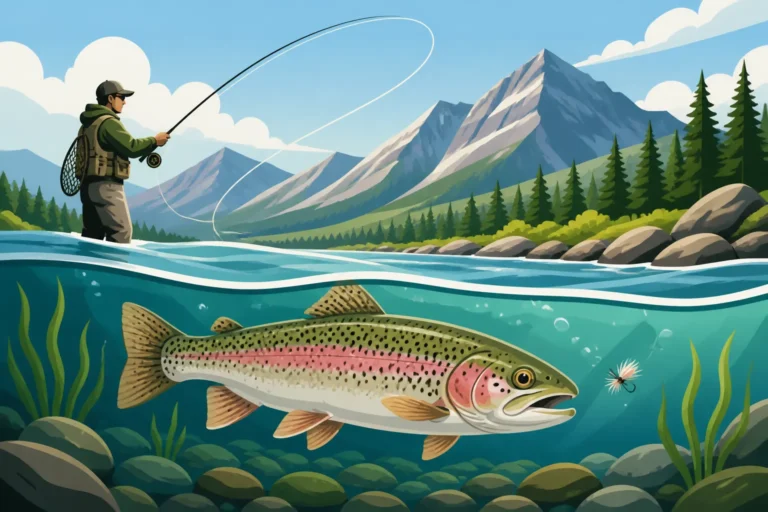
For fly anglers, a 6 to 8-weight fly rod is generally recommended when targeting Bull Trout, especially if you're throwing larger streamers or heavy nymph rigs. Heavier leaders and tippets (e.g., 0X to 2X) are also advisable to withstand powerful runs and prevent break-offs. While it might seem counter-intuitive to use heavier gear for catch and release, the goal is to land the fish as quickly as possible, minimizing its exhaustion. This isn't about bragging rights or showing off your ultralight skills; it's about the fish's well-being. A rapid, controlled fight reduces the physiological stress on the fish, increasing its chances of recovery.
Fight the Fish Quickly and Efficiently
Once a Bull Trout is hooked, the primary objective is to land it as swiftly and gently as possible. Avoid "horsing" the fish, which means yanking it in aggressively, but also avoid letting it run endlessly and tire itself out completely. Keep your rod tip up, maintain constant pressure, and try to steer the fish away from snags, submerged logs, or heavy currents that could prolong the fight or cause it to scrape against abrasive surfaces. If you're wading, try to move to shallower, calmer water to bring the fish in.
When the fish is close, guide it into your net rather than trying to lift it directly from the water with your line. This reduces the risk of the hook tearing out, line breakage, or the fish thrashing violently at the surface, potentially damaging itself. A smooth, controlled fight culminating in a quick net job is the ideal scenario for maximizing survival rates. Remember, every second the fish spends fighting is a second of increasing stress and lactic acid buildup, so efficiency is key.
Gentle Handling: From Water to Release
This is arguably the most critical stage. How you physically interact with the Bull Trout once it's close to you will largely determine its fate. Many well-intentioned anglers unknowingly cause harm through improper handling, leading to post-release mortality. The mantra here is "hands wet, fish in water."
Keep the Fish in the Water
The single most important rule for Bull Trout catch and release is to keep the fish submerged as much as possible. Exposing a fish to air, even for a short period, can be incredibly detrimental. It's like holding your breath while running a sprint – the gills collapse, preventing proper oxygen exchange, and the fish essentially suffocates. Their delicate slime coat, which protects them from disease and parasites, is also easily removed by dry hands or contact with rough surfaces.
If you absolutely must lift the fish for a quick photo, ensure your hands are thoroughly wet, and minimize air exposure to mere seconds. Ideally, keep the fish in the net, submerged just below the surface, and remove the hook there. If you're targeting larger specimens, a rubberized landing net is your best friend. These nets are much gentler on the fish's scales and slime coat than traditional nylon nets, and their mesh design prevents fins from getting tangled and damaged. You can find excellent options on Amazon. Check out Best Landing Net for Trout for more details on selecting one.
Proper Holding Techniques
When you do need to handle the fish, always support its entire body horizontally. Never hold a fish vertically by the jaw or tail, especially larger ones. This puts immense strain on their internal organs and spine, which are not designed to support their body weight out of water. Imagine holding a heavy bag by one corner; that's what it feels like for the fish. A good technique is to cradle the fish with one hand supporting its belly and the other gently gripping the tail, ensuring its weight is evenly distributed.
Keep your fingers away from the gills and eyes, as these are incredibly sensitive areas. Use firm, but gentle, pressure to keep the fish still. If it starts to thrash, immediately lower it back into the water until it calms down. Remember, the goal is minimal contact and maximum support. For truly large fish, sometimes the best photo is one taken with the fish still mostly submerged in the net.
| Handling Practice | Survival Impact | Notes |
|---|---|---|
| Wet Hands | Preserves slime coat, prevents disease. | Always wet hands thoroughly before touching fish. |
| Keep Fish Submerged | Maximizes oxygen intake, reduces suffocation stress. | Netting fish in water, removing hooks while submerged is ideal. |
| Horizontal Support | Protects internal organs, spine, jaw. | Cradle body with one hand under belly, other on tail. |
| Minimal Air Exposure | Reduces gill damage and oxygen deprivation. | Seconds count; prioritize quick release over long photos. |
| Avoid Gill/Eye Contact | Prevents injury to vital and delicate areas. | Be mindful of finger placement, especially with lively fish. |
| Use Rubberized Net | Reduces scale/slime coat damage, fin entanglement. | Much better than knotted nylon nets for catch and release. |
| Barbless Hooks | Easier, faster hook removal, less tissue damage. | Crimp barbs on all lures and flies, a mandatory practice in some areas. |
| Forceps/Pliers | Quick, efficient hook removal. | Essential tool; keep readily accessible. |
| Revival Process | Aids oxygenation and recovery for exhausted fish. | Hold fish gently in current until it swims away voluntarily. |
Effective Hook Removal and Revival
You've fought the fish well, kept it in the water, and supported it gently. Now comes the moment of truth: getting that hook out and ensuring a strong swim-off. This step requires precision, the right tools, and patience.
Barbless Hooks are Non-Negotiable
If there's one thing you absolutely must do for Bull Trout, it's use barbless hooks. In fact, many specific regulation waters in Alberta mandate barbless hooks only, particularly in sensitive trout streams. Check the Alberta Guide to Sportfishing Regulations for specifics, but frankly, it's just good practice everywhere. A barbed hook creates a larger wound and often requires more force and manipulation to remove, causing unnecessary trauma to the fish's mouth. Removing a barbless hook, especially with forceps, is quick, clean, and minimizes damage to the delicate mouth tissue. If your hooks come barbed, simply crimp them down with a pair of pliers. This tiny act makes a huge difference in the fish's survival rate.
Using a pair of long-nosed pliers or hemostats (forceps) is essential. These tools allow you to grip the hook firmly and twist it out quickly, often without even touching the fish. Keep them easily accessible on your vest or in your pack. The quicker you can unhook the fish, the less stress it endures. If a fish has swallowed the hook deeply, which is less likely with lures and flies but can happen, it's often best to cut the line as close to the hook as possible rather than attempting a traumatic removal. The hook will eventually corrode, and the fish has a better chance of survival with a hook left in than with severe internal damage from forceful extraction.
Proper Revival Techniques
After hook removal, the fish might be a bit disoriented or exhausted, especially if it put up a strong fight. This is where proper revival comes into play. Gently hold the fish facing upstream in a slow-moving current or gently move it back and forth in still water. This action forces water over its gills, helping it to breathe and recover oxygen. It's like giving it a CPR rescue breath. Avoid vigorously "pumping" the fish back and forth; a steady, gentle motion is best.
Watch for signs of recovery: the fish will start to move its fins, regain its balance, and eventually try to swim away from your grasp. Don't rush this process. It might take a few seconds, or it might take several minutes, especially in colder water or after a long fight. Only release the fish when it can hold itself upright and swims away strongly under its own power. Sometimes, letting the fish recover in your net, still submerged, before fully releasing it, can be a good intermediate step. Seeing that powerful flick of the tail as it disappears into the depths is the ultimate reward, knowing you've done everything you can to ensure its survival. Remember, the journey of these incredible fish through Alberta's waters is precious, and every successful release contributes to their future.
Disclaimer
This article is for general informational purposes only and does not constitute professional advice. Laws, prices and regulations vary by location and change over time. Consult a qualified professional for guidance on your specific situation.