Lesser Slave Lake Fishing Guide
Oh, Lesser Slave Lake! It's one of Alberta's true treasures, a massive body of water that beckons anglers with promises of epic catches, particularly big walleye and northern pike. But let's be honest, staring out at such an immense lake can be utterly daunting. Where do you even begin? This comprehensive guide is here to cut through the overwhelming scale of Lesser Slave Lake, breaking down its secrets so you can confidently plan your trip and land some truly memorable fish.
Lesser Slave Lake at a Glance: Understanding This Northern Gem
Lesser Slave Lake isn't just a big puddle; it's a significant ecological and recreational landmark in Alberta, and understanding its character is the first step to unlocking its fishing potential. This vast expanse of water holds secrets for those willing to learn its rhythms.
Size and Scope: More Than Just a Large Lake
Stretching an impressive 100 kilometers long and 15 kilometers wide at its broadest point, Lesser Slave Lake is Alberta's largest accessible lake, and the second-largest within the provincial borders overall. Its sheer size means that fishing here isn't a one-size-fits-all affair. You'll find everything from shallow, weedy bays to expansive open water, significant depth changes, and countless points and drop-offs. The eastern end, where the town of Slave Lake sits, is often considered the "head" of the lake, while the western end includes communities like Joussard and Faust. This vastness means weather conditions can vary drastically across the lake, and a calm morning near Canyon Creek could quickly turn into a choppy afternoon out in the main basin. Anglers often break it down into eastern, central, and western zones, each with its unique characteristics and fishing challenges.
Navigating this enormous water body requires respect and preparation. Many anglers underestimate the time it takes to travel from one end to the other, or how quickly the wind can whip up significant waves, making travel unsafe for smaller boats. It's not uncommon for a quick run across the lake to turn into an hour-long battle against whitecaps. Always check marine forecasts specifically for Lesser Slave Lake, as general regional forecasts might not capture the localized conditions that can impact such a large body of water. Understanding the lake's layout, including major points like Shaw's Point, Big Fish Bay, and the various river inlets, will be crucial for both safety and fishing success.
Ecosystem and Fish Habitat
The diverse underwater landscape of Lesser Slave Lake creates an incredibly rich and varied ecosystem, providing ideal habitats for a wide range of fish species. You're looking at a mix of shallow, nutrient-rich areas brimming with aquatic vegetation, especially in the numerous bays and along the shorelines, alongside deeper, cooler main lake basins. These weed beds are crucial nurseries for baitfish and offer excellent cover for ambush predators like northern pike. Rocky points and transitional areas where depths change rapidly are also key, often holding baitfish and attracting predatory species like walleye.
The lake receives water from several rivers, including the Swan, Driftpile, and South Heart rivers, which flow in from the south, and exits via the Lesser Slave River on the eastern end. These inflows not only bring nutrients into the lake but also create current areas, particularly in spring, that are critical for spawning fish and concentrate baitfish, making them prime targets for anglers. The varying bottom compositions—from soft mud and sand in the flats to hard rock and gravel on the points and humps—further dictate where different species will hold at various times of the year. Learning to "read" these underwater features, often with the help of modern fish finders, is paramount to consistently finding fish.
Prime Species to Target: What Bites Here
Lesser Slave Lake is synonymous with exceptional fishing for several key species, making it a bucket-list destination for many Alberta anglers. While it hosts a variety of fish, a few stand out as the primary targets due to their abundance and impressive size.
Walleye: The King of Lesser Slave
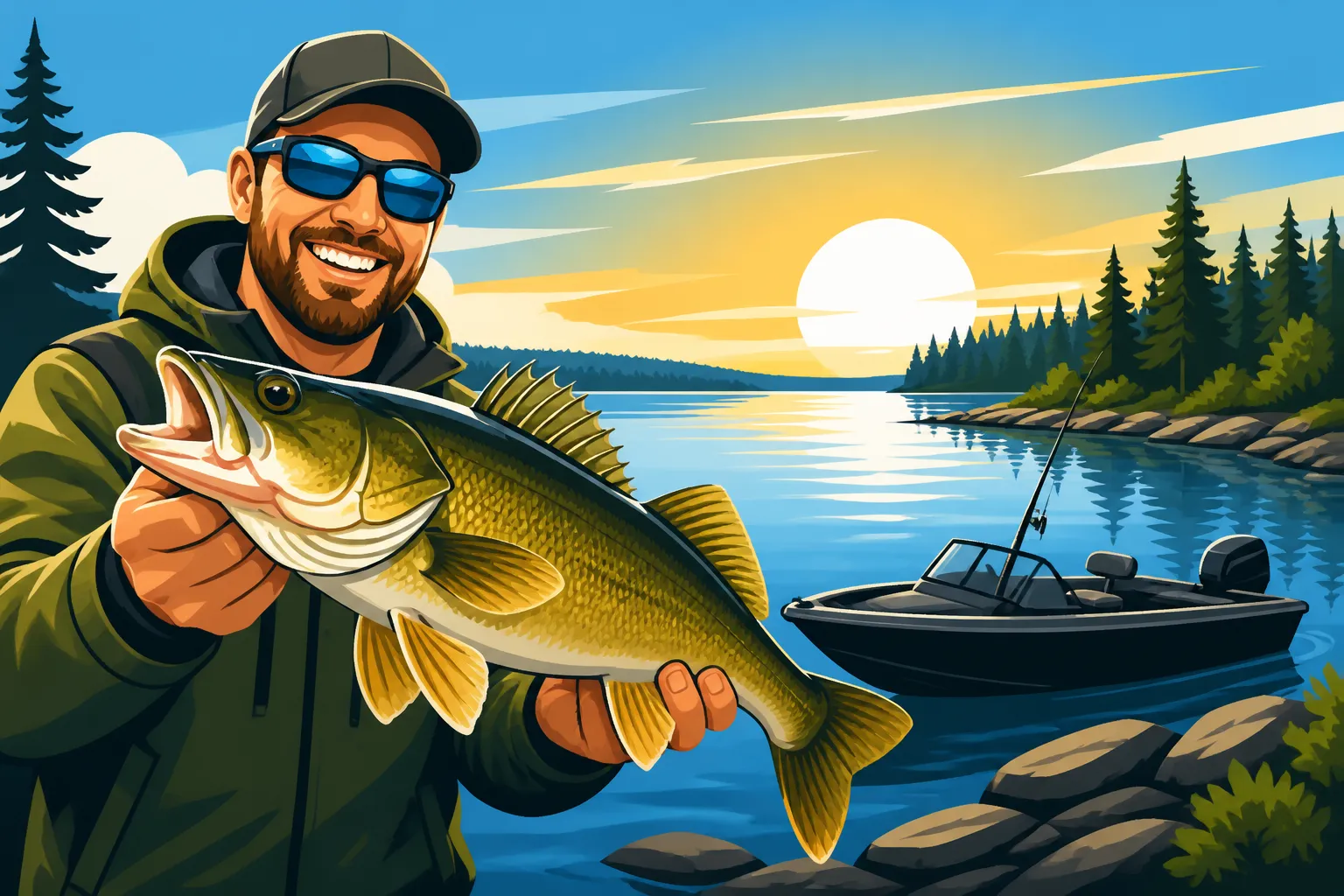
Without a doubt, walleye are the reigning champions of Lesser Slave Lake, drawing anglers from across Canada and beyond. This lake has a well-deserved reputation for producing not only high numbers of walleye but also some truly trophy-sized fish. It's not uncommon to hear tales of 8-to-10-pound walleye, with even larger specimens being caught. The rich forage base, including abundant yellow perch and various baitfish, allows these walleye to grow to impressive sizes and maintain a healthy population. If you're looking for an in-depth guide to this species, check out our piece on Walleye Fishing in Alberta.
Understanding the seasonal movements of walleye is critical for success on Lesser Slave Lake. In the spring, shortly after ice-out, they'll often be found in shallower bays and near river mouths, staging for or recovering from spawning. As summer progresses and water temperatures rise, they'll tend to move to deeper main lake basins, congregating around underwater humps, reefs, and along prominent drop-offs, especially during the brighter parts of the day. In the fall, they transition back towards shallower areas, often aggressively feeding in preparation for winter. This predictable pattern, while requiring effort to track on such a large lake, offers consistent opportunities for patient anglers.
Northern Pike: Aggressive Predators
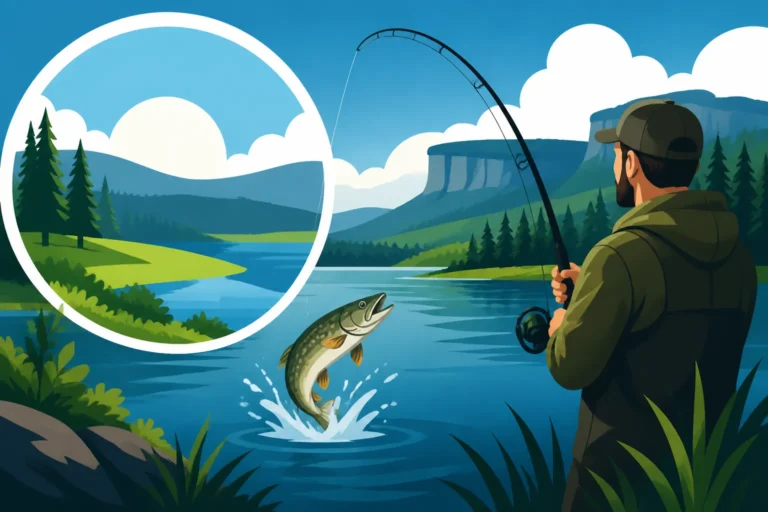
While walleye often steal the spotlight, Lesser Slave Lake is also a phenomenal fishery for northern pike. These aggressive predators can be found throughout the lake, from the shallow, weedy bays to the deeper main lake structure. Pike here grow to substantial sizes, with fish over 40 inches not a rarity, offering thrilling battles on appropriate tackle. Their voracious appetites and willingness to strike a variety of lures make them an exciting target for many anglers.
Pike are ambush predators, and their preferred habitats reflect this. You'll typically find them lurking around the edges of expansive weed beds, submerged timber, rocky points, and anywhere baitfish might concentrate. In spring and early summer, the warmer, shallower bays are prime locations as pike recover from spawning and actively feed. As the season progresses, they might move to deeper weed lines or even suspend in open water chasing schools of baitfish, but they rarely stray far from some form of cover. For more detailed information on targeting these toothy giants, our Northern Pike Fishing in Alberta guide is an excellent resource.
Burbot: The Freshwater Cod
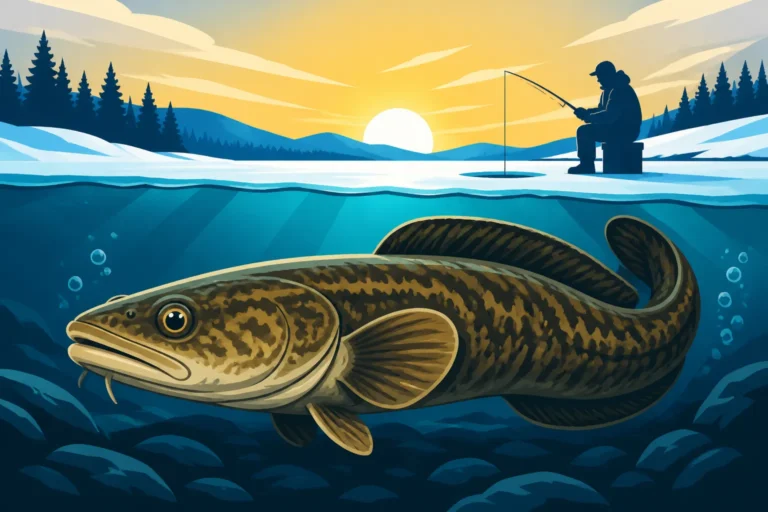
Often overlooked by anglers focusing on walleye and pike, the burbot (also known as "freshwater cod" or "maria") offers a unique and highly rewarding fishing experience on Lesser Slave Lake, especially during the winter months. These bottom-dwelling fish are characterized by their elongated, eel-like bodies and single barbel on their chin. They are renowned for their delicious, flaky white meat, which many compare to saltwater cod, making them a sought-after species for the table.
Burbot are primarily nocturnal hunters, preferring cooler waters and deeper, rocky bottom structures. While they can be caught during open water season, they truly come into their own during ice fishing season. Anglers often target them after dark, jigging glow-in-the-dark lures tipped with bait just off the bottom. Lesser Slave Lake provides ample opportunities for catching burbot, particularly in the deeper basins and along the underwater ledges. For those eager to delve into the world of these mysterious bottom dwellers, check out our comprehensive article on Burbot Fishing in Alberta.
Yellow Perch and Whitefish: Panfish Delights
Beyond the headline-grabbing walleye and pike, Lesser Slave Lake also offers excellent opportunities for yellow perch and lake whitefish, providing a fun and often fast-paced alternative, especially for families or during times when the bigger fish are less cooperative. These panfish species are abundant and can be a great way to introduce beginners to fishing or simply enjoy a relaxing day on the water.
Yellow perch are prolific throughout the lake, inhabiting many of the same areas as walleye but often in larger schools. They are eager biters and can provide continuous action, making them a fantastic target for kids. Small jigs, worms under a bobber, or tiny spoons are often all it takes to entice a school of perch. Lake whitefish, on the other hand, are typically found in the deeper, cooler parts of the main lake, often caught incidentally by walleye anglers or specifically targeted by those looking for their firm, flaky meat. While not as aggressive as pike or walleye, they offer a subtle fight and are excellent table fare. To learn more about targeting these smaller but equally rewarding species, our Panfish Fishing in Alberta guide provides great insights.
Navigating the Seasons: When to Fish Lesser Slave Lake
Lesser Slave Lake is a year-round fishing destination, but the most effective techniques and locations vary dramatically with the seasons. Each period offers unique challenges and rewards, making it essential to understand the lake's seasonal rhythms.
Spring Fishing: Post-Spawn Feasts
Spring, particularly from ice-off in late April or early May through to June, is an incredibly exciting time to fish Lesser Slave Lake. The ice slowly recedes, first from the eastern end and then progressively westward, signalling the start of the open-water season. During this period, walleye and northern pike are often concentrated in shallower waters as they recover from their respective spawns and begin to feed aggressively. Look for them in the warming waters of bays and near the mouths of tributary rivers, where nutrient-rich runoff and abundant baitfish provide a perfect post-spawn buffet. Areas around Joussard, Faust, and Canyon Creek on the western and central parts of the lake, as well as the shallower bays near the town of Slave Lake, can be particularly productive.
Water temperatures are still relatively cool, typically in the 40s and low 50s Fahrenheit, which means fish might be a bit lethargic at times but will respond well to slower presentations. While many of the specific "trout" techniques might differ, the general principles discussed in guides like Spring Trout Fishing Techniques for Alberta Streams—focusing on slower presentations and targeting transition zones—can be adapted for walleye and pike in the early spring. Casting jigs tipped with minnows or soft plastics into shallow cover, or slowly trolling small crankbaits along emerging weed lines, can be incredibly effective. Remember, the fish are often shallower than you think, so don't be afraid to work water as shallow as 4 to 8 feet, especially during overcast days or low light conditions.
Summer Strategies: Deep Water and Weed Edges
As summer progresses and the long Alberta days heat the lake, water temperatures climb into the 60s and 70s Fahrenheit, prompting a shift in fish behavior. Walleye will largely move out of the shallow spawning bays and into the main lake basin, seeking deeper, cooler water. They often congregate around underwater humps, rock piles, prominent breaklines, and the deeper edges of weed beds. This is prime time for techniques like open-water trolling with crankbaits or bottom bouncers, targeting depths from 15 to 30 feet, or jigging spoons and soft plastics on deep structure. Using a good fish finder to locate these underwater features and baitfish schools becomes indispensable.
Northern pike, while still found along weed edges, might also move to deeper ambush points or suspend in the water column chasing baitfish schools. Targeting the deeper weed lines, particularly in bays like Buffalo Bay or near the inlets, can yield good results. Topwater fishing for pike can also be explosive during calm, warm evenings, especially in areas with lily pads or extensive surface vegetation. However, summer also brings increased recreational boat traffic, so be mindful of other lake users and consider fishing during quieter times like early mornings or late evenings for better success and a more peaceful experience.
Fall Fishing: Pre-Winter Binge
Fall fishing on Lesser Slave Lake is arguably one of the best times to target trophy fish, especially walleye and northern pike. As air and water temperatures begin to drop in September and October, the fish enter a pre-winter feeding frenzy, packing on weight for the lean months ahead. They become incredibly aggressive, and baitfish schools often concentrate, making them easier for predators to find. Walleye will move back towards shallower main lake points, rocky reefs, and extensive flats, often in depths of 10-20 feet, where they feed heavily. They are often found in large schools, so once you find one, you're likely to find many.
This is a fantastic time for both casting and trolling. Aggressive retrieves with larger crankbaits, lipless crankbaits, or large jigging spoons can trigger strikes from active fish. Pike, similarly, will be very active, particularly around the remaining green weed beds and major points. Large jerkbaits, spoons, and oversized soft plastics can be deadly. The principles for successful fall fishing, much like those discussed in Best Techniques for Fall Trout Fishing (but applied to walleye and pike), revolve around understanding that fish are bulking up and are less hesitant to strike larger, more aggressive presentations. Be prepared for potentially cooler weather, but the rewards can be truly spectacular.
Winter Ice Fishing: Hardwater Heaven
When the lake freezes over, typically by late November or early December, Lesser Slave Lake transforms into a premier ice fishing destination, offering fantastic hardwater opportunities right through to March. Its large size means vast expanses of ice, but also plenty of room for anglers to spread out. Walleye, northern pike, and especially burbot are the main targets during the winter months, providing exciting action for those brave enough to embrace the cold. The communities around the lake, like Slave Lake, Faust, and Joussard, become bustling hubs for ice fishing enthusiasts.
Walleye can be found on deep breaklines, humps, and flats, often biting well during low light periods around dawn and dusk. Pike will often hold in shallower, weedy bays or adjacent to deep drop-offs, ready to ambush prey. Burbot fishing, particularly at night, becomes a very popular activity, with anglers jigging glow-in-the-dark lures tipped with bait just off the bottom in deeper water. Access to the ice is generally good at various points around the lake, with many anglers using snowmobiles, ATVs, or even trucks (with extreme caution and local knowledge) to reach their spots. If you're looking to dive deep into this winter pursuit, our comprehensive guide on Ice Fishing in Alberta is an absolute must-read to ensure both safety and success on the ice.
Essential Techniques and Tackle for Success
Fishing Lesser Slave Lake successfully requires a diverse toolkit of techniques and the right tackle to match the species and conditions. Given the size of the lake and the variety of habitats, being versatile is key to a productive day.
Walleye Tactics: Jigs, Crankbaits, and Live Bait
When it comes to walleye on Lesser Slave Lake, a combination of jigs, crankbaits, and live bait rigs will cover nearly all scenarios. Jigging is incredibly effective, especially when walleye are holding on structure like humps, reefs, or along breaklines. Soft plastic swimbaits, grubs, or paddle tails rigged on a jig head can imitate baitfish, while traditional jig-and-minnow or jig-and-leech presentations are often irresistible to walleye. Experiment with jig weights (from 1/4 oz to 1 oz, depending on depth and wind) and retrieve styles, from sharp snaps to subtle lifts. Colors like chartreuse, white, black, and natural baitfish patterns are typically good starting points. Our article on How to Catch Walleye in Alberta offers even more specific strategies.
Trolling is another cornerstone technique, particularly for covering large areas and finding active fish in the expansive main lake basin. Long-lining crankbaits (e.g., Rapala Shad Raps, Berkley Flicker Shads, Salmo Hornets) at varying depths, often using lead core line or planer boards, allows you to target suspended fish or cover wide flats. Bottom bouncers paired with spinner rigs (like a Lindy Rig or a worm harness) are deadly for working along the bottom, especially when tipped with a live worm or minnow. The key is to match your presentation to the depth the fish are holding and the activity level, often dictated by water temperature and light conditions.
Pike Strategies: Spoons, Jerkbaits, and Topwater
Northern pike on Lesser Slave Lake are aggressive and generally willing to strike, but presenting the right lure in the right place is crucial. Spoons, especially those with a strong wobbling action like a Daredevil, Len Thompson, or Doctor Spoon, are perennial favourites. Casting them into weed pockets or trolling them along weed edges can provoke ferocious strikes. Bright colors like red and white, five of diamonds, or chartreuse are often effective, but natural patterns can also work in clearer water.
Jerkbaits are also incredibly effective, particularly in spring and fall when pike are actively feeding. Suspending jerkbaits (e.g., Rapala X-Raps, Lucky Craft Pointer) twitched and paused around cover can trigger strikes from hesitant fish. For those thrilling surface explosions, topwater lures like walk-the-dog baits (e.g., Heddon Super Spook) or prop baits can be irresistible to pike during warm summer evenings or early mornings in weedy areas. Remember, always use a steel or heavy fluorocarbon leader (at least 60-80 lb test) when targeting pike to prevent bite-offs from their razor-sharp teeth. For more in-depth techniques, explore our guide on How to Catch Northern Pike in Alberta.
Burbot and Panfish Approaches
For burbot, particularly during the ice fishing season, the approach is quite specific. They are bottom dwellers and primarily feed at night. The most effective technique involves jigging glow-in-the-dark spoons or heavier jigs (1/2 oz to 1 oz) tipped generously with a piece of bait, such as a minnow head, a small piece of perch belly, or even a piece of squid. These lures should be worked close to the bottom, jigged actively, and then allowed to sit, creating a glow that attracts the nocturnal burbot. Many anglers use multiple holes and often combine this with a stationary "dead stick" rod rigged with a large bait on the bottom.
Yellow perch and whitefish, while smaller, offer consistent action. For perch, light spinning gear is ideal. Small jigs (1/16 to 1/8 oz) tipped with a small plastic grub, a piece of worm, or a maggot are highly effective. During open water, fishing these under a bobber in shallow, weedy areas is a great way to catch them. For ice fishing, tiny jigging spoons or small horizontal jigs (often called "panfish jigs") tipped with bait will work wonders. Whitefish are often caught incidentally on walleye gear, but if targeting them, small spoons or jigs in deeper water, sometimes tipped with a nymph or a small piece of bait, can be effective.
Where to Find the Fish: Lesser Slave Lake Hotspots
Lesser Slave Lake's vastness can be overwhelming, but understanding its prime fishing zones can significantly narrow your search. Fish distribution is highly influenced by structure, forage, and seasonal movements.
Key Bays and Inlets
The numerous bays and river inlets around Lesser Slave Lake are crucial fishing grounds, particularly during the spring and fall, and for ice fishing in winter. These areas offer shelter, warmer water, and concentrated forage, making them magnets for various species. Joussard Bay on the southwest side is famous for its extensive weed beds and excellent walleye and pike fishing, especially in the early season. Canyon Creek, another prominent area further east on the south shore, also offers superb access and productive fishing near its inlet. The Faust area, centrally located on the south side, provides good access to both shallower bay fishing and proximity to deeper main lake structure.
These bays and inlets often feature a mix of emergent and submerged vegetation, offering excellent cover for pike and ample foraging grounds for walleye and perch. The inflowing rivers also bring in nutrients and draw baitfish, creating feeding opportunities. It's not just about the bay itself but also the points and channels leading into and out of them. A deeper understanding of these areas is what often separates consistent anglers from those who struggle. For those seeking the very best walleye action, you'll find that Lesser Slave Lake consistently ranks high among the Best Walleye Lakes in Alberta. Always pay attention to how changes in wind direction or water clarity might influence fish positioning within these dynamic bay systems.
Structure Fishing: Reefs, Shoals, and Drop-Offs
While the bays are great, the real magic of Lesser Slave Lake, especially during the summer and winter, often lies in its abundant underwater structure. The lake features countless reefs, rock piles, humps, and extensive drop-offs that are invisible from the surface but are critical holding areas for walleye and lake whitefish. These structures often act as highways and feeding grounds for predatory fish, concentrating baitfish and providing strategic ambush points. The main lake basin, particularly in the central and eastern sections, holds many such features.
Finding and effectively fishing these structures requires good electronics. A quality fish finder (like those discussed in Best Fish Finders for Alberta Lakes) with GPS mapping and side-imaging capabilities is an invaluable tool for locating subtle depth changes, isolated rock piles, and schools of fish holding tight to the bottom. Once you locate a promising piece of structure, use precision jigging or careful trolling passes to work it thoroughly. Pay close attention to your sonar to identify baitfish schools or individual fish arches, as these are often indicators of larger predators nearby. Marking these spots on your GPS will allow you to return to productive areas time and time again.
Navigating the Main Lake Body
The vast open water of Lesser Slave Lake's main body can be intimidating, but it offers unique opportunities, especially for trolling. While many fish relate to specific structure, walleye and lake whitefish will often suspend in the water column, particularly in summer, chasing schools of cisco or other pelagic baitfish. This is where covering water with trolled crankbaits at various depths becomes highly effective. Using tactics like planer boards to spread out your lines and cover a wider swath can be incredibly productive.
Fishing the main lake body also means dealing with its inherent challenges. Strong winds can quickly whip up dangerous waves, making navigation difficult and sometimes impossible for smaller boats. Always monitor marine weather forecasts and be prepared to take shelter or return to shore if conditions deteriorate. Knowledge of safe harbors and public boat launches, such as those in Slave Lake, Joussard, and Faust, is essential. While the main lake might not offer the distinct features of a bay or a small reef, its sheer size and potential for roaming schools of large fish make it a compelling area for those willing to venture out.
Regulations and Responsible Angling on Lesser Slave Lake
Part of being a responsible angler on Lesser Slave Lake, or anywhere in Alberta, is understanding and adhering to the province's fishing regulations. These rules are in place to ensure the sustainability of our fisheries for future generations. Ignoring them can lead to significant penalties and harm the very resource we cherish.
Understanding Alberta's Regulations
Before you even cast a line, your most important piece of gear is the current Alberta Guide to Sportfishing Regulations. This document, updated annually, is your bible for what, where, when, and how you can legally fish. Lesser Slave Lake, being a premier fishery, often has specific regulations tailored to its unique fish populations, especially concerning walleye. These might include reduced bag limits, specific slot sizes (where fish within a certain size range must be released), or even a mandatory catch-and-release policy for certain species or during specific seasons. It's not uncommon for walleye on Lesser Slave Lake to be part of the Alberta Walleye Special Harvest Licence Program, where a draw system dictates who can retain walleye. Always double-check these details as they can change from year to year.
Beyond species-specific rules, general regulations such as the requirement for an Alberta Fishing License Guide for 2026 for all anglers aged 16 to 64 (with specific exemptions for youth and seniors, but checking current regulations is still advised) are universal. You'll also need an Alberta Wildlife Identification Number (WIN) Card. Failing to possess the proper licenses and understand the current regulations is not only illegal but also shows a lack of respect for the resource. Enforcement officers frequently patrol Lesser Slave Lake, and ignorance of the rules is never a valid excuse for infractions. Take the time to read the guide thoroughly or use the MyWildAlberta app for up-to-date information.
Catch and Release Best Practices
Given the prevalence of specific slot limits and the desire to maintain healthy populations of trophy fish, practicing proper catch and release techniques is more important than ever on Lesser Slave Lake. This is particularly true for larger walleye and northern pike, which are the primary breeding stock for the lake. When you catch a fish you intend to release, prioritize its health and survival. Minimize its time out of the water, and handle it gently with wet hands or gloves to protect its slime coat, which is vital for disease resistance.
Use appropriate tools like needle-nose pliers or a hook remover to quickly and safely remove hooks. If the fish is deeply hooked, especially in the gills or throat, it might be best to cut the line as close to the hook as possible rather than attempt a difficult extraction. When releasing, hold the fish gently upright in the water until it regains its strength and swims away on its own. Avoid tossing it back. The principles outlined in our guide, How to Catch Bull Trout and Release Them Safely, while specifically for bull trout, provide excellent general advice that applies to safe release practices for all fish species, including walleye and pike, on Lesser Slave Lake.
Boating Safety and Conservation
Lesser Slave Lake's vast size means that boating safety is not just a recommendation but a necessity. The weather can change rapidly, turning calm waters into treacherous conditions in a matter of minutes. Always ensure your boat is equipped with all the required safety gear, including enough Life Jacket Requirements for Alberta Boaters for every person on board, a sound-signalling device, bailer, and a watertight flashlight. Filing a float plan with someone on shore is also a wise precaution. If you plan to operate a motorized boat, remember that you generally need a Pleasure Craft Operator Card (PCOC) in Canada.
Beyond personal safety, conservation also extends to your boating habits. Be mindful of speed limits in restricted areas, avoid disturbing wildlife, and always practice "Leave No Trace" principles. This means packing out all your trash, avoiding the discharge of pollutants, and taking measures to prevent the spread of aquatic invasive species. Inspect your boat, trailer, and gear, and clean, drain, and dry them thoroughly before moving from one water body to another. This collective effort ensures that Lesser Slave Lake remains a pristine and productive fishery for generations of anglers to come.
Planning Your Trip: Accommodations, Guides, and Gear
A successful fishing trip to Lesser Slave Lake involves more than just knowing where and how to fish; it requires careful planning regarding where you'll stay, who might help you, and what essential gear you'll need.
Lodging and Amenities Around the Lake
Lesser Slave Lake is surrounded by communities that cater to anglers and tourists, offering a range of accommodation options to suit different preferences and budgets. The town of Slave Lake, on the eastern end, is the largest hub, offering hotels, motels, restaurants, grocery stores, and various services. You'll find bait and tackle shops here, as well as marine services. Moving westward along the south shore, communities like Faust and Joussard also have basic amenities, smaller lodges, and campgrounds that are often popular with fishing groups.
For those looking for a dedicated fishing experience, resorts like Shaw's Point Resort or Big Fish Bay Lodge offer cabins, RV sites, boat launches, and often amenities like fish cleaning stations and guided fishing packages. Campgrounds, including those within Lesser Slave Lake Provincial Park, provide more rustic, nature-focused stays with easy access to the water. It’s always a good idea to book accommodations well in advance, especially during peak fishing seasons or long weekends, as spots can fill up quickly. Many of these locations also serve as excellent starting points for exploring the lake's various fishing zones.
Hiring a Fishing Guide
For first-time visitors to Lesser Slave Lake, or even seasoned anglers looking to maximize their time and learn the lake's current patterns, hiring a local fishing guide can be an invaluable investment. A professional guide brings a wealth of knowledge about the lake's vast waters, including seasonal fish movements, current hot spots, and the most effective techniques. They typically provide all the necessary fishing gear, bait, and often even clean your catch, allowing you to simply enjoy the experience. This can be especially beneficial for navigating such a large, sometimes challenging, body of water.
A guide can save you countless hours of searching and experimenting, putting you directly on fish and teaching you the nuances of this specific fishery. They also prioritize safety, crucial on a lake of this size, and ensure all regulations are followed. To find reputable, experienced guides for Lesser Slave Lake, platforms like FishingBooker can be incredibly useful. They list various charter services, complete with reviews and detailed descriptions, helping you choose the perfect guide for your trip, whether you're targeting trophy walleye, pike, or simply a fun day out on the water. Another benefit is that many guides offer varied trip lengths, from half-day excursions to full-day adventures, allowing flexibility in your schedule.
Essential Gear Checklist
Beyond your personal fishing license and WIN card, having the right gear is fundamental for a successful and comfortable trip to Lesser Slave Lake. Given the variety of species and conditions, a versatile setup is usually recommended.
Here’s a practical table for your Lesser Slave Lake fishing gear checklist:
| Species | Best Season | Primary Technique | Recommended Lures/Bait |
|---|---|---|---|
| Walleye | Spring, Fall, Winter | Jigging, Trolling | Jigs (soft plastics, live bait), Crankbaits, Bottom Bouncers |
| Northern Pike | Spring, Summer, Fall, Winter | Casting, Trolling | Spoons, Jerkbaits, Topwater, Large Soft Plastics |
| Burbot | Winter (Ice Fishing) | Jigging (night) | Glow Spoons (tipped with bait), Drop-shot rigs |
| Yellow Perch | All Year | Bobber, Small Jigs | Worms, Small Grub Jigs |
For walleye and pike, a medium-heavy spinning or baitcasting rod (6'6" to 7'6") with a strong reel spooled with 15-30 lb braided line and a fluorocarbon or steel leader is a good all-around choice. Don't forget a variety of jigs (1/4 to 1 oz), crankbaits (diving and suspending), spoons, and soft plastics in various colors. Live bait (minnows, worms) is often very effective for walleye, so ensure you have a way to keep them lively. Our Best Tackle for Alberta Walleye guide offers more specific lure suggestions. For ice fishing, specialized ice rods and reels, an auger, a scoop, and an ice shelter are essential for comfort and safety. Always pack appropriate clothing layers, rain gear, sun protection (hat, sunglasses, sunscreen), insect repellent, a first-aid kit, a reliable map or GPS, and plenty of water and snacks. And remember, a good pair of polarized sunglasses will help you spot structure and fish on clearer days.
Disclaimer
The information provided in this guide is for general informational purposes only and is subject to change. Fishing regulations in Alberta are updated annually, and specific rules for Lesser Slave Lake can vary. Always consult the most current Alberta Guide to Sportfishing Regulations before heading out. Safety on the water is paramount; be aware of weather conditions and ensure you have all required safety equipment.