Best walleye lures for Lesser Slave Lake in summer
There's nothing quite like the thrill of chasing walleye on Lesser Slave Lake, but let's be honest, summer fishing can sometimes feel like trying to find a needle in a haystack. The walleye scatter, dive deep, or get finicky with the warmer water, leaving many of us scratching our heads about which lure to tie on. This comprehensive guide is here to cut through the confusion, offering a realistic look at the best walleye lures for Lesser Slave Lake in summer and how to use them to put more fish in your boat.
Understanding Summer Walleye Behavior on Lesser Slave Lake
Before you even think about tying on a lure, it’s absolutely essential to understand what makes walleye tick on a massive lake like Lesser Slave during the summer months. These aren't the same hungry, shallow-water fish you might encounter in spring. As the sun beats down and water temperatures rise, their habits shift dramatically.
The Deep Water Challenge and Thermocline
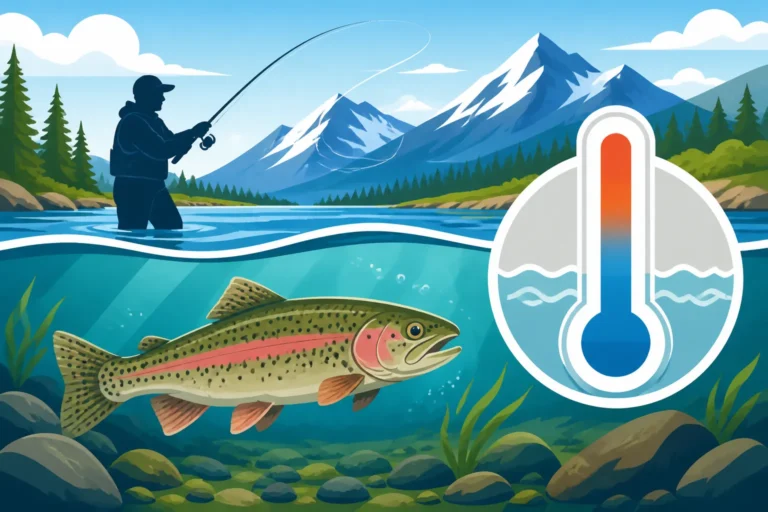
Lesser Slave Lake, being such a large and relatively deep body of water, develops a distinct thermocline in the summer. This is that invisible layer where the warm surface water meets the colder, deeper water. Walleye, being cool-water fish, will often gravitate towards this thermocline or just below it, seeking comfort and higher oxygen levels. This means that instead of casting to shorelines, you're now often looking for fish in 15 to 30 feet of water, sometimes even deeper, especially during the brightest parts of the day. They might move shallower during low light conditions or if there's a strong baitfish presence, but generally, the summer hunt takes you offshore. Understanding the lake's contours and depths becomes paramount, often requiring good electronics to pinpoint these cooler, deeper zones.
Forage and Feeding Patterns
In summer, Lesser Slave Lake is teeming with baitfish. Cisco (lake herring) and yellow perch are abundant, forming the primary diet for hungry walleye. This also means walleye aren't as opportunistic as they might be in spring; they're actively hunting specific forage. Your lure choice needs to mimic these natural food sources in size, shape, and action. If the walleye are gorging on smaller cisco, a large crankbait might get ignored. Conversely, if they're keyed into larger perch, a tiny jig might not get a second look. Pay attention to any signs of baitfish on your sonar, or even visual cues like diving birds, as these can tell you exactly what the walleye are feeding on and where to focus your efforts. This often leads to a pattern that you can replicate across similar structures on the lake.
Structure and Transition Zones
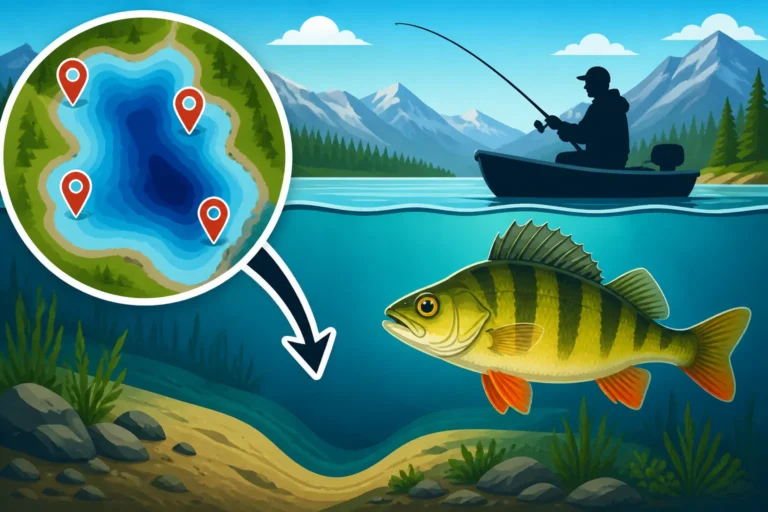
Walleye are masters of relating to structure, and Lesser Slave Lake offers an incredible variety of it. In summer, they'll often be found hugging hard bottom features like rocky humps, submerged points, gravel bars, and especially the edges of deep weed lines. These spots offer ambush points for baitfish, cooler water, and a sense of security. The "transition zones" – where a flat suddenly drops into a deep channel, or where a hard bottom meets a soft, silty bottom – are absolute magnets for walleye. They can sit on the edge, moving up to feed when opportunity knocks, then retreating quickly. Don't just look for isolated humps; consider how these structures connect to deeper water highways and how current or wind might funnel baitfish to them. These are prime locations to explore when you're trying to figure out where to find walleye in Alberta.
Top Walleye Lures for Lesser Slave Lake Summer Success
Now that we've got a handle on where the walleye might be hiding and what they're eating, let's talk about the actual tools of the trade. Choosing the right lure isn't just about picking something shiny; it's about matching the conditions, the fish's mood, and your preferred fishing technique.
Crankbaits for Trolling and Casting
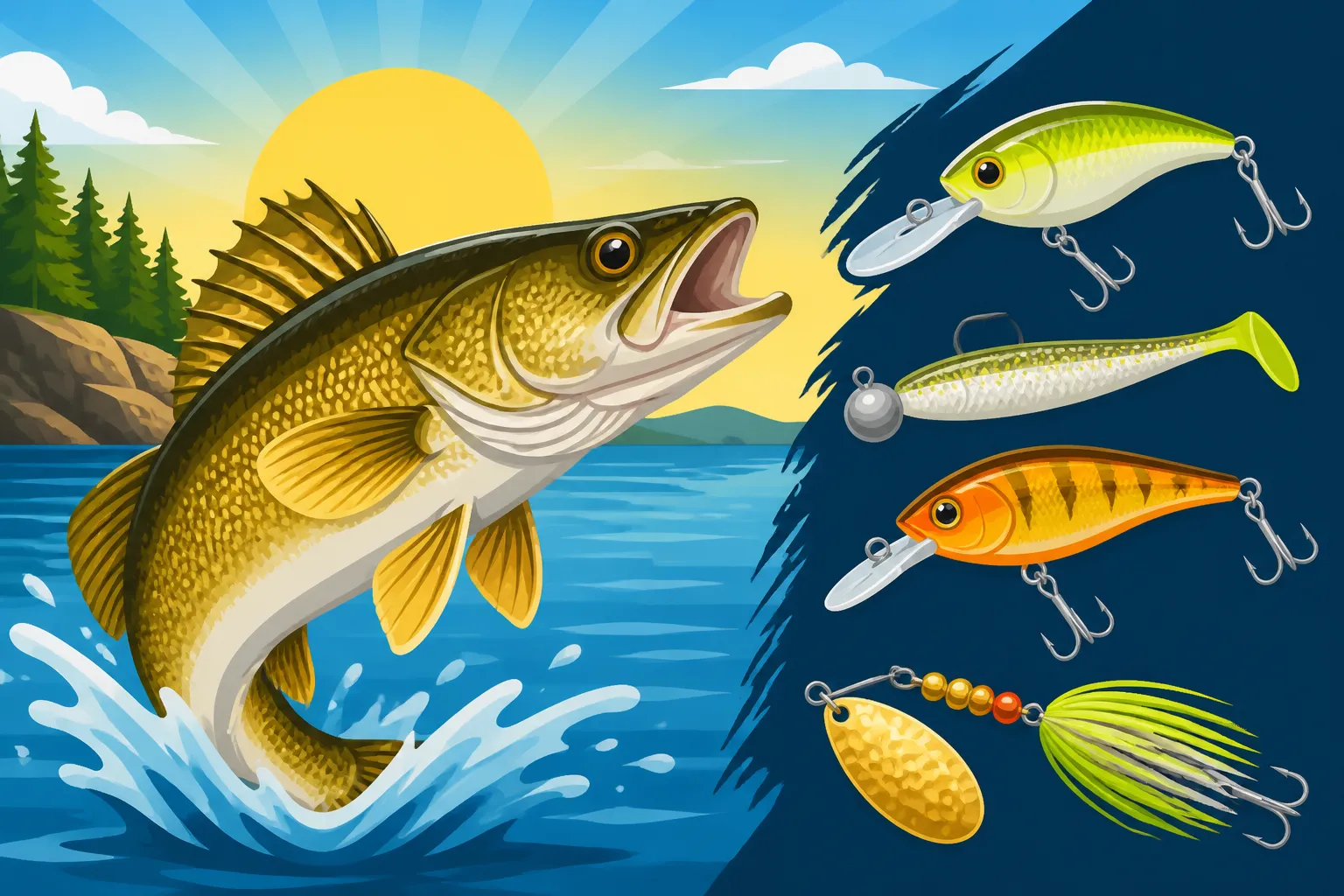
Crankbaits are arguably the king of summer walleye lures on Lesser Slave Lake, especially when you're looking to cover vast amounts of water and find active fish. The key here is using deep-diving models that can reach the thermocline or hug the bottom in 15-30+ feet of water.
- Deep-Diving Minnow Imitations: Lures like the Rapala Deep Tail Dancer or Berkley Flicker Shad are absolute staples. Their erratic wobble and deep diving lip allow them to get down to where the walleye live. Colors that imitate cisco (silvers, blues, purples) or perch (greens, oranges, yellows) are usually top producers. You'll want to experiment with trolling speeds, from a slow crawl around 1.5 mph up to a faster 2.5 mph, letting the lure's action do the work. Remember, sometimes a slight deviation in boat speed or direction can trigger a strike. Many anglers stock up on a variety of these, finding good deals and selections on platforms like Amazon to ensure they have the right colors and diving depths for any given day.
- Lipless Crankbaits for Weeds: While less common for deep trolling, lipless crankbaits like the Rapala Rippin' Rap or Strike King Red Eye Shad can be deadly when walleye are holding just outside or on top of deeper weed beds. A cast-and-retrieve method, often with a rip-pause retrieve, can draw aggressive strikes. These are particularly effective in areas where weeds don't grow too tall but provide good cover for baitfish and walleye.
Jigging Raps and Blade Baits for Vertical Presentations
When walleye are tightly schooled on specific pieces of structure, or when you’ve marked fish directly beneath your boat, vertical jigging with lures like Jigging Raps or blade baits becomes incredibly effective. This technique allows for precise lure placement and can often entice strikes from less aggressive fish.
- Jigging Raps (Swim Jigs): These unique lures, like the Northland Fishing Tackle Puppet Minnow or the classic Rapala Jigging Rap, mimic a dying baitfish darting and circling. Drop them directly to the fish or structure, and use a sharp snap of the rod to lift them a foot or two off the bottom, letting them helicopter back down on a slack line. The strike often comes as the lure falls. Vary your jigging cadence until you find what the walleye prefer. They're excellent for pinpointing fish on humps or along drop-offs, giving you a chance to effectively target fish you see on your fish finder.
- Blade Baits: Lures such as the Johnson Thinfisher or Sebile Vibrato generate a powerful vibration and flash, making them excellent search baits even when jigging vertically. They are particularly effective in deeper water or when trying to call fish in from a wider area. A short, sharp lift followed by a controlled fall is the typical retrieve. The vibration can be felt right up the rod, indicating the lure is working correctly. These are fantastic for probing rocky bottoms and transition zones, often triggering a reaction strike rather than a feeding bite.
Spinner Rigs and Bottom Bouncers
A tried-and-true method for walleye across North America, the spinner rig fished with a bottom bouncer is incredibly effective on Lesser Slave Lake, especially in summer. This setup keeps your bait or lure near the bottom where walleye often feed, while the spinning blade provides attraction.
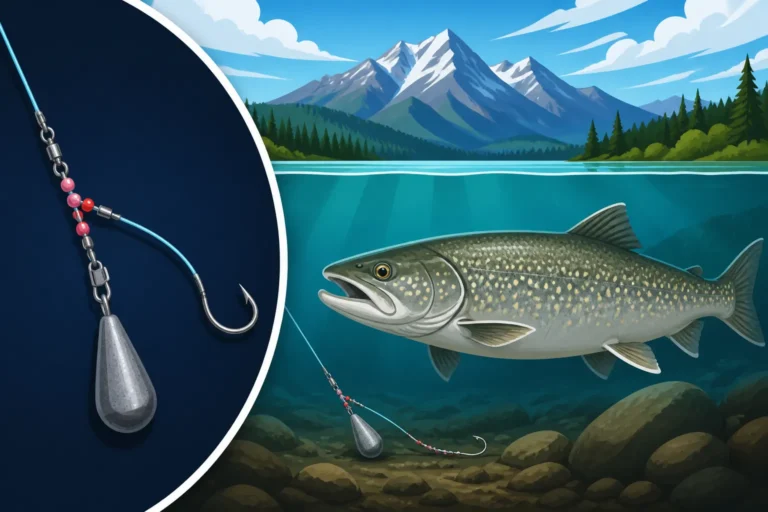
- The Classic Walleye Rig: A bottom bouncer of 1 to 2 ounces (depending on depth and speed) followed by a snell with a spinner blade (Colorado, Indiana, or willowleaf) and a hook is a lethal combination. Tipping the hook with live bait like a leech, minnow, or a nightcrawler is traditional, but artificial alternatives like Berkley Gulp! Alive! crawler harnesses can be just as potent and often more convenient. The spinner rig offers a more subtle presentation than a crankbait and is fantastic for working specific contours slowly. Many anglers find success by slowly dragging these rigs along the edges of weed beds or up and over humps. If you want to dive deeper into techniques, check out guides on How to Catch Walleye in Alberta.
- Blade Color and Size: Experiment with blade colors. Gold and silver are classics for bright days, while chartreuse, orange, or firetiger can shine in stained water or on cloudy days. Blade size should also be considered; smaller blades (size 3-4) for finicky fish, larger ones (size 5-6) for aggressive biters or to create more vibration. Sometimes, even the smallest detail, like a particular blade color, can make all the difference on a tough bite.
Soft Plastics for Finesse Applications
While often associated with bass fishing, soft plastics, when paired with the right jig head, can be incredibly versatile and effective for summer walleye, especially when they are lethargic or pressured.
- Grub Tails and Paddle Tails: A simple curly-tail grub (like a Mister Twister Sassy Grub) or a paddle-tail swimbait (such as a Keitech Swing Impact Fat) on a 1/4 to 3/8 ounce jig head can be deadly. These can be cast and retrieved slowly along shallower breaks, or vertically jigged directly below the boat. The subtle action of the tail can be irresistible to walleye that are not willing to chase a faster-moving lure. Experiment with colors, often natural baitfish colors (greens, browns, clear with flake) work best, but sometimes a bright chartreuse or orange can trigger a reaction.
- Artificial Worms: While traditional live nightcrawlers are excellent, artificial worms like the Berkley Gulp! Alive! lineup can be threaded onto a jig head or a spinner rig for added scent and durability. They offer the scent of live bait without the hassle of keeping it alive, and they hold up much better to aggressive strikes or multiple fish. This is a great option when walleye are picking up on scent trails.
Practical Tips for Lure Presentation and Retrieval
Having the right lure is only half the battle; knowing how to present it effectively is where the real magic happens. Walleye can be incredibly finicky, and subtle changes in your technique can often lead to a successful day.
Mastering Trolling Speeds and Depths
Trolling is a fantastic way to cover water and locate active fish on Lesser Slave Lake. But it's not just about putting lures in the water and driving around. Precision is key.
- Speed Control: As mentioned earlier, walleye prefer specific speeds. Often, 1.5 to 2.5 mph is the sweet spot, but sometimes faster or slower is required. Use your boat's GPS or trolling motor display to maintain a consistent speed. If you have multiple lines out, vary the lure types and depths to find what's working. For deeper dives with crankbaits, you'll generally want to slow down slightly to allow the lip to dig, or speed up slightly for a shallower retrieve. Exploring different strategies can also include looking into Trolling Techniques for Alberta Lake Trout as some principles can apply to walleye.
- Line Counter Reels and Lead Core: To consistently hit specific depths, line counter reels are invaluable, especially when using monofilament or fluorocarbon. For even deeper presentations or to use smaller lures in deep water, lead core line or snap weights can be a game-changer. These allow you to fine-tune your depth and present lures precisely in the strike zone, whether that's right on the thermocline or just ticking the top of a submerged rock pile. Knowing exactly how much line to let out for a specific lure and depth is a skill that comes with practice but pays off immensely.
The Art of Jigging in Lesser Slave Lake
Jigging is a more active and engaging way to fish, offering a direct connection to the lure and any fish that might be investigating it. It's perfect for when you've pinpointed fish on your electronics.
- Vertical Jigging Precision: When jigging with a Jigging Rap or blade bait, try to keep your boat directly over the fish you're marking. Use your trolling motor to maintain position. Drop your lure just past the fish, then retrieve it up to their level. A sharp snap of the wrist followed by allowing the lure to fall on a semi-slack line is crucial. Watch your line closely for any twitch or hesitation as the lure falls – that's often a strike. This technique is often effective during the Best Time of Day to Catch Walleye, such as dawn or dusk, when walleye might be more active.
- "Strolling" or Drift Jigging: If fish are scattered over a flat, "strolling" (using your trolling motor to move slowly while jigging) or drift jigging (letting the wind push you) can be effective. This allows you to cover more ground while still presenting the lure vertically. Pay attention to how the lure feels on the bottom; a too-light jig will get pulled off, a too-heavy jig won't have good action. Matching jig weight to depth and drift speed is crucial.
Bait Selection and Enhancements
Even with the best lures, sometimes walleye need a little extra convincing. Live bait or scent enhancements can make a significant difference.
- Tipping Jigs and Spinner Rigs: A small piece of live bait, such as a minnow head, a tiny leech, or a portion of a nightcrawler, can add natural scent and action to jigs and spinner rigs. This can be the difference-maker on tough days when walleye are sluggish or merely nipping at your artificial offerings. Always ensure you're aware of the specific regulations for using live bait in Alberta, as some waters have restrictions. If you're looking for more details on what works, check out Best Baits for Walleye on Lesser Slave Lake.
- Scent Sprays and Gels: For those who prefer purely artificial lures, adding scent sprays or gels can significantly increase their effectiveness. Brands like Pro-Cure or Berkley Gulp! Alive! spray can mask human scent and add an irresistible attractant that walleye can detect from a distance. Apply them frequently, especially after catching a fish or if you haven't had a bite in a while.
Essential Gear Beyond the Lure
While the right lure is paramount, the supporting cast of your fishing gear is equally important for success on Lesser Slave Lake. Having the proper rod, reel, line, and electronics can amplify your lure's effectiveness and your overall experience.
Rod, Reel, and Line Considerations
The right setup will help you feel those subtle walleye bites and successfully land bigger fish.
- Trolling Setups: For trolling crankbaits, a medium-light to medium power rod, 7 to 8 feet long, with a moderate action is ideal. This softer action allows the rod to absorb the shock of a strike and prevent hooks from pulling out. Pair this with a baitcasting reel spooled with 10-14 lb monofilament or 20-30 lb braided line with a fluorocarbon leader. The stretch of mono can be beneficial, while braid offers sensitivity and less drag in the water. For more general advice, you might find tips in Best Rods for Alberta Rivers that can be adapted.
- Jigging Setups: For vertical jigging, a sensitive medium-light to medium power spinning rod, typically 6'6" to 7' in length, with a fast or extra-fast tip is preferred. This allows you to feel even the slightest tap. Combine this with a good quality spinning reel spooled with 8-10 lb braided line and a 6-10 lb fluorocarbon leader. The braid's no-stretch properties transmit every bump and bite directly to your hand. When purchasing new gear, it’s worth checking sites like Amazon for a wide selection and comparative pricing on various brands and models.
Electronics and Mapping
On a large lake like Lesser Slave, your fish finder and GPS mapping are not just luxuries; they are necessities for consistent success.
- High-Quality Fish Finder: A good sonar unit, preferably with down imaging and side imaging capabilities, will help you locate structure, baitfish, and walleye schools. Learning to read your sonar is a skill in itself, but it's crucial for understanding the underwater topography and where fish are holding. Look for detailed bottom readings and clear arches or dots indicating fish. Some units even offer real-time mapping to help you mark productive spots accurately. For deeper insights, consider reading about Best Fish Finders for Alberta Lakes.
- GPS Mapping: Integrated GPS with detailed lake maps (like those from Navionics or Lakemaster) allows you to precisely navigate to humps, drop-offs, and other waypoints you’ve saved. It’s also essential for accurately trolling contour lines and returning to productive spots. Dropping virtual "waypoints" on your fish finder whenever you catch a fish or mark a significant piece of structure is a habit that will pay dividends. This allows you to build a personal map of Lesser Slave Lake's most productive spots over time, making future trips even more successful.
When you're out on Lesser Slave Lake this summer, remember that success often comes down to adapting to the conditions and being willing to experiment. Don't be afraid to try different lures, colors, and retrieval speeds until you unlock the walleye's secrets for the day. And always remember to check the current Alberta Walleye Limit by Zone before heading out!
Disclaimer
Fishing regulations can change. It is your responsibility to consult the current Alberta Guide to Sportfishing Regulations before heading out on the water. This article is for informational purposes only and does not constitute legal advice regarding fishing regulations.