Best topwater lure for dawn pike fishing
There’s nothing quite like the stillness of an Alberta morning, just as the sun begins to kiss the horizon, and the air carries a crisp promise of a new day. For many anglers, this isn't just a beautiful sight; it's prime time for chasing northern pike with topwater lures. The sheer thrill of a massive pike exploding on a surface bait is addictive, but choosing the best topwater lure for these dawn raids can feel overwhelming with all the options out there. This guide is here to cut through the noise, helping you understand why dawn is so magical for pike, the types of topwater lures that truly shine, and how to use them effectively to trigger those unforgettable strikes.
Why Dawn is Prime Time for Alberta Pike
Pike are opportunistic predators, and their behavior is heavily influenced by light conditions and water temperature. Dawn offers a unique combination of factors that make them particularly aggressive and receptive to surface presentations.
The Low-Light Advantage
As the sun begins its ascent, but before it truly dominates the sky, the low-light conditions provide a distinct advantage for northern pike. These ambush predators often prefer dimmer light because it helps them conceal themselves from prey. The subtle shadows and reduced visibility make it harder for baitfish and other small creatures to spot an incoming pike, turning the early morning into a strategic hunting ground. The water temperature is also usually at its coolest point of the day at dawn, which can stimulate pike activity, especially in warmer months when they might retreat to deeper, cooler waters during the brighter parts of the day. This combination creates a perfect window where pike are actively seeking meals and are less wary.
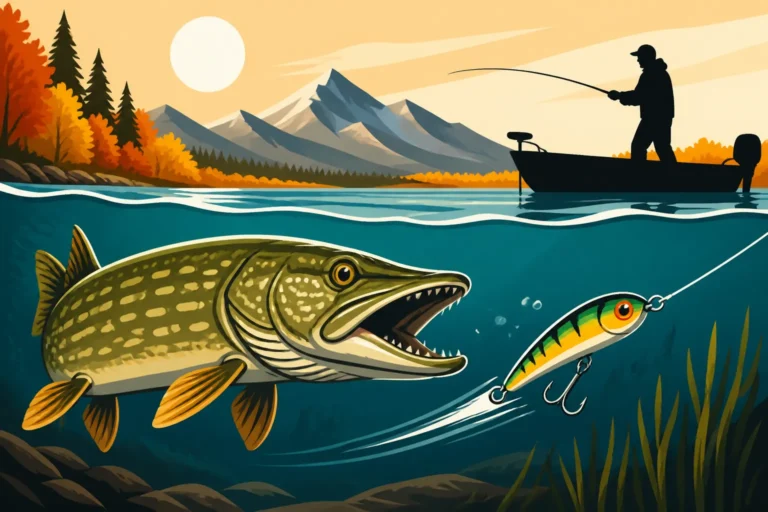
Imagine yourself casting into a glassy lake or a calm section of river. The surface is just beginning to shimmer with the first light, and suddenly, a lure skitters across the top. To a pike, that erratic movement in the low light mimics a disoriented or injured baitfish, making it an irresistible target. It’s a classic case of right place, right time, with the right presentation, and that low light is the catalyst.
Shallow Water Ambush Points
At dawn, northern pike frequently move into shallower waters to feed. These areas, rich with aquatic vegetation, fallen timber, or rocky structures, become their primary hunting grounds. Weedy flats, lily pad fields, and the edges of drop-offs offer ideal cover from which to launch an ambush. The baitfish themselves are often active in these shallow zones, grazing on algae or insect larvae, making them easy targets for hungry pike.
During these early hours, these shallow havens are cooler and more oxygenated than they might be later in the day, especially during summer. This allows pike to expend less energy while hunting. When you combine the pike's preference for shallow cover with the low-light conditions, you have a perfect storm for topwater action. A lure splashing and gurgling over a weed bed at dawn is essentially screaming "easy meal" to a pike waiting in the shadows. Knowing where these fish are positioned is half the battle, and dawn frequently finds them just feet from the bank, ready to strike. For more insight into these prime locations, check out our guide on the Best Fishing Lakes in Alberta.
Understanding Topwater Lures for Pike
Topwater fishing for pike isn't just about the visual spectacle; it's about leveraging the fish's predatory instincts with lures designed to create specific surface disturbances. Each type of topwater lure has its own unique characteristics that make it effective in different situations.
The Appeal of Surface Commotion
What is it about a lure dancing on the surface that drives pike wild? It's primal. Pike are highly visual predators, and the commotion on the water's surface triggers a strong instinctual strike response. Whether it's the splash of a popper, the side-to-side glide of a walker, or the gurgle of a buzzbait, these movements perfectly mimic a struggling critter – a frog, a mouse, or a panicked baitfish – trapped on the surface. This vulnerability is a powerful attractant.
The sound component also plays a massive role. The audible "pop," "gurgle," or "buzz" travels through the water, alerting pike to the presence of potential prey long before they see it. This is especially crucial in low-light conditions or slightly stained water, where visibility is reduced. The surface disruption creates a silhouette against the sky, making the lure easy for a pike to track from below. The anticipation of that surface strike is what makes topwater fishing so incredibly exciting, and Alberta's pike often deliver explosive, heart-stopping action.
Key Characteristics of Effective Pike Topwaters
Not all topwater lures are created equal, especially when targeting the toothy maw of a northern pike. There are a few key characteristics you should always look for to ensure your lure stands up to the challenge and effectively entices strikes.
First and foremost is durability. Pike have incredibly sharp teeth, and a flimsy plastic lure won't last long. Look for lures made of sturdy ABS plastic or high-quality wood. Many anglers even reinforce their favourite lures with epoxy. Next, consider the hook strength. Stock hooks on some lures might be too light for a determined pike. Swapping them out for stronger, sharper treble hooks is often a wise move. This ensures better hook-ups and reduces the chance of a lost fish or a straightened hook.
Size and profile are also critical. While pike will hit smaller baits, a topwater lure in the 4-7 inch range is often ideal for attracting larger fish. The profile should be substantial enough to create a good wake or splash but not so large that it spooks wary fish. Finally, the distinct action of the lure is paramount. Whether it's a tight walk, a loud pop, or a consistent buzz, the lure needs to create a disturbance that is both enticing and believable to a pike. Consider how different actions might perform in calm versus choppy water. For tips on other effective lures, consult our guide on Best Lures for Northern Pike in Alberta.
| Lure Type | Primary Action | Ideal Conditions | Retrieve Style | Pike Activity Level |
|---|---|---|---|---|
| Popper | Explosive "pop" and splash | Calm to light chop | Pop-pause-pop, erratic, varying pauses | Moderate to Active |
| Walk-the-Dog | Side-to-side gliding action | Calm to light ripple | Consistent "walk," jerks and slack line | Moderate to Finicky |
| Buzzbait | Gurgling, buzzing propeller | Moderate chop, stained water | Steady, fast retrieve, keeps it on surface | Very Active |
| Prop Bait | Splashing propeller(s) | Calm to light chop | Jerk-pause, steady, varies with number of props | Moderate to Active |
| Soft Plastic Frog | Realistic walking, gurgle | Heavy cover (lily pads) | Hop, twitch, pause, pull over vegetation | Moderate to Active |
Top Topwater Lures for Alberta Dawn Pike
When the sun is just peeking over the horizon in Alberta, certain topwater lures truly stand out in their ability to draw out aggressive northern pike. Let’s dive into the specifics of these top performers.
Poppers: The Splash and Gurgle Masters
Poppers are arguably the most iconic topwater lure, and for good reason. They feature a concave or scooped face that "pops" or "chugs" water forward when twitched, creating a noticeable splash and gurgle. This action perfectly mimics a struggling baitfish, a frog jumping into the water, or even a small mammal that's fallen in. The distinct sound and splash are incredible attractants, especially in low light when pike are relying on both sight and sound to pinpoint prey.
When fishing poppers at dawn, vary your retrieve. A common technique is to cast it out, let it sit for a few seconds to let the ripples dissipate, then give it a sharp twitch to create a loud pop. Follow this with a pause, then another pop, and so on. Sometimes pike want a rapid succession of pops, while other times, a longer pause between pops can be the key, mimicking a truly distressed animal. Poppers excel when pike are holding near prominent cover like docks, submerged logs, or dense weed lines, and in calm to lightly rippled water. Brands like the Heddon Pop-R or Rapala Skitter Pop are classics and widely available, often found on Amazon, ready to provoke those explosive strikes.
Walk-the-Dog Lures: The Subtle Gliders
For a more subtle yet equally effective presentation, walk-the-dog style lures are a phenomenal choice at dawn. These lures, often torpedo-shaped or cigar-shaped, don't have a lip or propeller. Instead, their magic lies in the angler's ability to impart a unique, rhythmic side-to-side gliding action across the surface. This "walking" motion is incredibly realistic, resembling a confused or injured baitfish swimming erratically, or even a snake or lizard slithering across the water.
The retrieve technique for walk-the-dog lures involves a rhythmic series of twitches of the rod tip while simultaneously reeling in slack line. It takes a bit of practice to get the cadence right, but once mastered, it’s devastatingly effective. This lure shines brightest on calm water where its subtle action can be fully appreciated by a cruising pike. It’s also excellent when pike might be a bit more finicky, or when the water is clearer, and a less aggressive presentation is needed. Iconic examples include the Heddon Zara Spook, a timeless classic, or the Jackall Bonnie, both of which you can often find readily on Amazon. The walk-the-dog action can draw pike from surprising distances and often results in some of the most spectacular surface blow-ups.
Buzzbaits and Prop Baits: High-Energy Surface Disturbance
When you need to cover water quickly and call in active pike from afar, buzzbaits and prop baits are your go-to topwater weapons. These lures are all about creating maximum commotion and sound on the surface.
Buzzbaits feature a metal propeller blade that spins and gurgles when retrieved, churning the water and producing a loud, high-pitched buzzing sound. This creates a distinct sonic footprint that pike can feel and hear, even in stained or choppy water. They are typically fished with a steady, medium-to-fast retrieve, just fast enough to keep the blade spinning and the lure on the surface. Buzzbaits are fantastic for active pike patrolling large weed flats or shallow bays. The key is to keep them moving, allowing the continuous surface disruption to draw aggressive strikes.
Prop baits, on the other hand, feature one or two small propellers, usually at the front and/or back of the lure. Unlike buzzbaits which are often fished fast, prop baits can be fished with a jerk-and-pause retrieve, allowing the propellers to churn and spit water, then pausing to let the ripples spread. This stop-and-go action can be incredibly effective for pike that might be hesitant to chase a fast-moving buzzbait. The splash and gurgle of the propellers are more controlled, making them suitable for calmer mornings or when you want a slightly less aggressive approach than a buzzbait. Both types are excellent for provoking reaction strikes from hungry pike.
Tips for Maximizing Your Dawn Topwater Success
Having the right lure is only part of the equation. To truly unlock the potential of dawn topwater fishing for Alberta pike, you need to combine it with effective techniques and the right gear.
Retrieve Techniques and Cadence
The way you work your topwater lure is often more important than the lure itself. Pike are curious, but they're also smart. A predictable retrieve might get a follow, but a varied, erratic presentation is what often seals the deal.
For poppers, as mentioned, experiment with the duration and strength of your "pops" and the length of your pauses. Some days, a series of quick, aggressive pops followed by a long, silent pause is all it takes. Other days, a subtle "sip" followed by a short pause will be more effective. For walk-the-dog lures, focus on maintaining that rhythmic side-to-side glide, but don't be afraid to throw in an occasional twitch that breaks the pattern, making the lure dart erratically. With buzzbaits, while a steady retrieve is common, sometimes a momentary hesitation or slight increase in speed can trigger a strike. Always remember that a pike often watches a lure for a few seconds before committing. If you see a wake behind your lure, don't stop; keep working it, sometimes even speeding it up to trigger a reaction.
Reading the water and how the pike are reacting is crucial. If they’re swatting at the lure but not hooking up, slow down your retrieve, or shorten your pauses. If they're hitting hard and missing, speed it up slightly. The key is never to be afraid to experiment with your cadence until you find what the pike want that particular morning.
Gear Selection for Topwater Pike
The right rod, reel, and line setup can significantly improve your topwater success and ensure you can land those hard-fighting pike. A medium-heavy to heavy power casting rod, typically 6'6" to 7'6" in length, is ideal. This rod provides the backbone needed to cast larger topwater lures and to effectively set hooks into a pike's bony mouth. The length helps with casting distance and managing fish around cover.
Pair your rod with a baitcasting reel that has a moderate gear ratio (around 6.3:1 to 7.1:1). This offers a good balance of power for retrieving big fish and speed for working topwater lures effectively. For your line, many anglers prefer braided line (30-50 lb test) for topwater applications. Braid floats, which helps keep the lure on the surface, and its lack of stretch allows for excellent sensitivity and powerful hooksets. Since pike have razor-sharp teeth, a wire or heavy fluorocarbon leader (20-40 lb test) is absolutely essential to prevent bite-offs. Without a leader, your expensive topwater lure will become a trophy for an underwater pike. Our article on Best Line Weight for Pike Fishing can provide more detailed recommendations. You can find robust options for rods, reels, and leaders on platforms like Amazon.
Reading the Water and Choosing Your Spot
Success with dawn topwater pike fishing often comes down to understanding where pike are likely to be lurking. Look for areas that offer cover, food, and access to deeper water, making them ideal ambush points during low light.
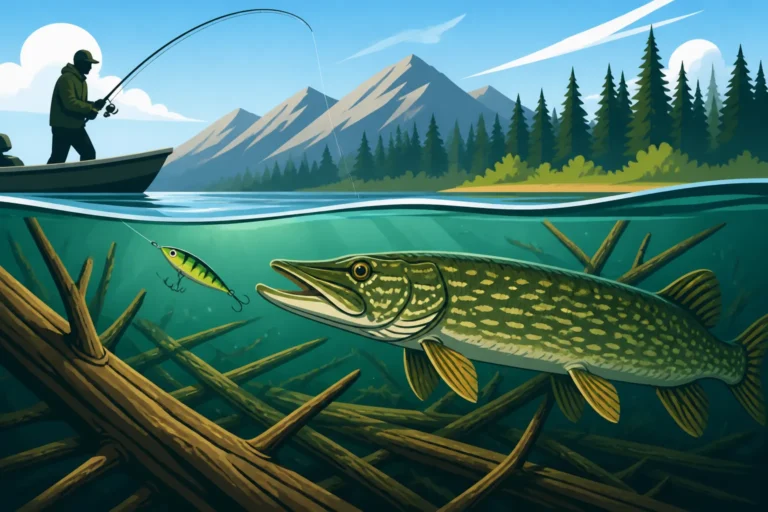
Weed lines and lily pad fields are prime real estate. Pike will often position themselves at the edges of dense vegetation, waiting for unsuspecting baitfish. Casting your topwater lure just outside the weed line, or even drawing it right over the top of sparse lily pads, can trigger explosive strikes. Fallen timber, submerged logs, and brush piles also provide excellent ambush cover. Pike will hold tight to these structures, especially if there's a slight depth change nearby.
Shallow bays and coves that warm up slightly faster than the main lake can also be hotspots, as baitfish will congregate there. Pay attention to areas where there's a slight current, as this can concentrate baitfish and, consequently, pike. Also, don't overlook transition zones – areas where one type of bottom structure (e.g., sand) meets another (e.g., rocks or weeds). These subtle changes often attract prey and, in turn, predators. The more you learn about Northern Pike Habits in Alberta Lakes, the better you'll become at identifying these key locations during those magical dawn hours.
Disclaimer
This article is for general informational purposes only and does not constitute professional advice. Laws, prices and regulations vary by location and change over time. Consult a qualified professional for guidance on your specific situation.