Best lakes for trophy pike in Alberta
For many anglers in Alberta, the ultimate dream isn't just catching a pike, but landing that truly massive, toothy monster – the kind that makes your arms ache and your heart pound. But finding these elusive giants can feel like searching for a needle in a haystack, leaving many wondering which waters truly hold the potential for a trophy catch. This guide will take you deep into the heart of Alberta's best trophy pike lakes, giving you the inside scoop on where to focus your efforts and how to increase your chances of hooking into the fish of a lifetime.
What Defines a Trophy Pike in Alberta?
When we talk about a "trophy pike" in Alberta, we're not just talking about any pike. We're talking about those true giants that stand out from the crowd, fish that have grown to impressive sizes thanks to abundant food sources and prime habitat. While what constitutes a "trophy" can be a little subjective, depending on who you ask, there are certainly benchmarks that most experienced anglers would agree on.
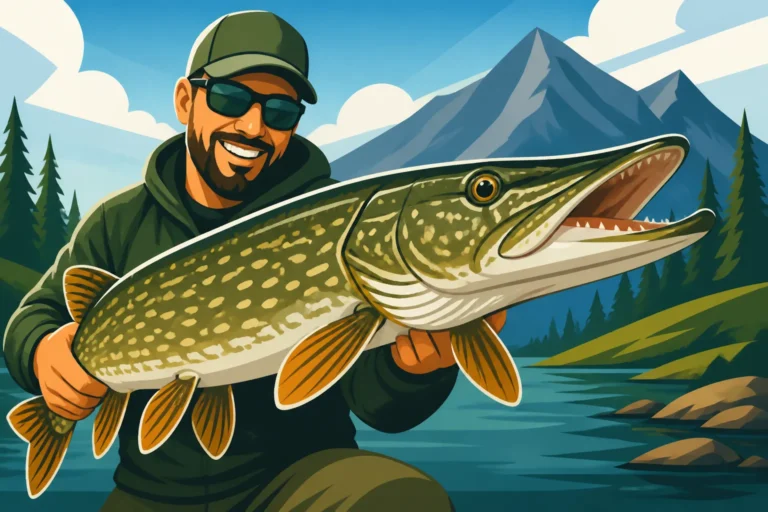
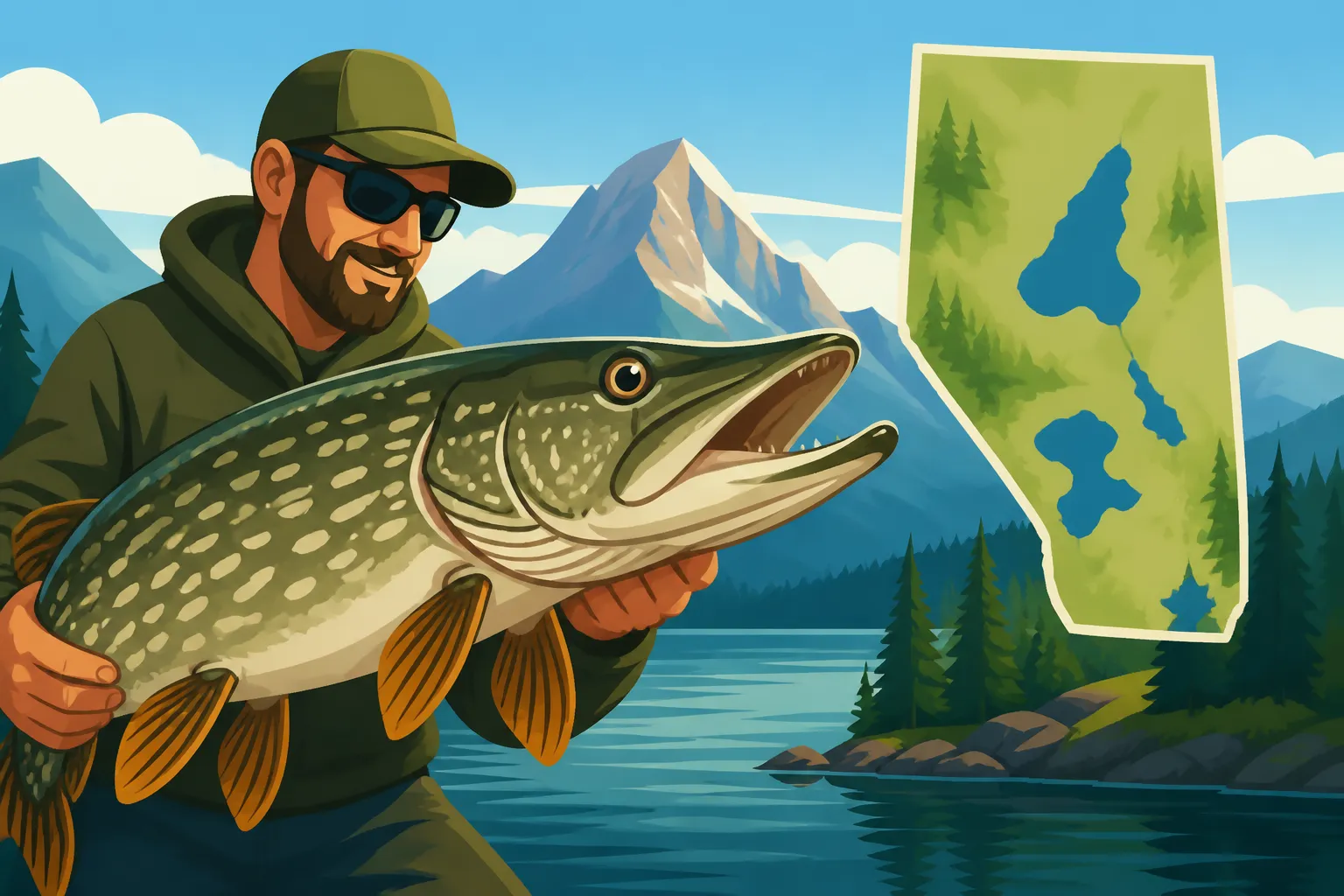
A pike generally starts to enter "trophy" consideration when it reaches the 40-inch mark. These are seriously long fish that command respect. However, the true behemoths, the ones that make headlines and stories around the campfire, are often 45 inches and above, sometimes pushing over 50 inches. Length is often the primary measure, but a truly thick, healthy pike with a significant girth can feel like an even more impressive catch, often weighing in at 20 pounds or more. The sheer power of a pike this size, especially when hooked in relatively shallow, weedy water, is an experience you won't soon forget. These fish are not only powerful but also incredibly old, having survived countless seasons and outsmarted many anglers. Understanding what you're aiming for helps you adjust your expectations and, more importantly, your gear and strategy to match the challenge.
Characteristics of Prime Trophy Pike Lakes
So, what makes a lake capable of growing these enormous pike? It's not just random luck; trophy pike lakes share several key characteristics that create the perfect environment for these apex predators to thrive and grow to incredible sizes. If you want to find big pike, you need to understand the kind of real estate they prefer.
Abundant Forage Base
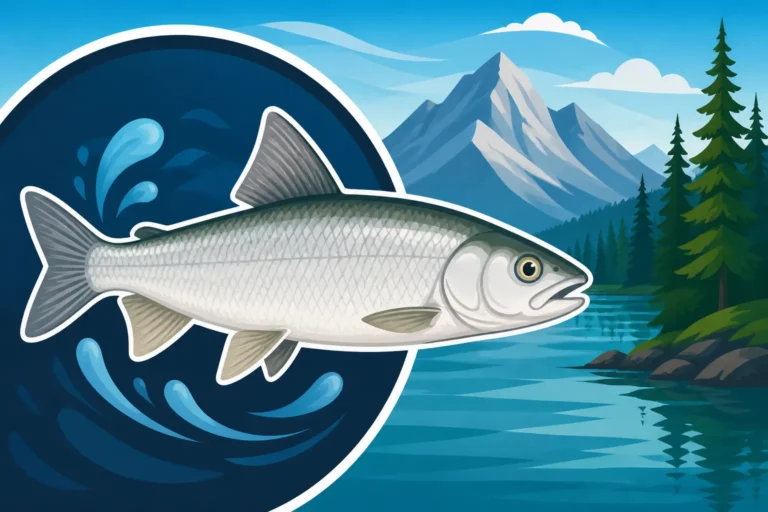
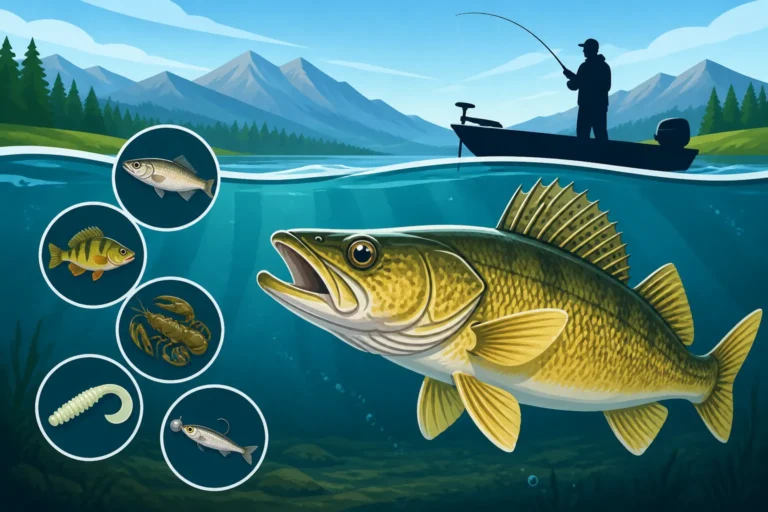
The number one factor for growing big pike is a rich and diverse food supply. Think of it like a restaurant with an endless buffet – if the pike can eat, they can grow. Lakes that consistently produce trophy pike often have massive populations of baitfish. This can include species like cisco (also known as lake herring), whitefish, perch, and suckers. These are high-protein meals that allow pike to pack on the pounds and reach their maximum genetic potential. When a lake's ecosystem supports a healthy forage base, it allows the pike to spend less energy hunting and more energy growing, making for fatter, longer fish. These larger baitfish also mean the pike themselves need to be larger to effectively hunt them, driving the growth cycle.
Diverse and Complex Habitat
Trophy pike don't just hang out in open water; they are ambush predators, and they need structure to hide in and launch attacks from. This means a prime trophy pike lake will have a variety of habitats. Look for extensive weed beds, especially large expanses of coontail or cabbage weeds, which provide perfect cover. Submerged timber, rocky points, sudden depth changes (drop-offs), and large shallow bays with plenty of cover are also crucial. These features offer pike places to hide, ambush unsuspecting prey, and retreat to deeper, cooler water when conditions demand. The more diverse the cover, the more options the pike have, and the more likely they are to grow old and wise in a particular spot. Large, relatively shallow bays with deep access nearby are often hot spots for these fish, especially during warmer months.
Size and Depth of the Lake
Generally, bigger lakes have the potential to produce bigger pike. This isn't just about surface area, but also about the complexity and sheer volume of water available. Larger lakes tend to have more diverse ecosystems, more food, and more varied habitat. They can also support a greater number of large fish without leading to overpopulation and stunted growth. While not all large lakes will hold trophy pike, the biggest fish often come from bigger bodies of water. Deeper lakes also offer thermal refuge for large pike during the warmer summer months, allowing them to escape the heat and remain active, even when shallow water gets too warm. This helps them maintain their feeding patterns and continue growing year-round. You'll often find that the best trophy pike lakes are those that are expansive, offering both shallow, weedy feeding grounds and deeper, cooler retreats.
Top Alberta Lakes for Trophy Pike
Alberta is blessed with incredible fishing opportunities, and while many lakes have pike, a select few truly stand out for their consistent ability to produce those jaw-dropping trophy specimens. These are the lakes where serious pike anglers spend their time, dreaming of that massive hit.
Lesser Slave Lake
Ah, Lesser Slave Lake. If you ask any serious Alberta pike angler where to find giants, this lake will almost certainly be at the top of their list. Located in north-central Alberta, it's one of the province's largest and most productive fisheries. What makes it a trophy pike factory? A huge part of its success lies in its incredibly fertile waters and immense forage base, particularly a thriving population of lake whitefish and cisco. These fatty baitfish provide the perfect fuel for pike to grow enormous.
The lake itself is relatively shallow for its size, but it boasts vast expanses of prime pike habitat: massive weed beds, intricate submerged structure, and countless bays and points where pike can ambush prey. While it's known for its incredible walleye fishery, the pike often get overshadowed, but they are absolutely there, lurking in the shadows, waiting for the perfect meal. Areas like the west basin, around the narrows, and the numerous shallow bays are well-known hotspots. Anglers here often use large spoons, oversized crankbaits, and big swimbaits to entice these monsters. Remember to practice careful northern pike catch and release techniques to help sustain this incredible fishery.
Cold Lake
Straddling the Alberta-Saskatchewan border in eastern Alberta, Cold Lake is a different beast entirely. It's one of Alberta's deepest lakes and famous for its monstrous lake trout, but it also harbors some truly massive northern pike. Unlike Lesser Slave, Cold Lake offers pike a mix of deep-water access and shallower, weedy bays, making it a versatile hunting ground. The pike here can grow to incredible sizes, feeding on the abundant cisco and whitefish populations, just like their lake trout cousins.
Trophy pike in Cold Lake are often found lurking along the edges of the deep structure, particularly where shelves and drop-offs meet shallower flats. Large, expansive bays with good weed growth on the Alberta side, such as those near Medley and French Bay, can be very productive. Anglers often target these fish by trolling large spoons or stickbaits, or by casting hefty swimbaits and jerkbaits into promising areas. The sheer size of the lake means there's a lot of water to cover, but the reward can be truly spectacular. For those targeting pike in this unique environment, understanding How to Catch Northern Pike in Alberta will be key.
Wabamun Lake
Just a short drive west of Edmonton, Wabamun Lake is another gem known for its significant pike population, including some very impressive specimens. While it might not have the same reputation for sheer monster pike as Lesser Slave, it consistently produces fish in the 40-inch range, with larger ones being caught every year. Wabamun's strength lies in its excellent water quality and abundant shallow, weedy areas perfect for pike.
The lake is teeming with yellow perch, which serve as a primary food source for the pike. Its numerous bays, points, and extensive weed beds provide ideal ambush points. Anglers often find success casting large spoons, spinnerbaits, and soft plastic swimbaits around these structures. Given its proximity to a major urban center, Wabamun is a fantastic option for a day trip where the potential for a trophy pike is very real. It's also a great spot to refine your techniques for Northern Pike Habits in Alberta Lakes before venturing further north.
Keho Lake
Located in Southern Alberta, east of Lethbridge, Keho Lake might not be as famous as the northern giants, but it's a legitimate contender for trophy pike, especially earlier in the season. Keho is a shallower, prairie lake, but it's incredibly fertile and packed with forage, primarily perch and suckers. These conditions allow pike to grow surprisingly fast and large.
Anglers targeting trophy pike on Keho often focus on the extensive weed lines and submerged structures. Due to its shallower nature, presentations often involve casting large spoons, spinnerbaits, and topwater lures (especially in low light conditions) that draw the attention of aggressive pike. While it can get quite windy on the prairies, when conditions are right, Keho offers an exciting opportunity for southern Alberta anglers to hook into big fish. Be sure to check the specific Alberta Northern Pike Limit before heading out.
Strategies and Gear for Trophy Pike
Catching a true trophy pike isn't just about being in the right lake; it's also about having the right approach, the right gear, and the patience to put in the time. These are often older, wiser fish, and they require a bit more finesse and specialized tactics than your average hammer handle.
Heavy-Duty Tackle is Non-Negotiable
When you're dealing with fish that can easily hit 20 pounds or more, your standard bass or walleye setup simply won't cut it. You need heavy-duty gear built to withstand the immense power and sharp teeth of a monster pike.
| Component | Recommendation | Why it Matters |
|---|---|---|
| Rod | Heavy power, fast action casting rod (7'6" to 9'0" length) | Provides the backbone to cast heavy lures and turn a big fish's head. Longer rods aid in casting distance and leverage. |
| Reel | High-quality baitcasting reel with a robust drag system (e.g., 300-400 size) | Essential for handling powerful runs and absorbing shock. A strong, smooth drag prevents line breaks. Look for models with a high retrieve ratio for quick line pickup. |
| Line | 50-80 lb braided line | Offers incredible strength, no stretch for solid hooksets, and abrasion resistance. Crucial for heavy cover. You can find excellent options on platforms like Amazon. |
| Leader | 80-150 lb fluorocarbon or strong wire leader (12-24 inches) | Absolute must to prevent bite-offs from pike's razor-sharp teeth. Fluorocarbon offers more stealth, while wire is foolproof. Never skimp here! |
| Lures | Large spoons, big crankbaits, oversized swimbaits, jerkbaits, large spinnerbaits | Trophy pike want a big meal. Lures from 6-12 inches are common. Colour choice often depends on water clarity and forage, but natural patterns and bright colours (firetiger, chartreuse) are popular. |
Using inadequate gear not only risks losing the fish but can also harm the fish if the fight is prolonged or the line breaks, leaving tackle embedded. Investing in proper pike gear is an investment in successful and responsible angling. If you're looking to upgrade your setup, many specialized pike fishing items, like extra-strong treble hooks for lure modification or heavy-duty swivels, can be found readily on Amazon.
Effective Lure Choices
Trophy pike are opportunistic feeders, but they often prefer a substantial meal. Don't be shy about throwing big baits.
- Large Spoons: Classic pike getters. Heavy spoons like the Red Eye Wiggler, Dardevle, or Doctor Spoon in sizes from 3/4 oz to 2 oz are incredibly effective. Flash and wobble are key.
- Oversized Crankbaits: Deep-diving crankbaits that mimic large perch, walleye, or cisco can be deadly, especially when trolling along drop-offs or over submerged structure. Look for sizes 6 inches and up.
- Swim Baits: Both hard-bodied and soft plastic swimbaits, particularly those over 8 inches, offer a realistic profile and action that big pike can't resist. Slow retrieves often work best.
- Jerkbaits: Large, suspending jerkbaits can be fantastic when retrieved with a stop-and-go action, mimicking a wounded baitfish.
- Spinnerbaits: Heavy-duty spinnerbaits with large blades create a lot of flash and vibration, making them excellent for ripping through weed beds.
When selecting lures, consider the forage base of the specific lake you're fishing. If the lake is full of cisco, a lure that mimics a cisco's profile and color could be a game-changer. For a comprehensive look at what works, check out Best Lures for Northern Pike in Alberta.
Trolling vs. Casting
Both trolling and casting have their place when targeting trophy pike.
- Trolling: This is often the preferred method for covering large expanses of water quickly, especially in big lakes like Lesser Slave or Cold Lake. Trolling allows you to present large baits at specific depths for extended periods, making it ideal for covering deep contours, open water structures, or long weed lines. A good fish finder can be invaluable here for identifying baitfish schools and underwater structure. You'll often be trolling at speeds between 2-4 mph, adjusting based on lure action and fish activity.
- Casting: When targeting specific cover like weed beds, rocky points, or submerged timber, casting is the way to go. This allows for a more precise presentation and the ability to work a lure through tight spots. Fan-casting an area, moving slowly, and paying attention to subtle changes in depth or cover can be highly effective. This is particularly useful in shallower lakes or bays.
Ultimately, a combination of both techniques will often yield the best results, using trolling to locate active areas and casting to thoroughly work productive spots. Make sure your boat is equipped for these types of expeditions; you might even find Best Boats for Alberta Lakes and Rivers helpful.
Seasonality and Timing
Trophy pike can be caught throughout the open water season, but certain times of the year offer distinct advantages.
- Spring (Post-Spawn): Shortly after ice-out and once pike have finished spawning, they are often hungry and aggressive, moving into shallow, warmer bays to feed heavily. This can be a prime time for big fish.
- Summer: While pike can be active all summer, the biggest fish often move to deeper, cooler water during the heat of the day, congregating around thermoclines or deep structure. Early mornings and late evenings can still produce in shallower areas.
- Fall: As water temperatures drop, pike once again become very active and feed aggressively in preparation for winter. They often move back into shallower bays and flats, gorging themselves on baitfish. This is arguably the best time for trophy pike, as they are at their heaviest and most active.
Understanding the Best Time of Year to Fish in Alberta will significantly improve your chances of encountering one of these magnificent fish.
Responsible Angling for Trophy Pike
Catching a trophy pike is an incredible experience, and with that comes the responsibility to ensure these magnificent fish can continue to thrive. Trophy pike are often older, slower-growing fish that are crucial for the genetic health of the population.
Catch and Release Practices
Most serious trophy pike anglers practice catch and release for their biggest fish. This isn't just a suggestion; it's a vital component of sustainable fishing. When you hook a monster pike:
- Use a large landing net: A big, rubberized net helps protect the fish's fins and slime coat. Avoid lifting heavy fish by the gills alone.
- Minimize air exposure: Get the fish back in the water as quickly as possible for photos and release.
- Handle with care: Support the fish horizontally, one hand under the belly and the other gripping the lower jaw. Avoid squeezing its midsection.
- Use appropriate tools: A good pair of long-nosed pliers or jaw spreaders (for deeply hooked fish) are essential for quick and safe hook removal.
- Revive properly: Hold the fish gently in the water, facing into the current, until it regains its strength and swims off on its own.
These practices ensure that the next angler, or even you, might have the chance to catch that same fish when it's even bigger.
Respecting Regulations
Always, and I mean always, consult the current Alberta Guide to Sportfishing Regulations before heading out. Regulations, including bag limits, size restrictions, and special harvest licenses, can vary significantly between lakes and zones. For instance, some lakes might have special possession limits or be catch-and-release only for pike. Ignorance of the rules is not an excuse, and penalties can be significant. Stay informed, fish legally, and contribute to the health of Alberta's incredible fisheries. You can find more details on topics like Alberta Fishing Regulations Explained and Reading the Alberta Guide to Sportfishing Regulations to ensure you're always fishing within the rules.
Catching a trophy pike in Alberta is a challenge, but it's a deeply rewarding one. By understanding what makes a lake productive, employing the right gear and techniques, and practicing responsible angling, you'll significantly increase your odds of turning that dream into a thrilling reality. Good luck out there, and may your next cast be the one!
Disclaimer
This article is for general informational purposes only and does not constitute professional advice. Laws, prices and regulations vary by location and change over time. Consult a qualified professional for guidance on your specific situation.