Best Kayaks for Alberta Fishing
Choosing the right fishing kayak for Alberta's incredibly diverse waters can feel like a daunting task, leaving many anglers feeling overwhelmed by the sheer number of options. From the fast-flowing trout rivers to the expansive, often windy, northern lakes, a single "best" kayak simply doesn't exist for every situation. This guide aims to cut through the confusion, helping you understand the key features and types of kayaks available so you can confidently select the perfect vessel to enhance your fishing adventures across our beautiful province.
Why Kayak Fishing in Alberta is a Game Changer
Kayak fishing has exploded in popularity, and for good reason, especially here in Alberta. It offers a unique blend of accessibility, stealth, and a truly intimate connection with the water and the fish below. Forget the noise and expense of a big motorboat for a moment; kayaking opens up a whole new world of angling possibilities.
The Freedom of Access
One of the most compelling advantages of kayak fishing is the unparalleled access it provides. You can launch a kayak in places where larger boats simply cannot go – shallow river bends, tucked-away marshy bays, or small, pristine mountain lakes without boat ramps. This means reaching untouched fishing spots, often teeming with fish that rarely see a lure. Think about those hidden pockets along the Bow River Fishing Guide or the calm backwaters of Lesser Slave Lake; these are prime kayak territories.
Hauling your kayak is also significantly easier than trailering a full-sized boat. Many models can be loaded onto a car roof rack, a pickup truck bed, or a small trailer, making spontaneous trips much more feasible. This freedom to explore means less time spent worrying about launching logistics and more time casting a line in places you might never have discovered otherwise. It truly democratizes fishing, allowing anyone with a vehicle and a kayak to explore vast stretches of Alberta's waterways.
Stealth and Intimacy with Nature
There's something incredibly special about gliding silently across the water, barely disturbing the peace. Unlike noisy motorboats that can spook fish from a hundred yards away, kayaks allow you to approach your target species with remarkable stealth. Whether you're sight fishing for wary trout in a clear mountain stream or stalking big northern pike lurking in the weeds, the quiet approach of a kayak gives you a distinct advantage.
This quietness also enhances the overall experience, fostering a deeper connection with the natural world. You'll hear the rustle of leaves, the calls of birds, and the subtle splash of a fish jumping, rather than the drone of an engine. It's an immersive experience that allows you to become part of the environment, not just an observer. This intimacy can make every catch, and even every cast, feel more rewarding.
Navigating Alberta's Diverse Waters
Alberta is a province of incredible hydrological variety, from the powerful, glacier-fed rivers like the North Saskatchewan to vast prairie reservoirs such as Lake Newell, and countless small, tucked-away ponds. A kayak, when chosen wisely, is an incredibly versatile tool for tackling this diversity. A nimble river kayak can navigate rapids and swift currents, while a stable, comfortable touring kayak can handle the chop of a larger lake.
However, this diversity also presents challenges. The strong winds that often sweep across large lakes like Cold Lake or Lesser Slave can turn a calm day into a battle against the elements. Meanwhile, navigating tight, brushy streams requires a different kind of maneuverability. This guide will help you select a kayak that aligns with the specific types of Alberta waters you plan to fish most often, ensuring you have the right tool for the job.
Key Considerations When Choosing a Fishing Kayak
With so many kayaks on the market, it's easy to get lost in the details. But when it comes to Alberta fishing, a few core considerations should guide your decision. Thinking about how and where you'll primarily use your kayak will help narrow down the options significantly.
Stability vs. Speed
This is often the biggest trade-off when selecting a fishing kayak. Stability is paramount for many anglers, especially if you plan to stand up and cast, or if you're fishing in potentially choppy conditions. A wider kayak with a flatter hull design generally offers superior initial and secondary stability, meaning it feels solid when you first get in and remains stable even if tilted slightly.
However, increased stability often comes at the cost of speed and tracking. Wider kayaks can be slower to paddle and harder to keep in a straight line, which can be tiring on long paddles across a large lake or when fighting strong river currents. Conversely, a narrower, longer kayak will cut through the water more efficiently, making it faster and easier to cover distances, but you'll sacrifice the ability to stand comfortably or feel secure in rougher water. Consider if you prioritize standing to sight fish for pike in shallow weed beds or covering miles on a large reservoir for lake trout.
Propulsion: Paddle, Pedal, or Motor
How you move your kayak impacts your fishing experience dramatically.
Paddle Power
Traditional paddle kayaks are the most common and often the most affordable. They offer excellent exercise and simplicity. For many small lakes, slow rivers, or intimate streams, a paddle kayak is perfectly adequate. You'll use a double-bladed paddle, propelling yourself forward with arm and core strength.
The downside is that your hands are occupied when paddling, making it challenging to fish and move simultaneously. This can be a disadvantage when trying to hold a position against a current or actively troll a lure. However, they are generally lighter, easier to transport, and require less maintenance than their mechanically driven counterparts. Many anglers prefer the direct control and silent glide of a paddle kayak, especially when targeting spooky fish in quiet waters. Best Paddle Length for a Fishing Kayak will also be a key consideration here.
Pedal Power
Pedal-drive kayaks have revolutionized kayak fishing, offering a hands-free experience that many anglers swear by. These systems typically use either a propeller (like Hobie's MirageDrive) or a fin-drive (like Old Town's Sportsman PDL) that you operate with your feet, similar to riding a bicycle. This allows you to steer with one hand and fish with the other, constantly adjusting your position, trolling, or holding steady in a breeze.
The ability to maintain boat control while actively fishing is a huge advantage, especially when chasing fast-moving species or navigating complex structures. However, pedal kayaks are generally heavier, more expensive, and have more moving parts that require maintenance. They also may not perform as well in extremely shallow, weedy areas where a propeller or fins can get fouled. If your budget allows and you value hands-free operation, a pedal-drive kayak is often a top choice for serious anglers.
Motorization Options
For those who want to cover significant distances, fight strong winds on large lakes, or simply prefer less physical exertion, adding an electric trolling motor is an option. Many fishing kayaks are now designed to accept a transom-mount or even a bow-mount trolling motor. This transforms your kayak into a miniature, highly portable bass boat, allowing for effortless navigation and trolling speeds.
However, motorization introduces additional costs for the motor itself, batteries, and charging equipment. You'll also need to consider battery life and how to manage the extra weight. While a trolling motor provides ultimate convenience, it does take away from the quiet, intimate aspect of traditional kayak fishing. Always check local regulations regarding motorized kayaks, as some specific waters might have restrictions. If considering this route, research Best Trolling Motor for a Fishing Kayak.
Storage and Rigging Needs
Think about all the gear you typically bring on a fishing trip: rods, tackle boxes, a cooler, safety equipment, and perhaps a Best Portable Fish Finder for Kayak Fishing. A good fishing kayak will have ample, accessible storage options.
Rod Holders and Gear Tracks
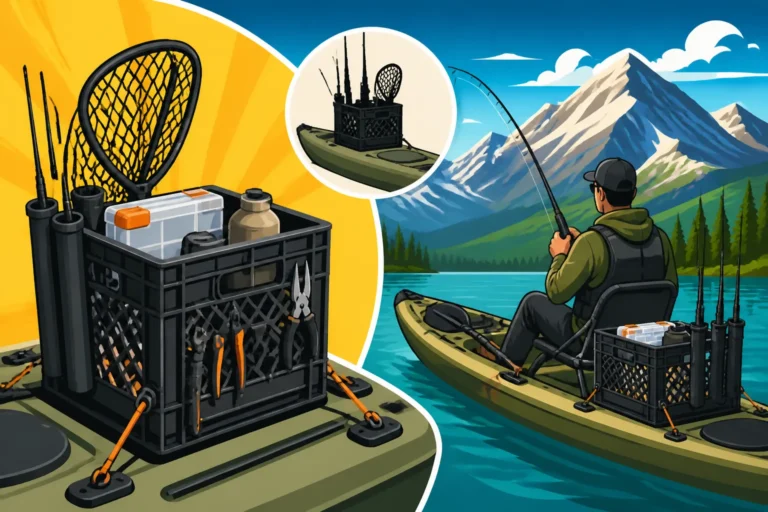
At a minimum, look for flush-mount rod holders for carrying extra rods. Even better are kayaks with accessory tracks (like the popular GearTrac system) that allow you to easily mount and adjust additional rod holders, fish finders, camera mounts, and other accessories without drilling permanent holes. This modularity is invaluable for customizing your setup.
Many anglers find that having multiple rod holders strategically placed for trolling, storing a net, or holding a camera vastly improves their day on the water. These tracks also make it easy to reconfigure your setup for different fishing styles or species. You can find a wide array of mounting options, often from brands like Scotty or YakAttack, that fit these track systems perfectly.
Hatches and Storage Wells
Front, middle, and rear hatches provide dry storage for valuables, extra clothing, or lunch. Ensure these hatches have secure, watertight seals. Open storage wells, often with bungee cords, are ideal for tackle crates, a cooler, or a dry bag. Best Dry Bag for Kayak Fishing is an essential accessory. Some kayaks even feature specialized tackle management systems integrated into the hull.
Consider the layout: can you easily access your most-used tackle without having to twist uncomfortably or risk tipping over? A well-designed kayak will keep essential gear within arm's reach while securing less-used items safely away. For longer trips, ample storage for extra food, water, and emergency supplies becomes even more critical.
Types of Fishing Kayaks Best Suited for Alberta
Just like there are different types of fishing, there are different types of kayaks designed to excel in specific conditions. Understanding these categories is key to finding your perfect match for Alberta's waters.
Sit-on-Top Kayaks: The Alberta All-Rounder
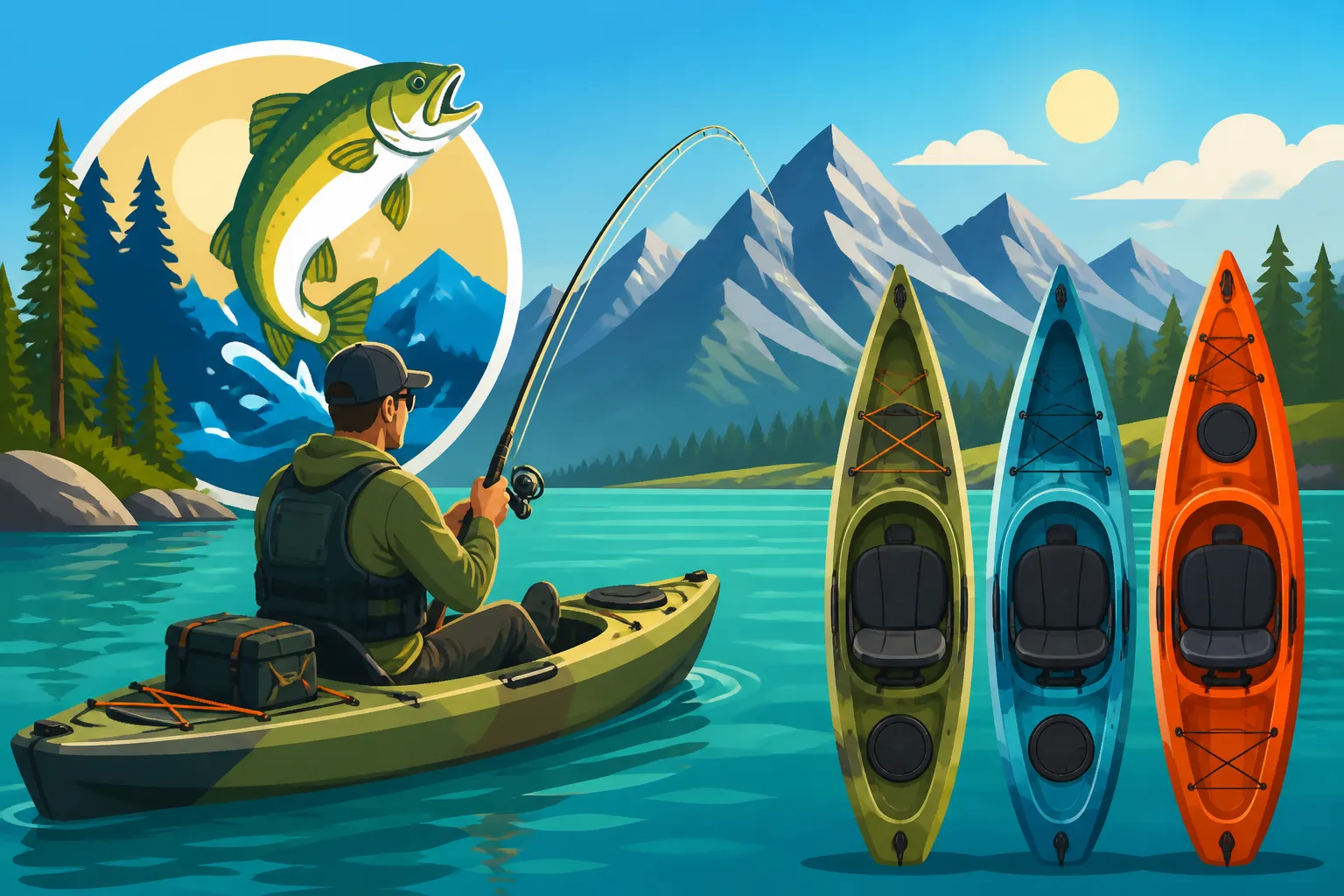
Sit-on-top (SOT) kayaks are by far the most popular choice for fishing, and for good reason. As the name suggests, you sit on top of the kayak in a molded seat, rather than inside a cockpit. This design offers several significant advantages for anglers.
Advantages for Anglers
The primary benefit of SOT kayaks is their excellent stability. Their wider hulls and self-bailing scupper holes mean they handle splashes and small waves without taking on water, making them incredibly forgiving. If you do happen to flip (which is rare with modern fishing SOTs), it's easy to re-enter from the water. This sense of security is particularly appealing for beginners or those who plan to stand and cast.
SOTs also typically offer superior deck space for gear, with open wells and plenty of room for tackle boxes, coolers, and electronics. The ease of getting in and out, combined with the comfortable, elevated seating systems found on many models, makes for a more pleasant day on the water. Brands like Hobie and Old Town offer highly regarded SOT fishing kayaks that excel in stability and feature-rich designs.
Best Use Cases in Alberta
SOT kayaks are incredibly versatile and can be used effectively across much of Alberta. They shine on larger lakes and reservoirs like Sylvan Lake, Gull Lake, or even the vastness of Lesser Slave Lake, where their stability provides confidence against wind chop. They are also excellent for slower-moving rivers and large sections of major rivers like the Bow, especially if you're Best Kayak Fishing on the Bow River targeting trout in broader, calmer sections. Their open decks make them perfect for bringing along a substantial amount of gear, whether you're fly fishing, spin casting, or trolling.
They are particularly well-suited for fishing shallow bays, weed beds, and marshy areas, where the ability to stand up and sight fish for northern pike can be a huge advantage. If you're looking for one kayak that can handle a wide array of Alberta's diverse fishing environments, a sit-on-top is usually your best bet.
Sit-in Kayaks: For the Long Haul
While less common for dedicated fishing, sit-in kayaks still have a place in the Alberta angler's arsenal, especially for those who prioritize efficiency and protection from the elements.
Advantages for Anglers
Sit-in kayaks, where you sit inside a cockpit, are generally narrower and have more efficient hull designs than SOTs. This translates to better speed and tracking, making them ideal for covering long distances with less effort. If your primary goal is to paddle several miles across a large lake to reach a distant fishing spot, or to navigate a long stretch of river quickly, a sit-in kayak will get you there with greater efficiency.
They also offer more protection from the wind and spray, keeping you drier and warmer, which can be a significant advantage during cooler spring or fall fishing days in Alberta. The enclosed cockpit also provides some inherent dry storage for gear.
Best Use Cases in Alberta
Sit-in kayaks excel in situations where speed and efficiency are key, and protection from the elements is desired. They are a good choice for anglers who frequently fish large, open lakes where long paddles are common, or for those who undertake multi-day river trips where covering distance is important. They can be particularly effective on big, cold lakes like Cold Lake for lake trout fishing, where you might need to cover a lot of water to find schools of fish, and staying dry and warm is a priority.
However, their enclosed nature means less open deck space for gear, and re-entry after a capsize can be more challenging. They are generally not suitable for standing to cast and are less forgiving in rough, unpredictable water. If you're tackling big water efficiently and aren't planning on bringing a vast amount of tackle, a sit-in kayak could be a dark horse option.
Pedal-Drive Kayaks: Hands-Free Angling
As mentioned earlier, pedal-drive kayaks are a game-changer for many anglers, especially when precision boat control and multitasking are critical.
Advantages for Anglers
The main draw of a pedal-drive system is the ability to use your legs for propulsion, freeing up your hands for fishing. This means you can cast, reel, rig baits, or even eat a sandwich while continuously moving or holding your position. This hands-free operation makes trolling incredibly efficient, allowing you to maintain a consistent speed while focusing on your rod tip. It also enables you to fight a fish while simultaneously maneuvering your kayak to stay off snags or keep pace with a running trophy.
Pedal kayaks are typically very stable, designed to accommodate standing, and often come pre-rigged with multiple rod holders and accessory tracks. They truly bridge the gap between a traditional kayak and a small boat, offering a highly capable fishing platform.
Best Use Cases in Alberta
Pedal-drive kayaks truly shine in Alberta's larger lakes and reservoirs, where boat control, trolling, and covering distances are often key. They are exceptional for How to Catch Walleye in Alberta on Lesser Slave Lake or Pigeon Lake, allowing you to slowly troll crankbaits or spinnerbaits along weed lines or drop-offs with ease. For How to Catch Northern Pike in Alberta in extensive marshy areas, the ability to stand and spot fish, then quietly pedal into position for a cast, is invaluable.
They are also fantastic for river fishing on larger, slower stretches of rivers, where maintaining a precise drift or holding against a moderate current is necessary. While they can be heavier and pricier, the enhanced fishing experience they provide often justifies the investment for dedicated anglers. Look at brands like Old Town and Hobie for some of the best pedal-drive options.
Matching Your Kayak to Alberta's Fishing Environments
Alberta's landscape offers a spectacular array of fishing opportunities, each with its own unique demands on your equipment. The "best" kayak truly depends on where you plan to spend most of your time casting.
Rivers and Streams: Bow River, Crowsnest River
Alberta's rivers range from broad, powerful flows like the North Saskatchewan to intimate, technical trout streams like the Crowsnest. Selecting a kayak for river fishing requires careful consideration of current, obstacles, and accessibility.
Best Kayak Characteristics for Rivers
For smaller, more technical trout streams (like sections of the Crowsnest River Trout Fishing), a shorter, highly maneuverable kayak is ideal. A sit-on-top kayak between 10-12 feet, with a relatively flat hull and good rocker (curvature from bow to stern), will allow you to quickly pivot and navigate around rocks, logs, and tight bends. These kayaks prioritize maneuverability over straight-line tracking. If you're wading, the kayak is more for transport, so something lightweight and easy to drag is a plus.
For larger, more open rivers like the Bow River, especially below Calgary, or sections of the Oldman River, you might opt for a slightly longer SOT (12-14 feet) that offers a better balance of tracking and stability. If you're going to be drifting long stretches, a pedal drive can be excellent for maintaining position or quickly changing angles, especially when Fly Fishing for Trout on the Bow River. Ensure it's robust enough to handle potential bumps and scrapes from rocks.
River-Specific Considerations and Safety
River fishing in a kayak demands a higher degree of safety awareness. Always wear your Life Jacket Requirements for Alberta Boaters and be mindful of current speeds, strainers (downed trees that can trap a kayak), and rapids. A reliable anchor system, often a drag chain or small grappling anchor, is crucial for holding position in current, but make sure it has a quick-release mechanism. Best Anchor System for River Fishing is a must-have piece of gear.
Scout unfamiliar stretches if possible, and always let someone know your float plan. While kayaks offer fantastic access, they also place you directly in the river's power, so respect the water. A good quality paddle, even on a pedal kayak, is your primary means of steering and propulsion in an emergency, so always keep it tethered.
Large Lakes and Reservoirs: Lesser Slave Lake, Cold Lake
Alberta's vast lakes and reservoirs present different challenges, primarily wind and the need to cover large distances. The stability and tracking of your kayak become paramount here.
Ideal Kayaks for Big Water
For large lakes like Lesser Slave Lake, Cold Lake, or Lake Athabasca, you'll want a longer (12-14+ feet) and wider sit-on-top or pedal-drive kayak. Length contributes to better tracking, helping you stay on course in choppy water and cover distance more efficiently. Width provides the crucial stability needed to handle waves and wind, giving you confidence when fishing for How to Catch Lake Trout in Alberta on Cold Lake or Walleye Fishing in Alberta on Lesser Slave.
A pedal-drive kayak is often the top choice here, as it allows you to continuously adjust your position against the wind, troll effectively, and fight fish without being blown off course. If you opt for a paddle kayak, ensure it has a comfortable seat for long days and enough storage for all your gear, including extra layers for unpredictable weather. Best Kayak for Lesser Slave Lake would definitely lean towards a stable, longer SOT or pedal kayak.
Navigating Wind and Open Water Safely
Wind is the biggest adversary on large Alberta lakes. Always check the weather forecast before heading out. Strong crosswinds can make paddling incredibly difficult and create dangerous chop. A rudder system is almost essential on longer kayaks for big water, as it allows you to maintain course with minimal paddle strokes, saving energy and frustration.
Beyond a PFD, carry a whistle, a bailing device, and a visual signal like a bright flag. Consider bringing a marine radio or satellite communicator if venturing far from shore. These lakes can be vast and remote, and conditions can change rapidly. Understanding Alberta Boating Laws for Anglers is also crucial, especially regarding safety equipment and operating near other vessels.
Small Ponds and Stocked Lakes
For local ponds and smaller, stocked lakes, the demands on your kayak are much less intense, allowing for simpler, more portable options.
Kayak Choices for Calm, Accessible Waters
For these tranquil waters, almost any kayak can work, but a shorter (8-10 feet), lightweight sit-on-top or even a recreational sit-in kayak is often ideal. Portability is a huge advantage here, as you might need to carry your kayak a short distance from the car to the water's edge. Simpler, less expensive models are perfectly adequate, especially if you're targeting panfish or freshly stocked trout.
Look for a kayak that's easy to paddle, stable enough for casual casting, and has basic storage for a small tackle box and a cooler. The focus here is on ease of use and getting on the water quickly without fuss. Many family-friendly kayaks fit this bill perfectly.
Simplicity and Portability for Local Jaunts
The beauty of fishing small ponds and stocked lakes with a kayak is the sheer simplicity. You don't need a complex rigging setup or a high-performance vessel. A basic kayak, a paddle, a PFD, and your fishing gear are often all you need for a relaxing afternoon. Inflatable kayaks can even be an option for ultimate portability, packing down into a duffel bag, though they may be less durable than hardshells.
These locations are often perfect for introducing new anglers to kayak fishing, providing calm conditions and relatively easy access to fish. Many provincial parks and community ponds offer excellent opportunities for this type of casual, enjoyable kayak fishing.
Essential Features and Accessories for Alberta Kayak Anglers
Once you've settled on the type of kayak, it's time to think about the features and accessories that will make your Alberta fishing trips more comfortable, efficient, and safe.
Comfort and Ergonomics
A comfortable kayak means more time on the water and less back pain. This is especially true for long Alberta fishing days.
Seating Systems
The seat is arguably the most important comfort feature. Many modern fishing kayaks come with elevated, framed seats that are incredibly comfortable, offering good back support and ventilation. These are a massive upgrade from older molded-in seats. Look for seats that are adjustable—forward, backward, and for recline—to fine-tune your paddling and fishing position. Some can even be raised for a better vantage point for casting or lowered for increased stability in rough water.
The ability to spend hours in your kayak without discomfort will significantly impact your enjoyment and endurance. Don't underestimate the value of a high-quality, adjustable seat.
Footrests and Standing Aids
Adjustable footrests are essential for proper paddling posture and comfort. They allow you to brace yourself, transferring power from your legs to your paddle strokes, which reduces fatigue. For kayaks designed for standing, an integrated standing assist strap or bar can provide crucial stability when transitioning from sitting to standing and back again.
Even if you don't plan to stand much, having solid foot bracing makes paddling more efficient and comfortable, especially when battling current or strong winds. It helps you become one with the boat, improving control and reducing strain on your core.
Mounting and Customization Options
Modern fishing kayaks are designed to be customized, allowing you to create a personalized fishing machine.
Accessory Tracks and Rod Holders
As mentioned, integrated gear tracks are invaluable. They allow for tool-free attachment and adjustment of various accessories. Most tracks accept standard T-bolt attachments, meaning a wide range of accessories from different manufacturers will fit. Permanent flush-mount rod holders are great for storage, but adjustable, track-mounted rod holders offer more versatility for trolling or holding your rod while you attend to other tasks.
Consider how many rods you typically bring and where you want them positioned. Having options for both horizontal storage and active fishing rod holders will cover most scenarios. The ability to quickly add or remove accessories is a huge plus, allowing you to adapt your setup to different fishing situations or even remove gear for transport.
Electronics Mounting and Wiring
If you plan to use a fish finder, GPS, or other electronics, look for kayaks that offer easy mounting points and, ideally, internal routing options for wiring. Many fishing kayaks now have dedicated transducer mounts under the hull and waterproof battery compartments. This keeps wires tidy and protected, reducing clutter and the risk of snags. Best Portable Fish Finder for Kayak Fishing often pair well with these integrated systems.
A well-organized electronics setup not only looks cleaner but also enhances safety by preventing snagged lines or tangled gear. Think about where you want your screen for easy viewing and control, and how you'll power your devices for a full day on the water.
Safety Gear Beyond the Basics
While a PFD is mandatory, there's other safety gear that's crucial for Alberta kayak fishing, especially on larger, more remote waters.
PFDs and Rescue Equipment
Your personal flotation device (PFD) is non-negotiable. Ensure it's comfortable for paddling and fishing, fits properly, and is rated for the conditions you'll be in. There are specific fishing PFDs with extra pockets for tackle, pliers, and other small items, which can be incredibly convenient. Always consult Alberta Boating Laws for Anglers for specifics.
Beyond your PFD, consider carrying a small rescue throw bag with a length of rope, especially if fishing rivers with current or with a partner. A sharp knife or line cutter, easily accessible on your PFD, is also vital for cutting tangled lines or freeing yourself from snags.
Visibility and Communication
On large lakes or busy rivers, visibility is key. A bright orange or flag-colored safety flag, mounted on a pole, significantly increases your visibility to other boaters, especially important for kayakers who sit low to the water. A whistle or air horn is also required safety equipment for signaling.
For communication, always carry a fully charged waterproof cell phone in a dry bag, but remember that cell service can be spotty in many remote Alberta fishing locations. A portable marine VHF radio or a satellite communication device provides a more reliable way to call for help in an emergency, especially when exploring further afield or in areas known for poor cell reception. Remember, even on calm days, conditions can change rapidly on Alberta's big lakes.
Maintenance and Transporting Your Fishing Kayak
Owning a fishing kayak in Alberta means you'll need to consider how to care for it and move it around, especially with our variable climate. Proper maintenance extends the life of your investment, and efficient transport makes every trip smoother.
Care for Longevity in Alberta's Climate
Alberta's seasons can be tough on gear, from hot summer sun to freezing winter conditions. Taking a few simple steps can dramatically increase the lifespan of your kayak.
Cleaning and Storage Practices
After every trip, especially if fishing in murky or silty waters, rinse your kayak thoroughly with fresh water. This removes dirt, sand, and any potential aquatic invasive species. Pay attention to scupper holes, rudder mechanisms, and pedal drives, ensuring they are free of debris. Regular cleaning prevents buildup that can cause wear and tear.
When not in use, store your kayak out of direct sunlight. UV rays can degrade the plastic (polyethylene) over time, making it brittle and fading its color. Ideally, store it indoors or under a cover, in a well-ventilated area. If storing outdoors, lift it off the ground to prevent rodent infestations or moisture accumulation, and ensure it's protected from heavy snowfall. Properly winterizing any pedal drives or electronic components is also crucial if storing it in freezing temperatures.
Inspecting Components and Repairs
Before and after each outing, give your kayak a quick inspection. Check for cracks, dings, or damage to the hull. Look at the rudder cables, pedal drive components, and seat attachments for signs of wear. Tighten any loose screws or bolts. Proactive inspections can catch small issues before they become big, expensive problems.
Most minor repairs, like patching small holes or replacing worn bungee cords, can be done at home. For more significant damage, consult with a kayak dealer or a specialized repair shop. Regular maintenance of moving parts, such as lubricating pedal drive components according to the manufacturer's instructions, will keep your kayak performing smoothly for years.
Loading, Hauling, and Storage Solutions
Getting your kayak to and from the water should be as easy as possible. The right transport and storage solutions make all the difference.
Car Topping and Trailers
Many fishing kayaks are heavy, especially fully rigged pedal-drive models. For car topping, a reliable roof rack system with specialized kayak cradles or saddles is essential. Always secure your kayak with strong straps at the bow and stern, not just over the middle, to prevent shifting at highway speeds. Loading alone can be a challenge, so consider a loading assist device or a kayak cart to help move it to the vehicle.
For heavier kayaks, a small utility trailer or a dedicated kayak trailer is often the best solution. This eliminates the struggle of lifting the kayak overhead and makes transport much simpler, especially if you have a larger, more stable fishing kayak. Just ensure you're familiar with Alberta Boat Registration Rules if your trailer exceeds certain weight or size limits.
Kayak Carts and Storage Racks
A sturdy kayak cart is a game-changer for moving your kayak from your vehicle to the launch, particularly if you're exploring Best Shore Fishing Spots in Alberta or areas without direct vehicle access. Look for carts with robust wheels that can handle varied terrain – sand, gravel, and uneven paths.
For home storage, specialized kayak racks that mount to a wall or stand on the floor can safely store your kayak off the ground, saving space and preventing damage. These come in various designs, from simple J-cradles to pulley systems that lift the kayak overhead in a garage. Investing in good storage not only protects your kayak but also makes it more convenient to access when the fishing bug bites. If you plan to portage, remember to investigate Best Kayak Cart for Portaging Around Rapids.
Top Brands and Where to Find Your Perfect Fishing Kayak
When it comes to fishing kayaks, several brands have earned a stellar reputation for quality, innovation, and angler-focused design. Knowing where to look for these can help you make an informed decision.
Exploring Popular Kayak Manufacturers
Brands like Hobie, Old Town, Native Watercraft, Jackson Kayak, and Perception are consistently praised by kayak anglers.
Leaders in Pedal Drive Technology
Hobie is often considered the pioneer in pedal-drive kayaks with their innovative MirageDrive system. Their kayaks are known for their efficiency, hands-free operation, and premium features, making them a top choice for serious anglers. Old Town, with their Sportsman PDL series, also offers highly regarded pedal-drive kayaks known for their comfort and stability. These brands typically represent a higher investment but deliver exceptional performance.
Native Watercraft also produces excellent pedal-drive kayaks, often favored for their versatile hull designs and comfortable seating. Each of these brands offers a range of models, from compact, maneuverable kayaks to large, feature-packed fishing machines, so it's worth exploring their specific offerings to see what best fits your needs.
Reputable Paddle Kayak Options
For those preferring paddle power, brands like Wilderness Systems, Perception, and Jackson Kayak offer a wide array of high-quality fishing-specific sit-on-top kayaks. Wilderness Systems kayaks, such as the Tarpon or ATAK series, are known for their comfortable seating, ample storage, and stable platforms. Perception, with models like the Outlaw, provides robust and stable options often at a more accessible price point.
Jackson Kayak, while also offering pedal options, has a strong heritage in paddle kayaks, particularly for river fishing and whitewater, bringing that durability and maneuverability into their fishing lines. These brands provide reliable, feature-rich paddle kayaks that are well-suited for a variety of Alberta fishing scenarios, from calm lakes to moving rivers.
Shopping Smart: Online vs. In-Store
Where you buy your kayak can also impact your experience, both in terms of selection and expert advice.
The Convenience of Online Shopping
Platforms like Amazon offer an incredible selection of kayaks, often with competitive pricing and the convenience of home delivery (though shipping large items like kayaks can have its own complexities). Online retailers provide extensive product descriptions, specifications, and, perhaps most importantly, countless customer reviews. Reading reviews from other anglers who have used the kayaks in similar conditions to Alberta's can provide invaluable insights into real-world performance.
However, the major downside of buying online is the inability to physically inspect the kayak, sit in it, or speak with an expert face-to-face. You can't get a feel for its weight, the comfort of the seat, or how easily you can reach different storage compartments. For a significant purchase like a fishing kayak, this hands-on experience is often crucial.
The Value of Local Expertise
Visiting a dedicated outdoor retailer or a specialized paddle sports shop, such as a large Bass Pro Shops location, offers advantages that online shopping cannot. You can often see multiple kayak models side-by-side, sit in them to test the ergonomics and comfort, and get a better sense of their size and weight. More importantly, you can speak with knowledgeable staff who are often experienced anglers themselves.
These experts can provide personalized advice based on your specific fishing goals, the types of Alberta waters you plan to fish, and your budget. They can also help with rigging suggestions, safety equipment, and even offer advice on local fishing spots. Supporting local businesses also means access to after-sales service, warranty support, and community events. For many, the hands-on experience and expert advice outweigh the potential convenience of online ordering.
Disclaimer
This article is for general informational purposes only and does not constitute professional advice. Laws, prices and regulations vary by location and change over time. Consult a qualified professional for guidance on your specific situation.