Best kayak cart for portaging around rapids
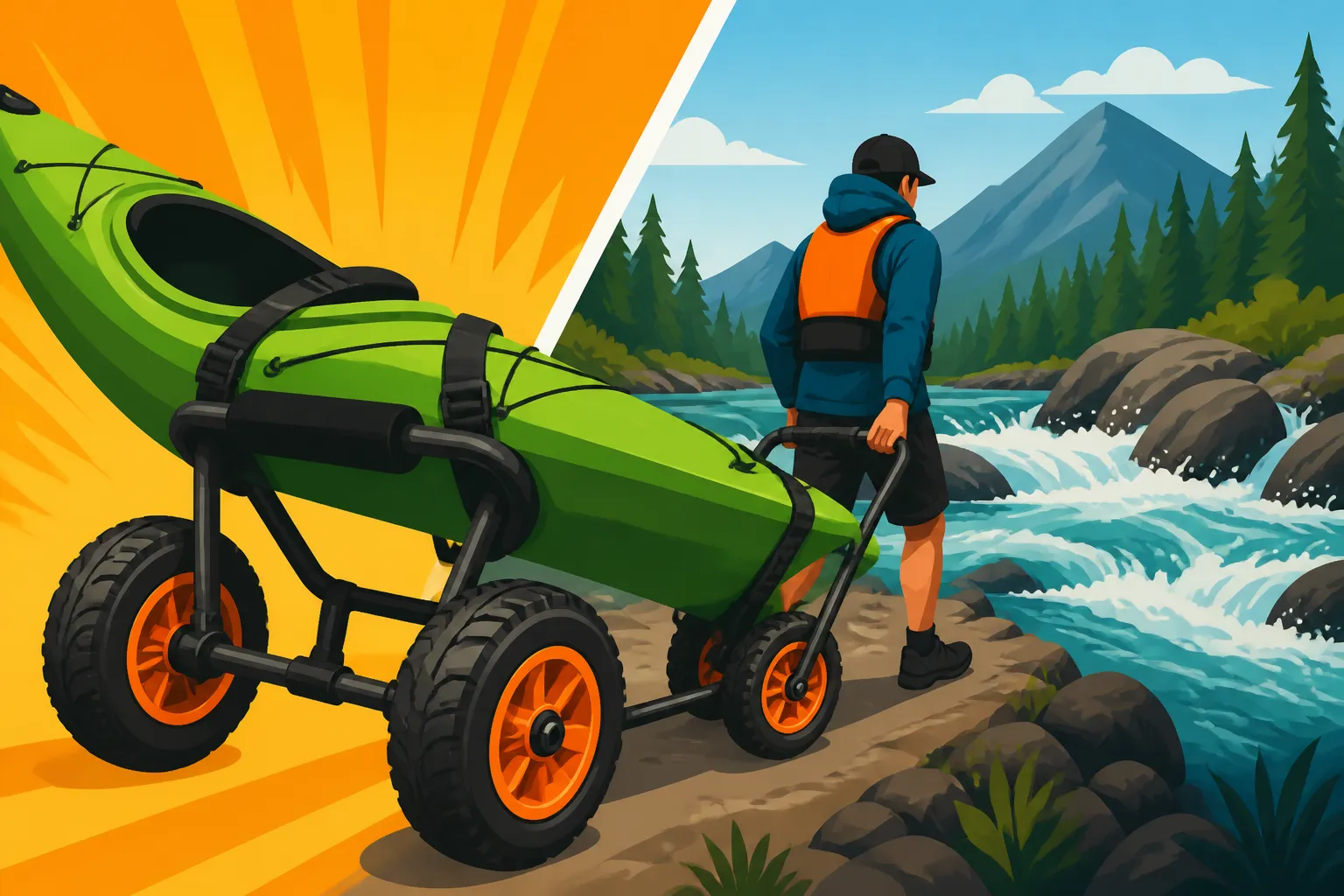
We've all been there: you're planning an epic multi-day float trip down one of Alberta's stunning rivers, dreaming of big trout or feisty pike, but then you remember that one gnarly section. Perhaps it's a series of unrunnable rapids, a waterfall, or even just a long, muddy portage trail around an obstacle. The thought of lugging your fully loaded kayak, heavy with gear, tackle, and provisions, through rough terrain can feel like a Herculean task, draining the joy right out of your adventure before it even begins. This comprehensive guide is here to shed light on how the right kayak cart can transform those daunting portages into manageable strolls, making your Alberta river fishing dreams a reality.
Why a Kayak Cart is Essential for Rapids and Portaging in Alberta
Imagine a beautiful stretch of the Ram River, winding through the foothills, offering pristine fishing opportunities. You've planned a fantastic float, but there's a notorious Class III rapid you're not comfortable running, or perhaps even a designated portage around a small dam or impassable log jam. Without a proper kayak cart, you're faced with an unenviable choice: either risk running the rapids, which might not be safe depending on your skill level and water conditions, or spend an exhausting amount of time and energy manually dragging or carrying your kayak and all its contents. This isn't just about convenience; it's about safety, conserving your energy for fishing, and protecting your valuable gear and watercraft from damage on abrasive ground.
Preserving Your Energy for the Water
Anyone who's spent a day on the water knows that paddling and fishing can be physically demanding. Adding a strenuous portage, especially over uneven ground or uphill, can quickly sap your strength. Think about a remote section of the Clearwater River where you've just landed a few beautiful native trout. You're feeling good, but then you remember the half-kilometre carry around a waterfall upstream. A robust kayak cart allows you to roll your boat and gear with relative ease, meaning you arrive at the next fishing spot fresh and ready to cast, rather than already fatigued. This is particularly crucial for multi-day trips where sustained effort can quickly lead to exhaustion. For anglers undertaking Best multi-day float trips on Alberta rivers, a reliable cart is almost non-negotiable.
Protecting Your Investment and Gear
Kayaks, especially high-quality fishing kayaks, are significant investments. Dragging them over rocks, roots, or gravel can cause irreparable damage to the hull. Scratches, gouges, and even cracks are common results of improper portaging. Beyond the kayak itself, your sensitive fishing gear – rods, reels, fish finders, and tackle boxes – can also suffer. A good kayak cart elevates your boat off the ground, shielding it from abrasive surfaces and sharp objects. This protection extends to your valuable equipment, which is securely strapped inside or on the kayak, minimizing bumps and jostles. You've invested in your Best Kayaks for Alberta Fishing; a cart helps keep that investment safe.
Navigating Designated Portages and Obstacles
Alberta's rivers, particularly in the mountain and foothill regions, often have designated portage trails around waterfalls, significant rapids, or other unnavigable sections. These trails, while designed for foot traffic, aren't always smooth paved paths. They can be narrow, rocky, muddy, or steep. A flimsy cart with small wheels might buckle or get stuck, making the process even harder. Similarly, unforeseen obstacles like fallen trees, beaver dams, or shallow sections might require an impromptu portage. Having a capable cart means you're prepared for whatever the river throws at you, allowing you to bypass dangers rather than being forced to turn back or attempt a risky maneuver.
Key Features to Look for in a Rapids-Ready Kayak Cart
When you're looking for a kayak cart specifically for those challenging portages around rapids or over rough terrain, you can't just pick any model off the shelf. The demands of such an environment require specific features that prioritize durability, stability, and ease of use. It's not just about getting from point A to point B; it's about doing it efficiently and without damaging your gear or yourself.
Wheel Type and Size: The Foundation of Performance
This is arguably the most critical feature. Small, hard plastic wheels are fine for paved boat launches, but they are a nightmare on a rocky riverbank or a muddy trail.
- Pneumatic (Air-Filled) Tires: These are generally your best bet for rough terrain. They offer excellent shock absorption, allowing them to roll smoothly over rocks, roots, and uneven ground. Their larger diameter (often 10-12 inches) helps them clear obstacles, and their wider profile provides better flotation on sand or soft mud. However, they require occasional air checks and are susceptible to punctures, so carrying a small repair kit or pump is a wise precaution.
- Solid, Puncture-Proof Wheels: Some high-quality carts feature solid wheels made from durable rubber or foam, designed to mimic the performance of pneumatic tires without the risk of flats. These are a fantastic compromise, offering good shock absorption and excellent durability.
- Beach Wheels (Balloon Tires): While excellent for soft sand, these extra-wide, low-pressure tires might be overkill and less effective on hard, rocky trails where a narrower, more robust pneumatic wheel might perform better. They are fantastic if your portages frequently involve sandy riverbanks or lake shores.
When browsing online, whether through retailers like Bass Pro Shops or even Amazon, pay close attention to the wheel specifications.
Frame Material and Construction: Built to Endure
The frame of your kayak cart needs to be strong enough to support the weight of your loaded kayak, plus any gear, without flexing or failing.
- Marine-Grade Aluminum: This is a popular choice for frames due to its excellent strength-to-weight ratio and corrosion resistance. Rivers, especially those with mineral content or fluctuating water levels, can be tough on metal, so rust-proof materials are key.
- Stainless Steel: Even stronger than aluminum, but also heavier. Offers superior durability and corrosion resistance, making it an excellent, albeit pricier, option for serious expedition use.
- UV-Resistant Plastics/Composites: Some modern carts, particularly those with unique designs like the C-Tug, use heavy-duty, reinforced composite materials. These can be incredibly strong, lightweight, and completely impervious to rust, making them ideal for wet environments. Ensure any plastic components are robust and rated for heavy loads.
Look for frames with welded joints rather than bolted connections where possible, as welding generally provides greater strength and fewer points of failure. The design should also allow the kayak to sit securely without excessive rocking or twisting.
Securing Straps and Pads: Keeping Your Kayak Snug
Your kayak needs to be firmly attached to the cart to prevent it from sliding off, especially when navigating inclines, declines, or uneven ground.
- Cam Buckle Straps: These are common and effective. Look for straps that are long enough to go over your kayak and secure tightly. The buckles should be robust and easy to operate, even with cold hands.
- Integrated Padding: The points where the kayak rests on the cart should be well-padded to prevent scratching and provide a non-slip surface. High-density foam or rubber padding is ideal.
- Retention Mechanisms: Some carts have side arms or uprights that help cradle the kayak, adding an extra layer of security beyond just the straps. This is particularly useful for kayaks with complex hull shapes or those loaded with gear.
Ease of Assembly, Disassembly, and Storage
When you're out on the river, you don't want to spend precious time fumbling with complicated cart assembly.
- Quick-Release Pins/Buttons: Many quality carts feature quick-release pins for the wheels or collapsible frames, allowing for rapid breakdown and setup.
- Compact Storage: Once you've portaged, you'll need to stow the cart in or on your kayak. Look for models that fold flat or disassemble into compact pieces that can fit into a hatch or be strapped to the deck. This is crucial for maintaining a clean deck and preventing snagging in current.
- No Tools Required: The best carts can be assembled and disassembled without any tools, making on-the-go adjustments simple.
Weight Capacity
Always check the manufacturer's specified weight capacity. Remember to factor in the weight of your kayak plus all the gear you'll be carrying. A fully rigged fishing kayak with tackle, cooler, and camping gear can easily exceed 100-150 lbs, especially if you're on a Best multi-day float trips on Alberta rivers. Overloading a cart is a sure way to damage it and make portaging more difficult.
Different Types of Kayak Carts for River Conditions
The world of kayak carts isn't one-size-fits-all. Different designs cater to various hull shapes, portaging conditions, and personal preferences. When you're dealing with the dynamic environment of Alberta's rivers, choosing the right type of cart can make a significant difference in your portaging experience.
The Bunk-Style or Frame Cart
This is perhaps the most common and versatile type of kayak cart. It features a sturdy frame, often U-shaped or rectangular, with two wheels and integrated bunks or pads that cradle the hull of your kayak.
- Pros:
- Excellent Stability: The wide base and padded bunks distribute the kayak's weight evenly, offering great stability, even on uneven ground. This is especially important for wider fishing kayaks or those heavily loaded.
- Hull Protection: The bunks keep the kayak well off the ground, preventing scratches and dings to the hull.
- Adaptable: Many bunk carts are adjustable, allowing you to fine-tune the bunk width to fit different kayak hull shapes.
- Heavy-Duty Options: You'll find many robust models in this category, often with large pneumatic tires, perfect for demanding portages.
- Cons:
- Bulkier: Even when disassembled, they can be a bit bulkier than other types, potentially taking up more space in your kayak.
- May Require Strapping: While stable, most bunk carts still require secure straps to prevent the kayak from shifting or falling off during transport.
- Best For: Anglers with larger, heavier fishing kayaks, those carrying a lot of gear, and anyone who values stability and hull protection above all else for rugged portages. Many popular models, including some found on Amazon or at Bass Pro Shops, fall into this category.
The C-Tug Style Cart: Robust Composites
The C-Tug is a highly regarded brand-specific style of cart known for its durable, modular design. It uses a strong composite frame that cradles the kayak and typically features robust, puncture-proof "kiwi" wheels.
- Pros:
- Incredibly Durable: Made from non-corroding engineered polymer, these carts are built to last and won't rust, even in constant contact with water.
- Easy Assembly/Disassembly: They often feature tool-free assembly, breaking down quickly into flat components for compact storage.
- Excellent for Varied Terrain: The large, high-grip wheels handle rocks, sand, and mud very well.
- Kickstand: Many models have an integrated kickstand, making loading and unloading your kayak much easier.
- Cons:
- Price Point: Generally more expensive than basic bunk-style carts.
- Specific Design: While adaptable, the composite bunks might not conform perfectly to every single kayak hull shape, though they work for most.
- Best For: Anglers who want a premium, highly durable, and easily storable cart that can tackle virtually any portage condition, from muddy riverbanks to rocky trails. These are frequently recommended for Best Kayak for River Fishing in Alberta setups.
The Plug-In (Scupper Hole) Cart
Designed specifically for kayaks with scupper holes (common in sit-on-top kayaks), these carts have two posts that insert directly into the scupper holes in the kayak's hull.
- Pros:
- Extremely Simple and Quick to Use: No strapping required in most cases; just line up the holes and push the posts in.
- Compact Storage: Often very minimalist in design, making them easy to store.
- Secure Connection: When fitted properly, the kayak is securely attached to the cart.
- Cons:
- Compatibility Issues: Only works with kayaks that have appropriate scupper hole spacing and diameter. Always check measurements!
- Potential for Hull Stress: If the kayak is very heavy or the cart is overloaded, the scupper holes (and surrounding plastic) can experience stress or even damage.
- Not Ideal for Rough Terrain: Smaller wheels are common on these carts, and the direct connection might not offer the same shock absorption as a bunk-style cart, potentially transferring more impact to the hull on rocky paths.
- Best For: Sit-on-top kayak owners who prioritize speed and simplicity for shorter, less rugged portages, or those needing a very compact storage solution. It's less ideal for heavy multi-day fishing kayaks venturing into truly rough territory.
End-of-Kayak (Bow/Stern) Carts
These carts support only one end of the kayak (bow or stern), requiring you to lift and balance the other end.
- Pros:
- Very Lightweight and Compact: Often the smallest and easiest to store.
- Maneuverability: Can be very nimble for tight turns on narrow trails.
- Cons:
- Requires Manual Lifting/Balancing: You still have to do some of the heavy lifting, which defeats the purpose for many.
- Less Stable: Prone to tipping if not carefully balanced, especially with a loaded kayak.
- Hull Contact: The end you're lifting is still exposed to potential damage if you're not careful.
- Best For: Anglers with lightweight kayaks or those who only need assistance for short, relatively flat carries, and don't mind carrying some of the load themselves. Not recommended for long, arduous portages or heavy fishing kayaks around rapids.
No matter the type, always ensure the cart you choose features good quality wheels and a robust frame. Remember that investing a bit more in a durable, well-designed cart can save you a lot of headache, backache, and potential repair costs down the line.
| Cart Type | Best For | Key Advantages | Key Disadvantages |
|---|---|---|---|
| Bunk-Style (Frame) | Heavy, wide fishing kayaks; rough, varied terrain; long portages | High stability; excellent hull protection; adaptable | Bulkier storage; may require good strapping |
| C-Tug Style | Diverse hull shapes; all terrain types; frequent use; compact storage | Incredibly durable; non-corroding; easy to store; great wheels | Higher price point; specific design |
| Plug-In (Scupper) | Sit-on-top kayaks with compatible scuppers; short, flat portages | Quick & easy setup; very compact | Limited compatibility; potential hull stress; smaller wheels |
| End-of-Kayak (Bow/Stern) | Very lightweight kayaks; short assistance on flat ground | Very lightweight; minimalist storage | Requires manual lifting & balancing; less stable |
Using Your Kayak Cart Safely and Effectively on Rough Terrain
Having the best kayak cart for portaging around rapids is only half the battle. Knowing how to use it effectively and safely on the kind of challenging terrain you find around Alberta's river systems is paramount. It's about more than just strapping your boat on; it's about technique, preparation, and mindful navigation.
Proper Loading and Securing
Before you even take a step, ensure your kayak is loaded and secured correctly.
- Balance is Key: Position your kayak on the cart so the weight is evenly distributed over the axle. This prevents the bow or stern from dipping excessively and makes the cart much easier to maneuver. If your kayak is front-heavy, slide it back a bit; if it's back-heavy, slide it forward. A well-balanced kayak feels much lighter to pull.
- Secure Straps Tightly: Use strong, durable cam-buckle straps to cinch your kayak down to the cart. Wrap them around the frame and over the kayak, making sure they are snug but not so tight that they deform the hull. Wiggle the kayak to ensure there's no play – it should feel like one solid unit with the cart. For really gnarly terrain, consider a second strap as a backup.
- Distribute Gear: If you're carrying a lot of gear, try to distribute its weight inside the kayak as evenly as possible. Heavy items should be low and centered. This not only helps with cart stability but also improves paddling performance once you're back on the water. Best Dry Bag for Kayak Fishing are invaluable here, as they protect gear from moisture and can be easily stowed.
Navigating Challenging Terrain
This is where your choice of cart and your technique truly come into play. Alberta's portage trails can throw everything at you, from slippery mud to jagged rocks and steep inclines.
- Watch Your Footing: Always keep an eye on the path ahead. Uneven ground, loose rocks, and hidden roots are common. A good pair of wading boots or sturdy hiking shoes will provide the necessary grip.
- Take it Slow and Steady: Don't rush. A steady, deliberate pace is far more effective and safer than trying to power through obstacles. Rushing increases the risk of tripping, losing control of the kayak, or damaging the cart.
- Utilize the Kickstand (if applicable): Many carts have a kickstand. Use it when you need to pause, rest, or adjust your grip. It prevents the kayak from falling over.
- Teamwork for Steep Sections: If you're fishing with a buddy (which is always a good idea when dealing with rapids and portages), utilize teamwork for steep uphills or downhills. One person can pull from the front while the other pushes from the back, or provides support and guidance.
- Mud and Soft Ground: This is where those larger, pneumatic wheels truly shine. Keep the kayak moving steadily. If you get stuck, try a gentle rocking motion to free the wheels rather than yanking hard.
- Rocky or Technical Sections: Navigate carefully. Lift and reposition the kayak and cart over larger obstacles if necessary, rather than trying to drag them. The goal is to minimize impact on the kayak hull and the cart's frame. Think of it more as guiding than pulling.
Maintenance and Care of Your Cart
Even the most robust cart needs a little love to perform optimally season after season.
- Rinse After Each Use: Especially after contact with muddy water or sand, thoroughly rinse your cart with fresh water. Pay attention to the axles, wheel bearings, and any moving parts to remove grit that can cause wear.
- Check Fasteners and Straps: Periodically inspect all nuts, bolts, pins, and strap buckles. Tighten anything that's loose and replace any worn or frayed straps.
- Tire Maintenance (Pneumatic Wheels): If your cart has air-filled tires, check the pressure regularly (before each trip is ideal). Carry a small pump and a patch kit for on-the-go repairs.
- Lubricate Moving Parts: A light application of marine-grade lubricant on axles and quick-release pins can keep things running smoothly and prevent rust, particularly on carts with metal components.
- Store Properly: When not in use, store your cart in a dry place, ideally disassembled and out of direct sunlight to prevent UV degradation of plastic or rubber components.
By selecting the right kayak cart from a reputable supplier like Bass Pro Shops or Amazon, understanding its features, and practicing safe and effective portaging techniques, you can transform the most challenging river obstacles into minor inconveniences. This allows you to focus on what truly matters: enjoying the incredible fishing opportunities that Alberta's diverse waterways have to offer, from the calm stretches to the areas just beyond those thrilling rapids. Remember to always consult Reading the Alberta Guide to Sportfishing Regulations for any specific access or portage rules on your chosen waterway.
Disclaimer
This article is for general informational purposes only and does not constitute professional advice. Laws, prices and regulations vary by location and change over time. Consult a qualified professional for guidance on your specific situation.