Crowsnest River Trout Fishing
There's a special kind of frustration that hits you when you're dreaming of a truly epic trout fishing trip, but every online search yields generic advice or overcrowded spots. You want wild, feisty fish in stunning scenery, not a stocked pond or a river swarming with anglers. If that sounds like you, then the Crowsnest River in Alberta is calling your name, and this guide is going to walk you through everything you need to know to make your trout fishing dreams a reality on this incredible waterway.
The Allure of the Crowsnest River for Trout Anglers
The Crowsnest River isn't just another pretty stream; it's a legendary destination for trout anglers, drawing passionate fly fishers and spin casters alike to its clear, cold waters. Located in southwestern Alberta, snaking through the dramatic landscapes of the Rocky Mountains and the foothills, it offers an experience that's both challenging and incredibly rewarding.
Why the Crowsnest Stands Out Among Alberta Rivers
What makes the Crowsnest River so special, you ask? Well, for starters, it boasts a remarkably healthy population of wild, naturally reproducing trout, a testament to its pristine environment and dedicated conservation efforts. Unlike some rivers that rely heavily on stocking, the Crowsnest gives you that authentic sense of connecting with truly wild fish. The water itself is usually crystal clear, originating from mountain snowmelt, which means sight fishing opportunities are plentiful on the right day – a thrilling experience when you can spot your quarry before you even cast. This clarity, coupled with a diverse insect population, creates a vibrant ecosystem that supports robust trout.
Beyond the fish, the sheer beauty of the area is enough to take your breath away. Imagine casting a line with the rugged peaks of the Rockies as your backdrop, the air crisp and clean, and the only sounds being the rush of the river and the occasional songbird. It’s a profound contrast to the larger, often busier rivers like the Bow River near Calgary. While the Bow is undeniably fantastic for big trout, the Crowsnest offers a more intimate, secluded feel, especially in its upper reaches. It's a place where you can truly immerse yourself in the solitude and natural grandeur of Alberta's wilderness, making every hooked fish feel like a hard-won prize. The character of the river changes as it flows, offering everything from tight, technical pocket water to wider, riffle-filled runs, catering to a variety of angling preferences.
Understanding the Crowsnest's Diverse Trout Species
One of the Crowsnest River's greatest treasures is its diversity of trout species. Anglers here have the chance to encounter four distinct types, each offering its own unique challenge and charm.
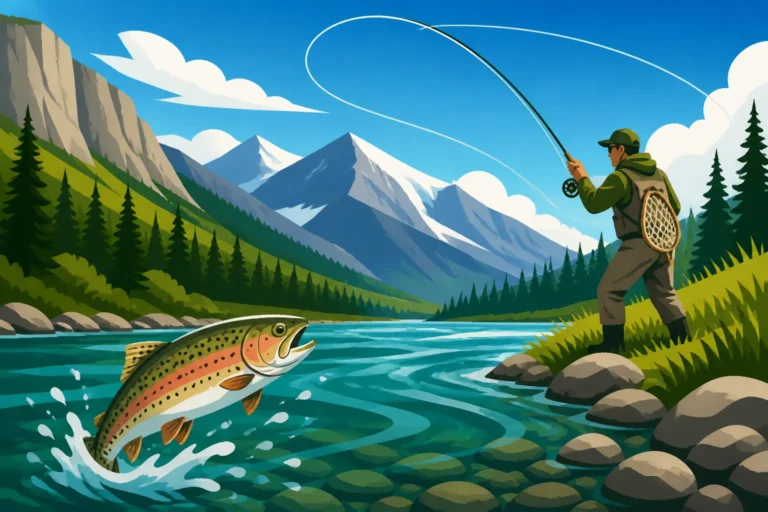
Rainbow Trout: These acrobatic fighters are perhaps the most sought-after species in the Crowsnest. Known for their vibrant colors and spirited battles, rainbows thrive in the river's cold, oxygen-rich waters. They are opportunistic feeders, responding well to a wide array of fly patterns and small lures, making them a favorite target for both experienced and novice anglers. You'll find them throughout the river system, often holding in seams, riffles, and the tails of pools, eagerly waiting for an easy meal to drift by. Their propensity for aerial displays after being hooked adds to the excitement, making every catch a memorable event.
Cutthroat Trout: The Crowsnest River is home to a good population of native Westslope Cutthroat Trout, distinguishable by the distinctive red or orange slash marks under their jaws. These fish are incredibly beautiful and often more willing to rise to a dry fly than their rainbow cousins, especially in the quieter, upper sections of the river. However, they are also highly sensitive to environmental changes and angling pressure, making proper handling and catch-and-release practices paramount. Protecting these native fish, whose Cutthroat Trout Native Range in Alberta includes the Crowsnest, is a significant part of the river's conservation efforts.
Brown Trout: While not as abundant as rainbows, brown trout also inhabit the Crowsnest, often growing to impressive sizes. These elusive, predatory fish are known for their cunning and can be a true challenge to catch, especially the larger specimens. They tend to prefer deeper, slower pools and undercut banks, often hiding in structure and feeding during low light conditions. If you're after a truly trophy-sized fish, targeting browns might be your best bet, but be prepared for a test of patience and skill.
Bull Trout: This species is critically important to the Crowsnest ecosystem but comes with a strict caveat: Bull Trout are a threatened native species in Alberta, and they are protected by a province-wide "zero possession limit." This means if you are lucky enough to catch one, it must be immediately released unharmed. Encountering a magnificent bull trout, with its distinctive pale spots on a dark body and a powerful build, is a special experience, but remember the regulations. Understanding the Alberta Bull Trout Zero Possession Rule is crucial for any angler on the Crowsnest. They typically prefer the colder, cleaner waters of the upper river and its tributaries, often inhabiting deeper pools or areas with significant cover.
Navigating the Crowsnest River's Prime Fishing Sections
The Crowsnest River, though not enormous, offers distinct characteristics along its length. Understanding these different sections is key to planning your day and choosing the right approach. From the tight, technical headwaters to the broader, more expansive lower reaches, each segment presents its own opportunities and challenges.
Upper Crowsnest: From Headwaters to Lundbreck Falls
The section of the Crowsnest River above Lundbreck Falls is where the river truly earns its reputation for intimate, wild trout fishing. Here, the river is generally narrower, the current often swifter, and the surrounding landscape is dominated by dense riparian vegetation and towering peaks. This is prime territory for those who enjoy wading and more technical casting.
Access in this upper stretch can be a bit trickier than downstream, often requiring careful navigation through public land or obtaining permission to cross private property. While there are designated access points, many of the best spots are found by exploring side roads and walking along the riverbanks. For instance, areas around Coleman and Blairmore offer several public access points. Due to the smaller nature of the river here, stealth is paramount. Trout in these clear, confined waters are easily spooked, so approach your desired fishing spots cautiously, keeping a low profile and avoiding heavy footsteps along the bank. Small, subtle presentations are often the most effective.
The prevalent trout species in the upper Crowsnest are often Rainbow and Cutthroat Trout, with the occasional Brown Trout lurking in deeper pockets. You'll find fish holding in the numerous riffles, pocket water behind boulders, and in the tails of smaller pools. Dry fly fishing can be exceptional in this section, especially during hatch seasons, as the cutthroats are particularly keen to rise. Nymphing with smaller patterns is also highly productive, mimicking the abundant aquatic insects in the riverbed. This upper stretch demands precision and a thoughtful approach, but the rewards of connecting with vibrant, wild trout in a truly spectacular setting are immeasurable. For those looking to really delve into this specific stretch, checking out dedicated resources on Crowsnest River Lundbreck Falls Fishing can provide even more granular detail on access and techniques.
Lower Crowsnest: Below Lundbreck Falls to the Oldman River
Once the Crowsnest River tumbles over the impressive Lundbreck Falls, its character begins to change. Below the falls, the river widens considerably, the gradient slackens in places, and the valley opens up, often transitioning into more agricultural landscapes as it winds eastward towards its confluence with the Oldman River Fishing Spots. This section offers a different kind of angling experience, often with more space for longer casts and a greater variety of water types.
Access points are generally more plentiful and easier to find in the lower Crowsnest, with numerous bridges, public easements, and roadside pull-offs providing entry. Popular areas include sections near the town of Frank, Burmis, and farther downstream towards Cowley's Bridge. This wider water is often more forgiving for less experienced waders, though caution is always advised. The increased flow and depth in some areas also make it more suitable for drift boat fishing, allowing anglers to cover more water and access areas that might be difficult to reach on foot. If you're looking to hire a guide or embark on a guided trip, many operators will focus on these more accessible and expansive lower sections. Using a service like FishingBooker can help you find experienced local guides familiar with these waters.
While rainbow trout remain abundant, the lower Crowsnest often sees a higher proportion of larger brown trout, particularly in the deeper, slower pools and around significant instream structure. These bigger fish require heavier tackle and often more aggressive presentations. Streamer fishing can be incredibly effective for these larger, more predatory browns, especially during overcast days or in the early morning and late evening. Nymphing remains a consistent producer, and during significant insect hatches, the dry fly fishing can be phenomenal, with fish rising steadily in the calmer runs and eddies. Understanding the subtle shifts in current and structure in this broader river system is key to locating active fish.
Essential Techniques and Tactics for Crowsnest Trout
Whether you're a seasoned fly angler or prefer the simplicity of a spin rod, the Crowsnest River offers fantastic opportunities. However, approaching it with the right techniques and a solid understanding of trout behavior will significantly increase your chances of success.
Mastering Fly Fishing for Crowsnest Trout
Fly fishing on the Crowsnest River is an art form, deeply rewarding and incredibly diverse. The river presents a perfect canvas for various fly fishing techniques, each effective in different conditions and seasons.
Dry Fly Fishing: There's nothing quite like watching a trout rise to a perfectly presented dry fly. The Crowsnest has strong aquatic insect hatches, particularly caddis, mayflies, and stoneflies, especially from late spring through early fall. Knowing your local entomology helps, but having a selection of general attractor patterns like Elk Hair Caddis, Adams, Parachute Adams, and various Stimulators will often get you bites. Look for trout actively feeding on the surface in riffles, eddies, and slower runs. A delicate presentation, avoiding drag, is crucial. This is where patience pays off; observe the water, identify feeding lanes, and anticipate where a fish might hold.
Nymphing Techniques: When trout aren't looking up, they're often feeding on nymphs, larvae, and pupae subsurface. Nymphing is arguably the most consistent producer on the Crowsnest. Techniques vary, from classic indicator nymphing with split shot to more refined methods like Euro Nymphing the Bow River, which can also be highly effective here. Essential patterns include Prince Nymphs, Hare's Ears, Pheasant Tails, Copper Johns, and various stonefly imitations. Focus your efforts in faster currents, seams, and deeper pools where fish can hold and intercept drifting food. Adjusting your weight and indicator depth is critical to presenting your flies in the strike zone, which is often right on the bottom.
Streamer Fishing: For those seeking larger, more aggressive trout, especially brown trout, streamer fishing can be incredibly exhilarating. Streamers imitate baitfish or larger aquatic insects, provoking a predatory strike. Patterns like Woolly Buggers, Sculpzillas, and various minnow imitations in olive, black, or brown can be deadly. Cast your streamer across or downstream and retrieve it with erratic strips, pauses, and twitches to mimic a struggling baitfish. This technique is particularly effective in deeper pools, undercut banks, and during overcast conditions or lower light hours. A heavier fly rod (5-7 weight) and a sink-tip line can help get your streamers down quickly in the faster currents. While this tactic is excellent on the Crowsnest, anglers often learn similar strategies for other rivers, like those discussed in Fly Patterns for the Bow River, which can inspire your Crowsnest fly box.
Spin Fishing Strategies for Success
For anglers who prefer spin casting, the Crowsnest River offers excellent opportunities, especially when fishing for rainbows and browns. Spin fishing can be just as effective as fly fishing, provided you choose the right gear and employ thoughtful techniques.
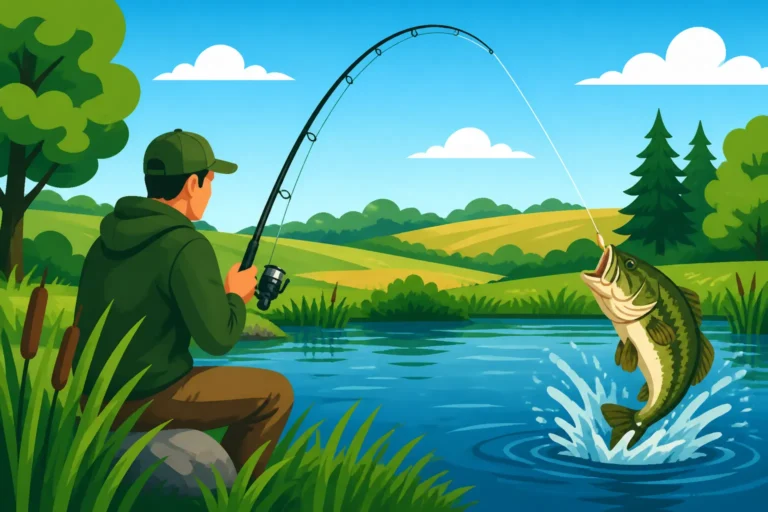
Lure Selection: When spin fishing for Crowsnest trout, it's all about matching the hatch and imitating natural prey. Small inline spinners, like those from Mepps or Panther Martin, in sizes #0 to #3, are incredibly versatile. Colors like silver, gold, copper, or those with bright accents (red, orange) are often productive. Small spoons, such as Little Cleos or Five of Diamonds, can also work well, especially when cast into deeper pools or runs. For a more aggressive presentation, micro crankbaits or jerkbaits that mimic small baitfish can entice larger predatory trout. Experiment with different retrieves, varying your speed and adding twitches to trigger strikes.
Line and Rod Choices: A lightweight spinning rod (6-7 feet, light to medium-light action) paired with a small spinning reel spooled with 4-6 lb test monofilament or fluorocarbon line is ideal. Monofilament offers a good balance of castability and stretch, while fluorocarbon is nearly invisible underwater and has excellent abrasion resistance. A sensitive rod will help you feel subtle bites, which can be crucial when trout are finicky. Remember that the Crowsnest has clear water, so a lighter line will often result in more strikes. Always check the regulations for any specific line or lure restrictions, especially in designated "artificial lures only" sections.
Retrieve Methods and Presentation: The key to success with spin gear on the Crowsnest is varying your retrieve. Trout often hit on the pause or when a lure changes direction. Try casting upstream and retrieving just faster than the current, or casting across and letting the lure swing downstream before a slow retrieve. Always be mindful of your presentation; avoid heavy splashes or loud movements that might spook fish. Given the river's clear water, a cautious approach and accurate casting will greatly increase your chances. Remember, regardless of your gear, ethical angling practices, particularly proper catch and release, are paramount to ensure the Crowsnest remains a vibrant fishery for years to come.
Planning Your Crowsnest River Fishing Adventure
A successful fishing trip to the Crowsnest River involves more than just knowing where to cast your line; it also requires understanding local regulations, optimal timing, and available resources. A little planning goes a long way in ensuring a smooth and enjoyable experience.
Key Regulations and Conservation Practices
Before you even tie a knot, it is absolutely crucial to familiarize yourself with the current Alberta Fishing Regulations Explained. These regulations are not static; they change annually and can vary significantly by zone and even by specific water body. The Crowsnest River, like many premier trout streams, often has special regulations in place to protect its fragile ecosystem and ensure sustainable fishing.
Catch and Release Mandates: Many sections of the Crowsnest River are designated "catch and release only" for certain species, or even for all trout species. This is particularly true for Bull Trout, which as mentioned, have a province-wide zero possession limit. Always consult the Alberta Guide to Sportfishing Regulations for the most up-to-date rules. This includes understanding the season dates for different zones; for specific dates, you'll want to check Alberta Fishing Season Dates by Zone.
Barbless Hook Requirements: To minimize harm to fish and facilitate quick, safe releases, many of Alberta's sensitive trout waters, including stretches of the Crowsnest, require the use of barbless hooks. If your hooks have barbs, they must be crimped down. This regulation is highlighted in resources like Alberta Barbless Hook Requirement Waters. Using barbless hooks is a simple, yet incredibly effective, conservation practice that significantly increases a fish's survival rate after being caught.
Fishing License and WIN Card: Don't forget your Alberta fishing license and Wildlife Identification Number (WIN card). These are mandatory for anyone aged 16 to 64 (with exemptions for youth under 16 and seniors over 65). You can purchase them online through the MyWildAlberta portal or at licensed vendors. Fishing without a valid license can result in hefty fines and penalties, so it's not worth the risk. By adhering to these regulations, you're not just avoiding trouble; you're actively contributing to the health and future of this remarkable fishery.
Best Times to Visit and Local Services
Timing your trip to the Crowsnest River can dramatically influence your success and overall experience. Each season offers unique opportunities and challenges for trout anglers.
Spring (April – June): Early spring, after ice-out, can be excellent, especially for hungry trout eager to feed after a long winter. However, spring runoff from snowmelt can cause high, murky water conditions, making fishing difficult or impossible. Monitor water levels closely. Once runoff subsides, late spring offers great nymphing and emerging caddis hatches. This is often cited as one of the Best Time of Year to Fish in Alberta for trout.
Summer (July – August): Summer is prime time for dry fly fishing, with consistent hatches throughout the day, particularly caddis and various mayflies. Water levels are typically stable and clear. While mid-day can be slow, early mornings and late evenings often provide spectacular fishing as trout actively feed on the surface. Be mindful of water temperatures; if they get too warm (above 20°C or 68°F), trout can become stressed, and it's best to avoid fishing to ensure their survival.
Fall (September – October): Many seasoned anglers consider fall the best time to fish the Crowsnest. Trout become more aggressive as they prepare for winter, and larger brown trout may start their spawning runs, making them more vulnerable (though care must be taken to avoid disturbing spawning fish). Streamer fishing is particularly effective in the fall, targeting these bigger, more predatory fish. The cooler temperatures and stunning autumn foliage also add to the overall experience.
Local Services: The towns along the Crowsnest Pass, such as Crowsnest Pass (Blairmore, Coleman, Frank), Lundbreck, and Pincher Creek, offer various amenities. You'll find accommodation options ranging from hotels and motels to campgrounds. There are also local tackle shops like Crowsnest Angler in Bellevue that can provide up-to-the-minute local advice, flies, lures, and other essential gear. They often have the most current information on hatches, water conditions, and recent catch reports. For those looking for a guided experience, hiring a local expert can be invaluable for navigating the river and maximizing your chances of success. Platforms like FishingBooker can connect you with reputable local fishing guides who specialize in the Crowsnest River, offering everything from half-day wading trips to full-day float trips, tailored to your skill level. These guides not only know the best spots but also the intricacies of the regulations and the most effective techniques for the day.
Responsible Angling and Enjoying the Crowsnest Experience
Fishing the Crowsnest River is more than just catching fish; it's about connecting with nature and contributing to the longevity of a precious resource. Embracing responsible angling practices ensures that this beautiful river remains a thriving ecosystem for generations to come.
Practicing Proper Catch and Release
For sensitive fisheries like the Crowsnest River, especially with species like Bull Trout and Cutthroat, proper catch and release techniques are paramount. A poorly handled fish is less likely to survive, negating the conservation efforts in place.
Here’s a step-by-step guide to practicing proper catch and release:
- Minimize Fight Time: Bring the fish to hand or net as quickly as possible. Prolonged fights exhaust the fish and increase stress, making them more vulnerable to predators or disease after release. This is particularly important for larger fish or during warmer water temperatures.
- Use a Net: A rubberized, knotless landing net is a fantastic tool. It cradles the fish, prevents scale and slime removal, and keeps them in the water while you prepare for release. Avoid string or knotted nets, which can strip protective slime and damage fins.
- Keep Fish in Water: This is the golden rule. Wherever possible, keep the fish submerged while you remove the hook. If you must lift it for a quick photo, do so quickly and support its entire body horizontally, never by the jaw or gills alone.
- Wet Your Hands: Always wet your hands before touching a fish. Dry hands can remove the fish's protective slime layer, making it susceptible to fungal infections and parasites.
- Remove Hook Gently: Use hemostats, forceps, or needle-nose pliers to quickly and gently remove the hook. Since barbless hooks are often mandated, this should be a straightforward process. If the fish is deeply hooked, especially in the gills, it's often best to cut the line as close to the hook as possible, as attempting to remove it can cause more harm.
- Revive the Fish: Hold the fish gently in the water, facing upstream into a slow current. If there's no current, gently move it back and forth to push water over its gills. Wait until it regains strength and can swim away on its own. Do not toss or drop it back into the water. For more specific guidance on handling threatened species, consider resources like How to Catch Bull Trout and Release Them Safely.
Respecting the Environment and Fellow Anglers
Beyond caring for the fish, being a responsible angler means showing respect for the environment and other people sharing the river. The Crowsnest River is a shared resource, and its beauty and accessibility depend on everyone's thoughtful actions.
Leave No Trace: This principle is foundational. Pack out everything you pack in, including all trash, broken lines, and food wrappers. Even biodegradable items should be packed out, as they can take a long time to decompose and detract from the natural beauty. Avoid leaving any trace of your presence, ensuring the next angler experiences the river in its pristine state. This also includes proper disposal of human waste if you're in a remote area – dig a cathole far from water sources.
Mind Your Footprint: While wading is a fantastic way to explore the Crowsnest, be mindful of where you step. Avoid disturbing spawning redds (fish nests) during spawning seasons, which appear as clean, gravelly depressions. Walk softly along riverbanks to minimize erosion and avoid disturbing wildlife. Stay on designated paths or existing trails to prevent creating new, unnecessary routes through sensitive vegetation.
Angler Etiquette: The Crowsnest can get busy, especially during peak seasons. Always give other anglers ample space. If someone is already fishing a run, either wait for them to move on or find another spot far enough away not to disturb their experience. A general rule of thumb is to allow at least one full cast length between you and another angler. Communication is key; a friendly wave or a polite question about where they're heading can help everyone share the water harmoniously. Also, consider booking guided trips through reputable services like FishingBooker, as their guides are typically well-versed in local etiquette and conservation, offering an educational experience that benefits both you and the river. By doing your part, you help preserve the magic of Crowsnest River trout fishing for everyone.
| Feature | Upper Crowsnest (Above Lundbreck Falls) | Lower Crowsnest (Below Lundbreck Falls) |
|---|---|---|
| River Character | Narrower, swifter currents, tighter pockets, more intimate | Wider, more open, varied current speeds, larger pools and runs |
| Primary Species | Rainbow Trout, Cutthroat Trout, Bull Trout (catch & release only) | Rainbow Trout, larger Brown Trout, Bull Trout (catch & release only) |
| Typical Techniques | Delicate dry fly, technical nymphing, short precise casts | Dry fly, nymphing, streamer fishing, covering more water |
| Access | More challenging, often requires walking, stealth important | Easier, more roadside access, suitable for drift boats in many areas |
| Angling Pressure | Can be less crowded due to trickier access, but popular spots get attention | Generally higher pressure due to ease of access, especially on weekends |
| Wading Difficulty | Moderate to difficult, often rocky and slippery | Easier in many sections, but still requires caution |
Disclaimer
The information provided in this guide is for general informational purposes only and is subject to change. Fishing regulations, season dates, and access points can vary and are updated periodically by Alberta Environment and Protected Areas. Always consult the most current official Alberta Guide to Sportfishing Regulations before planning your trip to ensure compliance with all laws and to safeguard the province's fisheries. We strongly recommend checking local conditions, weather, and specific regulations for your chosen fishing location prior to heading out.