Best Dry Bag for Kayak Fishing
There’s nothing quite like the serenity of a kayak fishing trip on an Alberta lake or river, paddling quietly through the water, but that peace can quickly turn to panic when an unexpected splash or capsize threatens your essential gear. Keeping your phone, keys, extra layers, and even your lunch safe and bone-dry is paramount for a successful and stress-free outing. This comprehensive guide will walk you through everything you need to know about choosing and using the best dry bag for your kayak fishing adventures, ensuring your valuables stay protected no matter what Alberta’s waters throw your way.
Why a Dry Bag is Essential for Kayak Fishing in Alberta
When you're out on the water in a kayak, you're inherently closer to the elements than in a larger boat. This intimacy with the water is part of the appeal, but it also means a higher risk of your gear getting wet. Alberta's weather, from sudden downpours to choppy lake conditions, can be notoriously unpredictable, making a reliable dry bag not just a convenience, but an absolute necessity for every angler.
Protecting Your Electronics and Valuables
Imagine the sinking feeling of realizing your smartphone, GPS, or car keys are soaked through after an unexpected wave washes over your kayak. For many anglers, these aren't just inconveniences; they're vital tools or irreplaceable items. A quality dry bag creates an impenetrable barrier, safeguarding your expensive electronics, important documents like your Alberta Fishing License Guide for 2026, and personal valuables from water damage. It's an investment that saves you countless headaches and potentially hundreds, if not thousands, of dollars in replacements. Think about how much you rely on your phone for navigation, weather updates, or even just snapping that trophy fish photo – losing it to water damage is a sure way to ruin a perfectly good day on the water.
Keeping Emergency Supplies Dry
Beyond personal valuables, dry bags are crucial for keeping emergency supplies functional. A first-aid kit, spare clothing, a small fire-starter, or even non-perishable snacks can be useless if they’re waterlogged. When you're out on a more remote Alberta waterway, perhaps exploring Best Crown Land Fishing Lakes in Alberta or navigating a winding river, having dry emergency provisions can make a critical difference in comfort and safety. You never know when an unexpected turn of events, like an extended stay due to weather or a minor injury, will require access to these items in pristine condition. A dry bag ensures that when you need them most, your emergency items are ready to perform.
The Unpredictable Alberta Weather Factor
Anyone who has spent time fishing in Alberta knows that the weather can change on a dime. A sunny morning can quickly give way to a sudden thunderstorm, high winds, or a cold, driving rain. These conditions can turn calm waters into a challenging environment, and without proper protection, everything on your kayak is vulnerable. A good dry bag acts as your first line of defense against these elements, allowing you to focus on your fishing rather than constantly worrying about your gear. Whether you're dealing with spray from strong winds on a large lake like Lesser Slave or a heavy downpour while fly fishing on the Bow River, a reliable dry bag ensures your essentials remain protected, letting you enjoy the experience regardless of what the skies decide to do. This adaptability is particularly important when considering longer trips or exploring areas prone to sudden weather shifts.
Key Features to Look for in a Kayak Fishing Dry Bag
Choosing the right dry bag isn't as simple as grabbing the first one you see. There are several critical features that differentiate a good dry bag from a great one, especially when you're relying on it to protect your gear in demanding environments like Alberta's lakes and rivers. Paying attention to these details can make all the difference in the longevity and effectiveness of your purchase.
Material and Durability
The material of your dry bag is the primary determinant of its durability and waterproof capabilities. Most dry bags are made from either PVC (polyvinyl chloride) or TPU (thermoplastic polyurethane). PVC is generally more affordable and quite durable, offering excellent abrasion resistance, which is great for rubbing against rocks or other gear in your kayak. However, it can become stiff in very cold temperatures, which is something to consider if you plan on doing some shoulder-season or early ice-out fishing in Alberta.
TPU, on the other hand, is a more environmentally friendly option, often lighter, more flexible, and more resistant to extreme temperatures, both hot and cold. It typically comes with a higher price tag but offers superior performance and a softer feel. Regardless of the material, look for bags with reinforced seams that are heat-welded, not stitched. Stitched seams can eventually leak, whereas welded seams provide a truly waterproof barrier. The thickness of the material, often expressed in denier (e.g., 500D, 1000D), also indicates its ruggedness; higher denier means more robust fabric, which is ideal for the rough and tumble nature of kayak fishing.
Closure Systems: Roll-Top vs. Zipper
The closure system is the second most crucial feature for keeping water out. The two main types are roll-top and waterproof zippers.
- Roll-Top Closures: These are the most common and arguably the most reliable. They work by rolling the top edge of the bag down multiple times (typically 3-4 times) and then securing it with buckles. This creates a tight, waterproof seal that is highly effective against submersion. Roll-tops are simple, durable, and less prone to failure than zippers. However, accessing items inside can be a bit slower as you have to unroll and then re-roll the top.
- Waterproof Zippers: Found on higher-end dry bags and often on specialized Best Dry Box for phone and keys on the water or deck bags, these zippers are designed to be completely impermeable to water. They offer much quicker access to your gear, which can be a huge advantage when you need something in a hurry, like a specific lure or a camera to capture a quick photo. The downside is that truly waterproof zippers are expensive, can be stiff and harder to operate, and require regular lubrication to maintain their seal. They are also, generally, more susceptible to grit and wear over time, which can compromise their waterproof integrity.
Here’s a quick comparison of these two popular closure types:
| Feature | Roll-Top Dry Bag | Waterproof Zipper Dry Bag |
|---|---|---|
| Waterproofness | Excellent, especially when rolled properly | Excellent, if maintained and free of debris |
| Access Speed | Slower, requires unrolling and re-rolling | Faster, quick entry and exit |
| Durability | Highly durable, simple mechanism, fewer failure points | Durable, but zipper can be prone to wear and tear if not cared for |
| Maintenance | Minimal | Requires lubrication, cleaning to maintain seal |
| Cost | Generally more affordable | Typically higher price point |
| Best Use | Items you need to keep absolutely dry, not quick access | Gear needing quick access, like electronics, cameras |
Capacity and Sizing Considerations
Dry bags come in a vast range of sizes, from tiny 2-liter pouches perfect for a phone and keys to massive 60-liter duffels designed for multi-day expeditions. When choosing a size, consider what you plan to store.
- Small Bags (2-10 liters): Ideal for essentials like your wallet, car keys, phone, and perhaps a small camera. These can often fit in small hatches or be clipped to deck rigging.
- Medium Bags (10-25 liters): Good for extra layers of Best Rain Gear for Alberta Anglers, snacks, a first-aid kit, and a few small tackle boxes. This size is versatile for day trips.
- Large Bags (25-40+ liters): Necessary for overnight trips or if you're carrying bulkier items like sleeping bags, cooking gear, or a substantial amount of provisions.
Think about the available storage space on your kayak. Does it have large hatches? Will you be stowing the bag on the deck? A Best Dry Bag size for a full day kayak trip might mean a 20-30L bag for most anglers, fitting an extra jacket, lunch, and essentials comfortably. It's often better to have a slightly larger dry bag than you think you'll need, as you can always roll it down further if it's not full. However, avoid bags so large they become unwieldy or don't fit securely in your kayak. For many anglers, having a few different sizes of dry bags for various items offers the most flexibility.
Types of Dry Bags for Different Kayak Fishing Needs
Just like there are different types of kayaks for various fishing styles, there are also diverse dry bag designs tailored to specific needs. Understanding these variations will help you select the best options for your particular adventures, whether you’re paddling a calm prairie lake or navigating a mountain river.
Backpack-Style Dry Bags for Portaging
If your kayak fishing adventures involve portaging – carrying your kayak and gear over land between bodies of water or around rapids – then a backpack-style dry bag is an absolute game-changer. These bags incorporate shoulder straps and sometimes even hip belts, allowing you to comfortably carry your waterproofed gear on your back, freeing your hands to manage your kayak or fishing rods. They often feature external pockets (though these are rarely fully waterproof themselves, so be mindful) and daisy chains for attaching additional gear.
Imagine a scenario where you're exploring a series of small, interconnected lakes in the Kananaskis Country Fishing Guide, or you need to hike a short distance to a secluded fishing spot. Hauling a traditional cylindrical dry bag can be awkward and inefficient. A backpack-style dry bag distributes the weight evenly, making the portage much easier and safer. Brands commonly available at stores like Bass Pro Shops or on Amazon offer various capacities in this style, ensuring you can find one that suits your needs for both single-day excursions and multi-day wilderness trips. They're invaluable for those who seek out truly remote and pristine fishing experiences that require a bit of overland travel.
Cylindrical Dry Bags for Kayak Hatches
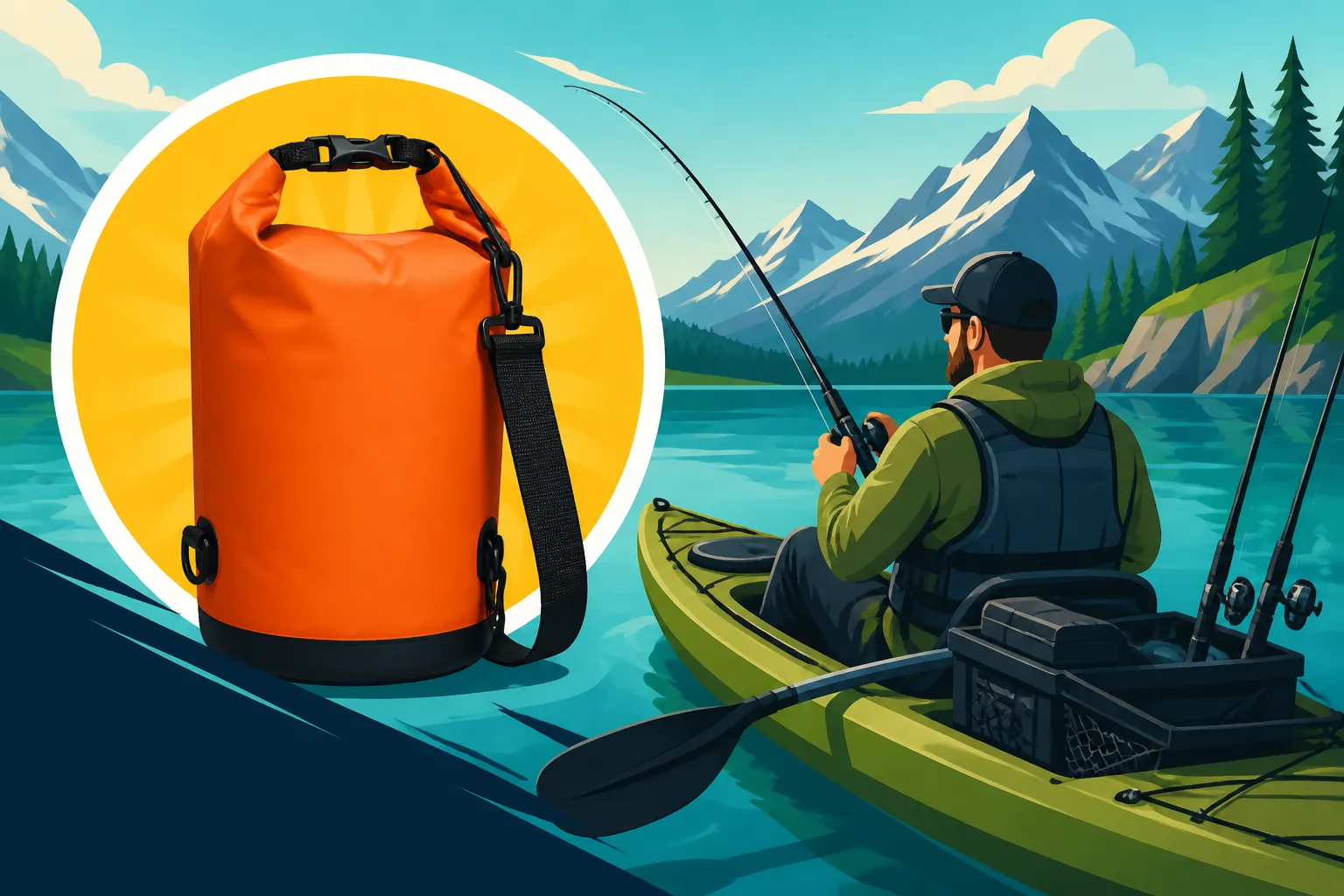
The classic cylindrical roll-top dry bag is the workhorse of kayak storage. Its shape is perfectly suited for stowing inside the hatches of most kayaks, allowing you to utilize the internal storage space efficiently. These bags come in a wide range of capacities, from small ones for a quick change of clothes to larger ones that can hold a sleeping bag and camping gear for an overnight trip. Their simple, streamlined design means they slide easily into tight spaces and don't have external straps or pockets that can snag or create drag.
When packing, remember to compress the air out of these bags before sealing them to save space and reduce buoyancy. This is particularly important if you're trying to maximize storage in smaller hatches or if you're worried about too much air making the bag float away if it somehow escapes the kayak. They are fantastic for keeping items like an extra pair of fishing pants, a warm fleece, or your tent components completely dry and protected within the hull of your Best Kayaks for Alberta Fishing.
Deck Bags and Tackle Bags with Dry Features
For items you need to access quickly and frequently while on the water, a specialized deck bag or a tackle bag with dry features is ideal. These bags are designed to sit securely on the deck of your kayak, usually in front of the cockpit, and typically come with multiple attachment points, like D-rings or bungee cord hooks, to keep them from shifting or washing overboard. Many deck bags feature a combination of waterproof compartments (often with waterproof zippers for easy access) and external mesh pockets for items that don't need to stay dry, like a water bottle or a pair of pliers.
Some tackle bags also incorporate dry bag technology, offering a waterproof main compartment for your sensitive lures, terminal tackle, and smaller electronics, alongside external pockets for quick-grab items. The key here is quick access versus ultimate waterproof reliability. While many deck and tackle bags offer excellent water resistance, always double-check if their zippers are truly waterproof if you plan to store critical electronics in them. For instance, if you're using a Best Fish Finders for Alberta Lakes, you might want to consider a dedicated small dry bag within a larger tackle bag for its protection. These bags are invaluable for keeping your frequently used gear organized and within arm's reach, minimizing the need to dig into internal hatches and disrupt your fishing rhythm.
Securing Your Dry Bag on the Kayak
Having the best dry bag in the world won't do you much good if it ends up floating away downriver or sinking to the bottom of the lake. Proper securing of your dry bag is just as important as its waterproof rating. In Alberta's often vast and sometimes windy waters, this step is critical for preventing loss and ensuring your gear stays with you.
Lashing Points and D-Rings
Most fishing kayaks come equipped with a variety of lashing points, bungee cords, and D-rings strategically placed on the deck and in the cockpit area. These are your best friends for securing dry bags. Many dry bags also feature D-rings or webbing loops, specifically designed for this purpose. Always use a good quality carabiner or sturdy bungee cords to attach your dry bag to your kayak's rigging. For larger bags, using two or more attachment points creates a more stable and secure connection, preventing the bag from shifting around or coming loose in rough conditions.
When you’re preparing for your trip, take a moment to test the security of your dry bag. Give it a good tug and shake to ensure it’s not going anywhere. This small step can save you the heartache of losing essential gear, especially if you’re fishing a fast-moving river like the Bow or navigating choppy water on a large lake. Consider using bright, contrasting colors for your attachment cords or carabiners, making them easier to spot and manage even in low light or challenging weather.
Location, Location, Location: Where to Stow Your Bag
Where you place your dry bag on the kayak can significantly impact your stability, accessibility, and overall enjoyment.
- Inside Hatches: For maximum security and protection, and for items you won't need immediate access to, stow your dry bags inside your kayak's sealed hatches. This keeps them out of the elements, protects them from direct impacts, and maintains a cleaner deck space. It also helps with weight distribution, which is crucial for stability.
- On the Deck (Front or Rear): For items you need quicker access to, like a lunch, rain gear, or a camera, a deck bag or a smaller dry bag secured to the deck is a good option. Place these strategically to avoid obstructing your paddle stroke or casting motion. Forward placement often allows for easier reach without twisting. Ensure they are secured tightly and don't create an unnecessary wind drag in windy conditions.
- Behind the Seat: Some kayaks have storage wells behind the seat where a medium-sized dry bag can be secured. This keeps it somewhat out of the way but still relatively accessible. However, always ensure it doesn't interfere with your ability to paddle or maneuver the kayak.
Remember, placing heavy bags high on the deck or too far to one side can negatively impact your kayak's stability. Try to distribute weight evenly, especially if you're navigating challenging waters or using a more performance-oriented Best Kayak for River Fishing in Alberta.
Preventing Accidental Loss
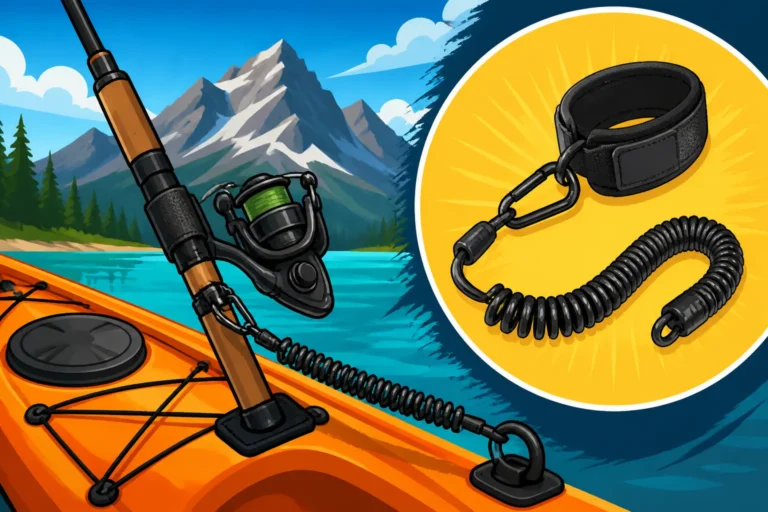
Even the most securely lashed dry bag can potentially come loose. The best practice for preventing accidental loss is to always tether your dry bag to the kayak, even if it's stowed inside a hatch (if possible, with a longer leash). A simple lanyard or a short length of rope connecting the dry bag's D-ring to a permanent fixture on your kayak can be a lifesaver. This way, if a hatch pops open or the bag somehow comes unclipped from the deck, it won't drift away immediately.
For smaller, frequently accessed items like your phone or keys, consider using a dedicated dry pouch that can be worn around your neck or attached to your Best Life Jacket for Lake Kayak Fishing. This provides an extra layer of security, keeping those crucial items directly on your person. Furthermore, if your dry bag is a dark color, consider adding reflective tape or a bright-colored carabiner. If it does go overboard, especially in low light or murky water, a little visibility can go a long way in recovery efforts. This layered approach to securing your gear provides peace of mind and significantly reduces the risk of losing valuable possessions to Alberta's waters.
Maintenance and Longevity of Your Dry Bag
A dry bag is an investment in protecting your gear, and like any good piece of outdoor equipment, it benefits from proper care and maintenance. A well-cared-for dry bag will last for many seasons of Alberta fishing adventures, but neglect can quickly lead to compromised waterproofing and premature failure.
Proper Cleaning and Drying
After each trip, especially if your dry bag has been exposed to muddy water, saltwater (if you ever venture beyond Alberta to the coast!), or fish slime, it's crucial to clean it properly. Rinse the bag thoroughly with fresh water, both inside and out. Use a mild soap if necessary to remove any stubborn grime or odors. Avoid harsh chemicals or abrasive scrubbers, which can damage the waterproof coating or the material itself.
Once cleaned, the most important step is to ensure it is completely dry before storing. Mildew and mold can quickly form inside a damp bag, which not only smells terrible but can also degrade the fabric and its waterproof properties over time. Hang the bag upside down with the top open in a well-ventilated area, away from direct sunlight (which can degrade PVC and TPU over time), until it's bone dry. For roll-top bags, leaving the top open allows air to circulate freely. For zippered bags, leave the zipper partially open to allow the interior to dry. This simple step can dramatically extend the life of your dry bag.
Repairing Minor Damage
Accidents happen. A sharp hook, a jagged rock, or an unforeseen snag can put a small hole or tear in your dry bag. Don't despair! Many minor damages can be easily repaired, saving you from having to buy a new bag. Most outdoor gear shops, and even some fishing retailers like Bass Pro Shops, sell dry bag repair kits. These typically include adhesive patches made from the same or similar waterproof material as your bag, along with a specialized glue.
To repair a hole, clean and dry the area thoroughly, apply the adhesive according to the kit's instructions, and press the patch firmly over the damage. For roll-top bags, you can often patch both the inside and outside for added security. For waterproof zippers, repair is much trickier and often requires professional service or replacement, which is why proper maintenance and care of these zippers is so important. Regular inspection of your dry bag for small nicks, abrasions, or developing holes allows you to catch and repair minor damage before it becomes a catastrophic leak on the water.
Storage Tips for Off-Season
When the fishing season winds down, or your kayak is put away for the winter, proper off-season storage is key to maintaining your dry bag's integrity. Ensure the bag is thoroughly clean and dry, as mentioned above. Then, store it unrolled and loosely folded, or even better, lightly stuffed with newspaper or old towels to prevent creases and folds from becoming permanent weak points.
Avoid storing your dry bag in extreme temperatures, such as a freezing garage or a scorching attic, as this can degrade the material. A cool, dry, dark place is ideal. For bags with waterproof zippers, ensure the zipper is clean and lubricated before storage, and leave it partially unzipped to relieve tension on the sealing mechanism. By following these simple cleaning, repair, and storage tips, your dry bag will be ready to tackle countless more Best Time of Year to Fish in Alberta adventures, keeping your gear safe and dry for years to come.
Practical Tips for Using Your Dry Bag on the Water
Even with the perfect dry bag, how you pack and use it on the water can make a huge difference in its effectiveness and your overall fishing experience. These practical tips will help you maximize your dry bag's potential and ensure your gear stays protected during your Alberta angling excursions.
Packing Strategies for Maximum Efficiency
How you pack your dry bag isn't just about keeping things dry; it's also about accessibility and maximizing space.
- Layering: Place items you'll need first on top, and those you'll only need in an emergency (like a full change of clothes or your Alberta Boating Laws for Anglers documentation) at the bottom.
- Compression: For soft items like clothing or sleeping bags, squeeze out as much air as possible before sealing the roll-top. This reduces bulk and allows the bag to fit into tighter spaces. Many larger dry bags are also designed to be compressible, saving precious space.
- Internal Organization: For a very large dry bag, consider using smaller, color-coded dry sacks or zippered mesh bags inside to organize items. This makes it much easier to find what you're looking for without having to unpack the entire bag, especially if you're reaching into a deep hatch. You could have one small dry bag for your first-aid kit, another for snacks, and a larger one for extra layers.
Remember, a well-packed dry bag not only keeps your gear dry but also makes your day on the water smoother and more enjoyable. It saves you from rummaging endlessly or unpacking everything just to find a single item.
Quick Access vs. Ultimate Dryness
This is a trade-off many kayak anglers face. You want your phone dry, but you also want it readily available to snap a picture of that trophy northern pike.
- For quick access items: Use a small, dedicated waterproof pouch that can hang around your neck or clip to your life jacket. These are often designed for phones and small electronics. Alternatively, a deck bag with a waterproof zippered compartment can provide speedy access. The key is to avoid opening your main, large dry bag repeatedly, as each opening and closing increases the chance of water ingress.
- For ultimate dryness: For items you absolutely cannot afford to get wet (like critical medications, car keys, or expensive camera gear), prioritize the most robust roll-top dry bag you have and stow it in a secure, less exposed location, such as a kayak hatch. If you're on a long trip, sometimes a "double bagging" strategy (discussed below) can offer extra peace of mind.
Evaluate each item you're bringing: what's its moisture sensitivity, and how often will you need it? This assessment will help you decide the best storage solution for each piece of gear.
Double Bagging for Extreme Protection
For critical items that simply must not get wet, or during particularly challenging conditions like heavy rain or rough water on a big lake, a strategy known as "double bagging" can offer an extra layer of security. This involves placing your most sensitive items (like electronics, cameras, or important documents) inside a smaller dry bag, and then placing that smaller dry bag inside a larger dry bag.
This creates redundancy. If the outer bag experiences a minor breach, the inner bag provides a secondary waterproof barrier. It’s an approach often used by seasoned wilderness paddlers and offers the highest level of confidence. While it takes a little more time and uses up more space, the peace of mind it provides for truly irreplaceable items can be invaluable. Imagine you're on an epic multi-day trip down a wild Alberta river; knowing your camera equipment is doubly protected means you can focus on the fishing and scenery, not just the potential for a rogue wave. You might find a good selection of both small and large dry bags suitable for this method on Amazon, allowing you to create your ultimate protection system.
Disclaimer
This article is for general informational purposes only and does not constitute professional advice. Laws, prices and regulations vary by location and change over time. Consult a qualified professional for guidance on your specific situation.