Best Shore Fishing Spots in Alberta
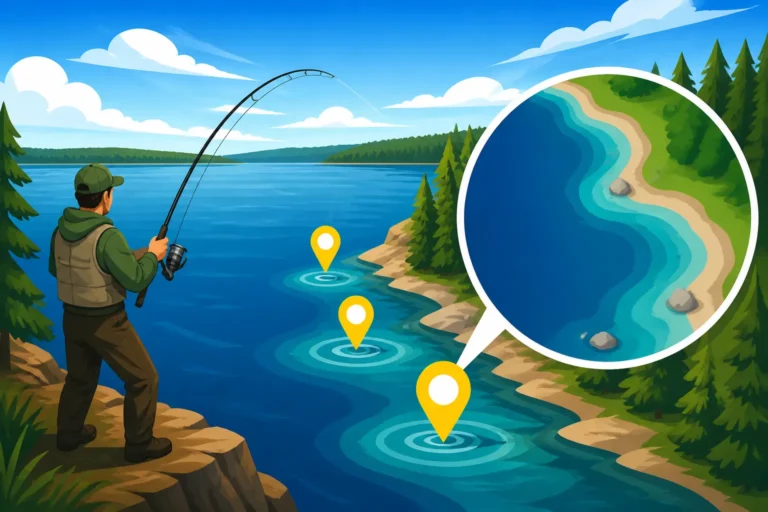
It's a common frustration, isn't it? You love the idea of casting a line in Alberta's stunning waters, but maybe you don't own a boat, or perhaps launching one feels like more hassle than it's worth for a quick afternoon session. Many anglers feel limited by shore access, missing out on prime fishing spots. But here's the good news: Alberta is absolutely packed with fantastic shore fishing opportunities, offering everything from serene mountain lakes to bustling urban rivers, all within easy reach. This guide is dedicated to uncovering those accessible gems, helping you discover the best places to cast your line right from the bank.
Urban Oases: Easy Access Fishing in Calgary and Edmonton
Living in the city doesn't mean you have to travel for hours to get a good fishing fix. Both Calgary and Edmonton, along with many smaller towns, boast incredible fishing spots right within, or on the immediate outskirts of, their urban centres. These locations are perfect for a spontaneous trip after work, a family outing on a Saturday, or just when you need a quick escape to nature without the long drive.
Calgary's Bow River Banks and City Ponds
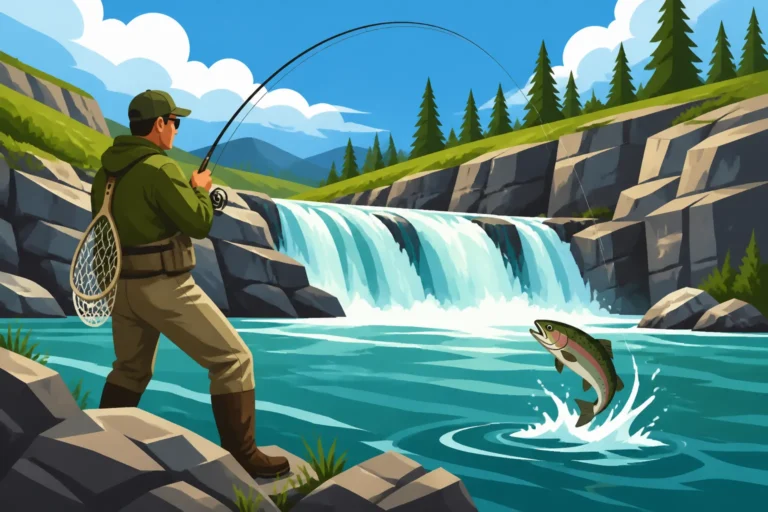
The Bow River, famed worldwide for its exceptional trout fishing, flows right through Calgary, making it incredibly accessible for shore anglers. While many prime spots require a drift boat, there are plenty of areas where you can wade or cast from the bank. Fish Creek Provincial Park offers numerous access points, with well-maintained trails leading to the river. You'll find prime spots around Policeman's Flats, McKinnon Flats, and in various city parks like Edworthy Park. These areas are renowned for wild rainbow and brown trout, with some specimens reaching truly impressive sizes. Make sure you're familiar with the specific regulations for the Bow River, as some areas might be catch-and-release only or have tackle restrictions. For a deeper dive into this incredible fishery, check out our comprehensive Bow River Fishing Guide.
Beyond the Bow, Calgary and its surrounding areas are dotted with numerous stocked ponds, making them ideal for beginners or those seeking consistent action. Places like Chestermere Lake (a short drive east) offer designated fishing areas, docks, and even tackle shops nearby. Within the city, ponds like those in Pearce Estate Park or in various neighbourhood green spaces are regularly stocked with rainbow trout by Alberta Environment and Protected Areas. These ponds provide a fantastic, low-barrier entry to fishing, perfect for teaching kids or just enjoying a peaceful morning. The fish here are often eager to bite, responding well to simple setups with power bait, worms, or small spinners. Always remember that regardless of where you fish, you'll need an Alberta Fishing License Guide for 2026 and an active Alberta WIN Card, Explained if you're over the age of 16 and under 65.
Edmonton's North Saskatchewan River and Stocked Lakes
Edmontonians also have fantastic urban fishing at their fingertips, primarily centered around the majestic North Saskatchewan River. Flowing right through the heart of the city, the river offers opportunities to catch walleye, northern pike, goldeye, burbot, and even the occasional sturgeon from its banks. Popular shore fishing spots include areas around the Capilano Bridge, Fort Edmonton Park, and various river valley access points. The river can be quite swift, so safety is paramount, especially during high water. Look for slower eddies, current breaks, and areas with submerged structure where fish might congregate. A heavier sinker and a robust rod are often necessary to combat the current.
Just like Calgary, Edmonton and its surrounding communities benefit from numerous stocked lakes and ponds. Lakes like Hermitage Park Pond, Mill Creek Ravine, and Chickakoo Lake Recreation Area are regularly stocked with rainbow trout, and sometimes even brook trout or tiger trout, offering excellent family-friendly shore fishing. These are perfect for those who prefer calmer waters and predictable catches. Amenities often include picnic tables, washrooms, and easy parking, making them perfect for a full day out. These stocked fisheries are excellent places to practice your casting and learn the basics of angling before venturing to larger, more challenging waters. Remember to always consult the Alberta Fishing Regulations Explained for specific limits and rules for each body of water, as they can vary greatly.
Mountain Serenity: Kananaskis and Banff Region Shorelines
The majestic Canadian Rockies offer more than just stunning views; they're home to pristine waters teeming with trout, many of which can be accessed right from shore. While some of the more remote alpine lakes require strenuous hikes, there are numerous easily accessible options for those looking to combine incredible scenery with rewarding fishing.
Kananaskis Lakes: Accessible Alpine Angling
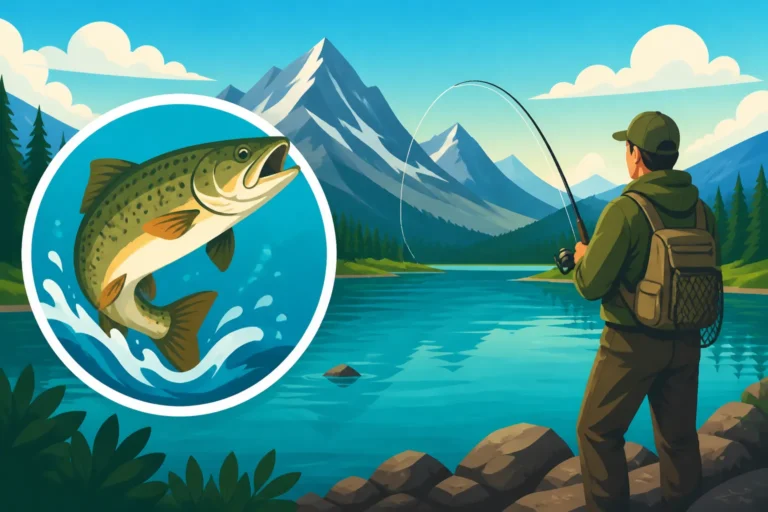
The Kananaskis Country region, a short drive west of Calgary, is a treasure trove of accessible mountain fishing. Upper and Lower Kananaskis Lakes are prime examples. While they are large bodies of water, there are many turnouts, day-use areas, and camping spots that provide excellent shore access. You can find beautiful cutthroat trout, rainbow trout, and even some sizable lake trout, especially early and late in the season, cruising the shallower banks. Drifting a fly under an indicator, casting small spoons, or using a simple worm-and-bobber setup can be incredibly effective here. The clarity of the water means fish can be spooky, so a stealthy approach and lighter lines are often beneficial. For more detailed information on these beautiful waters, our Kananaskis Lakes Fishing Guide is a fantastic resource.
Another gem in Kananaskis is Quarry Lake near Canmore. This stunning turquoise lake, popular for swimming and paddleboarding, also offers surprisingly good fishing for stocked rainbow trout. Its easy walking trails around the perimeter provide ample casting opportunities, and it's particularly popular with families. The same goes for Barrier Lake, which is often stocked and has numerous spots along its accessible shores. The key to fishing these mountain lakes from shore is often timing – early mornings or late evenings when boat traffic is minimal and fish are more active near the banks can yield the best results. Additionally, consider visiting during weekdays to avoid weekend crowds, especially in popular spots.
Lesser-Known Mountain Ponds and Streams
Beyond the major lakes, Kananaskis and other mountain regions are dotted with smaller ponds and streams that often go overlooked by the masses, providing a more intimate shore fishing experience. Many of these are stocked with trout and are easily accessed from roadside pull-offs or short trails. For instance, the Highwood River and Sheep River, while primarily known for their fly fishing, have accessible sections near bridges and park areas where you can cast from the bank. These smaller rivers hold wild cutthroat and rainbow trout, offering a challenging but rewarding experience.
Always pay close attention to signs and regulations when fishing these smaller, often more delicate, ecosystems. Some streams might have specific gear restrictions (e.g., single barbless hooks only), or be catch-and-release entirely. These smaller waters are where a sense of adventure truly pays off; sometimes a short walk from a main road can lead you to a secluded bend where eager trout are feeding. If you're looking to branch out from the usual spots, researching forestry trunk road access points can reveal numerous hidden creeks and ponds that offer excellent, undisturbed shore fishing for those willing to explore.
Prairie Gems: Southern and Central Alberta Lake Shores
Alberta's vast prairies might seem flat, but they are dotted with numerous large lakes that offer incredible fishing, and many of these have ample shore access, making them perfect for anglers without a boat. From large, popular recreational lakes to more secluded spots, there's a shore fishing experience for everyone.
Sylvan Lake and Gull Lake: Family-Friendly Fishing
Central Alberta is home to some of the province's most popular recreational lakes, and happily, many of them offer fantastic shore fishing, especially for families. Sylvan Lake is a prime example. While busy in summer, its public beaches, parks, and designated fishing areas provide numerous spots to cast a line. Anglers from shore can target northern pike, walleye (often requiring specific techniques or the Alberta Walleye Special Harvest Licence Program), yellow perch, and even burbot. The public pier in the town of Sylvan Lake is a particularly popular spot, allowing access to deeper water without a boat. Early mornings or late evenings are best to avoid the swimmers and boaters, and often yield the most active fish. Our dedicated Sylvan Lake Fishing Guide offers even more insights.
Just north of Sylvan Lake lies Gull Lake, another excellent choice for shore anglers. With several provincial parks like Aspen Beach and Gull Lake Provincial Park, you'll find plenty of public access. Gull Lake is known for its abundant northern pike and walleye, and can also offer good yellow perch fishing. Look for areas near weed lines or drop-offs accessible from shore. Casting spoons, spinnerbaits, or even simple bait-and-bobber setups with a large minnow (where legal) can be effective. These lakes are perfect for a family day out, offering swimming, playgrounds, and picnic areas alongside the fishing. They're also often quite windy, so checking the forecast before you go can save you from a frustrating casting experience.
Lesser Slave Lake and Pigeon Lake: Big Fish from Shore
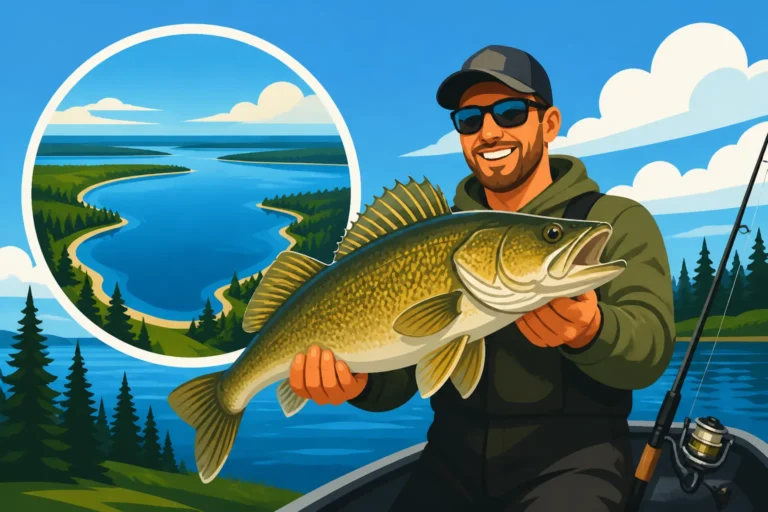
For those dreaming of bigger catches without needing a boat, some of Alberta's larger lakes surprisingly offer great shore opportunities. Lesser Slave Lake, a northern Alberta giant, is famous for its trophy walleye and pike. While much of the best fishing is boat-based, areas around the town of Slave Lake, especially near the causeway and shoreline parks, can provide decent shore access. During certain times of the year, particularly spring and fall, these areas can be incredibly productive as fish move closer to shore. You might be surprised at the size of the walleye you can pull from these spots! If you're considering a trip up north, our Lesser Slave Lake Fishing Guide details some prime locations and techniques. Keep in mind that for a lake of this size, having good gear is crucial – a sturdy Best Fishing Rods for Alberta Rivers or lakes is essential for battling larger fish.
Closer to Edmonton, Pigeon Lake is another excellent prairie lake that offers significant shore fishing potential. With multiple public access points, campgrounds, and designated day-use areas, it's a fantastic spot for targeting walleye, northern pike, and yellow perch. The fishing pier at Pigeon Lake Provincial Park is a popular choice, providing access to deeper water and often yielding good results. Similar to other large lakes, focus on periods of low light (dawn/dusk) or overcast days when fish are more likely to be actively feeding near the shore. Using larger baits and lures, even from the bank, can help you attract the attention of the lake's larger residents. For a comprehensive overview of this popular lake, consult our Pigeon Lake Fishing Guide. Sometimes, even if you’re a dedicated shore angler, seeing what local guides are catching through platforms like FishingBooker can give you clues about what species are active and where, even if you're adapting the techniques to your land-based approach.
Northern Frontiers: Wild Fishing Experiences
Venturing further north into Alberta often opens up opportunities for truly wild and less-pressured fishing. While many of these locations are more remote, a surprising number offer decent shore access, especially for those willing to do a bit of exploring.
Remote River Banks and Untouched Lake Shores
The vast northern regions of Alberta are crisscrossed by mighty rivers like the Athabasca, Peace, and Slave Rivers, all of which offer shore fishing opportunities for adventurous anglers. While the sheer scale can be intimidating, many smaller tributaries and oxbow lakes connected to these major systems provide excellent access. Here, you can target northern pike, walleye, goldeye, and burbot. Access points often include bridge crossings, ferry landings, or designated provincial campgrounds along the riverbanks. For instance, areas around Fort Vermilion or Peace River townsite can yield good catches directly from the shore. These locations are often less crowded than their southern counterparts, offering a more serene and wild fishing experience.
When exploring these remote riverbanks and lake shores, always prioritize safety. The wilderness can be unpredictable, so inform someone of your plans, carry bear spray, and be mindful of changing water levels. These areas might not have the same amenities as urban parks, so come prepared with all your necessities. The rewards, however, can be truly exceptional – connecting with nature and landing fish that rarely see a lure. In these more isolated areas, checking with local outfitters or using resources like FishingBooker to understand local conditions and hotspots can be invaluable, even if you’re planning a self-guided shore trip.
Stocked Ponds and Community Lakes in Northern Towns
Even in Alberta's northern reaches, many smaller communities recognize the value of local fishing and maintain stocked ponds or accessible community lakes. These spots provide excellent, reliable fishing for residents and visitors alike, often requiring minimal travel. Towns like Grande Prairie, Fort McMurray, and Peace River often have several easily accessible ponds that are regularly stocked with rainbow trout or other species. These are fantastic for a quick outing, especially with kids.
One notable example is the Muskoseepi Park Reservoir in Grande Prairie, which offers consistent rainbow trout action and is centrally located. Similarly, many campgrounds throughout northern Alberta, even in provincial parks, often have adjacent ponds or small lakes that are stocked and offer convenient shore fishing. These often have docks or cleared bank access, making them incredibly user-friendly. While the fish might not be trophy-sized, the sheer joy of a bending rod and the convenience of these locations make them invaluable for northern anglers.
Essential Tips for Successful Shore Fishing in Alberta
Shore fishing often presents unique challenges compared to fishing from a boat, but with the right approach and gear, it can be just as rewarding, if not more so, given the added joy of accessibility and simplicity.
Gear Up Smart: What to Bring for Bank Fishing
When you're sticking to the shore, versatility in your gear is key. You're often limited by how far you can cast and what obstacles might be behind you, so choosing the right rod and reel can make a huge difference. A medium-action spinning rod, between 6'6" and 7'6" in length, is a great all-around choice for Alberta's diverse fisheries. It allows for decent casting distance for most lakes and rivers, while still being manageable in tighter spots. Pairing it with a reliable spinning reel spooled with 8-12 lb monofilament or fluorocarbon, or 15-20 lb braided line with a fluorocarbon leader, will cover most situations. For those focusing on larger species like pike, a heavier setup might be warranted.
Your tackle selection should also be versatile. A small tackle box with an assortment of spoons (e.g., Williams Wabler, Five of Diamonds), spinners (e.g., Mepps, Rooster Tail), jigs (various sizes and colors for walleye and perch), and a few different bobbers and weights will serve you well. Don't forget some basic bait like worms (nightcrawlers are always a good bet), or PowerBait for stocked trout ponds. Pliers for hook removal, a small measuring tape (to ensure you're within Alberta Bag and Possession Limits by Species), and a landing net are also essential. A good pair of polarized sunglasses will help you spot fish and submerged structure, making a world of difference in clear waters.
Here's a quick reference for general shore fishing gear:
| Gear Item | Recommended Type/Use | Notes |
|---|---|---|
| Rod & Reel Combo | 6'6" – 7'6" Medium Action Spinning Combo | Versatile for most species and waters |
| Fishing Line | 8-12lb Mono/Fluoro or 15-20lb Braid with Fluoro Leader | Braid for sensitivity, mono/fluoro for stealth |
| Lures | Spoons (various colors), Spinners, Jigs (1/8 – 1/2 oz) | Covers trout, pike, walleye, perch |
| Bait | Worms, PowerBait, Minnows (where legal) | Essential for stocked ponds and many species |
| Terminal Tackle | Hooks (sizes 4-12), Swivels, Sinkers, Bobbers | Basic essentials for various rigs |
| Tools | Pliers, Line Cutter, Small Landing Net, Measuring Tape | Safety and regulation compliance |
| Personal Items | Polarized Sunglasses, Hat, Sunscreen, Water, Bug Spray | Comfort and protection in the elements |
| Accessory | Small Backpack or Tackle Bag | Keeps hands free and organizes gear effectively |
Navigating Regulations and Seasons
Understanding Alberta's fishing regulations is paramount to a successful and legal fishing trip. Before heading out, always consult the current "Alberta Guide to Sportfishing Regulations." This guide is available online on the MyWildAlberta website or at most license vendors. Pay close attention to the specific zone you are fishing in, as regulations for different water bodies and species can vary dramatically even within a short distance. Things like catch limits, possession limits, size restrictions, and bait restrictions are all critical. Our guide on Reading the Alberta Guide to Sportfishing Regulations can help you decipher the details.
For instance, many trout streams in the mountains have specific "trout season opener dates by zone" and might only allow artificial lures with barbless hooks. In contrast, many stocked ponds allow bait. Certain species, like bull trout, have a zero-possession limit province-wide and must be released safely. Always be aware of the Alberta Fishing Season Dates by Zone to ensure the season for your target species is open. Remember that children under 16 and seniors over 65 may have different license requirements, as detailed in our Do Alberta Residents Under 16 Need a Fishing License? and Do Alberta Seniors Over 65 Need a Fishing License? articles, but the general regulations still apply to them. Being informed is the best way to ensure you have an enjoyable and responsible day on the water.
Disclaimer
The information provided in this guide is for general informational purposes only and is subject to change. Fishing regulations, season dates, and access points can vary and are often updated by Alberta Environment and Protected Areas. Always consult the most current "Alberta Guide to Sportfishing Regulations" and local signage before fishing any body of water. Fishing involves inherent risks; please exercise caution and prioritize safety while on the water.