Best kayak fishing on the Bow River
There's nothing quite like the feeling of gliding silently across the water, the sun warming your face, as you stalk trout in one of Alberta's most legendary rivers. Kayak fishing the Bow River offers an incredible sense of freedom and access, but let's be real, it also comes with its own unique set of challenges, from unpredictable currents to navigating tricky put-ins. If you've ever dreamt of getting closer to those elusive Bow River trout without the hassle of a big boat, or simply wondered if your trusty kayak can handle this magnificent waterway, you've come to the right place. This comprehensive guide will walk you through everything you need to know to make your Bow River kayak fishing adventure safe, successful, and incredibly rewarding.
The Unbeatable Appeal of Kayak Fishing on the Bow River
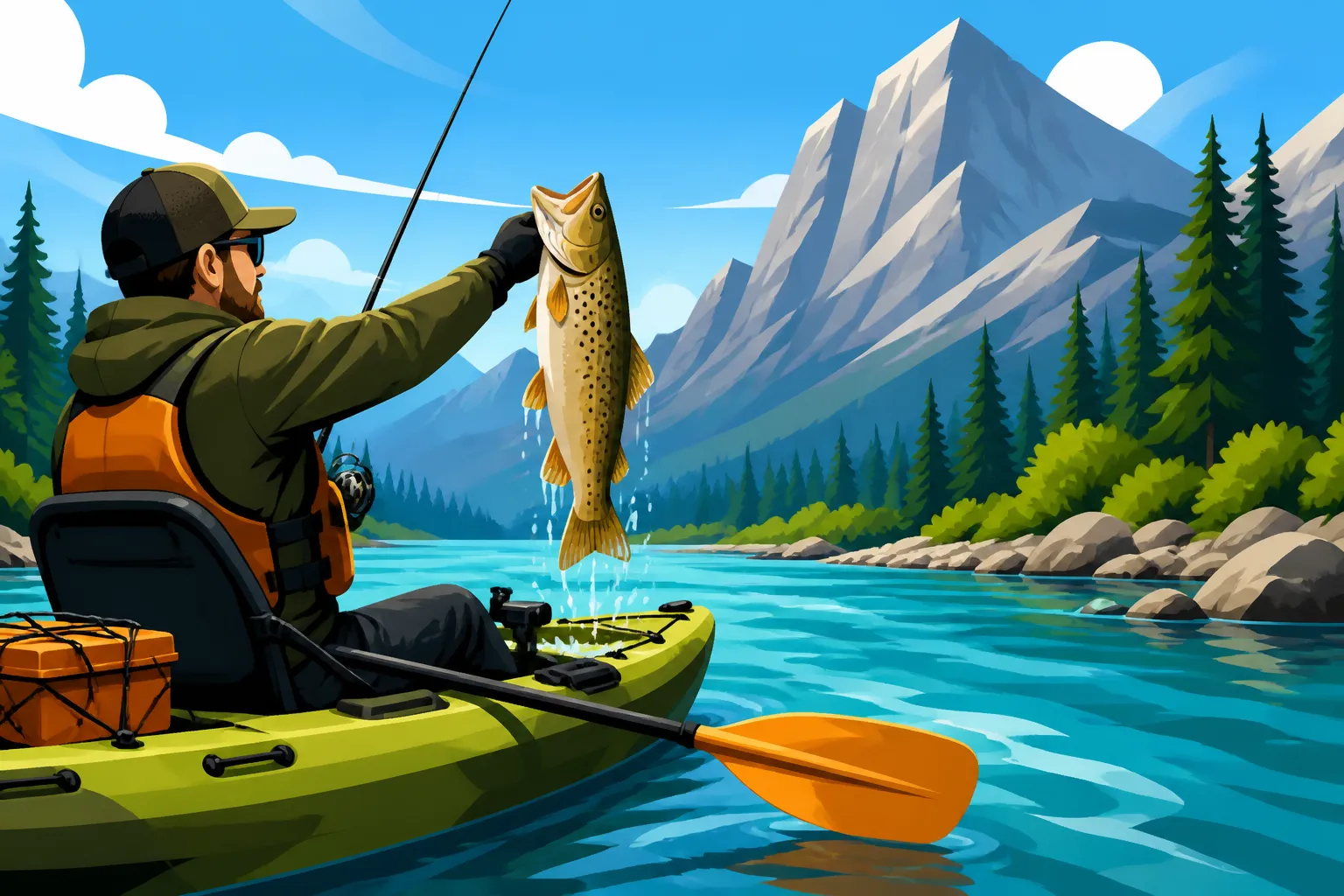
There’s a special magic that happens when you trade the traditional drift boat or bank fishing for a kayak on the Bow River. It’s an experience that truly connects you with the water, offering a perspective and level of intimacy that's hard to find otherwise. If you’re like me, you love the peace and quiet, the ability to paddle into spots other anglers can’t reach, and the pure thrill of battling a strong rainbow trout from a low-profile craft.
Accessing Hidden Gems
One of the biggest frustrations for many Bow River anglers is the sheer number of people, especially on popular sections near Calgary. While the river is large, prime spots can get crowded. This is where a fishing kayak truly shines. You gain the ability to slip into those shallower braids, navigate tight channels, or quietly approach secluded banks that a traditional drift boat might struggle with or simply blow past.
Imagine you're paddling a stretch of the Bow, and you spot a beautiful seam on the far bank, just out of casting range from the usual access points. In a kayak, you can often work your way over there, hugging the quieter water, and position yourself perfectly to make that critical cast. This stealth allows you to present your fly or lure to fish that might be less pressured, often leading to more consistent hook-ups and bigger fish. It’s not just about covering more water; it’s about covering the right water in a way that respects the environment and minimizes disturbance. For those looking to explore Alberta's more remote waterways, understanding the nuances of different kayaks can be a game-changer. Our guide on the best kayaks for Alberta fishing provides excellent insights.
The Intimate Fishing Experience
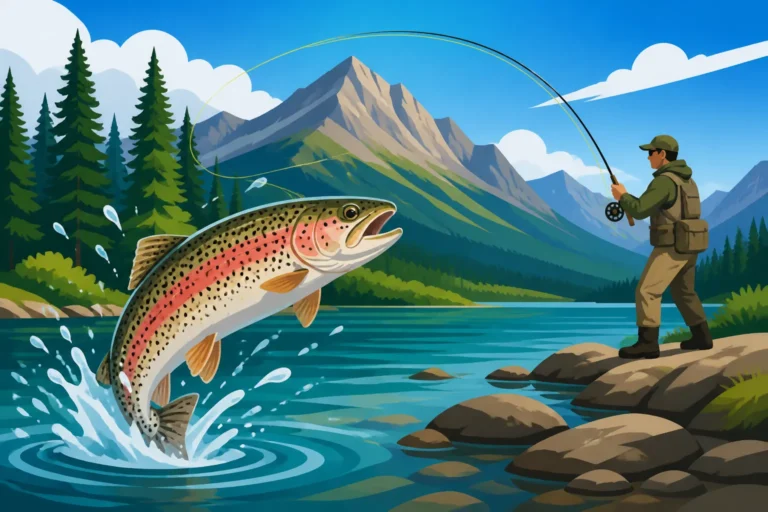
There's a raw, almost primal connection you feel when you're in a kayak, practically at eye level with the water, as a powerful Bow River rainbow explodes on your fly. Unlike standing in a drift boat, where you have more leverage, fighting a strong fish from a kayak demands balance, core strength, and quick reflexes. It's a full-body experience that tests your angling skills in a completely new way.
Beyond the fight, the quiet nature of kayak fishing means you're more attuned to your surroundings. You hear the rustle of leaves on the bank, the chirping of birds, and the subtle shifts in the river's current. It's a mindful experience, a true escape from the hustle and bustle. The water becomes your world, and every ripple, every piece of structure, holds a new secret. It's an opportunity to truly immerse yourself in the natural beauty of the Bow River, making each cast and retrieve feel more significant.
Preparing for a Safe and Successful Bow River Kayak Trip
The Bow River is stunning, but it's also a powerful, dynamic waterway that demands respect and thorough preparation. Rushing out unprepared can quickly turn a dream trip into a dangerous situation. Think of it like this: you wouldn't hike a mountain trail without the right gear and knowledge of the terrain, and the same goes for a moving river.
Choosing the Right Kayak and Gear
Not all kayaks are created equal, especially when it comes to river fishing. For the Bow, you're generally looking for stability, maneuverability, and enough storage for your gear. Sit-on-top kayaks are often preferred for their ease of entry and exit, especially if you need to quickly get out and wade. They also drain water easily, which is a huge plus if you take on a wave or two.
When it comes to length, a shorter kayak (10-12 feet) offers better maneuverability for navigating currents and obstacles, while a longer one might track straighter in open stretches but can be harder to turn quickly. Pedal-drive kayaks are fantastic for hands-free fishing, allowing you to maintain position against the current while casting, but they can be more expensive and sometimes have props that can get snagged in shallow or weedy sections. Paddle kayaks are simpler, lighter, and often more affordable, making them a great choice for portability.
Beyond the kayak, essential gear includes a high-quality, comfortable PFD (Personal Flotation Device) that you will wear at all times, a reliable paddle, and a leash for your paddle so it doesn't float away. A sturdy, collapsible landing net is crucial for safely handling fish from a kayak, especially if you plan on practicing catch and release, as is often the case on the Bow. Don't forget a dry bag for your phone, keys, and any electronics, and a whistle to signal for help. Our guide on the best fishing rods for Alberta rivers can help you select the right rod to pair with your kayak setup.
Navigating River Flows and Hazards
The Bow River's flow rates can vary dramatically depending on the season, recent rainfall, and dam releases. Always check the flow rates and water levels before you head out. High flows mean faster currents and more powerful eddies, making it harder to paddle and increasing the danger of strainers (fallen trees or debris that can pin a kayak). Low flows can expose new hazards like rocks and shallow sections, requiring more portaging or careful navigation.
Common hazards on the Bow include:
- Log jams and sweepers: These are branches or entire trees partially submerged or hanging low over the water. They can act as strainers, pulling your kayak under if you get caught. Always give them a wide berth.
- Shallow rapids and riffles: While generally not extreme, these can be rocky and quickly flip an unstable kayak. Read the water carefully and aim for the deepest, clearest path.
- Eddies and eddy lines: Where fast current meets slower water, eddies can create powerful swirling currents that can be tricky to navigate. Learn to use them to your advantage to rest or move upstream, but be aware of the turbulent "eddy line" where they meet the main current.
- Cold water: Even in summer, the Bow River is fed by glacial melt, making it very cold. A capsize can quickly lead to hypothermia, so dress in layers of synthetic or wool clothing, and avoid cotton.
Understanding Regulations and River Etiquette
Fishing on the Bow River, like any waterway in Alberta, requires adherence to specific regulations. First and foremost, you'll need an Alberta fishing license and a Wildlife Identification Number (WIN) card. Make sure you understand the specific zone regulations for the section of the Bow you're fishing, as limits, bait restrictions, and season dates can vary. You can find detailed information in the Alberta Guide to Sportfishing Regulations, and a good starting point is our comprehensive Alberta fishing license guide for 2026. For those new to the province's regulatory requirements, understanding your Alberta WIN card, explained in detail here, is essential.
Beyond licenses, boating safety is paramount. Our guide on Alberta boating laws for anglers covers the essentials, including mandatory safety equipment like life jackets. As a kayaker, you're sharing the river with drift boats, rafts, and sometimes motorboats. Always be courteous, give other anglers space, and avoid disrupting their fishing. If you see someone hooked up, give them a wide berth. When floating, try to keep a reasonable distance between yourself and other boats or waders. And please, always pack out everything you pack in – let's keep the Bow beautiful for everyone.
Top Kayak Fishing Strategies for Bow River Trout
Now that you're geared up and safety-conscious, let's talk about catching fish. Kayak fishing on the Bow offers some unique advantages for trout anglers, allowing for precise presentations and strategic positioning that can make all the difference.
Reading the Water from a Low Profile
From a kayak, you're lower to the water, which changes your perspective on reading the river. What might look like a flat stretch from the bank can reveal subtle current seams, depth changes, and hidden structure when you're paddling over it. Pay close attention to:
- Current seams: These are highways for trout, bringing food past their holding lies. Look for changes in water speed, where fast water meets slow water, or around obstacles.
- Eddies and slack water: Trout love to hold in the softer water behind rocks, logs, or points, waiting for food to drift by in the main current. These are prime casting targets.
- Structure: Submerged rocks, fallen trees, undercut banks, and weed beds all provide cover and feeding opportunities for trout. Your kayak allows you to approach these spots quietly and often from angles that are inaccessible from shore.
- Depth changes: Use your polarized sunglasses to spot deeper holes or drop-offs, especially along cut banks or mid-river channels. Trout will often hold in these deeper, cooler pockets.
Your ability to slowly paddle and hold position with minimal disturbance is key. Sometimes, just sitting quietly and observing the water for a few minutes will reveal where fish are holding or rising.
Effective Lure and Fly Presentations
From a kayak, your casting angles and presentation methods can be more versatile than from the bank. For fly anglers, consider a more compact stroke to avoid snagging your paddle or the kayak itself.
- Drift Fishing: This is probably the most effective technique for trout on the Bow. Whether you're using flies, nymphs, or even small lures, the goal is to present your offering naturally with the current. In a kayak, you can control your drift speed with subtle paddle strokes or a drag anchor, allowing for long, drag-free drifts through productive seams and runs. This technique is particularly effective when targeting wary rainbow trout, a species well-documented in our "Rainbow Trout Fishing on the Bow River" guide. Our specific guide on drift fishing for trout on the Bow River also offers further insights.
- Indicator Nymphing: This is incredibly popular on the Bow. From a kayak, you can position yourself upstream and slightly to the side of a seam, allowing your indicator and nymphs to drift naturally without drag. The lower profile of a kayak means less wind resistance on your line, helping to achieve those perfect drifts.
- Streamer Fishing: Swinging streamers across current can be deadly for larger trout. A kayak allows you to work a bank or structure methodically, making repeated casts and letting the current impart action to your fly.
- Spin Fishing: For those using spinning gear, small inline spinners, spoons, or soft plastics drifted or slowly retrieved near structure are excellent choices. Again, the kayak allows for precise casting into tight spots. For many, a good pair of waders is still essential for accessing prime spots; read more in our "Wading Techniques for Alberta Trout Rivers" guide.
Remember that trout in the Bow River can be incredibly selective, especially on heavily fished days. Don't be afraid to experiment with different flies, lures, and presentation depths until you find what they're keying on. Before you even dip a paddle, checking resources like FishingBooker for local guide insights or up-to-date reports can give you a significant advantage.
Key Sections and Access Points for Kayak Anglers
The Bow River offers numerous fantastic sections for kayak fishing, each with its own character. Here are a few popular starting points, keeping in mind that conditions and access can change:
| Section Name | Description | Best for | Typical Float Time (approx.) |
|---|---|---|---|
| Calgary City Sections | From Bowness Park downstream through downtown. Offers varied water, from faster runs to slower pools, with urban backdrops. Multiple city parks provide access. | Convenience, various trout | 2-4 hours |
| Fish Creek Park Area | South of Calgary, this section is a bit less pressured than downtown, offering good riffles, runs, and some deeper holes. Good access points at Fish Creek and Mallard Point. | Rainbows, Browns | 3-5 hours |
| McKinnon Flats to Carseland | A classic Bow River float. This section offers excellent riffles, runs, and braided channels. It's renowned for its large wild rainbow trout. Multiple public access points. | Trophy Rainbows | 4-7 hours |
| Carseland to Wyndham-Carseland PP | A slightly wider, often slower section with deeper holes and good structure, suitable for both trout and occasionally pike further downstream. | Mixed Bag, Less Current | 2-3 hours |
Many anglers, especially those new to the area, find platforms like FishingBooker incredibly helpful for connecting with local guides who specialize in kayak fishing on the Bow River, offering insights into current hotspots and conditions. These guides often run their trips from various access points along the Bow River, tailoring the experience to the client's skill level and the day's conditions. Always confirm current access conditions, as some points might be temporarily closed or have specific rules. Detailed information on access can often be found in a comprehensive Bow River fishing guide.
Essential Safety and Logistics for Your Bow River Journey
Kayak fishing on a moving river like the Bow is an adventure, but it requires careful logistical planning and a strong commitment to safety. You're not just casting a line; you're navigating a dynamic environment, and being prepared for all eventualities is key.
Shuttle Planning and Solo Adventures
One of the biggest logistical puzzles for river kayak fishing is the shuttle. You'll need a way to get your kayak (and yourself) from your take-out point back to your put-in.
- Two-Vehicle Shuttle: This is the most common and easiest method. Park one vehicle at your take-out, drive the other (with your kayak) to your put-in. Fish your way down, then use the vehicle at the take-out to retrieve the other.
- Bicycle Shuttle: For shorter floats, you might park your car at the take-out, then bike upstream to the put-in with your kayak. This requires a good bike and can be tiring.
- Designated Driver/Friend: Convincing a friend or family member to drop you off and pick you up is often the most relaxing option!
- Professional Shuttle Services: In popular areas, there might be local outfitters or taxi services willing to run shuttles for a fee. Check with local fly shops or river guides; sometimes even services like those found through FishingBooker might have recommendations or options.
Solo fishing on the Bow River is not recommended for beginners. The river can be unpredictable, and if you capsize or get into trouble, having another person there can be a lifesaver. If you must go solo, inform someone of your float plan, including your put-in, take-out, and estimated times. Carry a fully charged cell phone in a waterproof bag, a satellite messenger, or a personal locator beacon (PLB).
What to Do in an Emergency
Even the most experienced anglers can face unexpected situations on the water. Knowing how to react can prevent a bad situation from becoming catastrophic.
- Capsize: If your kayak flips, stay with it! Most modern kayaks float, and they can be a crucial flotation device. Try to right your boat, and then get back in if it's safe to do so. If not, swim the boat to the nearest safe bank. Always keep your paddle leashed, and your PFD on.
- Getting Pinned: If you get pinned against a rock or strainer, lean into the obstacle, allowing the current to flow under your boat. Don't lean away, or the current will swamp and potentially wrap your kayak. Work to free yourself slowly and safely.
- First Aid: Always carry a basic first aid kit, especially one equipped for cuts, scrapes, and minor injuries common around hooks and sharp rocks. Know how to use it.
- Signaling for Help: Your whistle is your best friend here. Three short blasts is the universal distress signal. If you have a satellite messenger, use it.
Remember, safety should always be your number one priority. No fish is worth risking your life. Be prepared, be aware, and enjoy the unparalleled beauty and angling opportunities that kayak fishing on the Bow River offers.
Disclaimer
The information provided in this guide is for general informational purposes only and is not a substitute for professional advice, local expertise, or current official regulations. River conditions, fishing regulations, and access points can change rapidly. Always consult the official Alberta Guide to Sportfishing Regulations, local authorities, and experienced guides before embarking on any fishing trip. Kayaking on rivers carries inherent risks; always prioritize safety, wear appropriate personal flotation devices, and ensure you have the necessary skills and equipment for the conditions.