Alberta Boating Laws for Anglers
It's incredibly frustrating when you're just trying to enjoy a peaceful day out on the water, only to be constantly worried about whether you've got all your ducks in a row with the regulations. Alberta's boating laws can seem like a dense maze of rules and requirements, especially when all you want to do is get your line in the water. This comprehensive guide is here to untangle that complexity, giving you a clear, easy-to-understand breakdown of everything Alberta anglers need to know to boat legally and safely.
Navigating the Essentials of Alberta Boating Regulations
Getting out on the water in Alberta offers some of the most stunning scenery and incredible fishing experiences you can imagine, from the vast stretches of Lesser Slave Lake to the winding currents of the Bow River. But before you launch your boat, canoe, or even your paddleboard, it's absolutely vital to understand the rules of the road – or, in this case, the water. These aren't just arbitrary guidelines; they're designed to keep everyone safe, protect our precious aquatic environments, and ensure that our shared waterways remain enjoyable for generations to come. Ignoring them can lead to serious consequences, not just legally, but also for your own safety and the well-being of our fish populations.
Why Boating Laws Matter for Anglers
For anglers, boating laws are intertwined with the very act of fishing. Imagine heading out to Cold Lake, full of excitement for some trophy lake trout, only to find yourself facing a fine because you didn't have the correct safety equipment on board. Not only does it spoil your day, but it can hit your wallet hard. Beyond personal inconvenience, these laws play a crucial role in preventing accidents, which is paramount when you consider how quickly conditions can change on Alberta's lakes and rivers. A sudden storm on Lake Athabasca or a capsizing incident on a swift river like the Oldman can turn dangerous in moments, and having the right gear and knowledge can be the difference between a close call and a serious emergency.
Furthermore, many regulations are specifically in place to protect the aquatic ecosystems that make Alberta such a prime fishing destination. Rules about clean, drain, dry, or even waste disposal from your vessel are directly aimed at preventing the spread of invasive species and maintaining water quality, which directly impacts the health and abundance of the fish you're targeting. So, when we talk about boating laws, we're not just talking about bureaucratic red tape; we're talking about responsible stewardship of our natural resources and ensuring that Alberta fishing remains fantastic.
Key Regulatory Bodies and Their Roles
Understanding who makes and enforces these rules can help demystify things a bit. In Canada, federal laws largely govern boating safety, navigation, and pollution prevention, while provincial laws often cover things like environmental protection and specific usage rules for provincial lands and waters. For anglers in Alberta, it's primarily a combination of federal and provincial regulations you need to be aware of.
Transport Canada is the main federal body responsible for recreational boating safety across the country. They set the standards for things like the Pleasure Craft Operator Card (PCOC), mandatory safety equipment, and navigation rules. These are universal across Canada. Then, we have provincial bodies like Alberta Environment and Protected Areas (AEPA) and Alberta Parks, which implement additional regulations specific to Alberta's waterways and protected areas. For instance, while Transport Canada mandates life jackets, Alberta Parks might have specific rules for motorized boat usage or speed limits within a particular provincial park lake. This dual layer of regulation means you need to be informed about both federal requirements and any specific rules that apply to where you plan to launch your boat within Alberta.
Understanding Your Pleasure Craft Operator Card (PCOC)
One of the most common questions and sources of confusion for new and even experienced boaters is the Pleasure Craft Operator Card, or PCOC. Many folks think it's only for big powerboats, but the truth is, if you're operating any boat with a motor – even a small electric trolling motor on your canoe – you likely need one. This isn't just a suggestion; it's a legal requirement designed to ensure that anyone operating a motorized vessel has a basic understanding of safe boating practices and the rules of the water.
Who Needs a PCOC in Alberta?
Let's clear this up right away: virtually anyone operating a motorized pleasure craft in Canada, regardless of their age or the size of the boat's engine, needs a PCOC. This includes anglers using their bass boat on Pine Lake, someone enjoying a leisurely cruise on Sylvan Lake with a pontoon boat, or even a solo paddler who decides to attach a small electric motor to their kayak for easier travel across a big lake. The only real exemptions are for commercial vessels, new residents to Canada for a short grace period, or if your boat is solely human-powered (like a rowboat, canoe, or paddleboard with no motor attached).
This means that if you're planning to take out your fishing boat, or even just hop in a friend's boat and take the helm for a bit, you need your PCOC. It's not like a driver's license that you renew; it's a card for life, once you've passed the initial test. This "lifetime" aspect can sometimes lead people to forget about it, but remember, enforcement officers can ask to see it at any time while you're operating a boat. To understand more about this specific document, check out our detailed guide on the topic: Alberta Pleasure Craft Operator Card Requirement
How to Obtain and Keep Your PCOC Valid
Getting your PCOC is a straightforward process, thankfully. You need to take an accredited boating safety course and pass an exam. These courses are offered by various private providers across Alberta and online. Many people find the online courses incredibly convenient, allowing them to study at their own pace from home, often with interactive modules and practice quizzes. You can typically register for these courses through certified providers, and once you pass, they'll issue your card directly. While there's a fee for the course and exam, it's a one-time investment for a lifetime card.
The good news is, once you've got your PCOC, it doesn't expire, and there are no renewal fees or ongoing tests. This makes it a set-it-and-forget-it kind of certification, which is great for anglers who might only get out a few times a season. However, you must always carry proof of your PCOC while operating your pleasure craft. This can be the physical card, or in some cases, a digital copy on your phone or tablet, though having a physical backup is always a good idea, especially in areas with spotty cell service. Lost your card? Most providers offer a replacement service for a small fee.
Penalties for Operating Without a PCOC
Operating a motorized pleasure craft without a valid PCOC is a serious offense in Alberta, just like driving a car without a valid driver's license. Transport Canada sets the fines, and they are substantial. For individuals found operating without a PCOC, the fine is currently around $250, but this can vary and doesn't include any additional provincial penalties or complications that might arise, for example, if an accident occurs.
Beyond the immediate financial penalty, there are other repercussions. If you're involved in an accident and don't have your PCOC, it could complicate insurance claims or even lead to further charges depending on the severity of the incident. Law enforcement, including the RCMP and various provincial park rangers, routinely patrol Alberta's waterways and are empowered to stop vessels and request proof of competency. It's simply not worth the risk to yourself, your passengers, or your wallet to skip this essential requirement. It’s also important to note that while having your PCOC is crucial, it’s just one piece of the puzzle. Understanding other aspects of boating laws, such as Alberta Boating Laws for Anglers, is equally important for a safe and legal outing.
Mandatory Safety Equipment for Your Vessel
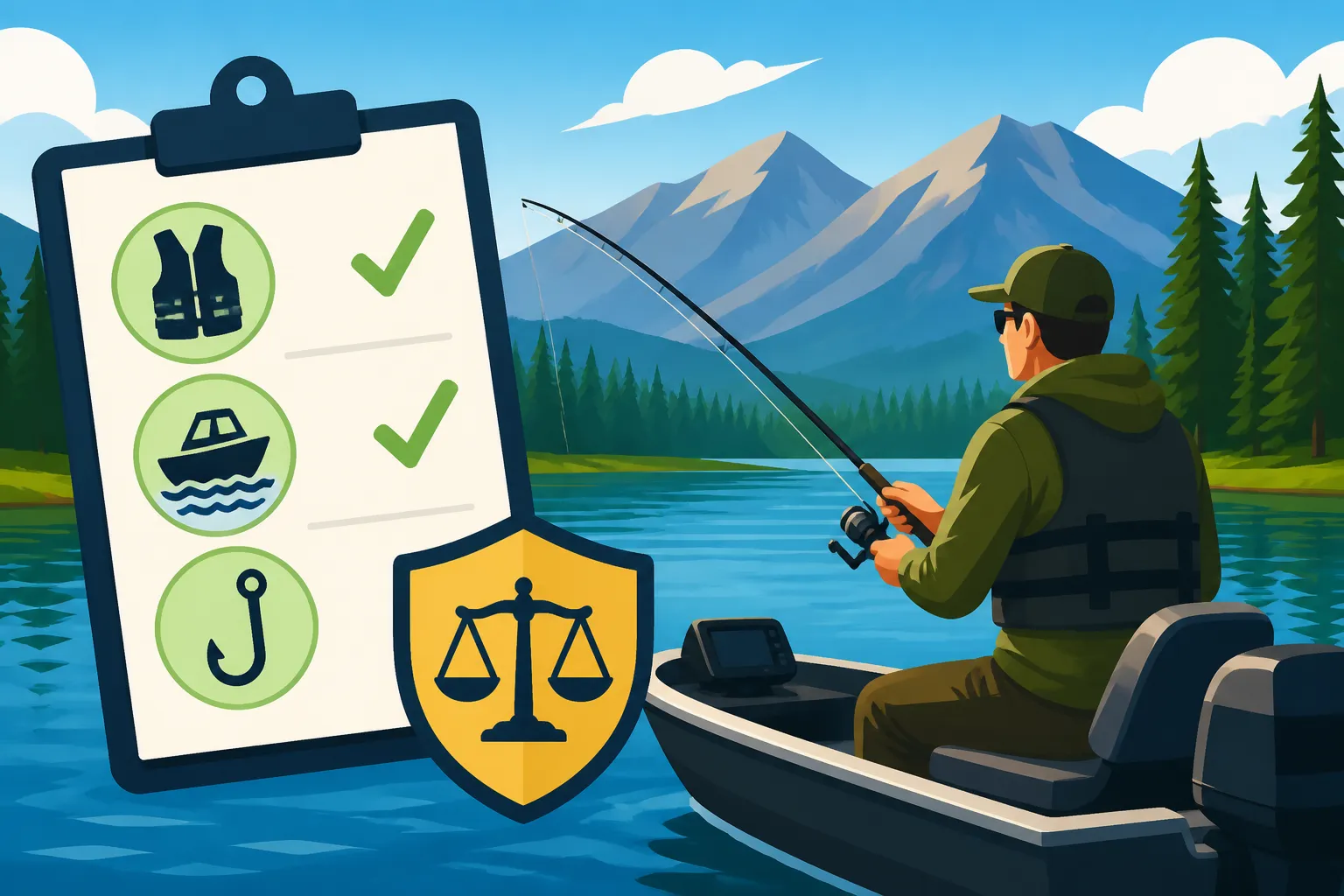
This is one area where many anglers, even seasoned ones, can fall short, sometimes unknowingly. Transport Canada has very specific requirements for safety equipment that must be on board your vessel at all times. These aren't just suggestions; they are non-negotiable items designed to ensure that if an emergency strikes, you have the tools to handle it. The requirements can vary slightly depending on the type and length of your boat, so it's not a one-size-fits-all checklist.
Life Jackets and Personal Flotation Devices PFDs
Without a doubt, life jackets or Personal Flotation Devices (PFDs) are the most critical pieces of safety equipment. Every person on board your pleasure craft must have an approved PFD or life jacket of appropriate size. And here's the kicker: they must be readily accessible. This means not stowed away in a locked compartment under a pile of gear. They should be easy to grab in an emergency, ideally worn or within arm's reach. For children, it's highly recommended they wear their PFDs at all times on the water, especially in smaller boats or around unfamiliar waters.
The difference between a life jacket and a PFD often causes confusion. Life jackets are designed to turn an unconscious person face-up in the water, offering superior protection. PFDs are more comfortable and designed for continuous wear, offering good flotation but not necessarily turning an unconscious person. Both are acceptable if Canadian-approved. Remember, an old, faded, or torn PFD might not meet standards and won't offer adequate protection. Regularly inspect your PFDs for damage. For a deep dive into what's required, you'll want to read about Life Jacket Requirements for Alberta Boaters.
Essential Safety Gear Checklist by Boat Size
The specific items required on board depend on your boat's length. Here's a general overview, but always consult the official Transport Canada Safe Boating Guide for the exact requirements for your vessel.
For all pleasure craft, regardless of length (including kayaks, canoes, paddleboards, and small motorboats):
- One Canadian-approved PFD or life jacket for each person on board.
- A bailing device or manual pump: Even a simple bucket or sponge can suffice for smaller vessels.
- A sound-signaling device: A whistle is the most common and effective, easily purchased from an outdoor retailer or online platforms like Amazon.
- A watertight flashlight or three flares: If operating at night or in limited visibility.
- Navigation lights: If operating between sunset and sunrise or in limited visibility.
For motorized boats up to 6 meters (around 20 feet):
In addition to the above:
- A buoyant heaving line: At least 15 meters (50 feet) long.
- Paddles or an anchor with chain/rope: An auxiliary propulsion method in case your motor fails.
- A fire extinguisher: If equipped with an inboard engine, a fixed fuel tank, or a cooking/heating appliance.
- Re-boarding device: If the freeboard (distance from water to boat deck) is greater than 0.5 meters.
For motorized boats between 6 and 9 meters (20-30 feet):
In addition to the above, requirements become more stringent, often including multiple types of flares, a more robust fire extinguisher, and a magnetic compass.
It’s crucial to understand that these requirements are the minimum. Experienced anglers often carry additional safety items like a first-aid kit, spare clothes, communication devices (satellite messenger or marine radio), and navigation tools beyond what’s strictly mandated, especially when venturing into remote areas or on large bodies of water like Lake Athabasca. Being prepared is always the best approach.
Visual and Audible Signaling Devices
These devices are your lifeline if you run into trouble and need to attract attention. A sound-signaling device is a universal requirement for all pleasure craft. For smaller boats like canoes or kayaks, a simple pealess whistle attached to your PFD is perfect. For larger vessels, a horn (manual or air-powered) or a bell might be required. The key is to be able to make a loud, sustained sound to alert other boaters or rescuers.
Visual signaling devices typically include flares or a watertight flashlight. Flares are categorized by type (hand-held, parachute, or smoke signal) and have expiry dates, so check them regularly! A watertight flashlight is essential for night operation and can also be used to signal for help. If you're out on the water after sunset or before sunrise, or if visibility is limited by fog or heavy rain, navigation lights are mandatory to ensure other vessels can see you. These lights (red and green side lights, and a white all-round or masthead light) help communicate your position and direction of travel to prevent collisions. Always ensure your lights are functioning correctly before heading out, especially for those early morning walleye fishing trips on places like Lesser Slave Lake.
Boat Registration and Licensing in Alberta
Another area of frequent misunderstanding is the difference between a Pleasure Craft Operator Card (PCOC) and a Pleasure Craft License. They both involve the word "license" but serve completely different purposes and have distinct requirements. Getting this wrong can lead to fines, so it's worth taking the time to understand each one.
Pleasure Craft License vs. Pleasure Craft Operator Card
Let's break this down simply:
- Pleasure Craft Operator Card (PCOC): This is for you, the operator. It proves you have the basic knowledge to operate a motorized vessel safely. Think of it like your driver's license. You need it to be in charge of any boat with a motor, regardless of its size. We discussed this in detail earlier.
- Pleasure Craft License: This is for your boat. It's a document and a unique identification number that must be displayed on your boat's bow. It's essentially a free identification number for your vessel, required for most pleasure crafts with a motor of 10 horsepower (7.5 kW) or more. It helps search and rescue organizations identify your boat in an emergency. Think of it like a vehicle registration plate for your boat.
It's common to conflate the two, but remember: the PCOC is about who is driving, and the Pleasure Craft License is about what is being driven. Both are crucial for legal and safe boating in Alberta. For a deeper dive into the boat's specific licensing, you can check out Alberta Pleasure Craft License, Explained.
When and How to Obtain a Pleasure Craft License
You need a Pleasure Craft License if your boat has a motor of 10 horsepower (7.5 kW) or more. This applies to most fishing boats, even relatively small ones. The good news is that obtaining a Pleasure Craft License is absolutely free, and it's quite easy to do online through the Transport Canada website. You'll need to provide documentation about your boat, such as proof of ownership (bill of sale), and details like the boat's make, model, and hull identification number (HIN).
Once you submit your application and it's approved, you'll receive your unique Pleasure Craft License number. This license is valid for 10 years, after which it needs to be renewed (again, for free). It's important to keep your contact information up to date with Transport Canada so they can reach you if necessary, especially in an emergency situation involving your vessel. Don't forget, even if you buy a used boat that already has a license number displayed, you must transfer that license into your name within 90 days of purchase. This ensures that the contact information linked to the vessel is accurate.
Displaying Your Pleasure Craft License Number
Having the license number is one thing; displaying it correctly is another, and it's a non-negotiable requirement. Your Pleasure Craft License number must be painted or permanently affixed to both sides of the bow of your vessel, above the waterline. The characters must be block letters, at least 7.5 cm (3 inches) high, and in a color that contrasts sharply with the background. This ensures the number is clearly visible and legible, even from a distance.
Failing to display your Pleasure Craft License number correctly or having an expired license can lead to fines. Imagine a scenario where you're out on the Bow River, enjoying a float trip, and an enforcement officer pulls alongside. If your numbers are faded, too small, or not affixed properly, you could be facing a ticket. Beyond legal compliance, these numbers are vital for safety. If your boat is found adrift or involved in an accident, the license number is the quickest way for authorities to identify the owner and potentially contact next of kin, making search and rescue operations much more efficient. So, take the time to ensure your numbers are compliant and clear. For a broader understanding of vessel requirements, our article on Alberta Boat Registration Rules can provide further context.
Navigational Rules and Safe Operating Practices
Boating isn't just about having the right gear and licenses; it's also about how you operate your vessel on the water. Just like driving a car, there are "rules of the road" that apply to boats, designed to prevent collisions and ensure everyone's safety. Understanding and adhering to these navigational rules and safe operating practices is paramount for a peaceful and incident-free fishing trip in Alberta.
Understanding the Rules of the Road on Water
The "rules of the road" for boats are formally known as the Collision Regulations. They dictate how vessels should behave when encountering each other to avoid collisions. These rules cover everything from who has the right-of-way in different situations to proper lighting at night. For instance, when two power-driven vessels are approaching each other head-on, both should alter course to starboard (to their right) to pass port-to-port (left side to left side). If you're being overtaken by another vessel, you are the "stand-on" vessel, meaning you maintain your course and speed, and the overtaking vessel must keep clear.
These rules can feel a bit complex at first, but with a little study, they become second nature. Most PCOC courses cover these in detail, making sure you're well-equipped with the knowledge. Ignorance of these rules is not an excuse in the event of a collision, and serious incidents can lead to legal charges, insurance complications, and, most importantly, injuries or fatalities. Always assume other boaters might not know the rules as well as you do, and be prepared to take evasive action if necessary. Patience and defensive boating are your best allies on the water.
Speed Limits and Restricted Areas
Just like on the highway, there are speed limits and restricted areas on Alberta's waterways. These are often in place for safety, environmental protection, or to minimize disturbance to shoreline residents and wildlife. Common examples include "no wake" zones near marinas, docks, or swimming areas, where you must operate at the slowest possible speed to create minimal wave action. Many recreational lakes also have designated speed limits, sometimes varying by time of day or proximity to shore. For example, on some popular lakes, there might be a 10 km/h speed limit within 30 meters of shore.
Protected areas, such as those within national or provincial parks, often have even stricter rules. You might find areas designated for specific activities only, or even entire lakes where motorized vessels are prohibited. For instance, some of the smaller, sensitive alpine lakes in places like Kananaskis Country might be restricted to paddle-only craft to protect the delicate ecosystem. Before heading out, it's always wise to consult local charts, signs at boat launches, or the websites for Alberta Environment and Protected Areas or Alberta Parks to confirm any specific speed limits or restrictions for your chosen fishing spot. You can also refer to resources like the Alberta Fishing Regulations App and Zone Lookup, Explained for area-specific rules.
Preventing Impaired Operation Boating Under the Influence
This is a critically important topic that cannot be stressed enough: operating a boat while impaired by alcohol or drugs is illegal, incredibly dangerous, and carries severe penalties. The laws for impaired boating are virtually identical to those for impaired driving of a motor vehicle. This means that if you're found operating a boat with a blood alcohol concentration (BAC) over the legal limit (0.08%), or if your ability to operate is impaired by drugs, you will face charges.
The consequences are severe, including hefty fines, loss of your boating privileges, and even criminal charges, which could also impact your regular driver's license. The risk isn't just legal; it's a matter of life and death. Alcohol and drugs impair judgment, slow reaction times, and can lead to tragic accidents. Even mild impairment can significantly increase your risk of capsizing, falling overboard, or colliding with another vessel or obstacle. If you're planning a fishing trip where alcohol might be consumed, designate a sober operator, or better yet, save the drinks for after you're safely off the water. Alberta authorities take impaired boating very seriously, and rightfully so.
Environmental Stewardship and Preventing Invasive Species
As anglers, we're often drawn to the water because of its pristine beauty and the incredible life it supports. It's our collective responsibility to protect these environments, and that includes being vigilant about preventing the spread of aquatic invasive species (AIS) and practicing good waste management. Alberta's waters are constantly under threat from non-native species that can devastate local fish populations and ecosystems. Your actions on the water, no matter how small, can make a huge difference.
Clean, Drain, Dry Your Boat Principles
This is the golden rule for preventing the spread of aquatic invasive species, like the notorious zebra and quagga mussels, that threaten Alberta's waterways. These tiny organisms can hitchhike on boats, trailers, and fishing gear, and once established, they are nearly impossible to eradicate. They can clog pipes, damage infrastructure, outcompete native species for food, and ruin fishing opportunities.
The "Clean, Drain, Dry" protocol is simple but effective:
- Clean: Before leaving any launch, remove all visible mud, plants, and animals from your boat, motor, trailer, and fishing gear (waders, nets, etc.). Pay special attention to crevices and anything that holds water.
- Drain: Drain all water from your boat's bilge, livewells, bait buckets, and motor immediately upon leaving the water. Many boats have drain plugs that need to be pulled out.
- Dry: Allow your boat, trailer, and all gear to dry completely for at least 72 hours (or longer in cool, humid conditions) before launching in another water body. If you're moving between water bodies quickly, consider a thorough wash with hot, high-pressure water.
Alberta has implemented mandatory boat inspection stations, especially for vessels entering the province or moving between high-risk areas. Failing to stop at an inspection station or having contaminated gear can lead to significant fines and impoundment of your vessel. These are strict measures, but they are absolutely essential to protect Alberta's precious aquatic resources and maintain our excellent fishing opportunities.
Preventing the Spread of Aquatic Invasive Species
Beyond the "Clean, Drain, Dry" protocol, there are other important habits that contribute to preventing AIS. Never transport live fish or aquatic organisms from one water body to another, even minnows from a local bait shop. If you're using live bait, ensure it's sourced locally and dispose of any unused bait on land, not back into the water. This also applies to aquarium plants or pets; never release them into natural waterways.
Anglers using waders or other gear that contacts the water should also be diligent. Consider having a separate set of gear for different watersheds, or at the very least, thoroughly clean and dry your waders and boots. Many companies now produce wading boots with materials less prone to trapping invasive species. Even buying items like your new fishing net or PFDs from retailers like Amazon means you need to consider how to properly prepare them if they might have been previously exposed to water in another region before you use them in Alberta. Every little bit of awareness helps, and our proactive approach is key to protecting our fisheries.
Proper Waste Disposal and Fueling Practices
Environmental stewardship also extends to proper waste disposal and fueling practices. It sounds obvious, but "pack it in, pack it out" is a fundamental principle. All your trash, including fishing line, bait containers, food wrappers, and anything else you bring onto the boat, must leave with you. Fishing line, in particular, can be incredibly damaging to wildlife. Dispose of it properly, ideally in designated recycling bins if available.
When fueling your boat, take precautions to prevent spills. Fuel contains toxic chemicals that can harm aquatic life and contaminate water. Always have absorbents handy, and never overfill your tank. Be especially careful when fueling near the water. For smaller engines, consider fueling them on land, away from the water's edge. Even bilge water from a leaky engine can contain oil or fuel, so inspect your boat regularly and ensure any discharges into the water are free of pollutants. These practices are not just good manners; they are often backed by environmental protection laws, and non-compliance can result in fines.
Specific Regulations for Different Types of Vessels
While many of the core boating laws apply universally, there are nuances depending on the type of vessel you operate. Whether you're gliding silently in a canoe, speeding across a lake in a powerboat, or even enjoying a Stand-Up Paddleboard (SUP), specific considerations ensure safety and compliance.
Kayaks, Canoes, and Paddleboards
For many anglers, especially those seeking quiet waters or remote access, human-powered vessels like kayaks, canoes, and paddleboards are the preferred choice. While you don't need a PCOC to operate these without a motor, they are still considered "pleasure craft" and are subject to Transport Canada's safety equipment requirements. This means you must still have:
- One Canadian-approved PFD or life jacket for each person on board (and it's highly recommended to wear it!).
- A bailing device (small bucket or sponge).
- A sound-signaling device (a whistle).
- A watertight flashlight if operating at night or in limited visibility.
- A buoyant heaving line (often built into a throw bag) for rescue.
Even if you're just paddling across a small pond, these items are mandatory. Many paddle-anglers find specialized fishing kayaks, often purchased from outdoor retailers or online stores like Amazon, come with features that make it easier to store this gear. It's also vital to be aware of your limitations. Rivers like the Bow can have strong currents, and lakes like Lesser Slave Lake can develop choppy conditions very quickly, making even a stable fishing kayak a challenge. Always check weather forecasts and water conditions before heading out, and dress for immersion.
Motorized Fishing Boats and PWCs
This category includes everything from small aluminum fishing boats with outboards to larger bass boats and Personal Watercraft (PWCs) like Jet Skis. As soon as you add a motor, the rules become more comprehensive. All the requirements discussed earlier – PCOC, Pleasure Craft License, and a more extensive list of safety equipment – apply here. This includes specific requirements for fire extinguishers, re-boarding devices, and navigation lights, depending on the boat's length and features.
PWCs often have additional specific regulations, such as minimum operator age requirements (usually 16 years old), and some jurisdictions may have restrictions on where and when they can be operated due to noise or environmental concerns. For fishing boats, pay close attention to the condition of your motor, fuel lines, and electrical systems. Regular maintenance not only prevents breakdowns but also ensures you're not creating environmental hazards. Always ensure your boat's capacity plate (if it has one) isn't exceeded, both in terms of weight and number of passengers.
Houseboats and Larger Recreational Vessels
While perhaps less common for daily angling excursions, larger vessels like houseboats or substantial cruisers also operate on Alberta's bigger lakes, such as Cold Lake or Lake Athabasca. These vessels fall under even more stringent regulations, with increased safety equipment requirements for fire suppression systems, communication equipment, navigational aids, and often stricter rules regarding waste management and sewage disposal.
Operators of these larger vessels typically possess advanced boating knowledge beyond the basic PCOC. The sheer size and complexity of these boats mean that proper training, maintenance, and adherence to all regulations are paramount. When encountering such large vessels, smaller fishing boats should always be mindful of their limited maneuverability and large wakes, practicing extreme caution and adhering to all collision regulations.
Important Considerations for Specific Alberta Waters
Alberta is a vast province with an incredibly diverse range of aquatic environments, from the powerful glacier-fed rivers of the Rockies to the sprawling prairie lakes. What's perfectly fine on one lake might be strictly prohibited on another, making it essential to research your chosen destination carefully.
National and Provincial Park Regulations
Fishing and boating in Canada's National Parks (like Banff and Jasper) and Alberta's Provincial Parks (like Peter Lougheed Provincial Park or Cypress Hills Provincial Park) come with an extra layer of regulations. These protected areas often have unique rules designed to preserve their ecological integrity and ensure visitor safety. Common restrictions include:
- Motorized boat restrictions: Many park lakes are entirely non-motorized, or have strict horsepower limits, or only allow electric motors. This is particularly true for sensitive alpine lakes.
- Bait restrictions: Some parks have "no live bait" rules to prevent the introduction of invasive species or diseases.
- Specific fishing regulations: Bag limits, season dates, and catch-and-release rules can differ significantly from provincial regulations for waters outside the parks. Always consult the specific park's fishing regulations guide, which can often be found on the Parks Canada or Alberta Parks websites.
- Aquatic Invasive Species (AIS) checks: Mandatory self-certification or inspection for all watercraft entering some park waters is becoming more common.
Failing to adhere to park regulations can result in fines, loss of permits, and even expulsion from the park. Always check with the park authority before you go, as general provincial fishing licenses and boating documents are not a carte blanche for park waters. You can find more information about these specific rules by looking into the Alberta fishing regulations for provincial park lakes or general Alberta Fishing Regulations Explained guides.
Special Regulations for Large Lakes and Rivers
Large bodies of water like Lesser Slave Lake, Lake Athabasca, and the Bow River, while popular with anglers, can also pose significant challenges and have specific considerations.
- Lakes: Large lakes are prone to rapid weather changes. A calm morning can turn into a dangerous whitecap event in minutes. Always monitor weather forecasts and be prepared to seek shelter. Navigation can be tricky, so having reliable charts and GPS (perhaps on a fish finder you ordered from Amazon) is highly recommended. These lakes often have diverse fisheries, leading to zone-specific regulations for species like walleye or pike, as detailed in our guide on Alberta Walleye Limit by Zone.
- Rivers: Rivers present unique challenges due to current, submerged obstacles, and fluctuating water levels. The Bow River, for example, is famous for its trout fishing but requires skill to navigate safely, especially for drift boaters or wade anglers. Knowledge of river features like riffles, runs, and pools is crucial, as is understanding how to anchor safely in current. Some rivers may have specific access points or restrictions, particularly for private land boundaries.
Always be aware of other users on these popular waterways – from pleasure cruisers to kayakers and swimmers. Shared spaces require mutual respect and adherence to all navigation rules.
Ice Fishing Hut Regulations
While not directly related to powered boating in the conventional sense, ice fishing often involves using motorized vehicles (snowmobiles, ATVs) to access huts, and the huts themselves are considered structures on the water. If you're an avid ice angler, you need to be aware of Alberta's specific regulations for ice fishing huts.
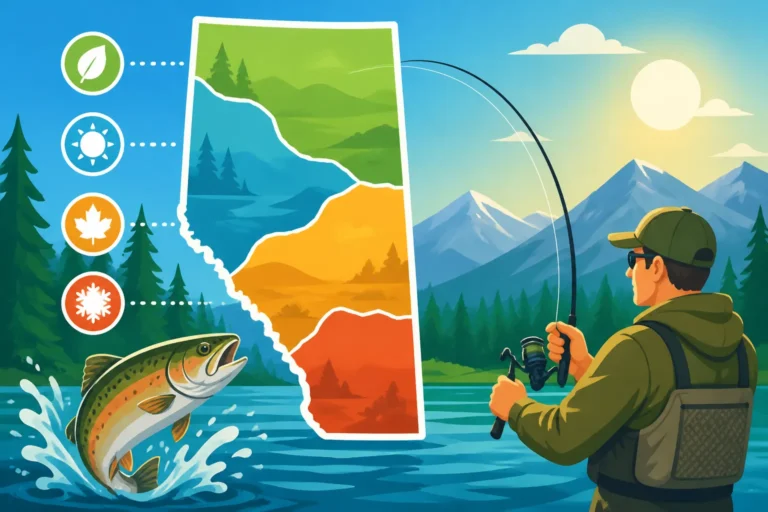
The primary rule is that all ice fishing huts must have the owner's name and phone number clearly visible on the outside of the hut. This is for identification purposes in case a hut is abandoned or breaks through the ice. More critically, all ice fishing huts must be removed from the ice by specific dates, which vary by zone. For instance, in the Southern Zone, huts must be removed by March 15th, while the Central Zone deadline is March 31st, and the Northern Zone is April 15th. Leaving a hut on the ice past the deadline is illegal and can result in significant fines, as well as environmental damage if the hut falls through and becomes debris. This information is usually detailed within the annual Reading the Alberta Guide to Sportfishing Regulations publication.
Disclaimer
The information provided in this guide is for general informational purposes only and does not constitute legal advice. While we strive to ensure accuracy, boating laws and regulations in Alberta and Canada are subject to change. It is your sole responsibility to consult the most current official publications from Transport Canada and Alberta Environment and Protected Areas to ensure full compliance before engaging in any boating or fishing activities. Always prioritize safety and environmental stewardship on the water.