How to fish a run and pool trout river
There’s nothing quite like the feeling of stepping into an Alberta trout river, fly rod or spinning rod in hand, ready to chase some beautiful fish. But let's be honest, those rivers can be incredibly intimidating. You see stretches of fast, white-water runs, followed by seemingly still, dark pools, and it’s easy to feel overwhelmed, wondering where the trout are hiding and how on earth to present your offering effectively. This guide is here to demystify the run and pool trout river, breaking down how to read the water, understand fish behavior, and employ the best techniques to catch trout in every part of the river.
Understanding Run and Pool Dynamics
Before you can effectively fish a river, you really need to understand what you're looking at. Rivers aren't just one big, uniform body of water; they're a complex series of different habitats, and trout use each section for specific purposes. Getting a handle on these dynamics is key to unlocking success on waters like the Bow River or the Crowsnest River.
The Anatomy of a River Run
A "run" is essentially a section of river where the current is notably faster and often shallower than the surrounding water. Think of those stretches where the water is rippling or churning over rocks and gravel. These areas are vital for trout for a few reasons. First, the faster current acts like a conveyor belt, bringing a steady supply of food items downstream – insects, nymphs, small baitfish, you name it. Trout don't have to expend a lot of energy to feed here; they just hold in a seam or behind an obstruction and let the food come to them. Second, the broken surface of a run provides excellent camouflage from overhead predators like eagles and ospreys. The rippled water makes it harder for them to spot a fish from above.
However, runs also demand more from a trout. They need to find places where they can hold out of the main force of the current, conserving energy while still having access to the passing smorgasbord. This is why you'll often find them tucked behind larger rocks, in depressions in the riverbed, or along current seams where faster water meets slower water. These "holding lies" are prime targets for anglers. The constant flow oxygenates the water, which is crucial for healthy trout, especially in warmer months. Knowing these spots and understanding how the current brings food into them is half the battle.
The Characteristics of a Trout Pool
In contrast to runs, a "pool" is a deeper, slower section of the river, often characterized by calm or gently swirling water. Pools typically form in bends, behind large obstacles, or where the riverbed drops significantly. While runs are about feeding efficiency, pools offer trout something different: security, deeper water for thermoregulation, and a place to rest. The increased depth provides protection from predators and allows trout to escape extreme water temperatures, whether too hot in summer or too cold in winter.
Trout still feed in pools, but their feeding behavior tends to be more opportunistic or dependent on different food sources. You might see them rise to sip dry flies off the surface during a hatch, or they might cruise the bottom looking for larger invertebrates or baitfish. Because the current is slower, presentations need to be different. You can often get away with lighter lines and more delicate approaches here. Pools are also critical staging areas for trout during migration and spawning, offering them quiet havens. Don't let the calm surface fool you; a deep pool often holds some of the largest trout in the river, patiently waiting for the right meal to drift by. Understanding this distinction is fundamental to choosing the right strategy.
Reading the Water for Trout Lies
Once you grasp the basic geology of runs and pools, the next critical step is to learn how to "read the water." This isn't just about identifying a run versus a pool; it's about pinpointing the exact spots where trout are likely to be holding, feeding, or resting. Every ripple, eddy, and seam tells a story if you know how to interpret it.
Spotting Productive Water in Runs
In a fast-moving run, trout aren't going to be sitting out in the full force of the current, fighting for every inch. They're smart, and they conserve energy. This means looking for "current breaks" or "structure." Anything that slows the water down, even slightly, can be a prime holding lie. Think large rocks, submerged logs, ledges, or even changes in the riverbed that create a slight dip or trough. The immediate downstream side of any obstruction is a classic spot, forming a pocket of slower water where trout can sit comfortably and ambush food drifting by.
Seams are another incredibly productive feature in runs. These are the lines where faster current meets slower current. Often, the faster current will be carrying the bulk of the food, and trout will hold in the slightly slower water right next to that "food conveyor belt," darting out to grab a meal. Look for visible lines or differences in the water's texture. These could be along the bank, around an exposed boulder, or even where two different currents merge. When fishing in Alberta, these areas in places like the Bow River are often teeming with insect life, making them ideal trout territory. Learning to identify these subtle variations in current and structure will dramatically improve your success rate in runs.
Unlocking the Secrets of Deep Pools
Deep pools, with their slower, often glassier surfaces, demand a different kind of water reading. While runs are about current breaks, pools are more about depth, cover, and subtle current. Trout in pools might be cruising, but they are often oriented towards structure on the bottom or along the banks. Look for changes in depth – drop-offs, underwater ledges, or depressions. These provide security and often hold cooler water. Submerged logs, undercut banks, and overhanging vegetation also offer excellent cover and shade, which trout appreciate, especially on sunny days.
Another key feature in pools is the presence of "eddies" or slow-moving currents, particularly near the edges or where water swirls back upstream. These areas can accumulate food and provide a quiet refuge. During a hatch, trout in pools will often rise to the surface, leaving tell-tale rings. Observing these rises can tell you where fish are active and what they might be eating. Sometimes, the biggest trout will hug the bottom in the deepest part of the pool, rarely moving, making them challenging but rewarding targets. Patience and careful observation are your best tools when trying to unlock the secrets of a deep pool. You might also want to check out our guide on Best Fishing Rivers in Alberta for specific pool locations.
Essential Techniques for Fishing Runs
Fishing fast-moving runs effectively requires techniques that allow your offering to get down quickly and drift naturally with the current. This often means adding weight, using specialized rigging, and mastering your line control.
Nymphing and Euro Nymphing Strategies
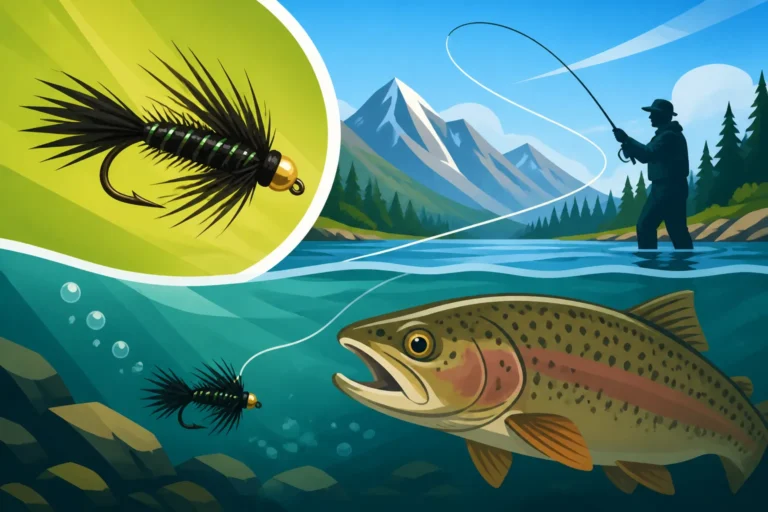
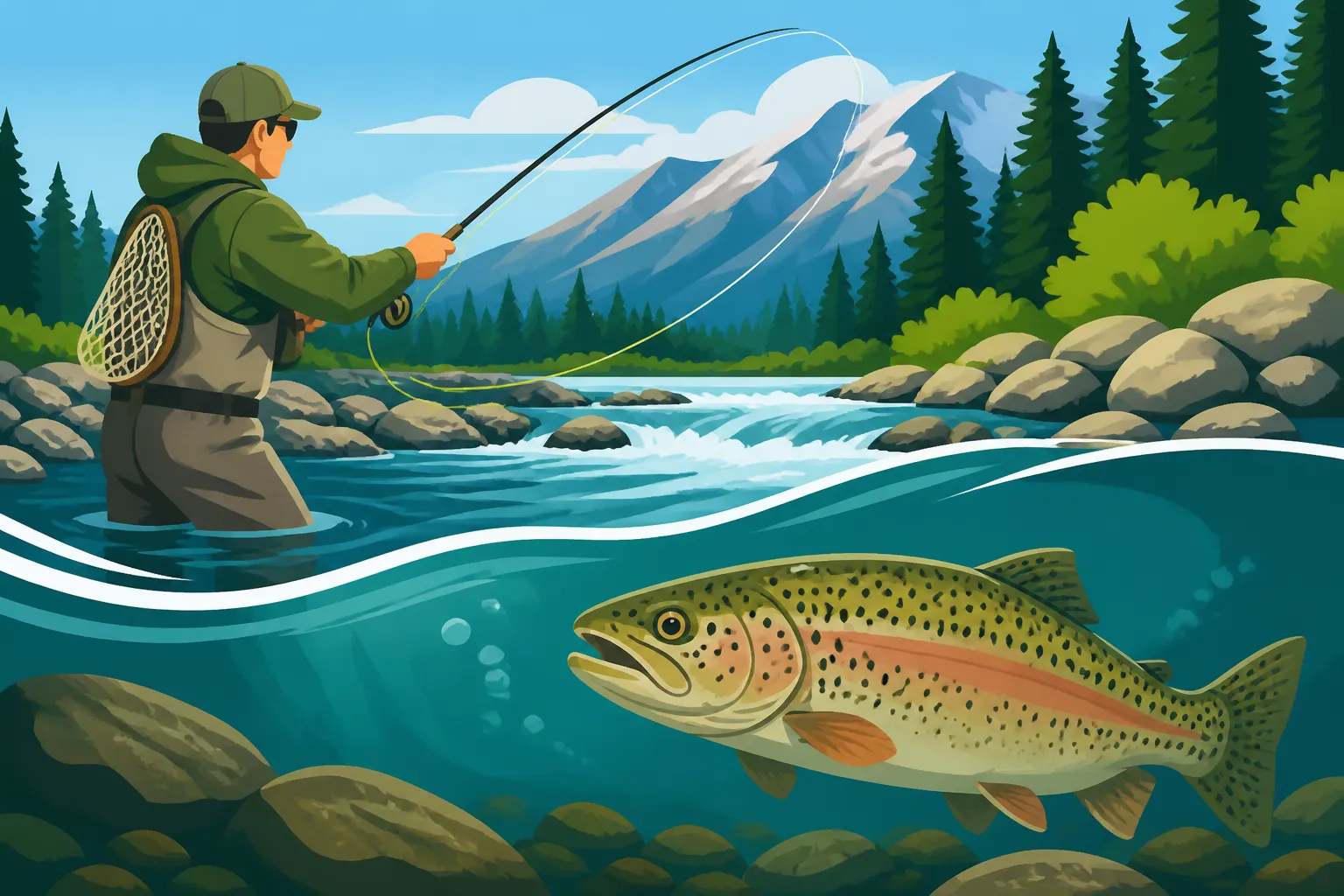
Nymphing is arguably one of the most effective ways to catch trout in runs, as the majority of a trout's diet consists of subsurface insects (nymphs, larvae, pupae). The goal is to present your fly or bait near the bottom, where trout are actively feeding, allowing it to tumble naturally with the current. This typically involves using an indicator (a bobber for fly anglers, or simply watching your line for subtle tugs) to detect strikes and help control your drift. You’ll want to use enough weight, either built into your fly or added with split shot, to get your offering down to the fish quickly. Cast upstream and slightly across, then mend your line to minimize drag, allowing your nymph to drift at the same speed as the current. This "dead drift" is crucial for fooling wary trout.
For those looking for a more advanced approach, "Euro nymphing" or "contact nymphing" is incredibly powerful in runs. This technique uses specialized, longer rods (you can find a great selection of longer, sensitive rods on Amazon that are ideal for this) and a sighter line rather than a traditional indicator. The idea is to maintain direct contact with your flies at all times, feeling even the most subtle takes. You keep your rod tip high, leading your flies through the run, anticipating every bump and pause. This method allows for exceptional depth control and immediate strike detection, making it deadly in fast, broken water. To really dig into this, consider our piece on Euro Nymphing the Bow River or Best Nymph Rig for the Crowsnest River. It requires practice, but the rewards are well worth the effort, especially when trout are tight to the bottom in heavy current.
Streamer Fishing and Wet Fly Tactics
While nymphs imitate larval insects, streamer fishing mimics baitfish or larger aquatic creatures like leeches. This technique is fantastic for targeting larger, more aggressive trout in runs. Instead of a dead drift, you’re actively imparting movement to your fly, making it dart and swim like prey. Cast your streamer across or slightly downstream into promising lies – current seams, behind large rocks, or along undercut banks. Then, use a retrieve that brings the streamer to life. Stripping the line in short, quick bursts, varying the speed, or incorporating pauses can trigger aggressive strikes. The flash and movement of a streamer can often draw out a fish that wouldn't react to a small nymph.
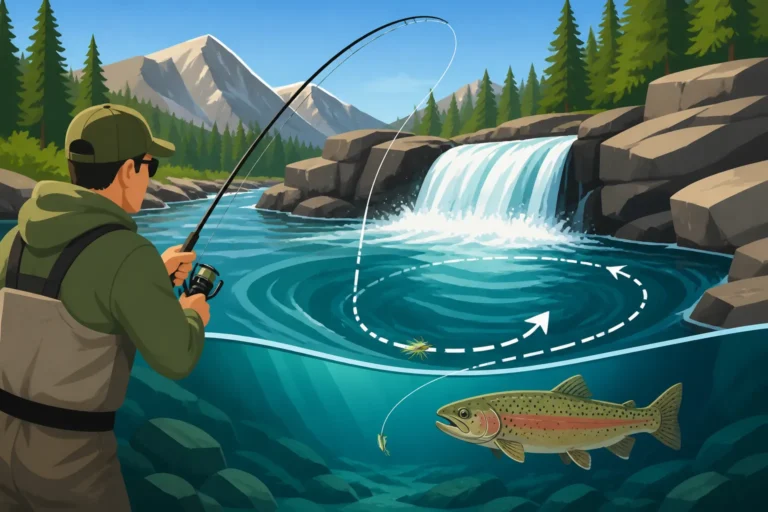
Wet flies, a precursor to modern nymphs, also have a place in runs, especially during certain hatches. These are typically fished just under the surface, often in a "swinging" presentation. You cast across or quarter downstream and let the current swing the fly across the run. As the fly swings, it rises in the water column, mimicking emerging insects. This can be particularly effective when trout are looking up, but not quite breaking the surface for dry flies. You'll often feel a solid tug as the fly reaches the end of its swing. Both streamers and wet flies offer a more active, dynamic way to fish runs, and they can be incredibly exciting when a trout decides to smash your offering. If you're looking for patterns, our guide on Best Streamer Patterns for Alberta Brown Trout has some great suggestions.
Effective Approaches for Fishing Pools
Fishing pools requires a different mindset. Here, stealth, precise presentations, and patience become even more paramount. The slower current allows trout more time to inspect your offering, so everything needs to look as natural as possible.
Dry Fly and Indicator Nymphing in Pools
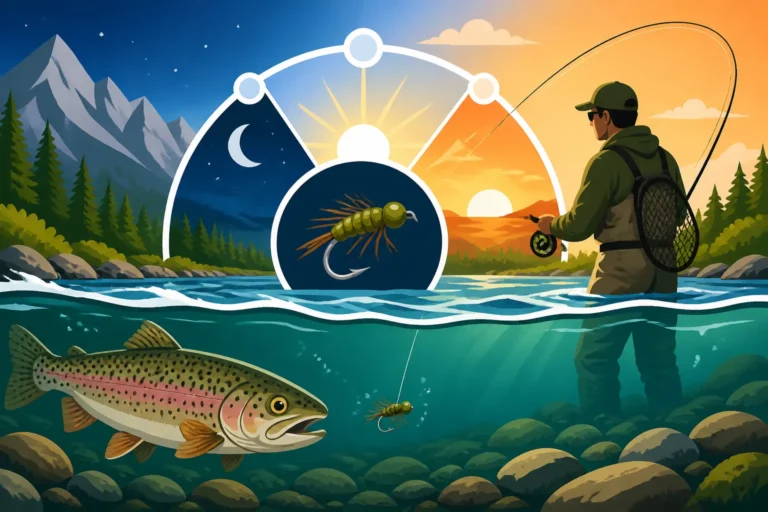
When trout are actively feeding on the surface in a pool, there’s nothing quite as exhilarating as dry fly fishing. This is about presenting an artificial fly that floats, mimicking an adult insect on the water. The key is to match the hatch – identify what insects are emerging and select a fly that closely resembles them in size, shape, and color. A perfect cast and a drag-free drift are crucial; any unnatural drag on your line will cause the fly to move unnaturally, quickly spooking a discerning trout. Cast gently upstream of a rising fish or into a likely feeding lane, allowing your fly to drift directly into its path. The slower currents of a pool often make dry fly fishing more accessible and less prone to drag than in fast runs. Many anglers will agree there's nothing quite like watching a trout slowly sip your dry fly off the surface. For more on this, check out Dry Fly Fishing Alberta Mountain Streams.
Indicator nymphing in pools shares some principles with nymphing in runs but demands a lighter touch. Because the current is slower, you often need less weight, and your presentation must be even more delicate. Trout in pools can be very selective and have more time to scrutinize your offering. The indicator helps you detect the subtle takes that often occur in stiller water. Longer leaders and lighter tippets are often beneficial here to ensure a natural, uninhibited drift. The goal is to get your nymph to drift at the exact speed of the current, making it look like a natural insect freely tumbling along. Focus on depth control; often, trout will be feeding just off the bottom or suspended in the middle of the water column.
The Art of Swinging Flies and Lures
Swinging flies in a pool, particularly larger wet flies or small streamers, can be a highly effective technique, especially for migratory fish or aggressive residents. The principle is to cast your fly across the current, allowing it to swing downstream in an arc. As the fly moves, it mimics a swimming baitfish or an emerging insect. This technique is often associated with traditional wet fly fishing and can be incredibly productive, particularly on overcast days or when fish aren't actively rising. The key is to find the right depth and speed for your swing, adjusting your cast and the amount of line you let out. You often don't mend the line much, allowing the current to dictate the swing.
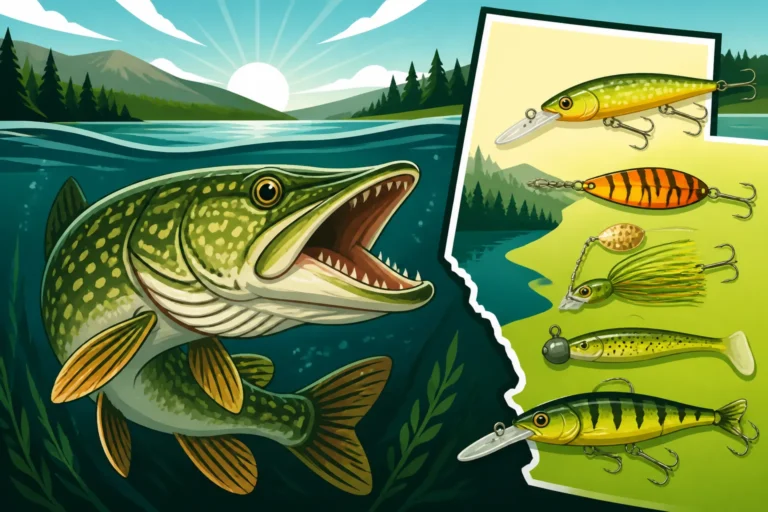
For anglers using spinning gear, small inline spinners, spoons, or soft plastics can be equally effective in pools. Similar to swinging flies, these lures are cast across or slightly upstream and retrieved in a way that gives them natural action. In the slower water of a pool, you can afford to retrieve more slowly, allowing the lure's action to entice a strike. Small crankbaits that dive to different depths can also be very productive, as they mimic baitfish. The slower current allows you to work these lures more thoroughly through potential holding lies, such as over submerged structure or along drop-offs. Experiment with different retrieves – slow and steady, erratic twitches, or stop-and-go – to see what triggers a reaction from the fish. Remember to always consider local regulations regarding lure types and hooks.
Gear and Tackle Considerations for Versatility
Successfully fishing both runs and pools on a trout river means having gear that offers versatility. You don't want to be constantly changing your entire setup, but having options is key.
Rod and Reel Setups for Diverse Water
When it comes to your primary rod and reel, you're looking for something that can handle both the delicate presentations needed in pools and the strength required for fighting fish in fast runs. For fly anglers, a versatile rod is often a 9-foot, 5-weight or 6-weight fly rod. This length provides good line control for mending in runs, while the weight is sensitive enough for delicate dry fly presentations in pools, yet powerful enough to handle larger trout. Many excellent options can be found for a Best Rod Setup for Bow River Trout on Amazon, offering a good balance of performance and affordability. Pair this with a reliable reel that has a smooth drag system, and you're well-equipped for most situations. Having a spare spool loaded with different line types (e.g., a floating line for dry flies and nymphs, or a sinking tip for streamers) can add even more versatility.
Spinning anglers benefit from a medium-light to medium power rod, typically between 6.5 and 7.5 feet in length. A faster action tip will give you the sensitivity to detect subtle bites in pools and the casting accuracy for tight spots, while the backbone of the rod will handle fighting fish in current. A spinning reel in the 2000-3000 size range, spooled with 6-8 pound fluorocarbon or braided line with a fluorocarbon leader, provides an excellent all-around setup. This combination offers good casting distance, sensitivity, and enough power to handle a variety of trout species you might encounter in Alberta rivers. Remember, a good reel with a reliable drag is essential, regardless of your chosen fishing method.
Must-Have Terminal Tackle and Accessories
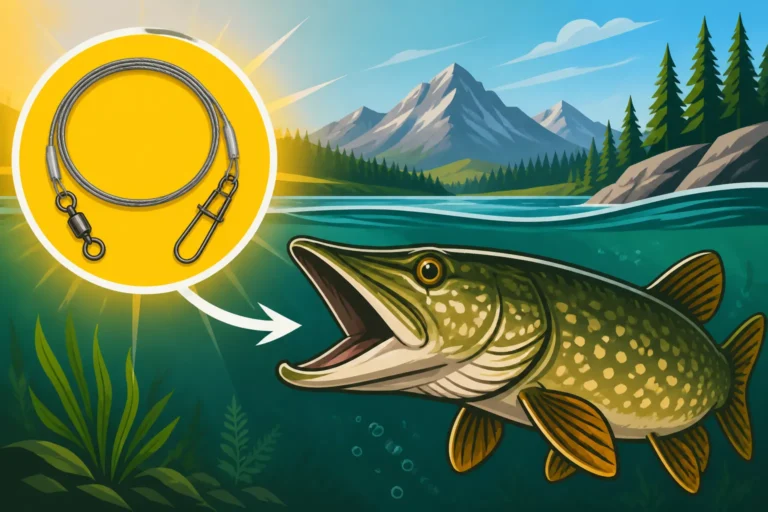
Beyond your rod and reel, having the right terminal tackle and accessories can make or break your day on the river. For nymphing and dry fly fishing, a variety of leader and tippet sizes (e.g., 4x, 5x, 6x) is crucial. Thicker tippet might be fine for runs, but in clear pools, going down to a 6x or even 7x can make a huge difference in getting strikes. Don't forget split shot in various sizes to adjust your nymphing depth quickly, especially when moving between different water depths. For anglers who prefer using lures, a selection of small swivels, snap swivels, and perhaps some light wire leaders for pike (should they be present) are important to have on hand.
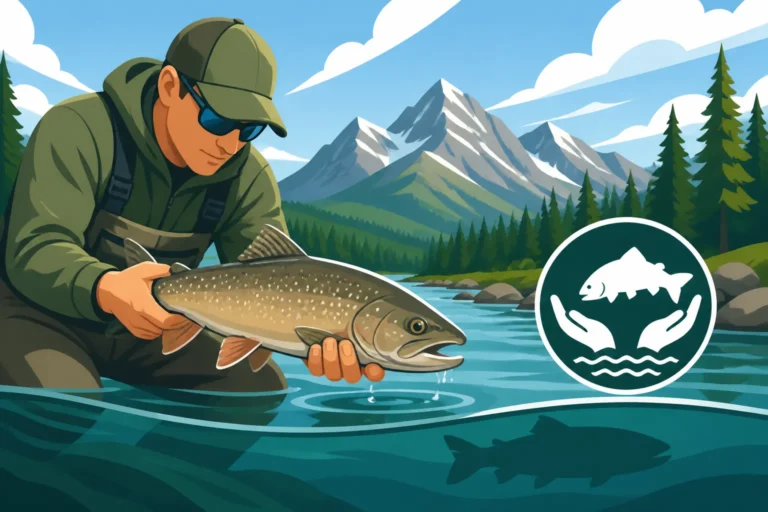
Essential accessories include a good pair of polarized sunglasses to cut glare and help you spot fish and structure, a reliable pair of line nippers, and forceps for unhooking fish. A quality landing net with a rubberized mesh is non-negotiable for safe catch-and-release, especially if you're targeting those larger fish. Look for a Best Landing Net for Trout that's easy to deploy and won't harm the fish. If you plan on wading, a sturdy pair of Best Waders for Alberta Trout Rivers and wading boots with good ankle support are absolutely critical for safety and comfort. A wading staff can also be a lifesaver in swift, rocky currents. You can find a huge array of these items, from tippet to waders, readily available on platforms like Amazon, ensuring you’re prepared for any situation the river throws your way. Always be prepared for an accidental encounter with a protected species, and familiarize yourself with the Alberta Bull Trout Zero Possession Rule and How to safely release a bull trout you accidentally catch.
| River Section | Characteristics | Recommended Techniques | Essential Gear Adjustments |
|---|---|---|---|
| Runs (Fast Water) | Riffles, rapids, broken surface, strong current, oxygenated, food conveyor | Nymphing (Indicator/Euro), Streamer Fishing, Wet Fly Swinging | More weight (split shot), heavier tippet (4x-5x), durable flies/lures, aggressive retrieves |
| Pools (Slow Water) | Deep, calm or slow swirling, clear, cover (undercuts, logs), resting/feeding areas | Dry Fly Fishing, Indicator Nymphing, Swinging Flies/Lures, Subtle Lure Retrieves | Lighter tippet (5x-7x), less weight or none, delicate flies/lures, drag-free drifts, slow retrieves |
Always remember that trout fishing is an art as much as it is a science. While these techniques provide a solid foundation, the most successful anglers are those who are constantly observing, adapting, and experimenting. Don't be afraid to try different flies, lures, or presentation styles until you find what the fish are responding to on any given day. The more time you spend on the water, the more intuitive reading the river will become, and the more rewarding your Alberta fishing adventures will be.
Disclaimer
This article is for general informational purposes only and does not constitute professional advice. Laws, prices and regulations vary by location and change over time. Consult a qualified professional for guidance on your specific situation.