Alberta Bull Trout Zero Possession Rule
It's incredibly frustrating when you're out on the water, you hook into a beautiful fish, and then you're left second-guessing yourself about whether you can even touch it, let alone keep it. The myriad of Alberta fishing regulations can be a real headache, especially when it comes to protected species like the Bull Trout. This comprehensive guide is here to clear up all the confusion surrounding the "Zero Possession" rule for Alberta's beloved Bull Trout, ensuring you can fish confidently and responsibly.
Understanding the "Zero Possession" Rule for Alberta's Bull Trout
The "Zero Possession" rule for Bull Trout in Alberta is one of the most significant and often misunderstood regulations in our provincial sportfishing guide. It's not just a suggestion; it's a strict mandate designed to protect a truly special, yet vulnerable, native species. For many anglers, particularly those new to Alberta's waters or those accustomed to more liberal regulations elsewhere, this rule can feel restrictive, but its importance is paramount for the survival of these magnificent fish.
What "Zero Possession" Actually Means
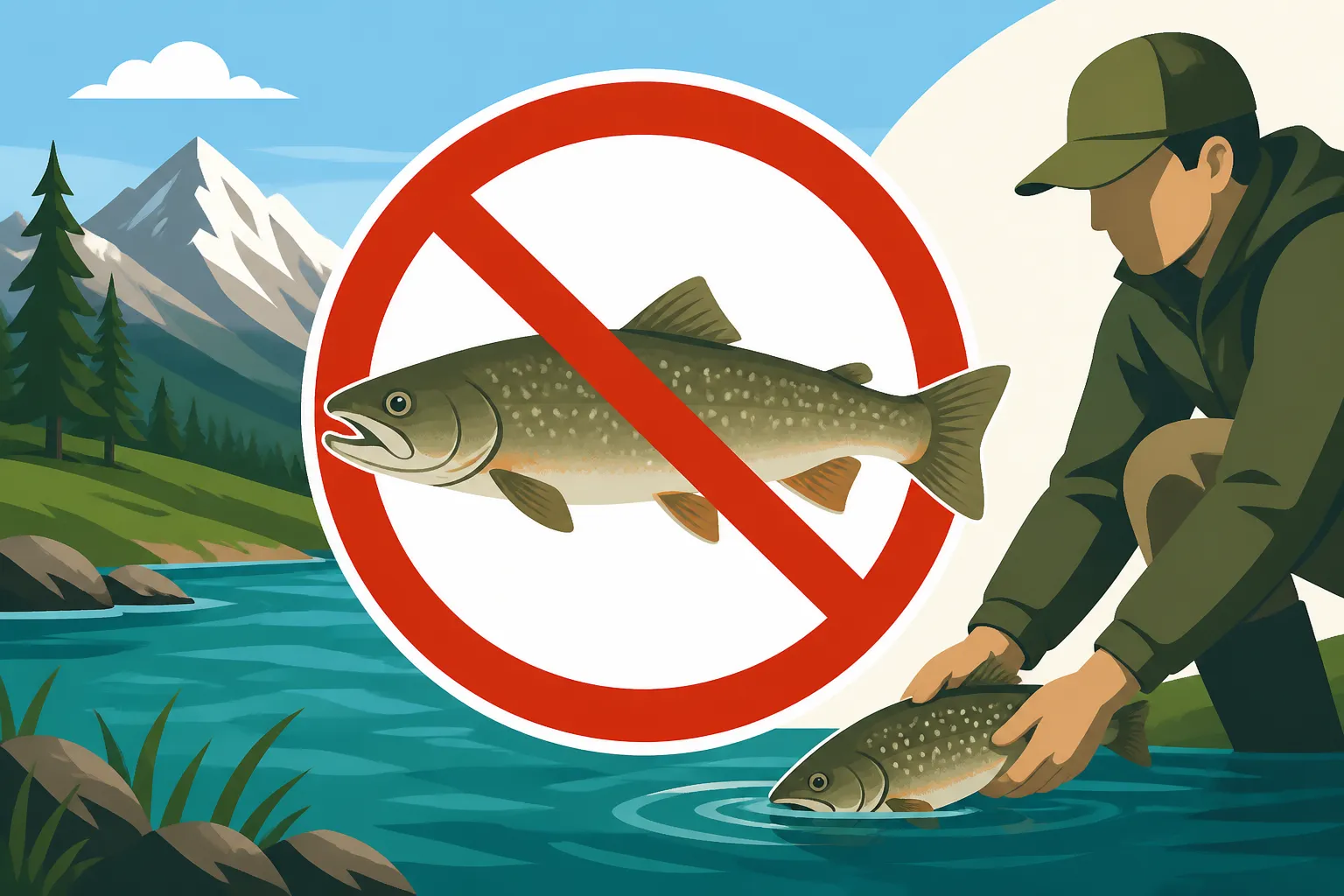
When the Alberta Guide to Sportfishing Regulations states "Zero Possession" for a species like the Bull Trout, it means exactly that: you cannot possess a Bull Trout, alive or dead, at any time or in any location. This isn't just about not keeping the fish; it means that if you catch one, it must be immediately released back into the water with the utmost care. You can't put it in a livewell, you can't transport it, and you certainly can't take it home for dinner. The intent is to ensure that every Bull Trout caught has the best possible chance of survival, contributing to the species' recovery.
This rule applies from the moment the fish is caught until it is returned to the water. Think about it this way: if a wildlife officer sees you with a Bull Trout in a cooler, on a stringer, or even just out of the water for too long while you're fumbling for a camera, you could be in violation. It's a tough standard, but one necessary for a species facing significant challenges. It's crucial to understand that even accidental possession, due to misidentification or oversight, can lead to serious penalties, which we'll discuss later.
Differences from Catch-and-Release Only Regulations
You might hear "Zero Possession" and think it sounds a lot like "Catch-and-Release Only." While both regulations mandate the release of fish, there's a subtle but important distinction in how they're often applied and interpreted, especially by enforcement. "Catch-and-Release Only" generally permits the act of landing the fish, perhaps a quick photo, and then releasing it. The emphasis is on the release, implying a brief period where the fish is out of the water.
"Zero Possession," especially for highly protected species like Bull Trout, tends to be interpreted more stringently. It often implies an immediate, minimal-contact release. While a quick photo might still be permissible if done extremely carefully and quickly, the overall directive leans towards avoiding any possession. It subtly but strongly discourages any actions that prolong the fish's time out of the water. This distinction highlights the extreme vulnerability of Bull Trout and the strict protective measures in place. When in doubt, err on the side of caution and minimize handling.
Historical Context of the Rule
The "Zero Possession" rule for Bull Trout isn't a new whim; it's the result of decades of declining populations and dedicated conservation efforts. Historically, Bull Trout were much more abundant throughout Alberta's cold-water rivers and lakes. However, over time, a combination of factors like habitat degradation due to development, overfishing, and competition and hybridization with introduced species (like Brook Trout) led to a significant decrease in their numbers. They are truly one of Alberta's threatened native fish.
By the late 20th century, it became clear that drastic measures were needed to prevent the complete collapse of Bull Trout populations in many areas. Various restrictions were gradually introduced, including reduced bag limits and slot limits, but these weren't enough. The move to "Zero Possession" in many, if not all, Bull Trout waters was a critical step, acknowledging that even limited harvest was unsustainable. This rule, alongside habitat restoration and careful management, represents Alberta's commitment to ensuring these iconic fish have a future in our province.
The Critical Importance of Bull Trout Conservation
Bull Trout are not just another fish species; they are an ecological cornerstone in the cold-water ecosystems they inhabit. Their continued presence is a testament to the health of our cleanest, coldest rivers and lakes. When we talk about the "Zero Possession" rule, we're not just talking about saving a species; we're talking about protecting the very foundations of Alberta's pristine aquatic environments.
Their Ecological Role as Apex Predators
Bull Trout play a vital role as apex predators in their native habitats. This means they're at the top of the food chain in their respective ecosystems. They feed on smaller fish, insects, and other aquatic organisms, helping to regulate the populations of these species. By doing so, they maintain a healthy balance within the ecosystem, preventing any single species from becoming overabundant and stressing resources. Their presence indicates a robust food web and a thriving cold-water environment.
Imagine a healthy river without its top predator; the entire system can become unbalanced. For example, if Bull Trout disappear, populations of their prey species might explode, leading to overgrazing of aquatic vegetation or increased competition for resources among other fish. This ripple effect can degrade the entire habitat. Protecting Bull Trout means protecting the intricate balance of nature in Alberta's most wild and beautiful waterways.
Threats to Bull Trout Populations
Despite their crucial role, Bull Trout populations have faced immense pressure from various sources. Habitat loss and degradation are arguably the biggest culprits. Activities such as logging, road construction, agricultural runoff, and industrial development can lead to siltation of spawning beds, increased water temperatures, and altered river flows. Bull Trout require very specific, cold, clean water conditions for survival and reproduction, making them highly sensitive to these changes.
Another significant threat comes from non-native species. Introduced species like Brook Trout compete with Bull Trout for food and habitat, and in some cases, can even hybridize with them, diluting the pure genetic strain of the native Bull Trout. Overfishing in the past also contributed to declines before strict regulations were implemented. Climate change is a growing concern, as rising water temperatures could push Bull Trout out of their traditional ranges, further fragmenting their populations. It's a complex web of challenges, which is why the "Zero Possession" rule is such a critical component of their survival strategy. You can learn more about the specific areas where these fish thrive by looking at the article on the Bull Trout Native Range in Alberta.
Conservation Status and Recovery Efforts
Given the numerous threats, Bull Trout are classified as a "Threatened" species in Alberta. This designation means they are likely to become endangered if factors threatening their survival are not reversed. This status provides the legal framework for the stringent "Zero Possession" rule and other robust conservation initiatives. Fisheries management bodies in Alberta, along with various conservation groups, are actively engaged in recovery efforts.
These efforts include habitat restoration projects, such as improving riparian areas, removing barriers to fish passage, and addressing sources of pollution. Research programs monitor population trends, genetic health, and habitat use to better inform management decisions. Angler education, like this guide, also plays a critical role in fostering responsible practices. The aim is not just to maintain current populations but to help them recover to self-sustaining levels, ensuring future generations can experience these magnificent fish.
Mastering Bull Trout Identification: A Key to Compliance
One of the most common pitfalls for anglers is misidentifying fish. In Alberta, this can lead to serious consequences, particularly when it comes to Bull Trout. The subtle differences between trout species can be hard to spot in the heat of the moment, but knowing what to look for is absolutely essential for adhering to the "Zero Possession" rule. Ignorance is rarely an excuse when it comes to wildlife regulations.
Key Features for Identification
Identifying a Bull Trout correctly can save you a lot of trouble. Here are the primary features to look for:
- Coloration: Bull Trout typically have an olive-green to brown body, often with lighter spots. These spots are usually pink, red, or yellowish, and crucially, they are never surrounded by halos. The dorsal fin (top fin) is typically spot-free.
- Fin Margins: Look for pale or white leading edges on the pectoral, pelvic, and anal fins, but without any distinct black stripe that you might see on other char or trout species.
- Head Shape: They possess a noticeably large, broad, and somewhat flattened head, with a large mouth extending well past the eye. This is a very distinctive feature that often helps differentiate them.
- Tail: Their tail is typically square or only slightly forked.
- Lack of Vermiculation: Unlike Brook Trout, Bull Trout do not have worm-like markings (vermiculations) on their back or dorsal fin.
Paying close attention to these details can make all the difference. When you pull a fish out of the water, quickly run through this mental checklist. If it fits the Bull Trout description, prepare for an immediate and careful release. Understanding what bull trout look like and where they live is a great start.
Distinguishing Bull Trout from Dolly Varden and Brook Trout
This is where it gets tricky, as Bull Trout are often confused with other species, especially where their ranges overlap or where non-native species have been introduced.
- Dolly Varden: Historically, Bull Trout were considered a subspecies of Dolly Varden. Today, they are recognized as distinct species, though they look incredibly similar. In Alberta, if you're in typical Bull Trout range, assume it's a Bull Trout. True Dolly Varden are generally found further north and in coastal drainages, rarely in Alberta's primary Bull Trout waters. The key is often geographic location.
- Brook Trout: This is the most common confusion point, as non-native Brook Trout are widespread in many of Alberta's headwaters, often sharing habitat with Bull Trout. The critical differences:
- Spots: Brook Trout have distinct red spots with blue halos on their sides, and lighter vermiculations (worm-like markings) on their back and dorsal fin. Bull Trout have pink/red/yellow spots without halos and no vermiculations.
- Fin Margins: Brook Trout have prominent white leading edges on their lower fins, often followed by a black stripe, whereas Bull Trout lack the black stripe.
- Tail: Brook Trout typically have a noticeably more forked tail than Bull Trout.
Here's a quick comparison table to help you in the field:
| Feature | Bull Trout | Brook Trout | Rainbow Trout |
|---|---|---|---|
| Body Color | Olive-green to brown | Dark green to brown | Silver to olive |
| Spots | Pink/Red/Yellow, no halos, dorsal fin clear | Red with blue halos, vermiculations on back | Small black spots, often on all fins & tail |
| Head Shape | Large, broad, flattened, large mouth | Smaller head, smaller mouth | Medium head, mouth not past eye |
| Fin Edges | Pale/white leading edges, no black stripe | White leading edges, often with black stripe | No distinctive white or black leading edges |
| Tail Shape | Square or slightly forked | Moderately forked | Moderately forked |
Using the Alberta Guide to Sportfishing Regulations for ID
Your most reliable resource, beyond your own knowledge, is the official Reading the Alberta Guide to Sportfishing Regulations. Every angler fishing in Alberta must have a current copy of this guide, either physical or digital. It contains detailed illustrations and descriptions of all fish species, including Bull Trout, to aid in identification. Before you even head out, take the time to study the pages dedicated to trout and char.
Many anglers even print out or save digital copies of the identification pages on their phones for quick reference on the water. Some of the illustrations provided in the guide are incredibly accurate and highlight the key distinguishing features better than words alone. If you're ever in doubt after catching a fish, compare it to the guide's images immediately. If there's still uncertainty and you suspect it might be a Bull Trout, the safest bet is always to treat it as one and release it immediately and carefully.
Ethical Catch and Release: Protecting Bull Trout on the Water
Since "Zero Possession" is the rule, your proficiency in ethical catch and release techniques is paramount when targeting or incidentally catching Bull Trout. It's not just about letting the fish go; it's about ensuring it swims away with the best possible chance of survival. This means minimizing stress, injury, and handling time. Every angler has a responsibility to practice these techniques rigorously.
Essential Gear for Bull Trout Anglers
Having the right gear makes a huge difference in the outcome of a catch-and-release encounter with a Bull Trout.
- Barbless Hooks: This is often a non-negotiable requirement in Bull Trout waters. Barbless hooks minimize tissue damage and make hook removal quick and easy. If your hooks aren't barbless, simply crimp down the barb with a pair of pliers. Many of Alberta's special regulation waters mandate barbless hooks for all fishing, not just for Bull Trout.
- Needle-Nose Pliers or Hemostats: These tools are invaluable for quickly and safely removing hooks, especially when a fish is deeply hooked or you want to avoid touching it directly. You can find excellent options on Amazon.
- Rubberized Net: A large, soft, knotless, rubberized landing net is critical. It protects the fish's delicate slime coat, fins, and scales much better than traditional knotted nylon nets. A net also allows you to control the fish in the water while you prepare for release, reducing air exposure. Consider investing in a Best Landing Net for Trout that's specifically designed for catch and release.
- Gloves (optional, but recommended): If you must handle the fish, wet gloves can protect its slime coat from your dry, warm hands. However, the best practice is to avoid direct hand contact as much as possible.
- Camera (ready to go): If you plan on a quick photo, have your camera ready to snap a shot the moment the fish is subdued in the net or barely out of the water. Minimize delay.
Ensuring your gear is optimized for catch and release significantly contributes to Bull Trout survival rates.
Minimizing Stress and Injury During the Fight
The fight itself can be a major source of stress and injury for any fish, especially a strong, wild Bull Trout.
- Use Appropriate Tackle: Don't "baby" a fish with ultralight gear if the conditions or size of the potential fish warrant something heavier. While fighting a big Bull Trout on light tackle can be thrilling, it can also prolong the fight to the point of exhaustion, drastically reducing the fish's post-release survival chances. A good medium-heavy spinning or fly rod can help you land the fish efficiently. Check out recommendations for Best Fishing Rods for Alberta Rivers for suitable options.
- Fight the Fish Quickly: Apply steady pressure and try to land the fish as quickly as possible. Avoid excessive back-and-forth battles that completely exhaust the fish. Pump and reel, rather than just reeling.
- Keep the Fish in the Water: As much as possible, try to keep the Bull Trout submerged during the fight, especially when it's close to landing. Air exposure is highly stressful and damaging to fish gills. If you're wading, lead the fish to calmer, shallower water. If you're in a boat, use your net to bring it boat-side without lifting it clear of the water until absolutely necessary for hook removal.
Every second a fish is fighting or out of the water increases its stress levels and lactic acid buildup, making it more susceptible to predators or disease after release.
Safe Handling and Release Techniques
This is the final, crucial step in fulfilling your responsibility under the "Zero Possession" rule.
- Wet Your Hands: If you must touch the fish, always wet your hands thoroughly beforehand. Dry hands strip off the fish's protective slime coat, leaving it vulnerable to infection.
- Keep the Fish Submerged: Ideally, remove the hook while the fish is still in the water, perhaps cradled gently in a net. If you absolutely need to lift it for a quick photo, do so gently and support its entire body horizontally. Never hold a large fish vertically by its jaw or tail, as this can cause internal organ damage.
- Quick Hook Removal: Use your pliers or hemostats to quickly remove the hook. If the fish is deeply hooked and removal would cause significant damage, it's sometimes better to cut the line as close to the hook as possible. Barbless hooks make this much easier.
- Minimize Air Exposure: Keep the fish out of water for the shortest time possible – ideally, only a few seconds for a photo, or not at all if you can help it.
- Revive the Fish: Once the hook is out, cradle the fish gently in the water, facing upstream into a mild current. Allow water to flow over its gills. Don't "saw" it back and forth; simply hold it steady until it regains its strength and can swim away on its own. You'll feel it kick strongly when it's ready. Gently push it forward or let it slip from your hands when it's actively trying to swim.
Following these steps provides the best chance for the Bull Trout to recover and continue its life in Alberta's wild rivers. For more detailed guidance, consider reviewing How to Catch Bull Trout and Release Them Safely and Bull Trout Catch and Release Survival Tips.
The Serious Consequences of Violating Bull Trout Regulations
The "Zero Possession" rule for Bull Trout is not just a polite request; it's a legal requirement backed by significant penalties. Alberta's fisheries officers take the protection of native species very seriously, and violations can lead to severe repercussions that go far beyond a simple slap on the wrist. It’s a testament to the fact that Why Bull Trout Have a Zero Possession Limit in Alberta is so critical.
Fines and Penalties for Possession
Being caught in possession of a Bull Trout, whether intentionally or accidentally, can result in substantial fines. These fines are not trivial; they are often in the hundreds or even thousands of dollars, depending on the circumstances, the number of fish involved, and the discretion of the enforcing officer or court. For instance, a single Bull Trout found in your possession could lead to a fine of several hundred dollars, plus potential additional surcharges.
Beyond monetary penalties, your fishing equipment—rods, reels, tackle, and even your boat—could be seized. This can be a significant financial loss on top of the fine. Imagine losing your prized fishing setup because of one oversight. The legal ramifications are designed to be a strong deterrent, underscoring the value Alberta places on its vulnerable fish populations. Even if you hold a valid Alberta Fishing License Guide for 2026, this doesn't grant immunity from species-specific rules.
Impact on Fishing Privileges
One of the most impactful consequences for any avid angler is the potential loss of fishing privileges. A conviction for possessing a Bull Trout can lead to a suspension of your fishing license for a period, which could range from one year to several years. For someone who lives for fishing, this is a truly devastating penalty, taking away the very activity they cherish.
Furthermore, a conviction goes on your record, and repeat offenses can lead to even more severe penalties, including longer suspensions, higher fines, and in extreme cases, even jail time. The provincial government maintains databases of individuals with wildlife infractions, meaning that once you've been flagged for a serious violation, you might face increased scrutiny from fisheries officers in the future. It's a stark reminder that responsible angling is a privilege, not an inherent right. Learning about Fishing Without a License in Alberta: Penalties can also provide perspective on how seriously regulations are enforced.
The Broader Message of Enforcement
Enforcement of the "Zero Possession" rule for Bull Trout sends a clear message: conservation is paramount. When officers issue fines and seize gear, they're not just punishing an individual; they're reinforcing the importance of regulations for the entire angling community. It acts as a public deterrent, educating others about the seriousness of protecting threatened species.
Each successful prosecution of a Bull Trout violation helps to bolster the recovery efforts by demonstrating that the rules are indeed enforced. It tells the story that these fish are truly valued by the province and that their future depends on every angler's compliance. It also encourages people to learn the rules, study their fish identification, and adopt ethical angling practices, fostering a culture of stewardship for Alberta's natural resources.
Contributing to Bull Trout Recovery and Stewardship
Protecting Bull Trout isn't solely the job of government agencies; it's a shared responsibility that extends to every angler and citizen. There are many ways you can actively contribute to the recovery and ongoing stewardship of these incredible fish, helping to secure their future for generations to come. Your actions, no matter how small, can make a significant difference.
Reporting Poaching and Violations
One of the most direct ways to help Bull Trout is to be an extra set of eyes and ears on the water. If you witness someone violating the "Zero Possession" rule, or any other fishing regulation (such as exceeding bag limits or fishing out of season), it's crucial to report it. Poaching and non-compliance undermine all conservation efforts and directly harm fish populations.
The Report a Poacher line (1-800-642-3800) is a confidential service operated by Alberta Fish and Wildlife Enforcement. When you call, provide as much detail as possible: date, time, location (GPS coordinates if you have them), description of the individuals involved, their vehicle (license plate number is invaluable), and a clear account of the violation. You don't need to confront individuals; simply gather information safely and report it. Your vigilance can be the difference between a threatened fish population dwindling further and taking a step towards recovery.
Participating in Citizen Science Programs
Many conservation groups and even provincial agencies rely on the help of citizen scientists to gather valuable data. These programs often involve tasks such as monitoring stream temperatures, identifying aquatic insects, or even assisting with fish counts and habitat assessments. By participating, you contribute directly to the scientific understanding of Bull Trout habitats and population dynamics, which in turn informs better management and conservation strategies.
Local watershed groups and environmental organizations often have volunteer opportunities that involve working near or directly within Bull Trout habitats. This could be anything from tree planting along stream banks to help shade the water (keeping it cool for Bull Trout) to cleaning up riverbanks. Keep an eye out for these opportunities, perhaps through groups like Trout Unlimited Canada, and lend your time and passion to a worthy cause.
Donating to Conservation Organizations
If your time is limited, financial contributions to reputable conservation organizations are another powerful way to support Bull Trout recovery. Groups like Trout Unlimited Canada, the Alberta Conservation Association, and various local watershed alliances actively work on habitat restoration projects, research initiatives, and public education campaigns directly benefiting Bull Trout.
Your donations help fund critical on-the-ground work, such as culvert removals that block fish passage, stream bank stabilization to reduce sedimentation, and genetic studies to understand population health. A quick search on Amazon for conservation-related books or gear might even lead you to products where a portion of the proceeds goes to these causes. Every dollar contributes to their ability to execute projects that directly improve the chances of Bull Trout thriving in Alberta's wild spaces. Being a responsible angler means not just following the rules, but actively engaging in the health of the fisheries you enjoy.
Disclaimer
The information provided in this guide is for general informational purposes only and does not constitute legal advice. While we strive to ensure accuracy, fishing regulations can change. It is the responsibility of every angler to consult the most current Alberta Guide to Sportfishing Regulations prior to fishing to ensure full compliance with all provincial laws and regulations.