Best nymph rig for the Crowsnest River
Oh, the Crowsnest River! It’s a true jewel in Alberta, isn't it? But let's be honest, while it’s absolutely brimming with beautiful trout, figuring out the perfect nymph rig for its diverse waters can feel like a puzzle. From its fast, clear runs to those deep, quiet pools, the river constantly asks you to adapt. This comprehensive guide is here to untangle that frustration and walk you through building the ideal nymph rig to help you consistently fool those wily Crowsnest trout.
Understanding the Crowsnest River's Unique Nymphing Challenges
Fishing the Crowsnest isn't just about tying on a pretty fly; it's about understanding the environment you're in. This river, like many of Alberta's incredible trout streams, has its own personality, and successful nymphing means getting to know its quirks.
Current Speed and Depth Variation
One of the first things you'll notice about the Crowsnest River is how much the water changes character along its course. You might be wading through a gentle, riffled section one moment, only to find yourself facing a powerful, deep run just around the bend. This isn't unique to the Crowsnest, but it's particularly pronounced in certain stretches. Think about the water cascading through the canyons or slowing down in larger, open sections; each requires a different approach.
When you're trying to get a nymph down to where the fish are holding, these variations in current speed and depth are huge. A rig that works perfectly in a slow, two-foot-deep pool will barely scratch the surface in a fast, five-foot-deep channel. The trout often hug the bottom, tucked behind rocks or in the deeper seams, looking for insects drifting by. If your nymph isn't getting down to their feeding lane, you're essentially just casting for practice. This constant adjustment for current and depth is a major frustration for many anglers, but with the right rig, it becomes less of a guessing game and more of a strategic dance.
Water Clarity and Substrate
The Crowsnest River is generally known for its remarkably clear water, especially during stable conditions. While this makes for picturesque views and helps you spot those elusive trout, it also means the fish have an excellent view of you and your gear. Highly visible leaders, unnatural drifts, or flies that look "off" will send them scattering faster than you can blink. Finesse becomes paramount when the water is gin clear.
Beneath that clear water lies a predominantly rocky, freestone bottom. This is fantastic habitat for aquatic insects, but it's also a notorious snag factory for nymphs. Every cast can feel like a gamble, especially when you're trying to get deep enough. Too much weight, and you're constantly hung up; too little, and you're not getting to the fish. The challenge is finding that sweet spot where your flies drift naturally along the bottom without constantly grabbing every rock or piece of debris. This balance of getting deep without snagging is a foundational element of effective nymphing on the Crowsnest.
Bug Life and Trout Behavior
The Crowsnest River boasts a rich and diverse insect population, and understanding what's hatching or present subsurface is key to choosing your nymphs. You'll find a healthy mix of mayflies, caddisflies, stoneflies, and various other aquatic invertebrates throughout the seasons. These are the primary food sources for the river's rainbow, cutthroat, and brown trout. Knowing what bugs are active, even if they're not actively hatching, helps you select the right size, shape, and color of nymph to imitate.
Trout behavior also plays a significant role. They're often opportunistic feeders, but they can become incredibly selective, especially when targeting specific insects. They'll position themselves in prime feeding lies – behind boulders, in current seams, at the head or tail of a pool – where food is funneled directly to them with minimal effort. Your nymph rig needs to deliver the fly naturally into these lanes, mimicking a real insect tumbling downstream. This requires careful consideration of how your rig presents, how it sinks, and how it drifts. Getting into the fish's feeding zone and offering them a convincing meal is the ultimate goal, and it all starts with your rig. For more on targeting these fish, check out our guide on How to Fish the Crowsnest River for Trout.
Essential Nymph Rig Components for the Crowsnest
Building the best nymph rig for the Crowsnest River isn't just about the flies; it's a synergistic system where every component plays a crucial role. From the rod in your hand to the tiny piece of lead you pinch on, each choice impacts your presentation and, ultimately, your success.
Rod, Reel, and Line Selection
For nymphing on a river like the Crowsnest, your rod is your primary tool for casting, mending, and detecting strikes. I generally recommend a medium-fast action fly rod, typically between 9 and 10 feet in length, and in a 4-weight or 5-weight. A 9-foot rod is a great all-around choice, offering good line control and enough backbone for fighting sizable trout, while a 10-foot rod really shines for Euro nymphing techniques or when you need superior line management over complex currents. The medium-fast action provides enough sensitivity to feel subtle takes, yet has the power to punch through the wind and cast weighted rigs.
Your reel's primary job is to hold your line and provide a smooth drag for fighting fish. A reliable disc drag system is ideal, ensuring that a surging trout doesn't snap your tippet. Make sure your reel is appropriately weighted to balance your chosen rod; an unbalanced setup can lead to fatigue and less accurate casts over a long day. As for your fly line, a weight-forward floating line is almost always the go-to for indicator nymphing. It provides the necessary buoyancy to suspend your indicator and allows for easy mending to control your drift. For those exploring Euro Nymphing the Bow River (and applying it to the Crowsnest), specialized nymphing lines or even just a level monofilament running line with a sighter leader can be highly effective.
Leader and Tippet Dynamics
This is where the rubber meets the road, or rather, where your fly meets the fish. A properly constructed leader and tippet system are critical for a natural presentation and stealth. For standard indicator nymphing, a tapered leader, usually 9 to 12 feet long, ranging from 3X to 5X at the tip, is a good starting point. The taper helps transfer casting energy smoothly, allowing your flies to turn over gracefully.
However, the real secret sauce often lies in your tippet material and size. Fluorocarbon tippet is a game-changer for nymphing. It's nearly invisible underwater, a huge advantage in the Crowsnest's clear flows, and it sinks faster than monofilament, helping your nymphs get to depth quickly. The size of your tippet (typically 4X to 6X) will depend on the size of your flies and the water conditions. For larger, heavier nymphs or when targeting bigger fish, 4X or 5X might be appropriate. For smaller, more delicate patterns or extremely clear, low water, dropping to 6X can make a significant difference. Always check your tippet regularly for nicks and abrasions; even the slightest weakness can cost you a fish, so don't be afraid to snip and re-tie. You can easily stock up on various tippet spools online, with many options available on Amazon.
Strike Indicators and Weighting
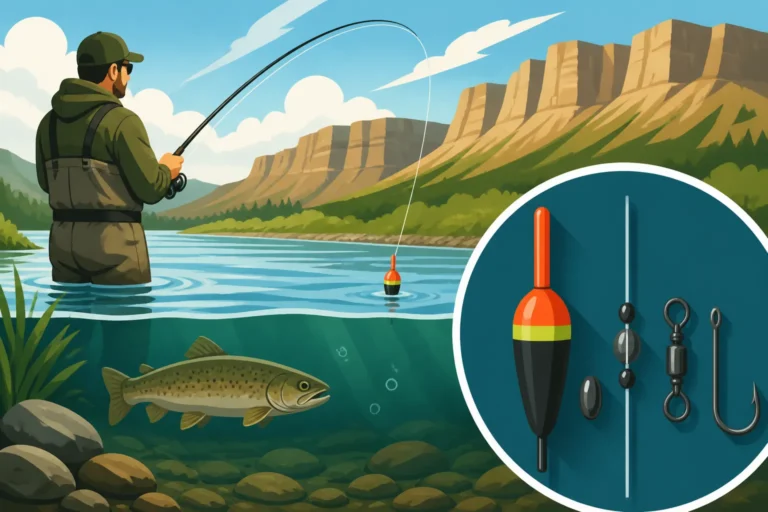
A strike indicator is essentially your "bobber" for fly fishing, but with far more finesse. It tells you when a fish has taken your fly, which is often a subtle pause, twitch, or disappearance. There are many types to choose from: foam indicators like the Oros or Thingamabobber are popular for their buoyancy and visibility. Yarn indicators are also excellent, offering a softer landing and less splash, but they do require a bit more maintenance. For very light nymphing or spooky fish, a small piece of brightly colored sighter material incorporated into your leader, or even a buoyant dry fly, can serve as a stealthier indicator.
Weighting your nymphs correctly is a delicate art. The goal is to get your flies to the trout's feeding depth as naturally as possible, without simply plummeting to the bottom. This usually involves adding split shot or lead-free sinkers to your leader, typically above your first nymph. The amount of weight depends entirely on the current speed, depth, and the weight of your chosen flies. Start light and add more until you're occasionally ticking the bottom. Placing the weight strategically, often 10-18 inches above your point fly, helps maintain a natural drift. Remember, too much weight equals constant snags on the Crowsnest's rocky bottom, while too little means your flies are drifting over the fish instead of in front of them. It's a constant adjustment process, and having a variety of weights on hand is essential.
Popular Nymphing Rigs for the Crowsnest River
Now that we've covered the individual components, let's explore some of the most effective nymphing rigs for tackling the diverse conditions you'll encounter on the Crowsnest River. Each rig has its strengths and weaknesses, making them suitable for different scenarios.
The Standard Two-Nymph Rig
This is probably the most widely used nymphing setup across trout rivers, and for good reason: it’s incredibly versatile and effective for searching varied waters. The standard two-nymph rig typically consists of a strike indicator placed on your leader, followed by some split shot or weight, and then two nymphs spaced apart.
Here’s how it usually breaks down: You'll have your main leader and tippet section. Above your first fly, you'll attach your weight (split shot or putty) and your strike indicator further up the leader. The first nymph, often called the "point fly," is tied to the end of your tippet. This fly is usually heavier or a larger imitation, designed to get down quickly. Then, a second, lighter "dropper fly" is tied off the bend of the point fly's hook, or directly to the tippet with a blood knot, about 12 to 24 inches above it. This setup allows you to present two different flies at slightly different depths, increasing your chances of matching what the fish are feeding on. For example, you might use a heavy stonefly pattern as your point fly and a smaller, more delicate mayfly nymph as your dropper.
The advantages are clear: it covers more water efficiently and allows you to experiment with different patterns and sizes without re-tying your entire rig. It’s also relatively easy to learn for beginners. The downside can be increased tangles, especially with longer leaders or heavier weights, and a slightly less direct feel compared to other methods. However, for general fishing, exploring new sections, or when you’re not sure what the trout are eating, this rig is a reliable workhorse on the Crowsnest.
Euro Nymphing Tightline Nymphing Rig
Euro Nymphing, often called tightline nymphing, has exploded in popularity, and for good reason – it’s deadly effective, particularly on clear, technical rivers like the Crowsnest. This rig is all about maximum sensitivity and direct contact with your flies, eliminating the need for a traditional buoyant strike indicator.
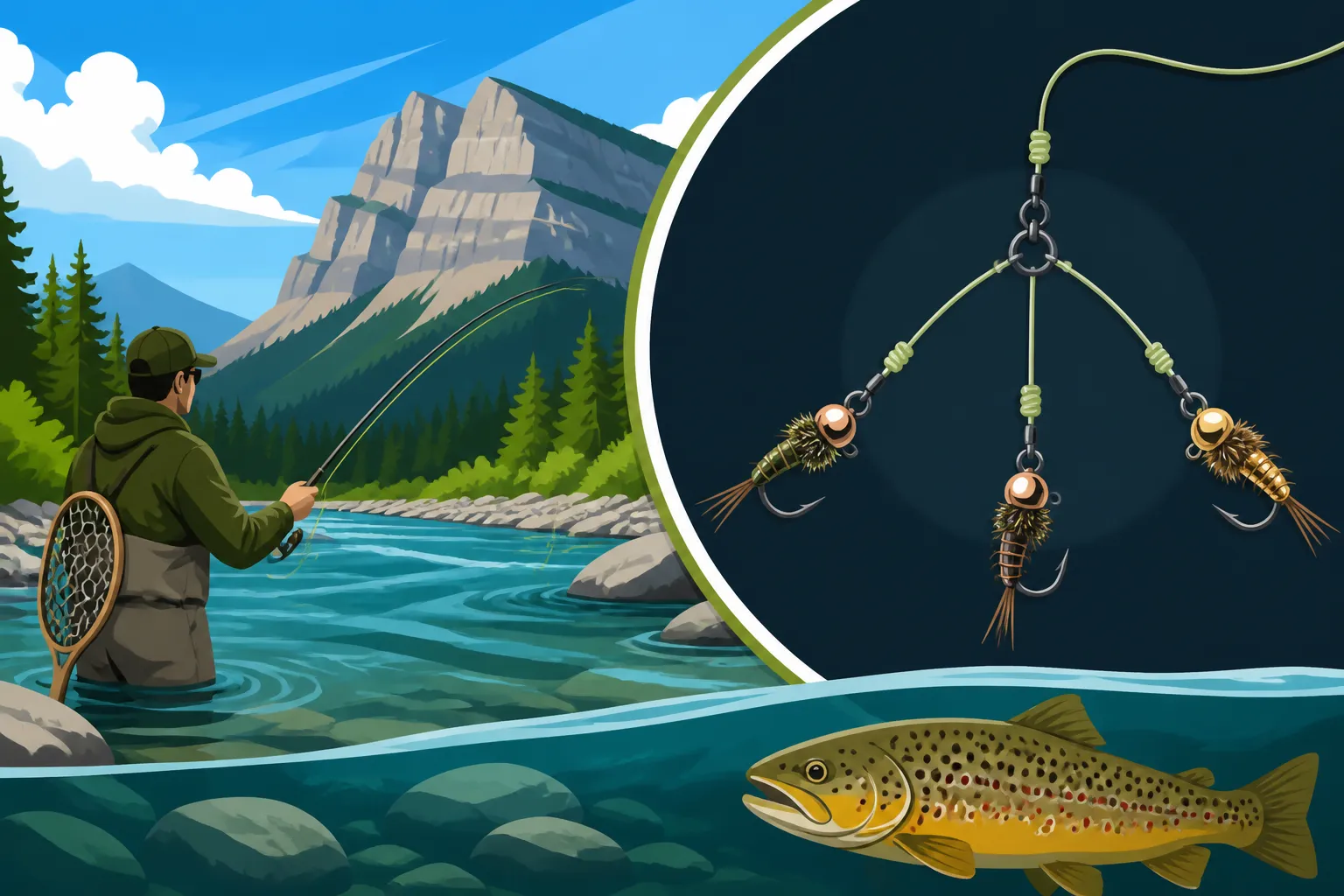
Instead of an indicator, a specialized leader system is used, often incorporating a "sighter" section of brightly colored monofilament or fluorocarbon. This sighter is highly visible and acts as your strike detection tool, showing the slightest pause or twitch when a fish takes your fly. The leader itself is often very long and thin, designed to minimize drag. Nymphs used in Euro nymphing are typically weighted (often with tungsten beads) and are tied directly to the tippet, usually in a two or three-fly system. The angler keeps the line taut, following the flies as they drift, feeling for subtle takes.
This rig excels in faster, shallower riffles and runs where precise depth control and a drag-free drift are paramount. The direct connection allows you to feel even the most delicate takes, which can be critical when fish are subtle in their feeding. It also minimizes drag, as there's no indicator pulling on your line, allowing your flies to sink and drift incredibly naturally. The main disadvantage is that it requires a specialized technique and often a longer rod, and there's a steeper learning curve. However, once mastered, it can be incredibly productive, especially when targeting picky trout in the Crowsnest's more challenging sections. If you're serious about your nymphing game on this river, learning Euro Nymphing the Bow River techniques can be directly applied here.
Dry-Dropper Rig
The dry-dropper rig is a fantastic hybrid approach that allows you to fish both the surface and subsurface simultaneously. It’s particularly effective when there’s a mixed hatch occurring, or when you suspect fish might be looking up but are still primarily feeding on nymphs just below the surface.
This rig involves tying a relatively large, buoyant dry fly (like a Chubby Chernobyl, Hopper pattern, or larger foam attractor) to your leader. Then, a nymph is tied off the bend of the dry fly's hook, or from the eye of the hook, on a separate piece of tippet (usually 12 to 36 inches long, depending on the desired depth). The dry fly acts as your strike indicator, and when it disappears or twitches, you know a fish has taken either the dry fly or the nymph below.
The beauty of the dry-dropper is its versatility. You get to present two different food sources to the fish, potentially enticing strikes from trout feeding at different levels. It's also incredibly fun when a fish surprises you by taking the dry fly! This rig works well during warmer months when insect activity is higher, or when trout are less spooky and willing to rise for a larger dry. It's also great for fishing pocket water or faster runs where a traditional indicator might get tossed around too much. The main limitation is that the nymph's depth is determined by the length of the dropper tippet and the buoyancy of the dry fly, so it’s not ideal for getting flies super deep. However, for covering water where fish might be opportunistic, it's a stellar choice.
Tailoring Your Nymph Rig to Crowsnest Conditions
The Crowsnest River is a living, breathing entity, constantly changing with the seasons, weather, and water levels. The key to consistent success with your nymph rig isn't just knowing the different setups, but understanding how to adapt them to the specific conditions you encounter on any given day.
Matching the Hatch and Water Levels
One of the most crucial aspects of effective nymphing is "matching the hatch" – or, more accurately, matching what's available to the trout subsurface. Before you even make your first cast, take some time to observe. Flip over rocks in the shallows to see what nymphs are clinging there. Pay attention to any insects crawling on streamside vegetation. Are there stonefly shucks on the rocks? Are small mayflies fluttering around? Your fly selection should reflect these observations in terms of size, color, and profile. Having a variety of nymphs, easily found in fly shops or on Amazon, is key. If you're seeing a lot of size 16 Pheasant Tails or size 14 Hare's Ears, make sure those are in your box. If the water is higher and murkier, perhaps after a good rain, don't be afraid to go with larger, darker patterns like a Pat's Rubber Legs or a larger Prince Nymph, often in sizes 8-12, as these provide a bigger profile and are easier for fish to see.
Water levels significantly impact how you rig up. During periods of high water, perhaps during spring runoff or after heavy rains, the river will be faster and deeper. You'll need more weight to get your nymphs down to the fish, and you might opt for slightly heavier tippet to withstand the stronger currents and potentially larger fish. Your indicator might also need to be larger and more buoyant. Conversely, during low, clear water conditions (common in late summer or fall), stealth is paramount. This means lighter tippets (5X or 6X), smaller nymphs (size 18-22), and perhaps a more subtle indicator or even a Euro nymphing approach. Remember to check Alberta Fishing Seasons by Zone and Month to get an idea of what conditions you might expect.
Reading the Water and Adjusting Your Drift
The Crowsnest River, like any great trout stream, holds its secrets in its currents. Learning to "read the water" is an art form that significantly improves your nymphing game. Trout don't just sit anywhere; they find prime lies where they can expend minimal energy while maximizing their feeding opportunities. Look for current seams, where fast water meets slow water; eddies behind large boulders; the heads and tails of pools; and deep runs with varied bottom structure. These are classic holding spots.
Once you've identified a likely spot, the next challenge is achieving a perfect, drag-free drift. This means your flies are moving at the exact same speed as the natural current, completely unimpeded by your fly line or leader. Drag is the ultimate nymphing killer, making your flies look unnatural and sending trout fleeing. To achieve a good drift, consider your casting angle – often casting slightly upstream and across – and the art of mending your line. Mending involves repositioning your fly line on the water to extend your drift and prevent drag. Practice making upstream and downstream mends to keep your indicator or sighter drifting naturally. For really tricky currents, shorter casts and constant micro-mends are often more effective than long, ambitious casts. Understanding Wading Techniques for Alberta Trout Rivers will also greatly help you get into the best positions for these crucial drifts.
Troubleshooting Common Nymphing Issues
Even the most seasoned angler encounters frustrations, and nymphing on the Crowsnest is no exception. Let's tackle some common issues:
- Snags: The rocky bottom of the Crowsnest is notorious for snagging flies. To minimize this, ensure you're not over-weighted. You want to tick the bottom occasionally, not constantly drag and get hung up. When you do get snagged, try a gentle "rod tip jig" directly upstream of the snag, or pull straight back. Sometimes the fly will pop free. If not, break off your line, rather than tugging vigorously and potentially snapping your rod tip. You can mitigate frustration by keeping a healthy supply of your go-to nymphs, which can often be purchased in bulk online.
- Tangled Leaders: Nymphing with multiple flies and weight can be a recipe for tangles, especially on windy days or with sloppy casts. To prevent this, ensure your leader is properly tapered and not too long for your casting style. Use clean, efficient casting strokes, avoiding sudden stops. If a tangle does occur, take a deep breath, lay your rod down, and carefully untangle it. Trying to force it usually makes it worse.
- Missing Strikes: This is perhaps the most frustrating aspect. You see your indicator move, set the hook, and come up empty. This usually means one of two things: your indicator is set too shallow, and the fish are taking your flies deeper, or your reaction time is too slow. Adjust your indicator depth incrementally until you start hooking up. If you're still missing them, try a more sensitive indicator or switch to a tightline technique where you can feel the subtle takes. For a better view of your indicator, especially on bright days, a good pair of polarized sunglasses will make a world of difference.
By understanding the river's unique characteristics, optimizing your gear, and constantly adapting your approach, you'll find that nymphing the Crowsnest River becomes less of a challenge and more of an immensely rewarding experience.
Comparing Nymphing Rigs for the Crowsnest River
Here's a quick rundown of the strengths and weaknesses of the primary nymphing rigs we've discussed, to help you decide which one might be best for your next Crowsnest adventure.
| Rig Type | Best Conditions | Advantages | Disadvantages | Ideal Crowsnest Use |
|---|---|---|---|---|
| Standard Two-Nymph | General, searching, varied depths | Versatile, covers water, easy to learn | Can tangle, less direct feel | Most common, all-around fishing |
| Euro Nymphing | Fast, shallow, technical, spooky fish | Maximum sensitivity, precise depth, low drag | Steeper learning curve, specialized gear | Finesse, technical runs & riffles |
| Dry-Dropper | Surface activity, mixed feeding, warmer water | Dual presentation, acts as indicator | Limited depth, heavier to cast | Early/late season, active hatches |
Disclaimer
This article is for general informational purposes only and does not constitute professional advice. Laws, prices and regulations vary by location and change over time. Consult a qualified professional for guidance on your specific situation.