Dry Fly Fishing Alberta Mountain Streams
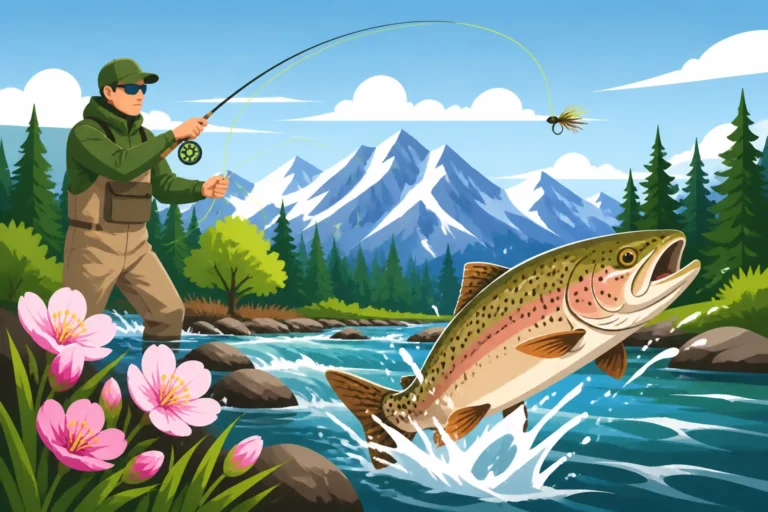
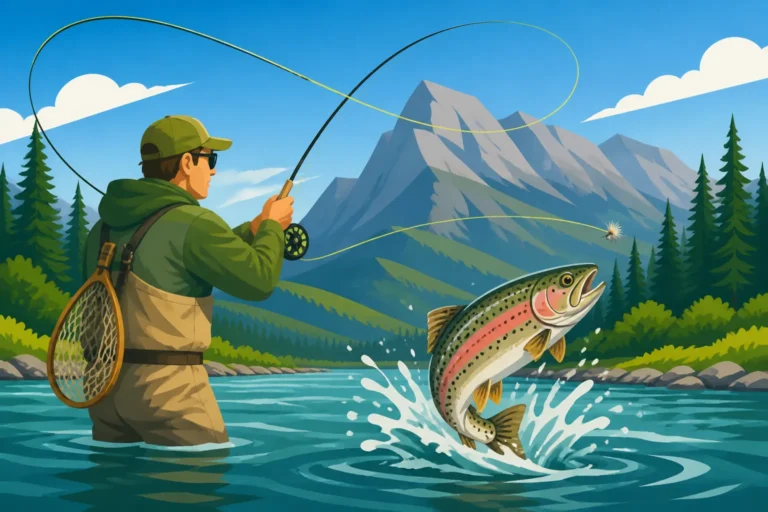
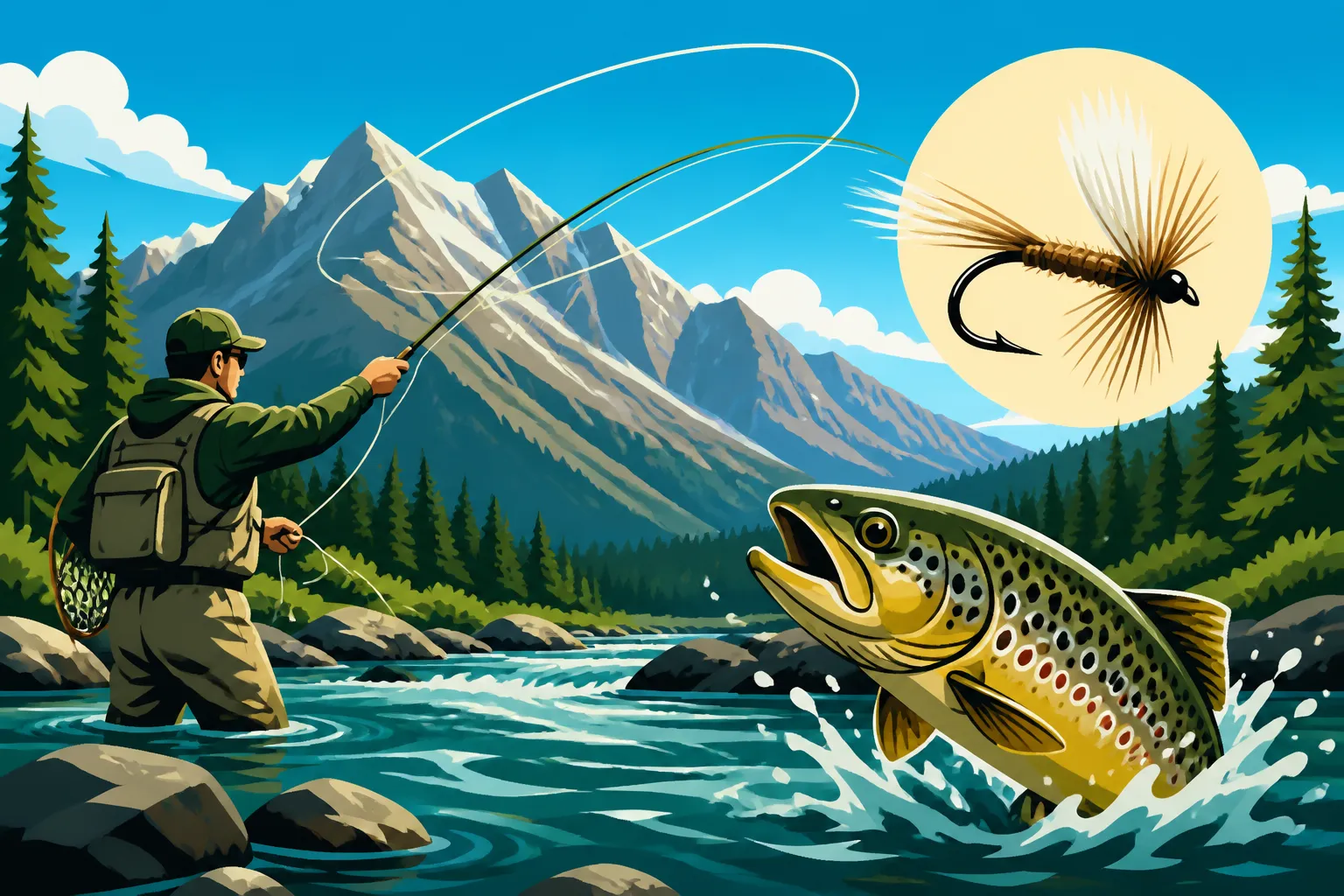
There's a special kind of magic that comes with dry fly fishing, especially on Alberta's pristine mountain streams. You're not just casting a line; you're engaging in a delicate dance with nature, trying to fool a wary trout into sipping a tiny imitation from the surface film. But let's be honest, it can also feel incredibly intimidating. The sheer number of fly patterns, the fickle nature of hatches, and the challenge of reading unpredictable mountain currents can leave even experienced anglers scratching their heads. This comprehensive guide is here to demystify dry fly fishing in Alberta's stunning high-country waters, helping you navigate the complexities and find that exhilarating moment when a trout rises to your perfectly presented dry fly.
Understanding Alberta's Mountain Streams and Their Unique Challenges
Alberta's mountains are home to some truly breathtaking waterways, from the glacier-fed torrents of the Kananaskis to the more mellow stretches of the Crowsnest River. But these aren't your typical prairie potholes; they present a whole different set of challenges and rewards for the dry fly enthusiast. The rapid elevation changes, the influence of snowmelt, and the diverse aquatic insect life make these streams a truly dynamic environment.
The Dynamic Nature of Mountain Waters
Unlike many calmer lowland rivers, mountain streams are characterized by their constant movement and variability. Water levels can fluctuate wildly based on snowmelt, rainfall, and even the time of day, impacting clarity and fish behavior. One day, you might be wading through crystal-clear, ankle-deep riffles, and the next, a sudden storm or a warm spell could turn the same section into a raging, silty torrent. This constant change means adaptability is key. Anglers must be prepared to adjust their approach, from fly selection to casting techniques, often on the fly (pun intended!). Furthermore, the water temperature in these high-altitude streams remains consistently colder than their prairie counterparts, which influences insect life cycles and trout metabolism. Understanding these nuances is the first step toward consistent success.
The substrate of these streams is also incredibly varied, ranging from smooth, polished bedrock to large, unstable boulders. This makes wading an exercise in caution and skill. Fast currents combined with slippery rocks can lead to precarious situations if you're not paying attention. The sheer power of the water also creates complex current seams, eddies, and riffles, which are fantastic holding lies for trout but can make achieving a drag-free drift incredibly difficult. Learning to identify these micro-currents and how they interact with your fly line is a foundational skill for any mountain stream dry fly angler. It's a constant puzzle, but that's part of the allure.
Species You'll Encounter on a Dry Fly
The trout species inhabiting Alberta's mountain streams are typically wild, feisty, and incredibly beautiful. These fish are often more selective than their stocked cousins, making the reward of a dry fly take even sweeter. The primary targets for dry fly anglers in these waters are usually Cutthroat Trout, Rainbow Trout, and occasionally some smaller Brown Trout. Each species has its own personality, but all share a common trait: a love for a well-presented dry fly.
Cutthroat Trout, in particular, are iconic residents of many headwater streams, identifiable by the distinctive red slashes under their jaws. These fish are often quite opportunistic and willing to rise to a dry fly, especially in the more secluded, undisturbed reaches. Then you have Rainbow Trout, which are renowned for their acrobatic fights and can grow to impressive sizes, particularly in richer river systems like the Bow. They can be incredibly selective during heavy hatches but are often eager to smack a well-presented attractor pattern. Finally, while not as prevalent in the high country as in some larger rivers, you might stumble upon Brown Trout, known for their wariness and often larger size. They can be incredibly challenging on a dry fly, but the reward is immense. You can learn more about specific mountain fish in our guide on Cutthroat Trout in Alberta's Mountain Streams.
Reading the Water for Dry Fly Opportunities
One of the most crucial skills in dry fly fishing, especially in complex mountain streams, is the ability to read the water. This isn't just about spotting fish; it's about understanding where trout hold, where food drifts, and how currents will impact your presentation. Trout in rivers are constantly seeking two things: food and shelter. They'll position themselves in places where food is readily available and where they can expend minimal energy while remaining safe from predators and strong currents.
Look for seams where fast water meets slow water; these are classic feeding lanes. The faster current acts like a conveyor belt, bringing insects to the trout holding in the calmer water adjacent to it. Eddies, the swirling pockets of water behind rocks or logs, are also prime spots where insects can collect. Riffles, the shallow, turbulent sections, oxygenate the water and dislodge insects, making them excellent feeding areas, especially at the heads and tails. Deeper pools, particularly those with structure like submerged logs or undercut banks, provide safety and can hold larger, more cautious fish that might rise to a larger dry fly during a heavy hatch. Taking a moment to observe the current speed, depth, and potential holding lies before making your first cast will dramatically increase your chances of success.
Essential Gear for High-Altitude Dry Fly Success
Having the right gear isn't about owning the most expensive items, but rather having equipment that is appropriate for the conditions you'll face. Mountain stream fishing often demands durability, versatility, and precision from your tackle. A well-prepared angler is a successful angler, and nowhere is this truer than in the rugged beauty of Alberta's Rockies.
Rod, Reel, and Line Selection
For dry fly fishing on Alberta's mountain streams, a lighter rod setup is generally preferred. A 3-weight or 4-weight rod, typically between 7'6" and 9' in length, offers the delicate presentation needed for small flies and the sensitivity to feel subtle takes. A shorter rod, around 7'6" or 8', can be a real asset when dealing with brushy banks and tight casting lanes common in smaller mountain creeks, allowing for more precise short-range casts. A longer rod, say 8'6" or 9', provides better line control for mending and reaching across complex currents on wider rivers. The key is a medium-fast action rod that can protect light tippets but still has enough backbone to handle a spirited trout. You can find excellent options for various budgets on Amazon.
Your reel doesn't need to be a high-tech marvel with an expensive drag system, as you'll primarily be fighting fish off the rod. A lightweight, simple click-and-pawl or disc drag reel that balances your chosen rod is perfectly adequate. The main purpose of the reel is to store your line and provide balance. As for fly line, a weight-forward floating line (WF) matching your rod weight is standard. Ensure it has a relatively long, delicate front taper to facilitate gentle presentations. Some anglers prefer a "trout specific" taper for maximum delicacy. Having a good quality line makes a significant difference in casting performance and line mending.
Leaders, Tippets, and Fly Dressing
The connection between your fly line and your fly is paramount in dry fly fishing. A tapered leader is essential for transferring casting energy smoothly and turning over your fly delicately. For mountain streams, a longer leader, typically 9 to 12 feet, will help keep your fly line further from the fish, which is especially important in clear water. Start with a 3X or 4X leader and attach tippet material to the end. The tippet is the thinnest, final section of your leader, and it's what your fly is tied to.
Tippet selection depends on fly size and fish selectivity. For smaller flies (size 18 and smaller) and spooky fish in clear water, you might use 5X or 6X fluorocarbon or monofilament tippet. For larger attractor patterns or when fish aren't as wary, 4X tippet might be sufficient. Fluorocarbon is less visible under water and sinks, which isn't ideal for dry flies as it can pull your fly under. Monofilament is generally preferred for dry fly tippet as it floats better. Always carry a spool of 4X, 5X, and 6X tippet. Fly dressing, or floatant, is also a critical component. Keep a good quality gel or powder floatant handy to treat your dry flies regularly, ensuring they ride high on the water's surface. Applying floatant before your first cast and reapplying after every few fish or when the fly starts to sink will keep your presentation looking natural.
Wading Gear and Safety Considerations
Mountain streams often require a lot of wading, and often in cold water. Quality wading gear is non-negotiable for comfort and safety. Breathable chest waders are ideal, allowing you to stay dry and comfortable while also providing thermal insulation in colder water. Look for durable, multi-layered construction that can withstand the inevitable scrapes against rocks and branches. Pair your waders with sturdy wading boots that provide excellent ankle support and grip. Felt soles are often preferred for their traction on slippery rocks, but rubber soles with studs are also very effective and can be better in some environments where felt is prohibited to prevent invasive species transfer. Our guide on Best Waders for Alberta Trout Rivers offers some great suggestions.
Beyond waders and boots, always carry a wading staff. This seemingly simple tool can be a lifesaver, providing an extra point of contact and stability in strong currents or on uneven streambeds. Many collapsible staffs can be found on Amazon and easily stow away when not in use. Additionally, always inform someone of your fishing plans and estimated return time. Consider carrying a small first-aid kit, bear spray (especially in national parks and remote areas), and plenty of water and snacks. The remote nature of some mountain streams means help can be a long time coming if an accident occurs. Safety should always be your top priority.
Mastering Dry Fly Presentation and Techniques
Catching a trout on a dry fly isn't just about having the right fly; it's overwhelmingly about how you present that fly. Trout are incredibly sensitive to unnatural drifts and suspicious disturbances on the water's surface. Achieving a natural, enticing presentation is the cornerstone of successful dry fly fishing.
Casting for Accuracy and Delicate Landings
Accuracy is paramount in dry fly fishing, especially on smaller mountain streams where trout often hold in tight lies near banks, submerged rocks, or woody debris. You need to be able to place your fly precisely where you want it, often within a few inches of a specific target. Practice your short-to-medium range casts (20-40 feet) and focus on smooth, controlled loops. Overpowering your cast will only result in a sloppy presentation and spooked fish.
Delicate landings are equally important. Your fly should settle softly on the water, imitating a natural insect gently alighting. A hard splash will immediately alert nearby fish to danger. To achieve this, use a controlled forward stroke, stopping your rod high enough to allow your leader and fly to unroll completely before touching down. Sometimes, an "S-cast" or "reach cast" can help introduce slack into your line, delaying the onset of drag immediately after your fly lands. Remember, it's not about how far you can cast, but how accurately and gently you can deliver your fly to the fish's feeding lane.
Achieving a Drag-Free Drift
This is arguably the single most important concept in dry fly fishing. A "drag-free drift" means your fly is floating at the same speed and in the same current as the natural insects around it, completely unhindered by the pull of your fly line or leader. When your fly line pulls on the fly, even subtly, causing it to skate or accelerate unnaturally, trout will almost always refuse it. This "drag" is often caused by different current speeds affecting different parts of your fly line.
To achieve a drag-free drift, you must understand how to manage your line on the water. This involves thoughtful casting to minimize line on the water upstream of your fly, and then executing mends. Observing your fly as it floats downstream is critical. Watch for any unnatural movement or "skating" across the surface. When you spot a take, it's often a subtle sip rather than an aggressive splash. Learning to differentiate between a natural drift and a dragging fly takes practice, but it's the skill that separates consistently successful dry fly anglers from the rest.
Mending Line and Managing Currents
Mending is the technique of repositioning your fly line on the water without moving your fly. It's essential for achieving and maintaining a drag-free drift in complex currents. Imagine your fly is drifting perfectly, but then your fly line crosses a faster current seam, pulling your fly prematurely. A mend involves lifting a section of your fly line off the water and flipping it upstream or downstream to adjust its position, giving your fly more time to drift naturally.
There are various types of mends: upstream mends, downstream mends, aerial mends, and stack mends. The type of mend you employ depends on the current conditions and the specific drift you're trying to achieve. For instance, an upstream mend is often used when your fly is drifting faster than your line, while a downstream mend helps slow your fly down. Managing complex, intersecting currents found in mountain streams requires constant vigilance and quick, subtle mends throughout your drift. It's a skill that requires practice and develops with experience, but once mastered, it allows you to present your fly in a far more natural and appealing manner to discerning trout.
Decoding the Hatches: Essential Dry Flies for Alberta
One of the most exciting aspects of dry fly fishing is observing a hatch and then "matching the hatch" with an appropriate fly pattern. However, trout in mountain streams aren't always strictly matching the hatch; sometimes, an attractor pattern will perform wonders. Understanding the key insect groups and having a versatile fly box is crucial. For more general advice on seasonal fishing, check out our guide on Best Time of Year to Fish in Alberta.
Key Insect Imitations
Alberta's mountain streams support a vibrant ecosystem of aquatic insects that are the primary food source for trout. The most important groups for dry fly anglers are Mayflies, Caddisflies, and Stoneflies.
-
Mayflies: These are elegant insects, often seen fluttering upwards from the water. Trout are very tuned into mayfly hatches. Key patterns include the Parachute Adams, Light Cahill, Blue-Winged Olive (BWO), and Green Drake. Different species hatch at different times and in different sizes. The BWO, for example, is a ubiquitous small mayfly that hatches throughout the season, especially on cloudy days. Having these in various sizes (from #14 down to #20) is essential.
-
Caddisflies: Caddisflies are a prolific insect in many streams. They emerge by "crawling" or "flying" off the water's surface, often in a frantic, skittering manner. Good caddis patterns include the Elk Hair Caddis, Goddard Caddis, and Stimulator. The Elk Hair Caddis is a particular workhorse, especially in freestone streams. Trout will often smash caddis patterns with more aggression than they show for mayflies.
-
Stoneflies: These are generally larger insects and are often found in faster, rocky rivers. While many stonefly species are best imitated by nymphs, the adult "skater" patterns can be very effective, especially for larger trout. The Chubby Chernobyl, a foam pattern, is a very popular attractor that can imitate larger stoneflies or terrestrials. The Stimulator, mentioned above, also doubles as an excellent stonefly imitation.
Having a good selection of these patterns in a range of sizes and colors is foundational. You can stock up on a variety of patterns on Amazon, often in convenient multipacks.
Terrestrial Patterns and Their Importance
While aquatic insects dominate the menu for much of the year, terrestrials – land-based insects that accidentally fall into the water – become incredibly important during the warmer months, typically from late June through September. These include grasshoppers, ants, beetles, and even spiders. Trout will actively key in on these larger, protein-rich meals, especially when natural hatches are sparse.
- Grasshoppers: Foam hoppers like the Dave's Hopper or Charlie Boy Hopper are absolute staples. Fish them along grassy banks, under cut banks, or anywhere a natural hopper might fall in. The splashy landing of a large hopper pattern can often induce an aggressive strike.
- Ants: Ants, both black and cinnamon, are often overlooked but incredibly effective, especially after a warm rain or when windy conditions blow them into the water. Small foam or traditional ant patterns (size #14-18) can be deadly.
- Beetles: Hard-shelled beetles can be irresistible to trout. Foam beetle patterns are durable and float well, making them ideal for probing likely lies.
- Spiders: While less common, certain spider imitations can also work, especially in brushy areas.
The beauty of terrestrials is that they often attract larger, more opportunistic fish. Don't be afraid to throw a big foam hopper when nothing else seems to be working. They provide a substantial meal and trout often can't resist them.
When to Go Against the Hatch
While "matching the hatch" is a classic dry fly strategy, there are plenty of times when going against the hatch can be incredibly effective, particularly on mountain streams where conditions can be sporadic and hatches sometimes short-lived. This is where "attractor" patterns shine. Attractors are flies that don't precisely imitate any single insect but rather suggest a juicy, easy meal to a trout. They often feature bright colors, flashy materials, or unique profiles that grab a fish's attention.
Examples of popular attractor dry flies include the Stimulator, Chubby Chernobyl, Royal Wulff, and Royal Coachman. These patterns are fantastic when you don't see any specific bugs hatching, when fish are generally active and looking up, or when you want to cover a lot of water quickly to locate fish. They work by triggering a trout's instinct for an easy meal rather than a precise imitation. Sometimes, a big, gaudy attractor pattern is exactly what it takes to bring up a stubborn fish, especially a larger, more aggressive one. Don't be afraid to experiment; if the trout aren't responding to your match-the-hatch efforts, try something completely different.
Here's a quick reference table for some essential dry fly patterns:
| Fly Pattern | Imitates | Best Time/Conditions | Common Sizes | Notes |
|---|---|---|---|---|
| Parachute Adams | General Mayfly | Most hatches, especially subtle ones | #12-20 | All-around search pattern, floats well |
| Elk Hair Caddis | Caddisfly | Caddis hatches, general attractor | #10-18 | Durable, good in choppy water |
| Stimulator | Stonefly/Attractor | Faster water, no specific hatch, terrestrials | #6-16 | High-floating, grabs attention |
| Blue-Winged Olive | Small Mayfly | Cloudy days, cool weather, fall hatches | #18-22 | Essential for specific BWO hatches |
| Chubby Chernobyl | Hopper/Stonefly/Attractor | Summer, windy days, bigger fish | #6-12 | Excellent visibility, floats heavy rigs |
| Royal Wulff | Attractor | Anytime, especially in faster water | #10-16 | Classic attractor, very visible |
| Dave's Hopper | Grasshopper | Summer, grassy banks, windy conditions | #8-14 | Large meal, often gets aggressive takes |
Navigating Seasons and Conditions for Optimal Dry Fly Fishing
Alberta's mountain streams offer dry fly opportunities throughout the open water season, but the conditions and dominant hatches vary significantly from spring to fall. Understanding these seasonal shifts is crucial for planning your trips and maximizing your success. The Alberta Fishing Season Dates by Zone will also provide valuable context for planning your trips.
Spring Runoff and Early Season Strategies
Ah, spring in the mountains. It’s a beautiful time, but often a challenging one for dry fly anglers. Early spring, after ice-out but before the major runoff, can offer some fantastic dry fly opportunities. The water is usually clear and cold, and a few early hatches, like midges and small mayflies (often BWO's), can bring trout to the surface. However, this window is often short-lived. As temperatures rise, the major snowmelt begins, leading to "runoff." This means high, fast, and often silty water, making dry fly fishing incredibly difficult, if not impossible. The sheer volume of water usually pushes fish into slower, more accessible lies, but seeing your fly or getting a drag-free drift is a monumental task.
During runoff, it's often best to seek out smaller tributaries that clear faster, or tailwater sections below dams (though few exist in the high mountains) that might be less affected. Otherwise, patience is key. Focus on indicators of declining runoff, such as improving water clarity and dropping water levels. When the water starts to drop and clear, usually late June into early July depending on the year and specific stream, the first major dry fly hatches of larger stoneflies and caddisflies will kick off, signaling the true start of the dry fly season. Be ready with large, buoyant patterns like the Stimulator or Chubby Chernobyl to handle turbulent water and attract hungry post-runoff trout. For specific techniques, our guide on Spring Trout Fishing Techniques for Alberta Streams offers further insight.
Summer's Peak and Dry Fly Bonanzas
Summer is prime time for dry fly fishing in Alberta's mountain streams. From late June through August, water levels typically stabilize, clarity improves, and insect activity explodes. This is when you'll encounter prolific hatches of mayflies (including Green Drakes, Pale Morning Duns, and Sulphurs), caddisflies, and stoneflies. This also coincides with the peak of terrestrial activity, with grasshoppers, ants, and beetles often making up a significant portion of a trout's diet. These conditions often lead to consistent surface activity and some truly memorable dry fly days.
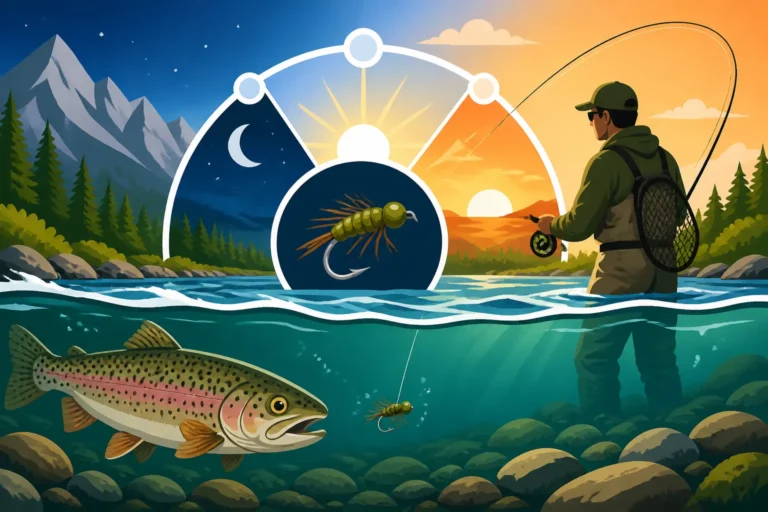
During these months, a wide array of patterns can be effective. Mornings might see some caddis or small mayfly activity, while midday is often prime for terrestrials, especially on sunny, breezy days when insects are active and falling into the water. Evenings can bring spectacular hatches of larger caddis and mayflies, leading to "spinner falls" where spent adult insects float helplessly on the surface, drawing every trout in the river up for a feast. The key to summer success is being versatile and observant. Carry a broad selection of both aquatic insect imitations and terrestrials, and be prepared to switch patterns frequently based on what the trout are telling you. This season is often the most forgiving for newer dry fly anglers, offering abundant opportunities to practice and refine skills.
Fall Fishing: Last Chance for Surface Action
As September rolls around and the mountain air gets crisper, dry fly fishing transitions into its final, often spectacular, phase. Water levels typically drop, and clarity becomes exceptional, making for challenging but rewarding fishing. The dominant hatches shift to smaller mayflies, particularly Blue-Winged Olives (BWO's), which can emerge in incredible numbers, especially on overcast days. Midges also become more prevalent as temperatures cool.
Fall fishing also brings the added bonus of less angling pressure and stunning autumn foliage. However, fish can become incredibly wary in the low, clear water, demanding precise casts, long, fine leaders, and perfect drag-free drifts. While mayfly activity might be the primary focus, don't completely discount terrestrials, especially early in the fall. Smaller grasshoppers and ant patterns can still bring up a fish, particularly on warmer afternoons. As October progresses, insect activity dwindles, and trout begin to focus on spawning or preparing for winter, making dry fly opportunities more sporadic. However, those last few days of good dry fly fishing in the crisp autumn air, with colourful leaves as a backdrop, are often some of the most cherished memories for mountain stream anglers.
Disclaimer
The information provided in this guide is for general informational purposes only and is not intended as a substitute for official regulations. Fishing regulations in Alberta can change frequently. Always consult the most current Alberta Guide to Sportfishing Regulations before heading out on the water. Following regulations ensures sustainable fishing for future generations.