Best Techniques for Bull Trout Catch and Release
There’s a unique thrill that comes with hooking into an Alberta bull trout. They’re stunning, powerful, and truly a testament to our province's wild beauty. However, the immense satisfaction of landing one comes with a profound responsibility: knowing how to release these sensitive fish safely. Many anglers feel a knot of anxiety, worrying if they’re doing enough to ensure these incredible creatures survive, especially with their threatened status. This comprehensive guide is dedicated to demystifying the best catch-and-release practices, helping you fish with confidence and contribute positively to their conservation.
Understanding Alberta's Bull Trout: Why They're Special and Vulnerable
Bull trout hold a special place in the hearts of Alberta anglers and conservationists alike. These aren't just any fish; they're an indicator species, meaning their health often reflects the health of the entire ecosystem they inhabit. Their continued presence is a sign that our mountain streams and rivers are still wild and pristine.
The Delicate Nature of Bull Trout
Unlike some other trout species that are more resilient to handling, bull trout are notoriously sensitive. They prefer cold, clear, oxygen-rich water, and any deviation from these ideal conditions, combined with the stress of being caught, can significantly impact their survival chances. Think about it: a fish that thrives in near-freezing temperatures is suddenly fighting for its life on a warm day, perhaps in water that's warmer than it prefers. Their physiological response to stress can be immediate and severe, affecting everything from their oxygen uptake to their immune system. This sensitivity is a major reason why the province has implemented strict measures, like the Alberta Bull Trout Zero Possession Rule, which mandates that all bull trout must be released immediately and unharmed. It’s not just a suggestion; it’s a legal requirement designed to give every single fish the best chance at survival.
Conservation Status and Angler Responsibility
Bull trout populations across Alberta have faced significant challenges over the decades due to habitat degradation, fragmentation, and historical overfishing. This has led to their classification as a threatened species in Alberta. This isn't just a label; it means their numbers are low enough to warrant serious concern, and without concerted efforts, they could face further decline. As anglers, we have a direct role to play in their recovery. Every single fish we interact with, whether intentionally targeted or accidentally caught, represents a critical part of the breeding population. Practicing impeccable catch and release isn't just about following the law; it's about being a steward of these incredible fish and contributing to their long-term survival. Ignoring proper techniques, or simply being careless, can undo years of conservation work in a single moment. It's why taking the time to learn and apply the Best Techniques for Bull Trout Catch and Release is so vital – it's an investment in the future of our fisheries.
Pre-Fishing Preparation for Responsible Angling
True conservation begins long before you even cast your line. Thoughtful preparation at home and on the way to the water can dramatically reduce the stress on a bull trout, should you be lucky enough to hook one. It’s about setting yourself up for success in ensuring the fish’s well-being.
Choosing the Right Gear for Minimal Impact
When targeting or fishing in areas known to hold bull trout, your gear selection makes a huge difference. Heavy, oversized hooks or tackle that leads to prolonged fights can be detrimental. You want a setup that allows you to land the fish efficiently, minimizing its time on the line. For fly anglers, consider a rod with enough backbone to control the fight, often in the 6-8 weight range for larger streams, paired with a reliable reel and a strong but appropriate leader. Spin fishermen should opt for a medium-light to medium power rod with a fast action, capable of setting the hook firmly and bringing the fish in without excessive strain.
One of the most crucial pieces of equipment is your net. A traditional string or knotted mesh net can strip away a fish’s protective slime coat, which acts as its first line of defense against disease and infection. Instead, invest in a rubberized or silicon-coated landing net. These nets are far gentler on the fish, preventing scale loss and slime removal. They also reduce tangles, making the release process smoother and quicker. You can find excellent options on platforms like Amazon, from brands like Fishpond or Frabill, which specialize in conservation-minded gear. Make sure the net is large enough to fully cradle the fish, preventing it from flopping out and potentially injuring itself.
Barbless Hooks and Essential Release Tools
Alberta fishing regulations often mandate barbless hooks in many trout waters, and for good reason. A barbless hook significantly reduces the damage inflicted on a fish’s mouth and makes removal quick and easy. If you're using hooks with barbs, it's your responsibility to crimp them down before you start fishing. A simple pair of pliers will do the trick. A flattened barb doesn't affect hook-up rates as much as some anglers fear, especially if your hooks are sharp. The small trade-off in potential hook-ups is a huge gain for fish welfare.
Beyond barbless hooks, you need a few essential tools at your fingertips for a swift and gentle release. Long-nosed forceps or hemostats are indispensable for reaching hooks deeply embedded in a fish's mouth without having to manhandle the fish. A pair of sturdy, blunt-nosed pliers can also be useful for larger hooks or breaking off a fly or lure if it’s too deeply swallowed (though barbless hooks largely prevent this). Finally, consider carrying a small pair of line clippers or scissors to quickly snip your line if a hook is truly irretrievable, allowing the fish to swim away with minimal impact, rather than struggling while you try to dig out a deeply set hook. Having these items organized and easily accessible in your vest or tackle bag means you won't be fumbling around while a precious bull trout gasps for air.
On-the-Water Techniques for Minimizing Stress
Once you’re out on the water, the way you fish, fight, and bring in a bull trout is just as important as your preparation. Every action you take, from the moment of the strike to the fish being in your net, influences its chances of survival.
Fighting Fish Effectively and Minimizing Play Time
When a bull trout takes your lure or fly, the first instinct might be to enjoy the fight – and they certainly are powerful adversaries! However, for their sake, we need to fight them assertively but not to exhaustion. The goal is to land the fish as quickly and efficiently as possible, without breaking your line or stressing the fish excessively. Prolonged fights, especially in warmer water or during warmer parts of the day, cause a buildup of lactic acid in the fish's muscles, similar to what we experience after intense exercise. This "lactic acid buildup" can lead to delayed mortality, where the fish swims away seemingly fine, but dies hours or days later from exhaustion or metabolic issues.
Use appropriate tackle that allows you to apply steady pressure. Keep your rod tip high, letting the flex of the rod absorb the shocks while continuously reeling to gain line. Avoid "horsing" the fish, which can tear hooks out or cause line breaks, but don't let it run freely for extended periods either. If you feel the fish tiring, try to guide it into shallower, slower water if possible, where it's easier to net quickly. The less time a bull trout spends expending all its energy, the better its chances of recovery.
Avoiding Delicate Spawning Areas
Bull trout are particularly vulnerable during their spawning season, which typically occurs in late summer and fall. They migrate upstream into smaller, often headwater streams to lay their eggs. These areas, known as redds, are critical nurseries. Walking through redds or targeting fish actively spawning can disrupt the process and damage delicate eggs, impacting future generations. It’s imperative to identify and avoid these sensitive areas. Redds often appear as clean, oval-shaped depressions on the streambed, where the gravel has been fanned clean by the female's tail. If you see fish actively spawning, characterized by pairs or groups of fish holding over a redd, it's best to move on and find another spot.
Furthermore, being aware of specific Alberta Fishing Season Dates by Zone can help you avoid peak spawning times when bull trout are most concentrated and susceptible. Even if a particular area is open to fishing, exercising caution and restraint during these crucial periods demonstrates a deeper commitment to conservation. Sometimes, the best technique for catch and release is choosing not to fish in a certain area at a certain time, allowing nature to take its course undisturbed. This mindful approach ensures that bull trout can continue their life cycle, securing populations for years to come.
Safe Handling and Release Procedures
This is the moment of truth for the bull trout. How you handle it in the precious seconds after it's landed directly dictates its survival. Every touch, every movement, must be deliberate and gentle.
The Importance of Wet Hands and Landing Nets
The moment you land a bull trout, the first rule is hands off – at least dry hands off. Fish have a protective slime coat, a vital barrier against parasites, bacteria, and fungi. Dry hands can remove this coating, leaving the fish vulnerable to infection. Always wet your hands thoroughly before touching a fish, or better yet, avoid touching it directly if possible.
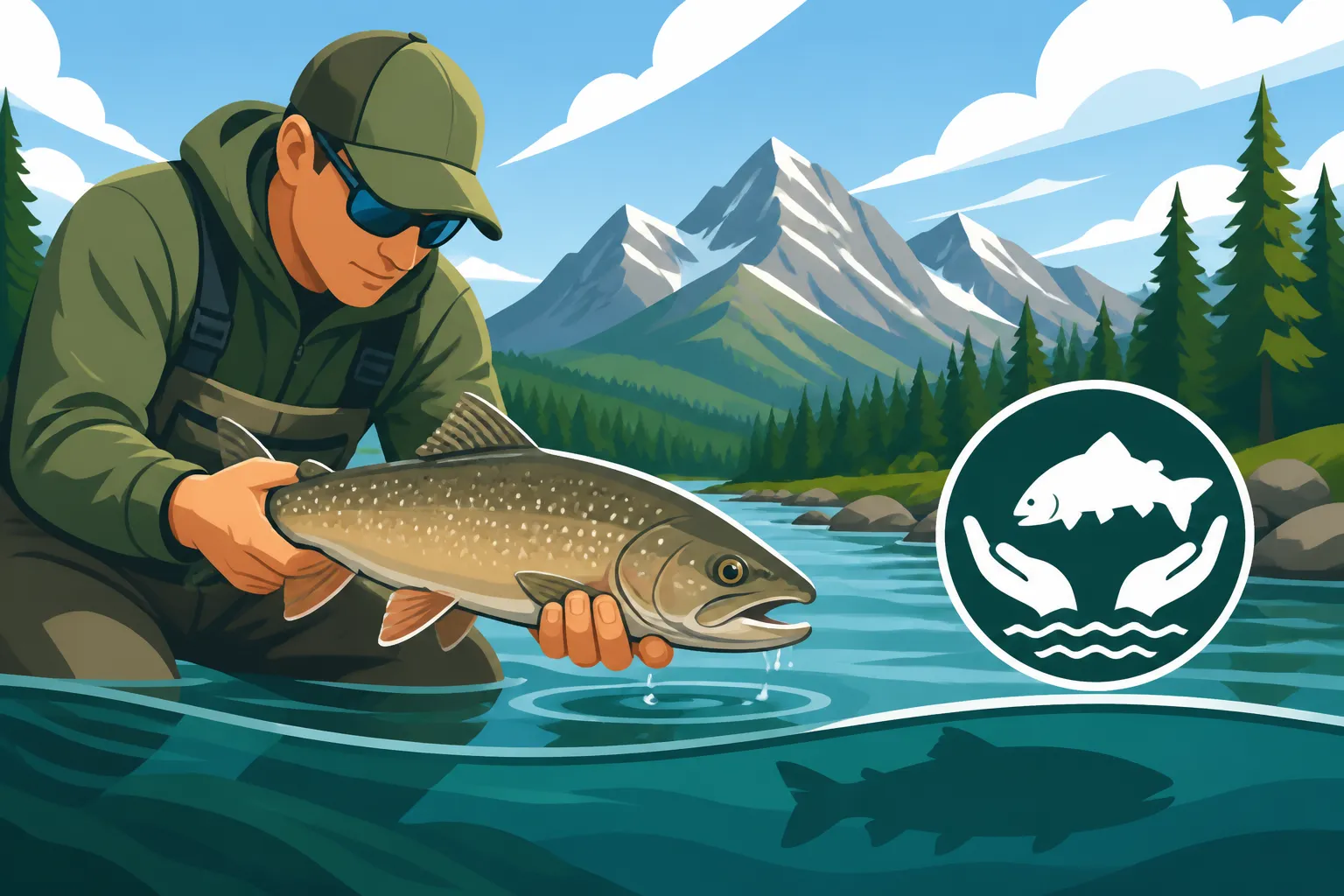
This is where that rubberized landing net truly shines. Once you've brought the fish close, gently guide it into the net while it's still in the water. The net should be large enough to fully cradle the fish, preventing it from flopping. Keep the fish submerged in the net for as long as possible. This minimizes its exposure to air, which is akin to holding your breath for an extended period. Remove the hook while the fish is still in the water, using your forceps or hemostats. If the hook is shallow, a quick twist of the barbless hook with the tool can often dislodge it without even needing to lift the fish from the water. If you absolutely must lift the fish for a quick photo, keep it over the water, support its entire body horizontally with both wet hands, and minimize its time out of the water to mere seconds. Never hold a fish vertically by its jaw or tail, as this can cause irreversible damage to its internal organs and spine.
| Tool / Practice | Purpose | Why it Matters for Bull Trout |
|---|---|---|
| Barbless Hooks | Easy, quick hook removal | Minimizes mouth damage and release time |
| Rubberized Net | Safely cradles fish; prevents slime loss | Reduces stress, injury, and disease risk |
| Long-Nosed Forceps | Precise hook removal without excessive handling | Quick and gentle; less contact with fish |
| Wet Hands | Preserves protective slime coat | Prevents infection and protects skin |
| Keep Fish in Water | Maximizes oxygen intake; reduces physical stress | Crucial for sensitive species recovery |
| Horizontal Support | Protects internal organs and spine (if lifted) | Prevents internal injury from gravity |
Quick Hook Removal and Safe Release
With the bull trout gently secured in your net and submerged, the process of hook removal should be swift and efficient. Locate the barbless hook. Most often, it will be visible just inside the fish's mouth. Grip the bend of the hook with your forceps, apply gentle counter-pressure if needed, and rotate it out. Since there's no barb, it should slide out easily. If the hook is slightly deeper but still visible, the long reach of your forceps will allow you to get to it without reaching your fingers into the fish's gills or further down its throat. Avoid any twisting or tearing motions.
Once the hook is free, observe the fish in the net. Does it seem disoriented? Is it struggling to maintain its equilibrium? If it seems sluggish, gently hold it upright, still submerged in the net, facing upstream into a slow current. This allows fresh, oxygenated water to flow over its gills. Don't move the fish back and forth, as this can actually disrupt the natural flow of water over its gills. Instead, hold it steady until you feel it gaining strength and trying to swim away. When it begins to struggle to leave your hands, gently release your grip and let it swim off on its own power. Watch it for a moment to ensure it swims strongly into deeper water. If it surfaces or struggles again, gently net it and repeat the revival process. This careful approach is fundamental to bull trout catch and release survival tips.
Post-Release Care and Environmental Stewardship
The responsibility of an angler doesn't end when the fish swims away. A true steward of the environment thinks beyond the immediate release, considering the broader impact of their presence and actions.
Monitoring Water Temperature and Conditions
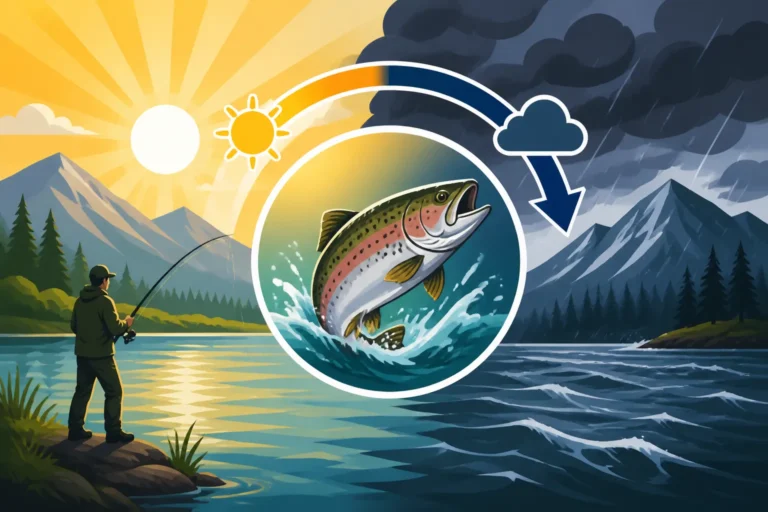
Bull trout are incredibly sensitive to water temperature. They thrive in cold water, typically below 15°C (59°F). As water temperatures rise, the oxygen content decreases, and the stress on a caught fish increases dramatically. During hot summer months, especially in July and August, stream temperatures can climb above critical thresholds. If you're fishing and the water feels noticeably warm, it's often best to switch to different waters, target less temperature-sensitive species, or stop fishing altogether for that day. A small, inexpensive stream thermometer is an excellent tool to carry, allowing you to make informed decisions about whether to continue fishing. Many experienced anglers in Alberta practice a "hottest part of the day" rule, avoiding fishing for trout between noon and 6 PM on warm days to minimize stress on the fish.
Furthermore, heavy rain can muddy rivers, reducing visibility and potentially affecting fish respiration due to suspended sediment. While bull trout are primarily visual predators, reduced visibility can also make it harder for them to recover from a fight or escape predators. Understanding and respecting these environmental conditions demonstrates an advanced level of angler responsibility, ensuring that our recreational pursuits don't inadvertently harm vulnerable populations.
Leaving No Trace and Protecting Habitat
Beyond the fish itself, our actions on the riverbank or lake shore have a lasting impact. The principle of "Leave No Trace" is paramount. This means packing out everything you pack in, including all trash, broken fishing line, and even organic waste like fruit peels. Discarded fishing line, in particular, can be a death trap for birds and other wildlife.
Protecting the critical habitat where bull trout live is equally important. This includes being mindful of riparian zones – the vegetated areas along the banks of rivers and streams. These areas provide shade, stabilize banks, filter runoff, and contribute insects and other food sources to the water. Avoid trampling vegetation, creating new trails, or disturbing streambeds unnecessarily. If you're wading, do so carefully to avoid dislodging gravel or disturbing aquatic insects. When you are out on a river like the Crowsnest River Trout Fishing, it's not just about the fish in the water, but the health of the entire watershed. Every small act of respect for the environment contributes to the overall health of these fragile ecosystems, ensuring that bull trout and other native species continue to thrive in their Bull Trout Native Range in Alberta for generations of anglers to come.
Disclaimer
Fishing involves inherent risks. Always consult the official Alberta Guide to Sportfishing Regulations for the most current rules, regulations, and advisories before heading out. This guide is for informational purposes only and does not supersede official government regulations. Practice safety and environmental stewardship at all times.