Best streamer patterns for Alberta brown trout
There's nothing quite like the thrill of chasing Alberta's elusive brown trout, but let's be real – these wily predators can be incredibly frustrating to fool, especially when they're hunkered down or selectively feeding. If you've spent hours casting beautiful flies with no takers, feeling like you're throwing a party nobody's showing up to, you're not alone. This guide is here to shed light on the best streamer patterns for Alberta brown trout, helping you unlock their secrets and increase your chances of that heart-stopping strike.
Understanding Alberta Brown Trout and Their Predatory Instincts
Chasing brown trout in Alberta is a truly rewarding experience, but it often tests your patience and skill like no other fish. They're not like those eager stocked rainbows that will hit almost anything; browns are notorious for their intelligence, wariness, and often, their preference for a hearty meal over a tiny insect. To effectively fish streamers for these magnificent fish, you first need to understand what makes them tick and, more importantly, what they're looking to eat.
The Elusive Nature of Brown Trout in Alberta
Brown trout earned their reputation for being elusive for a good reason. Unlike some of their trout cousins, browns tend to be more nocturnal and often inhabit the darkest, most protected lies in a river or lake. They are incredibly sensitive to pressure, often spooking at the slightest shadow, clumsy cast, or even too much noise on the bank. This wariness is amplified in the clear, often highly pressured waters of rivers like the Bow River or the Crowsnest River, where they've seen countless flies drift by. They're not just looking for food; they're looking for an easy, substantial meal that doesn't put them at risk. A small dry fly might grab their attention on a perfect hatch, but a meaty streamer taps into their primal predatory drive, suggesting a much larger caloric reward. The challenge, then, is presenting that appealing meal in a way that doesn't scream "fake" or "danger."
Think about it: a big brown trout didn't get big by being careless. They've survived numerous angling attempts, evaded ospreys and eagles, and outcompeted other fish for prime feeding lies. This ingrained caution means your presentation needs to be spot-on, and your fly choice needs to mimic something they really want to eat, not just something that looks vaguely interesting. It’s a game of deception and targeting their inherent instinct for a bigger payoff.
Key Forage Species in Alberta Waters
To select the best streamer patterns, you have to think like a brown trout. What are they primarily feeding on in Alberta's diverse aquatic environments? While they will occasionally eat insects, particularly larger stoneflies or terrestrials, their diet often shifts towards smaller fish, crustaceans, and even amphibians as they grow larger. This is where streamers truly shine, as they imitate these larger food sources.
Sculpins are arguably one of the most important food sources for large brown trout in many of Alberta's cold-water rivers. These bottom-dwelling, camouflaged fish are slow, easy targets, and packed with protein. Minnows and juvenile fish, including smaller trout, are also high on the menu, especially in rivers with diverse fish populations. Crayfish, where present, are absolute brown trout magnets, particularly during molting periods when their shells are soft. Finally, leeches are a constant food source, always available and offering a wiggly, enticing profile. Knowing these key forage species helps us narrow down our streamer choices. If you want to know more about the fish that live in our waters, check out our guide on Brown Trout Fishing in Alberta.
Understanding this diet is your secret weapon. If you're fishing a river known for abundant sculpins, your streamer choice should reflect that. If you're on a slower, deeper stretch with plenty of minnows, then a baitfish imitation might be more effective. The more you can match your fly to the natural food items available, the better your chances of enticing a strike from a cautious brown.
Essential Streamer Characteristics for Brown Trout
When you're staring at a wall of streamer patterns in your local fly shop or browsing online at places like Amazon, it can feel overwhelming. They all look great to us, but what truly matters to an Alberta brown trout? It comes down to a few critical characteristics that make a streamer irresistible: size, profile, color, action, and how it sinks. Get these right, and you're well on your way to a successful day on the water.
Size, Profile, and Color Selection
The size of your streamer is paramount. Big browns want big meals. While a 2-inch streamer might tempt a smaller fish, a 3-5 inch pattern is often what it takes to get a true trophy brown to move. Don't be afraid to go big, especially when targeting larger fish or when the water is off-color. The profile refers to the shape and bulk of the fly in the water. Does it push water like a plump minnow, or does it have a slim, darting profile like a smaller baitfish? Having a variety of profiles is key.
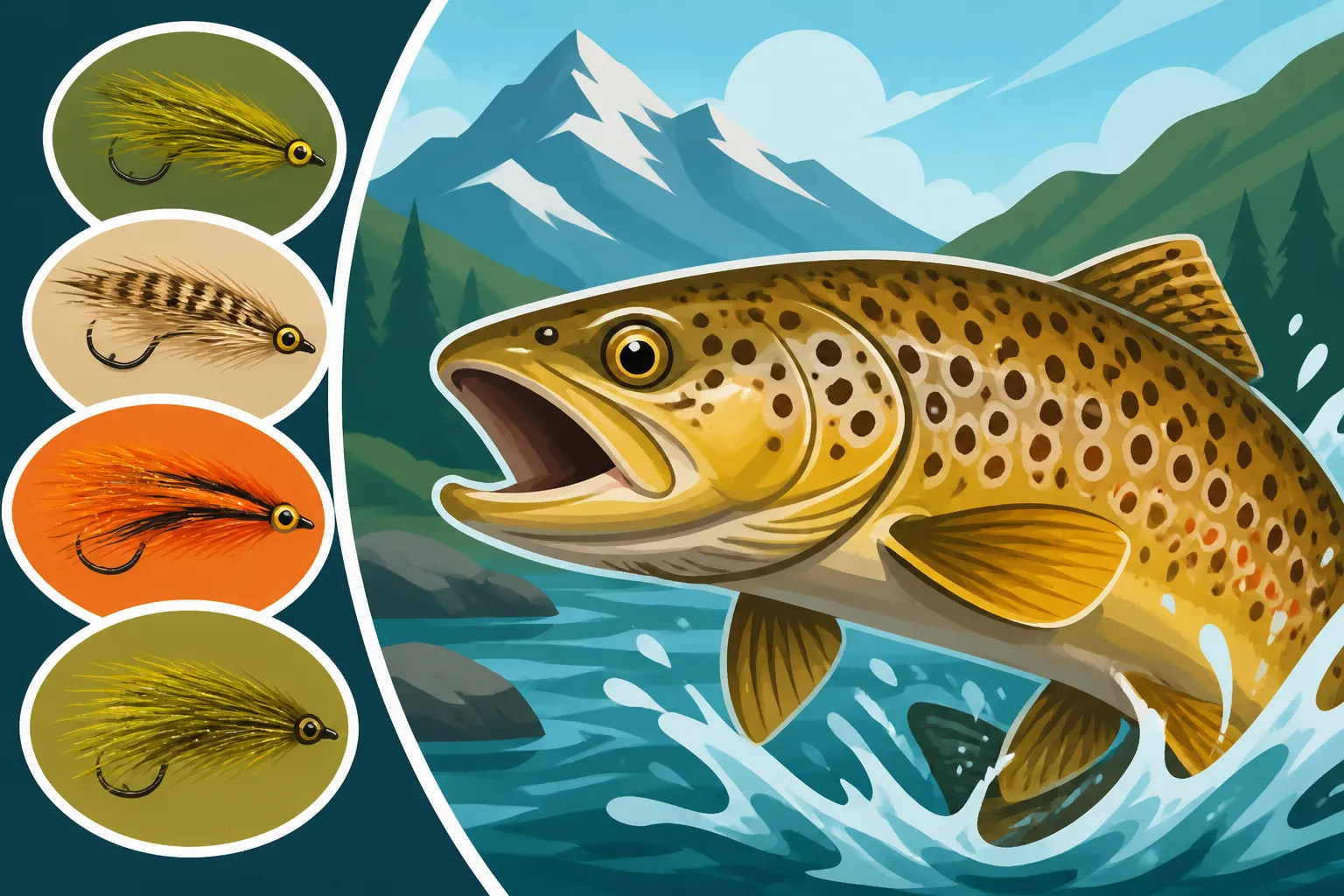
Color is another crucial factor, and it often depends on water clarity and light conditions. For general sculpin or minnow imitations in clear water, natural colors like olive, brown, black, grey, and white are incredibly effective. Think about what the natural prey looks like. If the water is stained or dirty, brighter colors like chartreuse, orange, or even combinations of black and blue can provide the contrast needed to get noticed. On bright, sunny days, sometimes a more subtle, translucent pattern works best, while overcast days or low light conditions can warrant darker, more prominent flies. Keep a selection of colors on hand, and don't be afraid to experiment.
Consider the time of year and the water temperature. In colder water, fish are often slower and less willing to expend energy, so a bulkier, slower-moving profile might be more effective. In warmer water, aggressive, darting patterns can trigger a predatory chase.
Action and Movement
This is where streamers truly come alive. A streamer isn't meant to just drift passively; it's designed to be actively retrieved to mimic a living, fleeing, or injured prey item. The materials used in a streamer, such as rabbit strips, marabou, and various synthetic fibres, are chosen specifically for their ability to pulsate, swim, and undulate in the water, even with minimal movement from the angler.
A good streamer should have a natural, fluid motion. When you strip the line, does it dart and then settle back with a lifelike wiggle? Does the tail kick seductively as it moves through the current? This action is what triggers the brown trout's predatory response. Materials like zonker strips (rabbit fur) are fantastic because they breathe and flow, appearing incredibly lifelike. Articulated streamers, which have multiple segments joined by shanks, take this a step further, offering an even more realistic, snakelike swimming motion. The best streamers create a "nervous" energy in the water, suggesting a vulnerability that a brown trout can't resist.
Weighting and Sink Rates
Getting your streamer to the right depth is often the difference between success and failure. Brown trout, especially larger ones, frequently hold deep in pools, undercuts, or near submerged structure. If your streamer isn't getting down to their strike zone, it's just eye candy they can't reach. Streamers are weighted in various ways: lead wraps on the shank, coneheads, beadheads, or even dumbbell eyes made of lead or brass.
Heavily weighted streamers are essential for getting down quickly in fast, deep rivers like the Bow. They help you maintain contact with the fly and keep it in the strike zone longer. However, too much weight can make a fly snag-prone and give it an unnatural "plunk" upon entry. You'll want to balance weight with the depth and speed of the water you're fishing. For shallower runs or when fish are holding higher in the water column, a lightly weighted or unweighted streamer might be more appropriate, allowing for a more natural, subtle presentation. Having streamers with different weighting options, or using sink-tip lines, provides versatility for varying water conditions. This is especially important if you're exploring different sections of a river, some of which might be known for big trout, like certain areas on the Best Fishing Rivers in Alberta.
Top Streamer Patterns for Alberta Brown Trout
Now that we understand what makes a streamer effective, let's dive into some specific patterns that have proven their worth time and again on Alberta's brown trout waters. These are flies that veteran anglers swear by, designed to imitate the key forage species we discussed earlier.
Sculpin Imitations
Sculpins are a staple for brown trout, and flies that mimic these chunky bottom dwellers are indispensable. They generally feature a broad head, a mottled body, and a short, tapered tail.
- Muddler Minnow: This classic pattern, with its spun deer hair head, pushes a lot of water and has an erratic action that drives browns wild. While called a "Minnow," its profile and movement are very sculpin-like. It's especially effective in olive, brown, and black. A Muddler can be dead-drifted and then stripped to imitate an injured sculpin. It's a fantastic pattern to have in your fly box for rivers like the Oldman River or the Crowsnest River, where sculpins are abundant.
- Sculpzilla: As the name suggests, this is a dedicated sculpin imitation. Often tied with lead eyes for quick sinking and a rabbit strip tail for maximum action, the Sculpzilla has a distinct, bulky profile. Colors like olive, black, tan, and natural sculpin blends are highly effective. Fish it along the bottom, bouncing it off rocks to truly mimic a sculpin darting and hiding.
- Woolly Bugger: While a generalist pattern, the Woolly Bugger (especially in olive, black, or brown) is one of the most versatile and effective sculpin imitations when tied with a bulkier head or extra lead wrap. Its marabou tail and hackled body give it incredible action, making it look like a swimming sculpin, leech, or even a crayfish. It's a must-have for any streamer angler and often a go-to when you're unsure what the fish are keying on. You can find excellent selections of these patterns on platforms like Amazon.
Minnow and Baitfish Imitations
When browns are aggressively feeding on smaller fish, a well-presented baitfish pattern can be absolutely deadly. These flies often feature a more streamlined profile designed to imitate darting, fleeing prey.
- Clouser Minnow: Invented by Bob Clouser, this pattern is famous for its inverted hook point and dumbbell eyes, which cause it to "jig" nose-down on the retrieve. This action mimics a baitfish rooting on the bottom or darting erratically. White and chartreuse, olive and white, or black and white are popular color combinations. It's incredibly effective in faster currents and for covering a lot of water.
- Zonker: This streamer uses a strip of rabbit fur (zonker strip) for its wing and tail, giving it incredible movement and a fish-like profile. Gold, silver, natural grey, and olive Zonkers are highly effective. The soft fur breathes beautifully in the water, making it irresistible to hungry browns. It's particularly good in clear water where a lifelike presentation is key.
- Sparkle Minnow: A more modern pattern, the Sparkle Minnow often features synthetic materials with a lot of flash, mimicking the shimmer of juvenile fish. Its realistic profile and enticing flash make it a great choice on brighter days or when you need to grab attention in slightly off-color water. Colors like natural grey, white, and olive are very productive.
- Drunken Disorderly: This pattern is designed for big fish. With a large, articulated body and often a deer hair head, it has an incredibly exaggerated, wounded baitfish action. This fly is meant to provoke an aggressive strike from a trophy brown. It requires a heavier rod setup, but the results can be spectacular. If you're looking for a serious challenge, consider trying this pattern on a big river known for Best Trout Streams in Alberta.
Leeches and Other Generalist Patterns
Sometimes, brown trout aren't keying on a specific baitfish but are opportunistic feeders, grabbing whatever looks like an easy meal. Leeches are always on the menu, and generalist patterns often imitate a variety of small aquatic life.
- Rubber Leg Bugger: An enhancement of the classic Woolly Bugger, this pattern incorporates rubber legs into the body. These legs add extra movement and pulsation, making the fly even more enticing. It can imitate a leech, a large aquatic insect nymph, or even a small crayfish. The added leg action can often trigger strikes when a plain Bugger might not.
- Articulated Streamers: These flies are built with multiple segments, giving them an incredibly realistic, snakelike swimming action that single-shank streamers simply can't achieve. They can be tied to imitate large sculpins, leeches, or big baitfish. While more complex to tie and cast, their lifelike movement is often irresistible to the largest, most discerning brown trout. Examples include articulated sculpins, leeches, and various "Game Changer" style flies.
Table: Recommended Streamer Patterns for Alberta Brown Trout
| Pattern | Primary Imitation | Key Characteristics | Ideal Conditions/Colors |
|---|---|---|---|
| Muddler Minnow | Sculpin, Minnow | Spun deer hair head, erratic action, pushes water | Olive, Brown, Black; clear to slightly stained water |
| Sculpzilla | Sculpin | Lead eyes, rabbit strip tail, bulky profile | Olive, Black, Tan; deep water, low light |
| Woolly Bugger | Sculpin, Leech, Crayfish | Marabou tail, hackled body, pulsating action | Olive, Black, Brown; all conditions, versatile |
| Clouser Minnow | Minnow, Baitfish | Dumbbell eyes, jigging action, streamlined | White/Chartreuse, Olive/White; fast currents, clear water |
| Zonker | Minnow, Baitfish | Rabbit fur strip, lifelike movement, shimmering | Gold, Silver, Olive; clear water, bright days |
| Sparkle Minnow | Juvenile Fish | Synthetic materials, flash, realistic profile | Natural Grey, White, Olive; brighter days, clear water |
| Rubber Leg Bugger | Leech, Crayfish, Nymph | Marabou, hackle, rubber legs for extra movement | Black, Olive, Brown; when fish are sluggish, generalist |
| Articulated Streamers | Large Baitfish, Leech | Multi-segmented body, ultra-realistic swimming | Various; for trophy fish, slower retrieves |
How to Effectively Fish Streamers for Alberta Brown Trout
Having the right streamer patterns is only half the battle. Knowing how to present them effectively, impart the right action, and target the prime brown trout lies is crucial. It’s a dynamic form of fly fishing that requires engagement and a bit of aggression.
Casting and Presentation Techniques
When streamer fishing, casting accuracy and the angle of your presentation are incredibly important. Unlike dry fly fishing where a gentle, delicate presentation is key, streamer fishing often involves more aggressive casts designed to deliver a heavier fly.
- Across and Downstream: This is a very common and effective method. Cast your streamer across the current, or slightly downstream, and let it swing. As it swings, strip line to give it action. This mimics a baitfish or sculpin attempting to cross the current. Vary your retrieve speed and strip length to see what the fish react to.
- Upstream Casts: Don't neglect casting upstream. This allows your streamer to sink quickly and work its way downstream, mimicking a baitfish swept by the current or fleeing from danger. As the fly drifts down, strip line to keep it moving and lively. This can be particularly effective in deeper pockets or when fishing undercut banks.
- Targeting Structure: Brown trout are ambush predators and love to hide near structure: fallen trees, large boulders, undercut banks, and deep current seams. Cast your streamer as close as possible to these areas. The goal is often to provoke a reaction strike as the fly darts out from hiding or appears vulnerable. For targeting these structures, a Best Streamer Rod Setup for Big Brown Trout will give you the control and power you need.
A common frustration for anglers is getting hung up on the bottom or in submerged snags. To avoid this, especially with weighted streamers, try a "slack line" mend immediately after casting upstream to allow the fly to sink without immediately dragging. Then, as it swings, keep your rod tip low and strip with authority.
Retrieves and Action Imparting
This is where you bring your streamer to life. The way you retrieve your line directly dictates how your streamer moves in the water.
- Strip-Strip-Pause: A classic retrieve that often mimics an injured or darting baitfish. Strip the line quickly, often 6-12 inches, then pause for a second or two, allowing the fly to sink or "settle" before stripping again. Many strikes occur on the pause.
- Steady Retrieve: Sometimes, a consistent, moderate retrieve is all it takes, especially when fish are aggressively chasing. This mimics a baitfish fleeing at a consistent pace.
- Jerky, Erratic Retrieves: For sculpin or crayfish imitations, a short, sharp strip followed by a slack line retrieve can make the fly "hop" along the bottom. This can be incredibly effective for enticing a reaction strike from a brown trout tucked away in a deep lie.
- The "Swing" and Mend: When casting across and downstream, allow the current to put tension on your line and swing the fly. As it swings, impart short strips or jiggles with your rod tip. Mending your line upstream during the swing can slow down the fly's movement, allowing it to work deeper and longer in a prime lie. Don't forget that a good quality fly line, like those you can find on Amazon, will make a huge difference in how your streamer performs.
Remember, fish often react differently on different days. Experiment with retrieve speeds, strip lengths, and pauses until you find what triggers a response. Pay attention to how the current affects your fly and use it to your advantage to create natural movement.
Ideal Conditions and Locations for Streamer Fishing
Brown trout can be caught on streamers throughout the year, but certain conditions and locations tend to be more productive.
- Overcast Days and Low Light: Brown trout are more active predators during low light conditions, such as early mornings, late evenings, or heavily overcast days. This is when they feel safer venturing out from cover to hunt. A dark streamer pattern on an overcast day can be particularly effective, creating a strong silhouette against the sky.
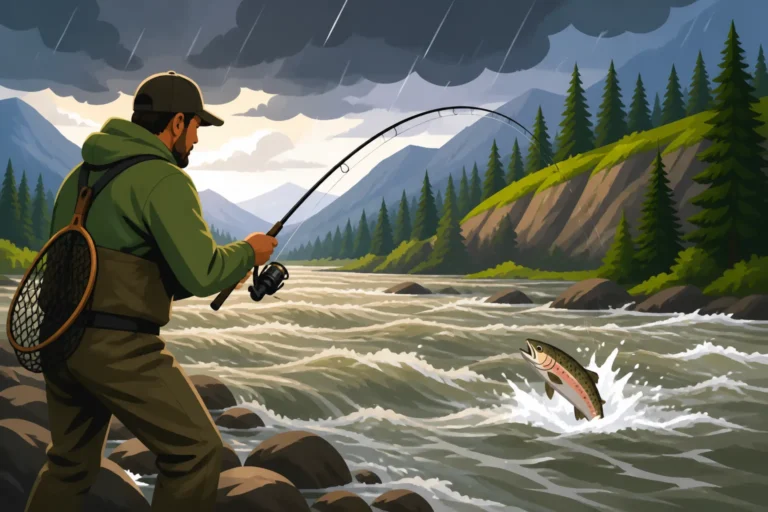
- Turbid or Off-Color Water: While clear water can be great for sight fishing, slightly off-color water (after a rain, for example) can be fantastic for streamers. The reduced visibility makes browns less wary and more willing to chase. This is where those bolder, more contrasting colors like black, chartreuse, or orange can really shine. Just make sure the water isn't so muddy that fish can't see anything.
- Deeper Pools and Runs: Larger brown trout love deep, slow-moving pools, especially those with plenty of structure. These are prime areas to dredge with heavily weighted streamers, working them slowly along the bottom.
- Undercut Banks and Woody Debris: As mentioned earlier, brown trout are ambush predators. Target every single piece of cover you see – an overhanging tree, a submerged log, a rock pile, or a deeply undercut bank. These are classic brown trout lies, providing both safety and a prime ambush point for unsuspecting prey.
- Below Riffles and Around Eddies: The turbulence of riffles dislodges insects and baitfish, pushing them into calmer water below. Brown trout will often position themselves at the head of a pool or in the eddy lines below a riffle, waiting for easy meals to drift by. Presenting your streamer into the turbulence and letting it wash into the calmer water can be very effective. If you're looking for where to find these spots, our guide to Best Fishing Lakes in Alberta might give you some ideas. Or for the ultimate experience, try some Fly Fishing for Trout on the Bow River.
Understanding these conditions and locations will significantly improve your streamer fishing success. It's about putting your fly in front of a hungry brown trout when and where they are most likely to strike.
Final Tips for Streamer Fishing Success
Streamer fishing is a powerful way to target some of Alberta's largest and most sought-after brown trout. While it can be challenging, the rewards of hooking into a truly magnificent fish on a streamer are unparalleled.
First and foremost, don't be afraid to try different patterns, sizes, and colors. Brown trout can be incredibly selective one day and wildly aggressive the next. What worked yesterday might not work today, so adaptability is key. Carry a good selection of the patterns discussed, making sure you have options for different light conditions and water clarity.
Secondly, pay attention to your gear. You'll generally want a heavier fly rod for streamer fishing, usually a 6 or 7-weight, to handle the larger flies and potentially larger fish. A good quality fly line, often a weight-forward floating line with a short, aggressive front taper, or even a sink-tip line, will help turn over those bulky flies and get them to depth. A short, strong leader (around 4-6 feet of 0X to 2X fluorocarbon) is essential for turning over the fly and providing abrasion resistance. For more on what gear you'll need, check out our guide on Best Fly Rods for the Bow River.
Finally, be patient and persistent. Streamer fishing can sometimes feel like casting a lot without much action, but that one explosive strike from a big brown makes it all worth it. Keep your retrieve consistent, focus on getting your fly into the right places, and maintain a sharp hook. You might also find our guide on Fly Patterns for the Bow River to be a valuable resource for other fly choices. Happy fishing!
Disclaimer
The information provided in this guide is for general informational purposes only. Fishing regulations in Alberta can change frequently. It is the responsibility of the angler to consult the most current Alberta Guide to Sportfishing Regulations before heading out on the water. Always practice safe fishing techniques and respect wildlife and the environment.