Best technique for fishing a plunge pool
Have you ever stood by a powerful river, watching the water crash over rocks or tumble down a small waterfall, and gazed into the deep, churning pool below? That dark, mysterious eddy at the base of a cascade, often called a plunge pool, just screams "fish!" but actually figuring out how to effectively fish it can feel like trying to solve a puzzle with a blindfold on. It’s intimidating with all that turbulent water, the unknown depths, and the seemingly impossible currents. But don't let that deter you! This guide is all about demystifying the plunge pool, helping you understand its secrets and arming you with the best techniques to unlock its potential for some truly memorable catches in Alberta's incredible waterways.
Understanding the Allure of Plunge Pools for Anglers
Plunge pools aren't just pretty features on a river; they are ecological hotspots, particularly for certain fish species. The sheer power of the water crashing into the pool creates a unique environment that fish absolutely love, making them prime targets for a dedicated angler.
What Makes a Plunge Pool an Angler's Paradise?
The magic of a plunge pool lies in its distinct characteristics. First, let's talk about oxygenation. That constant, violent churning of water injects a huge amount of oxygen into the pool, which is like a breath of fresh air for fish, especially during warmer months when other parts of the river might be a bit sluggish. This high oxygen content makes them feel more comfortable and active.
Beyond oxygen, plunge pools are natural cafeterias. The crashing water often dislodges insects, small baitfish, and other edibles from upstream, washing them directly into the pool. This constant influx of food means a steady buffet for resident fish, attracting them to feed. Think of it as a conveyor belt of deliciousness! Moreover, the depth and turbulence provide incredible shelter. Fish can sit in the calmer pockets and eddies, expending less energy while still being close to the food source, or they can use the deeper water to hide from predators, including us savvy anglers, making them feel secure. This combination of food, oxygen, and shelter creates an irresistible draw for many species, turning these chaotic spots into surprisingly serene homes for fish.
Identifying Productive Plunge Pools on Alberta Rivers
Not all plunge pools are created equal, of course. To find the most productive ones, you need to read the water a bit. Look for pools that are clearly deeper than the surrounding riverbed. Depth offers fish more comfort and escape routes. Also, pay attention to the transition zones – where the fast, aerated water slows down and creates obvious seams and eddies. These are prime holding areas where fish can rest out of the main current while waiting for food to drift by. You'll often see these seams creating visible lines on the surface, or even foamy patches where debris collects.
Consider the surrounding structure too. Are there large boulders, submerged logs, or undercut banks within the pool? These features offer additional protection and ambush points for predatory fish. The clearer the water, the easier it is to spot these features and observe potential fish activity, though sometimes a bit of murk can offer fish more confidence to move about. On rivers like the Bow River Fishing Guide, or the often-turbulent Crowsnest River, you'll find plenty of these dynamic areas that hold fish. Keep an eye out for any subtle signs of life, like a flash beneath the surface or a disturbance on the water, which can tell you fish are actively feeding.
Essential Gear for Plunge Pool Domination
Having the right tools for the job is crucial, especially when you're dealing with the powerful forces at play in a plunge pool. You need gear that can stand up to the challenge, not just in terms of strength, but also in allowing you to present your offerings effectively.
Rod, Reel, and Line Selection
For plunge pool fishing, your gear needs to be robust and capable of handling strong currents and potentially strong fish. I generally lean towards a medium-heavy spinning or baitcasting rod, somewhere in the 7 to 8-foot range. This length gives you enough leverage to cast weighted lures accurately and provides the backbone needed to fight fish in turbulent water without feeling undergunned. A fast action tip is also a good idea, as it helps with sensitivity to feel subtle bites amidst the chaos and ensures quick hook sets.
Pair that with a sturdy spinning reel in the 2500-4000 series or a reliable baitcaster, spooled with a braided line in the 15-30 lb test range. Braided line is fantastic here because of its minimal stretch, which provides excellent sensitivity and immediate feedback on what your lure is doing down in the current. Its thin diameter also helps cut through the water, getting your lure deeper faster. However, because plunge pools can be snaggy, I always recommend a fluorocarbon leader of about 10-20 lb test, depending on the target species and water clarity. This provides invisibility, crucial for wary fish, and acts as a sacrificial leader if you get hung up, saving your main line. You can find a wide selection of these lines and reels on Amazon if you're looking to upgrade your setup.
Lures and Baits Tailored for Plunge Pool Success
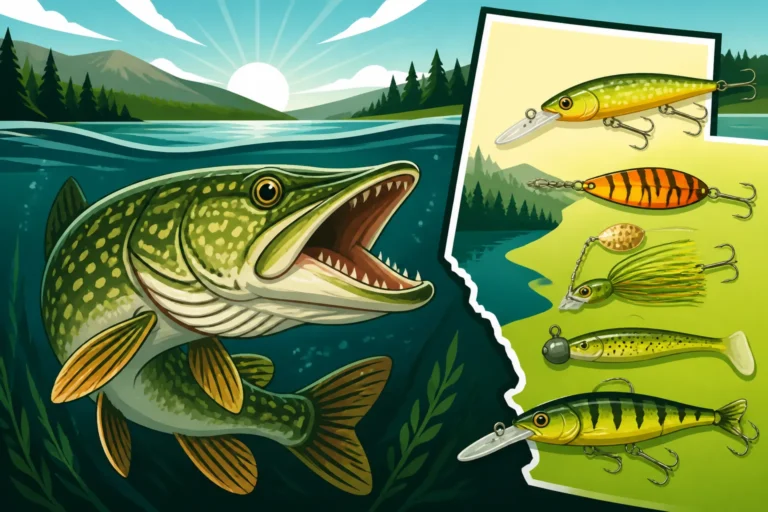
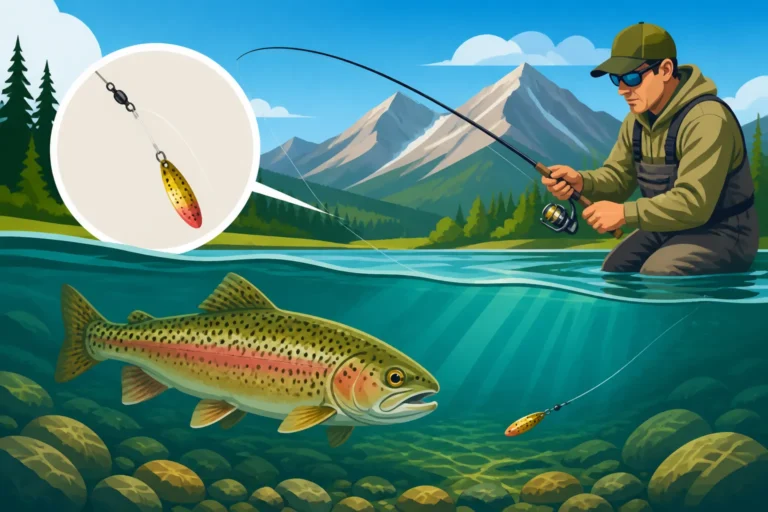
The key to successful plunge pool fishing is getting your offering down to where the fish are holding and making it look natural despite the current. Weighted presentations are king here. For spin or baitcasting setups, heavy jigs are your best friend. Think 1/4 ounce up to 1/2 ounce or even heavier in very strong current, tipped with a soft plastic grub, creature bait, or a piece of bait like a worm or roe. The weight gets it down, and the soft plastic provides natural movement. Metal spoons, especially those with a strong flutter on the fall, can also be incredibly effective, mimicking injured baitfish being washed into the pool. Small inline spinners can work too, particularly on the edges of the main current where fish might dart out to strike.
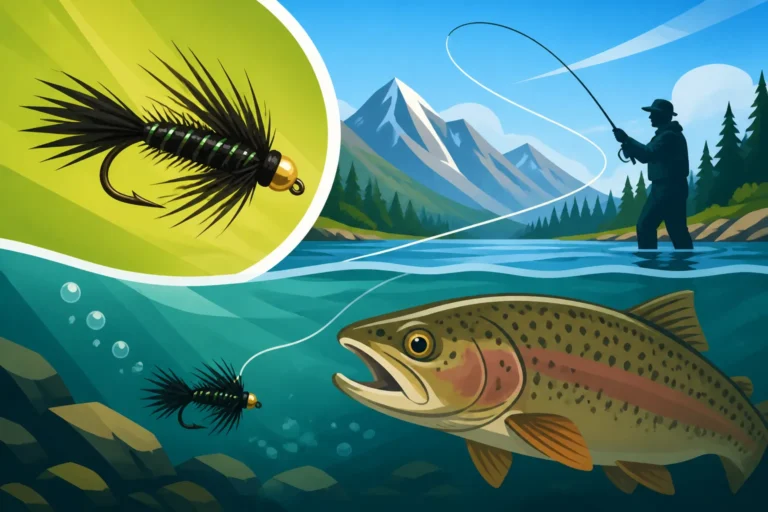
For fly anglers, weighted nymphs and streamers are the way to go. Think about patterns like Stoneflies, Prince Nymphs, or even an articulated streamer that can push through the water column and imitate a minnow. Sinking lines or heavy sink-tips are almost always necessary to achieve the desired depth, especially if you're trying to fish the absolute bottom. The idea is to present something that looks like an easy meal caught in the current, struggling to get away. Knowing how to select the right fly patterns for the Bow River or the Crowsnest River can give you a significant advantage in these types of spots. Sometimes, a simple piece of natural bait, like a worm or minnow, drifted naturally with a small amount of weight, can be absolutely deadly, especially for species like walleye if you're targeting them on prairie rivers with plunge pools.
Mastering Plunge Pool Fishing Techniques
It's not enough to just have the right gear; knowing how to use it effectively in such a dynamic environment is what truly sets successful plunge pool anglers apart. These spots demand a thoughtful approach and precise execution.
The Art of the Approach and Presentation
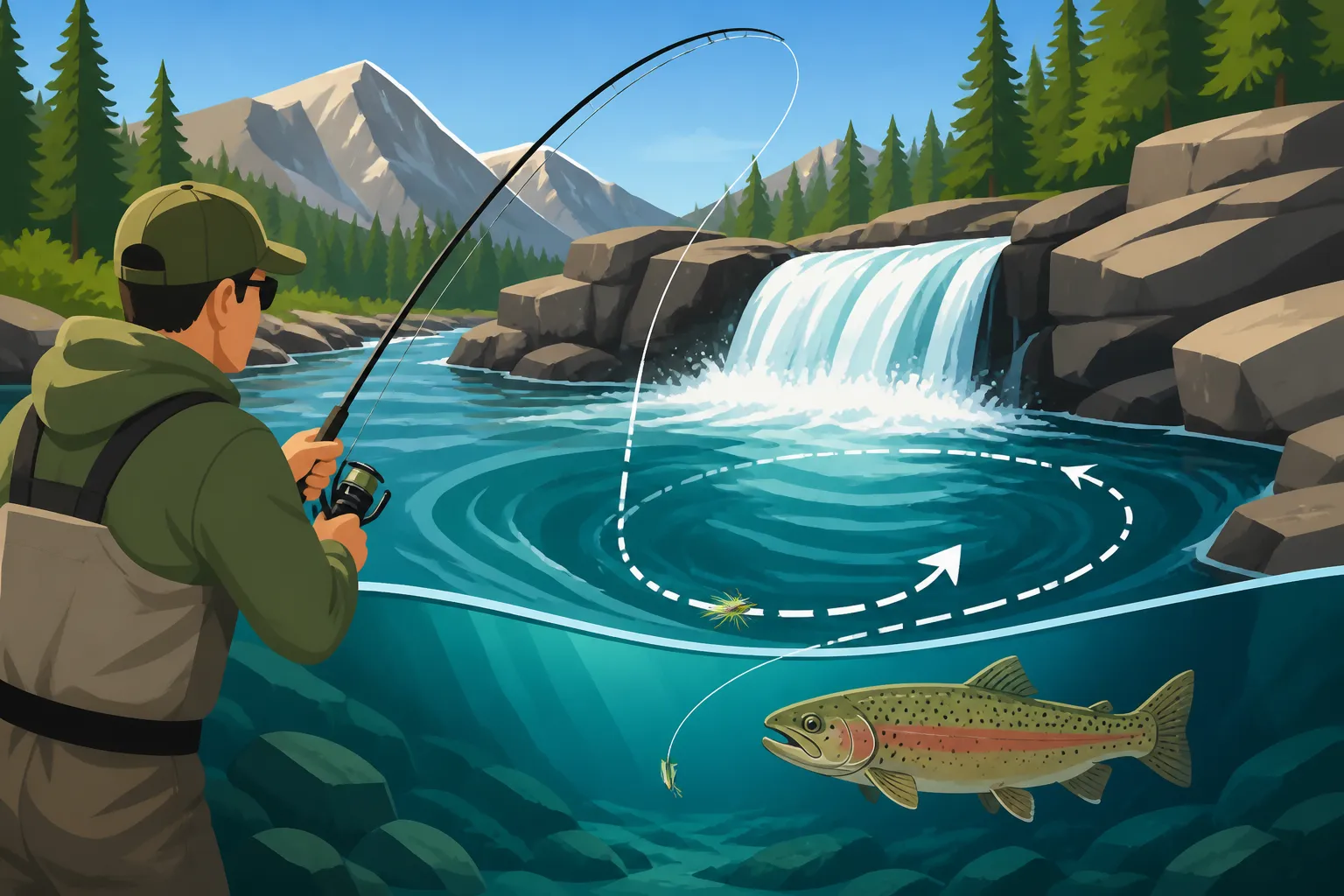
Stealth is paramount when approaching a plunge pool, even with all the noise of rushing water. Fish in these high-energy areas are often very sensitive to vibrations or shadows. Approach quietly, staying low and out of sight as much as possible. Cast upstream of where you believe the fish are holding, allowing your lure or fly to drift naturally into the strike zone. The goal is to mimic something being swept helplessly into the pool.
When it comes to presentation, it's a delicate balance. You want your lure or bait to get deep quickly, but then you want it to move as naturally as possible. With jigs, a "lift and drop" or "drag and hop" retrieve can be very effective, making the lure bounce along the bottom. For fly anglers, proper mending of your line is critical to avoid drag and ensure a dead drift. You might need to cast across the current and mend heavily upstream to slow down your fly's progress through the faster water, allowing it to sink into the desired seam. Always aim for those calmer seams and eddies, as these are the fish's preferred resting and feeding zones, particularly at the lip of the pool or closer to the bank where the current begins to soften.
Specific Strategies for Different Species
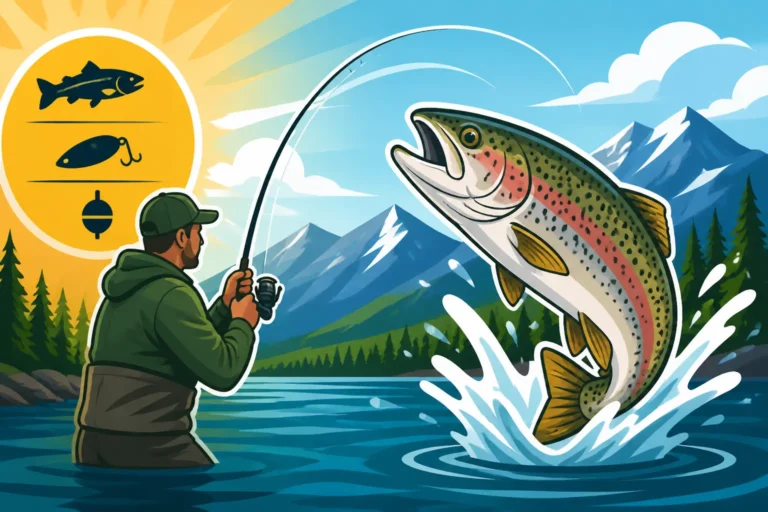
Different fish species will hold in plunge pools for different reasons and react to different presentations. For trout, especially larger ones like rainbow and brown trout, they often sit in the calmer water adjacent to the main current, waiting for food to wash by. A well-presented weighted nymph or streamer drifted through these seams can be incredibly effective. Consider trying different retrieval speeds – sometimes a fast, aggressive strip is best, other times a slow, subtle twitch. Rivers like the Oldman River or Red Deer River often hold good trout populations in their plunge pools.
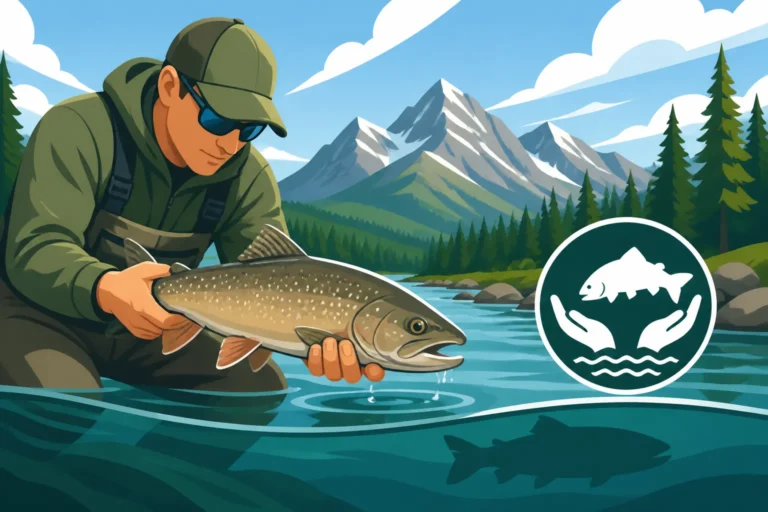
If you're targeting Bull Trout, a protected native species in Alberta, remember they are often found in the deepest, coldest parts of the pool, and a Alberta Bull Trout Zero Possession Rule is in effect, meaning they must be released unharmed. Large, dark streamers or spoons that imitate baitfish are often the ticket. Present these deep and retrieve them slowly, mimicking an easy meal. Always handle bull trout with extreme care to ensure their survival.
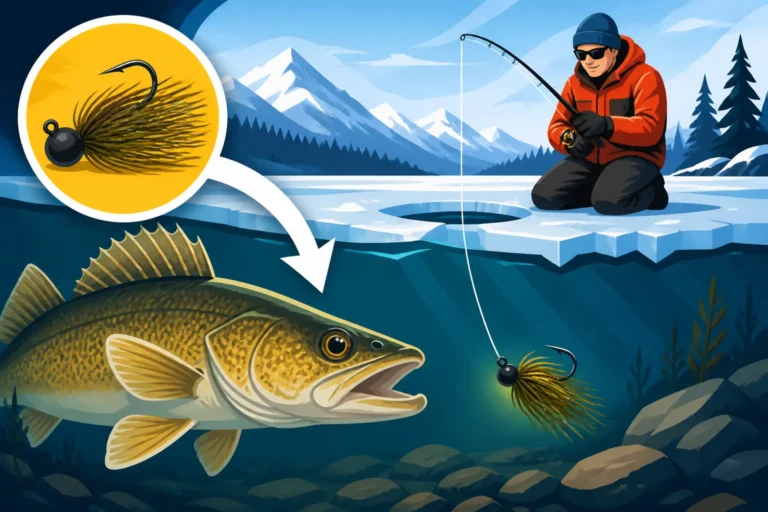
Walleye, found in many of Alberta's larger rivers, will also use plunge pools, particularly the deeper sections. They are often bottom-oriented, so jigs tipped with soft plastics or even live bait, fished slowly along the bottom, can entice strikes. Their bite can be subtle, so the sensitivity of braided line combined with a good rod tip is crucial. When exploring walleye spots, check out guides like How to Catch Walleye in Alberta for more general tips.
Handling the Fight and Safe Release in Strong Currents
Fighting a fish in a plunge pool can be exhilarating, but also challenging. The strong currents work against you, and fish will often try to use them to their advantage, darting into the fast water or seeking refuge in snags. The key is to apply steady, consistent pressure and try to steer the fish out of the heaviest current and into a calmer area where you can land it more easily. Don't horse the fish, but don't let it simply wallow in the current either; that's when hooks can pull or lines can break.
For safe release, especially with fragile species or those subject to strict regulations like bull trout, speed and gentleness are essential. Minimize air exposure as much as possible. Have your landing net ready – a rubberized mesh net is ideal as it's less damaging to fish scales and slime coats. Once netted, use forceps or pliers to quickly remove the hook while the fish is still in the water, or cradled gently. Always support the fish horizontally, especially larger ones, and allow it to regain its strength in the current before letting it go. Proper Best Landing Net for Trout or Best Landing Net for Pike can make a huge difference in fish survival.
Common Plunge Pool Challenges and How to Overcome Them
Plunge pools, for all their fish-holding potential, also come with their fair share of difficulties. Being prepared for these challenges can save you a lot of frustration and ensure a more enjoyable fishing experience.
Dealing with Snags and Lost Gear
This is probably the biggest headache when fishing plunge pools. The very features that attract fish – submerged rocks, logs, and debris – are also notorious for snagging lures and breaking lines. It's an unavoidable part of the game, but there are ways to minimize losses. First, use a heavier fluorocarbon leader as mentioned earlier. It’s more abrasion-resistant than braid and easier to break off if it gets truly stuck, saving your main line. Second, try to 'feel' your lure's descent. If you notice it ticking rocks too much, slow down your retrieve or lighten your weight slightly to prevent it from burying itself.
Consider a simple, inexpensive lure retriever for heavier jigs and spoons. Many anglers keep a weighted chain or a pole with hooks on hand to try and free snagged lures. Sometimes, changing your casting angle or position can help you approach a spot from a different direction, allowing your lure to ride over snags rather than into them. And honestly, just accept that you're going to lose some gear. It's part of fishing these high-structure areas. Having a good supply of your go-to lures, perhaps purchased in bulk from Amazon, can mitigate the sting.
Navigating Strong Currents and Eddies
The powerful currents in plunge pools aren't just a challenge for your lure; they can be a challenge for you too, especially if you're wading. Safety first! Always wear a good quality, well-fitting PFD if you're boating or wading in deeper, faster water. If wading, use a sturdy wading staff. A good pair of Best Waders for Alberta Trout Rivers with studded soles can provide critical grip on slippery rocks. Always test the depth and current with your staff before committing your weight.
When casting, learn to use the currents to your advantage. Fish often sit in the calmer eddies or behind obstacles, so aim to cast upstream of these spots and let the current carry your presentation naturally into them. Don't fight the current constantly; sometimes it's better to let your lure or fly drift, then guide it into the desired zone. Understanding how water flows and creates different currents and eddies will significantly improve your presentation and reduce snags. This knowledge becomes invaluable when you're trying to fish those tricky spots after heavy rains or during spring runoff, when you might encounter Best techniques for high water spring conditions.
Ethical Angling and Conservation in Sensitive Areas
Plunge pools, being vital habitats, often hold a significant concentration of fish, sometimes including sensitive species. As responsible anglers, our impact needs to be minimal. Always familiarize yourself with the Alberta Guide to Sportfishing Regulations before you head out, especially for specific zones or special regulation waters. Pay close attention to catch and possession limits, and any specific gear restrictions like barbless hooks only, which are common on many trout streams.
If you encounter species like Bull Trout, which have strict zero-possession rules, handle them with the utmost care, ensuring a quick release. Consider using single, barbless hooks to minimize harm and make unhooking easier. Beyond regulations, practice "Leave No Trace" principles: pack out all your trash, respect wildlife, and be considerate of other anglers. These beautiful, powerful plunge pools are a treasure, and it's up to all of us to ensure they remain healthy and productive for generations to come.
Comparison of Common Plunge Pool Lures and Techniques
| Lure Type | Best for Species | Ideal Conditions | Pros | Cons | Retrieval Technique |
|---|---|---|---|---|---|
| Heavy Jigs | Trout, Walleye, Pike | All water conditions | Gets deep fast, versatile, imitates struggling baitfish | Prone to snags, requires careful "feel" | Lift & drop, hop, slow drag along bottom |
| Spoons | Trout, Pike, Walleye | Clear to stained water | Strong flash and wobble, good for aggressive strikes | Can be snaggy, less natural movement in very slow current | Steady retrieve, flutter on fall, jigging motion |
| Weighted Nymphs | Trout, Whitefish | Clear to slightly stained | Natural presentation, imitates aquatic insects | Requires specific fly gear, can be hard to get deep in fast water | Dead drift with mends, small twitches, high-stick nymphing |
| Streamers | Trout (especially Bull), Pike | All water conditions | Imitates baitfish, can trigger aggressive strikes | Requires heavier fly gear, can get snagged | Strip retrieve, swing, jigging motion |
| Inline Spinners | Trout, Pike, Perch | Edges of current, calmer water | Flash and vibration, easy to use, attracts curious fish | Struggles in main current, not ideal for deep water | Steady retrieve, vary speed |
Disclaimer
This article is for general informational purposes only and does not constitute professional advice. Laws, prices and regulations vary by location and change over time. Consult a qualified professional for guidance on your specific situation.