Best time to fish Lesser Slave Lake in summer
Oh, Lesser Slave Lake in the summer! It's an angler's paradise, truly, but it can also be incredibly frustrating if you don't know when and how to approach its vast, sometimes challenging waters. Many folks head out hoping for a banner day only to find themselves struggling in the midday heat or missing the prime bites. This guide is all about helping you decode the best times to fish Lesser Slave Lake during the warmer months, focusing on conditions and strategies to put more fish in your net.
Understanding Lesser Slave Lake in Summer Conditions
Lesser Slave Lake is one of Alberta's true giants, a massive body of water that offers incredible fishing opportunities, especially for walleye and northern pike. But its sheer size, combined with its relatively shallow nature in many areas, means that summer conditions can drastically alter fish behavior. Knowing what you're up against is the first step to a successful trip.
The Unique Challenges of a Large, Shallow Lake in Summer
Unlike some of Alberta's deeper, colder lakes, Lesser Slave Lake can warm up significantly in the summer, particularly in its shallower bays and expansive flats. This warming water affects everything from oxygen levels to baitfish movement, which in turn dictates where the predators like walleye and pike will be holding. A common frustration is heading to a spot that was hot in spring, only to find it barren in July. This often happens because the fish have moved to deeper, cooler water, or to areas with more oxygen and active baitfish. High summer sun can drive fish deeper or into thick cover, making them harder to find and entice. Wind is another massive factor here; a calm day might mean clearer water and spooky fish, while a good chop can really turn the bite on by stirring up bait and disorienting predators.
Target Species and Their Summer Behavior
While Lesser Slave Lake boasts a diverse fishery, in summer, most anglers are focusing on a few key species: walleye, northern pike, burbot, and yellow perch. Each of these fish behaves a little differently when the mercury climbs.
- Walleye: These popular gamefish are the bread and butter for many on Lesser Slave Lake. In summer, they tend to prefer cooler, deeper water during the brightest parts of the day, often relating to structure like humps, drop-offs, or submerged weed lines. Early morning and late evening see them move into shallower feeding flats. Their metabolism is high, meaning they're actively feeding, but they're also sensitive to light and temperature. If you're looking for Lesser Slave Lake Walleye Fishing, understanding their daily migrations is key.
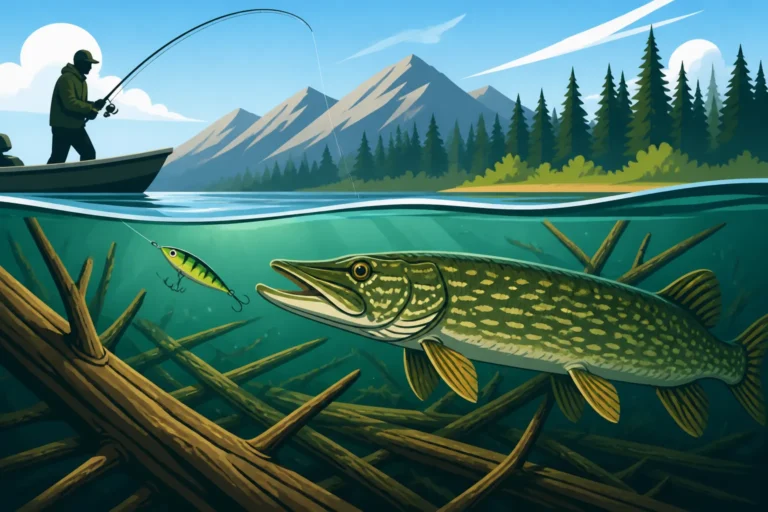
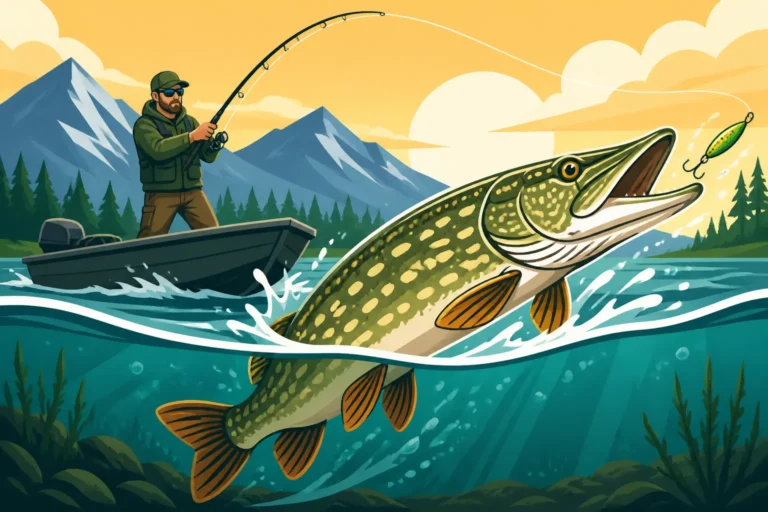
- Northern Pike: Pike are ambush predators, and their summer behavior often revolves around weed beds – the thicker, the better. These weeds offer both cover for ambushing prey and slightly cooler, shaded water. They can be active all day, but like walleye, often hit a peak during lower light conditions. You'll find them cruising the edges of weed lines or lying in wait within the dense green stuff. Our guide on Northern Pike Fishing in Alberta, covers a lot of the general habits that apply here.
- Burbot: Also known as freshwater cod, burbot are primarily nocturnal. While you can catch them during the day, especially on deeper structure, summer night fishing is when they truly shine. They prefer cooler water and are often found on the bottom, feeding on smaller fish and invertebrates. If you're camping on the lake, a night-time burbot session can be incredibly rewarding. Learn more about Lesser Slave Lake Burbot Fishing, if you're keen to try for them.
- Yellow Perch: These panfish are often overlooked but provide fantastic action, especially for families. In summer, perch gather in schools, often found near weed beds, rocky areas, and sometimes even suspended in open water following baitfish. They're typically active throughout the day, making them a great target when other species are sluggish.
Optimal Times of Day for Summer Fishing Success
Timing is everything on Lesser Slave Lake during the summer. While fish can be caught at any time, certain periods offer significantly better chances, especially for the prized walleye and pike.
Dawn and Dusk: The Golden Hours for Anglers
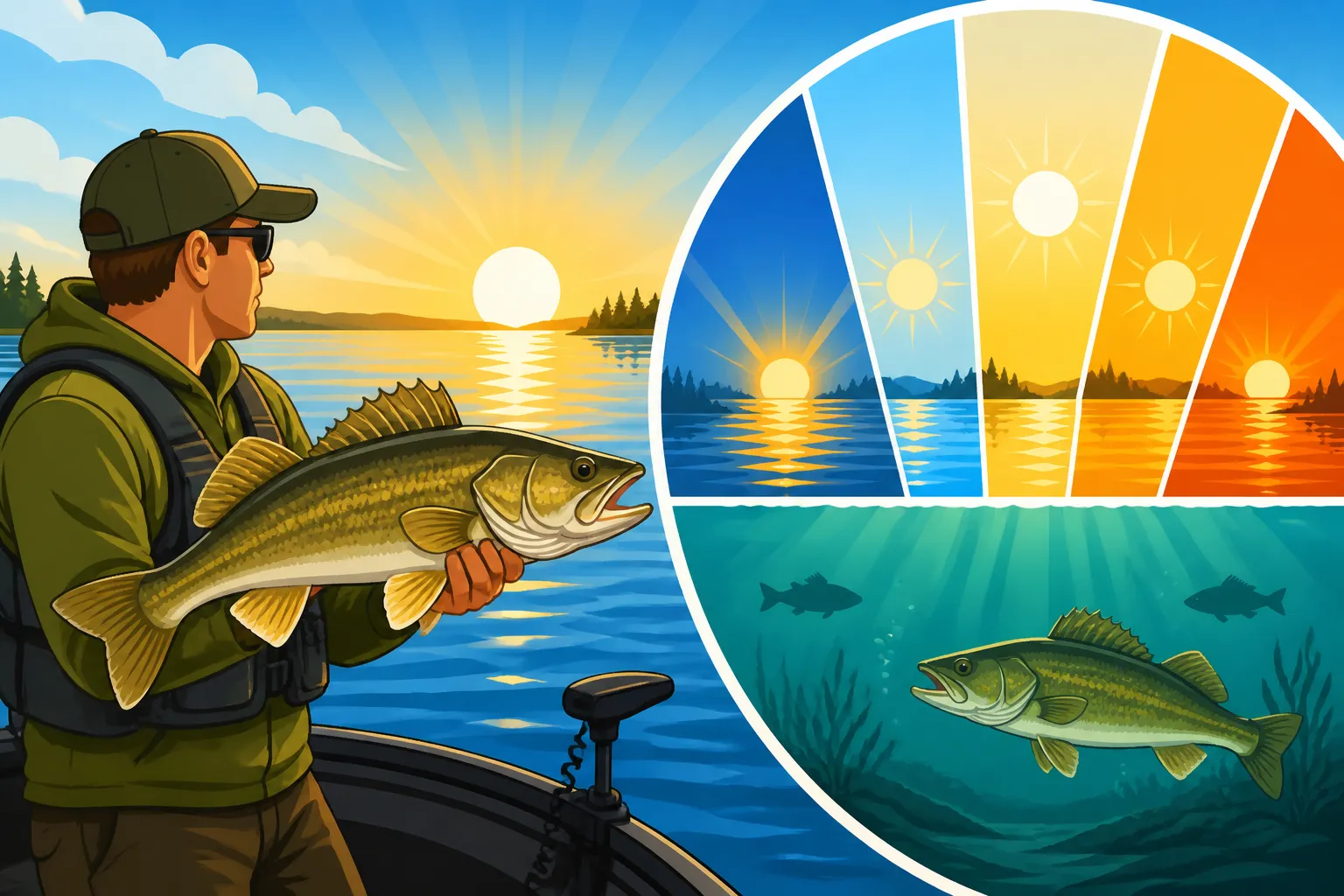
If you're serious about catching fish, especially trophy-sized walleye or active pike, setting your alarm for before sunrise or planning to stay out until after sunset is non-negotiable. These are often called the "golden hours" for a reason.
- Sunrise: As the first light hits the water, walleye and pike often move from their deeper, daytime holding areas into shallower feeding grounds. The water temperature is at its coolest after the night, and light levels are low, making predators feel more secure and less visible to their prey. This is when they are most aggressively hunting. Think about shallow points, weed edges, and sudden drop-offs. If you can be on your spot just as the sun peeks over the horizon, you're setting yourself up for success. Casting crankbaits, jigging plastics, or trolling shallow diving lures can be incredibly effective during this window.
- Sunset and Twilight: The reverse happens in the evening. As the sun begins its descent, light penetration diminishes, and water temperatures start to drop. This signals another feeding window for walleye and pike. They'll move back into those shallower zones they exploited in the morning. Often, the evening bite can be even more productive than the morning one, lasting well into true darkness, especially for walleye. Using glow-in-the-dark jigs or lures with rattles can be particularly effective as visibility fades. This twilight period is a fantastic time for casting topwater lures for pike in the weed beds, creating exciting surface strikes.
Mid-Day Strategies: When the Sun is High
While dawn and dusk are prime, that doesn't mean you should pack it in during the middle of the day. You just need to adjust your tactics significantly. It can be easy to get discouraged when the bite slows, but persistence and the right approach can still yield great results.
- Targeting Deeper Water and Structure: When the sun is high and bright, and the shallow waters have warmed up, many fish, especially walleye, retreat to deeper, cooler areas. This means looking for underwater humps, points that extend into deep water, or sharp drop-offs. A good fish finder is invaluable here for locating these subtle changes in depth and identifying potential fish schools. Vertical jigging with heavier jigs and soft plastics, or slowly trolling deep-diving crankbaits along contours, can be very effective. This is also a good time to try for burbot in their deeper, cooler haunts.
- Focusing on Heavy Cover: Northern pike, known for their love of ambush, will often tuck themselves deep into the thickest weed beds during the brightest parts of the day. They're still there, just buried. Instead of casting to the edges, try punching through the weeds with heavy jigs or weedless spoons, or even slow-rolling spinnerbaits right through the densest cover. The goal is to annoy them into striking. You might not get as many bites as during the golden hours, but the ones you do get can be powerful, aggressive strikes from larger fish seeking refuge. For these situations, having robust tackle, perhaps a braided line, is a must. You can find a good selection of specialized Pike Gear for Alberta Lakes, on platforms like Amazon.
Factors Influencing Summer Success on Lesser Slave Lake
Beyond the time of day, several other environmental factors play a crucial role in determining how and when fish will bite on Lesser Slave Lake during the summer. Ignoring these can lead to a long, fishless day, so it pays to be observant and flexible.
Weather Patterns and Their Impact
The weather on a large lake like Lesser Slave can change quickly, and these changes significantly influence fish activity. Keeping an eye on the forecast and understanding how conditions affect fish behavior will greatly improve your chances.
- Wind Direction and Speed: Wind is perhaps the most critical factor on Lesser Slave Lake. A good, consistent chop breaks up the surface, reduces light penetration, and disorients baitfish, often turning on a walleye bite. Wind also pushes warmer surface water, creating current and congregating baitfish on the leeward side of points or structures. On these "wind-blown" sides, walleye often stack up, actively feeding. A strong wind can also create turbid water, which walleye, being sight feeders, sometimes shy away from. However, overly calm, glassy conditions can make fish very wary and difficult to catch, especially in clear water. Anglers often find the most success on days with a moderate chop.
- Temperature Swings: While the overall trend is summer heat, sudden cold fronts can put fish into a funk. A sharp drop in air temperature or a persistent cool wind can cause water temperatures to drop, making fish less active. Conversely, a sustained period of stable, warm weather usually means more consistent fishing, as fish establish predictable patterns. Knowing the Best Water Temperature for Walleye Fishing, can really help you pinpoint where they might be holding.
- Barometric Pressure: Often overlooked, changes in barometric pressure can have a profound effect on fish. A steady, high-pressure system typically brings clear skies and stable conditions, but can sometimes make fish lethargic. A falling barometer, often preceding a storm, can trigger aggressive feeding as fish sense a change coming and try to feed before conditions worsen. Rising pressure after a storm can sometimes lead to a slow bite as fish recover. Learning to "read" the pressure is a skill that comes with experience.
Water Temperatures and Fish Location
As a large, relatively shallow body of water, Lesser Slave Lake's water temperature can vary significantly across its expanse. This directly impacts where fish will congregate.
- Warm Shallows: Early in the summer, or during heatwaves, shallow bays can become quite warm. While good for baitfish, this can push larger walleye and pike to slightly deeper, cooler edges or into dense weed beds where temperatures are more stable and oxygen levels are better. If the shallow water is excessively warm, say above 24°C (75°F), most gamefish will be seeking refuge elsewhere.
- Thermal Stratification (or lack thereof): While not as pronounced as in very deep lakes, Lesser Slave Lake can still exhibit some thermal stratification, creating cooler layers in deeper basins or channels. Walleye and burbot will often gravitate towards these cooler zones during the hottest parts of summer. Understanding how to find deep structure for summer walleye will be key. This means focusing your efforts on deeper sections and drop-offs, often between 15-30 feet, rather than the vast, shallower flats.
The Role of Baitfish Movement
Fish are where the food is. On Lesser Slave Lake, the movement of baitfish – primarily cisco (lake herring) and emerald shiners – dictates the movement of predators.
- Schools of Bait: Walleye and pike will actively follow schools of baitfish. These schools can be found in open water, along weed lines, or relating to specific structures. A good fish finder will not only show you potential fish arches but also bait balls, which are often a stronger indicator of where to cast. Observing diving birds or surface activity can also tip you off to baitfish presence.
- Seasonal Patterns: As summer progresses, baitfish might move into deeper water, or change their patterns around weed growth. Understanding these seasonal shifts in baitfish behavior is crucial. For instance, sometimes walleye will suspend in open water, feeding on schools of cisco, making traditional bottom-oriented tactics less effective. In such cases, trolling crankbaits through the suspended schools becomes the best approach.
Targeting Specific Species During Summer on Lesser Slave Lake
While general "best times" apply, tailoring your approach to your target species will significantly increase your success rate. Each fish has its quirks, and understanding them helps refine your summer strategy.
Walleye Hotspots and Techniques
Walleye are the most sought-after fish on Lesser Slave Lake, and for good reason—they're delicious and put up a good fight. In summer, they tend to move a lot, so you need to be versatile.
- Structure Fishing: During midday, walleye will often hold on deeper humps, rock piles, or along distinct breaklines (drop-offs). Look for areas where the depth changes quickly from, say, 10 feet to 25 feet. A classic approach is to use a bottom bouncer with a crawler harness or a jig tipped with a minnow or soft plastic. Slow trolling these along the contours of the structure can be deadly. Pay attention to your electronics for suspended fish or schools on the bottom.
- Weed Line Edges: In the mornings and evenings, walleye will patrol the outer edges of weed beds, ambushing smaller fish that use the weeds for cover. Casting lipless crankbaits, small spinnerbaits, or swimbaits parallel to these edges can trigger aggressive strikes. If you're drifting, a jig and minnow or jig and plastic can also be highly effective. The key is to find that sweet spot where the weeds meet open water.
- Night Fishing: Don't sleep on night fishing for walleye on Lesser Slave Lake! They become incredibly active after dark, moving onto shallow sand and gravel flats to feed. Trolling shallow-running crankbaits in areas that are 5-10 feet deep can be phenomenal. Many anglers use lighted bobbers with live minnows or leeches near these shallow zones. This is one of the most productive times, but requires extra caution and good navigation. Learn more about Night Fishing for Walleye in Alberta, if this interests you.
Northern Pike Strategies for Summer
Pike are abundant in Lesser Slave Lake and offer thrilling action, often willing to hit a variety of lures. Their summer behavior is largely dictated by weed growth.
- Weed Bed Pounding: As mentioned, pike love their weeds. Focus on expansive weed flats, especially those with pockets or lanes within them. Casting large spinnerbaits, weedless spoons, or even big soft plastic swimbaits over and through the weeds can elicit vicious strikes. Focus on erratic retrieves to mimic a struggling baitfish.
- Shallow Bays and Inlets: Early mornings and late evenings are fantastic for targeting pike in shallow, weedy bays. Topwater lures like prop baits or walk-the-dog style baits can create explosive strikes, especially at dawn or dusk. These areas warm up quickly, attracting baitfish, and thus, the pike. Keep an eye out for submerged timber or fallen trees near these bays, as pike love to hide in such cover. Our guide on Northern Pike Habits in Alberta Lakes, can give you even more insight.
- Deep Edges (when less active): If the bite in the weeds slows down midday, pike might retreat to deeper weed edges or even deeper structure near their shallow haunts. Try jigging large spoons or soft plastics vertically around these deeper edges, or troll large crankbaits that dive to 15-25 feet. Sometimes, the bigger pike will hold deeper and require a more methodical approach.
Burbot and Perch Opportunities
While walleye and pike get most of the attention, burbot and perch offer consistent fun and can be excellent eating.
- Burbot at Night: Hands down, the best time for burbot in summer is after dark. They are truly night owls. Find deeper flats or rocky areas, typically 20-40 feet deep. A simple bottom rig with cut bait (like pieces of herring or dead minnows) or a glow-in-the-dark jig tipped with bait works wonders. Drop your line to the bottom, wait for the tell-tale thumps, and be ready for a fight. They're often slow to bite but pull hard.
- Perch Patrol: Yellow perch are schooling fish and can be found near various structures. Look for them around weed beds, submerged brush piles, or rocky points in 5-15 feet of water. Small jigs tipped with a piece of worm, minnows, or even small soft plastics under a bobber can lead to non-stop action. They are particularly good targets for younger anglers or when the primary species are being finicky. Using a portable fish finder can help you quickly locate schools of perch.
| Time of Day | Target Species | Key Locations | Recommended Techniques | Lure/Bait Examples |
|---|---|---|---|---|
| Dawn (Pre-Sunrise to 9 AM) | Walleye, Pike | Shallow flats, weed edges, points | Casting, shallow trolling, jigging | Crankbaits, spinnerbaits, jig & minnow, topwater (pike) |
| Mid-day (9 AM – 4 PM) | Walleye, Pike (deeper), Perch | Deeper humps, drop-offs, thick weed beds, rocky areas | Deep trolling, vertical jigging, punching weeds | Deep-diving crankbaits, heavy jigs, weedless spoons, live bait (perch) |
| Dusk (4 PM – Sunset) | Walleye, Pike | Shallow flats, weed edges, points | Casting, shallow trolling, jigging | Crankbaits, spinnerbaits, jig & minnow, topwater (pike) |
| Night (Post-Sunset) | Walleye, Burbot | Shallow flats (walleye), deep flats/rocky areas (burbot) | Shallow trolling, lighted bobbers, bottom rigs | Shallow crankbaits, cut bait (burbot), glow jigs |
Practical Tips for a Successful Summer Trip
Beyond knowing when to fish, having the right approach and gear makes a huge difference. Lesser Slave Lake is a big place, and being prepared means more time fishing and less time worrying.
Essential Gear Recommendations for Summer Angling
Having the right tools for the job can make your summer fishing experience on Lesser Slave Lake much more enjoyable and productive. Don't skimp on the essentials!
- Electronics: A good quality fish finder with GPS is almost a necessity on Lesser Slave Lake. It helps you find those crucial humps, drop-offs, and baitfish schools that hold walleye and pike. With GPS, you can mark your hot spots and return to them easily. Brands like Humminbird or Lowrance offer excellent models that can greatly enhance your ability to locate fish and structure. You can often find great deals on these units on Amazon.
- Rods and Reels: For walleye, medium-light to medium power spinning rods with fast action are ideal for jigging and casting lighter baits. Pair them with 2500-3000 series spinning reels. For pike, a medium-heavy baitcasting or spinning rod with a stout reel (3000-4000 series spinning or medium-heavy baitcaster) is better for handling larger lures and powerful fish in heavy cover. A guide to the Best Fishing Rods for Alberta Rivers, has some transferable tips for lake setups too.
- Line and Leaders: For walleye, 8-10 lb braided line with a fluorocarbon leader (6-8 lb) offers sensitivity and stealth. For pike, 20-30 lb braided line is common, often with a steel or heavy fluorocarbon leader (30-50 lb) to prevent bite-offs. Pike have nasty teeth, so never skimp on a leader! You can read more about Best Line Weight for Pike Fishing, to make sure you're geared up right.
- Lures and Baits: Pack a variety! Crankbaits (shallow and deep divers), spinnerbaits, jig heads (1/4 to 1/2 oz) with various soft plastics (grubs, swimbaits, paddle tails), weedless spoons, and topwater lures for pike are all excellent choices. Don't forget live bait: minnows, leeches, and worms are often irresistible to walleye and perch. Having a diverse selection of Best Baits for Walleye on Lesser Slave Lake, is always a good idea.
- Sun Protection: Remember, it's summer! Wide-brimmed hats, polarized sunglasses (essential for spotting structure and fish in clear water), and high-SPF sunscreen are crucial for long days on the water. A good quality pair of Best Sunglasses for Sight Fishing Clear Water, can make a world of difference.
Safety Considerations on a Large Lake
Lesser Slave Lake is beautiful but demands respect, especially given its size and potential for rapidly changing weather.
- Weather Watch: Always check the forecast before heading out, and keep an eye on the sky while you're on the water. Large lakes can get rough very quickly with strong winds, making conditions hazardous, particularly for smaller boats. Don't hesitate to head back to shore if the weather turns.
- Boat Safety: Ensure your boat is in good working order and that you have all required safety equipment, including life jackets for everyone on board. On a large lake, a marine radio or fully charged cell phone (in a waterproof bag) is highly recommended. Always let someone know your float plan. Our guide on Alberta Boating Laws for Anglers, is a must-read before you head out.
- Hydration and Food: Long hours under the summer sun can lead to dehydration. Bring plenty of water and snacks to keep your energy up. A good cooler stocked with ice and refreshments is invaluable.
- Navigation: While GPS is helpful, always have a paper map of the lake as a backup, especially if you're exploring new areas. Submerged hazards are always a possibility, so know your routes.
By combining an understanding of Lesser Slave Lake's summer dynamics with a strategic approach to timing and species-specific tactics, you'll significantly increase your chances of a memorable and successful fishing trip. Enjoy your time on this incredible Alberta fishery!
Disclaimer
The information provided in this guide is for general informational purposes only and is subject to change. Always consult the most current version of the Alberta Guide to Sportfishing Regulations before heading out, as rules and regulations can vary by specific water bodies and change annually. It is your responsibility to know and follow all applicable laws.