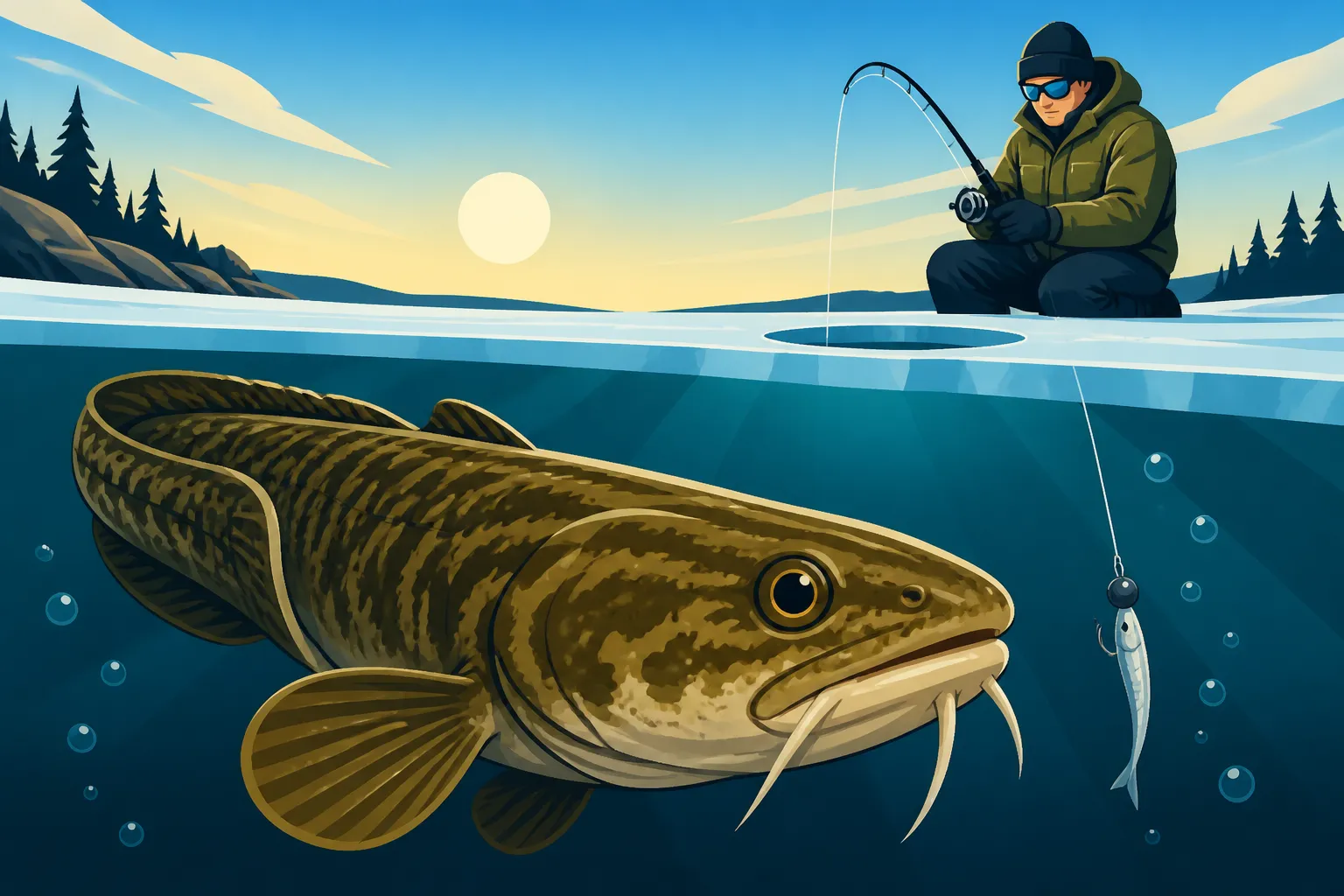
Lesser Slave Lake Burbot Fishing
Trying to target burbot, that mysterious "freshwater cod," can feel like searching for a ghost in the vast expanse of Lesser Slave Lake. It’s a challenge that frustrates many anglers, especially if you’re used to more active bites from other species. This comprehensive guide will pull back the curtain on Lesser Slave Lake burbot fishing, providing you with the knowledge and strategies to successfully locate, attract, and land these unique and often delicious fish.
The Elusive Laker Cod: Understanding Lesser Slave Lake Burbot
Burbot (Lota lota), often affectionately called "mariah" or "laker cod," are truly one of Alberta's most intriguing fish. They're the only freshwater member of the cod family, and their eel-like bodies, mottled skin, and single barbel on their chin give them a distinct, almost prehistoric appearance. They prefer cold, deep waters and are most active when the temperatures drop, making them a prime target for ice anglers on big lakes like Lesser Slave.
Burbot Behavior and Habitat Preferences
Understanding burbot behavior is the first step to consistently catching them. Unlike many game fish that patrol the water column or hang around weed beds, burbot are primarily bottom dwellers. They are nocturnal predators, meaning their activity peaks during the twilight hours and into the night, though they can certainly be caught during the day, especially under the ice. Their diet consists mainly of other fish, like cisco, perch, and even smaller walleye and pike, which they ambush from the cover of structure.
They thrive in cold water, ideally below 10°C (50°F), which is why they become such a popular target during Alberta's long winter. During warmer months, they retreat to the deepest, coolest parts of a lake, often becoming more challenging to find. Their preference for specific habitats also plays a big role; they're not just anywhere on the bottom. Look for them around sharp drop-offs, underwater humps, rocky reefs, submerged logs, and areas where rivers or creeks flow into the lake, bringing in currents and nutrients. These structures provide cover, ambush points, and often hold the baitfish they prey upon.
Why Lesser Slave Lake is a Burbot Hotspot
Lesser Slave Lake, Alberta's largest accessible lake, is renowned for its incredible fishery, and burbot are a significant part of that reputation. Its immense size, varying depths, and diverse underwater topography create ideal conditions for burbot to thrive. The lake reaches depths of over 200 feet in some areas, offering plenty of cold-water refuge for these fish, even in summer. The vast expanses of sand and gravel flats, punctuated by rock piles and sharp breaks, provide endless ambush points.
What truly makes Lesser Slave Lake stand out for burbot is the sheer abundance of their preferred forage. The lake boasts healthy populations of cisco (lake herring) and yellow perch, which are staple food sources for large burbot. This rich food supply allows burbot to grow to impressive sizes here, with anglers frequently reporting catches in the 5 to 10-pound range, and even larger specimens are not uncommon. The accessibility of the lake, with numerous boat launches and ample shoreline access (especially for ice fishing), also contributes to its popularity. It's a prime destination for those looking to experience "Burbot Fishing in Alberta" at its finest.
Timing Your Hunt: Best Seasons and Times for Burbot
When it comes to burbot, timing is almost as crucial as location. While they exist in the lake year-round, their activity levels and accessibility vary dramatically with the seasons. Targeting them during their peak activity windows will significantly increase your chances of success.
Prime Ice Fishing Windows
Without a doubt, winter is the absolute prime time for Lesser Slave Lake burbot. As the ice thickens and water temperatures plummet, burbot become much more active and move into shallower areas to feed more aggressively, making them accessible to ice anglers. The season typically kicks off in late November or early December, once safe ice has formed, and continues right through until late March or early April.
However, within this broad window, there are specific periods that are even more productive. Early ice (December) can be fantastic, as burbot are often still very aggressive from their summer and fall feeding, and fishing pressure might be lower. The pre-spawn period, usually from late January through February, is another incredible time. Burbot gather in specific areas to spawn, often on shallow gravel or sand shoals, making them highly concentrated and eager to feed. This is when anglers often find themselves in the midst of a hot bite, landing multiple fish in a single outing. Keep a close eye on the calendar for Alberta fishing season dates by zone to ensure you're fishing legally.
Fishing during the night hours is incredibly effective for burbot through the ice. Many anglers set up their ice huts for overnight stays, taking advantage of the burbot's nocturnal tendencies. The darkness, combined with the glowing baits often used, can trigger aggressive strikes. It's not uncommon for the bite to really pick up an hour or two after sunset and continue sporadically through the night until just before dawn.
Late Fall Opportunities from a Boat
While ice fishing steals the spotlight for burbot, the late fall period, particularly October and November, offers an exciting, albeit different, opportunity to target these fish from a boat on Lesser Slave Lake. As surface waters cool and turnover occurs, burbot begin to move shallower from their deep summer refuges, albeit not as shallow as they might during ice fishing season.
During this time, burbot can be found around the same structural elements—deep drop-offs, humps, and submerged points—but you'll be using different tactics. Trolling with deep-diving crankbaits that mimic cisco or perch can be effective, especially around dusk. Vertical jigging with heavy spoons or large scented jigs over identified structure in 20-50 feet of water can also produce results. The challenge here is covering enough water to find them and being prepared for the often-blustery fall weather on a large lake like Lesser Slave. Planning a trip with a guide, perhaps through a service like FishingBooker, can give you an edge, as local experts know precisely where these fish congregate before the ice sets in.
Strategic Location: Finding Burbot on Lesser Slave's Vast Waters
Lesser Slave Lake is massive, and simply dropping a line anywhere won't cut it for burbot. These fish are creatures of habit and structure, and knowing where to focus your efforts is paramount to success.
Key Structural Elements and Depths
Burbot are strongly tied to the lakebed, seeking out areas that offer both food and cover. On Lesser Slave, this means looking for specific underwater features.
- Drop-offs and Ledges: These are perhaps the most crucial. Burbot often position themselves along the base or on top of steep breaks, waiting to ambush unsuspecting baitfish moving between different depth zones. Look for areas where the depth plunges from, say, 20 feet down to 40 or 60 feet. Sonar or a good contour map is invaluable for identifying these transitions.
- Underwater Humps and Reefs: Submerged islands or rock piles rising from the lakebed act as magnets for baitfish, and consequently, for burbot. The burbot will often cruise the perimeter of these structures or lie in wait at their base.
- River Mouths and Inflow Areas: Rivers and larger creeks, like the Lesser Slave River outflow or other smaller tributaries, create current and deposit nutrients, attracting baitfish. Burbot will often stage in these areas, especially during the colder months, taking advantage of the concentrated food source. The flow can also create scour lines and channels that provide additional structure.
- Gravel and Sand Flats: While often associated with deep structure, burbot also utilize extensive gravel and sand flats, especially during the pre-spawn period in winter. They're not just looking for cover, but also suitable substrate for spawning.
The typical depth range for targeting burbot on Lesser Slave Lake varies by season and time of day, but during peak ice fishing, anglers often find success in waters ranging from 15 to 40 feet. At night, they might even venture into shallower areas, sometimes as shallow as 10 feet, especially if there's abundant baitfish present. During the late fall boat season, you might need to target slightly deeper waters, in the 30-60 foot range, as they haven't fully committed to their shallower winter patterns yet.
Identifying Productive Bays and Drop-offs
Several areas on Lesser Slave Lake have earned a reputation for consistent burbot action. It's always smart to start where others have had success, then expand your search.
- Faust/Kinuso Area: This central part of the lake, particularly around the towns of Faust and Kinuso, offers excellent access and diverse structure. The numerous points and bays here create excellent drop-offs and variations in depth that burbot frequent. Consider the deeper channels and breaks around the numerous points near Faust.
- Canyon Creek Area: To the east, Canyon Creek offers good access and a mix of depths and structure. The mouth of the creek itself, where it flows into Lesser Slave, can be a great place to investigate for burbot staging.
- Near Slave Lake Town: The eastern basin, near the town of Slave Lake, also holds good populations. Focus on the main basin drop-offs and any subtle humps identified on your map.
- Driftpile to Big Fish Bay: The northern shore, particularly the stretches from Driftpile to Big Fish Bay, also offers productive burbot grounds, especially where there are deeper offshore humps and gravel flats.
When you've chosen a general area, don't just drill one hole and wait. Use your electronics (fish finder) to scan for structure and fish. Drill a series of holes along a break line or across a hump until you find concentrations of baitfish or, ideally, larger marks on the bottom that could indicate burbot. Remember, these fish don't typically roam far, so once you find a productive area, chances are there are more burbot nearby. Many anglers rely on specific "Best burbot spots on Lesser Slave Lake" shared by locals or guides.
Arming for the Battle: Essential Gear and Bait
Burbot, especially the larger ones found in Lesser Slave Lake, can put up a surprisingly strong fight. They're not known for acrobatics, but their brute strength and head-shaking can be a real test for inadequate gear. Having the right setup is crucial to ensure you're ready when that tell-tale tug comes.
Rods, Reels, and Line for Brute Strength
Your gear needs to be robust enough to handle these powerful bottom-huggers, especially when ice fishing in sub-zero temperatures.
- Rods: For ice fishing, a medium-heavy to heavy action ice fishing rod, typically 30-40 inches long, is ideal. Look for rods with a sensitive tip to detect subtle bites but a strong backbone to horse fish up through the ice. Brands like St. Croix, Fenwick, or Clam offer excellent ice rods suitable for larger species. For open water fishing in the fall, a medium-heavy spinning or baitcasting rod, 6 to 7 feet long, with a fast action will serve you well.
- Reels: Pair your rod with a sturdy spinning reel in the 2500-4000 series for ice fishing, or a durable baitcasting reel for open water. The key is a smooth, reliable drag system. Burbot will often make a powerful initial run after being hooked, and a sticky drag can lead to lost fish.
- Line: Braided line is almost a necessity for burbot, especially through the ice. Its no-stretch properties provide superior sensitivity, helping you detect those light bites in deep water, and its strength is unmatched. A 20-30 lb test braided mainline is a good starting point. However, burbot have small, abrasive teeth, so a fluorocarbon leader is essential. A 10-20 lb test fluorocarbon leader, 2-4 feet long, will provide invisibility and abrasion resistance. Some anglers even use a small, heavy-duty snap swivel to connect their mainline to their leader, allowing for quick lure changes.
Remember, cold temperatures can affect line performance. Choose lines specifically designed for cold weather to avoid stiffness and memory, which can lead to frustrating tangles.
The Allure of Scent and Glow: Top Baits and Lures
Burbot have an incredibly keen sense of smell, and they are highly attracted to scent. This is perhaps the single most important factor in burbot fishing success on Lesser Slave Lake.
- Dead Bait: This is the undisputed champion for burbot. Oily, smelly baits are irresistible.
- Minnows: Large shiners or pike minnows are excellent.
- Smelt: The strong odor of smelt is a proven burbot magnet.
- Herring: Cut pieces of herring, particularly the belly meat, bleed scent wonderfully.
- Cisco/Perch: If legal (check regulations carefully), local baitfish can be incredibly effective.
- How to Rig: Dead bait is typically threaded onto a large jig head (1/2 oz to 1 oz or heavier, depending on depth and current) or a large single hook (size 1/0 to 3/0) tied to a dropper rig.
- Glow Jigs and Spoons: Burbot are curious, and the visual appeal of a glowing lure, especially in the dark depths or at night, can draw them in.
- Lures: Large, heavy jigging spoons (e.g., Northland Buck-Shot Rattle Spoon, Luhr Jensen Crippled Herring), glow-in-the-dark jigs (tube jigs, bucktail jigs), and even some lipless crankbaits can be effective.
- Scent Application: Crucially, always tip your glow lures with a piece of smelly dead bait or liberally apply a strong commercial scent (e.g., Pro-Cure, Smelly Jelly). The combination of visual attraction and powerful scent is deadly.
- Other Baits: While not as common as dead bait, some anglers have success with shrimp or even chicken livers, especially in a pinch. Again, the key is the powerful scent trail they leave.
The table below outlines some popular bait and lure combinations for Lesser Slave Lake burbot fishing:
| Lure/Bait Type | Description | Key Feature | Best Use | Notes |
|---|---|---|---|---|
| Dead Smelt | Oily, strong-smelling dead fish | High Scent Dispersion | Jigging, Set Lines (ice & open water) | Classic, highly effective. Attach to jig head or large single hook. |
| Dead Minnow | Larger shiners or pike minnows | Natural Presentation | Jigging, Set Lines (ice & open water) | Good alternative to smelt. |
| Glow Jig | Heavy jig head, often with a plastic body | Visual & Scent | Active Jigging (ice & open water) | Always tip with dead bait/scent for best results. |
| Jigging Spoon | Heavy, wobbling spoon, often with a glow finish | Flash & Vibration | Active Jigging (ice & open water) | Best when tipped with dead bait. Can attract from a distance. |
| Tube Jig | Soft plastic tube, often tipped with lead head | Scent & Subtle Action | Active Jigging (ice & open water) | Effective when heavily scented and tipped with bait. |
When preparing your baits, don't be shy with the scent. Many anglers even pre-soak their dead baits in concentrated scent gels or liquids to maximize their effectiveness. Remember that burbot are slow, deliberate eaters, so giving them plenty of time to find and commit to your bait is important.
Mastering the Techniques: Hooking Lesser Slave Burbot
Knowing where and when to fish is only half the battle; the other half is understanding the specific techniques that entice these bottom-dwelling predators. Burbot aren't always the most aggressive biters, so a combination of active and passive approaches is often required.
Active Jigging for Reaction Bites
Active jigging is a highly effective method for burbot, especially when you're exploring new areas or trying to draw fish in. The goal is to create enough commotion and scent to pique their interest and trigger a strike.
- The Retrieve: Drop your jig or baited lure all the way to the bottom. Let it sit for a few seconds. Then, begin a series of lifts and drops. This isn't subtle perch jigging; you want to be more aggressive. Lift the rod tip a foot or two quickly, then let the lure freefall back to the bottom, stirring up sediment. Repeat this motion, sometimes adding pauses of 5-10 seconds on the bottom. The idea is to mimic a struggling baitfish or a creature rooting around in the muck, attracting attention.
- Making Noise: Many successful burbot lures incorporate rattles (e.g., Northland Buck-Shot Rattle Spoon), which adds another dimension to your active presentation. The sound travels well underwater, especially in the clear, cold water of Lesser Slave Lake, helping to call in fish from a wider radius.
- Scent Trail: As you jig, the movement of your baited lure disperses scent into the water column. The more vigorously you jig (within reason), the more scent you release, creating a tantalizing trail that burbot can follow using their powerful olfactory senses.
- The Bite: Burbot bites can range from a subtle "mushy" feeling, like your line just got heavy, to a more distinct thud or tug. Because they often suck in the bait, you might not feel a sharp strike. Watch your rod tip carefully for any unusual movement or slack in the line. When you feel anything suspicious, set the hook firmly.
Many anglers employ active jigging in one hole while having set lines out in others, maximizing their chances. This approach is excellent for covering water and identifying if burbot are in the immediate vicinity.
The Patience Game: Set Lines and Tip-Ups
While active jigging is good for initiating contact, set lines and tip-ups are often the most productive methods for consistently catching burbot, particularly during night fishing on Lesser Slave Lake. These methods capitalize on the burbot's patient, opportunistic feeding habits.
- Tip-Up/Set Line Setup: A typical setup involves a heavy-duty tip-up or a simple stake-in-the-ice rod holder with a stout rod. The line is spooled with braided mainline and a fluorocarbon leader, ending with a large single hook (size 1/0 to 3/0) or a heavy jig head (1/2 oz to 1 oz) tipped with a generous piece of smelly dead bait (smelt, minnow, herring).
- Placement: Position your bait just off the bottom, typically 6-12 inches up. Burbot spend most of their time on or near the bottom, but suspending the bait slightly makes it easier for them to locate and engulf. If you're using a jig head, simply letting it rest on the bottom is also effective, allowing the scent to spread directly into their primary feeding zone.
- The Wait: This is where the patience comes in. Unlike tip-ups for pike, which might flag quickly, a burbot might mouth the bait for a while before committing. Give them time. When a flag goes up on your tip-up, resist the urge to immediately snatch the line. Walk over, gently take the line, and feel for resistance. If you feel weight or a slow pull, set the hook with a long, sweeping motion. If you feel nothing, give it a few more seconds.
- Scent Maximization: With set lines, the continuous diffusion of scent is key. Many anglers will "chum" the area around their set lines with small pieces of cut bait or a commercial scent dispenser. This creates a highly attractive scent plume that draws burbot in from a distance. The longer your lines are deployed, the more effective this scent trail becomes.
Combining active jigging with several strategically placed set lines allows you to both actively search for burbot and patiently wait for them to find your most appealing offerings. This strategy works wonders on Lesser Slave Lake, turning a quiet night into a memorable burbot haul. If you're planning a trip, remember to check the Lesser Slave Lake Fishing Guide for more localized tips.
Planning Your Epic Burbot Adventure
A successful burbot trip to Lesser Slave Lake involves more than just knowing techniques; it requires careful planning, adherence to regulations, and a strong focus on safety, especially during the challenging winter months.
Navigating Regulations and Licenses
Before you even think about drilling a hole or casting a line, you absolutely must be familiar with Alberta's fishing regulations. Failing to do so can result in hefty fines and a ruined trip.
- Alberta Fishing License: Everyone aged 16 to 64 (inclusive) needs a valid Alberta Sportfishing Licence to fish in the province. Those under 16 or 65 and older are exempt but must still adhere to all other regulations. You'll also need an Alberta WIN Card, Explained, which is your Wildlife Identification Number.
- Buying Your License: Licenses can be purchased online through the MyWildAlberta portal, at various fishing tackle shops, or designated license issuers across the province. Make sure to purchase your license well in advance of your trip. You can learn more about Where and How to Buy an Alberta Fishing License.
- Reading the Regulations: The Alberta Guide to Sportfishing Regulations is your bible. It's published annually and details season dates, bag limits, and specific regulations for each water body, including Lesser Slave Lake. Pay close attention to the general provincial regulations as well as any specific rules for Lesser Slave Lake. For burbot, always check the current "Alberta Bag and Possession Limits by Species" for Lesser Slave Lake, as limits can change.
- Special Considerations: Lesser Slave Lake is a large water body with various zones, though burbot regulations are generally consistent. Still, always double-check for any specific closures or restrictions that might apply. Be particularly aware of protected species or areas.
Failing to comply with regulations is a serious offense. Ignorance is not an excuse. Carry your license and WIN card with you at all times while fishing.
Safety on the Ice and Water
Safety should always be your top priority, especially when venturing out onto a large, unpredictable body of water like Lesser Slave Lake.
- Ice Safety: For ice fishing, never, ever take chances with ice thickness. The general rule is a minimum of 4 inches of clear, new ice for walking, 5-7 inches for a snowmobile or ATV, and 8-12 inches for a small vehicle. However, these are general guidelines; ice conditions can vary wildly across a lake, especially on large lakes with currents or springs.
- Check Conditions: Always check local ice conditions reports before heading out. Talk to locals, bait shops, and guides.
- Travel Safely: Go with a buddy, inform someone of your plans, and carry safety gear: ice picks, rope, a throw bag, and a fully charged cell phone.
- Stay Clear of Hazards: Avoid areas near river inflows/outflows, pressure ridges, or areas with current, as ice can be thinner there.
- Emergency Gear: If you plan on driving a truck out, ensure you have a tow strap, shovel, and recovery gear.
- Open Water Safety: For fall boat fishing, Lesser Slave Lake can become extremely rough with little warning.
- Check Forecasts: Always check marine weather forecasts for wind and wave predictions.
- Proper Vessel: Ensure your boat is suitable for a large lake, properly maintained, and equipped with all required safety gear, including enough life jackets for everyone on board. More details can be found in Alberta Boating Laws for Anglers.
- Tell Someone: File a float plan with a responsible person, detailing where you're going and when you expect to return.
Whether on ice or open water, dress in layers appropriate for Alberta's often extreme weather, bring plenty of food and water, and be prepared for emergencies. Services like FishingBooker can connect you with experienced local guides who prioritize safety and are intimately familiar with Lesser Slave Lake's conditions, offering peace of mind for your adventure.
Disclaimer
Please remember that fishing regulations and ice conditions can change rapidly. Always consult the most current Alberta Guide to Sportfishing Regulations and local ice reports before heading out. This guide is for informational purposes only and does not supersede official government regulations. Always prioritize safety on the ice and water.