Best bait for opening day trout in Alberta
The anticipation leading up to opening day for trout season in Alberta is almost unbearable for many of us. We’ve spent the long winter months dreaming of screaming reels and beautiful, speckled fish, and when that day finally arrives, the pressure is on. You want to make the most of it, but staring at your tackle box, wondering what bait will actually entice a cold-water trout, can feel like a guessing game. This guide is here to cut through the confusion and give you the best strategies and bait recommendations to make your opening day trout fishing a resounding success, no matter if you're hitting a stocked pond or a wild river.
Understanding Early Season Trout Behaviour
Before we even talk about specific baits, it's crucial to understand what trout are doing (or not doing) in the early season. Unlike the warmer months when they might be aggressively chasing flies or hitting fast-moving lures, opening day often coincides with colder water temperatures. This fundamentally changes their metabolism and feeding habits.
Water Temperature and Fish Activity
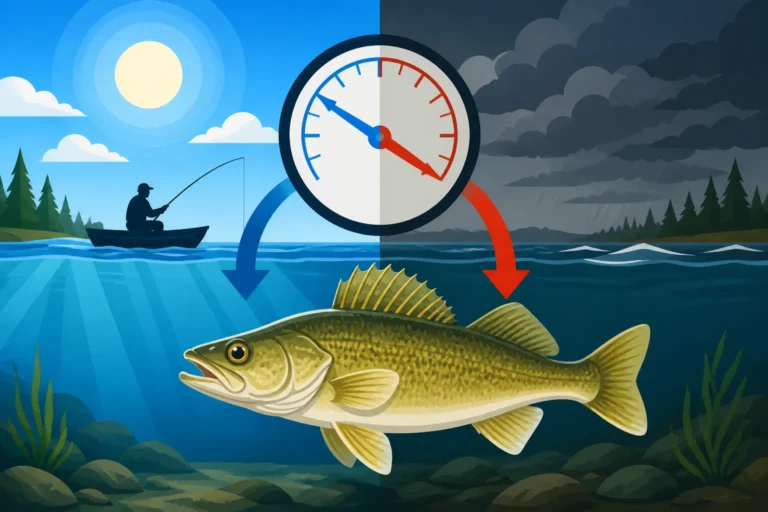
Think about it from a trout's perspective: the water has just shaken off winter's chill. While it's certainly warmer than ice-covered conditions, it's still far from bathwater. This means their metabolism is slower, and they're not expending a ton of energy chasing down every meal. They're often lethargic, conserving energy, and less inclined to move far for a bite. This translates to them being less aggressive and more opportunistic.
You'll find them holding in deeper pockets, slow-moving seams, or near cover that offers a bit of warmth or shelter from strong currents. They're looking for an easy meal that presents itself without too much effort on their part. This is a critical piece of information for choosing your bait and how you present it. Fast, erratic retrieves that might work in mid-summer will often be ignored in the spring. Instead, a slow, deliberate presentation that puts the bait right in front of their nose is often the ticket. Keep an eye on the official Alberta Fishing Season Dates by Zone to know exactly when your favourite spots open up, as temperatures can vary widely across the province.
Water Clarity and Flow Rates
Spring runoff can be a real game-changer, depending on where you're fishing. Rivers especially can see increased flows and turbidity (murky water) as snow melts and rain falls. This affects trout in a couple of ways. Firstly, strong currents can push fish into more protected, slower water. Secondly, murky water reduces visibility, making it harder for fish to see your bait from a distance.
In these conditions, scent becomes paramount. A trout might not see your offering, but if it smells like food, it's much more likely to investigate. Bright, contrasting colours on lures can also help, creating a visual target even in lower visibility. Conversely, if you're fishing a lake or pond that didn't experience significant runoff, the water might be crystal clear. Here, a more natural presentation, subtle colours, and avoiding heavy lines that might spook fish become more important. Always be sure to consult the Reading the Alberta Guide to Sportfishing Regulations for any specific rules related to water bodies you plan to visit, as regulations can change based on conditions.
Top Baits for Early Season Trout Success
Now that we understand the trout's mindset, let's talk about the weapons in your arsenal. You'll want a mix of options to adapt to whatever conditions you face on opening day.
Scented Baits and Natural Offerings
These are often the first choice for many anglers, especially when dealing with cold, slightly murky water or sluggish fish. Their ability to attract fish through smell is a huge advantage.
PowerBait and Dough Baits
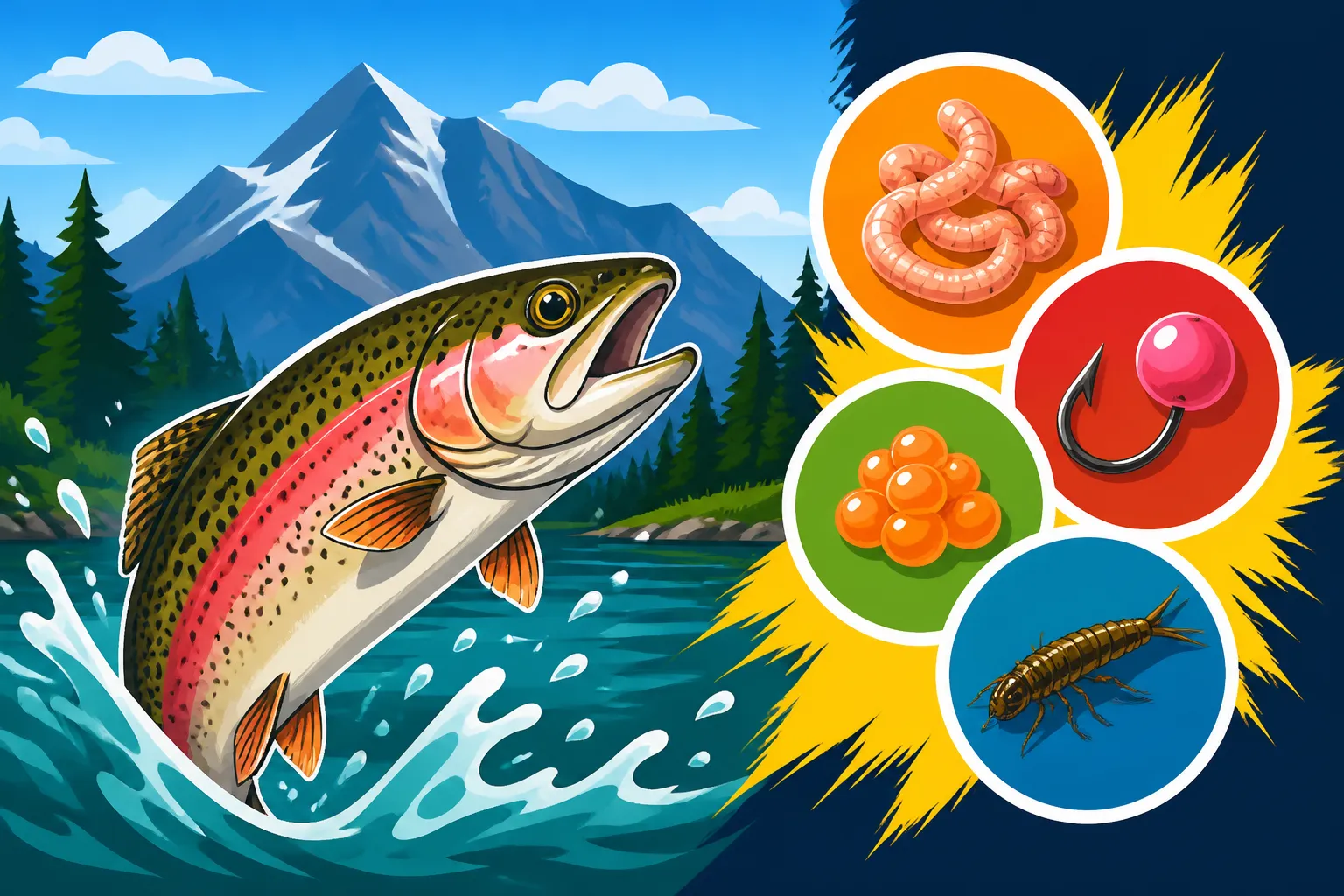
Berkley PowerBait, and similar scented dough baits, are absolute staples for stocked trout, and often even entice wild ones. The key here is the scent and the texture. It's designed to mimic trout food pellets, which is why stocked fish often go for it readily. The beauty of PowerBait is its versatility: you can mould it around a hook, float it off the bottom, or even add a small split shot to keep it submerged. The vibrant colours are also a huge draw, especially in low-light or slightly murky conditions.
You can find a huge variety of PowerBait scents and colours on Amazon – from bright green "chartreuse garlic" to more natural "rainbow glitter" – making it easy to stock up before the big day. When fishing PowerBait, a common technique is to use a light wire hook (often a treble hook for better hook-ups) and float the bait off the bottom using a small swivel and a heavier sinker above it. This keeps your bait visible and free from weeds, presenting it as an easy, floating meal. For more insights, our guide on Spring Trout Fishing Techniques for Alberta Streams might offer additional nuanced approaches.
Worms and Minnows
Nothing beats a classic nightcrawler or garden worm for natural appeal. Worms offer scent, natural movement, and are a food source trout readily recognize. They work exceptionally well when fished on a small hook, either directly on the bottom or suspended under a bobber. The subtle wriggling action and earthy scent are often irresistible to hungry trout, whether they're wild river residents or recently stocked lake fish.
Small minnows, either live (where legal, always check regulations!) or artificial scented ones, can also be deadly. They imitate a natural prey item and can trigger a predatory response, even in cooler waters. When using minnows, consider a slow retrieve or simply letting them drift naturally in a current seam. These natural offerings can be particularly effective in rivers or larger lakes where trout might be more accustomed to foraging for live prey. For those venturing into different waters, understanding Best Time of Year to Fish in Alberta might provide context on bait effectiveness for other species too.
Corn and Marshmallows
While perhaps less common for wild trout, corn is a surprisingly effective bait for recently stocked trout in ponds and smaller lakes. These fish are often fed pellets that resemble corn in size and texture, and the bright yellow colour can be a visual attractor. A few kernels on a small hook can sometimes outperform more sophisticated baits, especially if the fish are accustomed to a pellet diet.
Marshmallows, often tipped with a bit of PowerBait or dipped in a scent, can also be surprisingly effective. Their buoyancy helps keep your hook off the bottom, and their soft texture is appealing to trout. While not a top-tier choice for every situation, having a small bag of corn or marshmallows can sometimes save a slow day, especially at heavily pressured stocked ponds that are part of the List of Alberta stocked trout lakes.
Artificial Lures for Action and Flash
Sometimes, you need to trigger a reaction strike, even from sluggish fish. Artificial lures excel at this, providing flash, vibration, and movement that can pique a trout's interest.
Spoons and Spinners
Spoons like the Little Cleo, EGB, or Williams Wabler are classic trout lures for a reason. Their wobbling action mimics an injured baitfish, and the flash from their polished surface can catch a trout's eye from a distance. In colder water, a slower retrieve is key. Let the spoon flutter and sink, then retrieve slowly with an occasional twitch. This "stop-and-go" motion can often be the trigger.
Spinners, such as Mepps Aglia, Panther Martin, or Blue Fox Vibrax, are equally effective. The rotating blade creates both flash and vibration, which trout can detect even in murky water. Again, a slow, steady retrieve is usually best for early season. Try different sizes and colours. Gold or silver blades are great for sunny days or clear water, while bright colours like chartreuse or orange can stand out in lower visibility. Many anglers enjoy browsing Amazon for a diverse selection of these lures, often finding multi-packs or specific hard-to-find colours. For anglers keen on specific gear, checking out Best Fishing Rods for Alberta Rivers can help ensure you have the right setup to cast these lures effectively.
Small Jerkbaits and Minnow Plugs
Tiny jerkbaits or minnow plugs, usually 1-3 inches long, can be surprisingly effective for more aggressive trout, or those holding in slightly warmer areas. Brands like Rapala (CD series, Original Floater) or Rebel are popular choices. The erratic, darting action of a jerkbait can imitate a struggling baitfish, triggering a predatory response.
When fishing these, use a "twitch-twitch-pause" retrieve. The pause is critical in cold water; often, the strike will come as the lure suspends or slowly rises/sinks during the stillness. Experiment with different pause durations. These lures are particularly good in clear water where fish can visually track the bait.
Fly Fishing for Early Season Trout
For fly anglers, opening day presents its own set of challenges and rewards. While dry fly fishing might be limited due to sparse hatches, subsurface techniques can be incredibly productive.
Nymphing Techniques
Nymphing is arguably the most consistent fly fishing method for early season trout. Trout are primarily feeding on aquatic insect larvae and nymphs that are drifting along the bottom. Patterns like Hare's Ear, Pheasant Tail, Prince Nymph, and Stonefly nymphs (e.g., Kaufmann's Stone) are excellent choices. A good presentation involves getting your nymphs down deep to where the fish are holding, with minimal drag.
Indicators, split shot, and longer leader setups are common. Look for slower current seams, deep pools, and the edges of riffles where fish can hold without expending too much energy. A dead drift is usually what you're aiming for, mimicking a natural insect dislodged from the bottom. This approach is highly effective in cold waters, targeting sluggish fish where they live. For more specific local insights, articles like Rainbow Trout Fishing on the Bow River or Best Fly Fishing Rivers in Alberta offer deeper dives into successful fly patterns and techniques.
Streamers and Woolly Buggers
Streamers, which imitate baitfish or larger aquatic insects, can also be very effective, especially for larger, more predatory trout. Patterns like the Woolly Bugger (in black, olive, or brown), Clouser Minnow, or Sculpin patterns can be deadly. The key is to fish them slowly, with short strips and long pauses.
Let the streamer sink, then strip it just enough to give it some lifelike movement before pausing again. This imitates an injured or disoriented baitfish, making it an easy target. Often, the takes on streamers are subtle in cold water, so pay close attention to your line for any slight twitch or hesitation. Don't forget, you can often find great deals on fly tying materials or pre-tied flies on Amazon to keep your fly box stocked for opening day.
Presentation and Strategy: Making Your Bait Count
Having the right bait is only half the battle. How you present it, and where you present it, will often determine your success on opening day.
Slow and Deliberate Presentation
This cannot be stressed enough for early season trout. Whether you're using bait, lures, or flies, slow is almost always the way to go.
- For still baits (PowerBait, worms, corn): Give them plenty of soak time. Let them sit on the bottom, or drift slowly under a float. Don't be too eager to reel in and re-cast. Sometimes a fish needs a moment to find the scent and decide to take the bait.
- For lures (spoons, spinners, jerkbaits): Reduce your retrieve speed significantly. Incorporate pauses. A spoon that flutters on a long pause, or a spinner retrieved just fast enough to get the blade turning, is much more enticing than a frantic retrieve.
- For flies (nymphs, streamers): Focus on a perfect dead drift for nymphs, ensuring they get to the fish's depth. For streamers, short, subtle strips followed by long pauses are key.
Imagine you're trying to tempt a sleepy fish. You're not trying to make it sprint for its dinner; you're offering it a snack right at its bedside table. The article Alberta trout season opening date for 2026 will remind you when to start practicing these slow techniques!
Targeting the Right Spots
Trout aren't everywhere, especially in early spring. They'll gravitate towards areas where they can find food and shelter without fighting strong currents or extreme cold.
- Deeper Holes and Pools: These areas offer stable water temperatures and protection from strong flows. Trout will often congregate in the deepest parts of these sections.
- Current Seams and Eddies: On rivers, look for areas where fast water meets slow water. Trout will often hold in the slower water, waiting for food to drift by in the faster current without having to fight the flow themselves. Eddies behind large rocks or logs are prime examples.
- Structure: Submerged logs, rock piles, undercut banks, and even bridge abutments offer cover and a break from the current. Trout feel safe in these spots and will often hold close to them.
- Lake Thermoclines: In lakes, if the water has begun to stratify, trout might be found near the thermocline (the layer where water temperature changes rapidly), or simply in deeper, consistent temperature zones. On a practical note, always keep handy the How to use the Alberta sportfishing regulations app to help identify specific zone regulations and spot locations.
Adaptability is Key
Don't be afraid to switch things up! What worked yesterday, or even an hour ago, might not be working now. The conditions can change, the fish's mood can change, or you might simply not have found the right combination yet.
Start with a couple of your most confident baits, but if you're not getting bites after a reasonable amount of time, don't hesitate to try something different. Change colours, change retrieve speeds, change depths, or switch from a natural bait to an artificial lure. Having a diverse selection of baits and being willing to experiment is a hallmark of a successful angler. Consider bringing a range of options, easily acquired from retailers or online like Amazon, to ensure you're prepared for any scenario.
Bait Comparison Table for Opening Day Trout
To help you quickly decide what to tie on, here's a handy comparison of some top opening day trout baits.
| Bait Type | Best Conditions | Pros | Cons | Ideal Target |
|---|---|---|---|---|
| PowerBait | Stocked ponds/lakes, cold water, clear to murky | High scent, variety of colours, floats off bottom | Less effective for truly wild, wary trout | Stocked Rainbow Trout |
| Worms | All conditions, natural rivers/lakes | Natural appeal, high scent, universally recognized | Can be messy, sometimes difficult to keep on hook | All Trout Species |
| Spoons | Clear to slightly murky water, larger fish | Flash & wobble attract from distance, good for casting | Less effective in very murky water, can snag easily | Larger Rainbow, Brown Trout |
| Spinners | Clear to slightly murky water, moving water | Vibration & flash, easy to cast, triggers reaction strikes | Can cause line twist, less subtle for wary fish | All Trout Species, especially Rainbow |
| Nymphs (Flies) | Rivers/streams, cold water, clear to murky | Mimics natural food, highly effective for wary fish | Requires specific fly gear & technique, can be intricate | Wild Trout (Rainbow, Brown, Cutthroat) |
Final Thoughts for a Successful Opening Day
Opening day is special, a tradition for many, and a fresh start to the fishing season. While the thrill of the catch is undeniable, remember to enjoy the entire experience. Be respectful of other anglers, pack out what you pack in, and always adhere to fishing regulations. These might include checking Alberta fishing license age requirements or understanding catch limits.
Early season trout fishing requires a bit of patience and a willingness to adapt, but with the right baits and a thoughtful approach to presentation, you’re well on your way to making some unforgettable opening day memories. Tight lines out there!
Disclaimer
This article is for general informational purposes only and does not constitute professional advice. Laws, prices and regulations vary by location and change over time. Consult a qualified professional for guidance on your specific situation.