Night Fishing for Walleye in Alberta
There's nothing quite as frustrating as hitting your favorite walleye spot in Alberta during the day, only to find the fish scattered, finicky, or just plain absent due to boat traffic and bright sunlight. Many anglers struggle to consistently land those prized walleye when the sun is high, leading to disappointing trips. This comprehensive guide is here to shed light on a highly effective, yet often underutilized strategy: night fishing for walleye in Alberta, helping you understand their nocturnal habits and the best ways to target them after dark.
Why Night Fishing for Walleye is a Game Changer in Alberta
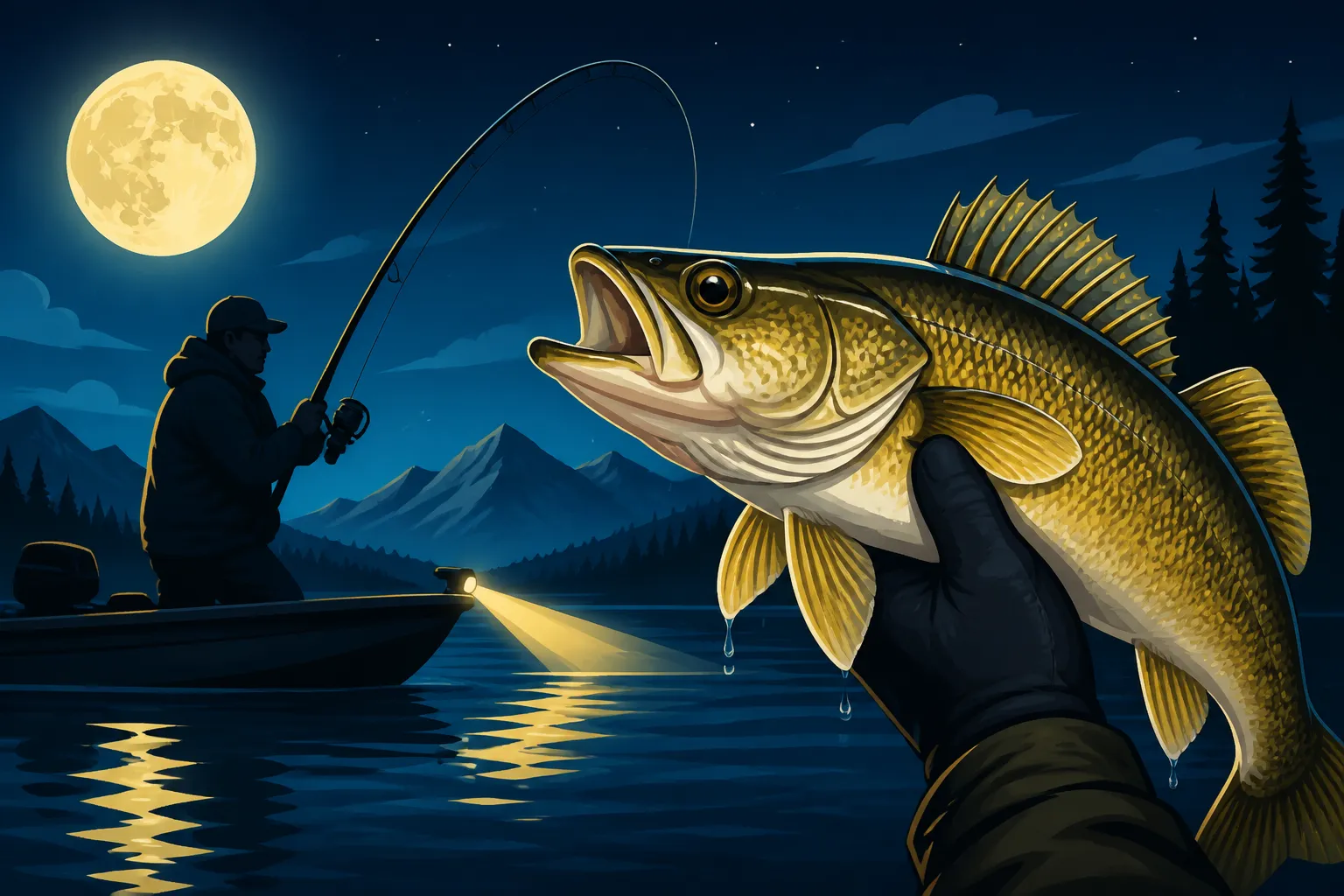
For many seasoned anglers in Alberta, the idea of chasing walleye under the cover of darkness isn't just a tactic; it's a sacred ritual. There's a profound shift that happens in the underwater world once the sun dips below the horizon, and for walleye, it's often the signal to truly come alive. This isn't just about avoiding a sunburn; it’s about tapping into a prime feeding window when these fish are at their most aggressive and least wary.
The Walleye's Nocturnal Nature
Walleye are, by their very design, perfectly adapted for hunting in low light. Their large, light-sensitive eyes have a tapetum lucidum layer, which essentially acts like a natural night-vision enhancer, allowing them to see incredibly well in dim conditions. Think of it like a built-in advantage over most of their prey fish, which often don't possess the same exceptional low-light vision. This gives them a significant edge once dusk settles in.
During the day, especially on clear, sunny days, walleye tend to retreat to deeper, darker water or seek cover in thick weed beds, under docks, or within complex rock structures. They're trying to escape the intense light that irritates their sensitive eyes. But when night falls, that pressure is lifted, and they feel much more comfortable moving into shallower areas to feed. This makes them much more accessible to anglers willing to brave the dark.
This shift isn't just a theory; it's evident in their behavior. You'll often find that areas that are barren during the day suddenly teem with active walleye at night, especially points, humps, and even shallow flats adjacent to deeper water. It's a prime example of their predatory instincts taking over when their biological advantages are at their peak.
Avoiding Daytime Pressure
One of the biggest headaches for any angler on popular Alberta lakes like Sylvan Lake or Gull Lake is the sheer amount of daytime activity. Pleasure boats, jet skis, swimmers, and other fishing boats can create a chaotic environment, often scattering fish and making them extremely wary. Walleye, being sensitive to vibrations and noise, will often shut down or move to less disturbed areas when the water is churned up.
Night fishing completely bypasses this issue. After dark, the vast majority of recreational boaters are off the water, leaving a peaceful, quiet, and largely undisturbed environment for you to fish. This reduction in pressure makes a huge difference in fish activity and willingness to bite. It's like having your own private lake, even on the busiest bodies of water.
This reduced pressure also means the fish are less "educated." They haven't been poked and prodded by countless lures all day, making them more likely to strike aggressively at a well-presented bait. It creates a much more natural feeding scenario, where the walleye are focused on foraging rather than evading.
Cooler Water and Active Feeding
Beyond the light conditions, cooler water temperatures play a critical role, especially during the warmer months. As the sun beats down on a lake all day, the surface water heats up. While walleye can tolerate a range of temperatures, they generally prefer cooler water, especially when they're actively feeding.
When night arrives, air temperatures drop, and the surface water begins to cool. This cooling effect can trigger a feeding frenzy, particularly in shallower areas where baitfish also move in to forage. The cooler water holds more oxygen, which helps make the walleye more energetic and aggressive in their pursuit of prey. This is especially true for trophy-sized walleye, which often prefer these cooler, more stable conditions for hunting.
This change in water temperature, combined with their excellent low-light vision, creates a perfect storm for active feeding. Walleye will patrol shallow breaks, weed edges, and points, ambushing unsuspecting baitfish. Understanding this natural rhythm is key to knowing the Best Time of Day to Catch Walleye and maximizing your success.
Essential Gear for Your Alberta Walleye Night Trip
Embarking on a night fishing adventure for walleye in Alberta requires more than just your usual daytime setup. Safety and efficiency become paramount when you're operating in the dark. Having the right equipment can make the difference between a successful, enjoyable night and a frustrating, or even dangerous, experience.
Lighting the Way
Appropriate lighting is non-negotiable for night fishing. You'll need a reliable headlamp with a red-light option. The red light is crucial because it helps preserve your night vision, which takes a while to adapt to the dark, and it's less likely to spook fish than a bright white beam. Use the white light only when absolutely necessary, such as tying knots or unhooking a fish. Headlamps from brands like Black Diamond or Petzl, often available on Amazon, are excellent choices for their durability and multiple light modes.
Beyond your personal headlamp, consider having additional light sources. A powerful, portable spotlight or a fixed LED light on your boat can be invaluable for navigating, especially if you're unfamiliar with the waters or need to quickly illuminate a distant marker or hazard. Many anglers also use glow sticks or small clip-on lights attached to their fishing rods or marker buoys to make them visible and help track their setup in the dark. Just remember to be mindful of local regulations regarding visible lights on the water.
Finally, think about battery life. Always carry extra batteries for all your lighting devices. There's nothing worse than being plunged into complete darkness unexpectedly, especially when you're trying to safely handle a lively walleye or navigate back to shore. A portable power bank for charging smaller devices can also be a lifesaver.
Rods, Reels, and Line for Low-Light Conditions
While your daytime walleye gear can certainly work, some considerations for night fishing will enhance your experience. A sensitive rod is key, as visual cues for bites are diminished. Look for a medium-light to medium-heavy power rod, typically 6'6" to 7'6" long, with a fast action tip to detect subtle taps in the dark. Graphite rods offer excellent sensitivity for feeling those light bites that are common on slower night retrieves.
Pair your rod with a smooth spinning reel or a baitcasting reel with a reliable drag system. A 2500-3000 size spinning reel or a low-profile baitcaster is usually sufficient. Spool your reels with a high-visibility monofilament or fluorocarbon line for easier tracking if you're using a flashlight to check your line, or opt for a braided line for maximum sensitivity and pair it with a fluorocarbon leader. While braid is extremely sensitive, it can be harder to untangle in the dark, so some anglers prefer mono or fluoro for ease of handling. The choice often comes down to personal preference and comfort level. You can find a good selection of Best Spinning Rods for Walleye and lines on platforms like Amazon.
When it comes to leader material, a 10-12 lb fluorocarbon leader is often ideal. Fluorocarbon is nearly invisible underwater, which can be an advantage for spooky walleye, and its abrasion resistance helps protect against rocky structure. The extra sensitivity of braid, combined with the stealth of fluorocarbon, offers a great combination for night operations.
Lure Selection for Night Walleye
Choosing the right lures for night fishing for walleye often boils down to two main factors: vibration and glow. Since walleye rely heavily on their lateral line system to detect prey in the dark, lures that produce strong vibrations are incredibly effective.
- Crankbaits: Rattling crankbaits, especially those with a wide wobble, are phenomenal night lures. Colors that show up well in low light, such as black, purple, chartreuse, or even glow-in-the-dark patterns, are excellent choices. Trolling with crankbaits is a highly effective night technique. Consider brands like Rapala, Berkley, or Storm.
- Jigs: Jigs tipped with soft plastics (paddle tails, curly tails) or live bait (minnows, nightcrawlers) are a classic for a reason. Incorporate glow-in-the-dark jig heads or soft plastics that can be charged with a UV flashlight. The erratic action of a jig, especially when retrieved slowly or vertically jigged, can trigger aggressive strikes.
- Spinnerbaits & Blade Baits: These lures create a lot of flash and vibration, which can be irresistible to night-hunting walleye. Blade baits, in particular, offer a strong thump and can be jigged vertically or cast and retrieved.
- Live Bait Rigs: For a more natural presentation, slip bobber rigs with live minnows or nightcrawlers can be deadly. The natural scent and movement of live bait are often too tempting for walleye to resist, especially when they're actively foraging. Having the Best Baits for Walleye on Lesser Slave Lake can significantly increase your success.
The key is to experiment. Start with lures that provide good vibration and contrast, then adjust based on what the fish are telling you. Sometimes, a subtle, dark presentation is best, while other times, a vibrant glow lure can be the ticket.
Safety and Comfort Considerations
Safety should always be your top priority when fishing in the dark. Always wear a properly fitting life jacket, even if you're an experienced boater. Conditions can change rapidly, and accidents can happen without warning. Ensure your boat has all required navigation lights in working order, and carry a marine radio or fully charged cell phone in a waterproof bag for emergencies. A basic first-aid kit is also a must-have.
Comfort is another important aspect. Alberta nights, even in summer, can get surprisingly chilly. Dress in layers, including waterproof outer layers, to stay warm and dry. Insulated boots and gloves can make a huge difference in your enjoyment. Bring plenty of water and snacks, and consider a thermos of hot coffee or tea to keep you energized through the night.
Lastly, inform someone of your fishing plans: where you're going, when you expect to return, and who is with you. This simple step can be crucial in an emergency. Preparing for an overnight trip means being mindful of all potential scenarios, not just the fishing itself.
Prime Locations for Night Walleye Fishing in Alberta
Knowing where to find walleye during the day is one thing, but understanding their nocturnal haunts requires a slightly different approach. While many general principles of walleye location still apply, specific structures and depths become even more crucial after dark when these fish are actively migrating to feed.
Finding Structure in the Dark
Walleye, whether by day or night, are structure-oriented fish. However, at night, they often move shallower and relate to different aspects of that structure. Instead of hunkering down deep, they'll often move to the shallower edges, tops, or adjacent flats of submerged humps, rock piles, points, and weed lines. These areas serve as ambush points for baitfish that also move shallower at night.
- Shallow Points and Reefs: These are classic night fishing hot spots. Walleye will move up onto the shallow flanks of points and reefs to feed on minnows, perch, and other forage that congregate there. Look for areas where a deep break line transitions sharply to a shallow flat. This could be anywhere from 5 to 15 feet of water, depending on the lake's overall depth.
- Weed Edges and Transitions: Healthy green weed beds are baitfish magnets, and where there's bait, there are walleye. Focus on the outer edges of weed beds, especially where they meet deeper water or where different types of vegetation transition. Walleye will patrol these edges, darting into the weeds to ambush prey. Using your Best Fish Finders for Alberta Lakes during the day to mark these spots can be invaluable for a night trip.
- River Channels and Current Seams: In rivers like the North Saskatchewan River or the Athabasca River, walleye will use current breaks and seams as feeding lanes. During the night, they might move closer to the slower edges of the main current or position themselves behind large rocks or fallen trees to ambush prey drifting by.
When you're out there, remember that familiar daytime landmarks might look completely different or disappear in the dark. This is why scouting during the day and marking GPS waypoints for key structures is absolutely critical. You might even consider using permanent marker buoys in less busy areas, but always be mindful of navigation rules.
Productive Lakes and Rivers
Alberta boasts numerous lakes and rivers renowned for their walleye populations, many of which offer exceptional night fishing opportunities. Knowing Where to Find Walleye in Alberta is half the battle.
- Lesser Slave Lake: A legendary walleye factory, Lesser Slave Lake is fantastic for night fishing. Its vast shallow flats, numerous points, and extensive weed lines provide endless opportunities. Walleye here often move shallow to feed on abundant cisco and perch. Trolling crankbaits along the numerous structure transitions can be incredibly effective.
- Cold Lake: While known for its lake trout, Cold Lake also holds a robust walleye population, especially in shallower bays and points. Night fishing here can yield some impressive catches, particularly around prominent structures.
- Pigeon Lake: This popular lake is another great option. Its relatively shallow nature means walleye are often more willing to cruise shallow areas after dark, making them accessible to a variety of techniques.
- Lac La Biche: With its varied depths and structures, Lac La Biche offers excellent night walleye potential, especially in areas with rock piles and sand flats.
- North Saskatchewan River: For river anglers, the North Saskatchewan offers great walleye action after dark. Focus on slower eddies, current breaks, and the mouths of tributaries.
Always remember that conditions vary. What works on Lesser Slave Lake might need slight adjustments for a river system like the North Saskatchewan. Pay attention to the moon phase; some anglers swear by new moons (darkest nights) while others prefer full moons for added visibility.
Understanding Lake-Specific Regulations
Before you even think about casting a line after dark, you absolutely must review the current Alberta Guide to Sportfishing Regulations. This isn't just a suggestion; it's a legal requirement. Alberta's fishing regulations can be complex and are often zone-specific, with varying rules for different water bodies, species, and seasons.
- Season Dates and Closures: Ensure the lake or river you're targeting is open for walleye fishing during the night. Some waters might have specific night closures or seasonal restrictions.
- Bag and Possession Limits: Be aware of the Alberta walleye daily limit and possession limits for the specific water body you're fishing. These can vary significantly, especially for walleye, which are a managed species. The Walleye Special Harvest Licence Program in some areas might allow for retention under specific draws.
- Prohibited Methods: Double-check if any specific fishing methods are prohibited after dark, or if any gear restrictions apply. For instance, some waters might be fly-fishing-only, which usually implies daytime-only use unless specifically stated otherwise.
- Bait Restrictions: Some waters have bait restrictions, prohibiting the use of live bait or certain types of bait. Always verify this, as it's a common oversight.
- Boating Regulations: If you're using a boat, ensure all your navigation lights are functioning correctly and that you're complying with all Alberta Boating Laws for Anglers, including life jacket requirements and operating procedures for low visibility.
Ignorance of the regulations is not an excuse. Always consult the official provincial guide, which is available online through MyWildAlberta, or consider downloading the AlbertaRELM app for easy access to zone-specific rules. Getting caught fishing without a license in Alberta, or violating other regulations, can lead to significant Alberta fishing without a license penalty, fines, and equipment confiscation. It’s simply not worth the risk.
Top Techniques for Night Walleye Anglers
Night fishing for walleye isn't just about showing up in the dark; it's about adapting your techniques to exploit their nocturnal behavior and the unique challenges of low light. The presentations you use during the day might need a subtle, or sometimes significant, adjustment to truly entice those night-feeding walleye.
Vertical Jigging in the Dark
Vertical jigging is an incredibly effective technique for night walleye, especially when you're targeting specific structures like humps, rock piles, or deep-water current breaks. The beauty of jigging at night is that you can often feel the bite more distinctly without the visual distractions of daylight.
To execute this, position your boat directly over the structure you've identified (ideally pre-marked with GPS coordinates during the day). Drop a jig tipped with a soft plastic, a live minnow, or a nightcrawler straight down until it hits the bottom. Then, lift and drop it with a subtle, rhythmic motion, keeping your bait within a foot or two of the bottom. The key is to impart a movement that mimics an injured baitfish without being too aggressive. Sometimes, a slow, gentle lift and fall is all it takes.
Many anglers swear by glow-in-the-dark jig heads or soft plastics charged with a UV flashlight before each drop. This visual flare, combined with the jig's action and any added scent from live bait, creates an irresistible target. Focus on detecting the slightest tap or the feeling of added weight as a walleye inhales your offering. This is where a sensitive rod truly shines. If you're using a good fish finder, even at night, you can often see the jig and fish relating to it, allowing for precise depth control.
Trolling with Precision
Trolling is another fantastic way to cover water and present your lure to actively foraging walleye at night, particularly on larger lakes with extensive flats or along prominent contours. This technique allows you to systematically search for fish that might be spread out.
- Crankbaits are King: Deep-diving or medium-diving rattling crankbaits are the go-to choice for night trolling. Colors like black, purple, dark blue, or those with glow patterns tend to work best. The noise and vibration they emit are critical for attracting walleye in low visibility. Experiment with different diving depths to match the fish's location, often shallower than you'd think, sometimes as little as 5-15 feet. Brands such as Rapala Deep Tail Dancers or Berkley Flicker Shads are popular choices. You can find many effective options for Best Crankbaits for Alberta Walleye online.
- Speed and Depth Control: Slower trolling speeds (typically 1.0 to 2.0 mph) are often more effective at night, giving the walleye more time to locate and strike the lure. Pay close attention to your speed and adjust it based on bites. Using a GPS-enabled fish finder can help maintain a consistent speed and track your trolling passes over structure. Vary your depths by letting out more or less line, or by using lead core line or planer boards if permitted and appropriate for the area.
- Contour Trolling: Instead of trolling in straight lines, try "contour trolling" – following specific depth contours or the edges of structure. This keeps your lure in the strike zone longer. Mark productive contours with GPS during the day, then use your charts to navigate precisely in the dark.
Remember to keep your boat's navigation lights on and be aware of other vessels, even though traffic is generally much lighter. A good rule of thumb is to start with a few different lures and colors on multiple rods (if regulations allow multiple lines) to quickly identify what the fish prefer on that particular night.
Slip Bobber Success
For a stealthy and highly effective presentation, especially in shallower water or over weed beds, slip bobber fishing with live bait is hard to beat for night walleye. This method allows you to suspend your bait at a precise depth, keeping it tantalizingly in front of the walleye's nose.
The setup is simple: a slip bobber stopper, a bead, a slip bobber (preferably a larger, visible one with a glow stick insert), a weight (split shot or a small egg sinker), and a snelled hook with a live minnow or a juicy nightcrawler. Adjust the bobber stopper to set your bait just above the bottom or suspended slightly above the tops of submerged vegetation.
- Targeting Weed Edges and Transition Zones: Cast your slip bobber rig to the edges of weed beds, along drop-offs, or near prominent points. The natural movement and scent of the live bait, presented subtly, can be irresistible to walleye cruising these areas.
- Using Scent: Enhance your live bait with commercial walleye scents (e.g., from brands available on Amazon) to add another layer of attraction in the dark. The strong smell can draw walleye in from a greater distance.
- Indicator Lights: A small, clip-on light or glow stick attached to your bobber makes it much easier to see the strike. When that light disappears or starts moving erratically, it's time to set the hook! The subtle visual cue of a disappearing light can be the only indication you get on an otherwise calm, dark night.
Slip bobbers are also excellent for fishing around boat docks or bridge pilings where walleye might congregate after dark, offering a precise way to target these tight spots without snagging. They allow for a more relaxed style of fishing, letting the walleye come to you, but still requiring keen attention to detail for those subtle bites.
Navigating Challenges and Staying Safe After Dark
Night fishing for walleye in Alberta can be incredibly rewarding, but it also comes with a unique set of challenges and safety considerations that demand extra vigilance. The dark can amplify risks and turn minor inconveniences into major problems if you’re not prepared.
Low Visibility Hazards
The most obvious challenge of night fishing is the significantly reduced visibility. This affects everything from boat navigation to simply walking on uneven terrain near the shore. Every obstacle, whether it's a submerged log, a rock outcropping, or a shallow sandbar, becomes a potential hazard.
- Boating Safety: If you're using a boat, ensure all your navigation lights (red/green bow lights, white stern light) are fully functional and turned on. Carry a powerful spotlight to scan ahead for obstacles, other vessels, or aids to navigation. Go slow – very slow. Your daytime speeds are simply not safe at night. Pay close attention to your depth finder and GPS, especially if you've marked specific hazards or preferred routes during the day. Having a good, current map of the lake or river is essential.
- Shoreline Safety: For shore anglers or those launching kayaks, the risk of tripping and falling is high. Uneven ground, slippery banks, and unseen obstacles can lead to serious injury. Always use a headlamp, even if it's on a dim setting, and move slowly and deliberately. Wear sturdy, non-slip footwear. Avoid unfamiliar areas or challenging terrain after dark.
- Reduced Depth Perception: In the absence of light, your depth perception is severely hampered. This can make casting accurately, wading, or even judging distances incredibly difficult. Rely on sound, touch, and your marked GPS points. Consider using a wading staff if you plan to enter the water.
It's a good idea to scout your fishing location during daylight hours. Identify potential hazards, mark safe routes, and note any distinctive landmarks that might be recognizable even in silhouette. This pre-planning is crucial for a safe and enjoyable night out.
Wildlife Encounters
Alberta is home to a diverse array of wildlife, and many animals become more active after dusk. While most are harmless, encountering them unexpectedly in the dark can be startling, and some can pose a threat.
- Predators: Bears, cougars, and coyotes are active at night. While they generally avoid humans, especially noisy ones, it's important to be aware of your surroundings, especially if fishing in remote areas or near dense vegetation. Store food securely, keep your fishing area clean of any scraps, and carry bear spray if in known bear country. Make noise periodically to alert animals to your presence.
- Nocturnal Animals: Raccoons, skunks, and rodents are common around water bodies and can be attracted to food or bait. Secure your tackle box and food supplies to prevent unwanted visitors.
- Insects: Mosquitos, gnats, and other biting insects can be relentless, especially during summer nights. Generously apply insect repellent. Consider wearing long sleeves and pants, even if it's warm, to minimize exposed skin. A mosquito coil or citronella candle (if safe to use) can also help create a small bug-free zone.
Maintaining situational awareness and knowing what to do if you encounter wildlife is part of responsible night fishing in Alberta. Remember, you're entering their habitat, and respecting that space is key.
Hypothermia and Unexpected Weather
Even on a warm summer day, Alberta nights can turn surprisingly cold, and weather conditions can change rapidly. Being unprepared for temperature drops or sudden storms can lead to serious health risks, particularly hypothermia.
- Dress in Layers: This is the golden rule for Alberta outdoors. Wear moisture-wicking base layers, an insulating mid-layer (fleece or down), and a waterproof and windproof outer shell. Bring a warm hat and gloves, even if you don't think you'll need them. It's much easier to take layers off than to wish you had brought more.
- Check the Forecast: Always check the most up-to-date weather forecast before heading out for a night trip. Look beyond the temperature; consider wind chill, chances of rain, and potential for thunderstorms. A small, portable weather radio can also be a valuable tool to stay informed of sudden changes.
- Emergency Shelter: If fishing from shore, know where you can find shelter if a storm rolls in unexpectedly. On a boat, have a plan for heading back to shore quickly and safely.
- Stay Dry: Getting wet in cold temperatures significantly increases the risk of hypothermia. Protect yourself with waterproof outerwear. If you do get wet, change into dry clothes as soon as possible. Carry extra dry clothing in a sealed, waterproof bag.
Hypothermia doesn't just happen in winter; prolonged exposure to cold and wet conditions at any time of year can be dangerous. Staying hydrated and well-fed also helps your body regulate its temperature more effectively. Prioritizing your well-being ensures that your night fishing adventure remains enjoyable and doesn't turn into a survival situation.
Mastering the Bite and Adapting Your Approach
Night fishing for walleye isn't just about putting time in after dark; it's about refining your senses and being adaptable. The absence of light changes how fish react and how you detect those subtle strikes. It’s an art form that rewards patience and a keen understanding of walleye behavior.
Listening and Feeling for the Strike
One of the most significant shifts when transitioning from day to night fishing is how you detect a bite. Visual cues, like a twitching rod tip in bright sunlight, are mostly gone. Instead, you need to rely heavily on tactile feel and even sound.
- The "Thump" and "Tick": Walleye often have a very subtle bite, especially at night when they're less pressured. You might feel a distinct "thump" or a slight "tick" as the fish inhales your lure. Sometimes it's a feeling of suddenly added weight or a subtle change in the tension of your line. Focus on the rod in your hands, trying to distinguish between a snag, bottom contact, and a fish.
- Line Watching (with light): While direct visual cues are minimal, a quick sweep of your headlamp (on its dimmest white setting or red light) over your line can sometimes reveal a subtle twitch or movement of the line that indicates a bite. This is particularly useful when using slack line presentations or slip bobbers.
- Sound Cues: On very quiet nights, you might even hear the splashing of a surfacing fish or the subtle drag of a line if a walleye runs with your bait, especially with a clicker on your reel. While rare, these auditory cues can sometimes be the first hint of nearby activity.
- Rod Sensitivity is Key: This is where a good, sensitive graphite rod truly earns its keep. The vibrations from a fish inhaling your lure travel up the line and through the rod blank directly to your hand. Holding the rod lightly but firmly allows you to be more attuned to these subtle sensations.
Don't be afraid to experiment with your retrieve. Sometimes a dead-stick presentation, where the lure is barely moved, will entice a strike, while other times, a slow, methodical retrieve with pauses is needed. The key is to pay constant, focused attention to your rod and line.
Adjusting to Changing Conditions
Just like during the day, conditions change at night, and successful anglers are those who can adapt on the fly. What worked in the first hour might not work in the last.
- Moon Phase and Cloud Cover: A bright full moon can provide a surprising amount of light, making walleye sometimes behave more like they would during twilight. On a dark, new moon night or under heavy cloud cover, they might be more aggressive and willing to come shallower. Adjust your lure colors (darker for brighter nights, brighter/glow for darker nights) and presentation speed accordingly.
- Temperature Swings: As the night progresses, air and water temperatures will drop. Walleye might move slightly deeper as the very shallow water cools down, or they might become more lethargic. If the bite slows, try slowing down your retrieve or switching to live bait presentations. Conversely, if it's a consistently warm night, they might stay active in shallower water longer.
- Wind and Current: Wind can create current, even on lakes, and can affect lure presentation and boat control. If it's windy, you might need heavier jigs or crankbaits to maintain contact with the bottom or achieve desired trolling depths. In rivers, increased current will require similar adjustments to keep your lure in the strike zone. Wind can also make bite detection more difficult, as it adds vibration and slack to your line.
- Baitfish Movement: Walleye will follow their food. If the baitfish schools move, so will the walleye. If your usual spot goes cold, don't be afraid to move and try other productive areas you've identified, such as nearby points, humps, or weed lines. Sometimes, just a slight shift in location can put you back on the fish.
Having a range of lures, baits, and tackle options on hand, perhaps organized efficiently in a tackle box or bag (many good ones are available on Amazon), allows you to quickly adjust without fumbling in the dark.
The Art of the Night-Time Hookset
Setting the hook properly is crucial at any time, but it takes on a different dimension in the dark when you’re relying primarily on feel. A missed hookset after patiently waiting for a bite can be incredibly deflating.
- The Delayed Hookset: Walleye often "mouth" their bait before fully committing. If you feel a light tap, don't immediately yank. Instead, drop your rod tip slightly towards the fish, reel up any slack, and then perform a firm, sweeping hookset. This gives the fish a moment to fully inhale the bait, increasing your chances of a solid hookup. This is particularly important when using live bait or larger crankbaits.
- Match Hookset to Lure:
- Jigs: For jigs, where the bite is often a distinct thump, a sharp, upward snap of the wrist is usually effective.
- Crankbaits (Trolling): When trolling, the fish often hooks itself against the boat's momentum. Your job is more about maintaining pressure and reeling steadily.
- Slip Bobbers: When your bobber disappears, count to one or two, then reel down and sweep your rod hard and horizontally to the side to set the hook.
- Maintain Pressure: Once you've set the hook, keep constant, steady pressure on the fish. Walleye have notoriously soft mouths, and a sudden slack in the line or an overly aggressive pump of the rod can lead to lost fish. Use your reel's drag system to tire the fish out, leading it slowly and steadily to the net.
Practice makes perfect. The more you night fish, the better you'll become at distinguishing genuine bites from bumps and snags, and the more confident you'll be in your hookset. There’s a true satisfaction in mastering the subtle cues and pulling a beautiful walleye out of the darkness.
Here’s a quick overview of how different lure colors and actions perform under the cloak of night:
| Lure Color / Pattern | Action / Vibration Profile | Best Use Case | Effectiveness in Dark | Notes |
|---|---|---|---|---|
| Black / Dark Purple | Subtle to Strong Wobble | Mimicking silhouette of natural baitfish | High | Creates strong silhouette against lighter night sky/water. |
| Chartreuse / Bright Green | Strong Rattle, Wide Wobble | Attracting attention from a distance, stained water | Moderate to High | Highly visible in low light, especially with UV properties. |
| Glow-in-the-Dark | Any, often Jigs/Soft Baits | Charging with UV light for maximum visibility/attract | Very High | Irresistible visual trigger; re-charge frequently. |
| Orange / Red | Tight Wobble, Flash | Deeper water, imitating crawfish/distressed bait | Moderate | Good contrast, especially effective with some UV response. |
| Metallic (Silver/Gold) | Flashy, Tight Vibrations | Mimicking flashing baitfish in moonlight | Moderate | Can catch ambient light from moon or nearby sources. |
| Natural (Perch/Minnow) | Realistic Swimming | When fish are wary, more subtle approach | Low to Moderate | Less effective visually, rely more on vibration and scent. |
Disclaimer
The information provided in this article is for general guidance and informational purposes only. Fishing regulations and conditions in Alberta are subject to change. Always consult the most current Alberta Guide to Sportfishing Regulations before heading out. Safety should always be your top priority when on the water.