How to catch walleye during a cold front in Alberta
There's nothing quite like the excitement of hitting your favorite Alberta walleye spot, especially after a stretch of good weather. The bite can be hot, the fish aggressive, and the days spent out on the water are pure joy. But then it happens: a cold front rolls in, the temperature plummets, and suddenly, those hungry walleye seem to vanish into thin air, leaving you scratching your head and feeling utterly defeated. It’s a frustrating reality for many anglers, but this guide is designed to demystify how walleye react to these dramatic weather shifts and equip you with the strategies to keep catching them, even when Mother Nature throws a curveball.
Understanding How Cold Fronts Impact Walleye Behavior
A sudden drop in temperature, often accompanied by clear skies and high atmospheric pressure, is what we call a cold front. For us humans, it might mean grabbing a warmer jacket, but for fish, especially sensitive species like walleye, it's a profound shift that impacts their entire world. Their comfort zones are disrupted, and their behavior changes dramatically.
Barometric Pressure Changes and Fish Metabolism
One of the most significant factors at play during a cold front is the change in barometric pressure. Walleye, with their sensitive swim bladders, can feel these shifts acutely. High-pressure systems that typically follow a cold front push down on the water, compressing their swim bladders. This often makes them uncomfortable and can cause them to move deeper to equalize the pressure, or at least seek out heavier cover where they feel more secure. This isn't just about discomfort; it also slows down their metabolism. When a walleye's metabolism slows, their need to feed aggressively diminishes. They become lethargic, less inclined to chase fast-moving baits, and their feeding windows shrink significantly. It's like they've gone into a low-energy mode, only feeding when absolutely necessary.
Imagine you're out on Lesser Slave Lake. One day the walleye are crushing crankbaits in 10-15 feet of water. The next, a sharp cold front drops the air temperature by 15 degrees Celsius overnight. You might find that the active fish from yesterday are now tucked into the deeper edges of the weed lines or congregating on the basin's contours in 25-30 feet, barely moving. They're still there, but their priorities have shifted from active hunting to conserving energy and finding comfort.
Water Temperature Fluctuations and Their Effects
While air temperature is what we immediately notice, it's the subtle changes in water temperature that truly affect walleye. Cold fronts often bring cooler air, which can chill surface waters, especially in shallower areas. This thermal shock can send walleye seeking more stable temperatures. Often, this means moving deeper where the water temperature remains more consistent. These deeper areas act as a refuge, providing a stable environment when the shallows are rapidly cooling.
However, sometimes walleye might also move to areas where sunlight can penetrate more effectively, warming the water slightly, or areas with dense cover like thick weeds or submerged timber which provide a thermal buffer. This is particularly true in shallower prairie lakes, where temperature swings can be more pronounced. Understanding these thermal refuges is crucial. For instance, in a lake like Pigeon Lake, a cold front might push walleye from the shallower weed flats they were using into the deeper pockets within those weed beds, or right onto the basin edges where a steady thermocline exists. This thermal comfort is a major driver of their post-front movement, and ignoring it means you'll be fishing empty water.
Adjusting Your Approach: Location is Key
When a cold front hits, the first thing many anglers do is keep fishing the same spots with the same tactics. This is often a recipe for disappointment. The key to success lies in understanding that walleye will have relocated and changed their feeding patterns. Your job is to find them and present a meal they can't refuse, even if they're not actively looking for one.
Deeper Structures and Transition Zones
Walleye, during a cold front, often retreat to deeper structures. This includes points that drop quickly into deep water, submerged humps, rock piles, or deep-water current breaks in rivers like the North Saskatchewan. These locations offer both thermal stability and a sense of security from the sudden atmospheric changes. Look for the deepest available cover in the area you were previously fishing, or scout out new, deeper spots.
Transition zones are also goldmines. These are areas where different types of bottom meet, like a hard-bottom flat transitioning to a soft, muddy basin, or where a weed line ends and the open water begins. Walleye will often stage on the deeper side of these transitions, waiting for more favorable conditions or an easy meal to pass by. A good fish finder is absolutely indispensable here for marking these subtle changes in depth and bottom composition. Investing in a quality unit, perhaps found on Amazon, can make all the difference in locating these finicky post-front fish.
Targeting Feeding Windows and Slack Water
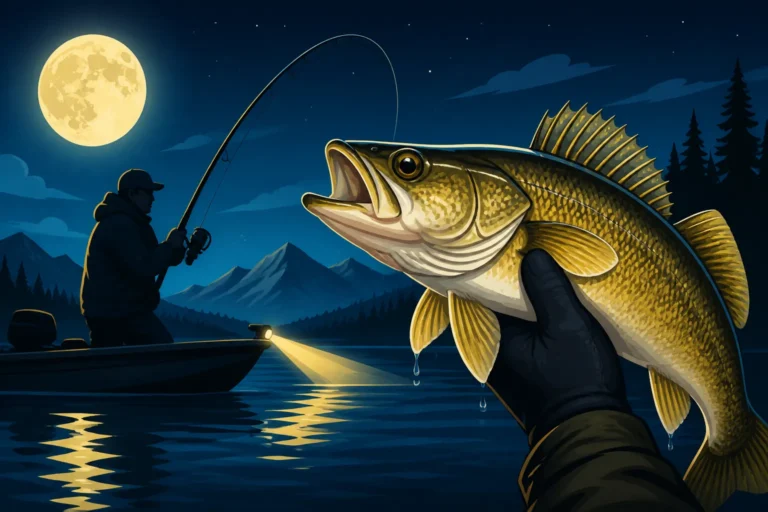
Even when lethargic, walleye still need to eat. The trick is that their feeding windows become much shorter and often coincide with specific times of the day when conditions are slightly more favorable. This usually means low light periods – dawn and dusk – or during brief periods of stable weather within the cold front. During these windows, walleye might move shallower for a quick feed before retreating again.
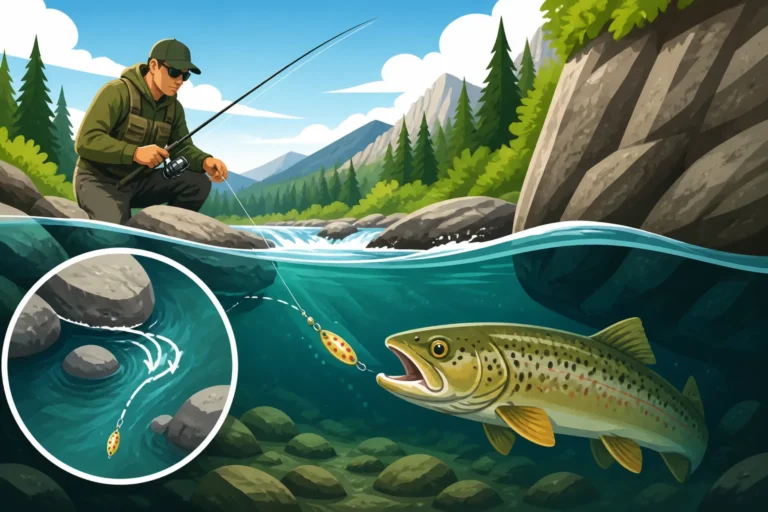
In rivers, look for slack water areas adjacent to main current seams. Walleye will often tuck into these calmer zones to conserve energy, only darting out into the current briefly to ambush passing prey. Back eddies, current breaks behind large rocks or logs, and deep holes with reduced flow become prime targets. Understanding how to interpret the river's flow and identify these calmer areas is a vital skill. For more general insights into their daily patterns, you might find our guide on the "Best Time of Day to Catch Walleye" helpful.
Lures and Presentations: Less is Often More
When walleye are turned off by a cold front, your approach to lures and presentation needs a complete overhaul. Forget the aggressive, fast retrieves that worked yesterday. Today, it’s all about finesse, subtlety, and making it incredibly easy for a walleye to grab a meal without expending much energy.
The Power of Live Bait and Scent
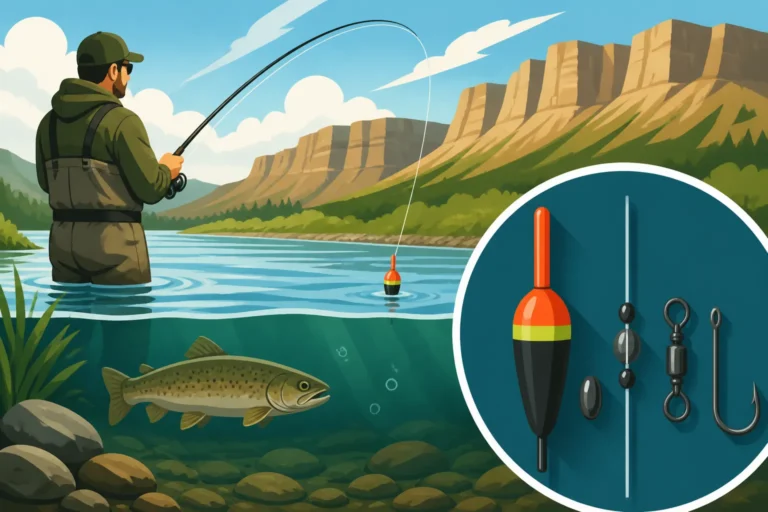
Live bait becomes king during a cold front. Minnows, leeches (where legal), or nightcrawlers presented slowly and naturally are incredibly effective. The natural scent and subtle movements of live bait can entice a lethargic walleye when nothing else will. Rig your live bait on a simple jig head, under a slip bobber, or on a slow-trolled bottom bouncer rig. Remember, the goal is to present it right in front of the walleye’s nose, allowing them to suck it in with minimal effort.
For those interested in what walleye typically consume, our article on "What walleye eat in Alberta lakes" can provide insights into selecting the most natural live bait for your area. If you're using artificials, consider adding a scent attractant. There are many great options available that can mimic natural prey or stimulate a bite when fish are hesitant. Some anglers swear by using a tiny piece of real bait, like a minnow head, on their jig to add that irresistible natural scent and texture.
Slow Jigging and Vertical Presentations
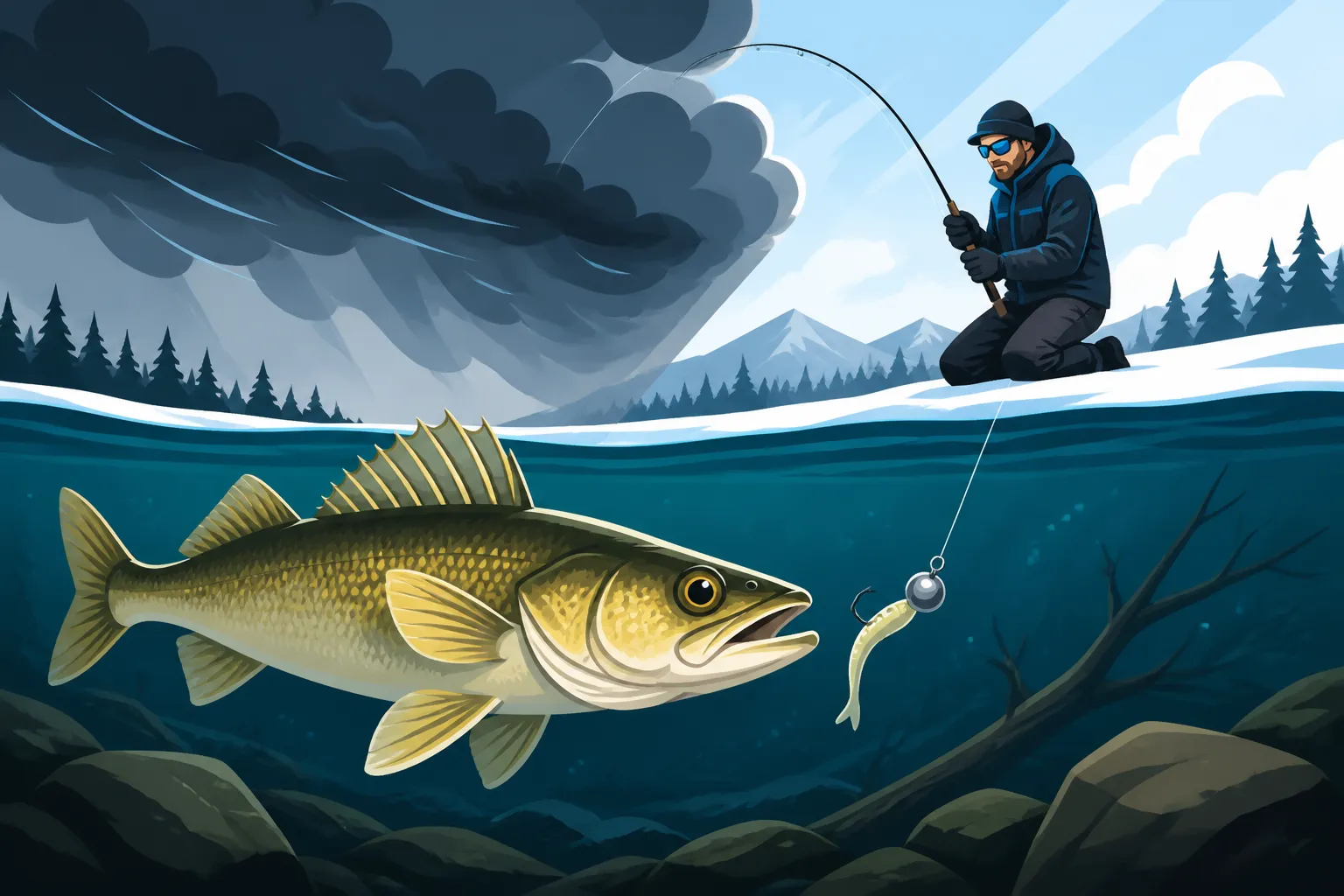
Jigs are perennial walleye favorites, and they remain so during a cold front, but with a crucial modification: slow down, way down. Vertical jigging directly over marked fish or deep structure is incredibly effective. Use lighter jig heads (1/8 to 1/4 ounce is often ideal, even deeper, if the current allows) and plastics or live bait. Present the jig with minimal movement – a slight twitch, a lift and pause, letting it sit on the bottom for extended periods.
Another excellent option is a small blade bait. These lures vibrate intensely on the lift and flutter on the fall, mimicking a dying baitfish. Again, vertical jigging with a slow lift-and-drop motion is the key. The vibrations can often trigger a reaction strike from otherwise inactive fish. Consider looking on Amazon for a variety of blade baits and soft plastics to match different conditions. Don't be afraid to experiment with incredibly long pauses between movements; sometimes a walleye needs several seconds to decide if it's worth the energy to strike.
Downsizing and Finesse Tactics
During a cold front, smaller baits are often more effective. A walleye that isn't actively hunting won't chase a large, aggressive lure. Think small jigs, tiny swimbaits, or even micro-plastics. Color choice can also be critical; natural, subtle colors like browns, greens, and whites often outperform bright, flashy ones in clear, high-pressure conditions.
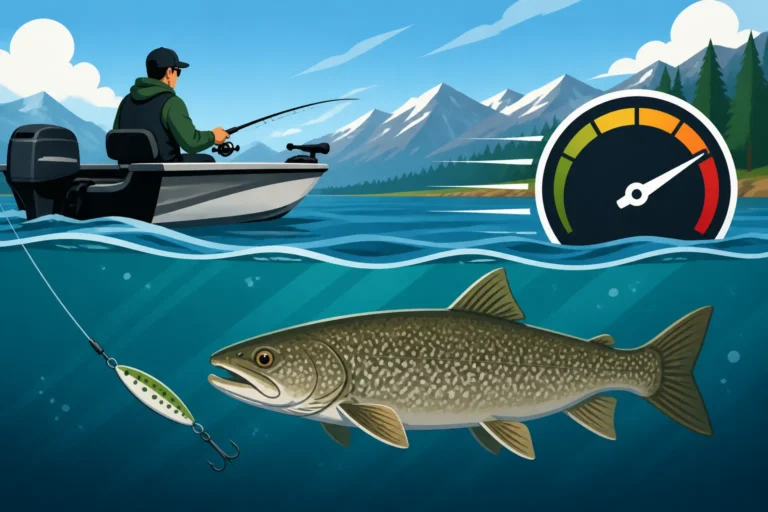
A tactic that often shines is slow trolling with small, deep-diving crankbaits or spinner rigs with live bait. The slow, methodical movement can coax a strike from a neutral fish without being too overwhelming. For an in-depth look at crankbait choices, check out our guide on "Best Crankbaits for Alberta Walleye". Make sure your trolling speed is barely enough to give the lure action. Often, less than 1 mph is ideal. The goal is to put the bait directly in the strike zone for an extended period, giving the walleye ample time to inspect and decide to bite.
Tackle and Gear Considerations for Cold Front Success
Having the right gear won't guarantee a bite during a cold front, but it will certainly maximize your chances by allowing you to detect subtle strikes and present your baits effectively.
Rod Sensitivity and Line Choices
When fish are barely biting, those subtle "thunks" or extra "weight" on your line are often the only indication of a strike. This is where a highly sensitive rod becomes paramount. Look for medium-light to medium power rods with a fast action tip, preferably made of graphite. The sensitivity will transmit even the lightest tap directly to your hands. For recommendations, our article on "Best Spinning Rods for Walleye" offers some great insights.
Line choice also plays a critical role. Fluorocarbon line is an excellent choice for a leader or even a main line due to its low visibility and minimal stretch, which increases sensitivity. If using braided main line, always pair it with a fluorocarbon leader of at least 6-8 feet to reduce visibility. The reduced stretch in braid and fluorocarbon will help you feel those ultra-light bites from finicky walleye. A 6-8 lb test fluorocarbon leader is often perfect, balancing strength with stealth.
Using Your Electronics to Your Advantage
Your fish finder becomes your best friend during a cold front. Walleye will often school up tightly in deeper water or specific structures. Your electronics can help you pinpoint these congregations. Don't just motor around; actively look for schools of fish or individual marks tucked tight to the bottom or structure. Once you find them, you can employ vertical jigging or slow-trolling techniques directly on top of them.
Pay attention to contour lines and depth changes on your map. Walleye will often orient themselves along these breaks. Mark waypoints on any fish you see and any structure you identify as potential holding spots. Understanding how to effectively use your sonar, side imaging, or down imaging can be the difference between a tough day and a successful outing. Even a "Best portable fish finder for kayak fishing" can offer enough insight for boat or shore anglers to locate these fish.
Specific Tactics for Alberta Walleye During a Cold Front
Alberta has a fantastic array of walleye fisheries, from massive lakes like Lesser Slave to smaller, productive waters. While the general principles of cold front fishing apply everywhere, there are some nuances for our specific waters.
Ice Fishing Considerations
For the ice fishing crowd, a cold front means walleye will often hug the bottom or suspend just off it. They become incredibly lazy, often barely mouthing baits. The "How to catch walleye in Alberta" guide covers many basics, but for cold fronts on the ice, think small, subtle, and scent-heavy.
Light jigs tipped with a minnow head, small spoons tipped with an eye or minnow, and slow presentations are key. Don't be afraid to let your bait sit still for minutes at a time. The sounder will often show a walleye slowly approaching your bait, investigating it for an extended period. Patience is critical. Consider a "Best Hair Jig Technique for Winter Walleye" for a highly effective cold front presentation. Drill several holes in different depths and along structure to find where the fish are holding, and move until you locate them.
River and Lake Tactics
Whether you're fishing a river like the Red Deer or a lake, post-front walleye will typically be found in deeper, slower water. In lakes, focus on basin edges, deep points, and the deepest parts of weed lines. For rivers, identify current breaks, deep pools, and the sheltered side of river bends.
When boat fishing, don't be afraid to employ a precise trolling pattern, using your electronics to stay on top of the marked fish. The "Best Jig Head Weight for Walleye Trolling" is a prime example of the kind of detailed setup that can make a difference. If you're on shore, cast small jigs or live bait rigs, letting them slowly drift or crawl along the bottom. Longer casts might be necessary to reach deeper water. Regardless of your location, remember that walleye will be less inclined to chase, so your presentation must be accurate and appealing without requiring much effort on their part. The overall "Walleye Fishing in Alberta" scene is diverse, but the cold front challenge is universal.
Cold Front Walleye Tactics at a Glance
Here's a quick reference table to summarize how your approach needs to change when a cold front hits:
| Factor | Pre-Cold Front Tactics | Post-Cold Front Tactics |
|---|---|---|
| Walleye Behavior | Active, aggressive, shallow, chasing bait | Lethargic, deep, tight to structure, finicky |
| Location | Shallow flats, weed edges, mid-depth structure | Deep breaks, humps, heavy cover, bottom contours |
| Lure Size | Medium to large | Small to medium, finesse-oriented |
| Lure Type | Crankbaits, spinnerbaits, larger jigs | Jigs (live bait/soft plastics), blade baits, small spoons |
| Presentation | Fast retrieves, aggressive jigging, searching | Slow, subtle, vertical jigging, dead sticking, long pauses |
| Bait | Artificials (often), scent optional | Live bait (minnows, leeches), scent essential |
| Electronics | Scouting, general depth finding | Pinpointing individual fish, marking structure |
| Patience | Moderate | Extreme (strikes can be very light and infrequent) |
Remember, consistency is key when facing a cold front. Stick with your chosen presentation, work the areas thoroughly, and trust that with patience and the right adjustments, you can still crack the code and enjoy some successful walleye fishing in Alberta, even when the weather isn't cooperating.
Disclaimer
Fishing conditions and regulations in Alberta can change rapidly. Always consult the most current Alberta Guide to Sportfishing Regulations before heading out. This guide is for informational purposes only and does not supersede official government regulations.